







Close
Digital Health & Ai Innovation summit 2026

From Falls to Infections: Understanding and Preventing Hospital Accidents

In the dynamic and fast-paced environment of hospitals, patient safety is of paramount importance. Healthcare professionals work tirelessly to provide the best care possible to their patients. However, despite their efforts, accidents can still occur, leading to injuries and sometimes even fatal consequences. Two common types of accidents that patients may experience during their hospital stay are falls and infections. In this article, we delve into the root causes of these accidents, explore patients’ legal rights when such incidents happen, and discuss effective strategies to prevent these unfortunate occurrences, thus ensuring patient safety and well-being.

Understanding Falls in Hospitals

Falls are one of the most prevalent accidents that occur within hospital settings, affecting millions of patients worldwide. Elderly patients and those with mobility issues are particularly vulnerable to falls, which can lead to serious injuries, such as fractures, head trauma, and soft tissue damage. There are various factors that contribute to falls in hospitals, including the patient’s age and physical condition, medication side effects, environmental hazards, and staffing levels. Understanding these risk factors is crucial in developing comprehensive fall prevention strategies.

To address falls effectively, hospitals must implement a multi-pronged approach. This approach involves the thorough assessment of each patient’s fall risk upon admission, regular reassessment during their stay, and the creation of individualized care plans. Ensuring that call bells, mobility aids, and handrails are readily available can also aid in reducing fall-related incidents. Additionally, educating both patients and healthcare staff on fall prevention measures can foster a culture of safety within the hospital environment.

Unraveling the Mystery of Hospital-Acquired Infections

Hospital-acquired infections (HAIs) are another significant concern when it comes to patient safety. Despite strict infection control measures, HAIs can still occur due to the presence of virulent pathogens, compromised patient immune systems, and the potential for cross-contamination. Common HAIs include catheter-associated urinary tract infections, surgical site infections, and ventilator-associated pneumonia.

Preventing HAIs requires a comprehensive infection control program that encompasses proper hand hygiene practices, effective sterilization and disinfection protocols, and appropriate use of personal protective equipment. Hospital staff must be vigilant in adhering to these protocols to minimize the risk of infection transmission.

Furthermore, technology can play a vital role in the prevention of HAIs. Advanced air filtration systems, antimicrobial surfaces, and automated disinfection methods can significantly reduce the presence of pathogens in the hospital environment. Additionally, implementing surveillance systems to monitor infection rates and promptly identify outbreaks can enable a swift response to control the spread of infections.

Legal Rights of Patients in Hospital Accidents

When a patient experiences an accident during their hospital stay, it is essential to understand their legal rights. When a patient experiences an accident during their hospital stay, it is essential to understand their legal rights. When a person sustained severe cuts and abrasions after a fall, their legal rights may be affected by the circumstances surrounding the accident. Falls in hospitals can happen due to various factors, including environmental hazards, patient conditions, medication side effects, or inadequate supervision. If a patient sustains severe cuts and abrasions after a fall, they may have the right to seek compensation for their injuries and related damages.

Medical malpractice laws vary by jurisdiction, but in general, patients may have the right to file a medical malpractice claim if they can prove that the hospital or healthcare provider breached their duty of care, and that this breach directly caused the patient’s injuries. To pursue a successful claim, patients will typically need to provide evidence of the standard of care that should have been provided, demonstrate how the hospital or staff deviated from that standard, and show that this deviation resulted in harm.

It is crucial for patients or their loved ones to consult with a knowledgeable medical malpractice attorney to assess the merits of their case and understand the legal options available. Legal recourse can not only provide compensation for medical expenses, rehabilitation costs, and lost wages but also hold hospitals accountable for their actions, leading to improved patient safety and the prevention of similar accidents in the future.

Preventive Measures and Safety Initiatives

While understanding legal rights is important, it is equally vital to focus on preventive measures and safety initiatives to avoid hospital accidents altogether. Hospitals can adopt various strategies to enhance patient safety and minimize accidents.

Investing in staff training and continuing education can enhance healthcare professionals’ skills and knowledge, reducing the likelihood of errors and accidents. Regular safety audits and risk assessments can help identify potential hazards and allow for timely intervention. Engaging patients in their care through education and communication can empower them to take an active role in fall prevention and infection control.

Patient-centered care models, which prioritize individualized attention and communication, have been proven to enhance patient safety outcomes. Collaborative efforts among healthcare teams, including nurses, doctors, pharmacists, and support staff, are also crucial in ensuring a holistic approach to patient safety.

The Role of Technology in Enhancing Patient Safety

The integration of technology in healthcare has opened up new avenues for enhancing patient safety. Electronic health records (EHRs) allow for seamless communication and information exchange between healthcare providers, minimizing the risk of errors and oversights. Smart infusion pumps can accurately administer medication dosages and prevent adverse drug events.

Artificial intelligence (AI) and machine learning algorithms can analyze vast amounts of patient data to identify trends and patterns associated with falls and infections, helping healthcare providers proactively address potential risks. Telemedicine and remote patient monitoring can also reduce the need for in-person visits, thereby decreasing exposure to hospital-acquired infections.
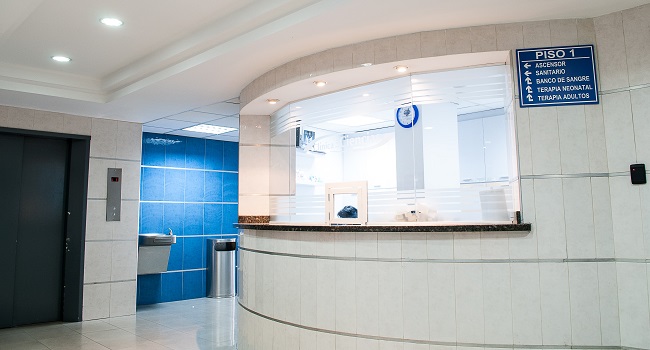
Patient safety should be at the forefront of every hospital’s mission, and it requires a comprehensive and multifaceted approach. Understanding the causes and implications of accidents, such as falls and infections, is crucial in developing effective prevention strategies. While accidents can never be entirely eradicated, hospitals can continuously improve their practices through ongoing education, technology integration, and fostering a culture of safety.

Furthermore, it is essential for patients to be aware of their legal rights in case of an accident caused by medical negligence. Seeking legal advice when necessary not only helps injured patients receive the compensation they deserve but also encourages hospitals to implement measures that prevent future accidents and improve overall patient safety.

In conclusion, by prioritizing patient safety, implementing preventive measures, and embracing technological advancements, hospitals can create a safer environment for patients and healthcare professionals alike. Striving for continuous improvement and accountability will ultimately lead to a healthcare system that minimizes accidents, maximizes positive outcomes, and ensures the well-being of all patients.
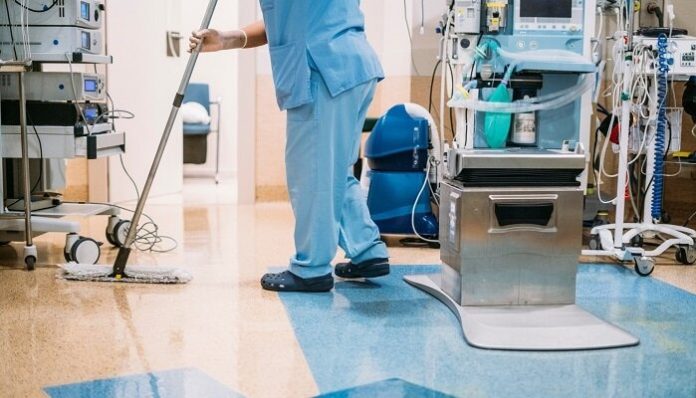

Elevating Patient Safety: The Impact Of Thorough Disinfection In Healthcare Environments

In healthcare environments, maintaining a high standard of cleanliness and disinfection is crucial to ensure patient safety and prevent the spread of infections. Thorough disinfection is vital in reducing healthcare-associated infections (HAIs), improving patient outcomes, and creating a safe environment for patients and healthcare workers.ย ย 

Because of this, itโ€™s essential to employ effective cleaning practices and utilize commercial disinfectant cleaning services. Doing so helps healthcare facilities enhance patient safety and promote a culture of cleanliness and hygiene.

The Importance Of Thorough Disinfection

Thorough disinfection in healthcare facilities is crucial for several reasons.

1. Prevent Healthcare-Associated Infections

HAIs pose a significant risk to patients and can result in increased morbidity, prolonged hospital stays, and mortality. Thorough disinfection plays a vital role in reducing the transmission of infectious agents within healthcare settings.ย ย 

Properly cleaning and disinfecting surfaces, medical equipment, and patient rooms may help prevent the spread of bacteria, viruses, and other pathogens in the facility. For example, regular disinfection of high-touch surfaces like doorknobs, bedrails, and handrails can effectively curb the transmission of pathogens and minimize the risk of HAIs.

2. Enhance Patient Outcomes

Effective disinfection practices directly impact patient outcomes. When healthcare facilities prioritize thorough disinfection, they create a safer environment for patients, minimizing their exposure to harmful pathogens. This, in turn, reduces the likelihood of infections, complications, and subsequent readmissions.ย 

With rigorous disinfection protocols, hospitals and clinics can significantly contribute to better patient outcomes, faster recovery times, and improved overall healthcare quality. Patients who receive care in clean and disinfected environments are more likely to experience positive health outcomes and have a reduced risk of developing healthcare-associated infections.

3. Boost Staff Confidence And Morale

Thorough disinfection practices benefit patients and instill confidence and peace of mind among healthcare staff. When healthcare workers know that their working environment is consistently cleaned and disinfected, they feel more secure in their workplace.ย ย ย 

This can lead to increased staff morale and satisfaction and improved overall productivity. Additionally, a clean and disinfected healthcare environment promotes a culture of safety and professionalism. This reinforces the commitment to patient care and well-being.

4. Meet Regulatory Standards And Compliance

Healthcare facilities must adhere to strict regulatory standards and cleanliness and infection control guidelines. Thorough disinfection practices are essential for meeting these standards and ensuring compliance with regulations. Implementing effective disinfection protocols and commercial disinfectant cleaning services may help healthcare facilities demonstrate their commitment to patient safety and fulfill their obligations to regulatory bodies.ย ย 

Ultimately, thorough disinfection in healthcare facilities is crucial for preventing healthcare-associated infections, enhancing patient outcomes, boosting staff confidence and morale, and meeting regulatory standards.ย ย 

By prioritizing thorough disinfection practices, healthcare facilities can create a safe and hygienic environment that promotes positive patient outcomes, reduces the risk of infections, and maintains high cleanliness and infection control standards.

Best Practices For Thorough Disinfection

To achieve thorough disinfection in healthcare environments, itโ€™s essential to implement the following best practices.

  • Undergo Training And Education

Healthcare facilities must provide comprehensive training and education to their cleaning staff regarding proper disinfection techniques. This includes understanding the correct usage of commercial disinfectants, following manufacturer instructions, and identifying high-risk areas that require special attention. Well-trained cleaning personnel are better equipped to handle the challenges of maintaining a clean and disinfected environment, ensuring thorough disinfection becomes an ingrained practice.ย 

  • Adhere To Protocols

Developing and enforcing strict disinfection protocols is essential to maintain consistent cleanliness standards throughout healthcare settings. These protocols should encompass the frequency of disinfection, recommended disinfectant products, and proper techniques for each area or surface.ย 

For instance, in patient rooms, using an appropriate disinfectant on surfaces such as bedrails, bedside tables, and remote controls after each patient discharge can significantly reduce the risk of contamination.

  • Utilize Commercial Disinfectant Cleaning Services

Partnering with professional commercial disinfectant cleaning services can provide healthcare facilities with added expertise and resources. These specialized services have in-depth knowledge of effective disinfection practices and access to high-quality disinfectants. They can help healthcare settings develop customized cleaning plans, perform regular audits, and ensure thorough disinfection in even hard-to-reach areas. Collaborating with commercial disinfectant cleaning services can augment existing cleaning efforts and enhance patient safety.

  • Embrace Technological Advancements

In recent years, technological advancements have revolutionized disinfection practices in healthcare. For example, ultraviolet (UV) light disinfection systems have proven effective in killing bacteria and viruses on surfaces and in the air.ย ย 

Such innovations can be integrated into existing cleaning routines to complement manual disinfection processes. By incorporating these technologies, healthcare facilities can achieve a higher level of disinfection and further minimize the risk of HAIs.

Incorporating these best practices for thorough disinfection in healthcare environments ensures a proactive approach to cleanliness and hygiene, promoting patient safety and reducing the risk of healthcare-associated infections.

Conclusion

Thorough disinfection in healthcare environments is paramount to elevate patient safety and reduce the incidence of healthcare-associated infections. By implementing best practices, healthcare facilities can create an environment prioritizing cleanliness, hygiene, and patient well-being. Ultimately, the commitment to thorough disinfection contributes to better patient outcomes, increased confidence in healthcare services, and a healthier future for all.

5 Latest and Greatest Medical Implant Advancements

Medical implants are human-made implants introduced into the human body to support its natural function. Some are there temporarily, while others are there permanently. In most cases, implantables are provided for diagnostic, therapeutic, and monitoring purposes.

While healthcare has come a long way in general, you might be surprised by just how far medical implantables have come in a short space of time. In recent years, weโ€™ve noticed some of the following amazing changes:

Photochemical Etched Medical Components

High-quality medical devices have been around for a long time, but etched medical components are a far more recent advancement. Photochemical etched medical components are made with an expansive range of non-corrosive standard and exotic metals like beryllium copper, aluminum, and zirconium and are designed to be stress-free and burr-free.

Photochemical tools donโ€™t wear like conventional tools, giving you peace of mind regarding consistency no matter how many devices you order from your supplier. Many of the best suppliers of etched medical components can customize tools and parts to suit your unique needs and provide nearly any pattern or texture for plates, mesh, and more.

Wireless Connectivity

Medical professionals were rarely able to monitor medical implants in real time once they were in place. However, that has all changed with wireless connectivity technology like NFC and Bluetooth.

Wireless-connected implants now allow healthcare providers to collect and monitor health data remotely, enabling them to identify problems and potentially improve patient outcomes. Studies also show that they are useful for a wide range of people and applications, such as orthopedic implants and cardiovascular environments, and can quantify events in the body in real-time in a non-invasive way.

Sensor Implants

External sensors have long been used for patient monitoring with varying degrees of success. While reasonably accurate, we now have a far more precise option at our disposal: sensor implants. Implantable sensors directly placed in the body, such as monitoring microchips and advanced health sensors, offer real-time data on patient health. So far, they are proving helpful with monitoring hard-to-reach areas like the torso, brain, and pelvis.

Neural Implants

Neural implants, also known as brain implants, are tech devices that connect directly to peopleโ€™s brains. Most often, they are placed on the brain surface or its cortex. These implants are designed to treat neuro-based conditions like chronic pain, incontinence, and sexual dysfunction by stimulating muscles and nerves directly. Multiple companies are now working on this technology, with some focusing on microchips for the restoration of neural function and others using selective muscle neurostimulation technology.

Drug Delivery Implants

People with chronic pain, cardiovascular disease, and other conditions requiring ongoing treatment can struggle to keep up with all the necessary medication. Taking the right medicines at the right time can also be time-intensive. Drug delivery implantables might be a game-changer in this respect. Some companies are now developing drug-delivery implant devices that have the potential to improve drug efficacy, lower healthcare costs, and even reduce side effects.

Weโ€™ve come a long way in such a short space of time in the medical field, and implants are no exception to the rule. It might only be a matter of time before these implants become commonplace, making healthcare more effective, affordable, and convenient.

Promoting Health Equity: Addressing Disparities In Access And Care Delivery

Patients and families require excellent health careโ€”something those fortunate to have medical insurance take for granted but those without could only aspire for. Health equity means ensuring everyone has a fair opportunity to achieve good health and receive the necessary care and support. Unfortunately, factors such as race, ethnic background, income, education, or geographic location can create significant inequities and disparities in health outcomes and access to care.ย 

Addressing these disparities is essential to creating an equitable and just healthcare system. While achieving health equity requires a comprehensive approach that involves policymakers, healthcare professionals, community leaders, and individuals, there is much that a Federally Qualified Health Center (FQHC) like Grand Peaks (https://grandpeaks.org/) can do at the community level.ย 

In this blog post, we will explore the impacts of health disparities and the strategies for promoting health equity.ย 

What Are Healthcare Disparities?ย 

In 2021, around 92% of the population had health insurance. Over 50% had insurance from their employer and 34% from Medicare or Medicaid. And though those figures have risen almost five-fold from 30 years ago, there are still health disparities like the following:ย 

  • Access Disparities: These disparities refer to differences in access to healthcare services. Factors such as geographical location, financial constraints, lack of health insurance, and transportation limitations can hinder an individual’s access to timely and quality care.ย 
  • Outcome Disparities: Outcome disparities highlight the differences in health outcomes among various populations. This can include variations in mortality rates, disease prevalence, rates of chronic conditions, and disparities in life expectancy.ย 
  • Treatment Disparities: Treatment disparities involve discrepancies in the quality of care received by different groups. This includes variations in the utilization of preventative care, screenings, diagnostic tests, appropriate treatments, and adherence to treatment regimens.ย 
  • Racial and Ethnic Disparities: Studies show that ethnic minorities and racial groups often experience higher rates of chronic diseases, like hypertension, cancer, diabetes, and heart disease. African Americans, for instance, have higher mortality rates from heart disease than White Americans.ย 
  • Socioeconomic Disparities: Socioeconomic status is closely linked to health disparities. Individuals from lower-income communities face increased challenges in accessing healthcare services and often have higher rates of chronic conditions, poor health outcomes, and shorter life expectancy.ย 
  • Geographic Disparities: Rural communities frequently encounter disparities in healthcare access due to limited healthcare infrastructure and provider shortages. This can result in delayed and inadequate care, leading to poorer health outcomes.ย 

Environmental factorsโ€”such as pollution exposure, lack of access to green spaces, and unsafe housing conditionsโ€”can contribute to health disparities. These environmental injustices disproportionately affect marginalized communities, leading to poorer health outcomes.ย 

Understanding these underlying factors and situations is critical to promote health equity effectively.ย ย 

Insurance And Medical Interventions To Improve Access And Care Delivery

Enhancing healthcare delivery is crucial for addressing health disparities and promoting better healthcare outcomes. Here are some strategies that can contribute to this effort:ย 

1. Promote Access To Federally Qualified Health Centersย 

FQHCs are community-based healthcare providers that get federal funding to provide primary care services to underserved populations. FQHCs play a vital role in promoting health equity and addressing healthcare disparities by making the following possible:ย 

  • Sliding Fee Scale: FQHCs use a sliding fee scale to ensure that low-income individuals can afford healthcare services. The fees are based on the patient’s income and family size, allowing them to receive care regardless of their ability to pay the full cost. This approach helps to reduce financial barriers and increase access to healthcare for underserved populations.ย ย 
  • Health Services To Vulnerable Populations: FQHCs are committed to serving vulnerable populations, including individuals experiencing homelessness, agricultural workers, immigrants, and individuals with limited English proficiency. They often provide culturally and linguistically appropriate care, ensuring that language and cultural barriers do not hinder access to quality healthcare services.ย 
  • Serving Underserved Populations: FQHCs primarily serve medically underserved areas (MUAs) and populations (MUPs). These areas and populations often need better access to healthcare due to geographic location, income level, or lack of health insurance. FQHCs are typically located in these underserved areas to ensure that individuals facing barriers to care receive comprehensive and affordable services.ย 
  • Patient-Centered Medical Home: FQHCs follow the patient-centered medical home (PCMH) model of care, emphasizing coordinated and comprehensive care that is accessible, culturally sensitive, and focused on meeting patients’ needs. FQHCs aim to provide ongoing and comprehensive care, addressing acute and chronic health conditions and promoting preventive services and health education.ย 
  • Comprehensive Care And Referrals: FQHCs offer various services, including primary care, dental care, behavioral health services, pharmacy services, and preventive care. They also collaborate with specialty care providers and community organizations to ensure that patients receive necessary referrals and follow-up care beyond the scope of their services.ย 
  • Emphasis On Quality Improvement: FQHCs prioritize continuous quality improvement and are subject to rigorous reporting requirements and performance measures. They use data collection and analysis to monitor and improve the quality of care, ensuring patients receive high-quality, evidence-based healthcare services.ย 

FQHCs are essential to the healthcare safety net, providing accessible, comprehensive, and affordable care to underserved populations. Through their focus on health equity and patient-centered care, FQHCs contribute significantly to reducing healthcare disparities and improving the health outcomes of the communities they serve.

2. Expand Insurance Coverageย 

Improving access to healthcare services is fundamental to addressing disparities. This can involve expanding insurance coverage through programs like Medicaid or subsidies for private insurance.ย ย 

In the US, acquiring healthcare can be especially tough for people with lower incomes, those with disabilities, and expectant mothers. However, Medicaid, a government-operated healthcare scheme, is steadily changing the scenario. This initiative offers more than just medical insurance; it also yields numerous beneficial economic impacts and significantly improves health results.ย 

Medicaid reduces the financial stress linked to high medical expenses, lessening the chance of individuals spiraling into poverty or encountering monetary hardships because of healthcare costs. Providing healthcare access means that people are more apt to get preventative services and essential medical interventions, resulting in better health and an enhanced living standard.ย 

Additionally, efforts can be made to increase the availability of healthcare facilities, particularly in underserved areas, and to improve transportation options for patients who may face barriers in reaching healthcare providers.ย 

3. Promoting Diversity And Cultural Sensitivity In Healthcare Professionalsย 

We can enhance cultural understanding and responsiveness by fostering a diverse healthcare workforce that reflects the communities they serve. Encouraging recruitment and training programs that prioritize diversity will ensure that healthcare professionals can effectively communicate with and understand the unique needs of diverse populations.ย 

4. Utilizing Technology To Improve Accessibility And Expand Telemedicine Options ย 

Technology improves healthcare access, especially for underserved and rural communities. By leveraging telemedicine, individuals can access quality healthcare services remotely, eliminating geographical barriers. Additionally, technological advancements can enable virtual health education and training, expanding knowledge and skills among healthcare professionals.ย 

5. Integrating Culturally Competent Care Into Healthcare Practicesย 

By incorporating these strategies, we can enhance healthcare delivery and improve healthcare outcomes for all individuals, regardless of their socioeconomic status, race, ethnicity, or educational background. It is essential to prioritize diversity, utilize technology, and integrate cultural competence into healthcare practices to create a fair and inclusive healthcare system.ย 

Nonmedical Ways To Address Disparitiesย 

Examining the nature of disparities points out that promoting equity can be addressed through other nonmedical interventions that can improve health awareness and other important delimiting factors to access.ย ย 

1. Health Literacy And Patient Educationย ย 

Low health literacy poses a barrier to utilizing healthcare services effectively. Enhancing health literacy involves providing patients with clear and understandable health information using plain language and visual aids. Patient education programs can empower individuals to make informed decisions about their issues and navigate the healthcare system more effectively.ย 

2. Social Determinants Of Health (SDoH) And Value-based Careย ย 

SDoH refers to the circumstances of an individual’s living, working, and social conditions that impact their comprehensive health. These elements encompass income, education, employment, housing, and access to healthy food and safe environments.ย ย 

Understanding the social determinants of health is essential for promoting health equity and tailoring care strategies that consider each patient’s situation. This promotes increased patient involvement and motivates individuals to take charge of their health more proactively.ย 

On the other hand, value-based care represents a healthcare delivery system that prioritizes enhancing patient health results and lowering healthcare expenditures. This is achieved by incentivizing healthcare providers based on the caliber of care they provide instead of the volume of services they perform.ย 

Value-based care frameworks incorporating SDoH can motivate healthcare practitioners to emphasize preventive care and wellness promotion. By tackling social determinants and enacting specific interventions, providers can aid in preventing chronic diseases and, in the long run, decrease healthcare expenditures.ย 

By including SDoH in value-based care, healthcare systems spread resources across diverse groups to minimize access and delivery inequalities. This way, more individuals have equitable access to high-quality care and chances for optimum health, irrespective of socioeconomic status.ย 

And since customized care programs consider the patient’s specific conditions, this approach nurtures increased patient participation. It stimulates them to adopt a more engaged and proactive role in maintaining their health.ย 

3. Data Collection And Analysisย 

Collecting accurate and comprehensive data on health disparities is crucial for understanding the scope of the problem and identifying areas for improvement. Healthcare systems and public health agencies should collect data on race, ethnicity, socioeconomic status, and other relevant factors to monitor disparities and guide targeted interventions.ย 

4. Collaboration And Community Engagementย ย 

Building partnerships between healthcare organizations, community-based organizations, and local communities is essential for addressing disparities effectively. Collaborative efforts can help identify community-specific needs, develop culturally tailored interventions, and ensure the involvement of community members in decision-making processes.ย 

5. Policy And Advocacyย ย 

Advocating to promote health equity and reduce disparities is vital. This includes supporting policies that expand access to healthcare, address social determinants of health, and prioritize resources for underserved communities. Advocacy efforts can also focus on promoting diversity and inclusion within the healthcare workforce.ย 

Barriers To Access And Care Deliveryย 

Digital inequity is one of the barriers to getting proper health services. Underserved patients may be unable to reach out because they don’t have gadgets or high-speed connections. Certain individuals may lack the skills or knowledge to utilize digital devices effectively or have disabilities or language difficulties that hamper communicating their health and financial issues.

Conversely, how can marginalized people benefit from digital equity? Four main advantages could significantly improve health outcomes:ย 

  • Access to digital tools guarantees that every person can reach trustworthy health data and learning resources. This equips patients to make educated choices about their health and participate in preventative healthcare measures.ย 
  • Access to digital services promotes enhanced interaction between patients and their healthcare providers, resulting in more streamlined care management and tailored treatment strategies. This can result in better health outcomes and a timely healthcare experience that focuses more on the patient’s needs.ย 
  • Digital access allows individuals from varied backgrounds to use telehealth services, like online consultations and remote health monitoring. This means surmounting traditional obstacles to healthcare access, such as transportation, geographical distance, and time limitations, particularly for individuals in rural regions or those with restricted mobility.ย 
  • Digital access facilitates the gathering and examination of health data from various population groups, which empowers healthcare providers to pinpoint trends, disparities, and potential areas for enhancement. This data-centered approach can result in more focused interventions and improved distribution of healthcare resources.ย 

Conclusionย 

Promoting health equity and addressing disparities in access and care delivery is crucial for creating a fair and just healthcare system. Health disparities are differences in health outcomes or access to healthcare that are closely linked with social, economic, and environmental disadvantages. These disparities often affect marginalized and underserved populations and those living in rural areas.ย 

Addressing disparities in access and care delivery requires a comprehensive and multifaceted approach involving medical, insurance, health education, policy improvements, and others. Improving digital access enables marginalized sectors to avail themselves of telehealth and remote services that could give them timely and appropriate care. By implementing these strategies, healthcare systems can work toward achieving health equity and ensuring that all individuals have equal opportunities to lead healthy lives.

Generative AI A Boon To Lower Healthcare And Pharma Costs

The generative artificial intelligence usage in pharma and healthcare can potentially go on to address the long-standing issues when it comes to high costs as well as poor experiences within the sector, as per a report by GlobalData.

It is well worth noting that generative AI is all set to bring monumental changes to the healthcare sector and also enable a major transition across the value chain, opines the practise head for Disruptive Tech, Kiran Raj, at GlobalData.

The technology can go on to help the physicians provide more effective care, and that too at a lower cost, with streamlined and personalised care as well as guided diagnosis. GlobalData, in its latest report pertaining to Innovation Radar, mentioned that AI could go on to synthesise critical information about patients, which can include their medical history, lifestyle, or family history too.

When it comes to the drug discovery scene, generative AI can aid in helping to generate new drug candidates that are purely based on the criteria and constraints that are supplied by the researchers.

The technology can also go on to predict the efficacy and safety of the new drug candidates and potentially customise the drug therapy for better patient outcomes.

Companies around the world are already on the move when it comes to discovering the next biggest innovation in the industry, as per the report. As per GlobalData, health startups such as Absci, Huma.AI, and Insilico Medicine are all currently creating generative models that can aid in fast-track development, while technology giants like Google and NVIDIA can go on to help with the required infrastructure.

The firmโ€™s associate project manager, Saurabh Daga, who is involved in Disruptive tech, said that the genAI gamut is not without any risks, especially when it comes to regulated sectors such as pharma and healthcare, where there is immense potential for advancements as well as benefits.

So as to entirely leverage the potential of tech breakthroughs, Daga went on to stress the fact that there is indeed a need for companies to partner with organisations that have a sector perspective as well as tech expertise, which involves responsible AI.

Keeping Healthy as an Older Adult Means Doing These Things

Our bodies never really stop changing. The things you do to keep healthy also evolve as the years go by. We modify the exercise and types of activities we engage in based on our moods and how our bodies feel.

For example, if you played competitive ice hockey growing up, you might switch to playing in a less intense recreational league in middle age among friends. Years later, you might enjoy instructing grandkids on the finer points of the game or going for a leisurely skate.

Here are a few other ways older adults can modify their favourite activities to be suitable for them now.

Mind What You Eat

If you have an ancient recipe that people made generations ago, itโ€™ll be just as delicious if you cook it the exact same way today! However, peopleโ€™s diets often change as the years go by. There are no hard and fast rules, but itโ€™s common for peopleโ€™s preferences and tolerances to evolve.

Consider your current dietary preferences carefully and make meals accordingly. Or, move to a living community with cooks that do the planning, grocery shopping, and cooking for you.

Older adults who move to places like retirement living at Citรฉ Parkway wonโ€™t have to think about what groceries to buy or how to prepare meals. With professional cooks working the kitchens, theyโ€™ll create delicious and nutritious meals for you.

Walks and Exercise

Moving the body is something people of all ages need to do. Everybodyโ€™s needs and abilities are different, so itโ€™s hard to make any universal claims regarding what older adults can manage.

However, in general, activities and exercises that pose lower risks to muscles and joints are safer for older adults. Things like swimming, walking, and yoga can be great ways to get in motion. They can also be very social activities that help people feel connected in safe and productive ways.

Physical activity helps improve cognitive functions, too, not just the physical body itself.

Purpose and Fulfillment

Staying fulfilled and joyous is an important component of health. What matters most to a person is determined by whatโ€™s in their heart. Perhaps nothing could be more deeply personal than that. Nobody can say what that is for you but you.

After people reach the age of retirement, their schedules open up, and they have more time than ever to indulge in their passions and what gives them meaning. This underlying dynamic is common, and what people choose to do with this time is up to them.

Some like to hang out with family, while others volunteer or pursue a passion. Itโ€™s wise to focus on what really matters in your newly freed-up time. With years comes perspective, and most people donโ€™t need to be pushed much to invest their time in what brings them purpose and fulfillment.

People need to change how they tend to themselves and keep fit and happy as the years go by. Keep in touch with the changes in you and adapt to them in ways you find appealing, and youโ€™ll remain happier and healthier.

Understanding Informed Consent: Patient Rights in Medical Procedures in Florida

Florida patients have certain rights when seeking or receiving treatment. They cover everything from being treated fairly to receiving prompt and reasonable responses to questions about their medical conditions. Everyone has the right to receive medical treatment, regardless of race, national origin, or religion. The right to be fully informed of the risks of treatment is also included.

If you feel youโ€™ve been the victim of medical malpractice or didnโ€™t receive your rights as a patient, contact a Miami medical malpractice attorney. Only an experienced medical malpractice professional can help to guide you in the right direction, either to file a lawsuit or to assist you with negotiating a settlement.

What Is Informed Consent?

The Florida Patientโ€™s Bill of Rights and Responsibilities contains everything a patient in Florida has a right to, informed consent included. The idea of informed consent is to allow the patient to fully understand the risks, if any, of a medical procedure or treatment. Itโ€™s your doctorโ€™s responsibility to explain why theyโ€™re proposing a procedure and to point out its risks and if there are any other alternatives to the procedure. Contrary to the opinion of some, you have the right to make an informed decision to accept or reject medical treatment or procedures.

The only time informed consent doesnโ€™t apply is if the patient is unconscious and the procedure is necessary to treat a medical emergency. In cases like this, the patientโ€™s consent is implied as a matter of life or death.

Floridaโ€™s Informed Consent Law states that a doctor must disclose 3 key things:

  1. What is the nature of the procedure or treatment
  2. The risks and potential hazards of the procedure or treatment
  3. If there are any reasonable alternatives to the procedure or treatment

This ensures that the patient has been fully warned of any and all risks in the proposed treatment or procedure. The patient can then agree or disagree to follow the doctorโ€™s recommendation.

Does Informed Consent Eliminate a Patientโ€™s Right to File a Medical Malpractice Claim?

One would think that signing an informed consent form would eliminate all rights to file a medical malpractice lawsuit. Technically, the answer would be yes, but it would ultimately decide on several different factors. It could make seeking compensation much more difficult since the doctor will use your signature on the form as proof of consent or can say that you agreed verbally since verbal consent is legal. However, there are some situations where a savvy lawyer can eliminate this defensive strategy.

Scenarios that could possibly nullify informed content could be if you signed an informed consent form but werenโ€™t told what it was. A doctor could neglect to inform you of a risky treatment or procedure, and then as a part of standard protocol, youโ€™re given a bunch of papers to sign. Unfortunately, most of us just sign whatever is in front of us. However, for informed consent to occur, the patient must have been informed of the risks of the treatment.

Other scenarios could include:

  • When a patient is heavily medicated or slightly sedated and then doesnโ€™t understand what theyโ€™re being told
  • A patientโ€™s command of English isnโ€™t strong, and they didnโ€™t know they had a right to an interpreter
  • The doctor informed the patient of the risks but didnโ€™t offer any alternatives to treatment

Whatโ€™s Needed To Prove Medical Malpractice Based on a Failure To Inform?

Youโ€™ll need to prove that you werenโ€™t fully aware of the risks or alternative treatment methods, which can easily turn into a โ€œhe said, she saidโ€ situation between you and your doctor. Youโ€™ll also have to prove that had you been informed of the risks, you wouldnโ€™t have given consent. This can be difficult to prove, highlighting the importance of working with an experienced medical malpractice attorney.

Understanding Informed Consent: What You Need To Know

Informed consent was established so patients fully know of any risks involved in treatments or medical procedures. The other side is that it shields doctors from medical malpractice cases. A doctor doesnโ€™t need to perform a surgical mistake to be considered negligent, and not informing a patient of a procedureโ€™s risk is still considered medical negligence.

If you feel youโ€™ve been injured by not receiving adequate information from your doctor about a medical procedure or treatment, contact an experienced medical malpractice lawyer. Once youโ€™ve presented them with what occurred, they can decide whether you have a valid case.

Online vs. Traditional Programs: Comparing the Pros and Cons for Psychiatric Nurse Practitioner Education

Are you trying to choose between getting your nursing degree online or in person? Not sure which option would suit you and your lifestyle best?

Read on for a comparison of the pros and cons of both psychiatric nursing practitioner education types. We discuss clinical training, convenience and flexibility, costs, networking, accreditation, and more.

Online Programs for Psychiatric Nurse Practitioner Educationย 

Pros

  • Flexibility

Online learning allows students to weave their education into their schedules. As opposed to adapting their established life to a set schedule.

Additionally, students have access to various learning formats. Those with diverse learning styles (eg. neurodivergent individuals) can learn in the way that suits them.

  • Combine Work and Study

Many nurses are already working within their chosen field, but have decided to upskill. Online study allows them to combine work and education.

Maintaining a healthy work-life balance is crucial to avoid burnout. A student who studies online can better maintain this balance, especially caregivers.

  • Range of Program Options

Research an nurse practitioner program online and youโ€™ll find a broad range of program options to choose from. Generally, there is a more diverse choice online vs. in a traditional setting.

Cons

  • Limited Face-to-Face Interaction

Someone who thrives in an interactive setting may find the lack of peer connection isolating. It is often useful to interact directly with oneโ€™s peers to enhance open-mindedness and creativity.

Networking is also extremely difficult in an online setting. A lack of networking may create a deficit for your future endeavors.

  • Requires Self-Discipline

Someone with a high level of self-discipline, independence, organization, and time-management skills will certainly succeed in an online setting.ย 

However, if you struggle with self-motivation, and need accountability to be able to motivate yourself, an online nursing program may not be the ideal choice.

  • Potential Lack of Hands-on Training

A common concern with online nursing programs is the potential lack of hands-on training. Thatโ€™s what nursing is all about, right? Not all online learning centers have the technology to provide students with simulated clinical scenarios.

Traditional Programs for Psychiatric Nurse Practitioner Education

Pros

  • Hands-on Clinical Experience and Structure

Traditional psychiatric nursing education facilities offer hands-on experience. This gives you ample opportunity to work with actual patients in a clinical setting.ย 

If youโ€™re someone who requires structure to succeed, a traditional program may work better.

  • Face-to-Face Interaction

On campus, students can build relationships with peers and faculty members. This encourages mutual support, trust, active participation, teamwork, and conflict resolution.

Maybe youโ€™re yearning for an exciting college experience. Youโ€™ll be able to participate in normal college events, such as concerts and sports.

  • Reputation and Networking

Form a positive reputation amongst your peers and especially the higher-ups in the psychiatric nursing field. And get a solid letter of recommendation for future jobs or masterโ€™s endeavors from a faculty member who knows you well.

Cons

  • Fixed Schedules.

All of us have work or personal commitments outside of our studies. Traditional learning programs require you to adapt to a set schedule that may conflict with your current lifestyle.

  • Limited Campus Locations

Online studies mean students can work from anywhere with an internet connection. This is useful when there are limited geographic options for traditional psychiatric nursing programs close to your residence.

  • Higher Costs

On-campus learning generally translates to higher costs than online courses. These costs are associated with transport and campus resources.

Comparison of Clinical Training

Online Programs

Both psychiatric nurse practitioner programs have clinical training requirements. And are required to meet the same accreditation standards.

The downside of online studies is that this is left in the studentโ€™s hands. Online students are often required to find their placement sites. As you can imagine, this can be challenging. Many placements have not been vetted by your educational institution, which may lead to a disappointing, sub-optimal clinical experience.

Some online learning facilities present you with real-life practice patient scenarios. These can be completed without setting foot in a classroom if thatโ€™s your preference.

Traditional Programs

Attending a traditional program has its benefits when it comes to hands-on clinical experience. There is a massive emphasis on this aspect of a psychiatric nursing degree.

Traditional programs have often long-term connections with well-established clinical sites. The sites with which they partner are already vetted. And your placement is usually pre-arranged. Ensure you thoroughly investigate your chosen institutionโ€™s clinical rotations before registering for the course.

Additionally, mentors and professionals are in your immediate vicinity on campus. This translates to easier communication, networking, and increased opportunities for guidance.

Accreditation and Credibility

Online Programs

To be officially registered in your state, there are a few hoops to jump through. A Bachelor of Science in Nursing (BSN) student is required to take the National Council Licensure Examination (NCLEX). This is required to achieve their Registered Nurse (RN) license or to attend a Masterโ€™s Nursing Program.ย 

Ensure your online institution has these same requirements. You want the degree you achieve at the end of your years of study to be credible and accepted by professional organizations. Also, consider whether itโ€™s an internationally accepted qualification.

Furthermore, inquire about the student outcomes and success rates of your online program. Whatโ€™s the NCLEX pass rate? Whatโ€™s the schoolโ€™s ranking and academic quality?

Traditional Programs

Itโ€™s less imperative to inquire about reputation and credibility when it comes to traditional programs. This is often a given. Online learning is a rather recent method of education, whereas in-person programs have been around for centuries.

However, still do your research into the schoolโ€™s ranking, for RN programs, for example. You aim to make sure your chosen educational institution is recognized by professional associations and regulatory bodies.

Face-to-face psychiatric nursing programs tend students ample access to alumni networks. Youโ€™ll foster industry connections naturally throughout your studies.ย 

Cost and Financial Considerations

Online Programs

As mentioned previously, studying online can reduce the cost of your studies overall. No need to travel to your campus or pay for a residence on or near your campus.ย 

Since students can work and study simultaneously, this lowers the immediate cost of the course. Or rather helps to keep oneโ€™s budget on track.

There are also financial aid options and scholarships available. These are highly desirable though, so the competition is tough.

Traditional Programs

The facilities offered on campus are generally highly useful. Many institutions have writing labs, library research assistance, advocacy services, counseling, a career center, social groups, and accessibility services. But, of course, these resources come at a cost.ย 

On-campus learning additionally involves travel, housing, and campus fees. Not to mention the time cost. Often a commute includes driving, parking, and walking to class, which can subtract precious time from a nursing studentโ€™s packed schedule.

But once again, financial aid options and scholarships are available for the chosen few.ย 

Optimal Health: Achieving Balance and Well-being in Your Life

In our chaotic, fast-paced lives, itโ€™s easy to forget the importance of optimal health and well-being. We get stuck in routines that donโ€™t bring us joy or energy, we neglect proper nutrition and exercise habits and ultimately suffer from physical exhaustion as a result. Achieving balance and well-being is essential for every part of your life โ€“ physical health, mental well-being, relationships, and career growth. This blog post will focus on how we can optimally manage all aspects of our health so we can live life with greater purpose and vitality!

Define What Optimal Health Means to You

Optimal health is a subjective term, and its definition may vary from person to person. For some people, optimal health means being free from chronic diseases and illnesses, while it may mean being physically fit and active for others. Personally, I believe that optimal health encompasses both physical and mental well-being. It means having a strong immune system, eating a balanced diet, exercising regularly, and getting enough rest. It also means being aware of and managing stress levels and staying connected with loved ones. Achieving and maintaining optimal health requires effort and dedication, but the benefits are immeasurable. Optimal health can improve self-confidence, more energy, and a better quality of life overall.

Think About What Balance Looks Like for You

Achieving balance in life is a personal journey and it looks different for everyone. Some may find balance in their career, while others may find it in their personal relationships. For some, it may mean taking time for self-care and pursuing hobbies, while for others it may be accomplishing set goals and achieving success in their chosen field. The important thing is to take the time to reflect on what balance means to you and the steps you can take to achieve it. It’s easy to get caught up in the hustle and bustle of everyday life, but taking the time to focus on balance can lead to a happier, healthier, and more fulfilled life.

Develop Stress-Reduction and Self-Care Techniques

In today’s fast-paced world, it’s easy to feel overwhelmed by stress and anxiety. That’s why it’s essential to prioritize self-care and make time for stress-reduction techniques. Luckily, there are many ways to unwind and take care of yourself. As seen in this article aboutย  Plymouth’s healthy things to do, whether it’s exploring the city’s stunning natural beauty through hiking or spending a relaxing day at the spa, there are plenty of options to choose from. Finding the right stress-reduction technique that works for you is key to maintaining a healthy and balanced lifestyle. So why not take some time to develop a self-care routine that will help you thrive?

Identify Your Stressors and Triggers

Have you ever felt overwhelmed and anxious but couldn’t quite figure out why? Identifying your stressors and triggers can be like shining a light in the dark – suddenly, everything becomes clearer. Stressors are the events or situations that cause stress, while triggers can be specific sensations, thoughts, or memories that set off a stress response. Becoming familiar with what causes you stress can help you better manage your emotions and reactions, leading to a more peaceful and balanced life. So take time to reflect on your experiences and emotions, and identify those stressors and triggers. Your mental health will thank you.

Incorporate Exercise into Your Daily Routine

Physical fitness is essential to a healthy lifestyle, but the thought of fitting into an exercise routine can be daunting. However, incorporating exercise into your daily routine need not be a complicated matter. You can start small by walking the dog or taking the stairs instead of the elevator. These small changes can make a big difference in your health. Other options include taking a yoga class or joining a local sports team. Regardless of your choice, engaging in a physical activity that you enjoy, and which suits your lifestyle, will keep you motivated. Before long, exercise will become a part of your daily routine, and your body will thank you for it.

Establish Healthy Eating Habits

Do you struggle to maintain healthy eating habits? Many of us do – it can be tough to resist the appeal of fast food and sugary snacks. However, establishing healthy eating habits has numerous benefits for both our physical and mental well-being. By incorporating more whole foods, fruits and vegetables, and lean proteins into our diets, we can improve our energy levels, boost our immune system, and reduce our risk of chronic diseases. Of course, making changes to our eating habits can be challenging, but it’s possible with the right mindset and a little bit of support. Why not start small and try swapping out one unhealthy food for a healthier alternative? You might be surprised at how much of a difference it can make. So, go ahead and take that first step towards a healthier you!

In conclusion, achieving optimal health in life can be an ongoing journey. It requires prioritizing self-worth and understanding oneโ€™s individual needs in order to experience balance and successful well-being. Taking steps to identify stressors and triggers, defining what optimal health means to you, developing methods for reducing stress, incorporating exercise into daily routines, and establishing healthy eating habits are beneficial steps toward a greater sense of vitality. Developing healthy habits through honesty and patience with oneself is key to making lasting changes that will improve oneโ€™s overall quality of life. Optimal health takes work, but it is absolutely worth the effort!

Common Challenges in the Pharmaceutical Shipping Process

Shipping pharmaceuticals is a complex and highly regulated process. It requires careful attention to detail, as even the slightest mistake could have serious legal or medical repercussions. From packaging and labeling requirements to temperature control and shipment tracking, numerous challenges must be addressed for pharmaceutical shipments to arrive safely at their destination. In this article, we will discuss some of the most common challenges involved in shipping pharmaceuticals so that you can ensure your shipments meet all necessary regulations and standards.

1. Temperature Control

Many pharmaceuticals are temperature-sensitive and require special care when shipping them from one location to another. It is important to ensure that temperature-sensitive products are properly stored and transported at the right temperatures, as any variation can potentially damage the product or render it ineffective. You can read more about temperature control requirements for pharmaceuticals. It is especially critical when shipping pharmaceuticals via air freight, as aircraft cabins experience rapid changes in temperature and pressure during flight.

Specialized containers such as insulated boxes or temperature-controlled packaging must be used when transporting temperature-sensitive goods. Additionally, temperature monitoring systems are encouraged to track and monitor the internal environment of a package throughout its journey. This helps to ensure that any temperature changes are identified and addressed quickly to prevent damage or spoilage of the product.

2. Packaging and Labeling

Pharmaceuticals must be packaged to protect them from damage, leakage, or contamination. Not only must the packaging meet certain standards, but it must also be clearly labeled with all the necessary information, including the manufacturerโ€™s name, product description, dosage instructions, expiration date, and lot number. It is important to ensure that all this information is visible and easily readable on the package, as it may be necessary during an inspection or recall.

In addition, any special instructions, such as warnings or safety precautions, must be included in the labeling. This involves ensuring that all necessary information about the product is on the package and any accompanying documents, such as a Certificate of Analysis or Material Safety Data Sheet (MSDS).

3. Documentation and Regulatory Compliance

Due to the nature of pharmaceuticals, shipments must meet numerous documentation requirements and adhere to various regulatory standards to be accepted and distributed legally. This includes obtaining permits, filling out paperwork, and ensuring all necessary information is included in the shipment. Documentation must also be kept up to date for the product to remain legally compliant throughout its journey.

Remember regulations can vary by country and region is important, so itโ€™s essential to stay informed about any changes or updates that may affect your shipments. It is also important to ensure that all documentation is stored securely to provide easy access for any necessary inspections or audits.

4. Security Concerns

Pharmaceuticals can be valuable targets for theft or counterfeiting, so it is important to ensure that shipments are adequately protected. This includes using tamper-evident seals and other security features to prevent unauthorized transit access. Additionally, shipments should be tracked closely by utilizing various security protocols such as GPS tracking devices or RFID tags to identify any suspicious activity quickly. Taking the necessary precautions and addressing any potential risks can help ensure your shipments arrive safely and securely at their destination.

5. Shipment Tracking

It is essential to track shipments to ensure that pharmaceuticals are delivered on time and without incident. With proper tracking systems in place, companies can monitor the progress of their shipments in real-time and identify any potential issues quickly to take corrective action. This helps reduce the risk of delays or lost shipments and provides visibility into the entire supply chain process. Additionally, shipment tracking can help with regulatory compliance by providing easy access to all necessary documents and records for inspections or audits.

6. Risk Management

Risk management involves identifying and assessing potential risks that could affect the safety or efficacy of a shipment, as well as taking steps to mitigate those risks. Risk management can help ensure compliance with regulations, reduce delays in transit, and prevent losses due to theft or counterfeiting. Proper risk management requires careful planning and preparation to identify potential threats and develop strategies for addressing them.

This includes thorough assessments of internal processes and external factors, such as weather conditions or security issues at ports of entry. Additionally, it is important to stay informed about regulations or industry standard changes so that shipments remain compliant throughout their journey. By utilizing effective risk management techniques, companies can safeguard their shipments from unexpected issues while ensuring compliance with all necessary laws and regulations.

By following the steps outlined above, companies can ensure their pharmaceutical shipments meet all necessary regulatory requirements and arrive safely at their destination. By taking the time to understand and address any potential challenges involved in shipping pharmaceuticals, you can ensure that your shipments are compliant and secure throughout the entire process. Doing so will help to protect important assets, reduce risks, minimize legal liabilities, and ensure that your products reach their destination in the best possible condition.

Translate ยป