Close
Digital Health & Ai Innovation summit 2026

HOYA Group PENTAX Medical Established Manufacturing, R & D and Service Center in China

HOYA and Hitachi Announce Long Term Technical Collaboration and Supply Agreement Related to Endoscopic Ultrasound Systems

HOYA Group, PENTAX Medical announced an establishment of endoscope manufacturing, R&D and service center dedicated to China market in Shanghai, China under PENTAX Medical Shanghai Co., Ltd.

The manufacturing site is going to produce PENTAX Medical endoscopic solutions for China.ย A state-of-the-art service center is to enhance customer experience by exceptional customer care and fast resolving of any inquiries.

โ€œPENTAX Medical is happy to contribute to โ€œHealthy Chinaโ€ initiative by locally manufacturing high tech medical devicesโ€ said Maha Guruswamy, President, PENTAX Medical Asia Pacific Region. โ€œThis is a great milestone in PENTAX Medical history to add a substantial local facility in China to produce, deliver and repair innovative endoscopic solutions for medical institutions in China. This will speed up delivery of PENTAX Medicalโ€™s innovative endoscopic solutions to support enhancement of quality of care in China more than everโ€.

Rainer Burkard, Global President, PENTAX Medical, and Company President, MedTech and Life Science Company, HOYA Corporation commented, โ€œAt PENTAX Medical we care about providing the best possible support for health care professionals. We have already established R & D center in Japan, U. S. and Germany to take customersโ€™ voices into our R & D activities. This establishment will allow and cater for closer interaction with the clinical stakeholders and our R & D in China as well,โ€

Health – tech startup Fitterfly launches X-Labs, a new division to transform chronic disease management with AI

HUB Security Partners with Enlitic to Secure Health Data, Enhance Patient Care Through Artificial Intelligence

Fitterfly, a leading health-tech company working in the field of digital therapeutics (DTx), launches its new division, X-Labs on the occasion of its 7th Anniversary. The division harnesses the power of Artificial Intelligence (AI) and Human-centered Design to redefine the quality of care provided to individuals battling chronic conditions.

Since its inception, Fitterfly has remained at the forefront of chronic disease management in India, with a unique care continuum model that includes dedicated nutritionists, physiotherapists, and psychologists for each subscribing member. This holistic approach, combined with cutting-edge technologies such as continuous glucose sensing and digital therapeutics, has resulted in exceptional outcomes for over 20,000 individuals with diabetes and obesity, including an average reduction of 1.96% in HbA1c levels, weight loss and significant improvements in overall fitness, sleep quality & reduction in stress.

The mission of X-Labs covers two critical areas. One of these includes AI Coaching and Chatbots. Fitterfly’s chatbots have been actively engaging subscribers since 2016, delivering over 22 million positively reinforcing nudges. With X labs, AI will start handling progress monitoring, set reminders, answer common queries, and provide routine information, while human coaches will deliver in-depth personalized care, surpassing the capabilities of when Fitterfly initially began its journey.

The Second mission is towards leveraging personalized data analysis and hybrid workflows to unleash the potential of data. Fitterfly will empower clients with insightful health journey understanding and actionable steps, nudging them towards their goals. Weโ€™re researching virtual biomarkers that quantify vital health information and complement glucose levels through biofeedback loops. With analysis overheads out of the way,, Fitterfly’s health professionals can focus on human-centric tasks, optimizing care and emphasizing empathy.

Speaking about the launch, Dr Arbinder Singal, CEO and Co-Founder, Fitterfly said, “Diabetes is a huge problem to solve in India. With rapidly mounting numbers of people with diabetes and prediabetes, with the use of AI we can help more people on an instant basis. Our interactions with the last 20,000 members have led to deep insights and data which we plan to use as a basis for AI to create new biomarkers and instant help tools. The cornerstone would be to have empathy in these tools with the aim to enhance member experience and improve outcomes further. At Fitterfly, we constantly strive to push the envelope, drive innovation, and conduct experiments that revolutionize the way chronic diseases are managed. Through X-Labs, it is just the beginning of our journey to create a new era in healthcare, where cutting-edge technologies shape the future of patient care.”

Adding further, Ammar J, Head, X-Labs, Fitterfly, said, “X-Labs embodies Fitterfly’s commitment to innovation and bias for patient outcomes. With algorithmic insights and virtual biomarkers, rooted in evidence based medicine, weโ€™re reimagining the care continuum.By empowering our health professionals and our subscribing members, we plan to make a lasting impact on chronic disease management and rethink care pathways.”

Fitterfly’s X-Labs division signifies a groundbreaking shift in chronic disease management, leveraging AI-driven chatbots and personalized data analysis to redefine the landscape of patient care, enabling superior health outcomes.

Singapore’s IHiS inks MoU with Microsoft to trailblaze generative AI in healthcare

Singapores IHiS inks MoU with Microsoft to trailblaze generative AI in healthcare

The Integrated Health Information Systems (IHiS),ย a health information agency operating within Singapore, founded by the Ministry of Health, has inked a Memorandum of Understanding (MoU) with Microsoft for deeper collaboration in generative artificial intelligence (AI) and cloud innovation.

They have also announced the development of the Secure GPT for Healthcare Professionals powered by Azure OpenAI Service to enable healthcare workers to generate insights and automate tasks for greater efficiency.

The MoU sets the foundation for IHiS and Microsoft to bring together different capabilities, competencies, ideas and resources to improve the day-to-day work experience for healthcare professionals and enhance the patient experience via innovations in generative AI and cloud.

The MoU outlines five key aspects of collaboration between IHiS and Microsoft:

  1. Learning and discovery: cross-learning opportunities to build technical skills and domain knowledge in generative AI and cloud in health.
  2. Collaboration in the entire innovation lifecycle: covering ideation, qualification, incubation, development, deployment, scaling and change management to increase adoption.
  3. Using Azure and security technologies: optimising, automating, and modernising public healthcare IT and security infrastructure at scale to support diverse secure computing needs. T
  4. Improving clinical and operational insights through Microsoft Azure Intelligent Data Platformย and Azure OpenAI Service: to build intelligent applications with generative AI to support multiple use cases for health.
  5. Harnessing Microsoft 365 on Cloud: enabling greater collaboration to enhance the daily work experience with AI-powered Microsoft 365 tools.

From Pharmaceuticals to Medical Devices: The Impact of 3PL Warehouse Solutions on Healthcare

The healthcare industry is complex and multifaceted, encompassing everything from pharmaceuticals to medical devices. With such a vast range of products and services, the logistics of managing inventories, transporting goods, and ensuring timely delivery can pose considerable challenges. However, 3rd Party Logistics (3PL) warehouse solutions are playing a transformative role in addressing these obstacles and reshaping the healthcare logistics landscape.

Facilitating Pharmaceutical Logistics

Logistics within the pharmaceutical sphere plays an indispensable role in healthcare. The prompt and safe delivery of medications to medical facilities and patients is a matter of paramount importance. In this context, healthcare 3PL warehouse solutions have emerged as pivotal players. They offer critical services like temperature-regulated storage and transportation, live inventory monitoring, and adherence to regulatory benchmarks. Each of these aspects ensures that pharmaceutical goods are appropriately stored, managed, and transported, thereby upholding the safety and well-being of patients.

Streamlining Medical Devices Logistics

Similarly, the management of medical devices, which range from small consumables like syringes to large equipment like MRI machines, can be quite challenging. However, 3PLs are adept at managing such diverse inventories. They employ advanced technologies and best practices to ensure efficient handling and timely delivery of these critical healthcare tools. Besides, the expertise of 3PLs in dealing with the regulatory nuances of medical devices logistics ensures compliance and mitigates risk.

Advantages of 3PL in Healthcare: By the Numbers

To further understand the impact of 3PL warehouse solutions in healthcare, let’s look at some critical benefits by the numbers:

  1. Scalability: 3PL providers offer flexible warehousing and distribution solutions that can scale up or down based on the fluctuating needs of healthcare providers.
  2. Technology Integration: Modern 3PL services seamlessly integrate advanced technologies, such as Artificial Intelligence (AI), machine learning, and Internet of Things (IoT), facilitating real-time tracking, data analysis, and predictive capabilities.
  3. Risk Mitigation: Outsourcing logistics to a 3PL reduces the risk of regulatory non-compliance, stock-outs, and overstocks by a significant margin, enhancing operational stability.
  4. Cost Savings: Healthcare providers can realize substantial cost savings, typically ranging from 15% to 35%, by leveraging the efficiencies and economies of scale offered by 3PL providers.

Key Considerations When Selecting a 3PL Provider

While the benefits of 3PL solutions in healthcare are numerous, choosing the right partner is essential. Here are some critical factors healthcare providers should consider:

  • Experience and Expertise: The chosen 3PL provider should have significant experience and expertise in handling healthcare logistics, understanding the industry’s unique needs and regulations.
  • Technology Infrastructure: A robust technology infrastructure capable of real-time inventory tracking, data analysis, and seamless integration with healthcare systems is vital.
  • Regulatory Compliance: The 3PL provider should demonstrate a strong track record of adhering to healthcare regulations and maintaining high standards of safety and quality.
  • Scalability and Flexibility: The ability to adapt to the changing needs of healthcare providers, offering scalable and flexible solutions, is a key attribute of a good 3PL provider.

Boosting Efficiency and Reducing Costs

One of the biggest impacts of using 3PL warehouse solutions in healthcare is seen in efficiency and cost reduction. By outsourcing logistics to 3PL providers, healthcare institutions can focus on their core competencies, such as patient care and medical innovations. They no longer have to worry about warehousing, distribution, and inventory management. This outsourcing not only enhances efficiency but also significantly reduces operating costs, making healthcare services more affordable.

Strengthening Compliance and Safety

Lastly, 3PL warehouse solutions strengthen compliance and safety in healthcare logistics. By leveraging their expertise and robust infrastructure, 3PLs ensure adherence to stringent healthcare regulations. They help healthcare providers navigate complex regulatory landscapes, thereby enhancing safety, minimizing risk, and strengthening patient trust.

In light of these facts

The impact of 3PL warehouse solutions on healthcare, from pharmaceuticals to medical devices, is significant and far-reaching. By enhancing efficiency, reducing costs, and ensuring compliance, these solutions are revolutionizing the healthcare logistics landscape. The adoption of 3PL solutions is, therefore, a strategic move for healthcare providers seeking to improve their services, streamline operations, and achieve long-term sustainability in the ever-evolving healthcare sector.

How Modern Tech Is Revolutionising Private Healthcare

How Modern Tech Is Revolutionising Private Healthcare

Private healthcare, renowned for its nimble adaptability and personalised services, is undergoing a remarkable transformation thanks to modern technology. From telemedicine to wearable devices, the innovations happening in the UK health sector do not seem to be slowing down anytime soon.

You may notice a few changes the next time you go to see your doctor. As such, it is important to learn how modern tech is revolutionising private healthcare.

What Is Telemedicine

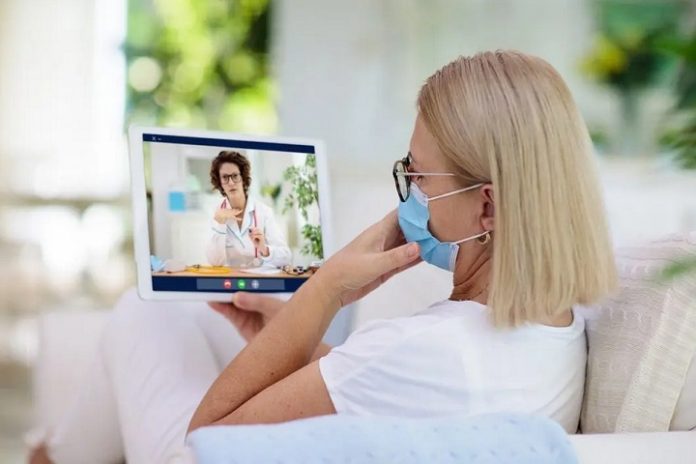
Arguably, one of the most impactful innovations in private healthcare is telemedicine. This technology allows healthcare professionals to evaluate, diagnose, and treat patients remotely through video conferencing. Amidst the backdrop of the COVID-19 pandemic, telemedicine has proven to be not just convenient, but essential.

For patients in remote areas or those with mobility issues, the accessibility of healthcare can be difficult. Telemedicine is tackling this head-on by providing these patients with the same level of care and attention that they would receive in person. Also, telemedicine enables healthcare professionals to see more patients in a given timeframe. This efficiency is advantageous for doctors and reduces wait times for patients, which is a big factor for people who choose private medicine in the first place. Consequently, it has become an invaluable tool for time-crunched individuals seeking private healthcare.

What Is Wearable Technology

You may have noticed how much smart technology has had an impact on modern life. Fortunately, this technology also has applications in the private health sector. Wearable devices such as smartwatches and fitness trackers have transformed how we monitor our health. These devices keep track of various aspects such as heart rate, sleep quality, and physical activity, empowering individuals to take more proactive roles in managing their well-being.

Through the continuous monitoring of your vital signs, wearable devices can alert the user and their healthcare provider of any irregularities. This feature can be especially beneficial for those with chronic illnesses. Healthcare professionals can also use the data gathered by these wearables to make more informed decisions. This personal health data allows for a level of specificity and accuracy in previously unattainable treatment.

What Is AI

Artificial intelligence has largely been touted as the way forward in a lot of industries, and private medicine is no different. This is because AI and Machine Learning are no longer just buzzwords; they are game changers in private healthcare. From predictive analytics to intelligent imaging, AI is making healthcare more efficient and precise.

These very clever systems can now evaluate medical images with incredible accuracy. These algorithms have been shown to detect early signs of conditions such as cancer more effectively than traditional methods, potentially saving lives through early detection and treatment. This type of care is essential for patients who prefer the personal treatment plans that come as standard in private GP services like Sloane Street Surgery. With the help of Machine Learning, healthcare providers can analyse a patientโ€™s history and tailor treatments to their unique needs. By considering factors such as genetics and lifestyle, healthcare can be customised to achieve the best possible outcomes.

What is Blockchain Technology

Blockchain technology, most famous for its role in cryptocurrencies, is making a significant impact on private healthcare by ensuring the integrity and security of patient data. In simple terms, blockchain technology is a digital record of information that you cannot alter without access to a specific network.

With blockchain, patient records can be stored in a secure, unchangeable ledger. This ledger can be accessed by healthcare providers, ensuring that patient information is both accurate and consistent across different services. Blockchain also empowers patients to have more control over their health data.

What Are The Next Challenges

There are still challenges to overcome when it comes to new healthcare technology despite the many advantages. Such challenges will only start to appear in the coming years, though.

Privacy and data security are among the top concerns as healthcare data becomes more digital- despite the integration of blockchain technology. Additionally, integrating these technologies into existing healthcare systems is often complicated and expensive. Furthermore, older generations may be resistant to these changes. This means that they may not receive the upcoming benefits of healthcare technology and force private GPs to continue to use outdated medical practices.

Conclusion

Modern technology is indisputably transforming private healthcare. Through telemedicine, wearable devices, AI, and blockchain, healthcare is becoming more accessible, efficient, and personalised. As these technologies continue to develop, we can expect to see even more groundbreaking innovations in private healthcare, paving the way for better health outcomes and enhanced patient experiences.

The main challenge ahead for private healthcare providers, regulators, and technology companies is ensuring that this technology is harnessed responsibly and sustainably. Furthermore, a focus on patient education and empowerment is critical to unlocking the full potential of these innovations.


Low Satisfaction, Strong Support: Assessing The NHS At 75

The NHS, approaching its 75th anniversary, is facing heightened scrutiny. While overall satisfaction with health services has declined to a 40-year low, support for the NHS’s core principles, such as equitable access, remains strong. As a general election approaches, trust leaders across the country emphasize the need for a holistic approach from the government to ensure the NHS’s sustainability and success in the future.

Despite challenges like workforce shortages and ongoing strikes, the NHS has shown resilience and innovation. Collaborative efforts between trusts and local organizations have led to improved care delivery and better support for patients and staff through expanded community services and enhanced efficiency.

However, the NHS requires governmental attention to various issues to continue innovating and reforming. Long-term investment in staff and capital, as well as social care reform, are crucial aspects that need addressing. Adequate investment in the workforce is necessary to improve staff well-being and create an attractive working environment to retain and recruit healthcare professionals.

Ensuring quality and safety in care delivery requires active promotion and support. Trusts and staff need empowerment to manage day-to-day pressures while continuously seeking ways to enhance future care delivery. Trusts acknowledge the value of continual improvement but request proper support to embed this approach into their culture.

Investing in health infrastructure yields substantial benefits. Major capital investments are needed to increase service capacity, enhance productivity, improve patient and staff safety and experience, and prevent further deterioration of the NHS estate. Providing trusts with adequate strategic capital will facilitate the transformation necessary for improved patient flow and integrated, high-quality care across the entire system.

Above all, better support for social care is imperative. The lack of sustainable funding for social care negatively affects patients, communities, staff, and the overall health and care system. Addressing this issue is crucial to alleviate pressures on hospitals and ensure timely patient admissions and discharges. If the next government addresses these key areas and provides necessary support, the NHS can thrive for many years. The NHS has always been upheld by those who fight for it, and in today’s challenging environment, securing its future is more critical than ever.

Health Foundation And Ipsos Explores Public Views On Health

The Health Foundation has joined forces with Ipsos to undertake a two-year research initiative focused on studying public expectations and attitudes toward health and social care. The approach involves conducting surveys every six months, polling a representative sample of the UK population using Ipsos’ UK KnowledgePanel, which is an online panel based on random probability.

In this summary, six key findings have been presented from the fourth wave of polling, which shed light on how the public perceives the NHS at its 75th anniversary and their expectations for the future:

  • 54% of British citizens in Great Britain take pride in the NHS, ranking it above other national aspects like history, culture, and democracy.
  • Among those proud of the NHS, around 55% appreciate its free and affordable healthcare funded by taxes, while 36% value its equal access and treatment for all.
  • Only 25% of the public believe healthcare will remain entirely free in the next decade, with 51% expecting some currently free services to require payment.
  • The public doubts the NHS’s readiness to handle upcoming health challenges, especially meeting demands from an aging population (77%), addressing climate change impacts (61%), and keeping up with technology (51%). However, they are more confident in its preparedness for future pandemics (47%).
  • The main causes for strain on NHS services, according to public opinion, are a lack of funding (40%), staff shortages (38%), and poor government policies (35%).
  • Approximately 72% of the public views the NHS as vital to British society and urges efforts to sustain it, but this is a decline from 77% in May 2022.
  • An overwhelming majority (80%) advocates for increased NHS funding, while only 17% believe it should operate within its current budget. The most supported options for funding are an additional NHS tax (31%), higher National Insurance contributions (22%), and increased Income Tax (21%).

The survey was conducted from May 5th to 10th, 2023, using Ipsos’ UK Knowledge Panelโ€”a random probability online panel. It involved 2,450 individuals aged 16 and above from across the UK, with a 56% response rate. It covers public perceptions of the NHS, including pride, future expectations, challenges, strain factors, maintenance opinions, and funding views.

FDA Wants Feedback On Tech That Facilitates Care At Home

The US FDA is looking to have a public input on the shift to at-home care and how it can go on to aid enabling technologies.ย 

Because of its endeavour to advance health equity, the FDA has gone on to pose a series of home-care questions to the MedTech sector, such as something about how it can support device development for usage in non-clinical care settings.

There are certain other questions that cover how digital health tech can go on to support home-based healthcare, the device design traits that help use outside of clinical settings, and methods for taking out data to inform regulatory reviews.

Remote patient monitoring devices development as well as other connected medical tech has gone on to make it possible to treat more patients in-house. It is well to be noted that, in theory, care at home can help in lessening the cost and the risks that are associated with spending time in healthcare facilities and also lessening patient burden. The COVID-19 pandemic quickened the uptake as well as validation when it comes to telehealth and remote monitoring, thereby setting the stage for a broader usage of technologies.

As per the FDA center for Devices and Radiological Health, they are committed to facilitating access to medical devices that are designed to be safe as well as effective when used outside the traditional clinical environment; for instance, medical devices that are intended to be used in the home. The queries posed by the FDA go on to cover the information it will need to deliver on the promises made.

Some of these questions are indeed broader in nature, covering elements that happen to effectively apply to patient care that has home-based care as well as medical procedures that are perfect for shifting to the home. There are other questions about what the FDA can do. The agency intends to know it can help in the access of medical technologies when the people themselves are unwilling or rather unable to access care in the clinical arena.

As per the officials, the interest in letting people access care from their comfort zone happens to be consistent with the FDAโ€™s objective of advancing health equity. One question that is put forth is what digital health tech design traits could enhance the use by varied patient populations outside a clinical setting, and what are the other elements that can help improve the acceptance among adults that are older and also non-English speakers.

Total Wound Check With Paper-Like AI-Led Sensor In Singapore

Total Wound Check With Paper-Like AI-Led Sensor In Singapore

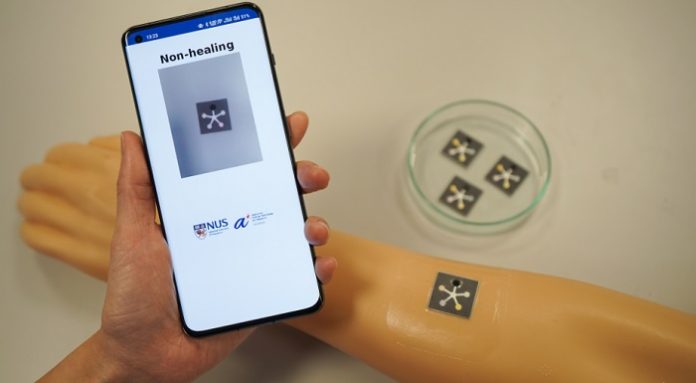
An invention that took place recently with the help of a research team from the National University of Singapore as well as A*STARโ€™s Institute of Materials Research and Engineering gives out a simple, convenient, and also a way thatโ€™s effective in terms of keeping an eye on wound recovery so that clinical intervention gets triggered in a timely manner so as to enhance wound care as well as management.

Paper-Like Battery-Free In-situ AI-Enabled Multiplexed sensor patch has in it 5 calorimetric sensors that can gauge the patientโ€™s wound healing status, and that too in 15 minutes, by way of measuring a mix of biomarkers such as the moisture of the wound, pH, uric acid, trimethylamine, and also the temperature. Apparently, these biomarkers were selected to assess wound inflammation effectively and also get a proper hang of the infection and wound environment.

It is well to be noted that the sensor patch is able to function sans an energy source; source images get captured by a mobile and evaluated through artificial intelligence algorithms in order to gauge the healing status of the patient.

Notably, an international patent concerning this invention has already been filed by the researchers, and they are planning to advance to human trials now. The PETAL sensor patch development was conducted in partnership with the research team of David Becker from Nanyang Technological University and the Skin Research Institute in Singapore.

New fingernail scanning device reveals likelihood of type 2 diabetes in seconds

New fingernail scanning device reveals likelihood of type 2 diabetes in seconds

A pioneering scanning device can instantly reveal an individualโ€™s risk of type 2 diabetes through aย non-invasive fingernail reading, according to the results of two new studies published at the Americanย Diabetes Association (ADA) annual meeting on 24 June 2023.

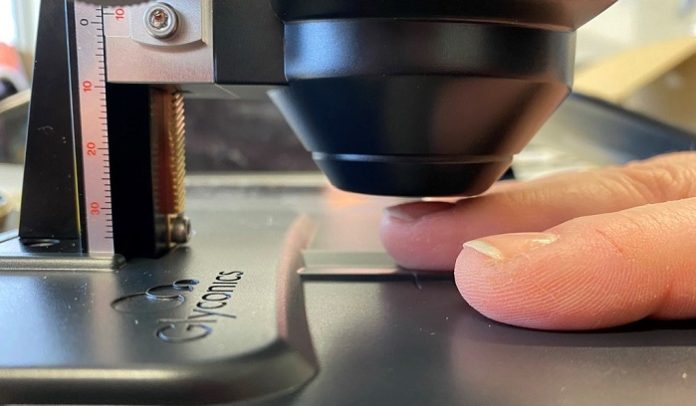
The Glyconics-DS TM device โ€“ which is similar in size to a mobile phone โ€“ offers an instant needle-freeย alternative to the traditional diabetes blood test. Affordable, portable and environmentally sustainable,ย it enables large-scale screenings for diabetes in any location, eliminating the need for participants toย travel to a healthcare establishment. This is especially pertinent in more resource limited healthcareย settings.

The two independent pilot studies โ€“ conducted in different countries (UK and Spain), contrastingย healthcare settings and across diverse populations โ€“ demonstrated outstanding results, with the novelย device proving greater than 95% accuracy when identifying people at no immediate risk of diabetes.

This means they were below the diagnostic marker for diabetes risk.ย The novel device works by utilizing an infrared beam to assess sugar levels which store in theย fingernail, and takes just seconds to assess the userโ€™s diabetes risk as โ€˜normalโ€™ or โ€˜elevatedโ€™.

The needle-free device additionally eliminates the reliance on single-use plastics, reducing waste toย zero.

Dr Pรคivi Maria Paldรกnius, Chief Medical Officer, Glyconics, added: โ€œGlobally, there are 530 millionย people living with diabetes. Thatโ€™s one in 10 adults. And yet, for every person with a diagnosis, thereย are up to three more people living with an undiagnosed condition.The only way we can properlyย protect people from the disease, which can have devastating complications in later life, is byย developing sustainable, affordable and pragmatic approaches to mass screening. Instant resultsย enable people at risk to make essential lifestyle changes and be aware of their personal risk.โ€

Dr Pratik Choudhary, Professor and Honorary Consultant in Diabetes at the University of Leicesterย and Leicester Diabetes Centre โ€“ who was lead investigator of the Leicester-based study in the UK โ€“ย said: โ€œNow we can finally address global inequalities in health and thus identify the millions withย undiagnosed diabetes, especially in resource constrained countries. It has also been important toย conduct this study in Leicester where screening within our ethnically diverse population is essential forย management of diabetes risk and early preventionโ€.

Prof Xavier Cos, Chairman of Primary Care Diabetes Europe and Associate Professor of Medicine atย the Autonomous University of Barcelona and the Sant Martรญ primary care centre, Catalonian Healthย Institute in Barcelona โ€“ who was lead investigator of the study in Spain โ€“ said: โ€œDeveloping non-ย invasive systems for population-level screening will be an important tool in changing the paradigm ofย screening by reducing current barriers and identifying people at risk early. Early detection andย treatment, which are key to better long-term outcomes, require more attention: This exciting newย approach will shape the pivotal role that primary care plays in the management of diabetes and itsย long-term outcomes.โ€

Dr. Kam Pooni, Chief Executive, Glyconics, said: โ€œThe team at Glyconics is incredibly excited aboutย the potential impact this product will make in transforming diabetes screening and improvingย accessibility to vital healthcare information.โ€

In anticipation of regulatory approval, a pivotal study is scheduled later this year to further validate theย performance of Glyconics-DS TM and its associated software.

Translate ยป