Close
Digital Health & Ai Innovation summit 2026

UK Junior Doctors Strike Heading To Cause A Major Disruption

UK Junior Doctors Strike Heading To Cause A Major Disruption

To make sure that care continues to be there for those dealing with life-threatening situations, NHS staff are going to prioritise emergency as well as urgent care, with several routine appointments as well as procedures for patients being postponed every day.

Apparently, the NHS happens to be dealing with the longest-ever strike action by the UK junior doctors, with more than five consecutive days starting on July 7.

This is also followed by the first walkout demonstrated by the consultants in more than 10 years, starting July 20, and radiographers striking from July 25 to 27.

It is well worth noting that individuals who need NHS care must make use of the services as they most likely would: A&E and 999 when it comes to a life-threatening emergency, and NHS 111 online when it comes to other health concerns.

Notably, patients with appointments who have not been contacted otherwise must attend as normal, and community services like GPs and pharmacies are also mostly unaffected by the strike.

Professor Sir Stephen Powis, the NHS national medical director, suggests that they will now witness an industrial action on 11 out of the forthcoming 14 days, and hence there is an incredibly busy and disruptive period for the NHS that lies ahead. As the staff continue to work tirelessly in order to offer patients the care they long to have, the next strike is expected to be longest and most disruptive yet. It is well to be noted that strikes have already impacted almost 600,000 hospital appointments throughout the NHS, with many more expected to be affected in the weeks to come.

In the next couple of weeks, people must still seek the care they need by calling dedicated health lines.

According to Sir Powis, their staff is already doing what they can, but they really cannot continue like this. Action is indeed having a significant impact on patients who are in need of routine care, with an increasing effect on NHS services as well as the hard-working staff as they try to maintain their services and also address a record-breaking backlog.

Notably, a previous action by the junior doctors saw 21000 to 24000 staff off duty per day because of industrial action.

Industrial action in June by the junior doctors witnessed 106,000 hospital appointments disrupted in three days. At present, it has been more than five days since the junior doctors have gone on strike, and therefore, it is likely that more appointments are going to be disrupted with the consultant strike also making its way.

Telehealth Drives Lesser In – Person Follow-Up Visits: Study

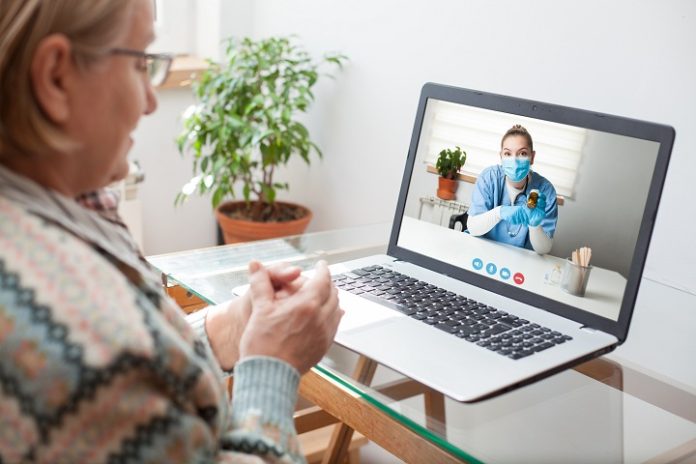
COVID-19 has been one of the catalysts for the rise of telehealth, and although there is a push to make it have a bigger role when it comes to healthcare in the years to come, just how big it is going to be remains to be seen.

A white paper rolled out by Epic Research looks at how consistent telehealth visits lead to a second telehealth or in-person visit and infers that the answer to that depends in large part on the specialty. The data was reviewed from more than 40 million specialty and 32 million primary care visits that took place between January 2022 and March 2023.

Researchers went on to find out that for most of the specialty patients, the scenario was that they would most likely have an in-person follow-up visit approximately 90 days after the in-person visit rather than a telehealth visit. Furthermore, it was mental health that saw the biggest difference when it came to follow-up visits between the initial in-person as well as telehealth visits: 10% of the telehealth visits and 40% of the in-person visits with a follow-up visit in 90 days.

As per the CMO of the research firm, this study enables them to show payers that telehealth can go on to offer something that can stand alone and must be opted for when gauging whether to pay for the telehealth visits in the future.

When it comes to primary care, there was a gap of just two percentage points that separated the follow-up visits when it came to in-person and telehealth visits. Internal medicine and also Paediatrics were more likely to end up having a follow-up visit after a telehealth visit that took place initially.

The white paper mentioned that family medicine saw an almost equivalent follow-up rate between telehealth and office visits that have an in-person follow-up in 90 days.

Outcomes arrive as lawmakers put forth their views whether expanded telehealth usage rolled out across the pandemic should continue. As of now, these flexibilities will be expiring in 2024.

As per the study, these findings go on to suggest that telehealth can continue to play a significant role when it comes to care delivery throughout specialties without having to have additional visits for many patients. That said, there may be differences within the patient populations that seek care via telehealth as well as in-person visits, like age, condition acuity, and other potential elements that may very well influence the likelihood of the requirement of follow-up care.

It is well to be noted that pain medicine, physical medicine, mental health, and rehabilitation had a minimum of a 20% higher follow-up rate post an office visit as compared to a telehealth visit. Podiatry telehealth visits, on the other hand, had an in-person follow-up visit rate of 13% higher than office visits.

Apparently, telehealth usage last year and in early 2023 was not frequent when it came to most of the specialties, with just sleep medicine as well as mental health specialties executing a minimum of 20% of the encounters by way of telehealth, the white paper confirmed.

What are the Best Ways to Manage Stress and Anxiety?

What are the Best Ways to Manage Stress and Anxiety?

In today’s society, there’s a microscope on mental health that’s drawing issues to some of the most prominent mental health issues that once sat in the dark – stress and anxiety, for example, have become all too common. The demands of work, personal life, and societal expectations can take a toll on our mental and emotional well-being. However, it is essential to prioritize our mental health and find effective ways to manage stress and anxiety.

Below, we will explore some of the best strategies for coping with stress and anxiety, allowing you to cultivate a greater sense of calm and well-being.

Practice Mindfulness and Meditation

Mindfulness and meditation are powerful tools for managing stress and anxiety – thereโ€™s a plethora of information on infijoy.com relating to it. Mindfulness involves bringing your attention to the present moment and fully experiencing the here and now without judgment. By practicing mindfulness, you can break free from ruminating on the past or worrying about the future, which are common triggers for stress and anxiety – people who suffer intensely from triggers benefit from additional support like a well-being course. Regular meditation practice helps to calm the mind, reduce the activation of the stress response, and promote relaxation. Through mindfulness and meditation, you can cultivate a greater sense of inner peace and develop resilience in the face of stressors.

Engage in Regular Exercise

Exercise is not only beneficial for physical health but also plays a vital role in managing stress and anxiety. Engaging in regular physical activity releases endorphins, the “feel-good” hormones that promote a sense of well-being and reduce stress. Exercise also helps to reduce muscle tension, improve sleep quality, and boost self-confidence. Find an exercise routine that you enjoy, whether it’s walking, jogging, yoga, or dancing, and make it a regular part of your schedule. The physical and mental benefits of exercise will help you better cope with stress and anxiety.

Prioritize Self-Care and Relaxation

Self-care is crucial for managing stress and anxiety. Take time each day to engage in activities that bring you joy and relaxation. This could include reading a book, taking a bath, listening to soothing music, practicing a hobby, or spending quality time with loved ones. Prioritizing self-care allows you to recharge and replenish your energy, reducing the negative impact of stress and anxiety. Remember to set boundaries and allocate time for yourself, ensuring that self-care becomes an integral part of your routine.

Cultivate a Supportive Network

Social support is essential when it comes to managing stress and anxiety. Cultivate a supportive network of family, friends, or even support groups who you can turn to during challenging times. Sharing your feelings and experiences with trusted individuals can provide comfort, guidance, and a fresh perspective. You can cultivate a supportive network in three easy steps:

  1. Identify your needs: Start by reflecting on the areas of your life where you could benefit from support. Are you looking for emotional support, professional guidance, or a combination of both? Understanding your needs will help you determine the type of support you require.
  2. Assess your existing relationships: Take stock of your current relationships and identify individuals who are already supportive and trustworthy. These could be family members, close friends, or colleagues. Consider their availability, willingness to listen, and their ability to provide the kind of support you need.
  3. Expand your social circle: Look for opportunities to meet new people and expand your network. Attend community events, join clubs or interest groups, or engage in activities that align with your hobbies and interests. These settings provide opportunities to connect with like-minded individuals who share similar values or goals.

Additionally, connecting with others who may be going through similar struggles can help you feel less alone and offer valuable support. Don’t hesitate to reach out and lean on your support network when needed.

Adopt Healthy Coping Strategies

When stress and anxiety arise, it’s important to have healthy coping strategies in place. Instead of turning to unhealthy habits like excessive alcohol consumption, overeating, or procrastination, explore alternative ways to manage stress. That could include journaling, deep breathing exercises, engaging in creative outlets, practicing relaxation techniques such as progressive muscle relaxation, or seeking professional help from a therapist or counselor. Experiment with different strategies to find what works best for you, and incorporate them into your daily routine.

Managing stress and anxiety is essential for maintaining overall well-being. By implementing strategies such as mindfulness and meditation, regular exercise, prioritizing self-care, cultivating a supportive network, and adopting healthy coping strategies, you can effectively manage stress and anxiety in your life.

Remember that everyone’s journey is unique, and it may take time to find the strategies that work best for you. Be patient with yourself and approach the process with self-compassion. By prioritizing your mental health and actively seeking ways to manage stress and anxiety, you can cultivate a greater sense of peace, balance, and resilience in your daily life.

Empowering Sight: How Technology Innovations Are Transforming Vision Correction

Empowering Sight: How Technology Innovations Are Transforming Vision Correction

The quest for sharper vision has always been a significant aspect of human health and well-being. Innovations in technology have led to a dramatic shift in vision correction, empowering sight in new and exciting ways. Technology’s impact on vision correction is expansive and transformative, from sophisticated lenses to non-invasive surgical techniques.ย 

Understandably, the integral role of key service providers in this field cannot be underestimated. For instance, Revision, an eminent eye clinic, is making strides in this space. Through a combination of state-of-the-art technology and expert clinical practices, they offer comprehensive eye care services that are revolutionizing the way vision defects are treated. This impact sets a robust path toward a world where traditional visual aids like glasses and contact lenses might no longer be the only solutions for vision correction.ย 

New Generation Contact Lenses And Glassesย 

Today’s contact lenses and glasses are vastly different from the ones that existed decades ago. Developments in technology have made them more comfortable, effective, and even stylish. For instance, some contact lenses can now correct astigmatism, an advancement that was unthinkable just a few years ago.ย 

Transitioning to the realm of glasses, the story is equally compelling. The emergence of digital lenses has improved visual accuracy and comfort. Meanwhile, progressive lenses provide a seamless transition between near and far vision.ย 

Non-Invasive Surgical Techniquesย 

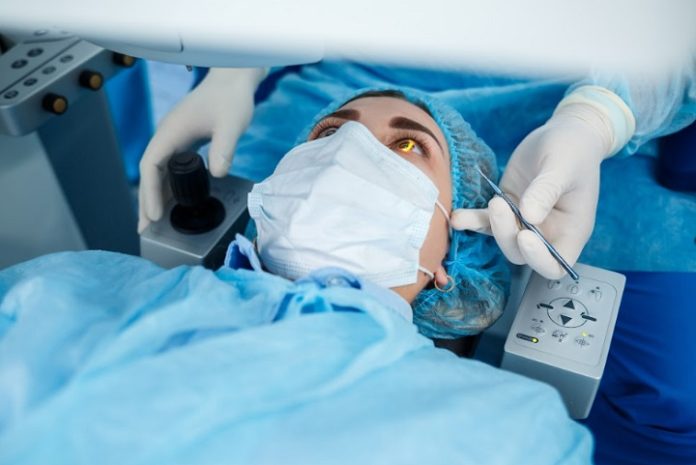
If you’ve ever dreamed of ditching your glasses or contact lenses, non-invasive surgical techniques could be the answer. Procedures like LASIK and PRK have become commonplace thanks to advancements in laser technology. These procedures reshape the cornea, correcting refractive errors such as myopia, hyperopia, and astigmatism.ย 

The latest addition to these techniques is SMILE (Small Incision Lenticule Extraction). Itโ€™s less invasive and has fewer complications, making vision correction surgery safer and more accessible.ย 

Smart Implants And Bionic Eyesย 

As we shift gears towards the future, smart implants and bionic eyes open up new horizons. Smart implants like the accommodating intraocular lens can change shape like a natural lens, providing clear vision at all distances.ย 

Furthermore, there’s no shortage of research in the bionic eye realm. Bionic eyes could offer a new lease on life for people with severe vision impairment. The technology uses a camera and an implant to send signals to the brain, which are then interpreted as visual information.ย 

Portable Diagnostic Devicesย 

Often, early diagnosis is the key to preventing vision loss. Fortunately, new technology has made diagnosing vision problems easier and more accessible. Portable devices now allow for quick and efficient eye examinations, eliminating the need for bulky equipment and potentially catching problems earlier.ย 

Artificial Intelligence In Vision Correctionย 

Artificial intelligence (AI) has an increasingly crucial role in vision correction. For instance, AI systems can assist in diagnosing vision-related disorders with high accuracy, often catching conditions that the human eye may miss.ย 

Moreover, AI-powered apps have been developed to assist individuals with low vision or blindness. These apps can describe surroundings, read text, and recognize faces, enabling users to navigate the world more easily.ย 

Adaptive Eyewearย 

Imagine a pair of glasses that adapt to your visual needs automatically. Sounds like a fantasy? Not anymore. Adaptive eyewear technology has made significant strides recently, bringing this concept closer to reality.ย 

Using electronically adjustable lenses, adaptive eyewear can change focus in real-time based on what the wearer is viewing. This offers a personalized visual experience, potentially reducing the strain of switching between different prescription glasses for different activities.ย 

Blue Light Filtering Technologyย 

As digital devices have become integral to our lives, the concern over the harmful effects of blue light has grown. Thankfully, technology has stepped in to address this issue as well.ย 

Blue light filtering lenses have become increasingly popular. These lenses filter out the blue light emitted by digital screens, helping to reduce digital eye strain and maintain overall eye health. Some software even changes the color temperature of screens based on the time of day to lessen exposure to blue light.ย 

Teleophthalmologyย 

The rise of telehealth has not left vision care behind. Teleophthalmology enables patients to access eye care services remotely, significantly improving accessibility for those in rural or underserved areas.ย 

Through video conferencing, patients can consult with their eye care providers from their homes. Additionally, some apps offer vision tests that can be taken remotely, further enhancing the convenience of eye care.ย 

3D Printed Eyewearย 

The revolution in 3D printing technology has also extended to the realm of vision correction. 3D-printed eyewear offers an exciting prospect for customization.

With 3D printing, glasses can be tailored to fit a person’s unique facial features perfectly. This personalized approach ensures better comfort and can potentially improve the effectiveness of the prescription.ย 

The Promising Future Of Virtual And Augmented Realityย 

Finally, don’t overlook the potential of virtual and augmented reality in the vision correction field. These technologies can simulate visual impairments, allowing eyecare professionals to experience their patients’ vision firsthand. This capability could lead to better understanding, empathy, and improved treatment plans.

Indeed, as we gaze into the future, it’s clear that the possibilities for vision correction are vast. Technology continues to empower sight, bringing us closer to a world where visual impairments are less of a barrier. And as these innovations continue to develop, imagining what could be next on the horizon is exciting.

Conclusionย 

Vision correction is experiencing an unparalleled revolution, empowered by significant technological advancements. This transformative journey, from revised lenses to bionic eyes, is a testament to human ingenuity and the relentless pursuit of improving lives. As we look to the future, one thing is for sure – our sight has never been in better hands.

How to Manage Hormonal Changes

Hormones are powerful chemicals that are created in the endocrine glands and enter the bloodstream to regulate the functioning of tissues and organs within the body and control metabolism and reproduction. Any change in the level of a certain hormone can have a serious impact on the whole body and its functioning.

Hormonal changes are a natural part of life and can take place at different stages of life, such as puberty, menstrual cycles, pregnancy, and menopause. Any fluctuations in hormone levels can impact one both physically and emotionally. It is not uncommon to see women taking probiotics during menopause to manage the hormonal changes and minimize their impact.

Read on to explore some practical tips for managing hormonal changes and how certain strategies and lifestyle changes can prove to be effective in lowering their impact.

Following a balanced diet-ย ย  One of the most effective ways to minimize any negative impact of hormonal changes is to maintain a balanced and nutritious diet. Thus, include lots of fresh fruits, leafy vegetables, whole grains, and healthy fats in your meals, and pay attention to specific nutrients in your foods that can support hormone regulation. In addition, it is essential to limit the consumption of processed foods, soft drinks, caffeine, and refined sugars.

  • Tip- Consume omega-3 fatty acids found in fatty fish, flaxseeds, and walnuts and foods rich in calcium, magnesium, and vitamin D.

Exercising regularly – Regular physical activity has always been advocated for a healthier lifestyle. Those who exercise regularly and follow a daily exercise routine are known to manage hormonal changes effectively. Exercise promotes the release of endorphins which help alleviate symptoms such as mood swings, irritability, and fatigue, which are associated with hormonal changes.

  • Tip – Do at least 200 minutes of exercise per week and engage in aerobic exercises, strength training, or yoga.

Managing stress– Stress and tension can further exacerbate the associated symptoms due to hormonal imbalances, and this is why it becomes essential to integrate stress management techniques into your daily routine. Engage in activities that help to unwind and reduce stress, such as listening to calming music or spending time in nature. Adequate sleep and engaging in hobbies can also contribute to stress reduction.

  • Tip- Practice relaxation techniques like deep breathing exercises, meditation, or mindfulness.

Get adequate sleep- We all tend to think that we are having normal good, quality sleep, but the truth is that most of us are deprived of quality sleep. Hormonal changes can sometimes disrupt sleep patterns, and that can lead to insomnia. Quality sleep is vital for hormone regulation and overall well-being.

  • Tip- Get 7-9 hours of sleep each night and follow good sleep hygiene practices such as maintaining a consistent sleep schedule.

Seek hormonal therapy –In some cases, and for some individuals, hormonal therapy may be recommended to manage severe symptoms linked to hormonal changes. For example, women are given hormone replacement therapy (HRT) for menopausal symptoms, or their physicians recommend oral contraceptives for regulating menstrual cycle.

  • Tip- Always consult your healthcare professional before following any hormonal therapy and discuss the potential pros and cons in detail, based on your specific needs.

Kaohsiung Medical University Funds Taiwan Smart Hospital

Kaohsiung Medical University Funds Taiwan Smart Hospital

The large-scale smart hospital facility will be built in Taoyuan Aerotropolis and the construction will be divided into two phases with completion in 2028.

The National Tsing Hua University in Taiwan has gone ahead and inked a BOT hospital contract with Kaohsiung Medical University, which is privately owned. W. John Kao, the President of NTHU, and Yi-chen Wang, KMUโ€™s Director, have signed the contract.

It is well to be noted that KMU is going to invest more than NT$10 billion in order to come up with a large-scale smart hospital facility in the area of Taoyuan Aerotropolis. Apparently, the construction, as far as the first phase is concerned, will begin in 2024 and will have a total of 515 beds. The first phase of the project is anticipated to be completed by 2028.

Notably, the land for NTHU Taoyuan Medical and Educational R & D Park that was allotted by the Taoyuan City Government goes on to cover an area as big as 7.2 hectares. Interestingly, 5 hectares of it have been reserved for the medical park, which will contain 329 general beds as well as 186 special beds, thereby resulting in 515 beds when it comes to the first phase. Significantly, the number of beds in the future will see a surge to 910, therefore making it a teaching hospital at the medical centre level.

The left over 2.2 hectares have been allotted for the educational research and development park. In the first phase, KMU is going to come up with laboratories, classrooms, as well as dormitories when it comes to healthcare and medical students. As far as the second phase is concerned, the NTHU is going to be raising funds independently so as to come up with a medical incubation centre as well as a research centre.

It is well worth noting that NTHU Hospital is going to incorporate 39 medical sub-specialties, which will include internal medicine, obstetrics, paediatrics, gynaecology, surgery, and certain other medical disciplines.

9 Medical Applications Of Platelet Rich Plasma (PRP) Injections

As our understanding of the human body and its healing mechanisms advances, therapeutic modalities like Platelet-Rich Plasma (PRP) injections have gained increasing prominence across various medical fields. This innovative approach taps into the body’s innate healing potential, which may be useful in various medical applications.ย 

PRP is produced when blood extracted from the patient is centrifuged or spun at speeds high enough to separate the blood’s components into three layers: red blood cells at the bottom, white blood cells, platelets in the middle (known as the ‘buffy coat’), and plasma (the liquid component of blood) at the top.ย ย 

Depending on the procedure or the specific PRP preparation protocol, the provider might add an activating agent to the PRP to trigger the platelets, causing them to release their growth factors. Certain PRP kits utilize fibrin polymerization, known as PRFM, the latest progression in this treatment, guaranteeing the platelets’ best concentration, survival, and sustained release.ย ย 

Platelets are known for their role in clotting. But they also release growth factors and cytokines, proteins that aid in cell communication and vitality.

This is why PRP is often referred to as an anti-aging serum. It is then injected into an injured area of the body, like a tendon, ligament, muscle, or joint, where it may stimulate tissue recovery by boosting cell proliferation, differentiation, angiogenesis (formation of new blood vessels), and attraction of stem cells to the site of injury.ย ย 

This substance is not as esoteric as it sounds. Here are some of its most common medical applications:

1. Orthopedicsย 

PRP injections have revolutionized orthopedic treatments, especially in sports medicine. They treat many acute and chronic musculoskeletal injuries, including tendon injuries, ligament sprains, and muscle strains. PRP fosters tissue healing, diminishes inflammation and pain, and expedites recovery.

2. Aesthetic Medicineย ย 

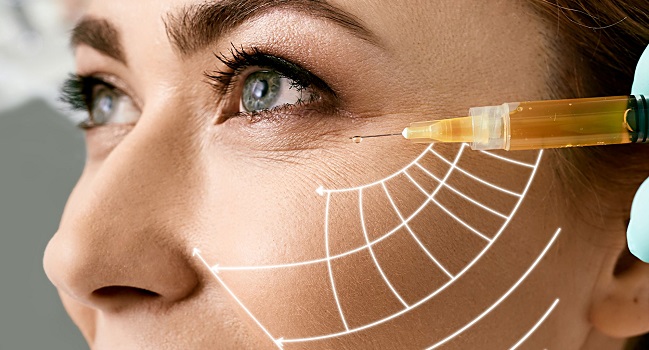
In cosmetic dermatology, PRP is a natural alternative to synthetic fillers. Famously known as the ‘vampire facelift,’ it revitalizes the skin by boosting collagen production, enhancing skin texture, diminishing wrinkles, and adding volume.

3. Hair Loss Treatmentย 

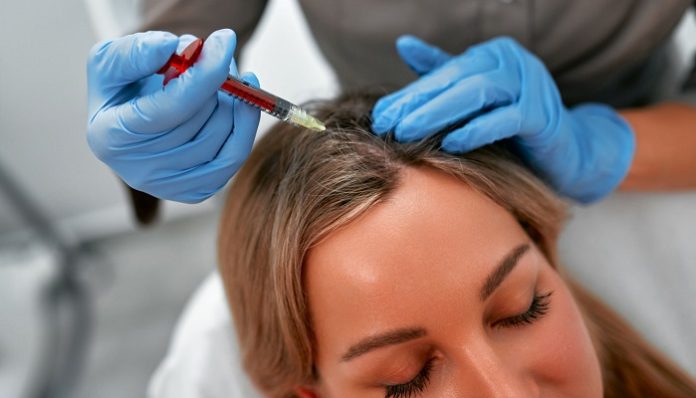
PRP has shown promise in treating hair loss, particularly androgenetic alopecia, also known as male or female pattern baldness. When injected into the scalp, the increased levels of growth factors can stimulate hair follicle activity and promote new growth, offering a potential treatment option for those struggling with hair loss.ย 

4. Wound Healing

PRP has demonstrated enormous potential in managing difficult-to-heal wounds, such as diabetic ulcers. By introducing a high concentration of growth factors to the wound, the serum may expedite wound healing and tissue regeneration while lowering the risk of infection.ย 

5. Dental And Oral Surgeryย ย 

PRP is used in various procedures in dentistry, such as dental implant surgery, bone grafting, and periodontal therapy. The growth factors in PRP promote bone regeneration, aid in soft tissue healing, and decrease post-operative pain and swelling.ย 

6. Ophthalmology ย 

Emerging evidence points towards the potential benefits of PRP in treating ocular surface disorders. PRP eye drops have been used in managing conditions like dry eye syndrome, corneal ulcers, and post-refractive surgery, aiding in epithelial healing and reducing symptoms.ย 

7. Pain Managementย 

PRP therapy offers a promising alternative to conventional treatments for chronic pain conditions. Experts have used it in managing osteoarthritis, particularly knee and hip joints, by reducing pain, improving joint function, and possibly delaying disease progression.ย 

8. Neurosurgeryย ย 

Early research suggests PRP may assist in nerve regeneration, providing possible benefits in neurosurgical applications. While studies are still developing, it’s a promising field that warrants further investment.

9. Cardiac Surgery

The role of PRP in promoting wound healing and tissue regeneration has led to an interest in its application in cardiac surgery. Preliminary studies suggest an ability to aid myocardial repair following ischemic injury.ย 

While PRP therapy has shown interesting results across these applications, it’s vital to note that the science is still evolving. The effectiveness can vary based on preparation techniques, concentration, and individual patient factors. As it is now, it must be considered part of a comprehensive treatment plan rather than a standalone therapy.ย 

Takeaways

In summary, PRP therapy is a powerful tool in modern medicine that harnesses the body’s natural healing mechanisms. Its applications are extensive and continually expanding, transforming the treatment landscape across numerous medical fields.

Still, more high-quality research is needed to understand the mechanism fully and to establish the standard protocols for its use. The effectiveness of PRP might depend on factors like the area of the body being treated, the overall health of the patient, and the specific method and concentration of the PRP injection.

Should it be your choice of treatment? Consult experts first to weigh all of the options.

The Benefits of a Healthy Meal to Skip the Endodontist NYC Services

Endodontics is a branch of dentistry that deals with diagnosing and treating problems related to the dental pulp and surrounding tissues. Some of the most common endodontic procedures include root canal therapy, endodontic retreatment, and apicoectomy. While these treatments can help save damaged or infected teeth, they can also be expensive, time-consuming, and uncomfortable for patients. To avoid the endodontist NYC services, it’s essential to prioritize dental health and take steps to prevent oral health problems from developing in the first place. One key aspect of maintaining good dental health is eating a healthy and balanced diet. By consuming foods rich in essential vitamins and minerals, you can support the health of your teeth and gums and reduce the risk of developing tooth decay, gum disease, and other oral health issues.

Nutrients that Promote Dental Healthย 

A balanced diet that provides all the necessary nutrients is important for maintaining overall health, including dental health. Some essential nutrients that promote dental health include calcium, vitamin D, vitamin C, and omega-3 fatty acids.

Calcium and Vitamin Dย 

Calcium and vitamin D are essential for building and maintaining strong bones and teeth. Calcium is the main component of teeth, while vitamin D helps the body absorb and use calcium effectively. Good food sources of calcium include dairy products, leafy green vegetables, almonds, and canned fish with bones. Vitamin D is found in fatty fish, egg yolks, and fortified foods such as milk and cereal.

Vitamin Cย 

Vitamin C is an antioxidant that helps to protect gum tissue and promote healing, and it is also essential for producing collagen that supports the gums’ structure. Good sources of vitamin C include citrus fruits, strawberries, kiwi, bell peppers, and broccoli.

Omega-3 Fatty Acidsย 

Omega-3 fatty acids are healthy fats that have anti-inflammatory properties, which can help to reduce the risk of gum disease. These fats are found in oily fish such as salmon, mackerel, and sardines, as well as in flaxseeds, chia seeds, and walnuts.

Incorporating these essential nutrients into your diet can help to promote dental health and reduce the risk of needingย endodontist NYC services. If you have any questions or concerns about your dental health, please don’t hesitate to consult with your dentist.

Foods that Promote Dental Health

In addition to essential nutrients, certain foods can promote dental health and help prevent oral health issues. Here are some examples of foods that are particularly beneficial for your teeth and gums:

Dairy Products

Dairy products such as milk, cheese, and yogurt are excellent sources of calcium, which is essential for building and maintaining strong teeth and bones. They also contain casein, a protein that helps to neutralize the acid in the mouth and promote the remineralization of tooth enamel.

Leafy Greens

Leafy greens such as kale, spinach, and collard greens are packed with vitamins and minerals that promote dental health, including calcium, vitamin C, and vitamin K. They also contain folic acid, which has been shown to reduce the risk of gum disease and promote healthy gums.

Citrus Fruits

Citrus fruits such as oranges, grapefruits, and lemons are rich in vitamin C, which protects gum tissue and promotes healing. However, consuming these fruits in moderation is essential, and rinse your mouth with water afterward, as the acidic content can erode tooth enamel over time.

Fatty Fish

Fatty fish such as salmon, mackerel, and tuna are excellent sources of omega-3 fatty acids, which have anti-inflammatory properties that can help to reduce the risk of gum disease. They also contain vitamin D, which allows the body to absorb calcium effectively.

Nuts and Seeds

Nuts and seeds such as almonds, walnuts, and sesame seeds are rich in calcium, magnesium, and other minerals that promote dental health. They also contain healthy fats that can help to reduce inflammation and support overall health.

The Impact of Unhealthy Foods on Dental Healthย 

The foods we eat can have a significant impact on our dental health. Here are some examples of unhealthy foods that can increase the risk of oral health problems:

Sugary and Acidic Foods and Drinks

Foods and drinks high in sugar and acid can contribute to the development of cavities and tooth decay. When we consume sugary or acidic foods, the bacteria in our mouths produce acid that can erode tooth enamel over time. Some examples of sugary and acidic foods and drinks to avoid or consume in moderation include soda, candy, fruit juice, and sports drinks.

Processed Foodsย 

Processed foods such as chips, crackers, and sugary snacks are often high in refined carbohydrates and contain little to no nutritional value. These foods can contribute to the development of cavities, gum disease, and other health problems.

Fast Foodย 

Fast food such as hamburgers, fries, and pizza are often high in sugar, salt, and unhealthy fats. These foods can contribute to inflammation throughout the body, including in the gums, increasing the risk of gum disease.

Consuming these unhealthy foods regularly can lead to various oral health problems, including cavities, gum disease, and tooth loss. Maintaining a balanced and healthy diet is essential, as limiting your consumption of sugary and acidic foods and drinks and practicing good oral hygiene habits such as brushing twice daily and flossing regularly.

How a Healthy Diet Can Prevent the Need for an Endodontist in NYC

A healthy diet is crucial in maintaining good oral health and preventing the need for endodontist NYC services such as root canals. Consuming a diet low in sugar and acidic foods can help prevent cavities and tooth decay. Foods high in calcium, such as dairy products, can also help strengthen tooth enamel and reduce the risk of cavities. Gum disease is a common oral health problem that can lead to oral issues if left untreated. A diet rich in vitamins and minerals, particularly vitamin C, can help reduce inflammation and promote healthy gums. Leafy greens, citrus fruits, and fatty fish are all good sources of these nutrients.

Maintaining a healthy diet can benefit overall health and well-being, reducing the risk of chronic diseases such as heart disease, diabetes, and obesity. These conditions can also impact oral health and increase the risk of needing dentist interventions.

By consuming a balanced diet rich in nutrients and low in sugar and acidic foods, you can promote good oral health and reduce the risk of dentist procedures. Additionally, practicing good oral hygiene habits, such as brushing twice daily and flossing regularly, can promote dental health and prevent cavity problems.

Conclusionย 

Maintaining a healthy diet is essential for promoting good oral health and reducing the need for endodontist NYC services. By consuming a diet rich in nutrients and low in sugar or acidic foods, you can help prevent tooth decay, reduce gum disease, and promote overall health and well-being. Dairy products, leafy greens, citrus fruits, fatty fish, nuts, and seeds are all excellent choices for promoting dental health. It’s essential to prioritize your diet for optimal oral health and ensure you consume a balanced diet that meets your nutritional needs. Additionally, practicing good oral hygiene habits, such as brushing twice daily and flossing regularly, can promote dental health and prevent oral problems. Remember, prevention is always better than treatment. While endodontic procedures can effectively treat dental issues, they can be costly and time-consuming. By taking care of your teeth and gums through a healthy diet and good oral hygiene habits, you can avoid the need for these procedures altogether.


SGH deploys prediction – based AI tool to better assess patient’s surgery risk

Principal Technologies Adds Vision Surgery AI to its MedTech Portfolio

Even a seemingly safe and simple surgery may carry a small risk of adverse outcomes. The risk, however, varies from patient to patient. The Singapore General Hospital (SGH) has developed an artificial intelligence (AI) tool for risk prediction which may determine specific level of care that a patient needs and possible complications post-surgery, or if it would be safer for the surgery to be postponed.

Combined Assessment of Risk Encountered in Surgery-Machine Learning , or CARES-ML in short, has shown a prediction accuracy of over 90 per cent during testing. It extracts a patientโ€™s medical history, physical status classification, and investigative test results such as x-rays and blood tests from the hospital system to generate a surgery risk report and a score. The higher the score, the higher the risk of an adverse outcome after surgery.

Principal investigator, Associate Professor Hairil Rizal, Senior Consultant, Anaesthesiology, SGH, said, โ€œCARES-ML augments the anaesthesiologist and surgeon in their assessment of each patient, and enhances the clinical teamโ€™s decision-making and recommendations on the perioperative plan of care for the patient. This ultimately improves patient outcomes and enhances patient safety.โ€

Patients, who are scheduled for surgery, must first be assessed if they have been optimised to undergo one. This assessment is typically done by an anaesthesiologist and surgeon about 10 days before surgery so that timely and appropriate interventions can be taken, for instance, to address anaemia which patients may not be aware of. Such patients have an increased risk of complications, including infection, stroke or kidney injury.

The pre-surgery assessment may in future be augmented by CARES-ML. It is built upon the Hospitalโ€™s CARES calculator developed in 2018 to evaluate surgical risk in the local population, and has been refined and validated again on a local dataset of nearly 100,000 surgical patients from 2015 to 2022.

Even while the tool is being studied for its effectiveness and impact on surgery outcomes, the team of anaesthesiologists, surgeons and biostatisticians is already working on expanding the model to also predict other outcomes such as length of hospital stay, and risk of pneumonia and stroke. They are also looking at the possibility of leveraging generative AI such as ChatGPT to assign a patientโ€™s physical status classification level which CARES-ML also incorporates for its prediction. This came after Prof Hairil Rizal and his team discovered that the AI chatbot was comparable in terms of accuracy, but more consistent than human assessors in his other study based on 10 standardised hypothetical patient scenarios.

For his work on CARES-ML, Prof Hairil Rizal received the Health Promotion, Preventive Health, Population Health and Health Services Research Clinician Scientist (Investigator) award by National Medical Research Council this year. His teamโ€™s study findings on using ChatGPT for physical status classification will be published in the British Journal of Anaesthesia in July 2023.

VentureBlick Secures US$2.6M for First Two Startups, Unveils Super Incubator Model for Medtech Innovation

VentureBlick, a global venture platform for healthcare innovation, announces the successful closure of its first two deals, securing a total of US$2.6 million for two startups despite a challenging funding environment. This achievement is a testament of VentureBlick’s distinctive approach of engaging the global medical community to validate, support, and invest in early-stage healthcare startups.

Exceeding expectations, VentureBlick raised US$1.6 million for NousQ, a Singapore-based startup revolutionizing glue ear surgery with the world’s first smart robotic handheld device. This oversubscription, surpassing the initial target by 60%, demonstrates investors’ strong confidence in medical innovations that address real medical needs and possess a clear clinical use case. The second deal, for a China-based healthcare startup, closed at over US$1 million. Both startups were put through a three-step vetting process, which includes systematic review by medical and industry experts from respective areas across the globe, before they were listed on the platform.

Dr Lynne Lim, Founder & CEO of NousQ, expressed her enthusiasm, stating, “We are thrilled to have surpassed our fundraising target on the VentureBlick platform. This US$1.6 million bridge funding is a significant step towards our ultimate fundraising goal of US$5.5 million for our current ongoing Series A fundraise. Getting such positive responses from fellow doctors and investors around the world means a lot to our team. Equally exciting is the opportunity to tap into VentureBlick’s extensive healthcare expertise and resources.”

Building on this success, VentureBlick is evolving its business model into a ‘Super Incubator’ model, which provides an end-to-end, fully customizable solution to help build, test, and market medtech innovations, with successful exits or commercialisation as the ultimate goal.

Chris Lee, Founder & CEO of VentureBlick, emphasized the importance of this evolution, stating, “Medtech presents unique challenges and opportunities. We found that existing venture support models like incubator or accelerator programs often lack industry-specific focus or cover only certain aspects or growth stages. This leaves significant gaps, uncertainties, and risks to all stakeholders involved in a startup’s development. Super Incubator for VentureBlick is not another of those programs, but how we are going to redefine medtech venture building. What we offer medtech startups is a tailored medtech-centric ecosystem and full-slate support model to enable their innovations to reach the market in the shortest time possible and create most tangible impact.”

VentureBlick will officially launch its Super Incubator in September 2023 and is currently raising funds for the new model. The Super Incubator promises to streamline the startup journey from ideation and testing to venture building and market success. Its comprehensive offering includes product demand validation at the very beginning, fundraising, design and manufacturing, healthcare partnerships, product trial and assessment, health economics and reimbursement strategy, as well as market mapping and access.

As part of its new model, VentureBlick is also launching its medical advisory business, offering expertise in evaluating investments or M&A deals from a medical perspective on behalf of corporate ventures, VCs, or government bodies. One of the largest corporate conglomerates in the world has retained VentureBlick to assess its potential investment deals in the healthcare sector. They will tap into VentureBlick’s global advisory network, which consists of more than 1,000 advisors who have been individually screened and vetted from more than 50 countries covering over 30 specialty areas. The advisor pool will be further expanded to 3,000 by the end of 2023.

With a strong foundation established and an impressive pilot programme, VentureBlick is well-positioned to continue driving and supporting innovation in the healthcare sector with its new business model, ultimately improving healthcare outcomes worldwide.


Translate ยป