








Close
Digital Health & Ai Innovation summit 2026
Medical Taiwan 2026

RRD Expands Diagnostic Test Kits Solution to Meet Accelerated Demand for At-Home Testing

Blessing Health System Partners with Biofourmis to Launch Home Hospital Services

R.R. Donnelley & Sons Company (RRD), a leading global provider of marketing, packaging, print, and supply chain solutions, announced the extended portfolio of end-to-end services to support at-home testing. These services enable diagnostic device, at-home healthcare, health insurance, and point-of-care testing companies in their efforts to keep pace with the evolution of healthcare.

As the pandemic disrupted supply chains, it also shifted consumer preferences and accelerated adoption of at-home and digital healthcare. For many test manufacturers and healthcare companies, a number of challenges (e.g., labor constraints, infrastructure limitations, inventory visibility, supply irregularity, compliance, complex IT requirements, etc.) continue to stand in the way of bringing innovative new products and solutions to market.

Identifying an opportunity to provide greater support, RRD solidified its end-to-end offering that integrates and advances the regulated kitting, production, and fulfillment workstream. This solution includes a strategic alignment of the following RRD services:

  • Packaging and labeling solutionsย โ€” structural engineering, folding cartons, rigid boxes, branded corrugated, prototyping and testing, labels, instructions for use
  • Sourcing and supply chainย โ€” component procurement, configuration and assembly, track and trace
  • Fulfillment servicesย โ€” direct-to-patient compliant ordering, warehousing, fulfillment
  • Creative and Professional Servicesย โ€” graphic design, kit ideation, and technology integration (Web and API)

RRDโ€™s global network includes regulatory-compliant facilities, from FDA registration and ISO accreditation through cGMP compliance and SOC/SOC2+ for direct-to-consumer fulfillment. The company’s expertise is built on nearly two decades of experience producing and kitting diagnostic and medical kits.

โ€œThere has been significant innovation and advancement in the diagnostic test kits market in recent years, and weโ€™re now seeing increased availability of rapid testing in new categories, such as diabetes, fertility, and sexually transmitted infections,โ€ said John Pecaric, Head of Operations at RRD. โ€œThe pandemic accelerated the emergence of diagnostic testing for point-of-care and at-home, driving the need for increased accuracy and reliability.โ€

Pecaric adds, โ€œThanks to existing global resources and decades of experience in the life sciences sector, our organization is well positioned to help clients reimagine the care experience and take their products to market without compromise. RRD has the automation capabilities, capacity, and accreditations to help clients scale operations and manage the complexity of telehealth, virtual care platforms, and health insurance requirements.โ€

RRD has longstanding relationships with a number of medical device providers, including Siemens Healthineers. When the FDA approved the rapid COVID-19 antigen self-test, Siemens Healthineers collaborated with RRD for the inbound receipt, inspection, warehousing, labeling, fulfillment, and logistics of the tests.ย RRD leveragedย its supply chain expertise and ability to scale quickly to facilitate the time-sensitive project.

Home Remedies: The advantages of baking soda for your health

Baking soda (also known as sodium bicarbonate) is an everyday household staple with numerous benefits for our health. From soothing sore throats to aiding digestion, it has been used for generations to treat various illnesses and ailments.

In this article, we will explore the many uses of baking soda and how it can improve your overall health. We’ll discuss its role in maintaining pH balance in the body, helping soothe skin conditions like eczema, relieving heartburn, detoxifying from heavy metals, and more. Read on to learn about these advantages and discover why adding baking soda to your daily routine could benefit you.

Maintains PH balance

Baking soda is incredible for helping to keep your body’s pH balance in check. This simple pantry ingredient is a powerhouse regarding health benefits, as it can help support kidney function and aid digestion โ€“ not to mention the countless uses around the home! Maintaining a healthy pH balance helps cleanse toxins from the body, leaving you feeling healthy and rejuvenated.

Baking soda can help keep your body’s pH level central โ€“ not too acidic, not too alkaline โ€“ which is essential for optimal health day after day. Add it to your weekly routine and feel the difference. Keeping your pH balance in check will bring you a healthier, more balanced life.

Treating skin conditions such as eczema

Knowing how baking soda baths help eczema can be a game-changer. Baking soda is widely known for its antiseptic and anti-inflammatory properties, making it the perfect skin soothe. Adding baking soda to your bathwater helps to fight bacteria and reduce itching caused by eczema.

Add 1/2 cup of baking soda per gallon of bathwater and soak for 15 minutes to reap the benefits. It will help reduce inflammation, irritation, and redness on your skin. It is a great way to ease eczema symptoms without harsh irritants or medicinal treatments.

Relieving heartburn

Baking soda (or sodium bicarbonate) is a common ingredient in health and wellness. Not only is baking soda useful for cleaning, but it can also work wonders in relieving heartburn. It works by neutralizing stomach acids and aiding digestion, which helps reduce discomfort caused by indigestion or acid reflux.

Furthermore, its natural antacid properties help to cleanse the body of unwanted toxins and create an alkaline environment in the digestive tract. All these benefits make baking soda an excellent natural remedy for those suffering from heartburn or acid reflux. Plus, it’s affordable and widely available, making it easy for anyone to reap the benefits.

Detoxifying from heavy metals

Baking soda is known for its detoxification abilities and can help rid the body of heavy metals. It binds with toxins such as lead and mercury, which prevents them from being absorbed by the body’s cells and organs.

By taking baking soda internally (1/4 teaspoon in 8-10 oz of water) or soaking in baking soda baths, you can help your body flush heavy metals. It is an easy and effective way to rid yourself of any harmful toxins lurking in the body and causing harm.

Treating sore throats and colds

Sore throats can be incredibly uncomfortable and difficult to manage. Luckily, baking soda is an effective remedy for soothing throat pain and irritation associated with colds.

Mix 1/4 teaspoon of baking soda into a glass of warm water and gargle it in your mouth for 30 seconds. It will help reduce inflammation in the throat and relieve any pain or discomfort. Baking soda has also been known to help reduce the severity of cold symptoms, making it an excellent natural remedy for anyone looking for a quick fix.

Helping digestion

Baking soda is known for its alkalizing properties, making it an excellent remedy for indigestion and bloating. It can help neutralize stomach acids and aid digestion, which helps reduce discomfort associated with some digestive issues.

Mix 1/2 teaspoon baking soda in 8-10 ounces of water and drink it. It will help to balance out the digestive pH levels and reduce discomfort. Additionally, baking soda can help with issues like gas, bloating, and heartburn that comes along with indigestion.

Whitening teeth

Baking soda is an excellent natural remedy for removing stains and discoloration from your teeth. It works by gently scrubbing away the surface buildup that produces yellowing over time. Mix one teaspoon of baking soda with two teaspoons of hydrogen peroxide to create a paste. Apply this paste to your toothbrush and brush your teeth for 2 minutes. Rinse off with water, then brush with regular toothpaste. It will help to remove surface stains, giving you a brighter smile.

In conclusion

Baking soda has many benefits that can improve your health and well-being. From treating skin issues to relieving heartburn, baking soda is a versatile and effective remedy for many common ailments. It is affordable and widely available, and its natural antacid properties make it an ideal choice for treating digestive issues. And with its ability to whiten teeth and flush out toxins, baking soda can be a great addition to your health routine.

Regenerative Treatment Helps Damaged Kidney Restoration

An event that hasnโ€™t happened before was demonstrated by researchers from Duke-NUS Medical School, colleagues in Germany, and the National Heart Centre Singapore (NHCS), suggesting that regenerative treatment to restore damaged kidney function could be a sure possibility. In a preclinical study, the researchers discovered that suppressing the harmful and scar-regulating protein interleukin-11 (IL-11) allowed the damaged kidney cells to recover, restoring reduced kidney function caused by illness as well as acute injuries.

The protein is involved in pushing a cascade of molecular processes that occur in response to kidney damage, resulting in inflammation, fibrosis, also known as scarring, and loss of function. In addition, they discovered that blocking IL-11 with a neutralising antibody can halt and even restore kidney damage in this situation.

More precisely, the researchers discovered that in reaction to kidney damage, renal tubular cells, which line the tiny tubes within the kidneys, release IL-11. It initiates a signaling cascade that results in increased activation of a gene known as Snail Family Transcriptional Repressor 1 (SNAI1), which inhibits cell growth and increases the possibility of kidney misfunctioning.

Turning off this method in a preclinical model of human diabetic kidney disease by way of administering an antibody that binds to IL-11 resulted in the proliferation of kidney tubule cells and the reversal of fibrosis as well as inflammation, making way for the regeneration of the injured kidney and also the restoration of renal function.

While clinical trials pertaining to an antibody that attaches to another pro-fibrotic molecule known as transforming growth factor-beta were unsuccessful, this novel technique offers the possibility of a new target.

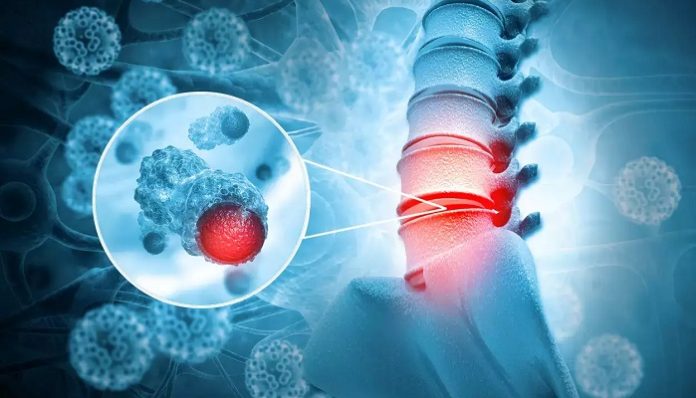
Fluorescence Guided Surgery To Aid Bone Cancer Patients

Consultant Orthopaedic Oncologist and Honorary Senior Lecturer at the Newcastle University, Dr. Kenneth Rankin has decided to reunite with his fellow specialists across the Netherlands, UK, Japan, Canada, and USA to push new surgical treatment technologies in cases of bone tumours. An upcoming clinical trial that is going to be led by Dr. Rankin and assisted by the Bone Cancer Research Trust will study the effectiveness of a dye known as Indocyanine Green, or ICG, which can be given to patients before their surgery and thereby leads to the tumour fluorescing green.

The trial has plans to recruit 500 patients so as to test if the use of ICG in the fluorescence guided surgery can aid in identifying the tumour, help in an absolute removal and also reduce the healthy tissue amount be reduced. An expert research group has agreed that this type of guided surgery can lead to a significant level of patient benefit when it comes to reducing local recurrences as well as the surgery’s effects. That said, collaborative research is the need of the hour in this area, and the combined efforts and expertise will lead to researchers speeding up the introduction of patient care technologies.

Dr. Rankin, who is also a part of the Newcastle Hospital Trust, adds that they are indeed excited to highlight the fact that the cancer surgery technology is developing at a rapid pace, and with the funding from a trust as big as Bone Cancer Research, they will be working along with surgeons, scientists, as well as pathologists from across the world in order to test new techniques so as to elevate cancer operations for the bone sarcoma patients. This is bound to have an impact over the long term for patients suffering from different cancer types.

Fluorescence guided surgery happens to be an innovative technique which makes use of the light emission to get to know the tumours precise location and also boundaries at the time of a surgical removal. It enhances the surgeon’s capacity to successfully remove the whole tumour and decreases the probability of any cancer cells remaining. The consortium is all set to bring together researchers from across the world who are working towards improving tumour removal by way of surgery while at the same time limiting its impact on the patient’s functionality as well as quality of life.

BD Receives FDA Emergency Use Authorization for COVID-19, Influenza A/B, RSV Combination Test

BD Receives FDA Emergency Use Authorization for COVID-19, Influenza A/B, RSV Combination Test

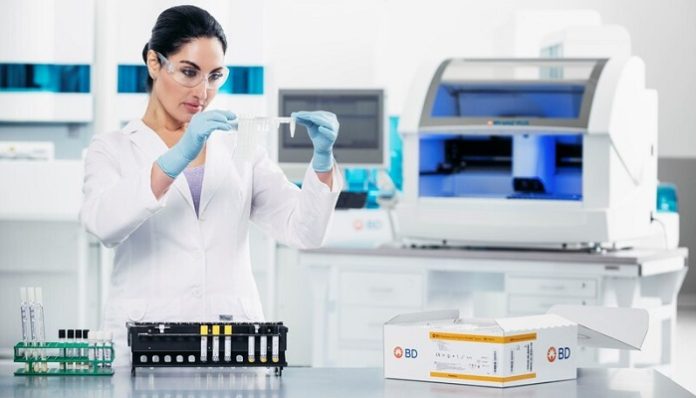
BD, a leading global medical technology company, announced that it has received Emergency Use Authorization from the U.S. Food and Drug Administration (FDA) for a new molecular diagnostic combination test for SARS-CoV-2, Influenza A + B and Respiratory Syncytial Virus (RSV) to help combat illness in the current and future respiratory virus seasons.

The test, for use on the BD MAXโ„ข Molecular Diagnostic System, uses a single nasal swab or a single nasopharyngeal swab sample to identify and distinguish if a patient has COVID-19, the flu, RSV or some combination of the three, with results available in as little as two hours. The test helps eliminate the need for multiple tests or doctor visits and can help clinicians implement the right treatment plan quickly. Theย co-testingย approach also helps to increase testing capacity during the busy flu/RSV season and speed time to diagnosis.

“While fears of a ‘tripledemic’ this respiratory season have largely diminished, accurately differentiating influenza and RSV from COVID-19 and providing appropriate treatment remains a challenge for our customers,” saidย Nikos Pavlidis, vice president ofย Molecular Diagnosticsย at BD. “This diagnostic test provides the ability to identify multiple pathogens using a single sample and can quickly pinpoint the causative virus or viruses and enable clinicians to administer appropriate treatment early in the course of infection.”

The BD MAXโ„ข System is already in use at thousands of hospitals and laboratories worldwide, and each unit is capable of analyzing hundreds of samples over a 24-hour period.ย The Respiratory Viral Panelย for BD MAXโ„ข System is an RT- PCR assay that detects and differentiates the nucleic acid of SARS-CoV-2, flu A, flu B and RSV in as little as two hours for the first result, with the simplified and automated workflow of the BD MAXโ„ข System.

Development of this combination test has been funded in whole or in part with federal funds from theย Department of Health and Human Services;ย Office of the Administration for Strategic Preparedness and Response;ย Biomedical Advanced Research and Development Authority, under contract number 75A50121C00025.

The BD Respiratory Viral Panelย assay for BD MAXโ„ข System was CE marked under the IVD directive 98/79/EC in May of 2022. It is an important addition to the extensive number of assays available on the system across respiratory infections, sexually transmitted infections, gastrointestinal infections, women’s health and health care associated infections. The BD MAXโ„ข open system allows customers to leverage research use only (RUO) assays and user-defined protocols (UDP) to address emerging needs quickly.

J&J’s Ethicon completes first robot-assisted kidney stone removal with Monarch platform

J&J's Ethicon completes first robot-assisted kidney stone removal with Monarch platform

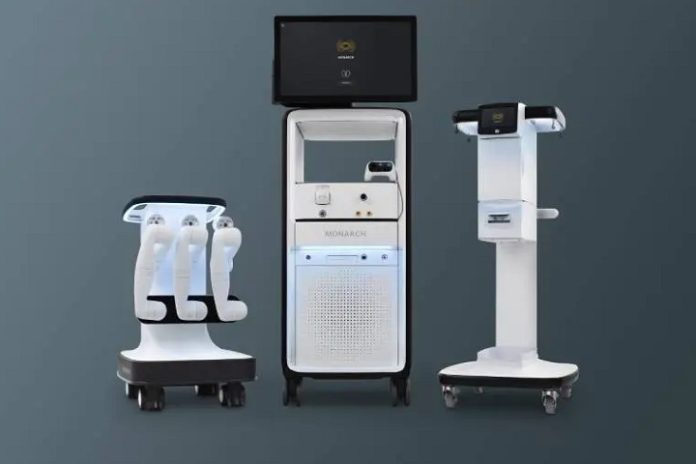
Ethicon, a Johnson & Johnson MedTech company, today announced the first robotic-assisted removal of kidney stones using the Monarch platform.

Auris Health, an Ethicon subsidiary, received FDA clearance for Monarch for endourological procedures in May 2022. The University of California, Irvineโ€™s UCI Health used the Monarch platform for urology to complete the first procedure.

According to a news release, itโ€™s the first successful robotically assisted, electromagnetic-guided percutaneous access and mini-percutaneous nephrolithotomy procedure. Ethicon said its study involves a collaboration with co-investigator Dr. Mihir Desai from the University of Southern California.

โ€œThis clinical study is the first in the world to research and demonstrate the potential for improved navigation, access, clearance and control in mini-PCNL procedures using the Monarch platform for urology,โ€ said Dr. Jaime Landman, chair of the UCI School of Medicine Department of Urology and director of the UCI Health Kidney Stone & Kidney Disease Services. โ€œIn addition to potentially helping urologists achieve stone-free patients in a single procedure, this approach could help reduce the need for retreatment after kidney stone removal and decrease risks and complication rates.โ€

Ethiconโ€™s clinical group led the first case in its clinical study. It aims to collect performance data on robotic mini-PCNL procedures to optimize Monarch and inform training and education.

โ€œThe prevalence of kidney stones remains high, and many urologists seek a new treatment option that reduces overall retreatment and complication rates,โ€ Desai said. โ€œIn patients who require treatment through surgery, close to one in two will require retreatment within five years.โ€

Philips joins European Federation for Cancer Images to advance precision medicine for Europe’s cancer patients

Philips introduces new HealthSuite solutions to drive healthcare's digital transformation

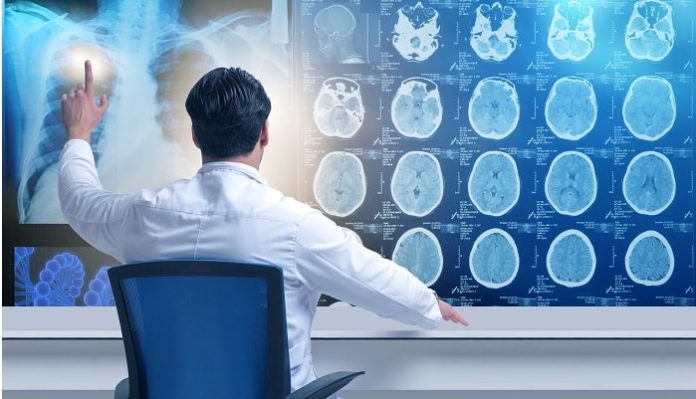
Philips is an active participant in the new European Union (EU) European Federation for Cancer Images consortium (EUCAIM) โ€“ a cornerstone project in the European Cancer Imaging Initiative that was launched by the European Commission in the run-up to World Cancer Day 2023. Addressing the need for researchers and innovators to access real-world oncology data at the scale and quality needed to develop new solutions to help detect, diagnose and treat cancer, notably those based on artificial intelligence (AI), the European Cancer Imaging Initiative will work towards creating a digital infrastructure that links up resources and databases of cancer imaging data across the EU, while ensuring adherence to high standards of ethics, trust, security, and data protection.

Within the Cancer Imaging Initiative, the EUCAIM project will focus on designing and deploying a federated infrastructure for cancer imaging data, with the resultant atlas of cancer imaging repositories made available to the initiativeโ€˜s second cornerstone project โ€“ the AI Testing and Experimentation Facility for Health (TEF-Health). TEF-Health will allow subject matter experts and other partners to test AI-based cancer care solutions using real-life data. The proposed infrastructure will also provide a platform for individual European citizens to donate their data for the purposes of cancer research.

โ€œThe Cancer Imaging Initiative will provide vital information for the next generation of cancer diagnostics and treatment and help us make screening more precise, timely and accessible. It is a key example of how we invest and make the best use of the potential of innovative digital solutions under Europeโ€™s Beating Cancer Plan to change the realities for cancer patients and their families,โ€ said Stella Kyriakides, European Commissioner for Health and Food Safety at the Cancer Imaging Initiative launch event in Brussels.

โ€œPhilips warmly welcomes this initiative as it offers access to health data in oncology and an excellent opportunity to engage with and collaborate with this community. This will help to develop AI-powered solutions derived from these data and validate them with clinical partners and customers such as La Fe Hospital in Valencia and Charitรฉ in Berlin. This initiative has immediate application in cancer AI-innovations, as these innovations rely on longitudinal patient data as well as a broad cohort to ensure robust AI solutions that be adopted into clinical practice,โ€ said Tina Manoharan, Vice President of Data, AI and Digital Innovation at Philips.

Addressing the needs of expanded screening
One of the key aims of Europeโ€™s Beating Cancer Plan is to ensure that 90% of the EU population who qualify for breast, cervical, or colorectal cancer screening are offered it by 2025, resulting in increased imaging volumes for screening and the precision diagnosis and personalized treatment of detected cases. AI is widely regarded as a powerful tool that could help radiologists cope with the workload. By combining AI with deep clinical knowledge, Philips is already creating AI-enabled solutions that integrate into and accelerate clinical workflows and provide clinicians with greater clarity at every moment of cancer care. Philips MRCAT (MR for Calculating Attenuation) Brain imaging software, for example, uses trained AI models to capture information needed to accurately and efficiently generate a patientโ€™s radiotherapy plan in a single fast MR exam, without the need for a time and resource consuming CT scan and subsequent CT-MR image co-registration. In an ongoing partnership with Leiden University Medical Center (Leiden, The Netherlands) that recently benefited from EUR 2 million funding from the Dutch Research Council (NWO), Philips is developing innovative new AI solutions to further speed up and improve MR examinations, the aim being to reduce scan times from tens of minutes to less than five minutes and reconstructing detailed MR images despite patient or internal organ movement.

By automating and accelerating routine imaging tasks, Philipsโ€™ AI-based solutions aim to simplify workflows and logistics, leaving more time for clinicians to focus on their patientsโ€™ needs. At the same time, AI-enabled image reconstruction, quantitative analysis, and data integration tools allow oncologists to make better-informed decisions in diagnosis, therapy planning, treatment, and follow-up to provide patients with more precise and personalized cancer care.

Philips AI-enabled cancer care solutions
Philips intelligent Advanced Visualization and Pathway informatics solutions integrate data across radiology, pathology, genomics, and EHR systems to provide a comprehensive multi-faceted view of each individual patientโ€™s unique cancer status, with plug-ins such as Multimodality Tumor Tracking, CT Spectral Tumor Tracking, and CT Virtual Colonoscopy to help aid decision-making. On top of that, the solution provides an additional layer of information access and management, including Dana-Farber Cancer Instituteโ€™s clinical pathways, genome informatics, clinical reporting, and clinical trial matching.


Apollo Hospitals launches Clinical Intelligence Engine app to elevate doctor productivity and patient satisfaction

5 Compelling Reasons for Custom Developing an Appointment Scheduling App for your Healthcare Practice

The Apollo Hospitals Group today announced the launch of Apollo Clinical Intelligence Engine(CIE), a clinical decision support tool, to be opened to use by all Indian doctors on Apollo 24*7โ€™s platform. Developed using the latest techniques in Artificial Intelligence(AI) and Machine Learning(ML), this tool hopes to elevate the accuracy of diagnosis, doctor productivity, and patient satisfaction.

The Clinical Intelligence Engine is capable of analysing vast amounts of data to help healthcare professionals identify patterns that may be missed otherwise. Numerically speaking, the intelligence engine has over 1300 conditions and 800 symptoms in its vocabulary, covering 95 per cent of everyday case mixes in OPDs.

This tool is designed specifically for the South Asian Region mix, powered by a knowledge base built, maintained, and periodically reviewed by an in-house team of more than 500 Apollo doctors and specialists. It helps and supports differential diagnosis situations as well, enabling doctors to be more prompt and precise for better clinical outcomes.

Dedicating the Apollo Clinical Intelligence Engine to all doctors, Dr Prathap C. Reddy, Chairman, Apollo Hospitals Group said, โ€œIt has always been my wish to do more to make India truly healthy, especially when we face a huge tsunami of non-communicable diseases (NCDs) such as diabetes, heart disease, and cancer. The CIE could not be restricted to Apollo but must be shared with doctors across India. I am therefore happy to offer the Apollo CIE to every qualified, practicing doctor in India.โ€

The Apollo CIE also increases the scale of operation for healthcare providers by helping organisations meet the multi-channel demand for access with safe, clinically validated health interactions via the Symptom Checker and doctors equipped with this expert clinical knowledge system. Apollo CIE analyses users’ symptoms, determines the cause, and recommends the next best actions.

โ€œThe launch of the Apollo Clinical Intelligence Engine is a major milestone for us at Apollo Hospitals. When we empowered Apollo doctors with CIE in OPDs a few months back, we found a tangible improvement in the accuracy of diagnosis, doctor productivity, and patient satisfaction. Currently, more than 4000 Apollo doctors are using it and have seen a considerable impact in their diagnosis outcomes; it has become a part of their routine OPD operations,โ€ said Sangita Reddy, Joint Managing Director, Apollo Hospitals Group.


GE HealthCare to Acquire Caption Health, Expanding Ultrasound to Support New Users Through FDA-Cleared, AI-Powered Image Guidance

GE HealthCare to Acquire Caption Health, Expanding Ultrasound to Support New Users Through FDA-Cleared, AI-Powered Image Guidance

GE HealthCare, a leading global precision care innovator, announced that it has signed an agreement to acquire Caption Health, Inc., a privately owned artificial intelligence (AI) healthcare leader that creates clinical applications to aid in early disease detection, using AI to assist in conducting ultrasound scans. With Caption AI applications, ultrasound examinations can be easier and faster, enabling a broader set of healthcare professionals to conduct basic echocardiogram exams. This technology can help detect signs of diseases like heart failure in at-risk patients across doctorsโ€™ offices, the home, and alternate sites of care, potentially preventing hospitalizations and supporting improved clinical outcomes.

GE HealthCare Ultrasound President and CEO Roland Rott said, โ€œGuiding ultrasound users during examinations with the help of AI is of growing importance, especially as we reach a broader set of healthcare professionals. Caption Healthโ€™s AI applications help enable reliable, consistent ultrasound examinations to deliver more precise diagnoses, improved treatment decision-making, and ultimately improved patient outcomes. This tuck-in acquisition will help expand affordable access to ultrasound imaging to novice users and is aligned with a broader shift to precision care globally.โ€

Caption Health CEO Steve Cashman said, โ€œWe are incredibly proud of the technology we have built and together with GE HealthCare, look forward to bringing this technology to more patients across the globe. Combining our AI applications with GE HealthCareโ€™s ultrasound devices will help accelerate our mission to detect disease earlier, when an easily obtained diagnostic image can be a great equalizer to health quality and outcomes. This will ultimately help us reduce costs and enhance care.โ€

Heart ultrasound examinations are the primary tool used to help identify heart failure, the most common diagnosis in the U.S. for hospitalized patients over the age of 651. It contributes to millions of deaths globally every year, but early symptoms like fatigue or shortness of breath are commonly confused for normal signs of aging2. A study showed that 38% of new heart failure patients are diagnosed in acute care facilities, even though 46% of these patients had potential symptoms six months before diagnosis, when intervention would have had a greater impact in slowing disease progression3. Doctors call heart failure “the silent killer” because it is so easy to ignore symptoms until it is too late. It has remained a leading cause of death nationwide4, with cases on the rise following the COVID pandemic5.

Karley Yoder, Chief Digital Officer, Ultrasound at GE HealthCare, who will integrate Caption Health into the broader digital ecosystem of GE HealthCare, said, โ€œWe couldnโ€™t be more excited to partner with the Caption Health team to increase access and accelerate growth of ultrasound. Caption Health will first be integrated in the Point of Care and Handheld business portfolio to advance ultrasound adoption, with expanded future use cases as well.โ€

As part of this acquisition, Caption Health will continue to provide management and administrative services to affiliated medical services providers (collectively referred to as โ€œCaption Careโ€). By providing trained technicians across the country equipped with the Caption Health AI technology to perform cardiac ultrasounds in alternate sites of care and, in the future, in the comfort of patientโ€™s homes, Caption Care service is intended to support early diagnosis and detection before diseases like heart failure become more difficult to treat.

Caption Health also has a strong development pipeline of AI software, including innovative technology for the use of ultrasound in pulmonary applications.

The consummation of the transaction is subject to customary closing conditions. Financial terms of the transaction are not being disclosed. GE HealthCare intends to fund this transaction with cash on hand.


Carestream Collaborates with Robarts Research Institute to Advance Translational Cardiothoracic and Pulmonary Disease Research

Elucid Bio's vascuCAP enters IBM Imaging AI Marketplace

Carestream Health is partnering with Robarts Research Institute to increase and demonstrate the clinical value of digital X-ray, digital tomosynthesis, and dual energy technologies to help improve the outcomes of patients with cardiothoracic and pulmonary diseases. Carestream is providing a state-of-the-art imaging system and software to Robarts, the research institute of Schulich School of Medicine & Dentistry at Western University in Canada, to advance its multidisciplinary translational research.

The equipment installed at Robarts mirrors what is found in the regionโ€™s clinical settings and will support collaborative, multidisciplinary research that bridges bench to bedside.

The partnership with Robarts is one of many collaborations that Carestream has with research and health-care facilities worldwide to develop and assess new solutions that can help improve patient care, management, and outcomes while simplifying workflows and optimizing clinical utility.

โ€œCollaborations such as this offer Carestream the opportunity to assess the value of our technologies that, as in the case of tomosynthesis, afford physicians the ability to gain better clinical insight and translate this understanding into impactful patient management decisions. This engagement also explores innovative clinical solutions based on artificial intelligence, as well as image processing and computer vision, that enhance the visibility of disease processes and anatomical structures while providing meaningful quantitative metrics,โ€ said Luca Bogoni, Ph.D., Head of Advanced Research and Innovation at Carestream. โ€œRobarts is highly respected for its work in translational research. We greatly appreciate this partnership and the opportunity to evaluate, learn, and improve our solutions within a clinical setting.โ€

โ€œWhat weโ€™re doing here is fairly unique in Canada,โ€ said Dr. Narinder Paul, Chair/Chief, Department of Medical Imaging at Schulich Medicine & Dentistry. โ€œThe projects we will undertake here are multidisciplinary. Imaging scientists can bring their ideas to a project, physicians can address their clinical needs and bring their experience of the current gaps in health-care provision, and industry partners can collaborate to move their technologies forward.โ€

These synergies align with the Schoolโ€™s new five-year strategic plan and illustrate several goals focused on new infrastructure and new partnerships.

The Carestream solutions installed at Robarts are the DRX-Evolution Plus System with state-of-the-art Dual Energy (DE) acquisition and Digital Tomosynthesis (DT) image acquisition software. In comparison to conventional radiography, DT provides more accurate depth location while improving the contrast visualization of local structuresโ€”removing overlying and underlying anatomy. DE allows for improved detection sensitivity for abnormalities in the lung and improved assessment at the entrance exposure of a standard chest X-ray, which typically is a challenging image acquisition.

โ€œThe combination of these features facilitates comprehensive high-resolution structural and functional imaging, combined with tomographic capabilities that improve on conventional X-ray images by removing overlapping structures and, in certain scenarios, provides information similar to CT but at a much lower radiation dose,โ€ said Matthew Teeter, PhD, Associate Professor, Medical Biophysics at Schulich Medicine & Dentistry.

Carestreamโ€™s solutions are part of Robartsโ€™ larger research initiative to benefit patients involved in clinical studies, and optimize patientโ€™s and clinicianโ€™s time. The center also furthers collaborations between scientists, clinicians and technology developers and allows for imaging equipment to be used in novel ways, leading to greater improvements in patient care.

โ€œIt all comes back to why we are doing research,โ€ Dr. Paul said. โ€œEverything we do is focused on making life better for patients.โ€

Translate ยป