





Close
Digital Health & Ai Innovation summit 2026
LiGHT26

Wearable Health Technology Advancing Prevention

Wearable health technology advancing prevention

The Rise of the Quantified Self: Personal Intelligence in Prevention

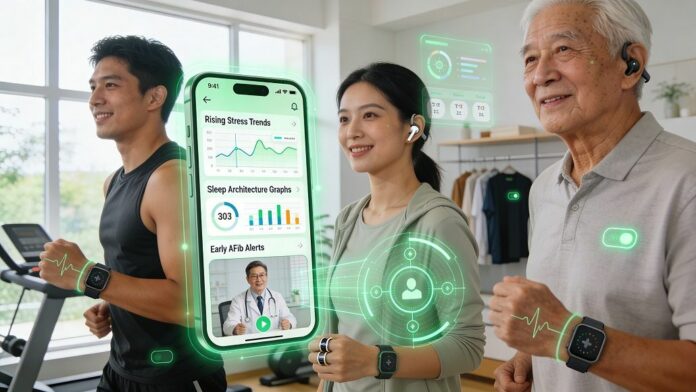
For most of medical history, the doctor-patient interaction was defined by the presence of disease. A person would seek medical attention only when symptoms became bothersome, making the healthcare system inherently reactive. However, the emergence of wearable health technology advancing prevention is rewriting this narrative. We are entering an era of “proactive wellness,” where individuals are equipped with laboratory-grade biometric monitoring devices that provide a continuous stream of data on their physiological status. This transition is not just about gadgets; it is a fundamental shift in how we define and maintain human health, moving the focus from the hospital ward to the daily life of the individual.

The power of wearable technology lies in its ability to capture the “in-between” moments the 99% of a personโ€™s life that happens outside the doctor’s office. By tracking metrics such as heart rate variability, sleep architecture, blood oxygen saturation, and even subcutaneous glucose levels, these devices provide a high-definition portrait of a personโ€™s unique biological rhythms. When this data is combined with sophisticated AI health analytics, the result is a powerful tool for the early detection of physiological deterioration, allowing for interventions long before clinical symptoms manifest.

Biometric Monitoring Devices: Beyond Step Counting

The first generation of wearables focused largely on basic activity tracking, such as counting steps or estimating calories burned. While useful for general wellness, these tools were limited in their clinical utility. Todayโ€™s wearable health technology advancing prevention is a different breed entirely. We now have wrist-worn devices capable of performing single-lead ECGs, detecting atrial fibrillation, and monitoring for signs of sleep apnea. These are no longer just fitness trackers; they are FDA-cleared medical instruments that provide actionable clinical data.

This level of biometric monitoring is particularly transformative for the prevention of cardiovascular and metabolic diseases. For example, a wearable that detects a gradual increase in resting heart rate and a decrease in heart rate variability can alert a user to the early signs of overtraining, systemic inflammation, or even an impending viral infection. This “early warning system” allows individuals to adjust their behavior through rest, hydration, or seeking early medical advice preventing a minor physiological stressor from becoming a major health event. In this way, digital wellness innovation is turning data into a protective shield.

AI Health Analytics: Decoding the Data Stream

The true value of wearable technology is not found in the raw data itself, but in the insights derived from that data. AI health analytics serve as the interpretive engine that translates millions of data points into a clear picture of health. These algorithms can identify subtle correlations that would be impossible for a human to notice. For instance, an AI might find that a userโ€™s blood pressure tends to spike specifically on Tuesday mornings, correlating with a particular work stressor or a lack of sleep on Monday nights.
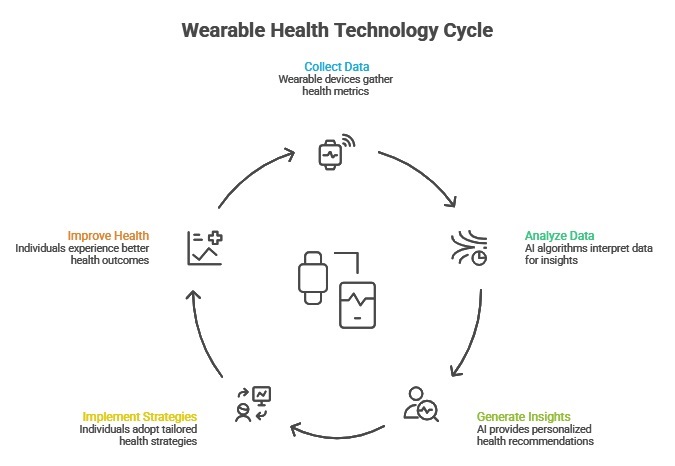
Wearable Health Technology CenterBy providing these personalized insights, wearable health technology advancing prevention allows for “n-of-1” medicine an approach where treatment and prevention strategies are tailored to the specific biology and lifestyle of the individual. This is the essence of preventive healthcare: moving away from generic advice like “exercise more” toward specific, data-backed recommendations such as “increase your deep sleep by 20 minutes to improve your glucose metabolism.” This granularity is what makes digital wellness tools so effective at driving long-term behavioral change.

Preventive Healthcare Models and the Clinical Connection

As wearables become more sophisticated, they are being integrated into broader preventive healthcare models. We are moving toward a “collaborative care” system where patients share their wearable data with their primary care physicians. This allows for a more informed and efficient consultation. Instead of the doctor asking, “How have you been feeling for the last six months?” they can open a dashboard and see exactly how the patientโ€™s vitals have trended over that period.

This continuous data flow allows for “micro-interventions.” If a physician sees a patientโ€™s activity levels dropping and their stress markers rising, they can reach out via a secure messaging platform to check in before a clinical problem develops. This proactive outreach is a cornerstone of the next generation of primary care, where the goal is to keep the patient out of the clinic as much as possible. By fostering a constant connection, wearable health technology advancing prevention is strengthening the bond between the individual and their care team, creating a more responsive and resilient health system.

Patient Engagement and the Psychology of Health

One of the most powerful aspects of wearable technology is its ability to increase patient engagement. When a person can see their health data in real-time, they become more invested in their own outcomes. The “gamification” of health using badges, streaks, and community challenges is a powerful tool for motivating consistent healthy behaviors. However, the impact goes deeper than just rewards; it is about building health literacy and a sense of agency.

Wearable health technology advancing prevention provides individuals with the evidence they need to see that their choices matter. Seeing an immediate improvement in sleep quality after a day of increased physical activity or a stress-reduction session provides a powerful positive reinforcement. This sense of control is essential for the management of chronic conditions and the prevention of lifestyle-related diseases. By making the invisible processes of the body visible, these tools are turning wellness into an active, engaging, and personalized journey.

Privacy, Ethics, and the Ownership of Health Data

As we embrace the benefits of wearable health technology advancing prevention, we must also navigate the complex ethical landscape that comes with constant monitoring. The data generated by these devices is incredibly intimate, providing a window into a personโ€™s most private behaviors and physiological states. Consequently, the issues of data ownership, privacy, and security are paramount. Users must have absolute control over who has access to their data and how it is used.

There is also the risk of “biometric anxiety,” where constant monitoring leads to an obsessive focus on data points that may not be clinically significant. It is essential that digital wellness innovation is accompanied by clear guidance on how to interpret data and when to seek professional help. The goal of wearable technology is to support health, not to create a new source of stress. Striking the right balance between awareness and obsession is a key challenge for the developers of these systems.

Future Directions: Towards a Predictive and Personalized Future

The future of wearable health technology advancing prevention is one of increasing integration and sophistication. We are seeing the development of “invisible wearables” sensors embedded in clothing, jewelry, or even as temporary epidermal “tattoos.” These devices will provide even more seamless monitoring without the need for a bulky wrist-worn unit. At the same time, the integration of wearable data with genomic information and environmental sensors will allow for a truly holistic view of health.

We are moving toward a future where “prevention” is not just an occasional check-up, but a continuous, intelligent process that happens in the background of our lives. Through the continued advancement of biometric monitoring and AI health analytics, we are building a world where health is not something we wait to lose, but something we actively and intelligently preserve. The wearable revolution is, at its heart, a human revolution a movement toward a more informed, empowered, and healthy society.
Smart Rehabilitation Technology Improving Recovery

Smart rehabilitation technology improving recovery

The New Science of Restoration: Intelligence in Physical Medicine

The field of physical medicine and rehabilitation has long been characterized by labor-intensive, manual therapies that depend heavily on the physical strength and time of the therapist. While the human element remains irreplaceable, the emergence of smart rehabilitation technology improving recovery is augmenting these traditional methods with unprecedented levels of precision, repetition, and data-driven insight. We are transitioning from a model of subjective assessment and generalized exercises toward a paradigm of “precision rehabilitation,” where every movement is measured, analyzed, and optimized to the specific neurological and physical needs of the patient.

This evolution is driven by the understanding that the brain and body possess a remarkable capacity for neuroplasticity the ability to reorganize and form new neural connections in response to injury. However, to trigger this process effectively, patients often require thousands of precise repetitions of a specific movement. Smart rehabilitation technology allows for this level of high-intensity training, providing the consistent feedback and physical support necessary to drive functional recovery in patients with stroke, spinal cord injury, or orthopedic trauma.

Robotic Therapy Systems: Precision and Power

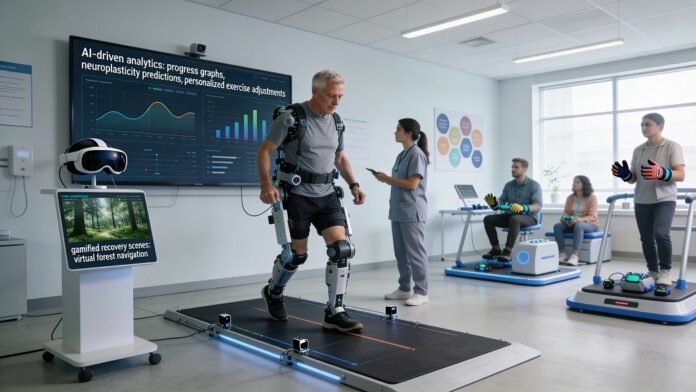
The most visible symbols of this transformation are robotic therapy systems. These advanced machines, which range from full-body exoskeletons to specialized hand and arm trainers, provide the mechanical assistance needed to perform complex movements. For a patient who has lost the ability to walk, a robotic gait trainer can support their body weight and guide their legs through a perfect walking pattern. This allows the patient to experience the sensation of walking and begin the process of neural retraining long before they would have the strength to do so unaided.

The primary benefit of robotic systems is their ability to provide “assist-as-needed” support. Unlike a human therapist, who might inadvertently provide too much or too little help, a robotic system can sense the exact amount of force the patient is contributing and provide only the necessary amount of assistance to complete the movement. This ensures that the patient is always working at the very edge of their capability, which is the optimal state for driving neuroplastic changes. Through this synergy of machine power and human effort, smart rehabilitation technology improving recovery is pushing the boundaries of what is possible in functional restoration.

Motion Tracking Healthcare: Measuring the Path to Healing

Underlying the mechanical power of these systems is a sophisticated layer of motion tracking healthcare. Using high-speed cameras, wearable inertial sensors, and pressure-sensitive mats, therapists can now capture a patientโ€™s movement with millimeter precision. This allows for the detection of subtle compensatory patterns such as a patient “hiking” their hip to clear their foot during walking that might be invisible to the naked eye but can lead to long-term joint damage or inefficient gait.

This objective data is a game-changer for clinical decision-making. In traditional rehabilitation, progress is often measured by qualitative scales that can be subjective and prone to variation between therapists. With smart rehabilitation technology improving recovery, progress is measured in degrees of joint range, Newton-meters of force, and milliseconds of reaction time. This level of granular detail allows therapists to refine their treatment plans with surgical precision, ensuring that every session is contributing directly to the patientโ€™s specific recovery goals.

AI Rehabilitation Platforms and Personalized Care Models

The massive amount of data generated by robotic systems and motion tracking is now being harnessed by AI rehabilitation platforms. These intelligent systems act as a “co-pilot” for the therapist, analyzing the patient’s performance in real-time and suggesting adjustments to the intensity or type of exercise. For example, if the AI detects that a patient’s movement quality is deteriorating due to fatigue, it can automatically reduce the difficulty of the task or suggest a rest period, preventing overexertion and injury.

These platforms are also enabling the development of truly personalized care models. By comparing an individual patient’s progress against data from thousands of similar cases, AI can predict the most effective therapeutic pathway and estimate the time required to reach specific milestones. This “predictive rehabilitation” helps patients and families manage their expectations and allows healthcare systems to allocate resources more efficiently. As we move forward, the integration of AI will allow for a level of customization that was previously impossible, ensuring that every patient receives the exact “dosage” of therapy they need at every stage of their recovery.

Virtual Reality and the Psychology of Recovery

Rehabilitation is as much a psychological challenge as a physical one. The path to recovery can be long, repetitive, and often discouraging. Smart rehabilitation technology improving recovery is addressing this by incorporating Virtual Reality (VR) and gamification. By placing the patient in a compelling digital environment where they might be catching virtual objects or navigating a digital forest the focus shifts from the difficulty of the exercise to the engagement of the game.

This “distraction therapy” has been shown to increase patient motivation and pain tolerance, allowing for longer and more productive sessions. Furthermore, VR allows for the practice of “activities of daily living” (ADLs) in a safe, controlled environment. A patient can practice the movements required to cook a meal or cross a busy street without any real-world risk. This bridge between the clinic and the home is essential for building the confidence and functional independence that are the ultimate goals of any rehabilitation program.

Expanding Access through Home-Based Smart Tech

The next frontier of smart rehabilitation technology improving recovery is the move from the clinic to the home. The high cost and large footprint of first-generation robotic systems meant they were restricted to specialized inpatient centers. However, we are now seeing the rise of portable, affordable devices designed for home use. These include smart gloves for hand therapy, sensor-based exercise platforms, and tablet-based AI coaches that guide patients through their home exercise programs.

These home-based systems are vital for addressing the “rehab cliff” the common drop-off in recovery that occurs when a patient is discharged from intensive inpatient care. By providing professional-level feedback and monitoring in the home environment, these tools ensure that the recovery process continues long after the patient has left the hospital. For those living in rural areas or with limited access to transport, this technology is a lifeline that ensures they are not denied the opportunity for a full recovery due to their geography.

The Ethical Imperative of Human-Centered Design

As we embrace the power of robotics and AI, it is essential that the technology remains a tool for human empowerment, not a replacement for human care. Smart rehabilitation technology improving recovery must be developed through a process of “human-centered design,” involving therapists and patients at every stage. The technology should be intuitive, comfortable, and, most importantly, respectful of the patientโ€™s dignity and autonomy.

There is also the critical issue of equity. As these advanced systems become the new standard of care, we must ensure that they are accessible to all patients, regardless of their socioeconomic status. The goal of recovery innovation is to raise the floor of care for everyone, not just to raise the ceiling for a few. Healthcare systems and insurers must work together to ensure that the long-term benefits of smart rehabilitation including reduced disability and faster return to work are recognized and reflected in their reimbursement models.

A Future of Boundless Potential in Recovery

The transformation of physical medicine through technology is an ongoing journey of discovery. We are only beginning to tap into the potential of combined therapies, such as the use of brain-computer interfaces (BCIs) to control robotic limb trainers, effectively allowing a patient to move their paralyzed limbs with their thoughts. This “cybernetic” approach to rehabilitation represents the ultimate synergy between man and machine.

By combining the precision of robotics, the insight of AI, and the compassion of human care, we are building a world where the word “permanent” is less and less applicable to physical disability. The goal of smart rehabilitation technology improving recovery is to ensure that every individual has the tools they need to reclaim their life and their independence. In this new era of physical medicine, the focus is not on what has been lost, but on the boundless potential of what can be regained.

Smart Medical Devices Driving Hospital Innovation

Smart medical devices driving hospital innovation

The Convergence of Intelligence and Instrumentation in Modern Medicine

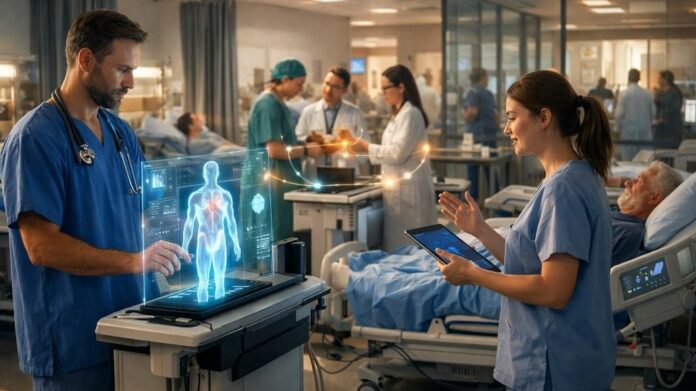
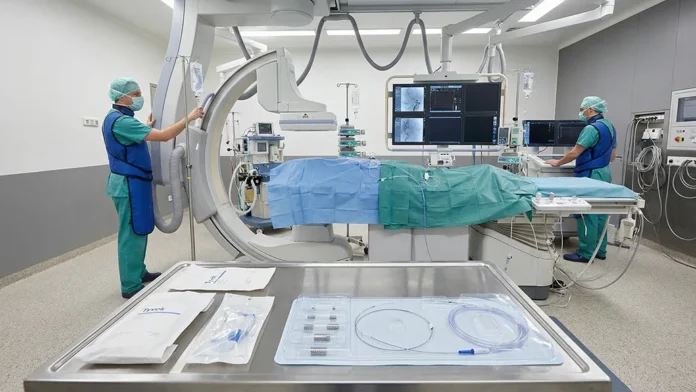
The landscape of secondary and tertiary healthcare is currently witnessing a paradigm shift that was once the province of science fiction. The traditional image of a hospital a place of reactive treatment and manual documentation is rapidly fading, replaced by a dynamic, proactive environment where smart medical devices driving hospital innovation act as the central nervous system of the facility. These devices do not merely perform functions; they perceive, analyze, and communicate, creating a tapestry of data that allows clinicians to stay steps ahead of potential complications. This transition is not born of a desire for gadgets, but from a necessity to address the mounting pressures of aging populations, rising costs, and the need for absolute clinical precision.

As these intelligent systems become more deeply embedded in the daily rhythms of clinical care, the very definition of “medical equipment” is being rewritten. We are moving away from isolated units that require constant human oversight toward autonomous and semi-autonomous systems that provide continuous surveillance. This is the bedrock of the modern medical facility, where the integration of advanced sensors and machine learning algorithms ensures that every heartbeat, every breath, and every chemical change in a patientโ€™s body is accounted for and contextualized.

The Architect of the Connected Clinical Environment

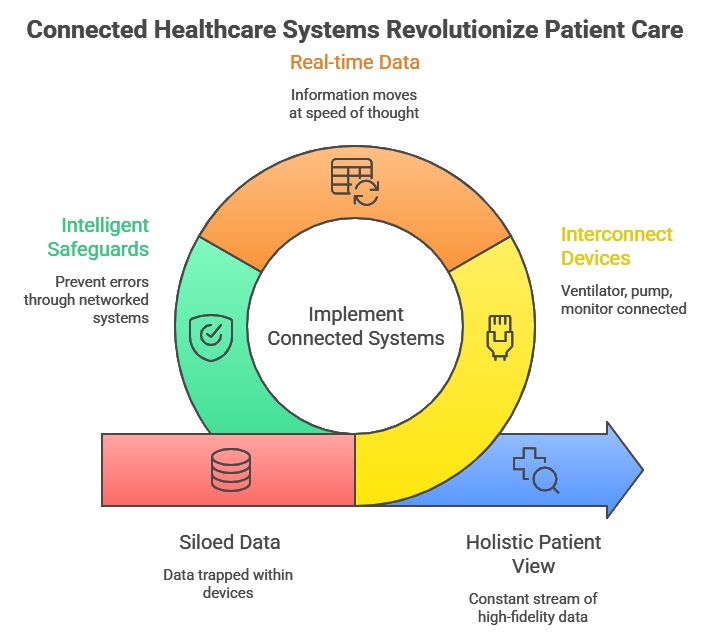
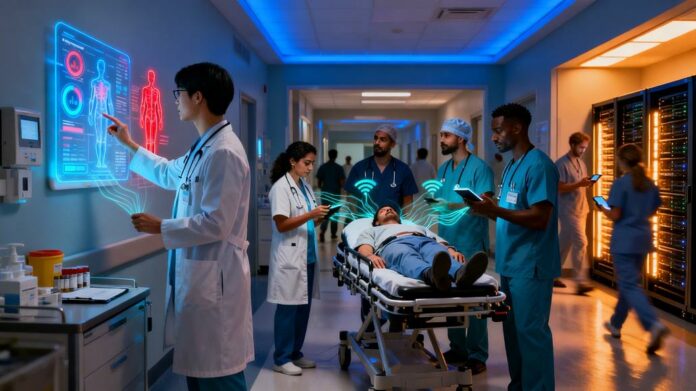
At the heart of this revolution lies the concept of connectivity. The implementation of connected healthcare systems has allowed for a level of transparency and fluidity in data management that was previously unattainable. When a ventilator, an infusion pump, and a cardiac monitor are all part of the same digital conversation, the resulting synergy is far greater than the sum of its parts. This interconnectivity ensures that clinical data analytics are fed by a constant stream of high-fidelity information, enabling a more holistic view of the patientโ€™s status.

Connected Clinical EnvironmentIn the past, data was often siloed, trapped within a specific device or written on a physical chart that might not be updated for hours. Today, smart medical devices driving hospital innovation ensure that information moves at the speed of thought. When a smart infusion pump detects a potential dosing error based on the patientโ€™s latest lab results retrieved automatically from the hospitalโ€™s central database it can prevent a catastrophic event before it occurs. This is the essence of innovation: the removal of human error through the application of intelligent, networked safeguards.

The Role of the Internet of Medical Things

The Internet of Medical Things, or IoMT, is the framework that supports this high-level connectivity. By equipping standard medical tools with IoT capabilities, hospitals are transforming every bed, every room, and even the patients themselves into active nodes in a vast information network. IoT medical devices range from smart beds that monitor patient movement to prevent pressure ulcers, to wearable biosensors that track vital signs with laboratory-grade accuracy while the patient is mobile.

These devices provide a granular level of detail that traditional intermittent monitoring could never achieve. Instead of a snapshot of a patient’s health taken every four hours by a nursing team, clinicians now have access to a cinematic view of the patient’s physiological trends. This continuous data stream is vital for early warning systems. In many cases, physiological deterioration begins hours before it becomes clinically obvious to a human observer. Smart medical devices driving hospital innovation leverage this data to trigger alerts that allow for early intervention, significantly reducing the incidence of “code blue” events and unplanned ICU admissions.

Enhancing Clinical Decision Support Through AI

The sheer volume of data generated by an IoMT-enabled hospital would be overwhelming for human staff to process unaided. This is where AI healthcare integration becomes indispensable. Artificial intelligence acts as the interpretive layer that sits atop the hardware. It scans the incoming data for patterns, anomalies, and correlations that might escape the human eye. For instance, an AI-driven monitoring system might notice a subtle, simultaneous change in respiratory rate and oxygen saturation that, when combined with a specific heart rate variability pattern, suggests the early onset of sepsis.

By providing these insights directly to the bedside clinician, these systems function as a force multiplier for the medical staff. They don’t replace the doctor’s judgment; rather, they provide the doctor with a more refined and actionable set of data upon which to base that judgment. This synergy between human expertise and machine intelligence is the primary driver of improved patient outcomes in the modern era.

Operational Efficiency and the Future of Resource Management

Beyond the direct clinical benefits, smart medical devices driving hospital innovation are also reshaping the operational and financial health of medical institutions. Hospitals are notoriously complex environments with massive overhead and intricate logistical challenges. Digital health technology provides the tools to streamline these processes. For example, real-time location systems (RTLS) integrated into medical devices allow staff to locate essential equipment instantly, saving thousands of hours annually that were previously wasted on manual searching.

Furthermore, predictive maintenance powered by internal diagnostics in smart devices can alert technicians to a potential failure before it happens. An MRI machine that can “sense” a cooling system issue and schedule its own repair during off-hours ensures that patient throughput is not interrupted. This level of operational intelligence reduces downtime, extends the lifespan of expensive capital equipment, and ultimately lowers the cost of care delivery.

Privacy, Security, and the Ethical Imperative

As we embrace these technological leaps, the responsibility to protect patient data becomes more acute. The transition to a digital-first hospital environment necessitates robust cybersecurity frameworks. Every connected device is a potential entry point for unauthorized access, making security a core component of the device’s design rather than an afterthought. Manufacturers and hospital IT departments are now working in lockstep to ensure that data-driven clinical decision making does not come at the cost of patient privacy.

Encryption, multi-factor authentication, and blockchain-based data integrity protocols are becoming standard features in the next generation of medical technology. This focus on security is essential for maintaining the trust between patients and the healthcare system. Without a secure foundation, the promise of smart medical devices driving hospital innovation cannot be fully realized.

Sustainable Innovation and Global Health Impact

The final frontier of this movement is its scalability. While the most advanced smart hospitals are currently located in high-income regions, the modular nature of many smart medical devices driving hospital innovation means they can be deployed in resource-limited settings to bridge the gap in care quality. Remote diagnostic tools and AI-enabled screening devices can bring specialist-level care to rural areas where doctors are scarce.

As we look toward the future, the goal is not just to make hospitals “smarter” for the sake of technology, but to make them more effective, more humane, and more accessible. The integration of intelligence into medical devices is the most significant leap forward since the advent of the stethoscope. It represents a commitment to a future where medicine is truly personalized, predictive, and preventative. Through the continued development of these technologies, we are not just changing how we treat disease; we are changing how we value and preserve human life in a digital age.

The journey toward total hospital innovation is ongoing. Each new device and every refined algorithm brings us closer to a healthcare system that works as a cohesive, intelligent whole. By prioritizing the human element within this technological framework, we ensure that the focus remains exactly where it belongs: on the recovery and well-being of the patient.

FDA Fast Track Designation for 99mTc-maraciclatide Agent

99mTcmaraciclatide

Serac Healthcare has secured fast track designation from the US Food and Drug Administration for 99mTc-maraciclatide, a SPECT-CT imaging agent developed to visualise inflammation in individuals with known or suspected interstitial lung disease (ILD).

The fast track pathway is intended to speed up the development and regulatory review of therapies and diagnostic tools that target serious conditions and address unmet medical needs. Interstitial lung disease encompasses more than 200 disorders that compromise lung function and are characterised by progressive inflammation, fibrosis and a gradual deterioration in quality of life. In clinical practice, distinguishing between inflammatory activity and fibrotic damage at an early stage is critical for guiding treatment decisions. However, achieving that differentiation remains highly challenging.

With fast track status in place, Serac Healthcare may benefit from a range of regulatory mechanisms designed to reduce the time required for approval in the United States. These include potential eligibility for accelerated approval and priority review. The designation also enables more frequent meetings and written correspondence with the FDA, alongside the option for rolling review of sections of a new drug application as they are finalised.

David Hail, Chief Executive Officer of Serac Healthcare, said: โ€˜โ€˜The FDAโ€™s Fast Track designation of maraciclatide signals the imperative for improved ILD diagnosis, assessment, and monitoring. ILD symptoms are non-specific and often present late in disease progression, making early detection extremely difficult.

โ€œWhile symptom management therapies are available, including powerful anti-inflammatory agents, inappropriate administration can prove more detrimental than beneficial. A non-invasive imaging solution capable of distinguishing inflammation and fibrosis predominant ILD has the potential to meaningfully advance early diagnosis, change the treatment paradigm and improve patient outcomes.โ€™โ€™

99mTc-maraciclatide functions as a radiolabelled tracer with high affinity binding to ฮฑvฮฒ3 integrin. This cell-adhesion molecule is up-regulated in vascular endothelial cells during angiogenesis, a biological process central to inflammation.

Early findings from the PRospective Evaluation of Interstitial Lung Disease progression with quantitative CT (PREDICT-ILD) trial, based on preliminary phase 2 data, suggest that the agent may enable visualisation of inflammation in patients with fibrotic ILD. Additional clinical results are anticipated later this year.

Senior Care Innovation: Technologies Transforming Care for Patients Over 65

Technologies transforming senior care for patients over 65

From smart locks to VR therapy and safer mobility aids, see how new technology is improving safety, independence, and wellbeing for patients over 65.

Senior care is changing in important ways. Instead of focusing mostly on treating problems after they happen, care is moving toward prevention, early detection, and personalized support. New technologies are helping patients over 65 stay healthier, avoid unnecessary hospital visits, and maintain a better quality of life. These tools are also changing how care teams monitor health and respond when something starts to go wrong.

This article examines the technologies shaping modern senior care and how they support safer and more informed aging.

Why This Change Matters

As people live longer, medical needs often become more complex. At the same time, many older adults want to remain in their own homes for as long as possible. Technology helps bridge that gap by allowing seniors to stay independent longer while also keeping caregivers and providers informed.

To take full advantage of these options, itโ€™s important to understand available benefits and coverage. Resources like boomerbenefits.com can help explain how Medicare and related coverage may support care that includes modern technology.

Predictive Analytics in Senior Care

Artificial intelligence and predictive analytics are becoming more common in healthcare settings. These tools analyze patterns in health data to help providers identify risks earlier. Instead of reacting to emergencies, care teams can step in sooner and potentially prevent serious events from occurring.

Fall Prediction and Detection

Some smart home systems use discreet motion sensors placed throughout a living space. These systems learn what normal daily movement looks like for an individual, such as walking speed or usual wake-up times. When changes occur, such as slower movement, increased shuffling, or prolonged inactivity, the system can alert a caregiver. This early warning may allow someone to check in before a fall or medical issue becomes serious.

Improving Hospital Discharge Planning

Predictive tools can also review health records at the time of hospital discharge. By identifying patients who are more likely to be readmitted, care teams can focus follow-up services where they are most needed. This may include home health visits or closer monitoring, which can reduce the chance of a return to the hospital.

Remote Patient Monitoring and Telehealth

Remote Patient Monitoring, often referred to as RPM, allows providers to track health data outside of traditional office visits. Instead of only seeing how a patient is doing during appointments, care teams can monitor trends over time and respond more quickly when readings change.

Ongoing Health Data Collection

RPM relies on connected devices such as blood pressure monitors, smart scales, glucose monitors, and wearable trackers. These devices securely send readings to healthcare providers. Having consistent data can improve chronic condition management and help providers adjust care before small issues turn into bigger problems.

Smart Home Technology and Assisted Living Support

Technology is also being built into living environments, not just worn on the body. Smart home features are increasingly common in assisted and independent living settings and are designed to improve safety while reducing daily challenges.

Automated Safety Features

Motion-activated lighting can reduce fall risks by removing the need to search for switches at night. Smart locks allow caregivers or emergency personnel to enter quickly if needed, without depending on the resident to answer the door. These small changes can make a big difference in daily safety.

Virtual Reality and Cognitive Engagement

Virtual reality is still emerging in senior care, but it is sometimes used for mental and emotional support. VR programs can provide cognitive stimulation, help reduce feelings of anxiety or isolation, and offer immersive experiences, such as visiting familiar places or exploring new environments from the comfort of home.

Advances in Mobility Aids

Traditional mobility devices are also improving. New walkers and scooters may include features like stability assistance, navigation support, or sensors that help reduce the risk of accidents. These updates can make everyday movement safer and more manageable.

Medication Management Technology

Taking medications correctly can be a challenge for many older adults, especially when multiple prescriptions are involved. New technology is helping reduce errors and missed doses.

Smart Pill Dispensers

Modern pill dispensers release medication only at scheduled times and in the correct amounts. This helps prevent double-dosing or skipping medications and can be especially helpful for those managing complex medication routines.

Automated Pharmacy Services

Technology is also improving prescription management. Automatic refills and home delivery reduce the chances of running out of medication and eliminate barriers such as transportation or scheduling challenges.

A Future Focused on Safety and Independence

Technology does not have to replace personal care or human connection. Instead, it supports better communication and decision-making among patients, caregivers, and providers. When used thoughtfully, these tools streamline processes to help older adults stay safer, remain independent longer, and feel more in control of their health. The goal of innovation in senior care is not just efficiency but maintaining dignity and quality of life.

Healthcare Data Analytics and Digital Health Platforms for Improved Patient Outcomes

Healthcare Data Analytics and Digital Health Platforms

Healthcare Data Analytics and Digital Health Platforms: Turning Data into Better Outcomes

The modern healthcare industry generates an astronomical amount of data every day, from clinical notes and imaging files to insurance claims and wearable device metrics. However, data in its raw form is of limited use; the true value lies in the ability to analyze and interpret this information to drive better clinical and operational decisions. This is the role of Healthcare Data Analytics and Digital Health Platforms. By aggregating disparate data sources into a unified digital ecosystem, these platforms allow for the application of advanced mathematical models and artificial intelligence to uncover patterns that would otherwise remain hidden. This shift toward “data-driven medicine” is fundamentally changing how we approach population health, resource management, and individual patient treatment.

Population Health Management and Social Determinants

One of the most powerful applications of Healthcare Data Analytics and Digital Health Platforms is in the field of population health management. Rather than focusing solely on the individual patient in the clinic, health systems can now analyze data across entire communities to identify trends and risks. Analytics tools can segment a population based on risk factors such as age, geography, and pre-existing conditions, allowing healthcare providers to target preventive care where it will have the greatest impact. For example, if data indicates a rising trend of respiratory issues in a specific neighborhood, public health officials can investigate environmental causes and deploy targeted screening programs.

Furthermore, these platforms are increasingly incorporating “Social Determinants of Health” (SDOH)โ€”factors such as income, education level, and access to healthy food. By combining clinical data with socio-economic data, Healthcare Data Analytics and Digital Health Platforms provide a more holistic view of the factors driving health outcomes. This allows for a more integrated approach to care that goes beyond medical treatment to include social support services. When a hospital knows that a high-risk patient lacks reliable transportation, they can proactively arrange for mobile health visits or transportation assistance, preventing the missed appointments and subsequent health declines that often lead to expensive hospitalizations.

Operational Optimization and Predictive Hospital Management

Beyond clinical care, Healthcare Data Analytics and Digital Health Platforms are revolutionizing the way hospitals and clinics are managed. Hospital operations are incredibly complex, involving the coordination of thousands of staff members, expensive equipment, and a constant flow of patients with varying needs. Analytics tools can predict patient “throughput”โ€”the rate at which patients move through the system from admission to discharge. By forecasting high-volume periods, such as during flu season or following local events, administrators can optimize staffing levels and ensure that enough surgical suites and intensive care beds are available.

This predictive capability also extends to the supply chain and financial management. Predictive modeling can identify which patients are at high risk of readmission, allowing for more intensive discharge planning that saves the hospital money while improving the patientโ€™s recovery. On the financial side, analytics can identify patterns in insurance claim denials, helping billing departments correct errors before they are submitted and ensuring a more stable revenue cycle. By applying the rigors of data science to the business of medicine, Healthcare Data Analytics and Digital Health Platforms are making the healthcare delivery system more resilient and financially sustainable, ensuring that resources are always available for those who need them most.

Real-Time Insights and the Future of Personalized Care

The most exciting frontier of Healthcare Data Analytics and Digital Health Platforms is the move toward real-time, personalized insights at the point of care. As data processing speeds increase and algorithms become more sophisticated, clinicians are no longer looking at historical reports but are receiving live “nudges” during their patient encounters. For instance, an analytics engine might alert a doctor that a patientโ€™s latest lab results, when combined with their genetic profile and medication history, suggest they are at high risk for an adverse reaction to a standard treatment. This allows for an immediate shift in the care plan, providing a level of precision that was once the stuff of science fiction.

These platforms also facilitate the rise of the “digital twin”โ€”a virtual model of a patientโ€™s health that can be used to simulate the outcomes of different surgical procedures or medication regimens before they are performed on the actual person. This personalized modeling is the pinnacle of the synergy between Healthcare Data Analytics and Digital Health Platforms. By “testing” a treatment on a digital avatar, doctors can identify the most effective path with the fewest side effects, significantly improving the patientโ€™s experience and prognosis. This transition from “average” care to “individualized” care is the ultimate goal of the digital health revolution.

Overcoming Data Silos and Building a Unified Digital Ecosystem

For Healthcare Data Analytics and Digital Health Platforms to reach their full potential, the industry must continue to overcome the challenges of data fragmentation. In many organizations, clinical data, financial data, and operational data are still stored in separate systems that do not communicate with each other. The focus is now on creating “data lakes” centralized repositories where all types of information can be stored and analyzed together. This unified approach is essential for gaining a true 360-degree view of the health system and the patients it serves.

As we continue to build these digital ecosystems, the emphasis must remain on the ethical and secure use of data. Patients must be confident that their sensitive information is protected and that the algorithms being used are transparent and unbiased. By prioritizing data governance and security alongside innovation, we can build the trust necessary for Healthcare Data Analytics and Digital Health Platforms to become the standard of care worldwide. The future of healthcare is one where every piece of data is a potential life-saver, and our ability to analyze that data is the key to unlocking a healthier, more equitable world for everyone.

Electronic Health Records: Driving Clinical Workflow Efficiency

Electronic Health Records and Clinical Systems

Electronic Health Records and Clinical Systems: The Digital Backbone of Modern Medicine

The move toward digitalization in healthcare has reached a critical maturity, with Electronic Health Records and Clinical Systems now serving as the fundamental infrastructure for nearly all medical interactions. These systems have evolved from simple digital versions of paper charts into complex, multi-functional platforms that manage everything from patient demographics and clinical notes to complex billing cycles and laboratory integrations. By centralizing information into a single, accessible location, these digital systems enable a level of clinical coordination and data-driven insight that was previously impossible. This digital transformation is not merely about storage; it is about creating a dynamic environment where information is leveraged to improve the quality of care and the efficiency of the entire health system.

Enhancing Clinical Workflows and Decision Support

One of the primary advantages of Electronic Health Records and Clinical Systems is their ability to streamline the daily workflows of medical professionals. In a paper-based system, retrieving a patientโ€™s historical records, lab results, or imaging reports could take hours or even days. Today, these data points are available at the click of a button, allowing clinicians to make informed decisions more rapidly. Modern EHRs are designed with “smart” interfaces that prioritize the most relevant information based on the patientโ€™s condition and the clinicianโ€™s specialty. This reduction in the time spent searching for information translates directly into more time spent on patient interaction and diagnostic analysis.

Furthermore, these platforms incorporate advanced Clinical Decision Support (CDS) tools. These are embedded algorithms that act as a “safety net” for the clinician. For example, when a physician orders a new medication, the system automatically cross-references the patientโ€™s current medications and known allergies to detect potential contraindications. CDS tools can also provide evidence-based guidelines for treating specific conditions, ensuring that care remains aligned with the latest clinical research. By integrating these intelligence layers directly into the Electronic Health Records and Clinical Systems, we reduce the cognitive load on physicians and significantly decrease the risk of medical errors, making healthcare safer for everyone involved.

Regulatory Compliance and the Architecture of Quality

The implementation of Electronic Health Records and Clinical Systems is also heavily driven by the need for meticulous record-keeping and regulatory compliance. In an era of increasing scrutiny from both government bodies and insurance providers, the ability to document every clinical action with precision is essential. These systems provide a robust audit trail, ensuring that all treatments, consultations, and prescriptions are recorded with a time-stamp and the identity of the provider. This transparency is vital not only for maintaining HIPAA compliance but also for facilitating the billing and reimbursement processes that sustain the financial health of medical institutions.

Beyond documentation, these systems are key to participating in “value-based care” models. These models reward healthcare providers for the quality and outcome of the care they provide, rather than the quantity of services. Electronic Health Records and Clinical Systems allow hospitals to track key performance indicators (KPIs) in real-time, such as patient readmission rates, infection rates, and the effectiveness of chronic disease management. By having access to this high-level data, administrators can identify areas for improvement and implement targeted interventions to enhance the overall quality of care. The data captured within these systems thus becomes a tool for continuous institutional self-improvement.

Addressing Usability and the Human Factor in Design

While the benefits of Electronic Health Records and Clinical Systems are clear, their implementation has not been without challenges, particularly regarding usability and physician burnout. Early versions of these systems were often criticized for being “clunky” and requiring an excessive amount of data entry, which distracted from direct patient care. In response, the latest generation of EHR software is focusing heavily on the user experience (UX). Developers are utilizing human-centered design principles to create more intuitive interfaces, incorporating features like voice recognition, touch-screen compatibility, and mobile access to make documentation as efficient as possible.

The goal is to move toward a “frictionless” EHR experience where the technology supports the clinician rather than demanding their constant attention. This includes the use of natural language processing to extract data from narrative notes, reducing the need for repetitive form-filling. By prioritizing the needs of the end-user, modern Electronic Health Records and Clinical Systems are becoming more than just databases; they are becoming true clinical partners. A well-designed system not only improves data accuracy but also enhances job satisfaction for the medical staff, which is a critical factor in maintaining a high standard of care in a demanding professional environment.

Scaling for the Future: Precision Medicine and Data Integration

As we look to the future, the role of Electronic Health Records and Clinical Systems will continue to expand as they integrate with the rapidly growing fields of genomics and personalized medicine. We are moving toward a model where a patientโ€™s genetic profile is a standard part of their digital record, allowing for highly tailored treatments based on their specific DNA. This will require clinical systems to manage significantly larger and more complex datasets, necessitating advances in cloud storage and high-speed data processing. The integration of data from wearables and home-based monitoring devices will also add a “real-world” dimension to the clinical record, providing a more comprehensive view of the patientโ€™s lifestyle and health outside the clinic walls.

In addition, the future of these systems lies in their ability to facilitate global collaboration. In the event of a public health crisis, the ability to aggregate anonymized data from thousands of Electronic Health Records and Clinical Systems can provide real-time insights into disease transmission and the effectiveness of interventions. This collective intelligence will be vital for managing future pandemics and advancing our understanding of complex diseases. By continuing to refine the connectivity and intelligence of our digital clinical systems, we are building a global health infrastructure that is more responsive, more precise, and more patient-focused than ever before.

Healthcare Interoperability and Data Exchange Systems: Unified

Healthcare Interoperability and Data Exchange Systems

Healthcare Interoperability and Data Exchange Systems: Bridging the Information Chasm

In the modern medical landscape, a patient’s journey often involves multiple specialists, diagnostic centers, and hospital systems. For these various entities to provide coordinated and safe care, the information regarding that patient must be able to move as freely as the patient themselves. This is the core mission of Healthcare Interoperability and Data Exchange Systems. Historically, the medical industry has struggled with “data silos” isolated pockets of information trapped within incompatible software platforms. Overcoming these barriers is not merely a technical necessity but a clinical imperative, as the lack of access to a patientโ€™s complete medical history can lead to redundant testing, medication errors, and delayed diagnoses.

The Evolution of Standards and the Role of FHIR

The foundation of Healthcare Interoperability and Data Exchange Systems lies in the development and adoption of universal data standards. In the past, different electronic health record (EHR) vendors used proprietary formats, making the exchange of data a complex and often manual process. The emergence of the Fast Healthcare Interoperability Resources (FHIR) standard has revolutionized this space. FHIR utilizes modern web technologies, such as RESTful APIs, to allow different systems to “talk” to each other with ease. Unlike older, more rigid standards, FHIR is designed to be flexible and modular, enabling the exchange of specific “resources” like a single lab result or a list of allergies, rather than requiring the transmission of a massive, monolithic document.

This shift toward granular data exchange is what enables the high level of connectivity we see in contemporary Healthcare Interoperability and Data Exchange Systems. When a patient visits a new specialist, that specialistโ€™s clinical system can query the patientโ€™s primary care database for relevant history in real-time. This immediate access to information ensures that the clinician has a comprehensive understanding of the patient’s health status from the moment the encounter begins. The widespread adoption of FHIR is not just a trend among software developers; it is a fundamental restructuring of how health data is conceptualized, moving away from document-centric models toward a dynamic, data-centric approach that prioritizes accessibility and utility.

Enhancing Care Coordination and Patient Safety

The most direct benefit of robust Healthcare Interoperability and Data Exchange Systems is the significant improvement in care coordination. When information flows seamlessly between a primary care physician, a surgeon, and a pharmacist, the likelihood of errors is greatly reduced. For instance, an integrated system can automatically alert a pharmacist if a newly prescribed medication has a potential interaction with a drug the patient is already taking, as documented by another provider. This “single source of truth” regarding a patientโ€™s medications, allergies, and recent procedures is vital for preventing adverse events that often occur when care is fragmented and communication is inconsistent.

Furthermore, Healthcare Interoperability and Data Exchange Systems play a critical role in emergency medicine. In a crisis, a patient may be unconscious or unable to provide their medical history. Interoperable systems allow emergency department staff to instantly retrieve critical information such as blood type, pre-existing conditions, and advanced directives from distant databases. This ability to make informed decisions in seconds can be the difference between life and death. By ensuring that clinical data is always where it needs to be, interoperability transforms the patient experience from a series of disconnected episodes into a coherent and continuous narrative of care.

Regulatory Drivers and the 21st Century Cures Act

The advancement of Healthcare Interoperability and Data Exchange Systems has been significantly accelerated by legislative and regulatory mandates. In the United States, the 21st Century Cures Act has been a landmark piece of legislation aimed at ending “information blocking” the practice of intentionally interfering with the access, exchange, or use of electronic health information. The Act requires that certified health IT developers provide patients and providers with easy, standardized access to their health data. This regulatory pressure has forced the industry to move beyond competitive posturing and focus on the common goal of a connected healthcare ecosystem.

These regulations also emphasize the importance of patient access. Modern Healthcare Interoperability and Data Exchange Systems are increasingly designed to allow patients to access their own records through third-party apps on their smartphones. This democratization of data empowers individuals to take ownership of their health information, allowing them to share it easily with new providers or use it to better understand their own wellness journey. By placing the patient at the center of the data exchange model, the industry is moving toward a more transparent and participatory healthcare system where information is a tool for empowerment rather than a guarded commodity.

Addressing Security and the Future of Connected Health

As the volume of health data being exchanged continues to grow, the security and privacy of that information remain paramount. Healthcare Interoperability and Data Exchange Systems must utilize the most advanced encryption and authentication protocols to protect sensitive patient information from cyber threats. The challenge lies in creating a system that is open and accessible to authorized users while remaining impenetrable to malicious actors. This requires a multi-layered approach to security, including rigorous identity management, audit logs that track every access event, and continuous monitoring of the network for unusual activity.

Looking ahead, the future of Healthcare Interoperability and Data Exchange Systems will involve even deeper integration with emerging technologies. We are seeing the early stages of using blockchain technology to create decentralized, immutable records of consent and data exchange, further enhancing the security and transparency of the process. Additionally, the integration of data from wearable devices and home monitoring systems will add new dimensions to the patient record, requiring systems to manage increasingly large and diverse datasets. The ultimate vision is a global healthcare network where borders and software boundaries no longer impede the flow of life-saving information, ensuring that every patient receives the best possible care based on the most complete and up-to-date data available.

UK Launches New National Healthtech Access Programme for NHS

National Healthtech Access Programme

The UK government has launched the National Healthtech Access Programme (NHAP) to improve and standardise access to innovative medical technologies across the National Health Service (NHS), expanding how diagnostics, medical devices and digital tools are assessed and made available within the health system. The initiative broadens the appraisal remit of the National Institute for Health and Care Excellence (NICE) and forms a central component of the governmentโ€™s 10 Year Health Plan for England.

Previously known as the Rules Based Pathway, National Healthtech Access Programme establishes a coordinated framework between NICE, the Department of Health and Social Care, NHS England, the Medicines and Healthcare products Regulatory Agency (MHRA) and the Office for Life Sciences. Under the new structure, NICE will incorporate selected health technologies into its Technology Appraisals programme alongside medicines placing medical devices, diagnostics and digital health tools within the same national appraisal mechanism.

The move addresses longstanding concerns that cutting-edge HealthTech has not been used in the NHS or has only been available to patients in some parts of the country. By subjecting eligible technologies to formal cost-benefit analysis, NICE will determine whether they are clinically and cost-effective for nationwide adoption. Approved technologies will be reimbursed and made available consistently across the NHS.

Professor Jonathan Benger, Chief Executive of NICE, said: โ€œWhen NICE was founded 26 years ago, it set out to end the postcode lottery in access to medicines. Weโ€™re now extending that same clarity and fairness to HealthTech. These reforms mean that clinically and cost-effective medical devices, diagnostics and digital tools will start to be reimbursed and made available consistently across the NHS. This will give patients faster access to proven technologies and ensure NHS resources are spent where they make the greatest difference.โ€

Initial technologies prioritised under NHAP

The first two technologies entering the pathway are capsule sponge tests for detecting oesophageal cancer and AI tools for identifying prostate and breast cancer. Ministers have also referred two additional oncology diagnostics for potential review: technologies to improve detection of endometrial cancer in women with unexplained vaginal bleeding, and AI-supported chest X-ray analysis for suspected lung cancer in primary care referrals.

Oesophageal cancer is often diagnosed too late, leading to poor outcomes and significant pressure on NHS diagnostic services. Early-stage disease has a 95% five-year survival rate, compared with 5โ€“40% when diagnosed at an advanced stage. The capsule sponge test sometimes called a โ€œpill on a stringโ€ offers a less invasive alternative to endoscopy for the early detection of oesophageal cancer and the surveillance of Barrettโ€™s oesophagus.

The procedure involves a patient swallowing a dissolvable capsule containing a compressed sponge under the supervision of a healthcare professional, without the need for sedation. Once in the stomach, the capsule dissolves and the sponge expands. The device is then withdrawn using an attached string, collecting oesophageal cells for laboratory testing to identify abnormal or potentially cancerous cells. The method supports earlier diagnosis and helps free endoscopy capacity for urgent investigations.

Alongside this, AI pathology tools selected for review analyse images of tissue samples to support diagnosis in prostate and breast cancer two of the NHSโ€™s largest caseload areas. The algorithms highlight suspicious regions, grade tumours and support pathologists by reducing routine workload, improving consistency and enabling faster prioritisation of high-risk cases.

Reported system-wide benefits include increasing accuracy, standardisation and reporting speed; supporting the NHS Faster Diagnosis framework and ambitions for AI adoption in cancer pathways in its Long Term Plan; reducing workforce pressures by automating routine tasks; supporting national cancer targets; reducing diagnostic bottlenecks; improving throughput; and potentially reducing inequalities in time to diagnosis linked to geography, deprivation and variation in access to specialist pathology expertise.

Policy alignment and regulatory context

NHAP sits within the broader 10 Year Health Plan for England, which aims to address the long-standing challenge that innovative HealthTech has not been used consistently across the NHS. The plan sets out a shift towards preventative care supported by earlier diagnosis and screening through the use of technology.

The programme is one of three commitments NICE will deliver under the 10 Year Plan: faster and fairer rollout of high-impact HealthTech; updating guidance to drive smarter spending; and parallel decisions to enable faster access.

The policy direction reflects wider regulatory engagement with health technologies, particularly artificial intelligence. In September 2025, the MHRA introduced an AI Commission to address regulatory uncertainty around the technology and encourage its safe and effective use in the wider healthcare sector. Internationally, the US Food and Drug Administration (FDA) has been encouraging the development of AI-enabled medical devices aligned with regulatory expectations as it looks to employ the technology within its own workflow.

By expanding NICEโ€™s appraisal programme to incorporate selected health technologies and linking approval to national reimbursement, NHAP establishes a structured mechanism for evaluating and making available clinically and cost-effective devices, diagnostics and digital tools across the NHS.

CE Mark Approved for Two Neurovascular Devices from Vesalio

neurovascular devices from Vesalio

Vesalio has broadened its neurovascular portfolio after securing CE mark certification for two newly developed products, further advancing the companyโ€™s neurovascular devices from Vesalio in the European market. The approvals cover NeVa VS and NeVa 3.0 mm.

The CE mark for NeVa VS introduces an alternative treatment option for cerebral vasospasm following aneurysmal subarachnoid hemorrhage. Cerebral vasospasm occurs when blood vessels in the brain become narrowed and constricted, typically in the days or weeks after a ruptured brain aneurysm (subarachnoid hemorrhage). This narrowing can significantly restrict oxygen delivery to brain tissue, increasing the risk of brain damage and, in severe cases, death without timely intervention.

NeVa VS is a novel self-expanding, retractable nitinol-based cerebral dilation device that preserves distal blood flow while treating the narrowed vessels. Its braided stent architecture reinforces vessel integrity while maintaining continuous circulation, positioning it as a safer alternative to balloon angioplasty. Early clinical data showed 93.2% of NeVa VS-treated vessels required no further intervention.

The device has already gained FDA approval under a Humanitarian Device Exemption.

Alongside NeVa VS, Vesalio also received CE mark certification for NeVa 3.0 mm. This stent builds on Vesalioโ€™s patented neuro thrombectomy technology and is specifically designed to address smaller, more tortuous arteries.

Vesalioโ€™s NeVa stent portfolio is engineered to retrieve blood clots in a single pass by entrapping and securing the clot within one of three braided net sections. This approach differs from traditional endovascular thrombectomy methods that penetrate the clot, pin it, and drag it along the artery wall for removal.

NeVa 3.0 mm enables clot retrieval in arteries as small as 1.5 mm, expanding the number of patients who may be eligible for mechanical thrombectomy.

โ€œThese approvals mark our seventh CE certification and reflect the continued growth and strategic refinement of Vesalioโ€™s neurovascular portfolio on a global scale,โ€ said Vesalio VP of Market Development, Diane Demet Tangun.

Following CE mark certification, Vesalio confirmed the European commercial launch of NeVa VS and NeVa 3.0 mm, further strengthening its portfolio of neurovascular devices from Vesalio available in the region.

Separately, the company also obtained 510(k) clearance to expand indications to include distal access with microcatheter delivery in its neurovascular and peripheral aspiration catheters. Distal access with microcatheter delivery can help improve visualization of brain aneurysms hidden by adjacent arteries or branches.

Translate ยป