Close
Digital Health & Ai Innovation summit 2026
LiGHT26

GE Healthcare Launches ReadyFix Fleet Management Solution

ReadyFix Fleet Management Solution

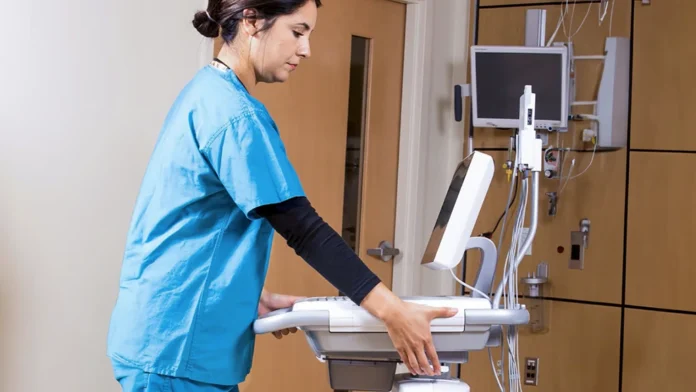
GE HealthCare has launched the ReadyFix fleet management solution in the United States, introducing a remote system designed to help healthcare providers maintain medical device uptime and continuity of patient care. The ReadyFix fleet management solution integrates with GE HealthCareโ€™s MAC VU360 resting ECG workstations, enabling real-time data access for remote device diagnostics and repair to support consistent cardiac care.

Hospitals typically manage between 10 and 15 connected devices per bed, placing heavy demands on biomedical engineering teams responsible for maintaining thousands of devices. Workforce pressures are growing, with more than half of biomedical engineers reporting excessive workloads and a widening gap between technician demand and available graduates. By enabling remote monitoring, configuration and troubleshooting, the ReadyFix fleet management solution aims to reduce operational strain while improving device reliability.

“Remote fleet management tools provide us with the clarity, structure and real-time insights needed to stay ahead of equipment issues and maintain a high standard of reliability across the hospital,” said Tony Williams, Director of Biomedical Engineering at Baptist Hospital in Pensacola. “These tools elevate the way our biomedical engineering team supports patient care equipment.”

ReadyFix is the newest addition to GE HealthCareโ€™s DeviceReady line of remote fleet management solutions. With standardized settings, software updates can be pushed on a schedule or triggered immediately to all departments. ReadyFix also offers reliable transmission of ECG tracings for teams to spend less time fixing problems and more time improving patient care.

โ€œAs healthcare systems continue to adopt more complex and connected devices, the need for more efficient fleet management solutions has never been greater,โ€ said Neal Sandy, Head of Product Strategy and Management for Patient Care Solutions, GE HealthCare. โ€œThe introduction of ReadyFix represents a significant step forward in connected care management, launching first with MAC VU360 and designed with the intent to be compatible with additional devices and care areas in the future.โ€

Telehealth and Remote Patient Monitoring Solutions: Virtual Care

Telehealth and Remote Patient Monitoring Solutions

Telehealth and Remote Patient Monitoring Solutions: Redefining the Geography of Care

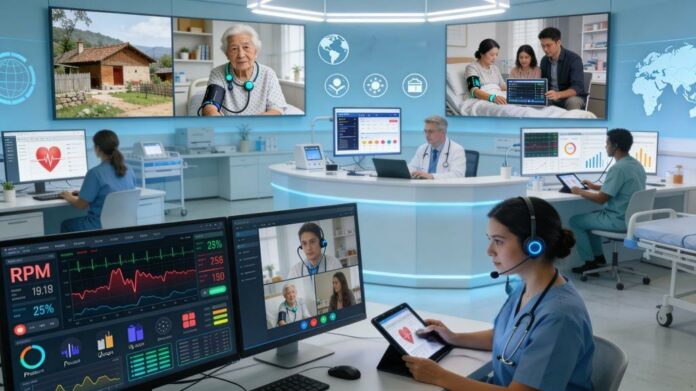
The traditional model of healthcare, centered on the physical clinic or hospital, is being rapidly supplemented by a more fluid and accessible approach. Telehealth and Remote Patient Monitoring Solutions have emerged as the cornerstone of this transformation, bridging the gap between clinical expertise and the patientโ€™s home. This shift is not merely a response to necessity but a strategic evolution aimed at improving the management of chronic diseases, increasing the efficiency of the medical workforce, and democratizing access to high-quality care. By decoupling the delivery of medical services from physical location, we are entering an era where healthcare is truly “always on,” providing a continuous safety net for patients regardless of where they reside.

The Convergence of Virtual Consultations and Diagnostic Accuracy

The first pillar of Telehealth and Remote Patient Monitoring Solutions is the virtual consultation, which has evolved from simple video calls into sophisticated clinical platforms. These systems are now integrated directly with patient portals and electronic health records, allowing for a seamless flow of information during a remote encounter. Modern telehealth platforms provide high-definition visual capabilities that allow specialists to perform detailed examinations, from assessing dermatological conditions to evaluating neurological symptoms. This capability is particularly vital for individuals in rural or underserved areas who previously faced significant logistical barriers to accessing specialist care. By eliminating the need for travel, telehealth ensures that the right expertise is available at the moment it is most needed.

However, the efficacy of a virtual visit is significantly enhanced when paired with objective data. This is where the integration of diagnostic peripherals becomes essential. Devices such as digital stethoscopes, otoscopes, and high-resolution cameras allow patients or local caregivers to provide real-time clinical data to a remote physician. This hybrid approach combining the convenience of virtual communication with the rigors of physical assessment ensures that the quality of care delivered remotely is equivalent to that of an in-person visit. Telehealth and Remote Patient Monitoring Solutions thus represent a cohesive ecosystem where technology acts as an extension of the clinicianโ€™s senses, maintaining high standards of diagnostic integrity across digital channels.

Continuous Oversight Through Remote Biometric Tracking

The second, and perhaps more revolutionary, pillar is the implementation of remote patient monitoring (RPM). Unlike traditional care, which relies on periodic “snapshots” of health taken during office visits, RPM provides a continuous “movie” of a patientโ€™s physiological status. Telehealth and Remote Patient Monitoring Solutions utilize the Internet of Medical Things (IoMT) to track vital signs such as heart rate, blood pressure, glucose levels, and oxygen saturation in real-time. These devices automatically transmit data to clinical teams, who can monitor trends and receive alerts if parameters fall outside of a healthy range. This proactive oversight allows for immediate adjustments to medication or lifestyle, often preventing the exacerbation of a condition that would otherwise lead to an emergency room visit.

This continuous monitoring is particularly life-changing for patients with chronic conditions like congestive heart failure, diabetes, or COPD. For these individuals, the ability to manage their health from home provides a sense of autonomy and security that was previously impossible. It also fosters a more collaborative relationship between the patient and their care team. When a patient can see the direct impact of their daily choices on their biometric data, they are more likely to adhere to treatment plans and engage in healthy behaviors. Telehealth and Remote Patient Monitoring Solutions are therefore not just technological tools; they are instruments of empowerment that shift the patient from a passive recipient of care to an active participant in their own wellness.

Enhancing Post-Operative Recovery and Reducing Readmissions

The application of Telehealth and Remote Patient Monitoring Solutions extends significantly into acute care recovery and post-surgical management. The period immediately following discharge is often the most vulnerable for a patient, as they transition from the highly controlled environment of the hospital to the variable conditions of home. By deploying RPM kits upon discharge, hospitals can maintain a “virtual ward” where nurses and doctors can keep a close eye on recovery markers. If a post-surgical patient begins to show signs of infection or a decline in cardiac function, the system triggers an alert, enabling a timely intervention that can resolve the issue before it becomes critical.

This model has been shown to significantly reduce hospital readmission rates, which is a key metric for both patient outcomes and the financial health of the medical institution. By ensuring that recovery is proceeding as expected without requiring the patient to travel for routine follow-ups, health systems can preserve their physical bed capacity for the most acute cases. The efficiency gains are substantial; a single clinical team can monitor hundreds of patients simultaneously through an RPM dashboard, prioritizing their efforts toward those who show the most immediate need for attention. Telehealth and Remote Patient Monitoring Solutions thus optimize the allocation of human resources, ensuring that no patient is overlooked during the critical transition from hospital to home.

Navigating the Future of Reimbursement and Global Access

As the technological hurdles to Telehealth and Remote Patient Monitoring Solutions are largely overcome, the focus has shifted toward the institutional and economic frameworks necessary to support their long-term growth. The expansion of reimbursement policies by major payers and government health programs has been a critical driver of adoption, recognizing that remote care is a cost-effective alternative to traditional models. However, for these solutions to reach their full potential, we must ensure that the “digital divide” does not create new disparities in health. Access to high-speed internet and user-friendly devices is a prerequisite for participating in this new era of medicine, and efforts are underway globally to provide the necessary infrastructure to underserved populations.

In the coming years, we can expect to see Telehealth and Remote Patient Monitoring Solutions become even more integrated with artificial intelligence and predictive analytics. The data collected from millions of remote devices will provide unprecedented insights into the progression of diseases and the effectiveness of various interventions at scale. This will lead to more refined algorithms that can predict health crises with even greater accuracy, further reducing the reliance on reactive, hospital-based care. The ultimate goal is a healthcare system that is truly patient-centric one that respects the patientโ€™s time and comfort while providing a level of clinical vigilance that was once only possible in an intensive care unit. By embracing this digital frontier, we are building a more resilient, equitable, and effective healthcare future for all.

Artificial Intelligence in Healthcare Solutions: Future Care

Artificial Intelligence in Healthcare Solutions

Artificial Intelligence in Healthcare Solutions: The Intersection of Computation and Clinical Excellence

The integration of computational intelligence into the medical field is no longer a prospect of the distant future but a present reality that is redefining the boundaries of what is possible in patient care. The deployment of Artificial Intelligence in Healthcare Solutions has moved beyond experimental labs and into the heart of clinical practice, where it serves as a powerful catalyst for efficiency, accuracy, and personalized medicine. By leveraging vast datasets that were previously too complex for human cognition alone to process, these systems provide a level of insight that transforms raw information into actionable clinical intelligence. This evolution represents a fundamental shift from reactive treatment models to proactive, data-driven strategies that prioritize early intervention and long-term wellness.

Advanced Diagnostic Capabilities and Medical Imaging

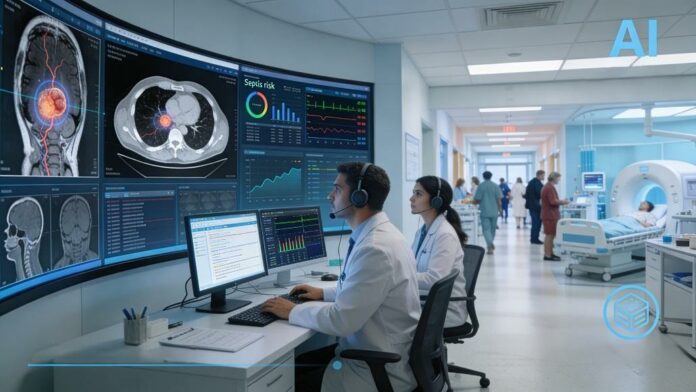
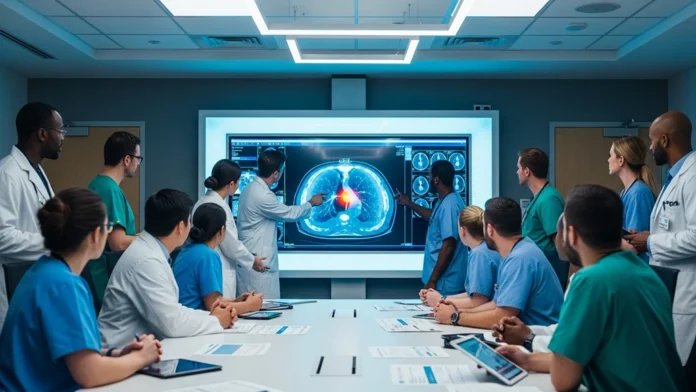
One of the most profound impacts of Artificial Intelligence in Healthcare Solutions is seen in the realm of diagnostic imaging. Traditionally, the interpretation of radiographs, CT scans, and MRIs has relied heavily on the visual expertise of radiologists, which, while highly skilled, is subject to human fatigue and subtle perceptual limitations. AI-driven image analysis tools now assist these specialists by scanning thousands of pixels to identify anomalies such as early-stage tumors, micro-fractures, or vascular irregularities that might escape the naked eye. These systems are trained on millions of historical images, allowing them to recognize patterns associated with specific pathologies with remarkable sensitivity. This collaboration between human intuition and machine precision ensures that diagnoses are not only faster but significantly more reliable, reducing the likelihood of missed cases and enabling the commencement of treatment at the most critical early stages.

Furthermore, machine learning algorithms are being utilized to enhance the quality of the images themselves. Through techniques such as deep learning reconstruction, AI can reduce the “noise” in low-dose scans, providing high-resolution clarity while minimizing the patient’s exposure to radiation. This technological synergy exemplifies how Artificial Intelligence in Healthcare Solutions prioritizes patient safety alongside clinical efficacy. As these tools continue to evolve, we are seeing the emergence of multi-modal diagnostics, where AI synthesizes data from imaging, genetic sequencing, and laboratory results to provide a holistic view of a patientโ€™s health, far exceeding the capabilities of traditional siloed diagnostic methods.

Predictive Analytics and Personalized Patient Care

The true strength of Artificial Intelligence in Healthcare Solutions lies in its ability to look forward rather than just assessing the present. Predictive analytics involve the use of historical and real-time data to forecast health events before they occur. In acute care settings, for instance, AI systems monitor vital signs and laboratory trends to predict the onset of sepsis or respiratory failure hours before clinical symptoms become overt. This “golden window” of early warning allows medical teams to intervene preemptively, which is often the difference between a successful recovery and a catastrophic outcome. By transforming the electronic health record from a passive ledger into an active monitoring tool, AI-driven predictive models are saving lives on a daily basis across global health systems.

Beyond the intensive care unit, predictive modeling is tailoring treatment plans to the unique biological makeup of the individual. Personalized medicine, once a luxury of specialized research centers, is becoming more accessible through AI-powered genomic analysis. Algorithms can predict how a specific patient will respond to a particular chemotherapy agent or which dosage of a medication will be most effective based on their metabolic profile. This precision reduces the “trial and error” approach that has long characterized many areas of medicine, particularly oncology and psychiatry. By ensuring that the right patient receives the right treatment at the right time, Artificial Intelligence in Healthcare Solutions is optimizing clinical outcomes while simultaneously reducing the financial burden of ineffective therapies.

Operational Efficiency and the Reduction of Administrative Burden

While the clinical benefits of AI are often the most highlighted, the operational improvements it brings to healthcare administration are equally transformative. Physician burnout is a growing crisis, largely driven by the overwhelming volume of documentation and administrative tasks required in modern practice. Artificial Intelligence in Healthcare Solutions addresses this issue through natural language processing (NLP) and automated clinical documentation. Ambient listening devices can now transcribe and summarize patient encounters in real-time, allowing doctors to focus their full attention on the person sitting in front of them rather than a computer screen. This restoration of the human element in the doctor-patient relationship is perhaps one of the most significant, yet least quantifiable, benefits of the technology.

In addition to documentation, AI is streamlining the complexities of hospital logistics and resource management. Predictive algorithms can forecast patient admission rates, allowing hospital administrators to optimize staffing levels and bed availability. In the supply chain, AI manages inventory levels for critical supplies, ensuring that life-saving equipment is always available when needed without the waste associated with overstocking. By automating these “back-office” functions, health systems can reallocate resources toward direct patient care, enhancing the overall efficiency of the delivery model. Artificial Intelligence in Healthcare Solutions thus acts as the invisible infrastructure that supports a more resilient and responsive medical environment.

Ethical Frameworks and the Human-Centric Future

As we embrace the capabilities of Artificial Intelligence in Healthcare Solutions, it is imperative to address the ethical considerations that accompany such powerful tools. The “black box” nature of some advanced algorithms where the path to a conclusion is not easily interpretable by humans presents challenges for clinical accountability. To mitigate this, the industry is moving toward “explainable AI,” ensuring that every recommendation made by a machine can be audited and understood by a medical professional. Maintaining human oversight is not merely a legal requirement but a moral one; the final decision in any clinical scenario must always rest with a qualified clinician who can weigh the AIโ€™s data against the nuanced complexities of human experience and empathy.

Moreover, data privacy and the elimination of algorithmic bias are central to the sustainable integration of AI. If the data used to train an AI system is not representative of a diverse population, the resulting insights may lead to disparities in care. Leading developers of Artificial Intelligence in Healthcare Solutions are now prioritizing diverse datasets and website testing to ensure that these tools provide equitable benefits to all patients, regardless of their demographic background. By fostering a culture of transparency and inclusivity, the healthcare industry can build the trust necessary for patients and providers to fully adopt AI as a trusted partner in the healing process.

In conclusion, the trajectory of modern medicine is inextricably linked to the continued refinement of Artificial Intelligence in Healthcare Solutions. These tools are not intended to replace the physician but to augment their capabilities, providing a level of precision and foresight that was previously unattainable. From the granular analysis of a cellular image to the broad management of a national health crisis, AI is proving to be the most significant technological ally in the quest for better health outcomes. As we continue to innovate, the focus must remain on the patient, ensuring that every algorithmic breakthrough translates into a tangible improvement in the quality of life and the accessibility of care for people around the world.

TrumpRx Cash-Pay Drug Purchasing Portal Launches in the US

TrumpRx CashPay Drug Purchasing Portal

The TrumpRx cash-pay drug purchasing portal has officially launched, marking the rollout of a government-run website that directs patients to cash-pay channels for purchasing prescription drugs without insurance.

President Donald Trump debuted TrumpRx.gov on Thursday evening after a brief delay, positioning the platform as part of the administrationโ€™s broader healthcare and drug pricing agenda. The website initially features 40 branded medicines from five pharmaceutical companies that have reached drug pricing agreements with the White House: AstraZeneca, Eli Lilly, Merck KGaAโ€™s EMD Serono, Novo Nordisk, and Pfizer.

Among the drugs listed on the TrumpRx cash-pay drug purchasing portal are Novo Nordiskโ€™s GLP-1 treatments Ozempic and Wegovy, including the newly launched Wegovy pill, fertility medications from EMD Serono, multiple AstraZeneca inhalers, and Pfizerโ€™s eczema treatment Eucrisa.

Trump first previewed the direct-to-patient purchasing tool in September alongside the announcement of so-called most-favored-nation drug pricing deals. Pfizer, the first major company to sign such an agreement, launched its TrumpRx offering with 30 medicines available at self-pay discounts of up to 85%, according to a company press release.

TrumpRx doesn’t sell drugs itself. Prices listed on the site are cash prices powered by GoodRx technology. Then TrumpRx sends customers elsewhere to buy. Many pharmacies pushing back against TrumpRx are the companies’ own websites. Coupons are printed by patients in some cases.

โ€œWeโ€™re continuing to make it easier for people to access our authentic, FDA approved medicines by expanding availability through multiple, convenient options,โ€ Novoโ€™s associate VP of U.S. public affairs, Chris Pernie, said in an emailed statement to Fierce.

GoodRx confirmed it is a โ€œcore integration partnerโ€ for TrumpRx in a press release issued alongside the siteโ€™s launch. Last year, Trump urged 17 drugmakers to pursue direct-to-patient sales as part of a broader effort to align U.S. drug prices with those in other developed countries.

Analysts have had mixed reactions towards the portal. University of Washington health economists projected that TrumpRx will do little to help most Americans who already have prescription drug coverage. Patients for Affordable Drugs Now, an advocacy group, expressed concerns over voluntary pricing commitments and lack of repercussions.

Lawmakers have also questioned whether TrumpRx complies with federal anti-kickback laws, citing unresolved oversight and transparency issues surrounding the platformโ€™s structure and legal authority.

DataOne and InterSystems Lay the Digital Foundation for AI-Ready Health Insurance in Thailand

AI ready health insurance Thailand

Connecting hospitals and insurers through an integrated data bridge to enable automated e-claims and next-generation insurance infrastructure.

After years of fragmented systems, slow insurance claims, and disconnected patient data, Thailandโ€™s healthcare and insurance industries are entering a new phase of digital transformation. InterSystems, a global provider of data technology that delivers a unified foundation for next-generation applications across healthcare, finance, manufacturing, and supply chain industries in more than 80 countries, has announced a strategic partnership with DataOne Asia (Thailand), a leading ICT service provider serving the banking, insurance, healthcare, and telecommunications sectors.

DataOne and InterSystems will build a high-performance, AI-ready data bridge that connects hospitals and insurance companies, enabling automated e-claims, seamless data interoperability, and the foundational digital infrastructure required for next-generation healthcare.

The partnership was formed to address the significant data connectivity gap between Thailandโ€™s healthcare and insurance sectors, a long-standing structural challenge that became especially evident during the COVID-19 pandemic. By combining DataOneโ€™s deep expertise and trusted relationships in the BFSI and insurance industries with globally trusted InterSystems healthcare technologies, the collaboration supports the digital foundation for more efficient payment, settlement, and claims workflows across the healthcare ecosystem.

โ€œThis partnership is a strategic alliance designed to bridge the significant data gap between Thailandโ€™s healthcare and insurance sectors,โ€ said Pilada Intanate, Chief Operating Officer of DataOne Asia. โ€œOur immediate goal is to enable efficient, automated e-claims processing, while our long-term goal is to build the foundational data infrastructure for a better healthcare system that is ready to support advanced AI and analytics.โ€

The InterSystems TrakCareยฎ and InterSystems IntelliCareโ„ข healthcare information systems (HIS) provide unified electronic health records (EHR) systems at leading private hospitals in Thailand. Both TrakCare and IntelliCare are built on InterSystems IRIS for Healthโ„ข, the high-performance data management and interoperability platform that enables large-scale system integration. Globally, over one billion health records are managed by InterSystems technology.
Under this partnership, DataOne is implementing InterSystems IRIS for Health as an open integration hub, providing a shared data repository and interoperability layer that securely connects both InterSystems and non-InterSystems hospital information systems to insurersโ€™ core platforms, enabling secure end-to-end data connectivity to support automated e-claims and insurance workflows across the broader healthcare ecosystem.

Solving Structural Industry Challenges

Thailandโ€™s healthcare-insurance ecosystem has long been constrained by data silos between providers and payers, resulting in slow and manual claims processes, fragmented data, and limited readiness for AI and advanced analytics. This partnership directly addresses those challenges by establishing standardized, interoperable data pipelines across the healthcare and insurance sectors.

The partnership delivers concrete value to all stakeholders. Insurance companies benefit from reduced administrative overhead, enhanced risk and anomaly detection capabilities, and improved underwriting data through automated e-claims. Healthcare providers experience faster reimbursement cycles, reduced staff workload, and improved data-sharing capabilities. Patients benefit from faster pre-authorizations, quicker claims settlements, and significantly reduced paperwork. At the market level, it supports a robust data foundation for future healthcare innovation in Thailand, helping make AI-driven healthcare practical and scalable.

InterSystemsโ€™ Regional Health Data & Interoperability Strategy
For InterSystems, the partnership aligns with its broader Asia-Pacific strategy to strengthen healthcare data management, interoperability, and large-scale digital health infrastructure. Beyond EMR systems such as TrakCare and IntelliCare, InterSystems provides enterprise,regional, and national health information exchange and data repository capabilities that enable hospitals and other healthcare organisations to support secondary use of health data, including insurance connectivity, clinical research, health logistics, and population-level analytics. Through this partnership, InterSystems is extending its impact beyond hospital systems into the insurance and financial ecosystem, strengthening digital connectivity across the healthcare and insurance value chain.

Luciano Brustia, Regional Managing Director for the Asia Pacific at InterSystems, said: โ€œAcross Asia Pacific, healthcare transformation depends on trusted data infrastructure that supports interoperability and management at scale. Through this partnership with DataOne, we are enabling Thailandโ€™s hospitals and insurers to securely exchange data and build a foundation that supports automated claims today, scalable AI, and advanced analytics in the future.โ€
Looking ahead, the joint solution is designed to enable large-scale expansion and support future healthcare innovation, predictive analytics, and AI-driven care and insurance workflows. The partnership accelerates Thailandโ€™s transition toward a fully connected, data-ready healthcare ecosystem – strengthening reimbursement efficiency, patient experience, and long-term healthcare system resilience.


InterSystems Honored with Four 2026 Best in KLAS Awards

InterSystems Best in KLAS 2026

Recognized for excellence in Acute Care EHR and Shared Care Records across Asia, Oceania, and Europe

InterSystems, a creative data technology provider powering more than one billion health records globally, today announced it has received four Global 2026 Best in KLAS awards. The company earned a #1 ranking for Acute Care EHR in Asia, Oceania, and France, as well as for Shared Care Records in Europe.

Best in KLAS is KLAS Researchโ€™s annual recognition of top-performing healthcare technology and services solutions, based entirely on feedback from healthcare provider organizations. Awards are given within defined software and services market segments evaluated by KLAS Research using a standardized methodology that reflects customer experience and performance. In addition to U.S. market segments, KLAS also recognizes top-performing solutions through its Global (Non-U.S.) Best in KLAS Awards, which are based on feedback from healthcare organizations outside the United States and evaluated using the same research framework.

InterSystems was honored with four 2026 Global Best in KLAS awards:

  • InterSystems TrakCareยฎ received three separate Best in KLAS designationsย for Acute Care EHR in France, Asia, and Oceania, a rating that reflects strong feedback from healthcare organizations within each of these markets.
  • Shared Care Records (Europe): InterSystems HealthShareยฎ was recognized as Best in KLAS for Shared Care Records in Europe for the third consecutive year,ย following prior wins in 2024 and 2025, based on feedback from healthcare organizations across the region.

“At InterSystems, our mission has always been to build solutions as a joint effort with real end users on their real problems and opportunities in their world. Receiving four Best in KLAS awards is incredibly validating because these honors aren’t decided by a panel of judgesโ€”they come directly from the feedback of the clinicians and healthcare leaders who use our technology every day,” said Don Woodlock, President of InterSystems. “These awards are a testament to our customers’ partnership and our team’s dedication to technical excellence and customer success.”

โ€œThe Best in KLAS awards recognize the vendors who consistently deliver excellence through partnership with healthcare organizations. Winning this award means customers trust you to help them succeed in our rapidly changing healthcare landscape. This means helping them to improve patient care, achieve better outcomes, and find true ROI. Weโ€™re honored to amplify the voice of providers and payers at KLAS, and to celebrate those vendors who turn feedback into action,โ€ said Adam Gale, CEO, KLAS Research.

The complete 2026 Best in KLAS Awards: Global Software Report can be found here.

GE HealthCare to Strengthen AI-Enabled Fetal Ultrasound

AIEnabled Fetal Ultrasound

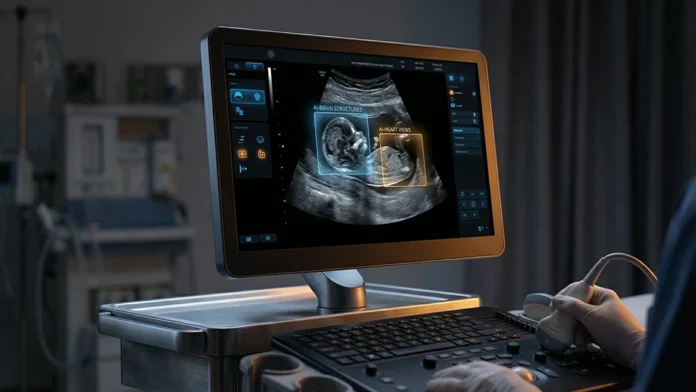
GE HealthCare today announced a collaboration with Diagnoly to advance AI-enabled fetal ultrasound by integrating Diagnolyโ€™s Fetoly solution into GE HealthCareโ€™s Voluson womenโ€™s health ultrasound systems. The collaboration focuses on increasing reproducibility, efficiency and diagnostic confidence for prenatal screening exams.

An ultrasound examination is one of the most important tools physicians have to monitor fetal development and detect congenital abnormalities. However, fetal motion, maternal habitus, and user-dependency can adversely impact exam quality. By embedding AI-enabled fetal ultrasound tools into clinical workflows, the collaboration seeks to streamline examinations, reduce clinician workload, and support more standardized assessments.

โ€œAI is redefining whatโ€™s possible in healthcare, and GE HealthCare is at the forefront of this movement, as an industry leader bringing AI-powered innovations to clinicians,โ€ said Gerald Seifriedsberger, General Manager, Womenโ€™s Health Ultrasound, GE HealthCare. โ€œThis collaboration with Diagnoly further expands our ability to integrate advanced AI-based screening support into Voluson ultrasound, helping elevate care for women and their babies.โ€

Fetoly is a real-time AI solution aligned with International Society of Ultrasound in Obstetrics and Gynecology guidelines. It is designed to support fetal heart and brain analysis while continuously verifying exam completeness and quality criteria during scans, strengthening the Voluson portfolio for clinical use.

โ€œObstetric ultrasound remains one of the most powerful, but also complex imaging techniques. As a result, up to 50% of fetal abnormalities remain undetected during pregnancy,โ€ said Ivan Voznyuk, Co-Founder and CEO of Diagnoly. โ€œThe integration of Fetoly into trusted Voluson ultrasound systems reflects our shared commitment to supporting clinicians in real-time with tools that can help improve maternal and fetal outcomes.โ€

Fetoly is U.S. Food and Drug Administration 510(k) cleared and CE marked. The AI application is available as a free trial through the Voluson Solution Store and major mobile app platforms.

Pulmonary Embolism Research Fund to Target PE Care Gaps

Pulmonary Embolism Research Fund

AngioDynamics has launched an investigator-led pulmonary embolism research fund in collaboration with The PERT Consortium to support independent clinical studies, the company announced on Friday.

The ALPHA-PE Research Fund is designed to back physician-led research that improves understanding of thromboembolic disease and strengthens evidence across prevention, diagnosis, treatment and long-term management. The pulmonary embolism research fund aims to generate clinically relevant data that can directly inform real-world practice.

โ€œPhysician-led, investigator-driven research is essential to closing critical evidence gaps in pulmonary embolism care,โ€ said National PERT Research Consortium Co-Chair Dr. Amir Darki. โ€œThe ALPHA-PE Research Fund represents a meaningful investment in supporting innovation, fostering collaboration, and advancing impactful research that will directly inform real-world practice and improve patient outcomes.โ€

Pulmonary embolism affects roughly one in every 1,000 Americans each year and contributes to more than 50,000 deaths annually. While blood thinners and anticoagulants remain the most common treatments, delayed diagnosis or inadequate management can make the condition life-threatening.

The PERT Consortium promotes multidisciplinary pulmonary embolism response teams to streamline diagnosis and treatment while improving patient outcomes. Its work focuses on advancing pulmonary embolism science through research and education for both healthcare professionals and the public.

The pulmonary embolism research fund is currently accepting proposals covering disease characterization, risk assessment and prevention, diagnostics, therapeutic pathways, patient outcomes, resource utilization and complex clinical settings. Grants ranging from $50,000 to $750,000 over one to three years will be awarded to selected investigators.

โ€œThis initiative reflects our commitment to supporting the cardiovascular community in closing critical data gaps in pulmonary embolism care,โ€ said Laura Piccinini, senior vice president and general manager of Cardiovascular & International at AngioDynamics. โ€œBy supporting investigator-led studies, we strengthen the evidence base for approaches that can improve patient outcomes and advance the standard of care.โ€

Johnson & Johnson MedTech Omnypulse Results Show Promise

Johnson Johnson Medtech Omnypulse Results

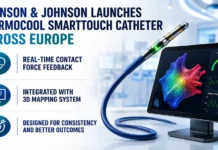
Johnson & Johnson MedTech today reported Johnson & Johnson MedTech Omnypulse results from 12-month pilot data evaluating its investigational Omnypulse platform for atrial fibrillation.

The Omnypulse platform includes the Omnypulse catheter and Trupulse generator, integrating with the Carto 3 mapping system to combine pulsed field ablation therapy and advanced cardiac mapping. Results from the OMNY-AF study, presented at the 31st Annual AF Symposium in Boston, covered a 30-patient pilot cohort across eight centres.

The findings showed 100% acute procedural success with no procedure-associated adverse events. More than half of cases were completed with zero fluoroscopy, and 90% of patients met the primary effectiveness endpoint at 12 months.

โ€œThe 12-month data provide encouraging early evidence on the OMNY-AF study with promising safety outcomes โ€“ no procedure-related adverse events or MRI-detected cerebral lesions โ€“ across eight centers in the pilot phase. In my cases during the ongoing OMNY-AF trial, the seamless integration of advanced mapping, ultrasound, and PF Index with contact force were valuable for precise and efficient pulsed field energy delivery,โ€ said Dr. Dinesh Sharma, section head of cardiac electrophysiology at the Naples Heart Institute and the studyโ€™s presenting author.

Alongside Johnson & Johnson MedTech Omnypulse results, the company shared new safety data for its Varipulse pulsed field ablation platform. A study presented at the same meeting assessed neurovascular event rates following workflow enhancements and the introduction of an optimized irrigation flow rate.

Varipulse reported a 0.22% rate of neurovascular events among 6,811 patients after implementation of these updates. Further supporting data consisted of a physician questionnaire detailing 850 procedures which found low complication rates and no instances of coronary spasm or death. REAL AF registry also demonstrated low overall acute safety event rate with zero neurovascular events.

โ€œThese data reinforce confidence in the consistency of safety outcomes observed across Johnson & Johnsonโ€™s electrophysiology portfolio. As a relatively new energy modality, pulse field ablation technologies should be individually evaluated for safety and reproducibility in atrial fibrillation ablation,โ€ said Dr. Gregory Michaud, chief medical and scientific officer, Electrophysiology, Johnson & Johnson MedTech. โ€œAs pulsed field ablation continues to evolve, rigorous evidence generation and transparent data sharing will be essential to advancing the science and enabling the next wave of innovation with this technology.โ€

Medicaid Work Requirements Gain $600m Tech Industry Support

Medicaid Work Requirements

Medicaid work requirements are set to receive major implementation support after ten health technology companies pledged more than $600 million in no-cost and discounted services to assist U.S. states, according to an announcement from the Centers for Medicare & Medicaid Services.

CMS said the companies intend to help states prepare for and roll out Medicaid community engagement and work requirements by providing technology products and services tied to eligibility, enrollment, verification, and system modernization. Each company already holds Medicaid eligibility and enrollment contracts with states, allowing for faster deployment. CMS stated the voluntary commitments are expected to reduce costs for states and taxpayers while improving the beneficiary experience.

The participating companies include Accenture, Acentra Health, Conduent, General Dynamics Information Technology, Deloitte, Gainwell, Maximus, Curam by Merative, Optum, and RedMane.

“Gainwell is proud to join the Centers for Medicare and Medicaid Services and our industry peers in supporting states as they implement Medicaid community engagement requirements. This pledge reflects our commitment to advancing federal and state policy goals, modernizing Medicaid systems through purposeful publicโ€“private collaboration, and addressing fraud, waste, and abuse,” Gainwell said by statement. “The Gainwell Community Engagement Verification solution combines decades of Medicaid and verification expertise with modern AI technology to help states meet federal requirements quickly and efficiently, strengthen member engagement and reduce administrative burden. The solution is designed to flexibly meet states where they are. It is offered at a low price point, and built for rapid deployment and seamless integration.”

CMS also said it is working with the General Services Administration to enable vendors to obtain GSA Schedule access, allowing states to procure technology solutions more quickly. Additional efforts include expanding testing environments, aligning eligibility system changes, and supporting automated, consent-based data verification.

States are required to implement Medicaid work requirements by January 1, 2027, under President Donald Trumpโ€™s Working Families Tax Cut legislation. CMS said the requirements are intended to support adult beneficiaries through employment, education, volunteering, or job training.

Since enactment of the law, CMS has issued guidance, conducted state outreach, tested beneficiary engagement tools, and developed an open-source platform called EMMY to streamline eligibility determinations and verification workflows. These initiatives are designed to minimize administrative burden while improving system readiness and compliance with Medicaid work requirements.

โ€œCommunity engagement provides dignity and purpose,โ€ said Health and Human Services Secretary Robert F. Kennedy, Jr. โ€œThanks to [CMS Administrator] Dr. [Mehmet] Ozโ€™s leadership, weโ€™re one step closer to delivering President Trumpโ€™s vision of bringing every able-bodied adult on Medicaid into the workforce and other cornerstones of society.โ€

โ€œFrom the outset, our focus has been on helping states implement these requirements efficiently while supporting new innovations in Medicaid that improve the beneficiary experience,โ€ said Dan Brillman, director of the Center for Medicaid and CHIP Services. โ€œWe applaud vendors for their voluntary commitments and discounting their solutions, providing states with additional options as they plan their implementation and modernize their Medicaid systems.โ€

Translate ยป