






Close
Digital Health & Ai Innovation summit 2026
LiGHT26

Supplements That May Support Liver and Kidney Detox Post-Addiction

supplements for liver and kidney detox post addiction

After substance use, your body works hard to repair itself. The liver and kidneys, your bodyโ€™s main detox organs, take on the heavy lifting. They filter toxins, metabolize drugs, and flush out waste. However, after months or years of substance exposure, these organs often need extra support to recover.

One gentle yet powerful way to help them heal is through targeted nutritional supplements. These supplements donโ€™t replace professional care or a healthy diet, but they can assist your bodyโ€™s natural detox processโ€”especially during addiction recovery.

In this guide, we explore natural supplements that may support liver and kidney health, reduce oxidative stress, and promote long-term healing.

Why Liver and Kidney Health Matters in Recovery

The liver is your body’s chemical factory. It:

  • Breaks down alcohol and drugs
  • Filters toxins from the blood
  • Produces bile for digestion
  • Stores essential nutrients

The kidneys:

  • Filter about 50 gallons of blood daily
  • Balance fluid and electrolytes
  • Excrete waste through urine
  • Regulate blood pressure and hormones

Substance abuseโ€”especially alcohol, opioids, and stimulantsโ€”can impair these organs over time. Research shows chronic alcohol use is linked to fatty liver, hepatitis, and cirrhosis (NIAAA, 2021), while drugs like cocaine and heroin may lead to kidney inflammation or failure (National Kidney Foundation, 2023).

Top Supplements to Support Detox Organs Post-Addiction

1. Milk Thistle (Silybum marianum)

Why it helps:
ย Milk thistle is one of the most researched herbs for liver health. Its active compound, silymarin, has antioxidant and anti-inflammatory properties that help regenerate liver tissue.

Evidence:
ย A 2020 review in Journal of Clinical and Experimental Hepatology found silymarin improved liver enzyme levels and reduced oxidative stress in patients with liver damage.

Recommended dose:
ย 250โ€“500 mg per day (standardized to 70โ€“80% silymarin)

2. N-Acetylcysteine (NAC)

Why it helps:
ย NAC is a precursor to glutathione, one of the bodyโ€™s most important antioxidants. Glutathione protects liver cells and helps the body neutralize free radicals created during detox.

Bonus benefit: NAC has also been shown to reduce cravings and withdrawal symptoms in people recovering from substance use disorders.

Evidence:
ย A 2015 study in The American Journal of Drug and Alcohol Abuse highlighted NACโ€™s potential in reducing relapse in cocaine and marijuana users.

Recommended dose:
ย 600โ€“1,200 mg daily (consult a healthcare provider)

3. Alpha-Lipoic Acid (ALA)

Why it helps:
ย ALA supports both liver and kidney function by reducing oxidative stress and improving cellular energy production. It also helps regenerate glutathione.

Evidence:
ย Animal studies suggest ALA may protect against nephrotoxicity (kidney damage) from drugs and toxins (Lee et al., Toxicology, 2012).

Recommended dose:
ย 300โ€“600 mg daily

4. Dandelion Root

Why it helps:
ย Traditionally used in herbal medicine, dandelion root acts as a natural diuretic. It stimulates bile production and supports gentle detoxification through the kidneys.

Evidence:
ย According to Journal of Alternative and Complementary Medicine (2009), dandelion extract increased urine output and helped flush waste from the kidneys.

Recommended dose:
ย 500โ€“1,000 mg daily or as tea

5. L-Glutamine

Why it helps:
ย This amino acid supports gut health and immunity, which in turn benefits liver detoxification. It also helps repair the intestinal lining damaged by alcohol or opioids.

Bonus: It may reduce sugar and alcohol cravings during early sobriety.

Recommended dose:
ย 5โ€“10 grams daily (split between meals)

6. Vitamin C

Why it helps:
ย Vitamin C supports both immune function and kidney filtration. It helps reduce inflammation and enhances the detox of heavy metals and toxins.

Evidence:
ย Studies suggest vitamin C can protect against drug-induced nephrotoxicity, especially from substances like methamphetamine or chemotherapy drugs (Toxicology Reports, 2016).

Recommended dose:
ย 500โ€“1,000 mg per day

7. Magnesium

Why it helps:
ย Magnesium plays a role in over 300 biochemical processes, including liver enzyme regulation, stress reduction, and sleep support.

Note: Substance use, especially alcohol and stimulants, depletes magnesium levels, increasing the risk of muscle cramps, anxiety, and fatigue.

Recommended dose:
ย 300โ€“400 mg per day (magnesium glycinate or citrate forms are easier on the stomach)

8. D-Mannose

Why it helps:
ย This natural sugar is known for preventing urinary tract infections, but it also supports kidney and bladder health by preventing harmful bacteria from sticking to the urinary tract.

Recommended dose:
ย 1,000โ€“2,000 mg per day (especially if urinary health is compromised)

What to Avoid During Detox

While supplements can support detox, avoid self-prescribing or megadosing. Some herbs and compounds can interact with medications or stress the liver further.

Avoid:

  • Unregulated โ€œdetox teasโ€
  • Harsh laxatives
  • Supplements without third-party testing
  • High-dose niacin without supervision (can strain the liver)

Building a Full-Body Detox Routine

Supplements work best when paired with lifestyle practices that support liver and kidney recovery:

โœ… Stay hydrated (aim for 2โ€“3 liters of water daily)
โœ… Eat whole, plant-rich meals
โœ… Avoid added sugar, caffeine, and processed food
โœ… Rest and sleep at least 7โ€“9 hours a night
โœ… Practice breathwork or gentle movement to activate the lymphatic system

Final Thoughts

Healing your body after addiction is a layered process. While time, therapy, and nutrition play major roles, supplements can gently support your organs as they rebuild balance.

Your liver and kidneys have been working hard for youโ€”now itโ€™s time to return the favor. With the right blend of natural support and professional care, you can create a strong foundation for long-term recovery.

Always talk with a healthcare provider before starting any supplement, especially during detox or if you’re on medication. Healing is possibleโ€”one small, supportive step at a time.

Sources

  • National Institute on Alcohol Abuse and Alcoholism (NIAAA). (2021). Alcoholโ€™s Effects on the Body.
  • National Kidney Foundation. (2023). Drug Use and Kidney Health.
  • Saller, R. et al. (2020). Clinical pharmacology of silymarin. Journal of Clinical and Experimental Hepatology.
  • Grant, J.E. et al. (2015). NAC for substance use. American Journal of Drug and Alcohol Abuse.
  • Lee, Y. et al. (2012). ALA and nephrotoxicity. Toxicology.
  • Clare, B.A. et al. (2009). Diuretic activity of dandelion. Journal of Alternative and Complementary Medicine.

Regulatory Trends Shaping Medical Technology

Regulatory trends shaping medical technology

Navigating the Complex Landscape of Medical Innovation

The development of new medical technologies is a delicate balance between the desire for rapid innovation and the absolute necessity of ensuring patient safety. In recent years, this balance has become even more complex as regulatory trends shaping medical technology have undergone significant shifts across the globe. We are moving away from a period of relatively static guidelines toward a more dynamic, risk-based approach that reflects the increasing complexity of modern medical devices. For manufacturers, researchers, and clinicians, understanding these shifts is not just a matter of legal necessity; it is a fundamental component of a successful clinical and commercial strategy.

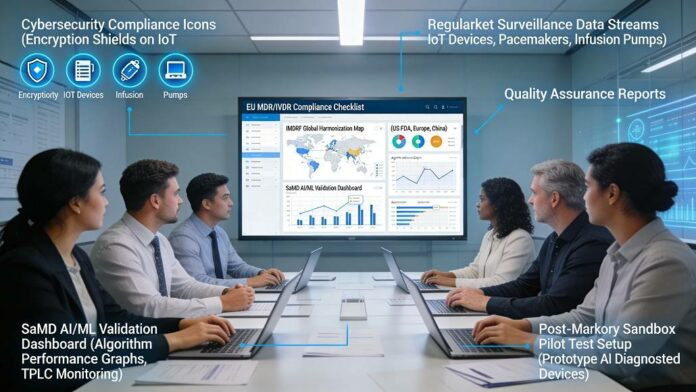
The primary driver of these changes is the rapid digitization of healthcare. When medical equipment consisted largely of physical hardware, the regulatory path was well-trodden. However, with the rise of Software as a Medical Device (SaMD), AI-driven diagnostics, and connected IoT platforms, the traditional frameworks have been pushed to their limits. Regulators are now tasked with evaluating products that are not only complex but also capable of changing their behavior over time through machine learning. This has led to a fundamental rethinking of how we define and validate “quality” in the medical sector.

The Impact of the European MDR and IVDR

One of the most significant regulatory trends shaping medical technology in the current era is the implementation of the European Unionโ€™s Medical Device Regulation (MDR) and In Vitro Diagnostic Regulation (IVDR). These comprehensive frameworks have completely overhauled the requirements for placing devices on the European market, placing a much greater emphasis on clinical evidence, post-market surveillance, and the transparency of data. For many companies, the transition to MDR has been a monumental undertaking, requiring a complete reassessment of their product portfolios and quality management systems.

The ripple effects of these regulations are being felt far beyond Europe. Because the EU is a major global market, the standards set by the MDR often become a “de facto” global benchmark. Companies are finding that if they can meet the rigorous requirements of the European market, they are well-positioned for global market access in other regions. However, the increased burden of proof has also led to a consolidation in the industry, as smaller firms struggle with the costs of compliance. This highlights the double-edged sword of regulation: while it significantly enhances patient safety, it can also create barriers to entry that may slow the pace of innovation for niche medical applications.

Global Regulatory Strategy and Harmonization

In an increasingly interconnected world, the lack of a single, unified regulatory framework remains a major challenge for the medical technology industry. Manufacturers must often navigate a patchwork of different requirements for the US, Europe, China, and other key markets. This has led to the rise of global regulatory strategy as a core business function. Companies are no longer looking at individual markets in isolation; they are designing their clinical trials and quality systems to meet the highest common denominator of international standards.

Efforts toward regulatory harmonization, led by organizations like the International Medical Device Regulators Forum (IMDRF), are attempting to address this fragmentation. The goal is to create a system where a single set of clinical data and a single audit can be used to gain approval in multiple jurisdictions. While we are still far from a truly global “single window” for medical devices, the trend is clearly toward greater alignment. For the industry, this harmonization is the key to reducing the time and cost required to bring life-saving technologies to patients around the world.

The Challenge of AI and Machine Learning in Medicine

Artificial Intelligence represents perhaps the greatest challenge to traditional medical technology standards. How do you regulate a diagnostic tool that learns from every patient it scans and potentially changes its algorithm every week? Regulators like the FDA are currently developing “Total Product Lifecycle” (TPLC) approaches for AI-based devices. Instead of a one-time approval, these frameworks involve ongoing monitoring of the softwareโ€™s performance in the real world, ensuring that the “learned” behaviors remain within safe and effective parameters.

This shift toward continuous oversight is a hallmark of the new regulatory environment. It requires a closer partnership between the manufacturer and the regulator, characterized by greater transparency and real-time data sharing. It also necessitates a new set of skills within regulatory agencies, as they must now employ software engineers and data scientists alongside traditional medical experts. As regulatory trends shaping medical technology continue to evolve, the ability to validate and verify complex software will become as important as the ability to test the mechanical integrity of a surgical instrument.

Quality Assurance Healthcare and Post-Market Surveillance

In the past, the focus of regulation was largely on the pre-market approval phase. Once a device was on the shelf, the regulatory oversight was relatively light unless a major problem occurred. Today, the focus has shifted dramatically toward post-market surveillance (PMS). Regulatory trends shaping medical technology now mandate that manufacturers actively collect and analyze data on their devices’ performance throughout their entire clinical life. This includes tracking real-world outcomes, patient feedback, and any technical failures.

This data-driven approach to quality assurance healthcare allows for the much earlier detection of potential issues, significantly reducing the risk of large-scale recalls and patient injury. It also provides a wealth of information that can be used to improve future versions of the device. In many ways, the “post-market” phase has become the “pre-market” phase for the next generation of technology. For hospitals and clinicians, this means they have a more active role in the regulatory process, as they are the primary source of the real-world evidence that regulators now demand.

The Role of Digital Health and Cyber-Security Compliance

As medical devices become more connected, they also become more vulnerable to cyber-attacks. Consequently, healthcare compliance now encompasses a significant component of cybersecurity. Regulators are increasingly requiring manufacturers to demonstrate that their devices are resilient against hacking and that patient data is protected by robust encryption. A device that is clinically effective but cyber-vulnerable is no longer considered “safe” by modern standards.

This focus on digital security is not just about protecting data; it is about protecting lives. A compromised infusion pump or pacemaker could have fatal consequences. As a result, the regulatory trends shaping medical technology are forcing a deeper integration between IT security and traditional medical engineering. Compliance is no longer a “check-the-box” exercise performed at the end of development; it is an iterative process that must be integrated into every stage of the product lifecycle, from initial design to final decommissioning.

Future Outlook: Balancing Agility and Safety

Looking forward, the goal of the regulatory community is to create frameworks that are as agile as the technologies they oversee. We are seeing the emergence of “regulatory sandboxes” where innovative technologies can be tested in a controlled environment with close oversight before being fully released to the market. This allows for faster learning and more responsive regulation. The ultimate objective of regulatory trends shaping medical technology is to foster an environment where innovation can flourish without compromising the fundamental mandate of patient protection.

For the medical technology industry, the message is clear: compliance is not a hurdle to be cleared, but a foundation upon which to build trust. In a world of complex, data-driven medicine, the companies that succeed will be those that embrace these new standards as a core part of their mission. By prioritizing quality, transparency, and safety, we can ensure that the next generation of medical technology is not only more advanced but also more reliable and effective than anything that has come before. The evolution of regulation is, in many ways, the evolution of our collective commitment to the highest standards of human care.

Healthcare Supply Chains Driving Efficiency

Healthcare supply chains driving efficiency

The Hidden Engine of Modern Medicine: Optimizing the Flow of Care

While the spotlight in healthcare often falls on the latest surgical techniques or pharmaceutical breakthroughs, there is a quieter, equally critical revolution taking place behind the scenes. Healthcare supply chains driving efficiency are the silent architects of modern medicine, ensuring that every bandage, every vial of insulin, and every robotic surgical arm is in the right place at exactly the right time. For too long, the medical supply chain was treated as a secondary administrative function a series of manual orders and siloed warehouses. However, the global disruptions of recent years have highlighted the fragility of this model, prompting a rapid transition toward a highly digitized, transparent, and resilient logistical ecosystem.

The shift toward a more efficient supply chain is not just about saving money; it is a direct contributor to patient safety and clinical outcomes. When a hospital faces a shortage of a critical medication or a specific size of cardiac stent, the impact on patient care is immediate and potentially devastating. By embracing sophisticated data analytics and real-time tracking, healthcare systems are transforming their supply chains from a potential point of failure into a strategic asset that powers the entire institution.

Digital Procurement: From Paperwork to Predictive Analytics

The first pillar of this transformation is digital procurement healthcare. Traditionally, ordering medical supplies involved a labyrinth of paper forms, phone calls, and manual data entry, a process rife with opportunities for error and delay. Today, this is being replaced by integrated e-procurement platforms that connect hospitals directly to their suppliers’ inventory systems. This digital link provides real-time visibility into product availability, pricing, and shipping status, allowing procurement teams to make faster, more informed decisions.

Beyond simple transaction processing, these digital platforms are now incorporating predictive analytics. By analyzing historical usage patterns alongside clinical data such as surgical schedules and seasonal disease trends AI-driven systems can forecast future demand with remarkable accuracy. This allows hospitals to move away from “just-in-case” hoarding toward a more efficient “just-in-time” model. When the supply chain knows that a surge in orthopedic surgeries is scheduled for next month, it can automatically trigger orders for the necessary implants and sterile drapes, ensuring that clinical workflows are never interrupted by a lack of materials.

Medical Logistics and the Power of Real-Time Visibility

Once an order is placed, the focus shifts to medical logistics. In the high-stakes world of healthcare, the “last mile” of delivery is often the most complex. Many medical products require strict temperature controls, sensitive handling, or rapid turnaround times. Healthcare supply chains driving efficiency are leveraging IoT sensors and blockchain technology to track products from the manufacturerโ€™s floor to the hospitalโ€™s loading dock, and ultimately to the patient’s bedside.

This end-to-end visibility is vital for maintaining the integrity of the cold chain for vaccines and biologics. Sensors can monitor the temperature of a shipment in real-time, sending an immediate alert if a deviation occurs. This prevents the administration of compromised medications and reduces the massive financial loss associated with wasted products. Furthermore, blockchain provides an immutable record of a productโ€™s journey, which is essential for verifying authenticity and preventing the entry of counterfeit medical devices into the system. This level of transparency is the foundation of a modern, high-trust healthcare environment.

Hospital Inventory Management and Point-of-Use Technology

Within the hospital walls, the challenge of supply management becomes even more granular. Nurses and technicians spend a significant portion of their shifts managing supplies searching for misplaced items or manually recording usage. Hospital inventory management is being revolutionized by RFID (Radio Frequency Identification) and automated dispensing cabinets. When an item is removed from a shelf or used in a procedure, the system automatically updates the inventory count and, if necessary, triggers a reorder.

This “point-of-use” technology ensures that clinicians always have the tools they need while simultaneously capturing accurate data for billing and clinical research. By automating these repetitive tasks, healthcare supply chains driving efficiency are returning valuable time to the clinical staff, allowing them to focus more on direct patient care. Moreover, accurate inventory data prevents the costly problem of expired products, ensuring that the hospitalโ€™s resources are used to their maximum potential. The result is a more leaner, more agile institution that can adapt to the changing needs of its patient population.

Resilient Sourcing: Building a Robust Medical Distribution System

The global pandemic served as a wake-up call regarding the dangers of over-reliance on single-source suppliers or specific geographical regions. In response, healthcare organizations are now prioritizing resilient sourcing strategies. This involves diversifying the supplier base and increasing the use of regional manufacturers to reduce the risk of international transit disruptions. A modern medical distribution system must be capable of absorbing shocks whether they be from natural disasters, geopolitical instability, or public health emergencies.

Collaboration is another key component of resilience. We are seeing an increase in group purchasing organizations (GPOs) and regional healthcare collaboratives that pool their data and purchasing power. By sharing information about stock levels and anticipated needs, these networks can balance supply across multiple facilities, ensuring that a sudden surge in demand at one hospital can be met by redistributing resources from another. This systemic approach to supply chain management is essential for maintaining the stability of the healthcare infrastructure during times of crisis.

The Role of Medical Device Distribution in Clinical Innovation

As medical technology becomes more complex, the role of medical device distribution is also evolving. Sophisticated equipment like robotic surgical systems or advanced imaging units requires not just delivery, but ongoing technical support, calibration, and specialized maintenance. Modern supply chains are becoming service-oriented, with distributors taking on a more active role in the lifecycle management of the equipment they provide.

This partnership approach ensures that the hospitalโ€™s investment in technology is protected and that the equipment is always functioning at peak performance. It also facilitates a faster rollout of clinical innovations. When a manufacturer releases a software update or a new component for a device, the connected supply chain can manage the deployment across the entire hospital network seamlessly. This integration between logistics and clinical operation is a primary driver of institutional excellence.

Sustainable Practices and the Future of Healthcare Supply Chains

Looking forward, the push for efficiency is increasingly being joined by a commitment to sustainability. The healthcare sector is a significant producer of waste, much of it originating in the supply chain. Healthcare supply chains driving efficiency are now exploring ways to reduce their environmental footprint through the use of recyclable packaging, optimized delivery routes to reduce carbon emissions, and the implementation of circular economy principles for medical equipment.

By choosing suppliers who prioritize ethical and sustainable practices, healthcare organizations can ensure that their operations are aligned with their mission of promoting health and well-being. The future of the medical supply chain is one that is not only digital and resilient but also responsible. As we continue to refine these systems, the focus remains on the ultimate goal: providing the best possible care to every patient, every time, without compromise.

The transformation of the healthcare supply chain is a journey toward a more intelligent and responsive medical ecosystem. By treating logistics as a core clinical priority, we are building a foundation of stability that will support the next generation of medical breakthroughs. In the end, a well-managed supply chain is more than just a logistical triumph; it is a vital expression of our commitment to the safety and health of the communities we serve.

Digital Health Systems Enhancing Patient Outcomes

Digital health systems enhancing patient outcomes

The Digital Bridge: Revolutionizing Care Beyond the Clinic Walls

For over a century, the medical model was centered on the “episode of care” a discrete encounter between a patient and a provider. This model was inherently reactive, often leaving a void in patient support once they left the examination room. However, the rise of digital health systems enhancing patient outcomes has fundamentally changed this dynamic. We are transitioning toward a model of continuous engagement, where technology serves as a bridge that keeps patients connected to their care teams regardless of their physical location. This evolution is driven by the recognition that health happens in the intervals between doctor visits, and that digital tools are the only way to manage those intervals effectively.

The implementation of these systems is not merely about digitizing paper records; it is about creating an environment where information is fluid, actionable, and patient-centered. By integrating various health IT solutions into a cohesive framework, healthcare providers can now offer a level of personalized attention that was previously impossible. This is the heart of digital transformation in medicine: the use of technology to empower both the provider and the patient, leading to safer, more efficient, and more successful clinical results.

Telehealth Expansion: Democratizing Access to Specialized Care

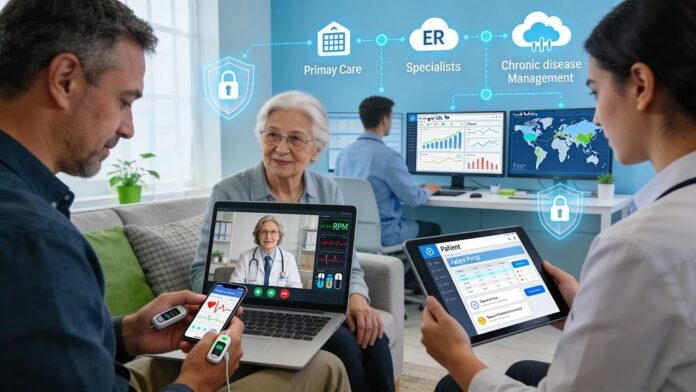
One of the most visible pillars of this transformation is the growth of telehealth platforms. What began as a convenience for rural populations has evolved into a cornerstone of the modern medical experience. Telehealth expansion has removed the geographical and logistical hurdles that once prevented patients from seeking timely care. For an elderly patient with mobility issues or a busy professional managing a chronic condition, the ability to consult with a specialist via a secure video link is a game-changer.

The impact on patient outcomes is profound. Early data suggests that telehealth significantly reduces missed appointments and improves adherence to follow-up care. Furthermore, by providing easier access to mental health services and chronic disease management, digital health systems enhancing patient outcomes are helping to prevent the escalation of minor health issues into major crises. This proactive approach not only improves the quality of life for the patient but also reduces the burden on overstretched emergency departments and inpatient facilities.

Remote Patient Monitoring: The Virtual Ward

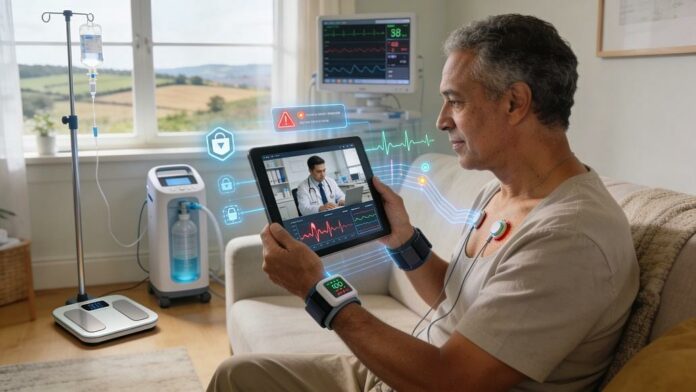
While telehealth facilitates communication, remote patient monitoring (RPM) provides the data to make that communication meaningful. Through the use of wearable sensors, smart scales, and digital blood pressure cuffs, patients can now transmit vital health data to their providers in real-time. This “virtual ward” allows clinicians to monitor a patientโ€™s recovery or disease progression with surgical precision. For a patient with congestive heart failure, a sudden weight gain monitored by a connected scale can trigger an immediate medication adjustment, preventing a hospital admission for fluid overload.

This level of surveillance is particularly transformative for the management of chronic diseases like diabetes and hypertension. Instead of relying on a patient’s memory or infrequent office readings, doctors have access to continuous trends. This allows for “nudge-based” medicine, where digital health systems enhancing patient outcomes send automated alerts to patients to take their medication, exercise, or check their glucose levels. By keeping patients within their target physiological ranges more consistently, RPM is drastically reducing the long-term complications associated with these chronic conditions.

Interoperability and the Seamless Flow of Medical Data

The true potential of digital health can only be realized when systems talk to each other. Healthcare interoperability is the technical foundation that allows for the secure data exchange across different platforms and institutions. In a fragmented healthcare landscape where a patient might see several different specialists across different health systems, a lack of data flow is a major safety risk. Digital health systems enhancing patient outcomes solve this by ensuring that the right information is available at the point of care, no matter where that care occurs.

When an emergency room doctor can instantly access a patientโ€™s medication history from their primary care physician and their recent scan from a different hospital, the risk of adverse drug reactions or redundant testing is significantly mitigated. This fluidity of information supports better clinical decision-making and ensures a more coherent experience for the patient. We are moving toward a future where the “patient story” is no longer scattered across various digital silos but is a single, comprehensive, and portable record.

Empowering the Patient as an Active Partner

At the core of digital health systems enhancing patient outcomes is a shift in the patient-provider power dynamic. Traditionally, the patient was a passive recipient of care. Today, patient portals and mobile health apps are turning individuals into active managers of their own wellness. By providing easy access to lab results, educational resources, and secure messaging with their care teams, these tools improve health literacy and engagement.

When patients are engaged and informed, they are more likely to comply with treatment plans and make healthier lifestyle choices. This empowerment is a critical component of improving long-term health outcomes. Furthermore, digital platforms allow for the collection of patient-reported outcomes (PROs), giving clinicians insight into how a treatment is affecting a patientโ€™s daily life and well-being. This feedback loop ensures that care is not just clinically sound, but also aligned with the patient’s personal goals and values.

Privacy and Trust in the Digital Era

As we move more health data into the cloud and onto mobile devices, the importance of cybersecurity cannot be overstated. Patients must feel confident that their most sensitive information is protected by the highest levels of security. Digital health systems enhancing patient outcomes must be built on a foundation of trust, utilizing advanced encryption and rigorous access controls. Transparency about how data is used and who has access to it is essential for maintaining the integrity of the patient-provider relationship in a digital-first world.

Health IT solutions are increasingly incorporating privacy-by-design principles, ensuring that security is a functional requirement rather than an add-on. As data sharing becomes more prevalent, the industry is also developing new standards for consent management, allowing patients to have granular control over their information. This ethical approach to data management is the only way to ensure the long-term viability and acceptance of digital health technologies.

A Scalable Future for Global Health Equity

The most exciting aspect of digital health systems enhancing patient outcomes is their potential for global impact. Digital technologies can leapfrog traditional infrastructure challenges, bringing high-quality care to underserved populations across the globe. Mobile health initiatives in developing nations are already showing success in maternal health tracking and infectious disease monitoring. By lowering the cost of care delivery and expanding the reach of specialized expertise, digital health is a powerful tool for reducing health disparities.

As we look forward, the integration of artificial intelligence and advanced genomics into these digital platforms will further personalize the patient experience. We are entering an era where medicine is not just digital, but truly intelligent. By focusing on the user experience for both the patient and the provider we can ensure that these technologies remain a force for good. The goal of digital health systems enhancing patient outcomes is clear: to create a healthcare system that is as dynamic and connected as the world we live in, ensuring that no patient is left behind in the journey toward wellness.

Medica Axon Diagnostics Merger Expands UK Clinical Reporting

clinical reporting

Teleradiology provider Medica Group has agreed to integrate Axon Diagnostics into its business, in a transaction expected to strengthen its remote diagnostic reporting capabilities across the UK National Health Service (NHS) and the private healthcare sector.

The organisations confirmed that the merger, while financial terms remain undisclosed, will establish what they describe as the largest clinical reporting network in the UK. The combined service is set to span major diagnostic subspecialties and expand capacity to manage both routine and urgent cases.

Medica currently delivers remote teleradiology reporting services to radiology departments across 55% of NHS Trusts. Its clinical focus areas include stroke imaging, cardiac, PET CT, and nuclear medicine, supporting hospitals with off-site specialist expertise.

Axon Diagnostics operates in digital pathology, working with NHS and private healthcare providers to manage caseloads and enable remote reporting workflows. Its cloud-based teleradiology and telepathology platform underpins these services, allowing clinicians to access and report cases remotely.

Through the integration of Axonโ€™s platform and artificial intelligence (AI)-based workflow tools alongside clinical desktop technology from Axonโ€™s sister company, MITIS Medica stated that the enlarged organisation will introduce more streamlined workflows. The aim, it said, is to enhance efficiency and cost effectiveness for clients, in line with the NHSโ€™s long term priorities.

The announcement comes against the backdrop of the UK governmentโ€™s 10-year plan for the NHS, unveiled in July 2025. In that plan, the UKโ€™s Labour government highlighted the acceleration of AI deployment in hospitals to support clinical reporting in radiology and pathology. The strategy also emphasised remote monitoring to enable virtual care for patients at home.

Medica CEO Andrew Cannon commented: โ€œBringing Axon into Medica strengthens our position as the UKโ€™s leading diagnostics provider. Clients will continue to receive the excellent service they rely on, now supported by greater capacity and advanced reporting technology.โ€

To finalise the merger, both companies said they are implementing a phased integration plan designed to bring together their systems, teams, and best practice protocols in a โ€œstructured and transparentโ€ manner.

Axon CEO Rahul Mehta commented: โ€œThis merger combines our technology and agile approach with Medicaโ€™s scale and clinical excellence, meaning more patients will benefit from faster and smarter reporting.โ€

The transaction also unfolds amid workforce pressures in UK radiology. According to the Royal College of Radiologists (RCR), the country faces a 30% shortfall in clinical radiologists, a figure projected to increase to 40% by 2028 if no corrective measures are taken. In response to these constraints, teleradiology has increasingly served as a key stopgap solution, helping to ease clinician burnout while addressing rising caseloads.

Connected Healthcare Powering Smart Hospitals

Connected healthcare powering smart hospitals

The Integrated Ecosystem: Building the Foundations of a Smart Hospital

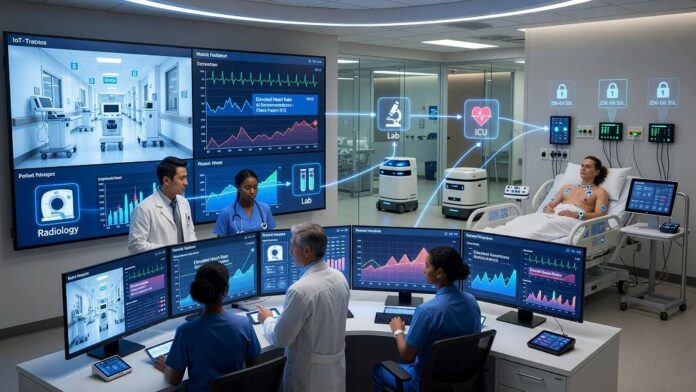
In the traditional healthcare model, departments often operated as distinct islands of activity. Radiology, the laboratory, the intensive care unit, and the outpatient clinics each had their own systems, their own data formats, and their own workflows. This fragmentation was not only inefficient but also a major barrier to providing truly coordinated care. Today, however, we are witnessing the emergence of connected healthcare powering smart hospitals, a transformative approach that unites these disparate elements into a single, cohesive, and intelligent whole. This is the culmination of decades of technological progress, brought together by the power of high-speed connectivity and ubiquitous data.

The “smart hospital” is more than just an institution filled with computers. it is a facility that is aware of its own status and the status of everyone within its walls. By leveraging an interconnected digital infrastructure, these hospitals can anticipate needs, streamline logistics, and ensure that clinical information is always available exactly where and when it is needed. This connectivity is the “secret sauce” that allows modern hospitals to operate with unprecedented levels of safety, efficiency, and patient satisfaction.

IoT Integration: The Eyes and Ears of the Facility

The foundation of any smart hospital is a robust IoT healthcare network. Every piece of equipment, from the humble IV pole to the most advanced surgical robot, is becoming a connected device. This integration allows for a level of visibility that was previously unimaginable. For example, a smart hospital can track the location and status of every mobile ventilator in real-time. If a sudden influx of patients occurs in the emergency department, the system can automatically identify the nearest available equipment and alert the transport team to move it.

Beyond asset tracking, IoT integration is revolutionizing patient monitoring. Wearable sensors that transmit data over a secure wireless network allow patients to be mobile while still being under constant clinical surveillance. If a patientโ€™s heart rate or oxygen levels deviate from their personalized baseline, an alert is automatically sent to the nurseโ€™s mobile device. This level of continuous, connected monitoring ensures that no patient “falls through the cracks,” even in a busy and crowded hospital environment. By turning the entire hospital into a sensing network, connected healthcare powering smart hospitals is creating a safer and more responsive care environment.

Cloud Healthcare Systems: The Scalable Brain

The massive amounts of data generated by a connected hospital require a powerful and flexible platform for storage and analysis. Cloud healthcare systems have become the preferred solution for this challenge, providing the scalability and processing power needed to manage petabytes of medical information. By moving data to the cloud, hospitals can break down traditional silos and enable seamless clinical data exchange across different locations and even different healthcare providers.

The cloud also serves as the host for advanced analytics and AI monitoring solutions. Instead of having to invest in massive on-site server rooms, hospitals can leverage the nearly infinite computing power of the cloud to run complex diagnostic algorithms and predictive models. This allows even smaller community hospitals to access the same high-level intelligence as major academic centers. Furthermore, the cloud facilitates disaster recovery and data redundancy, ensuring that critical patient information is always protected and available, even in the event of a localized hardware failure.

Seamless Clinical Data Exchange and Interoperability

For connectivity to be meaningful, data must be able to move freely and securely between different platforms. This is the goal of seamless clinical data exchange. In a smart hospital, when a patient undergoes a lab test, the results are automatically populated into their electronic health record (EHR) and flagged for the physicianโ€™s attention. If the results are critical, the system can automatically trigger a consultation request for the relevant specialist.

This level of automation reduces the administrative burden on clinical staff and minimizes the delays that often plague traditional medical workflows. Furthermore, by adhering to global standards for interoperability, smart hospitals can share data with outside partners, such as rehabilitation centers or home health agencies. This ensures that the patientโ€™s care remains coordinated and consistent as they move through different stages of their recovery. The patient journey is no longer a series of handoffs, but a single, continuous, and well-documented process.

AI Monitoring Solutions: Transforming Data into Action

While connectivity provides the data, artificial intelligence provides the insight. AI monitoring solutions are the interpretative layer of the smart hospital. These systems can analyze real-time streams of physiological data from thousands of patients simultaneously, identifying patterns that are invisible to the human eye. For instance, an AI system might notice a specific combination of heart rate variability and blood pressure changes that, across a large population, has been shown to be a precursor to a specific type of cardiac event.

By providing these early warnings, AI-enabled monitoring allows clinicians to move from a “reactive” to a “proactive” posture. Instead of responding to a crisis, they can prevent the crisis from occurring in the first place. This shift has a profound impact on patient outcomes, particularly in high-acuity environments like the ICU and the neonatal ward. The combination of connected healthcare powering smart hospitals and AI is creating a new standard of “intelligent surveillance” that is saving lives every day.

Enhancing the Patient and Provider Experience

The benefits of a connected hospital extend beyond clinical outcomes to the overall experience of care. For the patient, a smart hospital offers a more streamlined and personalized journey. Digital wayfinding apps can guide them to their appointment, while bedside tablets allow them to control their room environment, order meals, and view their daily care plan. This level of control reduces the anxiety often associated with hospital stays and increases patient engagement.

For the provider, hospital digital transformation is a powerful tool for reducing burnout. By automating documentation, optimizing schedules, and providing clear, actionable insights, connected systems allow clinicians to focus on what they do best: treating patients. A nurse who doesn’t have to spend an hour every shift searching for equipment or manually charting vitals is a nurse who can spend more time at the bedside, providing the emotional and physical support that is the heart of healing.

Security, Ethics, and the Future of Connected Care

As we build these hyper-connected environments, we must also build robust defenses to protect them. Cybersecurity is a critical component of connected healthcare powering smart hospitals. Every node in the network must be secured, and every data transmission must be encrypted. Hospitals are now adopting “zero-trust” architectures, where every access request is verified, regardless of where it originates. This focus on security is essential for maintaining the trust of the patients who entrust their most sensitive data to the system.

Looking ahead, the evolution of the smart hospital will be driven by even faster networks, such as 5G, and the continued advancement of edge computing. This will allow for even more real-time analysis and the use of high-bandwidth technologies like remote-assisted surgery over long distances. The hospital is no longer a physical place; it is a digital presence that extends into the community. Through the continued power of connectivity, we are creating a healthcare system that is more resilient, more efficient, and more focused on the human element than ever before.

Sutter Health Integrates AI Decision Support in Epic EHR

Sutter Health

Sutter Health is integrating artificial intelligence-powered decision support technology directly into its electronic health record workflows, a move designed to give physicians immediate access to updated care guidelines, clinical studies and related resources at the point of care. The initiative, announced jointly by the health system and vendor OpenEvidence, embeds the evidence-based platform within the not-for-profit organizationโ€™s Epic EHR environment.

Through the integration, physicians will be able to use natural language queries to search for and retrieve up-to-date clinical data. According to the organizations, the system is built to support quality and safety standards while streamlining how doctors access relevant medical information during patient encounters.

Laura Wilt, Sutter Health’s chief digital officer, said the collaboration reflects a shared ambition to strengthen clinical support and reshape care delivery. She described the effort as part of a broader transformation agenda. “Itโ€™s how weโ€™re transforming the way we serve patients, support care teams and improve outcomes,” she said. Wilt added that the organizations are aligned in their commitment to “reimagining healthcare for the better.”

The deployment builds on Sutter Healthโ€™s earlier investments in generative AI. Two years ago, the California health system began using generative AI tools with the goal of reducing clinician burnout and enhancing organizational sustainability. At that time, Dr. Albert Chan, Sutter Health’s chief health information officer, said in a statement that the generative AI platform enabled providers to “recharge.”

OpenEvidence, for its part, said the collaboration is intended to move the needle on healthcare sustainability and medical AI safety. Dr. Travis Zack, OpenEvidence’s chief medical officer, indicated that working with Sutter Health advances those objectives.

Clinical decision support has long been associated with improved patient outcomes and more efficient resource utilization. More recently, scientific research has examined whether emerging generative AI technologies can further strengthen performance. Last year, researchers at Mass General Brigham evaluated a hybrid strategy over the course of a yearlong study.

The team compared two large language models (LLMs) โ€“ OpenAI’s GPT-4 and Google’s Gemini 1.5 โ€“ against the health system’s diagnostic decision support system, DXplain. Findings showed that the established, homegrown platform surpassed the LLMs in diagnostic accuracy for patient cases. However, researchers concluded that combining AI capabilities with traditional decision support systems could yield stronger results.

In their report, the MGB researchers detailed how pairing DXplain with an LLM could enhance the clinical efficacy of both systems. “A hybrid approach that combines the parsing and expository linguistic capabilities of LLMs with the deterministic and explanatory capabilities of traditional DDSSs may produce synergistic benefits,” they said.

Sutter Health executives framed the OpenEvidence integration as part of a broader digital strategy. “Digital innovation plays a central role in our work to build a more connected, proactive and sustainable healthcare system,” Wilt said in the announcement. Dr. Ashley Beecy, Sutter Health’s chief AI officer, underscored the patient impact, stating, “Patients benefit when providers have the most current and relevant evidence incorporated into clinical decision-making,” she added.

AI Healthcare Solutions Transforming Clinical Care

AI healthcare solutions transforming clinical care

The Dawn of Intelligent Medicine: How Algorithms are Saving Lives

In the high-stakes environment of clinical medicine, the margin for error is razor-thin, and the pressure on practitioners is immense. For decades, clinicians have relied on their training, experience, and the tools at their disposal to make life-altering decisions. However, the volume of medical knowledge and patient data has grown to such an extent that it has exceeded the capacity of the human mind to process it in real-time. This is where AI healthcare solutions transforming clinical care have stepped in, not as a replacement for human judgment, but as a powerful ally that enhances every aspect of the patient journey.

The shift toward clinical AI represents a move from reactive to proactive care. Traditionally, medical intervention occurred after a patient presented with symptoms. Today, sophisticated algorithms can analyze historical and real-time data to identify subtle indicators of impending health crises long before clinical symptoms manifest. This transition is redefining the standard of care, ensuring that “precision medicine” is more than just a buzzword it is a tangible outcome of high-level computational power applied to biological complexity.

Predictive Analytics: Anticipating the Unseen

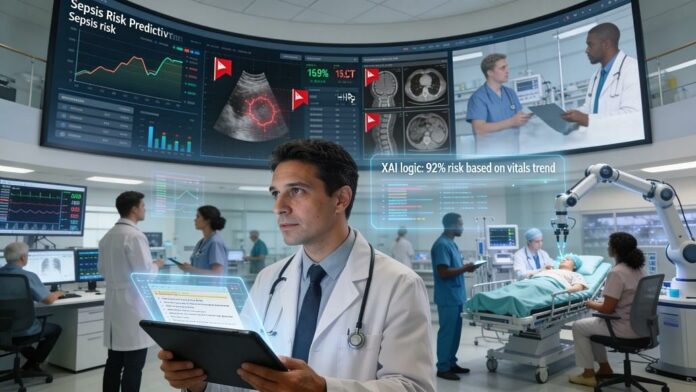
One of the most profound applications of AI healthcare solutions transforming clinical care is found in the realm of predictive analytics healthcare. Hospitals are vast repositories of data, much of it previously underutilized. By applying machine learning models to Electronic Health Records (EHRs), lab results, and real-time vitals, AI can predict patient outcomes with startling accuracy. For instance, predictive models are now widely used to identify patients at high risk of sepsis, a leading cause of hospital mortality. These systems can alert a nursing team up to twelve hours before the onset of visible symptoms, providing a critical window for intervention.

Beyond acute crises, predictive analytics are also instrumental in managing chronic diseases and reducing readmission rates. By analyzing social determinants of health alongside clinical markers, AI can identify which patients are likely to struggle with their post-discharge care plans. This allows hospitals to allocate resources more effectively, providing targeted support such as home health visits or remote monitoring to those who need it most. The result is a more efficient healthcare system that treats the patient as an individual rather than a set of symptoms.

Intelligent Diagnostics and the Future of Medical Imaging

In the field of diagnostics, the impact of AI is perhaps most visible. Intelligent diagnostics are revolutionizing radiology, pathology, and dermatology. Modern AI models, trained on millions of high-resolution images, can now detect anomalies such as early-stage tumors, micro-fractures, or retinal diseases with a level of consistency that rivals or exceeds that of human experts. This is not to say that the radiologist is becoming obsolete; rather, the AI acts as a first-pass filter, flagging suspicious areas for the specialist to review and ensuring that no detail is overlooked due to fatigue or cognitive bias.

Furthermore, AI healthcare solutions transforming clinical care are shortening the time between imaging and diagnosis. In emergency departments where every second counts, AI can automatically prioritize scans that show signs of urgent conditions like intracranial hemorrhages or pulmonary embolisms. By moving these critical cases to the top of the radiologistโ€™s queue, AI-driven hospital systems are directly contributing to faster treatments and significantly improved survival rates. This speed and accuracy are the hallmarks of a truly modernized clinical environment.

Automating Workflow to Reclaim the Human Connection

A common criticism of modern medicine is that doctors spend more time looking at screens than at their patients. Administrative burdens, particularly documentation, have become a primary driver of clinician burnout. Healthcare automation is addressing this crisis by taking over the repetitive, time-consuming tasks that bog down the clinical day. Natural Language Processing (NLP) tools can now listen to patient-doctor consultations and automatically generate accurate, structured clinical notes. This allows the physician to maintain eye contact and build rapport with the patient, restoring the human touch to the medical encounter.

Hospital workflow optimization also extends to logistics and resource management. AI can predict patient arrival patterns in the emergency room, allowing administrators to staff accordingly. It can optimize operating room schedules, ensuring that expensive surgical suites are used to their maximum capacity while minimizing patient wait times. By smoothing out these operational friction points, AI healthcare solutions transforming clinical care allow the entire institution to function more harmoniously, ultimately benefiting the patient experience.

Data-Driven Hospital Systems: The Foundation of Strategy

The true power of AI lies in its ability to synthesize information from disparate sources. Data-driven hospital systems provide administrators and clinical leads with a “birds-eye view” of their operations. This systemic intelligence allows for better long-term planning and more agile responses to emerging health trends. Whether it is tracking the efficacy of a new treatment protocol across thousands of patients or identifying a sudden cluster of infections within a specific ward, AI provides the clarity needed to make informed strategic decisions.

This macro-level analysis is also vital for public health. During the COVID-19 pandemic, AI healthcare solutions were instrumental in modeling disease spread and predicting which regions would experience a surge in hospitalizations. This capability is now being institutionalized, allowing hospitals to prepare for seasonal flu outbreaks or other public health emergencies with unprecedented precision. The hospital of the future is an institution that learns from every interaction, constantly refining its processes to provide better care at a lower cost.

Navigating the Ethical Landscape of Clinical AI

As we integrate AI more deeply into clinical care, we must remain vigilant regarding the ethical implications. Issues such as algorithmic bias, data privacy, and the “black box” nature of some deep learning models are the subject of intense debate. It is essential that AI healthcare solutions transforming clinical care are developed and deployed with transparency and inclusivity. If the data used to train an AI model is not representative of a diverse population, the resulting insights may be skewed, leading to disparities in care.

To address these challenges, the medical community is calling for “Explainable AI” (XAI), where the logic behind a machine’s recommendation can be understood and verified by a human clinician. This ensures that the final decision always rests with the doctor, and that the AI serves as a transparent tool for enhancement rather than a hidden arbiter of care. Rigorous regulatory oversight and ongoing clinical validation are the safeguards that will allow AI to reach its full potential while maintaining the highest ethical standards.

A Future Defined by Collaborative Intelligence

The transformation of clinical care through AI is not an end-state, but an ongoing journey. As algorithms become more sophisticated and data sets more comprehensive, we will see even more innovative applications. From genomic-based drug recommendations to robotic assistants that can perform complex microsurgery with superhuman steadiness, the possibilities are vast. However, the core of medicine will always be the relationship between the provider and the patient.

The ultimate goal of AI healthcare solutions transforming clinical care is to augment the human provider. By stripping away the mundane, flagging the dangerous, and uncovering the hidden, AI allows clinicians to work at the very top of their license. It provides the space and the insights necessary to practice medicine as it was intended: with skill, compassion, and a relentless focus on healing. In this new era of collaborative intelligence, the synergy between man and machine is creating a healthcare system that is more resilient, more equitable, and more effective than ever before.

Remote Patient Monitoring Expanding Care Access

Remote patient monitoring expanding care access

The Decentralization of the Clinical Encounter: Bridging the Distance

The long-standing paradigm of healthcare one defined by the patient traveling to a centralized facility for periodic assessment is undergoing a radical transformation. As the global population ages and the prevalence of chronic conditions rises, the traditional model is proving increasingly unsustainable. In response, remote patient monitoring expanding care access has emerged as a vital strategy for maintaining high-quality outcomes while reducing the logistical and financial burdens on both patients and systems. This evolution is driven by the realization that health is a continuous state, not a series of isolated events, and that the most effective care occurs in the environment where the patient lives and breathes.

By leveraging advanced sensors and high-speed data networks, clinicians can now maintain a constant “digital presence” in a patientโ€™s life. This is particularly transformative for underserved populations, including those in rural areas or those with mobility challenges, for whom a trip to a specialist can be a multi-day ordeal. Through the integration of home healthcare technology, we are effectively moving the “front door” of the hospital into the patient’s living room, ensuring that specialized expertise is no longer a matter of proximity but of connectivity.

Continuous Surveillance and the Virtual Safety Net

At the core of remote patient monitoring expanding care access is the ability to track physiological parameters in real-time. Unlike the intermittent snapshots taken during a clinic visit, which can be influenced by “white coat hypertension” or other temporary factors, remote data provides a cinematic view of a patientโ€™s health trends. For a patient managing heart failure or chronic obstructive pulmonary disease (COPD), subtle changes in weight, oxygen saturation, or heart rate can be detected days before they become clinically apparent to the patient.

This virtual safety net allows for proactive intervention, which is the cornerstone of modern chronic disease management. When a monitoring system flags an abnormality, it triggers a cascade of actions: an automated alert to the care team, followed by a virtual consultation to assess the situation. Often, a minor medication adjustment or dietary correction made at this stage can prevent a catastrophic event that would otherwise result in an emergency room visit. This proactive stance is not just a clinical benefit; it is an essential tool for institutional efficiency, keeping beds available for those who require acute, in-person care.

Virtual Care Solutions: Redefining the Consultation

The synergy between monitoring and communication is what makes these systems so powerful. Virtual care solutions have evolved beyond simple video calls to become integrated platforms where data and dialogue meet. During a telemedicine session, a clinician can view the patientโ€™s real-time biometric feed while discussing their symptoms, providing a level of context that was previously missing from remote encounters. This integrated approach improves diagnostic accuracy and builds a stronger sense of trust and partnership between the provider and the patient.

Furthermore, these platforms are democratizing access to specialists who may be located hundreds of miles away. A patient in a remote village can now receive regular follow-up from a world-class cardiologist or endocrinologist without the stress of travel. This accessibility is a key driver of health equity, ensuring that the quality of oneโ€™s care is not dictated by their zip code. As we refine these tools, the distinction between “in-person” and “virtual” care is becoming less about the quality of the interaction and more about the specific needs of the clinical moment.

Empowering Patients through Data Transparency

One of the most significant, yet often overlooked, benefits of remote patient monitoring expanding care access is the psychological impact on the patient. For many, managing a chronic condition is a source of constant anxiety. By having access to their own biometric data and knowing that a professional team is watching over them, patients often report a greater sense of security and control. This empowerment leads to higher levels of engagement and better adherence to treatment protocols.

When a patient can see the direct correlation between their daily habits and their health data such as how a high-sodium meal affects their blood pressure the feedback loop becomes a powerful tool for behavioral change. Telemedicine platforms often include educational modules tailored to the patientโ€™s specific data, turning the monitoring process into a continuous learning experience. This transition from passive recipient to active manager is essential for the long-term success of any treatment plan for chronic disease.

Operational Efficiency and the Future of Home Healthcare

From an institutional perspective, the shift toward remote monitoring is a financial and operational necessity. Hospitals are facing a crisis of capacity, and the costs of inpatient care continue to spiral. Remote patient monitoring expanding care access provides a scalable solution by allowing hospitals to manage larger patient populations without increasing their physical footprint. Home healthcare technology is now sophisticated enough to support “hospital-at-home” programs, where patients receive acute-level care, including IV infusions and continuous monitoring, in their own beds.

These programs have been shown to reduce recovery times and lower the incidence of hospital-acquired infections, as the home is often a safer environment for a vulnerable patient than a ward. Furthermore, the data collected from remote systems can be fed into population health management tools, allowing administrators to identify community-wide trends and allocate resources more effectively. The hospital of the future is not a destination, but a hub that coordinates a vast network of home-based care nodes.

Overcoming the Barriers to Digital Inclusion

While the promise of remote monitoring is immense, its implementation is not without challenges. The “digital divide” the gap between those who have access to technology and those who do not remains a significant hurdle. To ensure that remote patient monitoring expanding care access is truly equitable, we must address issues of broadband availability and digital literacy. Healthcare systems must work with policymakers and technology providers to ensure that the necessary infrastructure is in place for all populations.

Additionally, the integration of these systems into existing clinical workflows requires careful planning. Clinicians are already under significant pressure, and the influx of massive amounts of remote data can lead to “alert fatigue.” The solution lies in the development of sophisticated AI filters that can distinguish between “noise” and clinically significant events, ensuring that the care team is only alerted when action is required. By streamlining the interface between the data and the doctor, we can ensure that technology remains a help rather than a hindrance.

The Ethical Imperative of Data Security and Privacy

As we move toward a world where health data is constantly being transmitted from the home to the hospital, the issue of cybersecurity takes center stage. Remote patient monitoring expanding care access relies on the absolute trust of the patient. Any breach of privacy could have devastating consequences for the individual and the reputation of the healthcare system. Consequently, robust encryption, multi-factor authentication, and strict adherence to data protection regulations are non-negotiable components of these systems.

Manufacturers and providers must prioritize “security by design,” ensuring that devices and platforms are resilient against unauthorized access from the outset. Transparency about how data is stored, who has access to it, and how it is used for clinical research is also vital for maintaining patient trust. When handled correctly, the data generated by remote monitoring can be a powerful resource for medical research, leading to new insights into the progression and treatment of various diseases.

A Vision for a Connected and Compassionate Future

The expansion of care access through remote monitoring is not merely a technological achievement; it is a reaffirmation of the core values of medicine. It represents a commitment to meeting the patient where they are, providing care that is personalized, timely, and humane. As we continue to refine these tools, we must never lose sight of the human connection at the heart of the healing process.

The future of healthcare is one where the walls of the hospital are permeable, and where the expertise of the clinician is always within reach. Through the continued development of remote patient monitoring expanding care access, we are building a healthcare system that is as dynamic and resilient as the human spirit. It is a journey toward a world where every individual, regardless of their location or circumstance, has the support they need to live a healthy and fulfilling life.

Advanced Medical Equipment Reshaping Hospitals

Advanced medical equipment reshaping hospitals

The Engineering of Healing: A New Era for Hospital Infrastructure

The modern hospital is no longer just a building with beds; it is a high-tech ecosystem where engineering and medicine converge to push the boundaries of human health. This transformation is being spearheaded by advanced medical equipment reshaping hospitals, turning them into centers of extreme precision and rapid recovery. As we move further into the 21st century, the distinction between a medical professional and a technology expert is blurring, as the tools used at the bedside require a sophisticated understanding of robotics, imaging, and materials science.

This wave of innovation is not merely about incremental improvements. It represents a fundamental shift in the surgical and diagnostic philosophy. We are moving away from broad-spectrum interventions toward highly targeted, minimally invasive procedures that prioritize the preservation of healthy tissue and the acceleration of patient healing. This structural and functional evolution is making hospitals more efficient, safer, and more capable of handling complex cases that were once untreatable.

The Rise of Robotic Surgery Systems

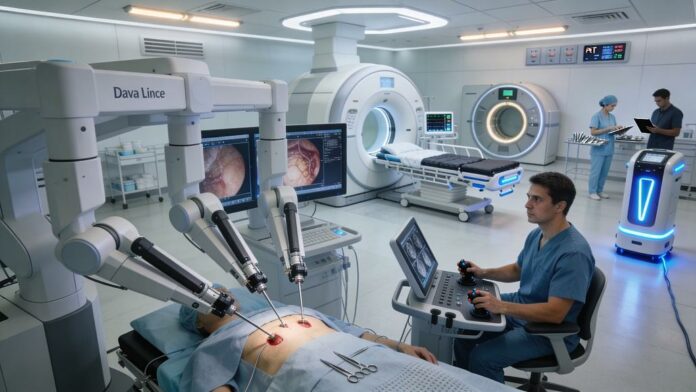
Perhaps the most dramatic evidence of advanced medical equipment reshaping hospitals is found in the operating room. Robotic surgery systems have transitioned from being a luxury of elite academic centers to becoming a standard of care for many urological, gynecological, and cardiothoracic procedures. These systems allow surgeons to operate with a degree of dexterity and visualization that far exceeds human capability. A surgeon sitting at a console can control robotic arms that possess a greater range of motion than the human wrist, all while viewing the surgical site in high-definition, 3D magnification.

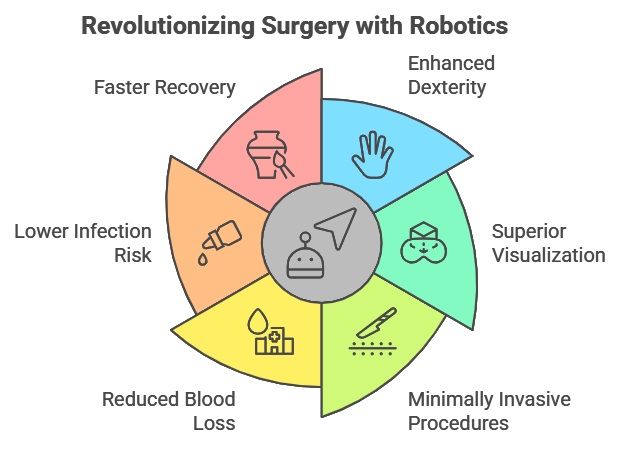
Revolutionalize Surgery with RoboticsThe benefits of these robotic platforms extend far beyond the “cool factor” of the technology. For the patient, robotic-assisted surgery typically results in smaller incisions, less blood loss, and a significantly reduced risk of infection. Because the robot can filter out human tremors and perform micro-movements with absolute consistency, the trauma to surrounding tissues is minimized. This leads to shorter hospital stays and a faster return to normal activities, which is a critical metric for both patient satisfaction and hospital throughput.

Precision Diagnostics: Seeing the Invisible

Before a surgeon ever picks up a scalpel, the path to healing begins with an accurate diagnosis. Advanced medical equipment reshaping hospitals is fundamentally changing the diagnostic timeline through the development of ultra-high-resolution imaging and rapid laboratory technologies. Modern MRI and CT scanners are now capable of capturing images with such clarity that doctors can visualize physiological processes in real-time. This level of precision diagnostics allows for the detection of diseases at their earliest, most treatable stages.

For instance, functional MRI (fMRI) is allowing neurologists to map brain activity with pinpoint accuracy, assisting in the treatment of epilepsy and the removal of complex brain tumors. Similarly, PET-CT scanners are becoming indispensable in oncology, allowing for the metabolic tracking of cancer cells and the precise monitoring of a patient’s response to chemotherapy. When diagnostics are this precise, the treatment plan can be tailored to the specific molecular profile of the disease, embodying the true spirit of personalized medicine.

Minimally Invasive Devices and the Outpatient Revolution

The drive toward less invasive care is also being fueled by a new generation of specialized instruments. Minimally invasive devices, such as advanced endoscopes and catheter-based delivery systems, are allowing complex procedures to be performed through natural orifices or tiny needle punctures. What used to be an “open” heart surgery with a week-long recovery can now, in some cases, be performed through a small incision in the groin as an outpatient procedure.

This shift toward “scarless” or “keyhole” surgery is a primary driver of hospital technology advancement. By reducing the physical toll of surgery on the body, hospitals can treat older and more frail patients who would not have survived traditional operations. Furthermore, the move toward outpatient or “same-day” surgery is helping hospitals manage their bed capacity more effectively, focusing their intensive resources on those who truly need 24-hour monitoring.

Smart Infrastructure: The Hospital as a Living Machine

While individual devices are critical, advanced medical equipment reshaping hospitals also encompasses the very infrastructure of the facility. We are seeing the rise of the “intelligent ward,” where every element from the lighting to the HVAC system is integrated into a central management platform. Smart hospital beds are now equipped with sensors that can monitor a patientโ€™s respiratory rate and detect if they are attempting to leave the bed, triggering an alert to prevent a fall.

Smart infrastructure also includes advanced sterilization systems, such as UV-C light robots that can disinfect an entire operating room in minutes, significantly reducing the incidence of hospital-acquired infections (HAIs). These automated systems provide a level of consistency that manual cleaning can never match, ensuring that the hospital environment is as safe as possible for every patient. By integrating these various technologies, hospitals are becoming “proactive” environments that can sense and respond to the needs of both patients and staff.

The Human-Machine Synergy in Clinical Care

A common concern when discussing the influx of advanced medical equipment reshaping hospitals is the potential loss of the human element in medicine. However, the reality is quite the opposite. By automating routine tasks and providing highly accurate data, these tools allow medical professionals to spend more time on the complex, cognitive, and emotional aspects of patient care. A surgeon who is less physically fatigued by a robotic procedure has more mental energy to devote to the nuances of a patientโ€™s recovery plan.

The training of medical staff is also evolving to keep pace with these technological changes. Virtual reality (VR) and augmented reality (AR) are now being used to train surgeons and nurses in a risk-free digital environment. This ensures that when they step into the actual operating room, they are already proficient with the advanced medical equipment reshaping hospitals. This culture of continuous learning and technological fluency is the hallmark of a world-class medical institution.

Sustainability and the Global Reach of Advanced Tech

As hospitals invest in these high-cost technologies, there is also an increasing focus on sustainability and long-term value. Modern equipment is designed to be more energy-efficient and modular, allowing for software updates rather than complete hardware replacements. This “future-proofing” is essential for managing the financial sustainability of healthcare systems. Furthermore, the development of portable versions of advanced equipment such as handheld ultrasound devices is bringing high-level diagnostics to the patientโ€™s bedside, whether they are in a city hospital or a remote field clinic.

The transformation of the hospital through advanced medical equipment is a global phenomenon. While the most cutting-edge systems often debut in major urban centers, the lessons learned and the efficiencies gained are rapidly trickling down to community hospitals and clinics worldwide. Through the continued refinement of these tools, we are creating a healthcare infrastructure that is not only more capable but also more resilient and accessible. The hospital of the future is being built today, one robotic arm and one precision sensor at a time.

Translate ยป