








Close
Digital Health & Ai Innovation summit 2026
Medical Taiwan 2026

Transforming the Language of Healthcare to Address Inequality

HUB Security Partners with Enlitic to Secure Health Data, Enhance Patient Care Through Artificial Intelligence

For the first time in history, the 2020 U.S. Census(1) showed white ethnicity declining as multi-racial populations increased. This heterogeneity should not equate to discrepancies in healthcare provision, but unfortunately it does. Despite health services being equally available across ethnic groups, there are significant barriers to receiving equitable care. Minority ethnic patients report worse experiences(2) in healthcare than their white counterparts, and minority ethnic individuals are more likely to report long-term illnesses and poor health.

With recent heightened awareness of inequality across many aspects of society due to the COVID-19 pandemic and Black Lives Matter movement, itโ€™s hard to remember another time in history with as much scrutiny on clinical performance and inclusivity. The healthcare industry still has a long way to go when it comes to breaking down barriers to ensure the best care everywhere, but by improving medical research and education, expanding communications and adapting health language to serve a diverse population, clinicians can be better equipped to address their patientsโ€™ individual needs.

DIVERSITY IN CLINICAL TRAINING IS CRITICAL TO DELIVERING UNBIASED CARE

When certain perspectives are continually excluded from medical research, resulting data and consequent clinical recommendations or decisions are skewed, ultimately affecting patient experience and quality of care. A lack of representation in medical research can significantly and negatively impact health outcomes for people of color. When making dermatological decisions, for example, a physician who studied clinical content that neglected to include a diverse spectrum of skin tones may have difficulty recognizing signs of serious dermatological conditions โ€” like melanoma โ€” in patients with certain skin tones, leading to missed or delayed diagnoses and increasing the risk of progression.

A rigorous editorial process that prioritizes inclusion of diverse material is crucial in developing representative and accessible medical content that trains clinicians to recognize disparities(3) in the specific needs of different groups. This is particularly significant when considering that technology used in health systems can have bias, as was recently the case for pulse oximeters used to monitor blood oxygen levels. In a study on sepsis diagnoses(4), researchers found that patients who identified as Black had nearly three times the frequency of occult hypoxemia (abnormally low blood oxygen concentration) that went undetected by a pulse oximeter, leading the U.S. Food and Drug Administration to question the deviceโ€™s accuracy with people of color.

Clinical resources should not only provide technical instruction that accounts for differences in the care needs of historically underserved or minority patients, but also arm providers with the necessary skills to communicate with all patients reliably and effectively. Truly equitable healthcare must transcend a patientโ€™s medical status and cater to their cultural and socioeconomic needs as well.

THE POWER OF CLEAR COMMUNICATION BETWEEN CLINICIANS AND PATIENTS

Patients with limited English proficiency (LEP) are among the most vulnerable to the consequences of inequitable care. They experience high rates of medical errors with worse clinical outcomes than their English-proficient counterparts, and receive lower quality of care by other metrics, as reported(5) by the AMA Journal of Ethics.

It is vital that unconscious biases be rooted out from healthcare language and harmful stereotypes be avoided, as stigmatizing language or other communication barriers between clinicians and patients can lead to poor uptake of preventive services and low health literacy among minority groups. Damaging behaviors from unconscious bias can be subtle, hard to identify, and often unintentional, as the name suggests. Health systems and health practitioners have a responsibility to uncover these biases and identify the knowledge gaps that led to them. With this increased awareness, the healthcare community can make much needed progress toward positive change.

To facilitate meaningful patient-provider interactions, healthcare content must be modified to accommodate linguistic differences. The tools and informational materials clinicians pass on to patients must also be easily accessible for those of varying language abilities.

Patient-facing content should actively engage those whose first language is not English. As of 2019, an estimated 44.9 million foreign-born people(6) were living in the U.S., representing 13.7% of the total population โ€“ many of whom have a first language that is not English. By incorporating plain language into patient resources and providing definitions for more technical terminology, all patients are given the opportunity to apply the same knowledge base to their personal health decisions. Imagery, wherever possible, can also serve as a powerful tool for informing those with limited English proficiency.

Inclusive language results in a strengthened care alliance between clinicians and patients. In targeting and eradicating biases at the root and prioritizing distribution of accessible materials, quality of care for minority and LEP patients can begin to resemble the quality of care received by those whose language or ethnicity is not a discernable barrier.

Trust and engagement are vital precursors to securing better health outcomes, and patients are more likely to trust and adhere to guidance and resources they understand.

HEALTH EQUITY IS WITHIN REACH IF THE CLINICAL COMMUNITY COMMITS TO CHANGE

Shaping a healthcare system that eradicates obstacles of language and representation requires true collective action, and only when these impediments are acknowledged and targeted can we begin to enact real change.

All people are entitled to the same level of healthcare, regardless of ethnicity, socioeconomic background, or language proficiency. Facilitating accessible communication in healthcare settings by utilizing unbiased health language and dispatching clinical content that caters to a diverse population are necessary if clinicians are to effectively address the individual needs of each of their patients. When thoughtful, inclusive communication is paired with improved practices at the point of medical research and clinical content creation, a healthcare model supportive of health equity can emerge.

References:

1 – https://www.usatoday.com/story/news/politics/2021/08/12/how-2020-census-change-how-we-look-america-what-expect/5493043001/
2 – https://www.fiercehealthcare.com/practices/racial-and-ethnic-minorities-report-worse-care-experiences-medicaid-managed-care-plans
3 – https://www.contagionlive.com/view/identifying-disparities-in-sepsis-diagnosis-for-unbiased-care
4 – https://www.nejm.org/doi/10.1056/NEJMc2029240
5https://journalofethics.ama-assn.org/article/language-based-inequity-health-care-who-poor-historian/2017-03
6https://sgp.fas.org/crs/homesec/IF11806.pdf

One Easy Move For Hospitals To Avoid Serious Drug Blunders

Bridging the Gaps in Complex Patient Journeys by Enriching Data

RaDonda Vaught, a Tennessee nurse, typed two letters into a hospital’s computerised medication cabinet, chose the wrong prescription from the search outcomes, and gave a patient a deadly dose more than four years ago.

Vaught was charged with a medical error in an extraordinarily unusual criminal trial this year, but the drug mix-up at the heart of her case is anything but uncommon. In modern health care, computerised cabinets have grown practically ubiquitous, and the technology flaw that allowed Vaught’s blunder to occur still exists in many U.S. hospitals.

As per a KHN review of findings offered by the Institute for Safe Medication Practices, or ISMP, there have been a minimum of seven other occurrences of hospital staff members trying to search medication closets with three or fewer alphabets and then prescribing or nearly delivering the wrong drug since Vaught’s arrest in 2019. Because most drug mix-ups aren’t required to be reported, the seven incidences are certainly a small sample of a much bigger total.

According to safety advocates, nurses should be required to key in at least five letters of a drug’s title when checking hospital cabinets. Omnicell and BD, the two largest cabinet manufacturers, agreed to update their equipment in accordance with these guidelines, but the sole precaution that has been implemented so far is that it is switched off by default.

One, two, or three letters are simply not enough, saysย Michael Cohen, former president of ISMP, a charity that gathers error reports from medical experts. For instance, if one types M-E-T, the person willย get M-E-T. Is that metronidazole we’re talking about? Or what about metformin? Cohen continues, antibiotics are one of them. The other is a diabetic medication. That’s a major blunder. When oneย seesย M-E-T on the screen, though, it’s easy to choose the wrong medication.

Making it stick with a five-letter fix

In 2020, Omnicell released a software update that included a five-letter search. Nevertheless, because clients must sign in to use the service, it is likely that it is underused in many institutions. BD, aย company thatย makes Pyxis cabinets, has announced that a software upgrade will make five-letter queries normal on Pyxis systems later this year, more than 2.5ย years after originally informing safety advocates of the upgrade’s imminent arrival.

Thousands of hospitals will be affected by this change. It will be far more difficult to eliminate the incorrect medicine from Pyxis cabinets, but it will be significantly easier to remove the correct one. In some very stressful medical situations, nurses may have to spell hard drug names correctly.

Robert Wells, a Detroit emergency department nurse, said the safety on his hospital’s Omnicell cabinets was activated about a year ago and now requires at least five letters. Wells initially had trouble spelling several medicine names, but this is becoming less of an issue as time goes on. Pulling medications has become more of a headache for me, but I see why they got there,ย Wells said. It appears to be naturally safer, as per him.ย 

Almost every U.S. hospital uses computerised medicine cabinets, also called automated dispensing cabinets, to handle, track, and dispense dozens to hundreds of drugs. Pyxis and Omnicell control nearly all of the cabinet business, so once the Pyxis update is available later this year, most hospitals in the country should be able to use a five-letter search capability. It’s possible that the feature won’t work on older cabinets that aren’t compatible with the new software, or if hospitals don’t update their cabinet software on a regular basis.

Nurses are the primary users of hospital pharmaceutical cabinets, and they have two options for searching them. One option is to search by patient name, in which case the cabinet will display a list of possible medications that can be filled or updated. Nurses can check cabinets for a specific drug in more urgent cases, even if a prescription hasn’t been issued yet. The cabinet streamlines the search results with each new letter typed into the search box, lowering the risk that the user will select the incorrect medicine. The seven medicine mix-ups found by KHN, each of which saw hospital staff employees withdrawing the incorrect drug after putting in three or fewer characters, were anonymously reported to ISMP, which has been crowdsourcing error reporting since the 1990s.

After declassifying information that revealed the hospitals involved, Cohen permitted KHN to study the mistake reports. Anesthetics, blood pressure medicine, antibiotics,ย muscle relaxers, hormones,ย and a substance designed to counteract the effects of sedatives were all mixed together in those accounts.

After being administered ketorolac, a pain medication that can cause blood thinning and intestinal bleeding, rather than ketamine, a medicine used in anaesthesia, a patient had to be treated for bleeding in 2019. After entering only three letters, the nurse drew the erroneous medicine from a cupboard. If she had been compelled to search with four, the blunder would not have occurred.

A hospital staffer mixed up the identical pills Vaught did โ€” Versed, a sedative, and vecuronium, a hazardous paralytic โ€” in another error discovered just weeks after Vaught’s arrest. Because few cabinets have two or more medications with the same first five letters, according to the ISMP study, needing five letters will virtually fully avoid such errors.

Although many hospital drug mishaps are unconnected to medicine cabinets, Erin Sparnon, a medical device failure expert at ECRI, a nonprofit focused on improving health care, claimed that a five-letter scan would lead to an exponential rise in reliabilityย when pulling drugs from cabinets. Sparnon explained that the idea is to add as many layers of protection as possible. It is known as the Swiss cheese model; if you line up enough slices of cheese, you won’t be able to see a hole through them.

A darn good slice of cheese,ย she observed of the five-letter search.

In a stormy trial in March, Vaught, a former nurse at Nashville’s Vanderbilt University Medical Center, was arrested in 2019 and found guilty of negligent homicide and gross mistreatment of an impaired adult. If convicted, she may face a sentence of up to eight years in prison. Hundreds of demonstrators are scheduled to attend her sentencing on May 13 because they believe her medical blunder should not have been charged as a crime.

Prosecutors claimed that while delivering vecuronium instead of Versed, Vaught made multiple errors and ignored evident warning indications. Vaught’s first and most fundamental error, which enabled all subsequent faults, was inadvertently removing vecuronium from a closet after typing only V-E. Vaught would not have pulled the wrong medicine if the cupboard had needed three letters.

Ultimately, I can’t reverse what occurred,ย Vaught said in a recorded interview shown at her trial, recounting the mix-up to investigators. The most sheย can hope for is that something positive comes out of this so that such a mistake doesn’t happen again. Cohen said that ISMP reinforced its recommendations for safer searches once the specifics of Vaught’s incident became public, and then conducted several callsย with BD and Omnicell. Both firms acknowledged plans to change their cupboards based on ISMP’s advice within a year, according to ISMP.

In 2019, BD altered the setting on Pyxis cabinets to a three-letter minimum, and plans to increase it to five in a software update due by the end of summer, according to spokesperson Trey Hollern. Since it is actuallyย up to the healthcare system to define safety parameters,ย Hollern added, cabinet owners are going to turn off this feature.

According to a corporate news release, Omnicell implemented a “suggested” five-letter search through a software update in 2020 but left it deactivated, so its cabinets enable searches with a single letter by default.

CDC Offers Additional Clinical Findings On Hepatitis In Kids

CDC Offers Additional Clinical Findings On Hepatitis In Kids

The Centers for Disease Control and Prevention in the United States are continuing to investigate occurrences of acute hepatitis in children with unknown origins and have disclosed fresh clinical facts about a few of the cases. So far, at least 18 instances have been documented in minimum four states, with dozens more in Europe.

The CDC’s most recent clinical detailsย releasedย come from Alabama, where the instances were discovered. Clinical records for nine patients admitted to a children’s hospital after October 1, 2021, were examined.

The patients came from all around the state and had no epidemiologic ties. They were all deemed to be in good health, with no substantial illnesses or immune system deficiencies. The median age was around three years, with children ranging in bracketย from two to five. Prior to admittance, the most prevalent symptoms among patients were vomiting and diarrhoea, with some additionally having upper respiratory issues. The majority of the patients had an expanded liver, as well as jaundice and yellowing of the eyes when they were admitted.

Hepatitis viruses A, B, and C were all found to be negative in all of the patients, and numerous different causes of paediatric hepatitis and infections were eliminated. Adenovirus, on the other hand, was found in all of the patients. Last week, the CDC issued a health advisory notifying healthcare professionals and health authorities of the inquiry and suggesting that if the reason for hepatitis is unknown, providers take into account adenovirus testing in children with hepatitis, adding that testing entire blood rather than just blood plasma may be more sensitive.

Six of the nine patients in Alabama had Epstein-Barr virus positive test findings, which were judged to be from earlier infections. Enterovirus/rhinovirus, respiratory syncytial virus,ย metapneumovirus,ย and human coronavirus OC43 were among the viruses found.

There was no evidence of past COVID-19 infection in any of the patients. Acute liver failure struck three people, two of whom required liver transplantation. As per the CDC, all patients, including transplant recipients, have healed or are recuperating. Hepatitis is an infection that affects the liver, a critical organ that processes nutrients, cleanses the blood, and aids in the fight against diseases. The function of the liver might be impaired when it is inflamed or damaged.

Hepatitis is usually caused by viruses, and adenoviruses are a prevalent type of virus that can cause a variety of mild to severe ailments when passed from person to person. However, in healthy individuals, these infections are rarely documented as a cause of acute hepatitis.

As per the CDC, adenovirus is a known cause of hepatitis in immunocompromised children, but it may also be an “underestimated contributor to liver injury in healthy children.” It is spread mostly through excrement and into the mouth.

Adenovirus vaccines are not available for children. According to Dr. Ashlesha Kaushik, a spokesperson for the American Academy of Pediatrics, itย tendsย to persist on objects, and alcohol-based hand sanitizers do not really perform effectively against them.

How Home Loans for Physicians Differ From Conventional Home Loans

How Home Loans for Physicians Differ From Conventional Home Loans

It’s no secret that purchasing a house is definitely one of the biggest investments you are ever going to have. A vast majority of people do not have the means to buy a home right away, instead, they are forced to get a mortgage in order to obtain a property.

A lot of physicians are in different financial situations from other people who are trying to acquire a house. Namely, many doctors have a huge medical school debt which makes it difficult to get a conventional loan, although they generally have higher incomes.

Thatโ€™s precisely one of the reasons why lenders have decided to offer them physician home loans, to help physicians buy a home without any issues. So if you are not familiar with this type of loan, then scroll below to see how it differs from the conventional one.

The Main Difference Between Physician Mortgage Loan And Conventional Home Loan

What Do We Know About A Physician Loan?

As previously stated, it is the type of loan made precisely to meet the needs of doctors. Although these people normally earn lots of money or expect to have higher salaries, at times, they have high debt, little credit, or didn’t have enough time to set some money aside for a house.

This is particularly the case with those who have recently graduated from medical school. Generally speaking, most lenders want their borrowers to have steady jobs, good credit, and to be able to make a down payment when they decide to purchase a home.

Even though loans for physicians are somewhat similar to the conventional ones, there are still some differences that should be discussed. Namely, these days, you can come across excellent physician home loan mortgage programs that were developed to help doctors obtain a residential mortgage loan from lenders. Whatโ€™s great about this type of loan is the fact that a physician can qualify with a down payment of less than twenty percent and is not obligated to pay for Private Mortgage Insurance, also known as PMI.

Itโ€™s also worth mentioning that lenders utilize different underwriting criteria, concentrating on how much money you are able to give for your loans every single month, instead of focusing on their overall balance.

This makes things so much easier for these people to qualify for loans, straight out of residency or medical school. Of course, keep in mind, that each bank has different rules, hence, it would be recommendable to conduct proper research before you select a lender.

Adding More Useful Info Below

Maximum Loan Amount

Conventional mortgages that are forced to comply with Freddie Mac or Fannie Mae guidelines are not permitted to exceed a certain amount of money that has been borrowed. In most regions of the USA, the limit is around $417,000.

But still, in places where properties are pricier, it can go up to $625,000, for example, New York City, Hawaii, San Francisco, etc. Now, if you decide you want to apply for a mortgage that exceeds these limits, then you must qualify for a jumbo mortgage loan.

These types of mortgages cannot be sold to Freddie Mac or Fannie Mae, hence, lenders who decide to finance these loans are at greater risk due to the fact that they must sell them to outside investors, or keep them on their books.

In comparison to conventional home loans, jumbo loans have higher interest rates and more stern loan requirements, such as:

  • You must have a high credit score
  • Cash in reserve at closing, at times you must have enough money to make a yearโ€™s worth of payments for the mortgage
  • Down payment as much as twenty percent of purchase price

Furthermore, when it comes to FHA loans, the value of the loan cannot go beyond a certain amount of money, which highly depends on the location. The maximum amount in regions where houses are relatively cheap is around $275,000.

On the other hand, in places with high-value markets, the maximum amount can go as high as $636,000. In terms of home loans for doctors, it depends on the lender. There are some lenders that will loan even $2 million. Some companies are going to offer different loan limits, depending on the amount of down payment.

Physician Loan VS Conventional Conclusion

In comparison to the conventional one, a physician loan has:

  1. Lower down payment
  2. Higher loan limit
  3. No PMI
  4. More flexible credit requirements for the best rates
  5. Prioritizing monthly payments instead of overall student loan debt

Now that you’ve gathered some useful information regarding home loans for physicians, it’s up to you to decide whether it is the best choice for you or not. What’s safe to say is that these loans do have their place.

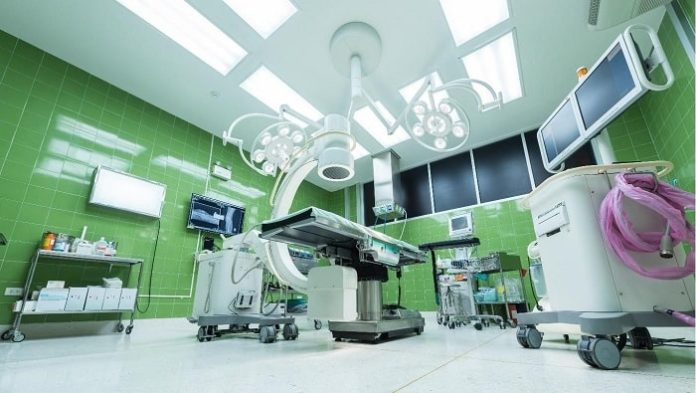
6 Things Hospitals Need, Apart From Medical Staff, To Run Smoothly

6 Things Hospitals Need, Apart From Medical Staff, To Run Smoothly

Unlike many other institutions, hospitals must work 24/7. There’s no such a thing as a day off when it comes to them. At first glance, when you take a look at them, they look like huge buildings, filled with staff who move through the halls fast to make sure that every patient is being taken care of.

But only when you enter this facility do you realize every single part of it must be synchronized in order to run smoothly. When we’re saying part, we’re referring to both medical staff and various pieces of medical equipment that are necessary for normal functioning.

Besides doctors, nurses, and other staff, what are other crucial things that are keeping these institutions healthy? If you want to know the answer, then stay tuned, because below we’ll talk about these necessities.

Essential Things Hospitals Cannot Survive Without

IT Managed Services

Sadly, in the last couple of years, many reports have shown that precisely the healthcare industry is a prime target for numerous, serious security breaches. In fact, these breaches have tripled since 2018, with more than fifteen million patient records being jeopardized.

It seems like each year, hackers are becoming more and more resourceful and smarter. Thatโ€™s precisely one of the reasons why IT managed services are crucial for health care providers and hospitals in general. With the help of these types of services, IT departments in these institutions can receive enhanced security while successfully dealing with productivity killers, such as outdated and useless equipment, slow bandwidth, and hard-to-reach archives.

These IT experts will focus on enhancing these operations and at the same time, provide hospitals with superb, cost-effective solutions and inventive technology, for instance, these things below:

  • Bandwidth management
  • High-quality backups
  • Custom infrastructure
  • Improved security
  • Cloud storage
  • Reliable IT troubleshooting and maintenance
  • Decreased expenses
Medical Equipment And Supplies

You cannot imagine how many items are necessary for a hospital to run properly and provide its maximum. For example, bigger pieces of equipment, such as ECG machines and patient monitors are crucial to enable ongoing assessments to be executed.

Additionally, medical gas hose assemblies are essential to physicians and anesthetics so they can provide the safe distribution of anesthetics and oxygen to their patients. Besides these items, smaller things like syringes, surgical masks, bandages, and uniforms must be utilized every single day in the hospital.

Medical staff must make sure that all these items can be accessed at any given moment because, without them, this institution would never be able to function smoothly.

Letโ€™s Not Forget To Mention Autoclave

Healthcare providers must bear in mind that hospital rooms can relatively easily be infected with chemicals, particularly in the places where different pieces of equipment are placed. In order to properly disinfect this equipment, they must employ sterilizers or an autoclave.

Namely, this machine utilizes pressure to get rid of harmful bacteria, viruses, spores, and fungi on the things that are put inside a pressure vessel.

Electronic Medical Equipment

It is widely known that electronic equipment is developed to record and monitor the body functions of the patient, such as brain waves and the heartbeat. There are different kinds of electronic medical supplies that are being used today:

  1. Software: Medical Imaging Software, Electronic Medical Records, and many others
  2. Medication pumps
  3. Monitors: Blood Pressure Monitors, Heart Rate Monitors, Ultrasound, etc.
  4. Powered Medical Equipment
  5. Mobile Technology Carts: Computers on wheels, Mobile Workstations, and many other things
  6. Defibrillators
  7. Pacemakers
Different Types Of Medications

It doesnโ€™t matter whether they come in the shape of tablets, creams, or liquid, thousands and thousands of different pharmaceuticals are being given to the patients every single day in the hospital.

A vast majority of them are crucial for patient care. Namely, they are normally placed in controlled zones within these institutions and can only be used by authorized members of medical staff.

Nurses are the ones who usually give these medications to the patient, and each time it happens, it must be recorded on a patient’s records.

Blanket Warmers & Fluid

During surgery, it’s crucial to maintain body temperature, otherwise, it may potentially lead to numerous post-surgical complications, like preoperative hypothermia, prolonged hospitalization, and many other unpleasant things.

In order to prevent these occurrences, each hospital must have blankets and fluid warmers to maintain body temperature. They were developed to avoid hypothermia in surgical patients.

No matter how passionate they are about their job, we are absolutely sure that most healthcare providers will tell you that working in the hospital is very stressful. So if they want to make things simpler, at least a little bit, these facilities must ensure to have all these things that were mentioned here.

The Vape Industry is Booming: Here’s How You Can Benefit From it

The Vape Industry is Booming: Here's How You Can Benefit From it

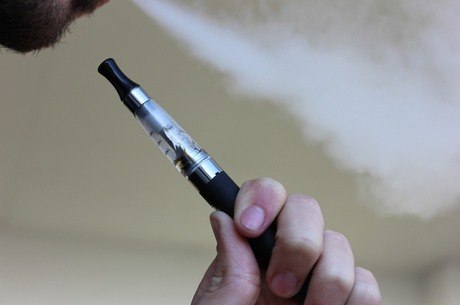
The vape industry is booming, and there are a lot of ways that you can benefit from it. This blog post will discuss some of the ways that you can take advantage of the growing popularity of vaping. It will also provide some tips on how to get started in the vape industry. So if you’re looking for a new opportunity, read on.

New business opportunities

One of the great things about the vape industry is that it’s still relatively new. This means that there are a lot of opportunities for new businesses to get involved. If you’re thinking about starting a vape business, now is a great time to do it. There are several ways to get started, and the market is still growing.

For instance, you could start a vape shop, an online store, or even a manufacturing business. In terms of the former, you only need to get in touch with a reputable manufacturer of premium eLiquids that will be able to supply you with the products you need. On the other hand, if you want to start a manufacturing business, make sure you have a clear understanding of the production process and the regulatory environment. This way, you can be sure that your products are of the highest quality and compliant with all the relevant regulations.

The key to success in the vape industry is to find a niche and fill it. There are already a lot of successful businesses in the industry, so you need to find a way to stand out from the crowd. One way to do this is by offering a unique product or service. For instance, you could start an online store that specializes in selling hard-to-find eLiquids. Alternatively, you could start a manufacturing business that produces high-quality eLiquids. Whatever route you choose, make sure you put in the work and you’ll be successful.

โ—ย ย ย ย ย  Private label manufacturing

Private label manufacturers create eLiquids for other companies, which is a great way to get started in the industry without having to invest in your manufacturing facility. This option also allows you to focus on marketing and selling your products, rather than worrying about production. To find a private label manufacturer, all you need to do is search online for “private label eLiquid manufacturers.” You should then take the time to read reviews and compare pricing. Once you’ve found a reputable manufacturer, you can get in touch and discuss your requirements.

โ—ย ย ย ย ย  Vaping Wholesale

Another great way to benefit from the vape industry is to start a wholesale business. This involves buying products from manufacturers and then selling them to retailers. It’s a great way to make money, as you’ll be able to buy products at a lower price and then sell them at a higher price. To get started, you’ll need to find a reputable manufacturer that can supply you with products. You’ll also need to set up a website and start marketing your business.

Online opportunities

There are also several other opportunities available in the vape industry. For instance, you could start a blog or become an influencer. These are both great ways to get your name out there and build a following. If you’re thinking about starting a blog, make sure you choose a niche that you’re passionate about. This way, you’ll be able to provide your readers with valuable content that they’ll enjoy reading. Similarly, if you become an influencer, make sure you’re active on social media and engage with your followers regularly.

Tips on getting started

If you’re thinking about starting a business in the vape industry, there are a few things you should keep in mind. First, it’s important to have a clear understanding of the market. This includes understanding the different types of products that are available, as well as the different target audiences. Second, you need to make sure you have a good business plan. This will help you map out your goals and objectives, and it will also give you a clear idea of how you’re going to achieve them. Finally, it’s important to build a strong team of experts that can help you with everything from production to marketing. By following these tips, you’ll be well on your way to success in the vape industry.

So there you have it, some of the ways that you can take advantage of the booming vape industry. Whether you’re thinking about starting your own business or just want to buy products at a lower price, there are several ways you can benefit from the industry. So what are you waiting for? Get started today and see how you can make money from vaping.

A Helpful Guide to Root Canal Treatment

A Helpful Guide to Root Canal Treatment

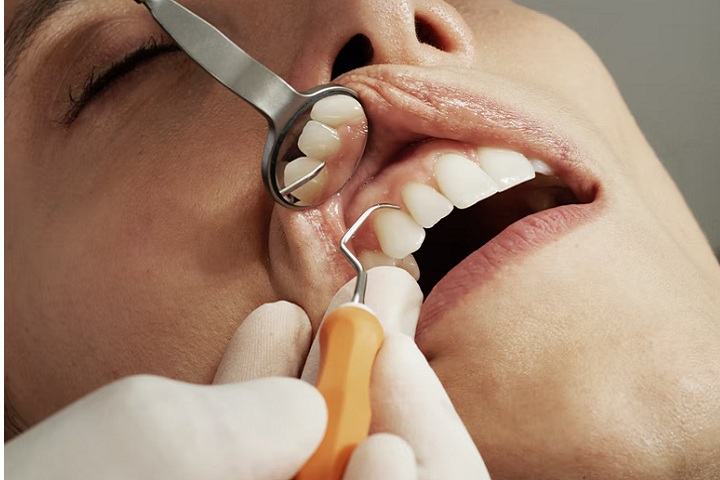
Root canal treatment is one of the most feared dental operations, and many people despise it. It’s important to note, however, that if performed correctly and thoroughly, it’s no more difficult or uncomfortable than any other dental operation. Many people wonder what root canal therapy is and why they require it. As a result, here is a step-by-step approach to root canal therapy.

So, what exactly is root canal therapy? When a tooth gets severely decaying and the nerve and root canal of a tooth become infected, root canal therapy is necessary. Medicating and cleaning an infected nerve or root canal of a tooth, then filling it with a root filling, is the treatment. If the nerves and blood vessels inside the tooth are not treated, they get badly infected, resulting in pus and abscesses. Following root canal therapy, your dentist may propose that you have a crown placed on the tooth to provide optimal long-term protection.

Why Do I Need Root Canal Treatment?

When you visit the dentist with a toothache and agony, your dentist may inform you that your tooth requires root canal therapy. Why? The goal of root canal therapy is to get rid of the bacterium inside the tooth and reduce the chances of reinfection in the future. Each phase of root canal treatment is conducted to guarantee that the danger of reinfection is as minimal as possible, despite the fact that it is a long and tiresome procedure. You’re also undoubtedly wondering about a root canal treatment cost if you need to have it. The cost of various treatments varies, as well as from province to province, but the range is between $500 and $6,000. Before we can truly comprehend what root canal therapy is and why we require it, we must first comprehend the many components that make up a tooth’s structure.

  • Enamel – the hard covering that covers the top of a tooth. Enamel is extremely robust and dense, and it protects the pulp and dentin from the outside world.
  • Dentine is the layer underneath the enamel that accounts for the bulk of the tooth structure.
  • Pulp – the blood supply and nerve are located there, and the pulp is located in the center or interior of the tooth.

Bacteria can enter the root canal & cause a nerve infection if a rotting or damaged tooth is not treated. When a tooth requires root canal therapy, bacteria from tooth decay have penetrated so far into the tooth that the blood supply and nerves in the root canal have been affected. In the pulp, there is a bacterial infection.

What Is A Procedure?

The process of conducting and concluding root canal treatment on a tooth is divided into three parts. Root canal therapy is a highly comprehensive and time-consuming procedure, but each step is completed to guarantee that the danger of reinfection is minimal and that the patients receive the best clinical outcomes possible.

The first stage is extirpation. A clamp and rubber dam are placed. To remove nerves, manage infection, and medication the tooth, small files are used to clean the root canal for the first time. Depending on the intricacy of the tooth, it might take anywhere from 20 to 45 minutes. The following step is instrumentation, which involves a thorough cleaning of the root canal to ensure that germs are kept at bay and that the tooth is pain-free. It may take 30-60 minutes.  When the tooth is entirely pain-free, obturation is conducted. To finish the root canal treatment, the root canals are sealed with a specific gutta-percha substance, and it also takes 30-60 minutes.

What Happens If I Donโ€™t Treat The Tooth?

One of the consequences of not treating the tooth will be severe pain and suffering. If the nerves and blood vessels inside the tooth are not treated, they get badly infected, resulting in pus and abscesses. An abscess is a swelling filled with pus that develops at the end of the root canal as a result of infection. The abscess might be severe enough to produce swelling in the neck, eye, or face. You may need to go to the hospital right away in these cases. The bone loss all-around the roots of the tooth is another issue that might arise if the tooth is not treated.

What Happens After Treatment?

There is no actual evidence that root canal treatment has any negative side effects. It’s crucial to understand that your nerve is no longer within your tooth following root canal treatment, so you won’t have any hot or cold sensitivity from that tooth. As a result, when you bite down on the tooth after root canal treatment, it might feel strange and unusual. The tooth will have a distinctive sensation. Some patients have compared it to having a dead or numb leg or arm, where you can feel it but it’s dull and strange.

People who are frightened sometimes lack understanding about this treatment; knowledge empowers them to grasp what will happen and to overcome their worries. We hope that this guide helps allay any fears you may have. Root canal therapy relieves pain rather than causing it, and it saves teeth.

Oulu University Hospital expands partnership with Siemens Healthineers for better healthcare in Northern Finland

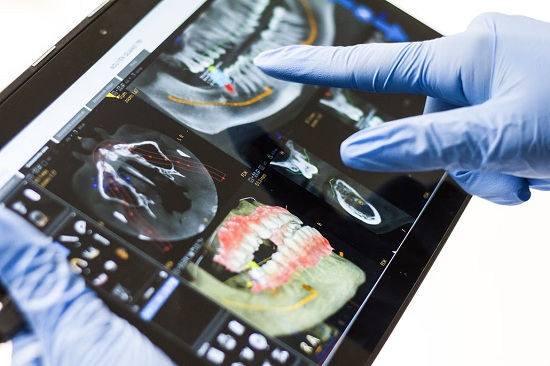
Siemens Healthineers and Oulu University Hospital in Finland have entered a strategic partnership for the next ten years, adding to an existing radiotherapy collaboration to jointly expand and modernize the radiology department. This Value Partnership includes the supply, installation, and maintenance of medical imaging technology and software, training and further education of staff, a flexible financing concept and consulting services to increase process efficiency and improve the value chain of clinical care. A joint research approach and an enhanced collaboration to develop new solutions and treatment methods are also part of the scope of work. This partnership was initiated in the context of the renewal program of the Oulu University Hospital facilities, which will lead them to aim at being one of the most innovative and modern hospitals in the world by 2030. The common goal of the partnership is to ensure high-quality care throughout the region, improve clinical processes and increase attractiveness as a healthcare employer. The contract has an option to be extended for ten more years. The volume amounts to around 30 million euros.

“We are very proud that we are now the trusted partner for both, oncology and radiology departments, for Oulu University Hospital. In this Value Partnership, we are pooling our strengths and, together with the Oulu University Hospital, we are building up a high-performance radiology department as well as oncology service line. Modern medical equipment is the central nervous system of future-proof healthcare,” said Joรฃo Seabra, Head of Enterprise Services at Siemens Healthineers. Oulu University Hospital and Siemens Healthineers want to further develop and improve the diagnostic and therapeutic capability of the hospital and thus increase quality of care for patients throughout the region. Over the next ten years, Siemens Healthineers will supply around 15 new large-scale imaging
devices for radiology, and a broad training concept for employees is intended to increase the attractiveness of the hospital as an employer.

Oulu University Hospital serves patients throughout northern Finland, which accounts for more than half of Finland’s territory with about 741,000 inhabitants. The hospital, which was founded in 1973, is affiliated with the University of Oulu and is used by the Faculty of Medicine as a teaching hospital. โ€œWe are building a completely new university hospital in Oulu. Our vision for change is that by 2030, Oulu University Hospital will be the smartest hospital in the world, where the latest technology, modern facilities and up-to-date know- how will guarantee efficient and best-quality care delivery. This Value Partnership is one of
the corner stones for achieving this vision,โ€ said Jaakko Niinimรคki, Service Centre Manager from Oulu University Hospital.

The partnership with Oulu University Hospital is a Value Partnership designed to enable healthcare providers to optimize their business operations, expand their capabilities and drive innovation. It relies on the entire portfolio of Siemens Healthineers to create added value beyond the technological equipment. The design of the Value Partnerships is based exclusively on the needs of the customer and their goals. Siemens Healthineers has entered Value Partnerships with many healthcare providers worldwide. Recent global examples include: HMI Group in Singapore, Malaysia and Indonesia, the University of Missouri System in the USA, or the Manchester University NHS Foundation Trust in the UK, and also Nova Hospital in Finland.

Siemens Healthineers AG pioneers breakthroughs in healthcare. For everyone. Everywhere. As a leading medical technology company headquartered in Erlangen, Germany, Siemens Healthineers and its regional companies is continuously developing its product and service portfolio, with AI-supported applications and digital offerings that play an increasingly important role in the next generation of medical technology. These new applications will enhance the companyโ€™s foundation in in-vitro diagnostics, image-guided therapy, in-vivo diagnostics, and innovative cancer care. Siemens Healthineers also provides a range of services and solutions to enhance healthcare providersโ€™ ability to provide high-quality, efficient care. In fiscal 2021, which ended on September 30, 2021, Siemens Healthineers, which has approximately 66,000 employees worldwide, generated revenue of โ‚ฌ18.0 billion and adjusted EBIT of โ‚ฌ3.1 billion.

Abbott Strengthens Its Connected Care Technologies with Latest NeuroSphere myPath Digital Health App

Abbott Strengthens Its Connected Care Technologies with Latest NeuroSphere myPath Digital Health App

Abbott announced that it has launched an upgraded version of its NeuroSphereโ„ข myPathโ„ข digital health app with enhanced functionality that will help doctors more closely track their patients as they trial Abbott neurostimulation devices to address their chronic pain. This upgrade is part of Abbott’s commitment to connected care technology and is intended to put people in control of their health and facilitate better communication with their doctors. The digital health app, which can be used with both Apple and Android devices, provides a doctor, their staff and the patient with a shared view of patient-reported outcome measures through each stage of the treatment journey while trying a spinal cord stimulation (SCS) or dorsal root ganglion (DRG) therapy device.

More than 50 million Americans live with chronic pain.1 SCS and DRG therapy can help address chronic pain by interrupting the pain signals traveling along the spinal cord or the dorsal root ganglia, a cluster of nerves along the spine, before they can reach the brain. Abbott’s NeuroSphere myPath digital health app is designed to allow a person to track and report their pain relief and general well-being. In turn, it helps doctors understand where patients are in the journey, and how patients are responding to therapy to better inform their treatment plan, a major goal of Abbott’s connected care approach.

“With NeuroSphere myPath, I am able to connect with my patients virtually because I can hone in on the precise location where they are experiencing pain and understand whether they are receiving relief,” said Pankaj Mehta, M.D., clinical president and chief medical officer at Pain Specialists of America in Austin, Texas. “Because the app is designed to provide a virtual environment in which I can connect with every patient and see where they are in the process, I can track how each person is doing, share critical data insights with my colleagues and help them take the next step in their pain-relief journey.”

The NeuroSphere myPath app allows people to closely track and document their pain through a series of surveys taken virtually at baseline and during the trial period through the app. People are asked questions to assess their pain intensity, about the relief and changes to physical function they experience, and their overall mood and well-being felt with and without the device throughout the treatment. At the end of the trial, doctors can receive a succinct yet comprehensive end-of-trial report.

The NeuroSphere myPath app is part of a family of apps Abbott has created under the Neurosphere name, including Neurosphere Virtual Clinic. Neurosphere Virtual Clinic is a first-of-its-kind technology in the U.S., giving patients the flexibility and comfort of receiving care anywhere* by connecting with their doctor via secure in-app video chat and an integrated remote programming feature. It enables clinicians to prescribe new treatment settings remotely to the patient’s neurostimulation device using the clinician programmer app and a simple and secure remote care connection.

“Our continued advancement of the NeuroSphere myPath app is part of Abbott’s commitment to developing new connected health technology that has the potential to bridge the gap between people and their doctors,” said Pedro Malha, vice president, Neuromodulation, Abbott. “Both the myPath digital app and our NeuroSphere Virtual Clinic allow us to deliver a more personalized and proactive approach to how advanced diseases are managed that are changing how people access healthcare around the world.”

About Abbott

Abbott is a global healthcare leader that helps people live more fully at all stages of life. Our portfolio of life-changing technologies spans the spectrum of healthcare, with leading businesses and products in diagnostics, medical devices, nutritionals and branded generic medicines. Our 113,000 colleagues serve people in more than 160 countries.

NTU Singapore opens two new AI-driven research centres for early disease prediction

HUB Security Partners with Enlitic to Secure Health Data, Enhance Patient Care Through Artificial Intelligence

Nanyang Technological University Singapore’s Lee Kong Chian School of Medicine has launched two new research centres that will leverage AI and data analytics to detect diseases.

The Centre for Biomedical Informatics, which was opened late last week, seeks to develop “super algorithms” that predict and personalise the treatment of various diseases. It will support LKCMedicine’s five flagship research programmes: population health, respiratory medicine and infectious disease, skin diseases and wound repair, neuroscience and mental health, as well as nutrition, metabolism and health.

Meanwhile, the Dementia Research Centre was inaugurated on Monday. The centre will work on a five-year longitudinal study to shed light on Asian dementia, as well as develop AI-powered diagnostic solutions to accurately predict or assess dementia progression.

With state-of-the-art equipment and the expertise of 15 researchers, the Centre for Biomedical Informatics will “identify trends, patterns, and anomalies in data to derive insights that will help researchers and clinicians make better-informed decisions,” resulting in the potential discovery and development of new powerful diagnostic and treatment methods for diseases, including mental disorders.

Another aim of the centre is to advance biomedical research by doing biomedical data analytics for the university’s scientific community. It plans to organise workshops and courses to help raise the biomedical informatics capabilities of Singaporean medical researchers.

Meanwhile, for LKCMedicine Dean and professor Joseph Sung, NTU’s initiative to open a Dementia Research Centre is “very timely as the global population continues to age”. The number of people with dementia worldwide is expected to double by 2050 from around 55 million at present, according to the World Health Organization. NTU Singapore noted from various studies that the mental condition affects western and Asian populations differently.

“Given that most of existing dementia literature is built on the western population, it is worthwhile for the university, led by its medical school, to focus on how dementia affects the Asian population and develop strategies that are tailored for this group. These findings could contribute to the national healthcare policy on dementia and the health economics of dementia,” he said.

Among ongoing projects of the Centre for Biomedical Informatics is a collaboration with the Institute of Mental Health and the Auckland University of Technology to develop machine learning methods to better detect and predict mental illnesses in at-risk youths.

They will analyse various datasets by applying advanced neural networks โ€“ a machine learning technique โ€“ which could lead to discoveries of new biomarkers and risk factors for screening mental health states. These discoveries would further lead to the development of super algorithms for predicting people who are at risk of mental disorders. It would also facilitate the development of personalised modelling to better recognise individual factors that trigger mental illnesses.

The centre has also been working on projects in the area of cancer treatment. So far, they have produced a breast cancer biomarker associated with prognosis, which has become its basis for developing new therapeutic strategies for discovering drugs capable of reversing biomarker expression patterns.

Concurrently, the Dementia Research Centre is conducting its Biomarker and Cognitive Impairment Study, which seeks to explore the inner working of the brain of patients with mild cognitive impairment (MCI). Among such patients, the risk of developing dementia increases between 10%-15% each year, and that is why the centre is focusing on MCI to facilitate early detection and intervention, according to Director Nagaendran Kandiah. The centre is currently recruiting about 1,5000 Singaporean patients with MCI aged 30-95 for the five-year study.

Explaining what they intend to do at the Centre for Biomedical Informatics, Wilson Goh, its co-director, said: “[W]e are making sense of huge volumes of biological data. We want to work towards achieving the three ‘Ps’ in clinical application: prediction, prevention, and personalisation. By building biologically informed models through data analysis and super algorithms, we could create insights that are personalised for the patient. Such models could enable early and accurate detection and prevention of chronic diseases and acute medical emergencies”.

Commenting on the launch of the Dementia Research Centre, NTU President and professor Subra Suresh said: “The Dementia Research Centre promises to offer us new avenues for developing a better understanding of neurodegenerative diseases. The research from this Centre will also point to potential pathways to ensure a healthier ageing population, and benefit NTUโ€™s efforts in shaping the future of medicine, continuing to improve medical education, and transforming healthcare.

Translate ยป