






Close
Digital Health & Ai Innovation summit 2026
Medical Taiwan 2026

Nicklaus Children’s Health System Launches MyNicklaus App Wayfinding, Powered by Gozio Digital Health Platform

Temple Health Chooses Comprehensive Mobile Platform from Gozio Health to Provide Seamless Digital Connection with Patients

Gozio Health announced that Nicklaus Children’s Health System in Miami, Fla., has launched its industry-leading, customizable location-aware digital health platform. Patients, families and visitors can now access the new Gozio-powered MyNicklaus App and achieve a seamless digital connection with key access points of the health system, empowering better care and guest experiences.

Headquartered in Miami, Nicklaus Children’s is the first children’s hospital system in South Florida to launch a digital health platform that brings together all consumer-facing access points into a single, user-friendly mobile app. The implementation aims to align with a surge in demand for technologies that put consumers in control of their care.

“The introduction of MyNicklaus App wayfinding is a great step forward for the children and families we serve,” said Dr. David Seo, CIO, Nicklaus Children’s Health System. “Creating a welcoming environment that minimizes the potential for undue stress during a child’s care journey is critical to our mission. We look forward to opportunities for enhanced connectivity with our communities through Gozio’s robust digital health platform, as well as the potential for expanding our mobile connectivity strategy in the years ahead.”

Patients, families and visitors can download the MyNicklaus App and take advantage of indoor navigation capabilities on the Nicklaus Children’s Hospital 309-bed campus. The Gozio platform provides GPS-like turn-by-turn directions as well as patient flow capabilities that ensure patients are guided to locations in the order they need to be accessed. The MyNicklaus App also makes it easy to find onsite amenities, from restaurants to restrooms to ATMs – as well as helps patients access digital services such as physician directories, appointment scheduling, patient records and more.

“Recent industry surveys reveal that the vast majority of health system CFOs believe that digital health transformation is critical to future positioning. And for good reason—consumers are increasingly demanding digital engagement as part of a positive healthcare experience,” said Joshua Titus, CEO and founder of Gozio Health. “Nicklaus Children’s is setting the pace for digital engagement within the children’s hospitals sector in South Florida, and we applaud their vision and desire to provide positive healthcare experiences for children and families.”

About Gozio Health

Gozio Health offers an end-to-end, customizable digital health platform exclusively for healthcare systems. Gozio’s extensible mobile platform enables seamless consumer interactions and provides an anytime, anywhere connection to patients that improves their overall experience and access to care. Popular patient engagement features include patented wayfinding with turn-by-turn navigation, virtual visits, physician directories, appointment scheduling, access to electronic health records, Urgent Care and Emergency Department wait-times, bill pay and extensive analytics capabilities. For more information, watch the video or visit www.goziohealth.com or find Gozio Health on Twitter and LinkedIn.

About Nicklaus Children’s Health System

Nicklaus Children’s Health System (NCHS) is the parent organization of Nicklaus Children’s Hospital, South Florida’s only licensed specialty hospital exclusively for children. The 309-bed nonprofit hospital, known as Miami Children’s Hospital from 1983 through 2014, was founded in 1950 by Variety Clubs International and is renowned for excellence in all aspects of pediatric medicine, with many programs routinely ranked among the nation’s best by U.S. News & World Report. The health system also includes Nicklaus Children’s Hospital Foundation, the organization’s 501c3 fundraising arm; a network of nonprofit outpatient centers and urgent care centers situated in Miami-Dade, Broward, Palm Beach and Martin counties; Nicklaus Children’s Pediatric Specialists, a nonprofit physician practice subsidiary; and an ambulatory surgery center. NCHS is the region’s only healthcare system exclusively for children.

Rhodes Group Leverages InterSystems to Improve Hepatitis C Treatment in New Mexico

InterSystems, a provider of next-generation solutions for enterprise digital transformation to help customers solve the most critical data challenges, announced the next phase of its partnership with the Rhodes Group: to improve Hepatitis C treatments in the state of New Mexico with innovative analytics that aggregate, sort, and present a patient’s status with one click. As part of the initiative, the Rhodes Group leveraged InterSystems IRIS for Health™ to create unified views of patient data and translate lab results into actionable insights for providers – leading to better treatment of Hepatitis C patients.

InterSystems IRIS for Health is a data platform developed specifically for extracting value from healthcare data. Rhodes Group, a software services company supporting labs and health systems, uses the interoperability and high-performance data management capabilities of the platform to take in Hepatitis C information from laboratories across the state and present it in an easily digestible format to be sent back to the New Mexico State Health Information Exchange (HIE), SYNCRONYS. Providers can now easily log in to a single source and render a patient profile from the HIE to access their complete Hepatitis C status and history. This enables better data collection and analysis of cases in the state and empowers providers to treat – and cure – patients living with this disease.

New Mexico has one of the largest populations in the nation of individuals infected with the Hepatitis C virus (HCV). There are roughly 45,000 living with the chronic infection, and nearly half of them are unaware that they have the disease, according to a profile of the epidemic by the New Mexico Department of Health. Although treatments for HCV remain expensive, the cost pales in comparison to liver transplants, which are an inevitable consequence of prolonged, untreated disease.

To address this, New Mexico has accelerated its efforts to treat HCV through a Uniform HCV Checklist, which requires providers to retrieve patients’ laboratory data. The Rhodes Group innovative HCV Summary tool streamlines this process and enhances the clinical utility of the data by aggregating, sorting, and immediately displaying the patient’s Hepatitis C laboratory and medication data in one click.

“When a state is faced with a complex public health challenge, it’s important to make health information sharing as seamless as possible,” said Don Woodlock, Head of Healthcare Solutions at InterSystems. “Easy access to accurate data and comprehensive analysis of patient profiles can help clinicians determine the most effective treatment plan. We’re proud to partner with the Rhodes Group to harness data more effectively for the benefit of the citizens of New Mexico.”

“The outbreak of Hepatitis C cases in New Mexico over the years has become a serious problem for the community,” said James Brown, CEO of Rhodes Group. “Better diagnosis and treatment requires an individual’s longitudinal lab data, and our solution is delivering. The initial project doubled the number of known Hepatitis C cases and enables a provider to understand their patient’s condition in one click. What’s more, state public health officials can now see treatment and case trends to understand this epidemic in near real-time. Thanks to the nimbleness and connectivity options within InterSystems IRIS for Health, we are now providing accurate and complete data to ensure better overall treatment of patients – a big lift that we achieved on time and on budget.”

About InterSystems

Established in 1978, InterSystems provides innovative data solutions for organizations with critical information needs in the healthcare, finance, and logistics sectors and beyond. Our cloud-first data platforms solve interoperability, speed, and scalability problems for organizations around the globe. InterSystems also develops and supports data management in hospitals through the world’s most proven electronic medical record, as well as unified care records for health systems and governments through a powerful suite of healthcare data integration solutions. The company is committed to excellence through its award-winning, 24×7 support for customers and partners in more than 80 countries. Privately held and headquartered in Cambridge, Massachusetts, InterSystems has 25 offices worldwide.

About Rhodes Group

Rhodes Group, founded in 2000, provides laboratory software solutions and consulting services to improve the effectiveness of pre-analytical, post-analytical and revenue cycle management processes. C21 is Rhodes’ LIS-neutral 21st Century Lab IT infrastructure that optimizes laboratory operations and clinical diagnostics to help labs address the challenges of today and prepare for the future. The Rhodes Group team brings more than 100 years of laboratory and technology experience to help labs significantly reduce costs, improve patient outcomes, and navigate the new Lab marketplace.

GE Healthcare and Hampshire Hospitals enter long-term radiology partnership to transform patient care in the region

GE Healthcare and the Hampshire Hospitals NHS Foundation Trust (HHFT) have signed a 10-year partnership agreement with the aim of transforming their radiology services and improve patient care. This partnership includes a Radiology Managed Service (RMS) covering 120 pieces of radiology equipment, a command centre, and an Oncology Cockpit to speed up cancer diagnosis.

Through the RMS agreement, GE Healthcare will manage the installation and maintenance services of radiology equipment including MR, CT, ultrasound, and more. This will enable access to new technology throughout the agreement, supporting staff to transform the radiology services offered at Basingstoke & North Hampshire Hospital and the Royal Hampshire County Hospital in Winchester.

As part of HHFT’s broader programme to improve speed to diagnosis for patients with suspected cancer, the agreement also includes an Oncology Cockpit and a command centre. The Cockpit will map diagnostic demand and capacity constraints, helping staff to identify potential delays in the cancer pathway, simplify patient workflow, reduce waste, and ultimately improve speed to diagnosis for patients with suspected cancer. The command centre will use advanced analytics to give staff a near real-time system and patient overview, in areas such as radiology, outpatient and inpatient care. Hospitals using command centre solutions around the world have reported for example, reduced length of patient stay, increased efficiency, and improved staff satisfaction.

GE Healthcare also aims to deliver improved clinical, operational, and financial outcomes by extracting and integrating data from scanners and Radiological Information Systems (RIS) to allow visual management of the imaging pathway from referral to report. In this way, it will optimise the capacity and performance of every piece of equipment, as well as the system as a whole, streamlining the patient pathway and helping HHFT’s radiology teams deliver even better outcomes for the 600,000 people the Trust serves.

“Our vision is to provide outstanding care for every patient. To do that we need to bring innovation and investment into our hospitals and our clinical teams,” said Alex Whitfield, Chief Executive of the Hampshire Hospitals NHS Foundation Trust. “This partnership will not only give us access to advanced radiology equipment, but it will also enable faster, more accurate diagnosis and reduce waiting times for patients. It’s great news for our fantastic radiology teams and it’s even better news for our patients.”

“As we recover from the pandemic, the next few years will be challenging for everyone in the NHS, but HHFT has chosen to invest in a long-term, innovative approach to optimising capacity and empowering its outstanding radiology teams,” said Simon McGuire, General Manager, GE Healthcare Northern Europe. “We’ll be with them every step of the way and are thrilled to be working with the Trust.”

The agreement extends and enhances the relationship between GE Healthcare and HHFT, following GE’s provision of ventilators and monitoring support to expand Emergency Department capacity in Hampshire at the height of the COVID-19 surge.

About the Hampshire Hospitals NHS Foundation Trust:

Hampshire Hospitals NHS Foundation Trust (HHFT) provides hospital services to a population of approximately 600,000 people in Hampshire and parts of West Berkshire.???

HHFT has around 8,600 staff and a turnover of over £500 million a year.??

HHFT delivers one hospital service across multiple locations including its own hospitals, Andover War Memorial Hospital, Basingstoke and North Hampshire Hospital and Royal Hampshire County Hospital in Winchester. It also provides outpatient and assessment services from Alton Community Hospital.??

As a Foundation Trust, HHFT is accountable to the local community through a system of local ownership with members and elected governors. Foundation Trusts are free from central government control and can reinvest any surplus to develop clinical services. They are authorised and regulated by NHS Improvement, an independent regulator.??

Hampshire Hospitals Charity (Registered Charity 1060133) is managed by the Foundation Trust itself and is split into ward and department funds. The funds are used to provide items that will benefit both patients and staff as well as to brighten up patient treatment areas and staff facilities. Most wards and departments have their own funds and the decisions as to how the funds are to be used are made at ward and departmental level, subject to guidelines issued by the Charity Commission.??

About GE Healthcare:

GE Healthcare is the $17.7 billion healthcare business of GE. As a leading global medical technology, pharmaceutical diagnostics and digital solutions innovator, GE Healthcare enables clinicians to make faster, more informed decisions through intelligent devices, data analytics, applications and services, supported by its Edison intelligence platform. With over 100 years of healthcare industry experience and around 47,000 employees globally, the company operates at the center of an ecosystem working toward precision health, digitizing healthcare, helping drive productivity and improve outcomes for patients, providers, health systems and researchers around the world.

Magellan Healthcare Announces New Collaboration with Concert Genetics to Improve Genetic Testing

Magellan Healthcare, the behavioral health and specialty division of Magellan Health, Inc., today announced a new collaboration with Concert Genetics, a software and managed services company that provides the data and digital infrastructure to manage genetic testing. Working together, the two companies will offer an innovative, end-to-end solution that leverages Magellan’s utilization management processes and claims integrations to deliver efficient management, improved quality, and accurate payment in genetic testing.

The genetic testing landscape has changed dramatically and continues to evolve. With more than 175,000 orderable tests on the market1 and an estimated annual growth rate of 13%,2 the rapid expansion of genetic testing, combined with its complexity, is challenging stakeholders across the healthcare system. Variation in coding and billing generates ambiguity and can lead to unnecessary review costs. Thousands of code variations exist, and on average, 6.9 codes are billed per test.

Complex coding in a rapidly evolving field can lead to challenges with managing administrative processes, such as claims editing. Due to the volume of tests available, the effort required to manage genetic testing can seem endless. Despite accounting for 1%-2% of medical spend, health plans can dedicate as much as 15% of clinical reviews and 20% of medical policies to this area. Additionally, current medical policies for genetic tests can be difficult to navigate, leading to inconsistent application and errors, and often fall behind the continuously evolving landscape of new tests, evidence, and guidelines.

The new solution will combine an authoritative catalog of genetic tests and unique test ID system with regularly updated medical policies, test-specific coding standards, lab quality information, and real-time claim editing capabilities, all delivered through Magellan’s proven delegated delivery model.

“Magellan Healthcare’s new genetic testing solution will enable health plans to manage variation and risk while reducing administrative burden and medical costs,” said Sajel Lala Kana, M.D., FACMG, board-certified geneticist and physician clinical reviewer for Magellan Healthcare. “Removing the ambiguities surrounding genetic tests, codes, and medical policies opens the door to a new, innovative approach that supports payers in this complex space.”

About Magellan Healthcare: Magellan Healthcare, Inc., the healthcare business unit of Magellan Health, Inc., offers solutions for complex conditions in the areas of behavioral health and medical specialty treatment. Magellan Healthcare serves commercial health plans, employers, state and local governments, and the Federal government, including the Department of Defense.

Principal Technologies Adds Vision Surgery AI to its MedTech Portfolio

Principal Technologies Adds Vision Surgery AI to its MedTech Portfolio

Principal Technologies Inc., which is building a diverse portfolio of investments in healthcare technology companies, is pleased to announce that it has completed an investment in Vision Surgery AI, a leading artificial intelligence (AI) technology company.

Vision Surgery AI’s technology uses advanced computer vision and AI to monitor surgical teams and operating room equipment in real-time to ensure that each medical procedure is performed correctly, and that all patient vitals are constantly monitored and maintained within the appropriate ranges.

Vision Surgery AI was developed by the team that for decades has been providing state-of-the-art AI and computer vision solutions to clients such as the German government, which uses it for airport and train station security. This powerful technology is now being deployed in the healthcare sector with Vision Surgery AI, to improve the safety and precision of surgical procedures, which could ultimately save lives.

“This technology will make it possible to overcome the typical trade-offs that occur between cost and quality of care. It is capable of reducing the human error that can result in fatal outcomes, while also cutting costs by better utilizing medical staff. It also has the potential to significantly reduce insurance premiums,” said Jerry Trent, CEO, and President of Principal Technologies. “This has the potential to improve the health and safety of patients, while also improving hospital operations. The majority of accidental deaths and injuries during surgery are due to human error, which could be related to something as simple as the surgeon having low blood sugar. This is the kind of small but crucial detail that this technology can monitor via its highly advanced technology.”

Trent predicts that the data that is gathered by this technology has the potential to enhance what is possible for future medical innovations as well.

As a part of the transaction, Trent will be joining Vision Surgery AI’s board of directors, which also includes:

  • Jörn Halbauer, an IT expert, entrepreneur, and Vision Surgery AI Co-Founder, Halbauer previously founded a major software conglomerate and also held executive positions with companies such as Allianz SE.
  • Karim Tamir, an investor, entrepreneur, and Vision Surgery AI Co-Founder, Tamir previously also held a variety of executive positions with companies such as Allianz Capital Partners and Nordic Capital.
  • Dr. Ulrich Stöckle, a key opinion leader and top expert in robotics with Charite hospital in Germany, Stöckle serves as Vision Surgery AI’s Chairman.

“We believe that the team’s extensive experience in the insurance industry is a key asset. Insurance companies play a major role in decisions around which technologies will be deployed in hospitals, and which become mandatory,” added Trent. “We were able to participate in this round at a very favorable valuation of $20M (USD) based on the value that we are able to bring to the table through our substantial connections and industry expertise.”

Principal Technologies has acquired a 10% interest that will be jointly owned with co-investors via a EUR 3 billion AUM Liechtenstein-based asset management fund. Principal Technologies owns 10% of that interest.

What’s Next for Telehealth

Just as many of us began working from home at the beginning of the COVID-19 pandemic, a significant number of people also nixed in-person doctors’ appointments in favor of telehealth consultations with their physicians. While virtual care was originally conceived as a low-cost means to avoid expensive emergency room or urgent care visits for basic ailments such as colds, flu, and rashes, during the COVID-19 shutdown, doctors began using telehealth to see patients remotely for a variety of conditions.

The demand for virtual healthcare started to increase in 2020 and continues to skyrocket; there was a huge 4,347 percent increase in the demand for telehealth services last year, and a study by the consulting firm McKinsey states that the market could reach $250 billion. Just like remote working, telehealth is here to stay, and healthcare providers, patients, legislators, and payers must decide how to best optimize its use.

According to the McKinsey study, in April 2020 the overall use of telehealth for office visits and outpatient care was 78 times higher than in February 2020. Physicians continue to see telehealth in a more positive light than they did before the pandemic; in April 2021, 84 percent of doctors were offering virtual visits, and 57 percent said they would prefer to continue offering remote care. Additionally, approximately 40 percent of surveyed consumers said they plan to continue to use telehealth going forward, up from just 11 percent of consumers using telehealth before COVID-19.

Meg Barron, vice president of digital innovation for the American Medical Association (AMA), also reported that telehealth visits and remote patient monitoring have doubled in the past few years, and use rose dramatically at the start of the pandemic. As she put it, “More physicians than ever have recognized digital health tools as an advantage for driving efficiency and safety in healthcare.”

State and federal regulation have also continued to evolve since the beginning of the pandemic. Almost every state took action to expand telehealth via gubernatorial executive orders, insurance regulations and directives, and Medicaid bulletins. The AMA is working closely with state medical associations countrywide, as well as with influential state policy organizations like the National Governors Association and the National Association of Insurance Commissioners.

New policies designed to pay for telehealth services regardless of patients’ locations have led to a considerable uptick in virtual visits as employers and employees are more than willing to engage in telehealth solutions. Now, most employers offer telehealth for minor and acute services as well as mental health issues and other concerns including weight management, diabetes care, dermatology, prenatal care, and more. For those living in rural areas, seniors, low-income, and high-risk individuals—often groups that have chronic health conditions-–telehealth will continue to be a literal lifesaver.

Older Americans residing in care facilities frequently found themselves isolated and unable to make doctor’s appointments to maintain their health and treat chronic illness during the pandemic. Even before COVID-19, however, New York-based Allure Group—which maintains six skilled nursing facilities across Brooklyn and Manhattan—relied on telehealth technology to provide 24/7 physician-led medical care to its residents via virtual care. Telehealth physicians guide the centers’ staffs through examinations, virtual stethoscopes, and other tools to provide diagnoses, preventing unnecessary ambulance rides, emergency room visits, and extra expenses. Allure’s Vis A Vis health remote-care technology allows recently discharged patients to see clinicians via video in the comfort of their own homes.

Over the summer, the U.S. Department of Health and Human Services released a report showing strong utilization of telehealth service for primary care delivery in Fee-for-Service (FFS) Medicare in the early days of the pandemic. The report also provided insight into the ways that telehealth will continue to supplement care. More recently, the Biden Administration has invested more than $19 million to strengthen telehealth services in rural and underserved communities. This funding expands innovation in telehealth, including funds for incubators to develop new services, track outcomes, and publish research that will establish an evidence base for future telehealth programs. In addition, the American Medical Association is supporting legislative proposals in Congress calling for the permanent lifting of geographic and site-of-service restrictions that would allow telehealth services to be delivered across the country and in patients’ homes.

During the worst of the pandemic, the Centers for Medicare and Medicaid Services reimbursed telehealth services more flexibly than before the coronavirus struck, and this is expected to continue. Medicare is also likely to continue to offer telehealth within risk-based payment models to ensure that both virtual healthcare and alternative payment methods continue to grow. According to a report issued by the Office of Inspector General (OIG) in 2020, state Medicaid programs will need to increase their oversight of these services to ensure that telehealth flexible options become permanent.

Miles Romney, co-founder and chief technology officer at the telehealth company eVisit, spoke with Healthcare IT News about his vision of virtual health in the future. Romney believes that because people now have more of a choice of where to go for healthcare, they demand not only successful outcomes but also high-quality experiences and better interactions between patients and healthcare providers.

As Romney said:

“The future is bright. The innovators in health technology are creating it. And with democratized healthcare, with equal access to life and health, the sky’s the limit. No, even the sky will be no limit.”

The bottom line is that telehealth has served a critical purpose during the pandemic, and that is not about to change in the years ahead.

Doctor-led Running Event to Raise Funding for Medical Research Launched

Sermo CEO Peter Kirk announces the launch of the first-ever global, doctor-led running event, “Run with Peter” to raise $2 million for medical research. Run With Peter is an initiative to empower and inspire a global community of physicians, healthcare teams and partners who run together to raise money in support of medical research.

Kirk aims to inspire a community of physicians and people across the world through a run designed to raise $2M for life-saving research; To date, over 1,000 physicians have pledged over 14,000km across 60 countries globally

Run with Peter was born out of Kirk’s harrowing experience last year when he was diagnosed with Acute Leukemia (AML) and was intubated in the ICU with double lung pneumonia. He received a life-saving stem cell bone marrow transplant at Memorial Sloan Kettering Cancer Center on June 9, 2021. Completely weakened physically and determined to build back the physical endurance he lost while in treatment and recovery, Peter trained for and finished the NYC Marathon five months post-transplant.

Commemorating Kirk’s one-year anniversary of his stem cell bone marrow transplant, the inaugural Run With Peter will take place globally on June 12, 2022. Sermo, a physician-first online community and leader in global HCP insights, has pledged to donate an initial $250,000 after the first 5,000 physicians sign up to the Run. To date, over 1,000 physicians have pledged over 14,000km across 60 countries globally. Under Kirk’s leadership, Run with Peter’s ultimate inaugural fundraising goal of $2 million is being raised through Sermo’s pharmaceutical industry partners.

“After battling and ultimately surviving a life-threatening cancer, I wanted to commit to something far beyond what I thought would ever be physically possible,” said Kirk. “My vision for Run With Peter is to create the world’s largest doctor-led annual run that raises millions of dollars for medical research and furthers life-saving treatments for people across the globe. If I can survive the ordeal I suffered last year, I believe anything is possible and want to be behind an initiative that helps to make the impossible happen for many others.”

Run with Peter participants can register online and designate a medical research cause that they wish to support. The Run can be done in any preferred location and any time on June 12, 2022. There is no mileage or sponsorship commitment. Physicians and healthcare professionals who participate in the Run can help increase overall impact by encouraging colleagues, friends and family to sign up. The more distance pledged to a cause, the more funds it will receive proportionally to the total funds raised. The Sermo team also plans to host an in-person event in New York City that same day to further support Run With Peter.

“Wherever you are on June 12th, lace up and help us unlock money for medical research! Whether you are walking a mile or setting a personal half marathon record, we want you to join us in this worldwide movement,” said Kirk.

To further the spirit of Run with Peter and the message of pushing the limits of what’s possible, Kirk has vowed to run 1,000 half marathons within the next 10 years. This equates to running about 2 half marathons every week. As of April 1st, in just 4 months, Kirk is 46 half marathons into his ambitious goal.

The Kinetix Group and Converging Health Announce Partnership to Bring New Strategies and Solutions for Unmet Health Needs

The Kinetix Group and Converging Health Announce Partnership to Bring New Strategies and Solutions for Unmet Health Needs

The Kinetix Group (TKG) and Converging Health announced a collaborative partnership to apply data and expert insights to unmet health needs and corresponding cost implications. The goal of the partnership is to impact the quadruple aim between multiple participants across the health ecosystem.

TKG and Converging Health will initially explore scaling various opportunities that accelerate appropriate identification of underrecognized diseases and empower executive leaders to make informed decisions.

While not all-inclusive, early focus areas will encompass:

Real-world evidence and quality improvement pilots to advance best practices
Awareness and education campaigns rooted in data analytics to showcase a burning platform around burden of illness and cost implications

“Oftentimes, meaningful clinical or operational interventions and best practices are slow to be adopted because stakeholders want to understand the financial impacts,” said John Strapp, co-founder and chairman of The Kinetix Group. “With Converging Health, we will bring a full-circle story that will resonate not only with health systems, payers and employers but also translate to other adjacent healthcare entities such as device and life sciences.”

Scott Conard, MD, chief executive officer and medical director at Converging Health, added, “We are excited to collaborate with TKG to bring a balanced perspective and value story that brings together historically disparate leaders, around a common purpose that can drive systemic change.”

The Kinetix Group
TKG empowers life science companies to effectively engage with health system and payer customers by developing strategies and real-world solutions aimed at impacting the right patient, at the right time, with the right care. TKG also works directly with health systems and payers to build and implement value-based delivery models for identified patient populations. T

Converging Health
Converging Health is a healthcare data analytics company that delivers actionable insights to enable informed decisions that improve outcomes clinically and operationally.

Where To Get Help For Substance Use Disorders

We all have our own ways of dealing with things that trouble us. Some people use art to help them cope with issues, others go for a run, do some dancing, or write their feelings down. However, some people turn to drugs and/or alcohol to help them cope during tough times. Unfortunately, using drugs and/or alcohol can prove to be harmful to the user’s health.

The good news is that is possible to get help for substance use disorders. This article will show you just some of the places where you could get help for yourself or a loved one.

Your Doctor

One of the first people that you may want to speak to first is your doctor. While your doctor may not be able to treat you themselves, they can refer you to someone who can. You may be referred to a forensic psychologist, for example. Alternatively, your doctor may put you in touch with a substance abuse counselor. It all depends on your circumstances and the help you need.

Your doctor may encourage you to talk about how you’re feeling, perhaps for the first time. While this may seem a little frightening, it’s the first step to helping you to get your life back on track.

Helplines

There are many drug and alcohol-related telephone helplines all over the country. If you don’t want to speak to a doctor just yet or you’d like extra support, a helpline can be ideal. Many professional counselors answer calls and they could help you to deal with your concerns.

A Rehabilitation Center

While not everyone spends time in a rehabilitation center, it can be ideal for many people. If you have tried to wean yourself off drugs and/or alcohol but you’re finding it hard, rehab may be ideal. In centers such as this, you are typically surrounded by others who are going through the same or similar issues. You are encouraged to talk openly about how you’re feeling while also helping others to do the same. Rehabilitation is not for everyone, but it could be worth considering if you have tried to quit in the past.

There is Help Out There

There is more help and support out there than ever before. You do not have to struggle on your own. These days, people are much more open to helping those who have substance use disorders. Those who use drugs and/or alcohol are often encouraged to use less and less each day. However, they are also encouraged to talk about why they use in the first place. This can help those who are having a tough time dealing with what’s affecting them but in a non-harmful way.

If you are concerned about your drug or alcohol use or that of someone you love, it’s important that you ask for help. Asking for help now can be the first step in your or another person’s recovery. Ask for help today, there is absolutely no shame in it.

Burjeel Medical City Successfully Performs the First Bone Marrow Transplant from a Donor to a Child

Burjeel Medical City Successfully Performs the First Bone Marrow Transplant from a Donor to a Child

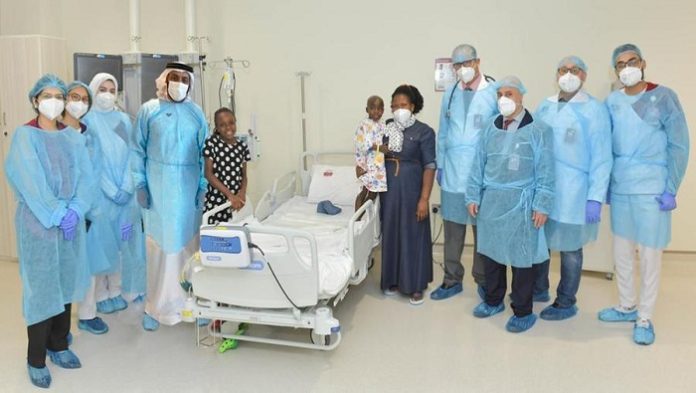
Burjeel Medical City’s Bone marrow transplant unit has successfully performed the very first bone marrow transplant from a donor to a child in the UAE. The highly advanced, matched sibling transplant treatment was successfully carried out on a five-year-old girl from Uganda, with the donor being her 10-year-old sister. The patient responded well to the treatment and is due to be discharged from Burjeel Medical City within a few days, following 5 weeks admission to the hospital.

Prior to the treatment, the child, who suffered from sickle cell disease, had been regularly admitted to hospital due to complications arising from her disease since birth. Sickle cell disease is a genetic disorder which results in an abnormality in the haemoglobin found in red blood cells, causing them to become sickle shaped and leading to a number of complications including anaemia, swelling in the hands and feet, frequent pain, acute chest syndrome, and sometimes stroke. Doctor Zainul Aabideen, Head of Department of Pediatric Hematology and Oncology at BMC, noted the imperative nature of providing such advanced treatment at the hospital, commenting that: “The only curative option for this life-threatening condition is bone marrow transplantation. Prior to this procedure there would have been immense suffering for the patient. The entire care team here at the hospital, as well as the child’s parents, are delighted that the transplant will relieve this pain from her life.” The patient’s donor in this case was the girl’s sister.

Allogeneic stem cell transplant involves transferring healthy blood stem cells from a donor to replace a patient’s diseased or damaged bone marrow. The highly complex and specialised procedure requires collecting stem cells from the donor’s blood, bone marrow within a donor’s hipbone, or blood of a donated umbilical cord, before transferring to the patient, once they have undergone an intense series of chemotherapy or radiation — also known as the “conditioning” process — to fully kill their diseased cells and prepare their body to receive the healthy donor stem cells. Once ​​infused into the bloodstream, the donor cells begin creating new blood cells within the patient’s bone marrow. The treatment is followed by several weeks of close medical care and attention, as well as blood test check ups to monitor the body’s response to the new cells.

Burjeel Medical City is currently performing bone marrow transplantation for another child from Iraq, suffering from thalassemia major, a severe blood disease in children which requires regular blood transfusion and very expensive medicine for the duration of their life.

The only curative treatment for this life-limiting chronic disease is the bone marrow transplantation currently taking place at BMC. Other diseases for which the treatment can provide a cure include leukemia, immunodeficiency diseases, hemoglobinopathies, hodgkin’s lymphoma, plasma cell disorders, and myeloma.

BMC placed extreme importance on enlisting the correct nursing care for the procedures, recruiting those who are experienced in bone marrow transplantation in children. A team of highly specialised doctors, including a pediatric intensive care team, was also pivotal to the success of the procedure, and demonstrates the commitment of BMC to improving the health care of children in the UAE by offering such advanced bone marrow transplant treatment methods.

Professor Humaid Alshamsi, Director of VPS Oncology at BMC, explained: “It has been a very challenging job setting up the bone marrow transplant unit for the first time in this country, especially during COVID-19. However, the consistent commitment of our team has allowed us to set up the first and most comprehensive bone marrow transplant unit. Previously, our patients needed to travel abroad for this highly specialised treatment. The recent success of the stem cell transplants at our institution will provide new hope to the many patients who will benefit from similar care.”

Burjeel Medical City plans to further expand their bone marrow transplant capabilities across the region in the near future, to continue to change the lives of adults and children suffering from chronic and life-altering conditions in need of such treatment, especially those who do not have insurance support to cover the cost.

Translate »