








Autoimmune Diseases 101: Risks, Symptoms, Diagnosis, And Treatment
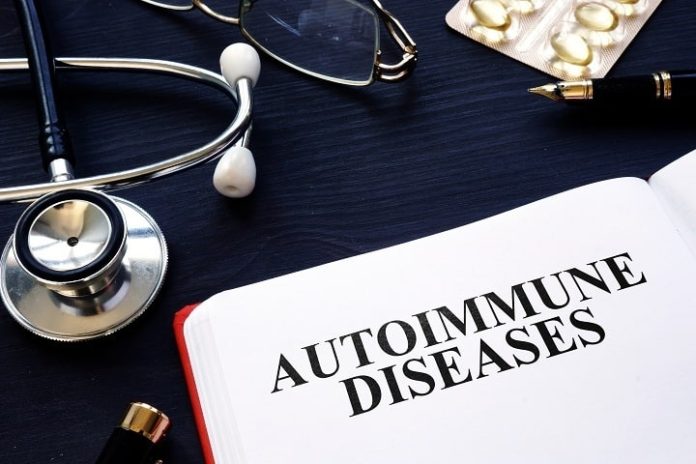
The immune system is our primary defense against viruses and bacteria, which is composed of different cells, proteins, and organs that work simultaneously to keep our bodies safe. However, there are cases where it attacks almost every organ or system in the body when it develops an autoimmune illness. At least eighty of these conditions are common, and some are more prevalent than others.
Many autoimmune illnesses are unknown, although environmental variables, genetic factors, and prior infections may all play a role in developing these diseases. The goal of long-term therapy from companies such as AmeriPharma and others is to decrease the immune system’s power. Furthermore, there’s no need for antibiotics because they aren’t illnesses caused by bacteria.
What Are The Risk Factors?
An autoimmune sickness is assumed to be passed down through families, with about one-third of the risk of inheriting an autoimmune illness. Another group of risk factors comprises viruses, bacteria, and maybe nutritional variables present in the environment. In a recent study, it has been shown that B-cells (a kind of white blood cell) may play a significant role in the development and progression of some autoimmune diseases.
Most of the time, a person’s sex is believed to be one of the risk factors for autoimmune diseases. There are differences between men and women in terms of reproductive function, certain chromosomal factors, hormonal changes, immune responses, organ vulnerability, and the effects of environmental agents, all of which could contribute to females having a higher prevalence of autoimmune diseases.
Certain illnesses such as lupus and multiple sclerosis have a solid propensity to run in families. If you have a family member with an autoimmune disease, you’re more likely to get the disease yourself (though not necessarily the same one). A genetic predisposition to autoimmunity increases your risk of developing the illness due to an inherited genetic mutation that influences your immune response. The epigenome, which is a layer of chemical markers that sits on top of your DNA, has the power to alter how a gene is expressed.
Activities such as smoking have been linked to autoimmune diseases, including systemic lupus, erythematosus, and rheumatoid arthritis. Thousands of compounds are created when tobacco is burned, some of which are harmful. Inhaling smoke causes immunological suppression, autoantibody production, cytokine dysregulation, and inflammatory responses, among other things.
Obesity has also been connected to over ten autoimmune diseases and may be linked to others such as psoriatic and rheumatoid arthritis. Fat, also known as adipose tissue, functions in metabolism and immune response. When these tissues accumulate and become dysfunctional, they produce more adipokines. In this case, the bioactive molecules are pro-inflammatory, impacting the immune system.
Symptoms Of An Autoimmune Disease
Early indications of many autoimmune illnesses are pretty similar such as:
- rashes on the skin
- loss of hair
- low-grade fever, difficulty focusing
- numbness and tingling in the hands and feet
- Muscle aches and weariness
- redness and swelling
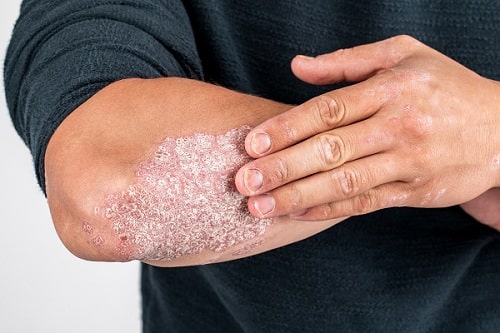
Some sicknesses may have their own set of signs and symptoms. Type 1 diabetes manifests itself in various ways, including excessive thirst, weight loss, and fatigue. Furthermore, autoimmune diseases such as psoriasis might appear without any prior warning.
How Is It Diagnosed?
It takes healthcare practitioners longer to diagnose an autoimmune illness than to diagnose other disorders as they share the same symptoms with other conditions. A wide variety of data can be helpful to healthcare providers whenever it’s time for diagnosis, ranging from complete family medical histories to a description of your symptoms.
Your healthcare practitioner may also do specific blood tests to look for autoimmune illnesses such as complete blood count (CBC) and erythrocyte sedimentation rate (ESR). A combination of particular symptoms and blood signs may indicate that you have an autoimmune illness.
Treating Autoimmune Diseases
There are no known treatments for autoimmune diseases, but they may be managed in many circumstances. Treatments include:
- Corticosteroids: Primarily used to decrease inflammation. It’s sometimes used to treat an acute flare of symptoms.
- Pain relievers: Paracetamol and codeine.
- Physical therapy: To promote mobility treatment for deficiency.
- High-dose immunosuppression: The use of immune system suppressing medications has lately been tested, with encouraging results. With early intervention, the potential of a cure for some of these illnesses seems to be achievable.
- Immunosuppressant drugs: To suppress immune system activity.
- Anti-inflammatory medications: To alleviate pain and inflammation.
Takeaway
Make an appointment with your doctor as soon as possible if you fear you have an autoimmune disease. Living with an autoimmune condition might be difficult since there’s no cure, but it can also be manageable if you know what you’re doing. The right approach to fight against autoimmune diseases will make everything easier for you in the long run.
Margaret O. Carpenter Women’s Health Center A First-of-its-Kind Women’s Health Facility in Rockaway Beach, NY Celebrates Grand Opening
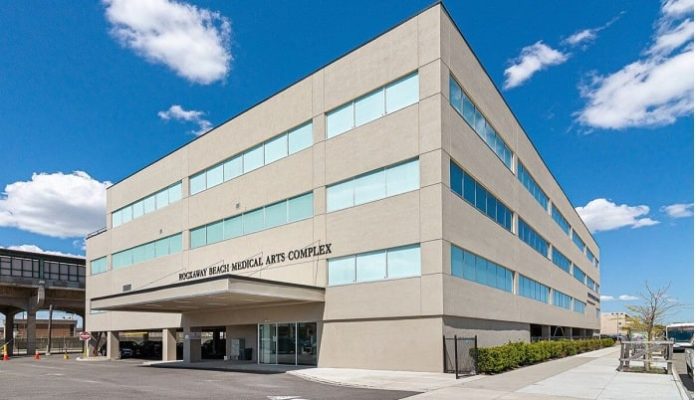
Local officials and executives from Episcopal Health Services joined CHA Partners yesterday to celebrate the grand opening of the Margaret O. Carpenter Women’s Health Center, the first-of-its-kind speciality medical facility at 105-20 Rockaway Beach Boulevard. The state-of-the-art facility, part of the new Rockaway Beach Medical Arts Complex, offers top-quality medical care in a modern setting to a medically underserved area in Rockaway Beach.
“Since our inception, CHA has remained focused on filling the void for medical and healthcare services where they are needed most, and the opening of the Margaret O. Carpenter Women’s Health Center will mark a new day for patients in the Rockaway Beach region,” said CHA’s Managing Partner William J. Colgan. “We are thrilled to stand alongside executives from St. John’s and all of the key stakeholders who made the completion of this project and opening of this facility a reality.”
The Margaret O. Carpenter Women’s Health Center will provide gynecological and obstetrical care with a wide array of women’s healthcare sub-specialty services in one location including: Maternal Fetal Medicine, Urogynecology, Gynecology Oncology, Breast Surgery, Nutrition and Behavioral Health. State-of-the-art equipment including two 3D mammography machines, a bone density machine and ultrasound machine will also be available to the community.
“The goal for the Women’s Health Center is to improve and maintain the health of women to prevent a decline in health and the need to be hospitalized in the future,” said Jerry Walsh, Chief Executive Officer of Episcopal Health Services. “The lack of accessibility to healthcare services is evident in the fact that the Rockaway community sees a higher rate of pregnant women who seek late or no prenatal care when compared to the overall New York City rate. By creating this Women’s Center in the community, we are improving access to women’s health services in Rockaway.”
The Rockaway Beach Medical Arts Complex, which was completed in 2019 and reached full occupancy in June 2021, reintroduces best-in-class, community-based healthcare services to this Queens neighborhood. With a wide range of on-site services, Rockaway residents will now have access to a wide range of healthcare services other than the Women’s Center, including primary care, dermatology, endocrinology, physical therapy, behavioral health, cardiology, neurology, general surgery and cancer care.
CHA Partners conceived of the Rockaway Beach Medical Arts Complex to meet the incredible demand for local healthcare created when the region’s Peninsula Hospital closed after Hurricane Sandy in 2012. NYCEDC helped support the project with $9 million New Markets Tax Credit (NMTC) financing in collaboration with Chase Community Development Bank. The NMTC program is a federal funding program designed to encourage investment in underserved areas of the City.
“This is an important milestone in Rockaway’s recovery from COVID-19, as we advance Mayor Adams’ commitment to providing community healthcare in neighborhoods most impacted by the pandemic,” said New York City Economic Development Corporation President and CEO Andrew Kimball. “NYCEDC is proud to have supported the development of the Rockaway Beach Medical Arts Complex, which will house the Margaret O. Carpenter Women’s Health Center and offer lifesaving, affordable preventative care to Rockaway residents.”
“We’d like to extend a special thank you to the NYCEDC for sharing in our vision for this project and providing the tax incentives that led to the opening of this facility, which will serve the community for many years to come, ” said Kobi S. Leifer, partner at CHA Partners.
Additional tenants at the Rockaway Beach Medical Arts Complex include MercyFirst Children and Family Care and the Ambulatory Surgery Center of Rockaway Beach. The medical center will provide healthcare services for approximately 5,000 community members annually. For more information on the Margaret O. Carpenter Women’s Health Center, please visit: https://ehs.org/RockawayWomensHealth.
About CHA Partners
CHA Partners is the Tristate area’s most dependable real estate development partner. A vertically integrated, full-service company, CHA specializes in imaginative public-private partnerships that enable municipalities to unlock property value, create jobs, increase tax ratables, and deliver spaces that accurately reflect the needs of the community. With deep roots in both the healthcare and real estate industries, the company’s diverse team of professionals has overseen design, development, construction, operations, leasing, government affairs, environmental remediation, property management, leasing and accounting for some of the most complex development, redevelopment and adaptive reuse projects in the region.
About St. John’s Episcopal Hospital
St. John’s Episcopal Hospital is the only hospital providing emergency, inpatient, and ambulatory care to the densely populated, culturally and economically diverse, and medically underserved populations of the Rockaways and Five Towns in southern Queens County and southwestern Nassau County, New York. Celebrating over 110 years of community care, the 257-bed facility provides people of all faiths with comprehensive preventive, diagnostic, treatment and rehabilitative services, regardless of ability to pay.
Sentinel U Launches Professional Nursing Series to Help Strengthen the Nursing Workforce

Sentinel U®, a provider of web-based simulation education technology solutions for nursing schools, hospital systems and healthcare professionals, has launched its newest professional development virtual simulation, Professional Nursing Series™.
Designed for nurse residency programs, nurses transitioning into practice and practicing nurses, the new simulation provides a standardized, realistic, and immersive experience to help train future nurse leaders with the best practice while providing hospital systems with powerful ways to enhance professional development and improve their staff’s clinical judgment. The virtual simulation covers several specialty areas, including surgical inpatient, surgical outpatient, medical care, critical care, medical surgical care, and intensive care.
“We are constantly analyzing the nursing industry and searching for new, innovative simulation applications that address the needs of today’s workforce,” said Jeffrey Caplan, president of Sentinel U. “The launch of this new simulation will serve as a valuable tool to help practicing nurses maintain and refresh essential skills, and it will also better equip new nurses, many of whom are entering the workforce without the same confidence as their counterparts who graduated before them due to COVID limitations during their college education.”
The Professional Nursing Series provides a realistic and immersive experience to help nursing learners and practicing nurses stay current with clinical trends while refining their clinical judgement and strengthening their decision-making skills. Its authentic patient scenarios challenge nurses to determine patient care priorities while identifying appropriate patient interventions. After completing each patient group, activity reports give users valuable feedback and insight into their progress through detailed performance analysis, complete with care rationale.
In addition to the simulation scenarios, nursing learners will have access to a wide range of resources designed to provide support and allow for practice and mastery of the concepts, including help videos and a glossary of terms. Developed by nurse educators and experienced bedside nurses, the robust reference section reflects current practice trends, which are supported by national standards.
“Over the past two years, nurses have been primarily focused on triaging and treating patients for coronavirus,” said Dr. Laura Gonzalez, vice president of clinical learning resources at Sentinel U. “As we move past the pandemic and COVID hospitalizations decrease, our Professional Nursing Series will help nurses return to their units with refreshed skills while providing them with the opportunity to upskill and become invaluable assets who can work in any department with any specialty.”
Sentinel U’s Professional Nursing Series will be available for purchase this spring. Members of the nursing community will get an exclusive first look at the upcoming Association for Nursing Professional Development (ANPD) Aspire to Trailblaze convention in San Antonio, Texas.
ScImage Announces Enterprise Cloud Install at Huntsville Memorial Hospital
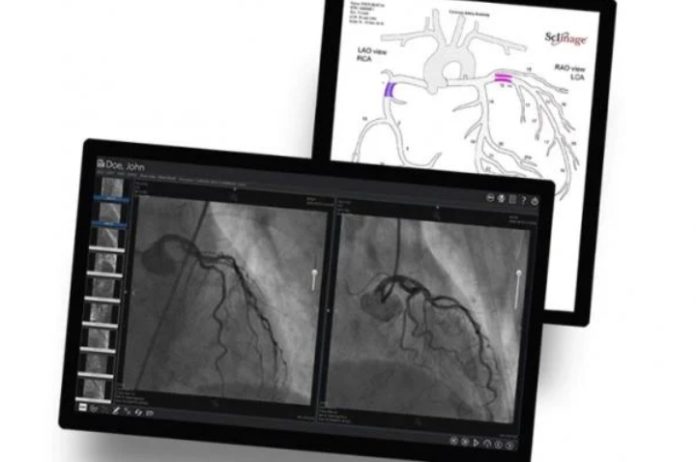
ScImage, Inc., a leading provider of Cloud-centric enterprise imaging and reporting solutions, announces its partnership with Huntsville Memorial Hospital (HMH), a Community Hospital Corporation (CHC) affiliate. The rapidly deployed PICOM365 Cloud solution provides the Huntsville, Texas hospital enterprise imaging workflow for Cardiology including ECG, Radiology including 3D Tomo, and advanced Teleradiology for third party diagnostics.
Huntsville Memorial Hospital, providing quality healthcare services in Walker County, Texas and surrounding areas for over 90 years, was recently faced with a technology challenge when their medical imaging storage solutions were approaching their limits. Instead of employing the outdated strategy of adding more hardware, Huntsville Memorial Hospital recognized the benefits of moving to the Cloud to provide improved patient care and assure any imaging data was available anytime and anywhere their patients and providers required.
With a vision to find a single system that could support the entire enterprise and accommodate the unique image exchange requirements for in-house and remote diagnostic services, Huntsville Memorial partnered with ScImage to deploy PICOM365’s True Cloud solution, supported on the Microsoft Azure platform.
This was no easy feat due to HMH’s expansive reach of imaging services, all of which were on siloed platforms with data stored in multiple systems and over seven clinical software platforms; however, with teams from both parties working in tandem, all modalities and users, internal and external, were working in PICOM365 Cloud in under 90 days.
“A project as extensive as the HMH roll-out of all imaging modalities is not for the faint of heart,” said Joe Ford, Vice President of Regional Information Technology, Community Hospital Corporation (Plano, Texas). “But, when you look at the future of healthcare technology, the Cloud is the only way to go.”
“Change of this magnitude is intimidating, especially when considering resource requirements, disruption and cost,” advised Mr. Ford, “ScImage’s True Cloud solution eliminated our multiple systems and support agreements, reduced the need for dedicated IT resources for after-hours calls and downtime, and provided the flexibility to quickly and easily add new acquisitions, workflows and modalities.”
Mr. Ford concluded, “I have no doubt that we would not have achieved success were it not for ScImage willing to be a partner and not just a vendor. I look forward to many years of continued partnership with ScImage providing Huntsville patients and their families with a technology that will assure quality healthcare services for years to come.”
About ScImage
Founded in 1993, ScImage remains a private, customer-first company with a mission to provide innovative enterprise imaging solutions to the healthcare industry. ScImage’s unique single-database PICOM365 enterprise platform delivers end-to-end imaging workflow for Cardiology, Radiology, Women’s Health, Orthopedics, Ophthalmology and more. Scalable from a single physician practice to a multi-hospital enterprise, PICOM365 is customizable and can be delivered on-premise, in the Cloud, or as a hybrid. The perfect synchrony created between on-site and Cloud resources allows PICOM365 to provide secure VPN-less image exchange solutions among legacy silo systems, Cloud users, and various EHR systems.
About Huntsville Memorial Hospital
Huntsville Memorial Hospital is a Joint Commission-accredited, not-for-profit acute care community hospital. Founded in 1927 to memorialize those lost in World War I, our facility has provided effective health care services, delivering quality care to the residents of Walker County and its surrounding communities. Our talented team of medical staff members is focused on staying up to date with the latest technologies and treatment solutions, while still providing you with the friendly service that you’ve grown to expect from your neighborhood hospital. We provide an array of trusted, quality health care services to Huntsville residents and families and continue to help foster a thriving community.
About Community Hospital Corporation
Community Hospital Corporation owns, manages and consults with hospitals through CHC Hospitals, CHC Consulting and CHC ContinueCARE, which share a common purpose to guide, support and enhance the mission of community hospitals and healthcare providers. Based in Plano, Texas, CHC provides the resources and experience community hospitals need to improve quality outcomes, patient satisfaction and financial performance.
The 6 Need-To-Knows Before Filing A Personal Injury Lawsuit

If you’ve found yourself in an accident where it wasn’t your fault, it is wise to consider filing a personal injury lawsuit. This is a big decision, and it’s important to know what you’re getting into before you make any decisions. In this article, we will discuss the six need-to-know facts about personal injury lawsuits. By understanding these basics, you will be able to make an informed decision about whether or not filing a lawsuit is right for you.
What Is A Personal Injury Lawsuit?
A personal injury lawsuit is a civil lawsuit filed by an injured person against the person or entity responsible for their injuries. The purpose of filing a personal injury lawsuit is to seek financial compensation for the damages caused by the accident. This can include medical expenses, lost wages, pain and suffering, and more. The amount of compensation you may be awarded will depend on the severity of your injuries and the circumstances surrounding the accident. Therefore, let’s take a look at the six need-to-knows before filing a personal injury lawsuit.

1. You May Not Need To File A Lawsuit
In many cases, the responsible party’s insurance company will cover your damages without you having to file a lawsuit. If you have been injured in an accident, the first thing you should do is contact an experienced personal injury attorney like the Sumner Law Group, because a successful and experienced firm known for its sparkling reputation will make sure they do everything professionally. There are free consultations which the attorney will be able to review your case and advise you on the best course of action when it comes to your personal injury. Usually, your attorney will be able to negotiate a settlement with the insurance company on your behalf. Only if the insurance company refuses to provide fair compensation will filing a lawsuit become necessary.
2. You Must Have A Valid Claim
To have a valid personal injury claim, you must be able to show that your injuries were caused by the negligence of another person or entity. In other words, you must be able to prove that the accident would not have happened if not for the negligence of the other party. For example, if you were injured in a car accident, you would need to show that the other driver was at fault for the accident. The best way to do this is to obtain a copy of the police report from the accident. This will usually contain information about who was at fault for the accident.
3. You Must Have Suffered Damages
In addition to having a valid claim, you must also have suffered damages as a result of the accident. This can include physical injuries, emotional distress, property damage, and more. If you have not suffered any damages, you will not be able to file a successful personal injury lawsuit.
4. There Is A Statute Of Limitations
There is a time limit if you decide on filing a personal injury lawsuit. This time limit is known as the statute of limitations. It varies, so make sure to check it for the state you live in. In most states, you have two years from the date of the accident to file a personal injury lawsuit. However, there are also some exceptions to this rule. Therefore, you should always consult with an experienced personal injury attorney to find out the statute of limitations in your state.
5. You May Have To Go To Trial
If you do decide to file a personal injury lawsuit, it’s important to understand that you may have to go to trial. This is usually not the case, as most personal injury lawsuits are settled before going to trial. However, if your case does go to trial, it will be up to a jury to decide whether or not you should be awarded compensation. It is important to note that you will have the burden of proof in a personal injury trial. This means that you will need to provide evidence that the other party was at fault for the accident and that your injuries were caused by the accident.

6. You Should Consult With An Experienced Personal Injury Attorney
If you have been injured in an accident, it’s important to consult with an experienced personal injury attorney. They will be able to review your case and advise you on the best course of action. Additionally, they can help you understand the statute of limitations in your state and whether or not you have a valid claim. The best way to find an experienced personal injury attorney is to ask for referrals from friends or family members who have been in a similar situation. You can also search online to find a fitting personal injury attorney in your area.
Contacting an experienced personal injury attorney should be your first step after being injured in an accident. They will be able to guide you through the process and help you understand your rights. If you have been injured in an accident, don’t hesitate to contact an experienced personal injury attorney today.
How to Deal With Car Accidents That Have Damaged Your Health
If you have been in a car accident and have suffered injuries, it is important to know what to do next. Many people don’t know how to deal with car accidents that have damaged their health, and they often make mistakes that can hurt their case. In this article, you will learn about the steps you need to take in order to protect yourself after an accident.
Document The Injuries
In cases like these in the Heel State, proof from the doctor’s office is essential. Whenever people approach a car accident lawyer in Lincolnton, NC, they are told to get documents and x-rays from the doctor documenting the injuries. This is so that the lawyer can have an accurate portrayal of what the client is dealing with.
The lawyer needs to be able to show that there was negligence on the other party’s part, and this documentation will help in doing so. Oftentimes, car accident victims are not at fault for the accident but still suffer from serious injuries. In these cases, it is important to have a good car accident lawyer by your side who will fight for you and get you the best possible outcome.
Keep All Medical Bills
You should never pay for the medical bills from your pocket, so make sure you’re compensated for them by documenting them and keeping them safe. This also serves as another piece of evidence that your health was compromised in the accident.
If you’re worried about how you’ll pay your bills while waiting for a settlement, don’t be. Many health insurance companies will cover car accident-related medical expenses even if you weren’t driving the car at the time of the accident. So keeping all of your medical bills is a wise decision that can help protect your financial future as well as your physical health.
Make sure to keep all of your medical bills safe and organized so you can easily submit them to your insurance company or to the person responsible for compensating you for the accident.
Showcase How It Altered Your Lifestyle
You need to explain to the court how this accident damaged your health and altered your lifestyle. For that, you should do the following things:
- Get organized.
- Gather your medical records and bills.
- Keep a journal of how the accident has impacted your life.
- Take pictures of any damage done to your vehicle or home.
- Have a doctor complete a medical evaluation report.
- Talk about how the accident has impacted your work, family life, and social activities.
- If you have missed any work or school as a result of the accident, be sure to document that as well.
All of this information will help to paint a clear picture for the court of how this accident has impacted your life. It is important that you be as thorough as possible so that the judge can understand just how serious this car accident was and why you are requesting compensation for damages.
Find Witnesses
Witnesses can vouch for what happened during an accident, and their testimony can be very helpful when it comes to filing an insurance claim or suing the other driver. If you can, try to get the contact information of any witnesses before they leave the scene. If there are no witnesses, take pictures of the scene and your injuries as soon as possible. The sooner you have evidence, the better.
Credible witness testimony can make all the difference in a car accident case. If you’ve been injured in an accident, finding witnesses and getting their testimony can help you get the compensation you deserve.
Lawyer Up
A good attorney will help you build a case and protect your rights. You may be able to receive compensation for your medical expenses, lost wages, and pain and suffering. Contact a personal injury lawyer as soon as possible after an accident to get started on the process.
If you’ve been injured in a car accident that wasn’t your fault, you may be entitled to compensation. Contacting a personal injury lawyer is the best way to find out if you have a case and what kind of damages you could be eligible for.

Don’t Exaggerate
Even if you feel angry and scared, never exaggerate the facts of the accident to insurance companies, doctors, or lawyers. Exaggerating can lead to worse problems and decreased chances of getting the compensation you deserve. Tell the truth about what happened even if it’s painful and you’ll be better off in the long run. This will get you compensated fairly and help you get the medical care you need.
Car accidents are awful, and if your health gets damaged, they’re even worse. You must document all your injuries to prove that you were hurt and keep all your medical bills that pile up. Make sure to explain how your life was altered and find witnesses to back you up. Get a good attorney who will build your case and never exaggerate your situation as it can only make things worse. Good luck in court!
How Does Online Coursework Make Pursuing an MSN Easier?

As you likely know, online courses are a viable alternative if you are looking for a less traditional educational experience. Online courses are even more popular now during the COVID-19 pandemic since they allow you to pursue a degree in the safety of your home. You might have even taken a few online courses yourself throughout your education.
Online courses provide you with a number of different benefits that can help make the process of getting a degree easier. This is true even if you are pursuing a nursing degree. Read on to learn about how an FNP program online can make it easier for you to complete the coursework necessary to be a family nurse practitioner.
You Can Save Money on Transportation Costs
Unless you actually live on campus, you will have to use some sort of transportation to get to campus and attend classes. Regardless of the transportation method that you use, there are always costs associated with it. Even if you simply drive your own car to campus, you still have to pay money for gas to fuel your car. You also have to pay for maintenance costs so that your car is mechanically sound and capable of getting you to and from campus. However, with online courses, you do not have to travel at all, so you save money on the transportation costs you would have to pay for otherwise.
Online Courses Are Generally Cheaper
In general, online courses tend to be cheaper than on-campus courses. Tuition is a good example of this since the tuition for online courses is generally cheaper than the tuition for in-person courses. However, it goes beyond tuition. The learning materials for online courses are also usually less expensive too since you can get books in PDF format or get e-books. These are typically cheaper than physical copies of textbooks and other learning materials.
You Can Enjoy Greater Flexibility with Online Courses
With an FNP program online, you have much more flexibility than you do with on-campus courses. You have more flexibility when it comes to time since you do not have to attend class at a certain time on a particular day of the week. You can set up your own schedule yourself. You can also schedule your study time based on your own time constraints. As a nurse, you might not have time to study during more typical hours, but this is not a problem with online courses due to their flexibility.
You Can Organize Your Documents More Easily
With traditional classes, you might find that you have quite a few papers from the course. This may include everything from study guides to assignment instructions to the class syllabus and more. It can often prove a bit challenging to keep all of that stuff organized, especially since you likely have paper documents related to your work, too. However, with online courses, you can organize and categorize your documents and files much more easily on your computer. You can easily group documents together with folders if you take online courses without even buying an actual physical folder.
Online Courses Help Simplify Balancing Your Job and Coursework
Quite a few students who take online courses are also working, too. You might even decide to pursue a degree while working full-time as a nurse. Online courses make it easier to balance coursework and your job. You don’t have to spend time traveling to campus when you take online courses, which can make it easier for you to get to work on time. Additionally, with online courses, you can complete coursework at a time that suits your work schedule, as long as you complete it prior to the deadline. Online courses make it easier for you to pursue a degree while working your typical hours as a nurse.
How Does ERP Work in the Healthcare Industry?

Enterprise resource planning is beneficial to all organizations, and in a healthcare environment, the solutions ramp up security and decrease medical malpractice. The applications secure all data and restrict access according to each case. By reviewing how the ERP works in the healthcare industry, administrators may consider the new designs to remain compliant with federal regulations.
Streamlined Access to Medical Files
The enterprise resource planning solution streamlines access to healthcare records and helps workers open the files according to security clearances. When setting up permissions, the administrator assigns login credentials for each of the healthcare workers based on their role in the organization and their employee level. The user accounts define what records are visible to the workers and who can change patient information. Medical center administrators can contact a vendor to see RFP templates and solution features.
Maintaining Patient Confidentiality
Patient confidentiality is vital to all healthcare organizations, and solutions prevent anyone from seeing client data without authorization. Workers who are assigned to new clients during admissions or emergency room stays remain on the case until the person is transferred out of their department. Another healthcare worker cannot access the files without proper authorization. If a doctor needs a consultation on a case, the new physician needs credentials to see the patient’s information.
More Accurate Billing and Expense Monitoring
Medical billing and expense monitoring can become a hassle for healthcare workers. Each client generates costs, and the billing department must track how much of these expenses the policyholder’s health insurance will pay and how much is the patient’s responsibility.
If the person exceeds the coverage amount, the clerks can inform the client about the costs and set up alternative payment methods. This prevents outstanding balances and ensures the medical center is paid without starting collection efforts.
Easier Ways to Share Data With Other Departments
File sharing features streamline the process of sending medical data to different departments as the person is transferred. These connections must offer robust security procedures to prevent unauthorized viewing, changing, or transfer of medical information and block outsiders. The ERP offers secure file-sharing applications that require user account authentication for any department and workers. Workers without proper clearance cannot access the transferred healthcare records.
Enhancing Patient Safety
Access to medical files can leave the individual vulnerable, and errors cause avoidable injuries. By limiting access to healthcare professionals assigned to the individual, the medical center can reduce errors and inaccuracy that cause injuries and fatalities.
Portable workstations in patient rooms require the workers to log into the system to access the data. Once the worker has completed updates, the system is locked to prevent other parties from entering the room or department and altering the data. The security measure prevents unethical use of data and keeps clients safer during hospital or medical center visits.
Healthcare centers need enterprise resource planning solutions to manage IT systems throughout the facilities. Data security and the safety of all individuals seeking healthcare services. The ERP solution secures each department and requires user accounts for workers to maintain the integrity of medical data, prevent unauthorized use, and streamline access.
In a healthcare environment, clients are assigned on a case-by-case basis, and only the medical professionals assigned to the case should have access. By reviewing how effective ERP manages healthcare systems, administrators can learn more about streamlined processes and keeping everyone safer.
Learn About BA.2 The Major Cause of COVID-19 In The US
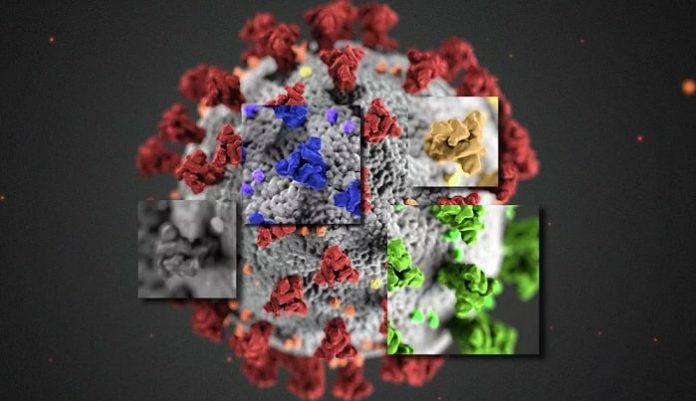
According to the US Centers for Disease Control and Prevention, the extremely contagious Omicron subvariant BA.2 is currently the leading coronavirus strain in the US, causing more than half of the COVID-19 infections last week.
The latest figures come from the Centers for Disease Control and Prevention’s genetic mass surveillance. According to the agency’s calculations, BA.2 was responsible for between 51 and 59 percent of all new COVID-19 infections in the United States in the week ending March 26, up from a projected 39 percent the week before.
The Northeast was the most struck, with BA.2 accounting for above 70% of all cases. The states with the fewest cases were the South and the Mountain West. Last week, BA.2 was responsible for slightly more than a third of the infections in those areas.
Though BA.2 is still making its entrance into the United States, it has already had impactful runs in other regions of the world, notably Southeast Asia and the Western Pacific, and is currently wrapping up its European tour.
As per the World Health Organization, BA.2 is the most common cause of COVID-19 worldwide, having beaten out two other Omicron lineages, BA.1 and BA.1.1, to become the dominant strain. International case counts, which had been dropping since the first week of January, have begun to rise again since its takeover.
A new BA.2 wave has emerged in the United Kingdom, a region that has a higher vaccination rate than the United States due to a combination of loosened restrictions, decreasing protection, and an even more infectious strain of the virus. Since the end of February, COVID-19 instances, hospitalizations, and deaths have been going upward, and the weekly average of new cases is now roughly what it was at the end of January.
BA.2 infections, on the other hand, haven’t yet reached the same heights as BA.1. The frequency of cases in the UK looks to be dwindling, but hospitalizations and deaths continue to rise. The US has trailed the UK by roughly three weeks throughout the pandemic, so when cases begin to rise there, health officials in the US take notice.
Since the end of January, BA.2 has been gaining traction in the United States, with case counts stabilising. Nevertheless, this flattening obscures geographical variances. As per data obtained by Johns Hopkins University, average weekly numbers of new cases are growing in 13 states and have stopped declining in 14 others. Whatever this subvariant will do in the United States is still unknown. Even specialists are unsure of what to expect.
Former CDC Director Dr. Tom Frieden, who is currently president and CEO of the nonprofit Resolve to Save Lives, said they are not immune from what is happening in Europe as BA.2 is becoming dominant and generating a rebound, and the chances of that happening in the United States are pretty slim. He believes part of the reason they have reached a halt is that they are about to resume this upward trajectory.
The FDA approving higher booster dosages for Americans 50 and older on the same day that the CDC believed BA.2 was dominating is no coincidence, says Frieden.
However, it’s anyone’s estimate how high the number of cases will rise, whether a large number of people will require hospital treatment, and whether the country will continue to experience staggering numbers of deaths. There are a number of reasons why it’s difficult to predict what BA.2 will do. In the first Omicron wave, 37 million Americans (about 1 in 11) were infected with COVID-19, according to the CDC. Vaccination and booster shots have given many more people immunity. The CDC estimates that 95 percent of Americans now have some level of immunity to COVID-19, based on random blood samples.
This is referred to as an “immunologic wall” by Dr. Jorge Salinas, a communicable diseases expert at Stanford University. According to studies, BA.2 evades the immunizations roughly as well as the original Omicron, so boosters are required to reestablish protection against these variations. However, less than half of the US population aged 12 and up has received the required third dose.
Adults over 65 are the most vulnerable to COVID-19, as they are more likely to become extremely unwell. In the United States, one out of every three people over the age of 65 has not received a key third vaccine dosage. Severity may be one bright point in the BA.2 situation. Although animal research has revealed that BA.2 infection isn’t always mild, data from human infections in the UK, Denmark, as well as South Africa indicates that BA.2 was not more likely than BA.1 to cause hospitalisation.
The UK Health Security Agency published its data on the effectiveness of the BA.2 vaccine this week. Boosters were 90 percent helpful in preventing serious illnesses in people over the age of 65 for up to 14 weeks, pointing to a vital strategy to ensure BA.2 doesn’t knock people out.