







Close
Digital Health & Ai Innovation summit 2026
Medical Taiwan 2026

How Can Further Education Improve Medical Worker’s Output

How Can Further Education Improve Medical Worker's Output

Medical professionals are always in high demand, and with the ever-growing field of medicine, it is essential to ensure that these workers can give their best performance. That’s why furthering medical education is so vital for medical workers. This article will explore ways to improve medical workers’ output.

By Allowing Them to Specialize In a Certain Area of Medicine

Medical workers can further their education by specializing in a specific area of medicine. It could be something like pediatric care, oncology, or cardiology. Medical workers can develop deep knowledge and expertise in a particular field by specializing in an area.

However, it can be difficult to find the time and money to return to school while working full-time. One solution is to look for online RN MSN programs. These online RN MSN programs allow you to complete your coursework on your own time, making it easier to fit school into your busy life. In addition, many programs are less expensive than traditional degree programs.

Allowing Them To Teach Others

Medical workers who further their education often have the opportunity to teach others. It can be a valuable experience, allowing them to share their knowledge and expertise with others. Medical workers who are experts in their field can pass on their knowledge to others through lectures, seminars, or even online courses. Teaching can help medical workers learn new things and stay current on the latest advances in medicine.

Developing a More Holistic Approach

Medical workers often have to deal with complex cases that involve more than just the physical symptoms of a disease. By taking courses in psychology and sociology, medical workers can develop a more holistic approach to medicine. This will allow them to understand their patients better and provide more comprehensive care.

Allowing Them to Stay Up-to-Date on the Latest Advances in Medicine

The medical field is constantly changing and evolving. New treatments and procedures are developed all the time, and medical workers need to stay up-to-date on the latest advances. Furthering their education can help them do that. As new technologies are developed, medical workers need to be trained on using them. For example, many hospitals now use electronic medical records (EMRs). Medical workers need to know how to use this EMRs properly to keep accurate records.

Helping Them Maintain a High Level of Professionalism

To maintain a high level of professionalism, medical workers need to handle stress and work under pressure. They also need to have excellent communication skills. By furthering their education, medical workers can develop these skills and become better at their jobs. It instills confidence in their patients, and it shows they take their work seriously and are dedicated to providing the best possible care.

Keeping Up With New Medical Research

With the dynamic and ever-changing field of medicine, it is essential for medical professionals to keep up with new research on the latest findings to provide the best possible care for their patients. New treatments and technologies are constantly being developed, and medical workers must be aware of these advances. By furthering their education, medical workers can stay up-to-date on all the latest developments in medicine.

Improving Communication Skills

In any profession, communication skills are key to success. However, this is especially true in the medical field. Medical workers need to communicate effectively with both patients and colleagues. By taking courses in communication, medical workers can learn how to express themselves better both verbally and written or learn how to give clear instructions to medical staff. Better communication skills can help medical workers avoid errors and improve patient safety.

Becoming More Efficient

To keep up with the fast-paced world of medicine, medical workers need to be efficient. By furthering their education, medical workers can learn techniques to help them work more efficiently. It could include learning how to prioritize tasks properly or managing their time effectively.

New Opportunities

It opens up new opportunities for medical workers. When they have more training and knowledge, medical workers can take on more complex roles within the healthcare system. They may also be eligible for advancement opportunities that were not available before. It can lead to a better career trajectory for medical workers and improved job satisfaction. When medical professionals have strong credentials, this can give them an advantage in the job market. They may be more likely to find employment in prestigious hospitals or clinics. Additionally, they may be able to command a higher salary.

So if you’re considering furthering your medical education, don’t hesitate. It’s one of the best investments you can make for your career. Not only will you be able to provide better care for your patients, but you’ll also be more likely to find employment in a prestigious hospital or clinic. So why not start exploring your options today? Furthering your medical education is an investment that will pay off for years to come.
4 Reasons Why People Prefer Contacts To Glasses

4 Reasons Why People Prefer Contacts To Glasses

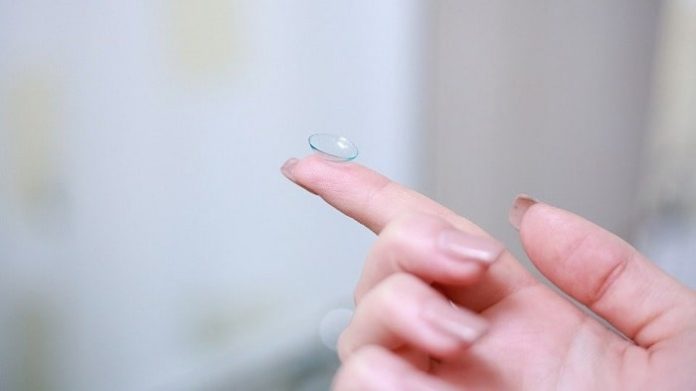
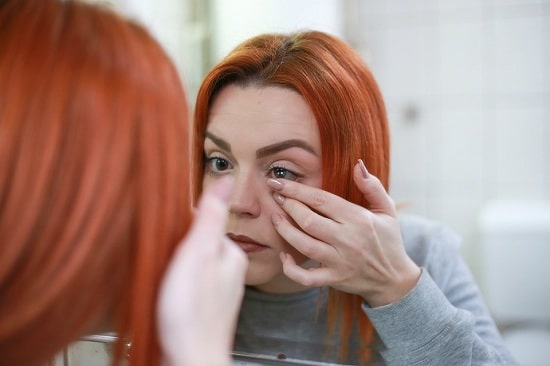
People who wear glasses know that there are two types of eye lenses: contact and glass. The latter is the more popular choice, but many people are switching to contacts because they provide several benefits over wearing glasses. Convenience is the first reason people might choose contacts over glasses. When you have contacts, you can see without having to worry about your glasses slipping down your nose or fogging up. Let’s take a look at some of the other reasons why people prefer wearing contact lenses.

Contact Lenses Are More Convenient

One of the main reasons why people don’t wear glasses is because they steam up in humid weather or when you sweat. This problem does not exist with contact lenses. In fact, contacts are resistant to water spots and will stay clean even if you swim or work out while wearing them. You can get more information about contact lenses by visiting websites such as https://www.getcontacts.co.za/ or by reading reviews from people who wear them. You will likely see that people find contacts more convenient than glasses.

Another benefit of contact lenses is that they are less likely to get lost than glasses. If you misplace your glasses, it can be quite difficult to find them, but contacts can be easily stored in a case.

They can be worn with almost any outfit. Glasses tend to clash with some styles, but contacts can be worn with any type of clothing.

A Wider Field Of Vision

Contacts also provide a wider field of vision than glasses. This is because contacts sit directly on your eyes while glasses sit a few inches away from your face. Contact lenses also provide more peripheral vision, which is important for athletes and drivers. When you are playing sports or driving, you need to be aware of what is happening around you.

Glasses can sometimes make it difficult to see in low-light situations. This is because glasses can magnify the light and make things seem brighter than they actually are. Contacts do not have this problem and provide the same level of vision in both bright and low light situations.

Contact Lenses Don’t Distort Or Reflect Light

Contacts also don’t distort or reflect light the way glasses can. This is because contacts conform to the shape of your eye, while glasses sit on top of your eyes. When light reflects off of glasses, it can cause glare and make it difficult to see. This is especially important for people who drive at night. This is because glasses can magnify the light and make things seem brighter than they actually are. Contacts do not have this problem and provide the same level of vision in both bright and low light situations.

When someone takes a picture of you, they will get a better picture if you are not wearing glasses. This is because glasses can cause reflections and glare in pictures. With contact lenses, you will not have this problem.

You Can Lead An Active Lifestyle With Contact Lenses

Contact lenses are perfect for people who lead an active lifestyle. If you are a runner, cyclist, or swimmer, then contact lenses are the best choice for you. Glasses can easily become damaged when you are participating in these activities, but contacts will stay safe and secure. This is because contacts sit directly on your eyes while glasses sit a few inches away from your face.

While swimming, contacts can be worn with a special type of contact lens that will keep them moist. This is an important feature for people who swim often because contacts can become dry and uncomfortable if you do not wear the right type of contact lenses.

However, sometimes contacts can fall out during vigorous activities. If this happens, you can simply clean them and put them back in, and continue with your activity. Glasses, on the other hand, would get in your way no matter what kind of activity you’re doing.

There are a variety of different types of contact lenses that you can choose from. The most common type is the soft contact lens. These lenses are made from a soft, flexible material which makes them comfortable to wear. Another type of contact lens is the gas permeable lens. This lens is made from hard plastic and is less flexible than a soft contact lens. However, it does allow more oxygen to reach your eyes, which makes it a good choice for people who wear contacts for long periods of time. No matter which type you choose, you will be able to find a lens that fits your needs.

People have been wearing glasses since the 12th century, but contact lenses have become increasingly popular in recent years. Contact lenses are the better choice for many people because they provide several benefits over wearing glasses. Take into account your needs and how active your lifestyle is when deciding if contact lenses are the right choice for you.

What Rising COVID-19 Cases In UK And Europe Could Mean To US

China Says Getting Normalcy In COVID-Zero Space Is No Option

Two weeks after the UK lifted the final remaining COVID-19 mitigation measure, which required those who tested positive for the virus to be isolated for five days, the country is witnessing cases and hospitalizations rise once more.

The number of COVID-19 incidents in the UK increased by 48 percent last week compared to the week before. Over the same time span, hospitalizations increased by 17%. The daily case rate in the country is still less than one third of the Omicron peak, but infections are growing at the same rate as they were declining just two weeks ago, when pandemic-related restrictions were lifted.

Daily cases are also on the rise in more than half of the European Union’s countries. As per research from Johns Hopkins University, they’ve increased by 48 percent in the Netherlands and 20 percent in Germany in the last week. However, daily cases in Germany had not yet fallen below pre-Omicron levels, and cases in the Netherlands had not fallen as much as in the UK.

Officials in charge of public health are worried about the issue in Europe for two reasons: Firstly, the United Kingdom provides a glimpse of what might transpire in the United States, and secondly, something strange appears to be taking place. In prior rounds, increases in COVID hospitalisation were typically 10 days to two weeks behind increases in cases. Now, in the United Kingdom, incidents and hospitalizations appear to be increasing in sync, which has doctors baffled.

Dr. Anthony Fauci, National Institute of Allergy and Infectious Diseases Director, says they are highly interested in what’s going on with that. According to Fauci, he has spoken with his British counterparts, who’ve already attributed the surge to three elements. He listed the following in order of contribution:

  • The BA.2 version is much more communicable than the initial Omicron form
  • The advent of a much more inclusive society, with people socialising more indoors and removing their masks
  • Immunity decreases as a result of a previous illness or vaccine

BA.2 had an 80% faster comparative rate of growth than the initial Omicron strain, according to a technical briefing, though it did not show up to be more likely to contribute to hospitalizations.

It’s unclear why hospitalizations are increasing since BA.2 doesn’t appear to be producing more serious illnesses, at least not in the fully vaccinated British population.The issue with hospitalisation is a little bit more perplexing, Fauci says, since while hospitalizations are rising, it is clear that their usage of ICU beds has not increased. Are the numbers of admissions a true picture of COVID instances, or is it impossible to distinguish between people who come into the facility with COVID and those who come into the hospital because of COVID? ”

As COVID-19 infections have dropped, the US, like the UK, has withdrawn most mitigation measures. The US Centers for Disease Control and Prevention (CDC) changed the way it measures COVID-19’s impact on communities two weeks ago. For most sections of the country, the new measure, which includes hospitalisation and facility capacity in addition to cases, eliminated masking suggestions. States and schools have jumped on board, removing the requirement for indoor masking.

Fauci says, without a question, that reopening society and enabling people to interact indoors is certainly a cause, as is overall diminishing resistance, which means we’ve got to stay ahead of the game and keep an eye on the pattern. That’s why there’s such a close eye on everything. According to Michael Osterholm, University of Minnesota’s Center for Infectious Disease Research and Policy’s Director, the pattern is similar to a weather warning. The skies are bright and sunny right now, and we pray they remain that way. However, one could be in for some nasty weather by the evening, which no one knows.

What effect will BA.2 have in the United States?

In the United States, BA.2 has been steadily rising. The CDC estimated last week that it was responsible for around 12% of fresh COVID-19 infections in the country.

Meanwhile, BA.2 is responsible for more than half of all cases in the United Kingdom and many other European countries. Epidemiologist at Johns Hopkins Bloomberg School of Public Health, Keri Althoff, says that the tipping point seems to be right around 50%. That’s when one begins to see that variety flex its muscles in the population when it comes to severity.

Although the UK may offer a view into the future, there are crucial differences that will influence how BA.2 pans out in the United States, according to Althoff.

In the UK, 86% of people who are eligible are immunised fully, and 67 percent are boosted, compared to 69 percent of eligible people in the US who are fully vaccinated and 50% of those who are boosted. What is seen in the UK is probably going to be a stronger story than what should be expected in the US, Althoff projects.

Getting ready for the upcoming wave

Vaccination is required to protect against the subsequent variant. One has to keep looking for folks who aren’t vaccinated and get them immunized, Althoff added.

Fauci agreed that vaccination rates could be higher in all age groups, but they are particularly low among children: just about a third of children aged 5 to 11 have been jabbed, and only about half of all children aged 12 to 17 have been vaccinated.

Even while children under the age of five cannot be vaccinated, new studies have indicated that when they are surrounded by immunised adults, they are much less likely to contract COVID-19.

To the extent possible, you surround the kids with individuals who are immunized and enhanced so that you have a layer of safety around them, Fauci remarks.

It will be critical to ensure flexibility. The essential thing in this huge test where people are dropping all masking and restrictions is that one has to stay diligent in terms of monitoring and assessment and be ready to possibly reverse a lot of these restrictions, says Deborah Fuller, a microbiologist, University of Washington. She adds that one can’t loosen the guard because the impression that “we’re reducing limits” conveys that the pandemic is finished, but it isn’t.

5 ways medical cannabis can improve your health

5 ways medical cannabis can improve your health

Have your friends and family tried their hand at using cannabis for medicinal marijuana and been raving about it? Do you want to know more about medicinal marijuana and how it can improve your health?

Millions of people around the world use cannabis for medicinal purposes. While the debate on whether or not cannabis should be legalized continues, there is no doubt that this plant can improve your health in some way.

In this blog post, we will discuss five ways medical cannabis can improve your health. Stay tuned!

What is medical marijuana and how to use it?

When it comes to talking about medical or medicinal marijuana people are often under the impression that it is a special form of marijuana that is separate from that of recreational marijuana. However, this is simply not the case at all.

Recreational marijuana and medicinal marijuana are the same but are only referred to in different manners for legal purposes. In many places around the world, the consumption of marijuana for recreational purposes is very much illegal, whereas the consumption of marijuana for medicinal purposes is permitted given that you have the right kind of prescriptions and a medical marijuana card given to you by a doctor.

With the said, many people use marijuana for medicinal purposes because of just how much it has to offer in terms of health benefits. For those who suffer from chronic pain for inflammation, it has been a go-to because of how it works similarly to pain medication.

Using marijuana for medicinal purposes can be done in a variety of different ways such as inhalation methods including smoking or vaping, edibles, tinctures, topical products, and so much more. Vaping is considered one of the healthiest consumption methods, and with brands like MagicVaporizers offering a wide range of vaporizers, you should consider trying a device like this. They come with some unique advantages, such as being easier on the lungs and producing less of an odor. Different strains of marijuana are better suited to different situations whether you need something to help you calm down or something to pick you up

How can it improve your health?

  • Reduce anxiety and stress

One of the most common uses of cannabis is to help reduce stress and anxiety. It works in a way to help calm your body down and even encourages you to focus on what you are doing rather than spiraling out.

  • Help with chronic pain relief

Chronic pain is something that many people suffer from and have since discovered that they cannot continually consume pain medication without experiencing very negative long-term side effects from them. Cannabis works in a similar manner to that of pain medication, however, removes the risk of many of the negative side effects, especially when consumed in moderation.

  • Improve sleep quality

Sleep is a crucial aspect of everyone’s day-to-day life, however as life becomes busier and more stressful, a lot of people struggle when it comes to their sleep whether it is with insomnia, or even with the quality of their sleep as a while. Marijuana will encourage you to have good quality sleep by allowing for your body to be fully relaxed.

  • Fight cancer cells

Although it has not been clinically proven that marijuana can fight cancer cells, there is evidence that indicates this could potentially be the case. However, many people who struggle with cancer consume marijuana purely as a way to curb or manage the side effects of cancer treatments like radiation and chemotherapy.

  • Alleviate symptoms of various mental health disorders

Last but certainly not least, it has proven to be incredibly effective at alleviating the symptoms of various mental health disorders including anxiety, depression, and even PTSD. Although it is not a miracle cure to any of these things it has shown great effectiveness at improving the symptoms and helping those who struggle greatly with any of these.

Alleviating the symptoms of anxiety or depression would require the consumption of different types of trains to get the best benefits possible but this is all down to research and knowing which health problem will. This is also something that you will be able to ask the staff at any dispensary and they could be able to give you the best information possible.

Philips introduces new cloud-enabled enterprise imaging informatics and analytics solutions at HIMSS22

Philips introduces new cloud-enabled enterprise imaging informatics and analytics solutions at HIMSS22

Royal Philips, a global leader in health technology, announced its latest introductions in analytics and interoperability solutions at the HIMSS22 Global Health Conference & Exhibition. Philips HealthSuite Interoperability is a fully integrated cloud-enabled Health IT platform to meet diverse workflow needs across the imaging enterprise. Philips Enterprise Performance Analytics – Performance Bridge – now provides operational insights and deep analytics beyond radiology to the cardiology department to enhance efficiencies and help improve effectiveness at the point of care. Both innovations are part of Philips’ Data Management and Interoperability Solutions portfolio [1], an integrated, scalable suite of innovative technology, analytics and professional services, designed to support healthcare providers to continuously improve performance.

“Building on our deep expertise in medical imaging and insights in enterprise informatics, this latest expansion of our Data Management and Interoperability Solutions portfolio will help drive sustainable change across imaging departments with enhanced efficiency and improved outcomes for patients and staff,” said Kees Wesdorp, Chief Business Leader of Precision Diagnosis at Philips. “At HIMSS, we will showcase a highly-customizable set of data-driven solutions, delivering continuous improvement to meet clinical and business performance metrics with real-time insights.”
Advancing precision care with integrated data for meaningful insights

Every second, an exponential amount of healthcare data is generated and mined for valuable insights. Today, approximately 30% of the world’s data volume is being generated by the healthcare industry [2]. Successfully integrating healthcare data is complicated, with multiple user interfaces, complex systems and the slow retrieval of clinically relevant information, all of which hamper workflow efficiency and delay precision care. These challenges have been further exacerbated by COVID-19. At HIMSS, Philips will present how the company’s new Data Management and Interoperability Solutions portfolio is designed to enhance care planning and coordination with clinical and operational analytics to help improve workflow efficiency, patient and staff satisfaction and outcomes.

Vendor-neutral solutions support data from imaging modalities on a common platform
The Data Management and Interoperability Solutions portfolio features two critical components. At HIMSS, Philips will spotlight HealthSuite Interoperability, a fully integrated cloud-enabled health IT platform to meet diverse workflow needs across the imaging enterprise, connecting third-party systems and enabling seamless data workflows to streamline efficiency. This newest version of HealthSuite Interoperability will enable Philips to deliver integrated informatics solutions to help improve clinical workflow, enhance patient care and optimize enterprise management.

The platform will support all relevant data types and formats including DICOM (Digital Imaging and Communications in Medicine) images, genomics, pathology, laboratory data, HL7 (Health Level Seven International) standards, formats and definitions for exchanging and developing electronic health records messages, and FHIR (Fast Healthcare Interoperability Resources) standards. HealthSuite Interoperability will also support all major Electronic Medical Records (EMRs) vendors. Its clinical data repository also offers customers the ability to store and manage granular data, and can be used to create value driving solutions like health image exchanges.

Expanding beyond radiology to feature new cardiology analytics to enhance workflow

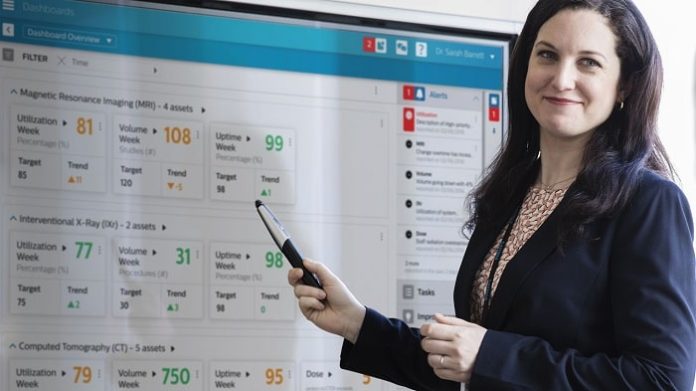
Philips’ Data Management and Interoperability Solutions also features the company’s newest enhancements in Enterprise Performance Analytics – Performance Bridge – expanding operational insights and deep analytics beyond radiology to the cardiology department to enhance efficiencies and help improve effectiveness at the point of care. Philips Enterprise Performance Analytics – Performance Bridge – gives healthcare professionals access to near real-time data on departmental performance through an easy-to-use interactive dashboard. Its operational insights have driven performance improvements in multiple health systems including Miami Cardiac and Vascular Institute, where 100% of staff surveyed stated the Performance Bridge Patient Flow applications saves time in their workday and improves teamwork and communication [3]. Additionally, Kootenai Health in Idaho has leveraged the near real-time insights of Performance Bridge to improve their Cath Lab operations. Within 3 years, they have documented an increase in radial access rates associated with fewer complications, including major bleeding and mortality, from 9% to 42%, while improving patient comfort and shortening recovery times.

With these newest enhancements, cardiology departments now have access to critical metrics to support operational performance monitoring in an invasive procedural setting such as the interventional suite, providing data on procedure volumes, room utilization, procedure duration and lab turnaround time.

Cardiology departments can also access key metrics designed to support operational performance monitoring in a non-invasive procedural setting such as cardiac imaging suites, most notably echocardiography, with access to data on procedure volumes, modality/machine utilization, study type counts and report turnaround time. This newest release further demonstrates Philips’ commitment to bring together the right combination of services and tools to measure and monitor key areas of improvement to help drive continuous improvement in radiology and cardiology departments to optimize operations, enhance workflow efficiencies and improve patient outcomes.

About Royal Philips

Royal Philips is a leading health technology company focused on improving people’s health and well-being, and enabling better outcomes across the health continuum – from healthy living and prevention, to diagnosis, treatment and home care. Philips leverages advanced technology and deep clinical and consumer insights to deliver integrated solutions. Headquartered in the Netherlands, the company is a leader in diagnostic imaging, image-guided therapy, patient monitoring and health informatics, as well as in consumer health and home care. Philips generated 2021 sales of EUR 17.2 billion and employs approximately 78,000 employees with sales and services in more than 100 countries.


eHealth Technologies Innovates to Advance Patient Access to Life-Saving Medical Treatment

eHealth Technologies Innovates to Advance Patient Access to Life-Saving Medical Treatme

When time means life or death for patients with serious diagnoses, eHealth Technologies™ drives powerful digital solutions that advance the delivery of life-altering care.

By quickly retrieving, organizing, and aggregating medical information, pathology reports, and images from disparate systems into searchable digital medical records, eHealth Technologies transforms hundreds of pages of patient information into a powerful, easy-to-use tool that speeds appointment times, care, and treatment for patients with critical health needs, such as cancer treatment and organ transplant.

Each year, eHealth Technologies helps hundreds of thousands of patients.
Since opening its doors in 2006, eHealth Technologies has helped 2.2 million patients receive prompt care. Patients like Melissa, diagnosed with papillary thyroid cancer at age 31 while eight-months pregnant.

“When working with the top cancer facilities in the country, you have a wait period of when you are seen by a doctor, and eHealth Technologies cut that time in half,” Melissa recalls. “I’m happy to be alive, to breathe another day, and watch my daughter grow.” View Melissa’s story.

Even with a daunting diagnosis, it typically takes weeks or even months for a patient to get care. It may take hospitals two to three weeks to gather patient medical records due to staffing shortages or other factors. eHealth Technologies strives to deliver records within five days, allowing care teams to focus more time on patients instead of clerical work.

eHealth Technologies reaches milestones.
eHealth Technologies is now helping over 100 of the nation’s top hospitals, including 17 of the top 20 U.S. News & World Report Honor Roll Hospitals. eHealth Technologies has been instrumental in the transformation of patient care.

New leaders will continue to drive innovation.
To further improve the overall patient experience, eHealth Technologies has appointed three new leaders to guide future innovation.

Dan Torrens has been named CEO.
Torrens succeeds Jeff Markin, who will remain in an advisory role.

Torrens brings 25 years of leadership experience to the position, most recently as the chief operating officer for ConnectiveRx in Pittsburgh, where he led both the Operations and Technology teams to simplify the prescription process for specialty medication to ensure that patients receive the therapies they need as quickly as possible. Torrens previously served as chief operating officer of CMMI Institute, a subsidiary of Carnegie Mellon University’s Software Engineering Institute, where he partnered with the U.S. Food and Drug Administration (FDA) and Medical Device Innovation Consortium to help elevate the entire medical device industry with a focus on improving device quality to save lives. While at the CMMI Institute, he also partnered with the U.S. Department of Health and Human Services (HHS) to improve data management of patient data demographic information to ensure the right patient receives the right treatment.

At eHealth Technologies, Torrens will apply his years of leadership experience to enhancing the company’s existing technology-enabled solutions and building new digital solutions.

Torrens’ passion for improving the patient experience originates from his own personal experience of raising three daughters, all who were born premature. After experiencing first-hand, the challenges of managing healthcare needs for his daughters with multiple specialists, he has dedicated his career to making it easier for patients and their caregivers to get the treatment they need.

Torrens said, “eHealth Technologies positively impacts the lives of millions of patients who need lifesaving care. I am thrilled to have joined the eHealth Technologies team and look forward to building on their tremendous success. In 2022 we will focus on helping hundreds of thousands of additional patients to get the care that they need as quickly as possible and look for other ways to improve their overall health care experience.”

eHealth Technologies’ chairman of the board, Mirza Baig, managing partner of Aldrich Capital Partners, LLC, said, “Dan has a proven record of driving growth, expansion, and high-performing cultures. His deep patient-centric experience in leading technology organizations combined with his respected team-building style make him the right fit to continue our important work at eHealth Technologies to assist top hospitals across the U.S. fill the gap of the worker shortage, while accelerating patient access to the lifesaving care they need immediately.”

Throughout Torrens’ career he has built strong teams and he has already put in place new leaders focused on delivering best-in-class client support and developing new technology innovations.

Long-time employee Jeff Freier has been promoted to Vice President of Operations.
Freier brings over 10 years of deep experience to the role, having previously served in nearly every other position within the department.

Sean Ways appointed Vice President of Engineering.
Ways assisted Torrens previously at CMMI Institute to help enhance patient services. He will lead further technology automation and enhancements that assist in the fulfillment of the company’s goal of expediting patient access to critical medical services.

About eHealth Technologies
eHealth Technologies is a leading health care technology company that advances the delivery of life-altering care.

We help to provide fast and seamless access to health care for patients by collecting medical records, test results, and images and organizing them so that physicians have the information they need to provide superior care in a timely manner – in a fast, easy-to-use, digital format.

Our team members take great pride in working behind the scenes to help millions of patients benefit from faster access to lifesaving medical services ranging from cancer care to organ transplants to emergency care.

Guardant Health Receives Regulatory Approval for Guardant360 CDx in Japan

Guardant Health Receives Regulatory Approval for Guardant360 CDx in Japan

Guardant Health, Inc., a leading precision oncology company, announced that the Japanese Ministry of Health, Labour and Welfare (MHLW) has granted regulatory approval of Guardant360® CDx, a liquid biopsy test for tumor mutation profiling, also known as comprehensive genomic profiling, in patients with advanced solid tumors.

MHLW also approved Guardant360 CDx as a companion diagnostic to identify patients with microsatellite instability-high (MSI-High) solid tumors who may benefit from Keytruda® (pembrolizumab) and patients with MSI-High advanced colorectal cancer (CRC) who may benefit from Opdivo® (nivolumab). In December 2021, MHLW granted regulatory approval of Guardant360 CDx as a companion diagnostic for identifying patients with metastatic non-small cell lung cancer (NSCLC) who may benefit from treatment with LUMAKRAS™ (sotorasib).

“The MHLW approval of Guardant360 CDx marks a significant milestone for Guardant Health and further reinforces the value blood-based testing brings to physicians and patients with advanced cancer. With a simple blood draw, a physician can conduct comprehensive genomic profiling of a patient’s tumor, then match that patient with the best available treatment option without the complications and delays of a tissue biopsy,” said Helmy Eltoukhy, Guardant Health co-CEO. “Today’s approval further strengthens Guardant Health’s global commitment to transform cancer care by bringing innovative blood-based tests like Guardant360 CDx to physicians and advanced cancer patients in Japan.”

About Guardant360 CDx

Guardant360 CDx is a liquid biopsy test that analyzes circulating tumor DNA (ctDNA) from the blood samples of patients with advanced solid tumors and identifies genetic alterations that may inform treatment decisions. On August 7, 2020, the U.S. Food and Drug Administration (FDA) approved the Guardant360CDx for comprehensive genomic profiling across all solid cancers and as a companion diagnostic to identify non-small cell lung cancer (NSCLC) patients with epidermal growth factor receptor (EGFR) alterations who may benefit from treatment with Tagrisso® (osimertinib). This approval represented the first FDA-approved liquid biopsy test for comprehensive tumor mutation profiling across all solid cancers.

About Guardant Health

Guardant Health is a leading precision oncology company focused on helping conquer cancer globally through use of its proprietary tests, vast data sets and advanced analytics. The Guardant Health oncology platform leverages capabilities to drive commercial adoption, improve patient clinical outcomes and lower healthcare costs across all stages of the cancer care continuum. Guardant Health has commercially launched Guardant360®, Guardant360® CDx, Guardant360 TissueNext™, Guardant360 Response™, and GuardantOMNI® tests for advanced stage cancer patients, and Guardant Reveal™ for early-stage cancer patients. These tests fuel development of its screening program, which aims to address the needs of asymptomatic individuals eligible for cancer screening.


HUB Security Partners with Enlitic to Secure Health Data, Enhance Patient Care Through Artificial Intelligence

HUB Security Partners with Enlitic to Secure Health Data, Enhance Patient Care Through Artificial Intelligence

Artificial intelligence (AI) technology in healthcare requires secure patient data to reach its true potential. Healthcare providers have that data but have struggled to protect it. In 2021, the U.S. Department of Health and Human Services reported data breaches affecting more than 40 million people. The trend has continued with more than 3.7 million affected people in the first two months of 2022.

Today at the HIMSS Global Health Conference & Exhibition, HUB Security (TASE: HUB) announced a partnership with Enlitic to secure health data in AI-driven applications across healthcare so clinicians can make faster and more accurate diagnoses. HUB Security leverages a new security paradigm centered on confidential computing to provide a secure, isolated environment that protects the integrity and privacy of the AI models and data, making the insights safely available to all parties.

“Advancements in healthcare are being held back by the insecurity of data and, together with Enlitic, we can secure and operationalize that data to help healthcare providers improve patients’ lives across the globe,” said David Hochhauser, CRO at HUB Security. “The larger we can make the data pool, the more we can reduce the bias that comes with using limited pools of information and the better insights we can provide to enhance patient care.”

Enlitic standardizes data sets that have been traditionally siloed and connects them across health systems, resulting in AI applications like medical imaging analysis and predictive analytics. Radiologists read cases 21% faster when augmented with Enlitic’s innovative clinical intelligence models. Enlitic’s expandable AI technology connects relevant clinical data through its real-world common data model platform Curie. Enlitic’s state-of-the-art De-identification and anonymization AI Models protects PHI across all relevant clinical content. Combined with a secure confidential computing environment, secure real-world clinical recommendations will finally be possible.

HUB Security’s confidential computing model creates a secure enclave for the data, producing a competitive advantage for healthcare providers looking to utilize AI technology. Through this partnership, HUB Security and Enlitic will analyze data from imaging systems and archives to assist in the medical decision-making process, creating the world’s first real-time real-world clinical recommendations platform. HUB Security’s platform adapts to changing healthcare needs by securely leveraging innovations and data across and within organizations, all while maintaining privacy and meeting regulatory requirements.

“Enlitic has dedicated itself to creating insights that help healthcare providers across all specialties collaborate with relevant clinical content that can be linked across disparate care systems. With HUB Security in our corner, we can tackle larger data sets and protect everything from the patients’ data to clinicians accessing the AI models,” said James Conyers, CEO at Enlitic.

About HUB Security
HUB Security was established in 2017 by veterans of the 8200 and 81 elite intelligence units of the Israeli Defense Forces. The company specializes in unique Cyber Security solutions protecting sensitive commercial and government information. The company debuted an advanced encrypted computing solution aimed at preventing hostile intrusions at the hardware level while introducing a novel set of data theft prevention solutions. HUB operates in over 30 countries and provides innovative cybersecurity computing appliances as well as a wide range of cybersecurity professional services worldwide.

About Enlitic
Enlitic is a pioneer in developing the next generation of intelligent healthcare tools. Founded in 2014, the company takes a different approach to solving today’s healthcare challenges addressing them throughout the clinical workflow – not just at one point in the process. Using Enlitic’s AI-powered workflow solutions, healthcare organizations can unlock the true value of their data in real-time, providing time-saving solutions that help change patient lives, while giving clinicians and radiologists more freedom to focus on what’s important on the job and in their everyday lives.


NeuroLogica Announces FDA Clearance for Photon Counting Computed Tomography Using OmniTom Elite

NeuroLogica Announces FDA Clearance for Photon Counting Computed Tomography Using OmniTom Elite

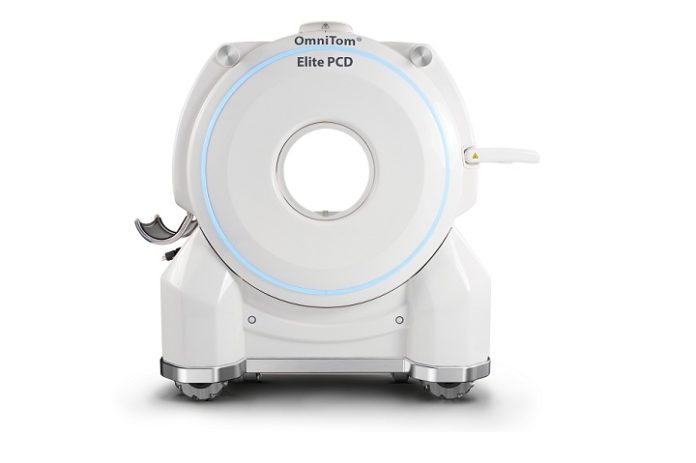
The world of medical imaging is no longer just black & white. NeuroLogica Corp., a subsidiary of Samsung Electronics Co. Ltd., announced today its state-of-the-art OmniTom Elite has received 510(k) clearance for the addition of Photon Counting Detector (PCD) technology. NeuroLogica delivers the first FDA 510(k) cleared, single-source photon counting computed tomography (CT) scanner with single detector on a mobile system. OmniTom Elite with PCD can generate spectral CT images at multiple energy levels.

Photon counting is a next-generation CT technology that sorts the different energies of X-rays after they have passed through the scan field. A single X-ray source paired with PCD generates multiple sets of CT data acquired at the same time with configurable energy thresholds without any cross talk between images. PCD provides the ability to capture CT data in multiple energy bands leading to potentially more accurate visualization and segmentation of bone, blood clots, plaque, hemorrhage, and intracranial tumors. There is also potential with PCD to lower the dose requirements, and fundamentally change the use of injected contrast.

“NeuroLogica is driven by innovation. Since the advent of the world’s first multi-slice mobile CT in 2004, we have always known that point-of-care imaging can improve patient outcomes and increase the likelihood of a better quality of life after a traumatic event,” said David Webster, Chief Operating Officer of NeuroLogica. “With the introduction of PCD technology to the OmniTom Elite platform, we look to expand the diagnostic possibilities of CT at the patient’s bedside.”

The OmniTom Elite has the ability to provide versatile, real-time mobile imaging to administer point-of-care CT to critical patients without the need to transport them to a separate imaging department. The mobile unit will decrease the time it takes to diagnose and initiate treatment for these critical patients.

“Availability of photon-counting detector technology on a mobile head CT platform is a significant advance in the development of CT,” said Rajiv Gupta, PhD, MD, Neuroradiology Division Chief of Massachusetts General Hospital and Associate Professor at Harvard Medical School. “This advance heralds a new era of CT applications in stroke, trauma, ICU and intra-op settings.” MGH is collaborating with NeuroLogica and will pilot test the OmniTom Elite with PCD to monitor post-trauma and post-surgical patients.

Upgrading capabilities were top of mind when designing OmniTom Elite mobile CT scanners. In the near term, all current OmniTom users will have the opportunity to upgrade their scanners with this technology. Meanwhile, a limited number of premier research partners will aid in developing the full potential of OmniTom Elite with PCD.

Here Is What The Third Year of The Pandemic May Bring Along

Here Is What The Third Year of The Pandemic May Bring Along

Things appear to be looking good as the US enters year three of the pandemic. Vaccines are still effective in keeping people healthy and out of hospitals. Tests and treatments are becoming more widely available. The number of cases, hospitalizations, and deaths is on the decline.

If life in a pandemic world has taught us anything, it’s that the coronavirus has the capacity to surprise even the most knowledgeable public health officials, and the world is undoubtedly far from safe.

A new variety could emerge quickly, brushing past the safety of present medicines and vaccines, reverting us to life in 2020. That makes predicting what will happen next week, let alone in a couple of months, difficult. Here’s what experts believe will happen in the next year of the pandemic, depending on what they’re seeing today. At the end of each of these forecasts is an unsaid “variation dependent.”

Spring & Summer

In the United States, the numbers appear to be favorable. As per statistics from the US Centers for Disease Control and Prevention, just 2% of the US population (about 7 million people) resides in a state with a “high” COVID-19 community level. The rest are at “low” or “moderate” community levels, meaning there’s no need to wear a mask or take special care unless one is immunocompromised.

In fact, the CDC predicts fewer hospitalizations and fatalities during the next four weeks. The tendency may continue, especially as the weather changes and people venture outside, where they are less likely to come into contact with COVID.

These encouraging patterns may indicate that the United States will see a normal or close to normal spring (depending on the variant, of course).

You can’t burn your masks if the pandemic develops into an endemic phase, which means sufficient individuals have immune protection from environmental infection or immunisation. Rather, it implies that COVID’s spread will be slowed, with fewer casualties and hospitalizations as a result. The endemicity, however, is not assured.

A growing trend in infections and hospitalisation in the United Kingdom is one metric to keep an eye on. This is primarily due to diminishing immunity, and similar patterns could be observed in the United States too.

Autumn & Winter

It’s difficult to forecast what will happen in the fall and winter because of the coronavirus’s unpredictable nature, a virologist at Duke University Medical Center, David Montefiori says.

Montefiori observes that this virus has given us some genuine unexpected turns. Some specialists believe the coronavirus will eventually become seasonal, similar to the flu, but he doesn’t believe it has gotten to that point yet.

He adds that if you’re considering it as a periodic virus like the flu, you’re wrong. The variations appear to be in a regular pattern. There is a new variety just about every four to six months.

He remains upbeat, however, since Americans have built up a high level of immunity through vaccination, infection, or a combination both.Their  may be another increase later this year, possibly as soon as early summer, and if there’s not one, it implies the population’s immunity is working well.

Of course, the fear would be that a variant will evolve which is invincible to immunizations. However, the great news is that vaccinations can be adjusted quickly.

Many experts feel that the US is now more prepared for an autumn or winter rise than last year, thanks to higher accessibility to diagnoses and procedures. Some experts believe that COVID-19 cases will continue to rise as the weather cools and people become less cautious about taking countermeasures.

Dr. John Swartzberg, a clinical professor emeritus at UC Berkeley’s School of Public Health opines much hinges on how rapidly the world can be vaccinated.  The more people who are immunized, the fewer people there are who can serve as hosts for the virus to mutate and produce variations.

As per the International Rescue Committee, only about 10% of individuals in low-income nations are vaccinated. This year, both the US and Member Nations have vowed to provide additional immunizations overseas.

Next Vaccines For Adults!

This year, people might require a fourth dose of the COVID-19 vaccination. Those with weakened immune systems already should receive one, according to the CDC. Public health officials in the US have stated that they are closely watching whether or not a fourth dose is required for the general public, with a fall timeline in mind.

The immunizations appear to protect against hospitalisation and death, notably if boosted, but protection may wane over time as it’s less efficacious against the Omicron form. From late 2019, the existing approved boosters will guard against the original coronavirus.

According to Dr. Paul Burton, Moderna’s Chief Medical Officer, the next vaccinations might be tailored to the variant or variants that are now in circulation. They could also be a mix of the two.

What’s Next For Kids?

In the coming weeks, Pfizer and Moderna are anticipated to announce the data of respective trials including kids under the age of five.

Pfizer is also testing a third vaccine dosage for youngsters aged 5 to 11 years old. Children aged 12 and above, as well as immunocompromised children aged 5 and up, can already receive a third dose.

A vaccine for the youngest kids may not be approved until April, according to scientists. Pfizer had hoped to get one out by the end of the year, but now it has added an additional dose of the vaccine towards its trials to determine if it is more successful.

For some parents, the immunizations do not arrive fast enough. According to the CDC, children aged 4 and under experienced the steepest rise in hospitalisation rates during the Omicron outbreak. However, many more youngsters who are now entitled to vaccinations still require them. They are the age group in the US with the poorest immunisation rate.

Dr. Shira Gertz, a paediatric critical care physician as well as scientist at Cooperman Barnabas Medical Center in New Jersey, said, vaccine consumption hasn’t been nearly as great as they woiuld have liked. Getting vaccinated is far preferable to contracting the disease.

Treatments & Tests

As per Bio, a pharmaceutical industry organization, there are as many as 23 antivirals and 63 additional medicines in late-stage clinical studies.

Despite the fact that Pfizer’s COVID-19 vaccination is approved for children as young as five, kids’ treatments are limited. Paxlovid, a COVID-19 antiviral medication, has started a stage 2 and 3 clinical study in children aged 6 to 17. People must receive therapy immediately in order for them to be successful.

Is The Pandemic Going To Be Over Or Is It Far From It?

Experts urge people to be adaptive and not to let their guard down very fast. Pan American Health Organization Director, Dr. Carissa F. Etienne, says that when areas loosen up initiatives at the wrong time, transmission spikes hazardously, and more lives are lost. The decisions ought to be based on risk judgements and health data, and to toughen public health advice if cases start rising.

The basic result, according to Lang, is that COVID is here to stay, but the pandemic aspect of the disease might be in the rear-view mirror or at the very least, shift towards a more controllable stage if everyone gets vaccinated and boosted.

Translate »