










Close
Digital Health & Ai Innovation summit 2026
Medical Taiwan 2026

Omicron Will Not Be The Final COVID-19 Variant, Says WHO

In a startling revelation by the WHO, in some countries, the pandemic won’t see the end, even if the omicron variant fades away. The high levels of inflection which has been caused due to omicron are most likely going to lead to more new variants once the virus mutates. World Health Organization’s Technical Head on COVID-19, Maria Van Kerkhove, during an update on the pandemic, said that a lot is being heard of omicron being the final variant of coronavirus, and it will be all over after that. But according to her, that is not the way it looks, as the virus is spreading across the world at an extremely intense level.

She further says that the new infections have risen by another 20% globally over the past week, with a whopping 19 million cases which have been reported, and those that haven’t been reported will bloat the number even higher.

A senior WHO official Dr Bruce Aylward suggests that a high level of transmission would give the virus more strength to replicate and mutate fast, thereby suggesting that the new variant is sure to emerge from somewhere. He opines that there is no understanding of the consequences that this will have, but it has been witnessed that in areas where there is uncontrolled transmission, the variants may emerge, and uncertainties will have to be looked upon.

Kerkhove is of an opinion that this is not the time to step down the public health measures, like not paying heed to mask-wearing or avoiding physical distancing. She has called on Governments to make sure that they strengthen strict measures, and don’t let the guard down and hence bring better control on the virus and in a way, slash the infection wave even as the new variants emerge. The fact is that if this isn’t done now, there will be a movement towards the next crisis. The right thing to do, according to her, is to stop it now and not abandon the strategies that the entire world is working on.

She has also called on authorities to pay more attention and add funds into surveillance systems just to make sure that the virus remains tracked even if it mutates. She had stressed the fact that omicron will not be the last variant of concern. In December 2021, a study published by South African scientists inferred that people contracting omicron could have elevated their immune protection against Delta, another variant of COVID-19. The research also found out that omicron-infected people do not get as sick as delta patients. Both factors may result in the virus, therefore ending up becoming less disruptive across society.

That said, Anthony Fauci, the chief medical advisor to the White House, says that it is as of now too early to predict if omicron would be the final pandemic wave. Fauci adds that he hopes this is the case, but that would happen only if another variant doesn’t elude the immune response of the variant before it.

Tedros Adhanom Ghebreysus, the WHO Director, says that there are some countries where new infections are peaking, which itself provides push to the fact that the omicron wave is subsiding. However, as per him, it will be too early to predict the ouster of the variant as the entire system is under severe pressure since infections are taking place at a brisk pace. He has even urged people to do what they can to reduce infections, just to take off that extra pressure put on the system. The World Health Organization has time and again, warned unequal distribution of vaccinations to be the major cause of low immunization in underdeveloped countries. This has led the vast population there, in a vulnerable state as the new variants develop. The global health body has set a target of a minimum of 40% inoculation in every country by December 2021, but only 92 countries could reach that milestone. Tedros goes on to add that COVID-19 is not going anywhere, and because of the incredibly growing omicron variant, the mutation is likely to take place, and therefore tracking as well as the analysis needs to be paid heed to.


What Are The Different Levels Of Nursing Home Care?

Nursing home care is not only for the elderly. It can be an option for people recovering from injuries or illnesses, need rehabilitation, or have long-term disabilities that make a living on their own impossible. Let’s explore the different levels of nursing home care and what they offer to each resident in a nursing home environment.

What You Need To Know About Nursing Home Care

Nursing facilities provide different levels of care based on the patient’s unique needs.
Commonly, you may find memory care, skilled nursing, residential living, rehabilitation,
independent senior living and assisted living. Though each level has different components, all
levels provide help in some form.

Some may be hesitant to place their loved ones in a nursing home, but it is essential to remember that the homes are not hospitals. They provide care for all ages and stages of life, from young adults to seniors. For peace of mind, you can ask assistance from a nursing home lawyer to further understand the care their loved one will be receiving. This will help you decide accordingly and what’s suitable for you and your loved one’s needs. 

  • Memory Care

The Memory Care unit is specifically designed for residents with Alzheimer’s disease or other memory impairments. This type of care can be offered on a short-term basis when the patient goes through an episode that affects their cognitive abilities or chronic conditions where memory loss becomes problematic to them and their loved ones.

  • Skilled Nursing

The Skilled Nursing Unit provides 24-hour care and supervision for patients who need more intensive medical attention than what can be provided in an assisted living or residential setting. Nurses on staff can administer medications, provide wound care, and manage other health concerns. This type of care is often a step-down from a hospital stay.

  • Residential Living

The Residential Living Unit is for residents who do not require the skilled nursing services of the Skilled Nursing Unit but still need assistance with activities of daily living such as bathing, dressing, and grooming. This unit offers more independence than a traditional nursing home setting and includes amenities like shared kitchens and socializing areas.

  • Rehabilitation Unit

The Rehabilitation Unit provides care for patients who have recently been discharged from a hospital and need help with their recovery process. This unit offers physical therapy, occupational therapy, speech-language pathology services, and other therapies to assist the patient in achieving optimal health both physically and cognitively.

  • Assisted Living

The Assisted Living Unit is for residents who do not require the 24-hour nursing care of the Skilled Nursing Unit but still need help with activities of daily living. This unit offers more independence than a traditional nursing home setting and includes amenities like shared kitchens and socializing areas.

It is essential to understand the different levels of nursing home care to make the best decision for your loved one. By knowing what each level provides, you can ensure that they are receiving the highest quality of care possible.

Factors To Consider When Choosing A Nursing Home Facility

Making the right decision to place a loved one in a nursing home is not always easy. When making your decision, there are many things to consider, such as the level of care they will need and their budget.

It is important to remember that there is no “one size fits all” answer when choosing a nursing home. Every facility offers different services and amenities, so it is essential to research your options and find the best fit for your loved one.

That being said, here are several essential factors you need to check when searching for the perfect facility:

  • Accreditation and facilities conditions 

A reputable organization should accredit the facility. Also, the building itself must meet specific standards of cleanliness and safety to provide quality care for your loved one. This can save you from having many problems down the road with the nursing home.

  • Services and amenities

Each nursing home offers different services and amenities, so it is essential to find one that meets your loved one’s needs. For instance, if they need extensive rehabilitation after an injury or surgery, make sure the nursing home you choose has a well-equipped rehab center on-site.

  • Location

Another essential thing to consider is the nursing home’s location. It should be close enough for you to visit often and in a safe and accessible area.

  • Cost

The cost of nursing home care can vary significantly from one facility to another. Make sure you know the average monthly rate at each nursing home before making your decision.

The level of care a nursing home provides can vary greatly as well. Here are three levels of care you will typically find:

  • Basic Care

This is the most basic level of care and includes assistance with activities of daily living such as bathing, dressing, and grooming. Primary care facilities also offer medication management, meals, and housekeeping services.

  • Intermediate Care

Intermediate care facilities offer more comprehensive assistance than primary care homes, including help with using the toilet and walking. They also provide more extensive medical care, including wound care and IV therapy.

  • Skilled Nursing Care

This is the most intensive level of care and is typically only offered in nursing homes with on-site hospitals. Skilled nursing care facilities provide around-the-clock medical care, including assistance with activities of daily living, wound care, and IV therapy.

Final Words

Nursing homes are designed to provide the best possible care for your loved one. Finding one should not compromise their quality of life. It’s a critical decision to make, and it should be done correctly. You will need this information when going through the process because you don’t want your loved one to be in the wrong place.

The Luxury Dental Trend

The Luxury Dental Trend

Providing health care in the United States is quite expensive. The Bureau of Labor Statistics stated that healthcare spending accounted for more than 8.1% of gross yearly household expenditures. As consumers, dental customers are progressively putting a higher value on the quality of treatment they get for their money, which has led to the emergence of luxury dental care. The dental experience has evolved significantly from the one-size-fits-all dentist facilities of the past, with anything from TVs to keep patients entertained during their appointment to massage exam chairs. Even the best orthodontists in the US have begun to embrace these trends.

As a result of increased competition in the healthcare market, providers have emerged to make dental appointments more convenient and pleasant. Complimenting conveniences such as online appointment scheduling are indulgences that make the whole visit less stressful. It’s only fair that you should get the level of care that you expect to be provided for your money. Some of the current trends that are affecting the dentistry sector include:

Having a Well Equipped and Holistic Clinic

According to Focus for Health, holistic dentistry is a kind of alternative dentistry that is prevalent in many areas of the globe. Holistic dentistry has gained appeal in recent years, particularly in forward-thinking cities. In fact, some of the best dental facilities across the country now have well-equipped and all-in-one clinics which make it difficult to choose the best orthodontist in your area. No wonder several patients prefer holistic dentists because they treat the complete human body, not just the mouth.

A rising number of dentists have begun to provide holistic dental treatments, which consider the full person, including the mind and body. An allergy, chemical sensitivities, or auto-immune deficiencies are all examples of conditions that might lead to a patient requesting a comprehensive approach to their care. Comprehensive dental treatments include the safe removal of metal fillings, which may be problematic for certain individuals due to their metal sensitivity and the prevention and treatment of bite issues.

Virtual Planning and Consultation

Waiting on hold as a receptionist checks the appointment book is a thing of the past. Many dental clinics now provide customers with easy online scheduling options, allowing them to secure appropriate appointment times for their hectic schedules and avoid waiting in line. Several dentists now provide virtual consultations, in which patients may upload a picture of themselves, describe the kind of work they’d want to have done, and obtain individualized treatment alternatives in the process.

Using Massage Chair Rather Than the Traditional Dentist’s Chair

Thanks to the massaging dental chair, patients may relax and enjoy a spa-like experience while receiving dental treatment. For the first time, a dentist may provide patients with a high level of comfort and relaxation by using a chair equipped with a vibration-free massage system that targets the lower and upper back. The fact that many patients suffer from dental anxiety has prompted several offices to experiment with alternative dental chairs, such as massage chairs, or to provide patients with pre-and post-treatment treatments that include massages.

Spa-like environments have been gaining in popularity for some years. Still, dental professionals are now seeing directly how spa services encourage patients to return for more frequent appointments to the dentist. Dental issues are less likely to occur in the future in individuals who maintain a regular schedule of dental appointments, making it a win-win situation for both patients and dental professionals alike.

Entertainment for VIP Patients

The use of televisions at the dental office, which was formerly reserved for children, is now becoming more popular with adults. A welcome diversion has been shown to alleviate anxiousness, and many dental offices now provide separate TVs for each patient, allowing them to watch a movie of their choice. This kind of little comfort in the dentist chair may make the difference between a stressful and a comfortable appointment.

Superior Quality Finishes

Luxury finishes like marble, wood, and stone have been popular choices for high-end clinics for many years. Several contemporary dentistry clinics feature interior design ideas that wouldn’t appear out of place in a five-star hotel or spa setting. And, because of the wide variety of materials available today, it is even simpler to create the appearance of genuine marble or wood at a lesser cost and with less upkeep.

Vibrant Color Schemes

Numerous customers are incorporating more of their individuality into the design of their clinics, which includes the use of vibrant colors and humorous artwork. Once upon a time, bright colors were thought to be unattractive in clinics, with subdued tones taking precedence over the more upbeat tones. On the other hand, bright colors may create a welcome and pleasant atmosphere while still putting patients at rest when they are applied appropriately.

Conclusion

A growing number of clinics are now offering face beauty treatments, making a trip to the dentist more than just a required dreaded obligation. Dental practices increasingly collaborate with beauty clinics to provide patients with a more aspirational experience. We are rapidly approaching the point when a trip to the dentist is no longer something to be endured but rather something to enjoy.

Cancer Checks By NHS At Record High of Quarter of a Million

Cancer Checks By NHS At Record High of Quarter of a Million

As per the latest data from NHS, a record number of population has been approaching for cancer tests with around one-fourth of a million referrals in a single month. The figures throw light on the fact that 246,000 patients checked for cancer alone in November, which is thrice as much as compared to the start of the pandemic in April 2020.

The chiefs from NHS are now literally requesting people who show worrying signs not to shadow the vital checks and come forward like the hundreds and thousands of people every month.

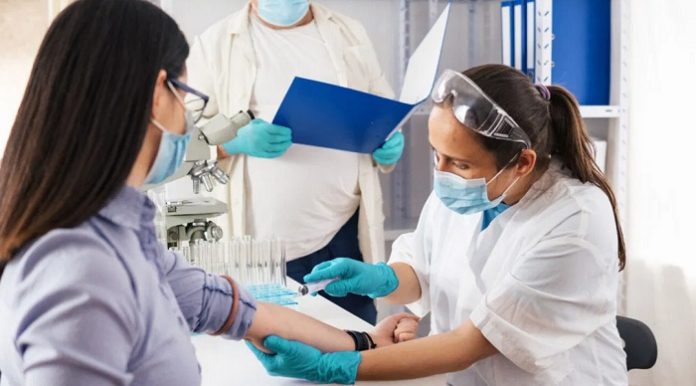
As per past research, it was found out that during the time when COVID-19 had hit, almost 49% of people were of an opinion that they would not come forward for a test as the idea was not to overburden the health service, which was already under a lot of duress.

As per monthly figures, nine in every ten people received their first treatment just in a month’s time, which is a standard that hasn’t slipped less than 90% since the time the pandemic began. This is despite the fact that NHS was treating more than half a million COVID patients and was also in the process of delivering 114 million jabs. According to the National Cancer Director at NHS in England, Dame Cally, they are going forward faster than ever in order to catch more cancers at an early stage to save more lives.

Be it the rapid triage or cancer symptom hotlines, the staff at NHF are working hard to make sure that those coming forward for checks can rapidly be diagnosed, thereby catching cancer at an early stage itself and getting rid of it. Notably, NHS has gone the extra mile to continue cancer treatment, and since March 2020, more than 4 million people have been referred to and more than half a million have already begun their treatment.

Some of the common symptoms of cancer are diarrhea which lasts for three weeks or more, weight loss, and fatigue which is unexplained as well as new lumps or bumps. Peter Johnson, who is NHS National Clinical Director for Cancer in England, opines that when the pandemic first emerged, the patient number saw a dramatic drop as people avoided tests due to the fear of the virus or because they did not want to test the already burdened NHS, but he adds that its vital that people come forward. The NHS has been operating cancer care throughout the pandemic, and that will remain the same. He urges people to come forward if they have a persistent cough that isn’t COVID or prolonged discomfort in the abdomen as they are ready to see and treat them.

The team at NHS has put up a range of measures like COVID infection protected cancer hubs for surgery and also treatments that are COVID friendly which impact less on the immune system of a patient. It was last year in 2021 itself that NHS had come up with an investment of £20 million to escalate the cancer diagnosis in order to ensure that people get checks that are life-saving.

NHS has plans to catch three-quarters of cancers much early for easier treatment than the present numbers that are half.

Pfizer COVID Vaccine On The Cards For Children Below 5 Years

RSPH calls for quick measures to keep child vaccine decline in check

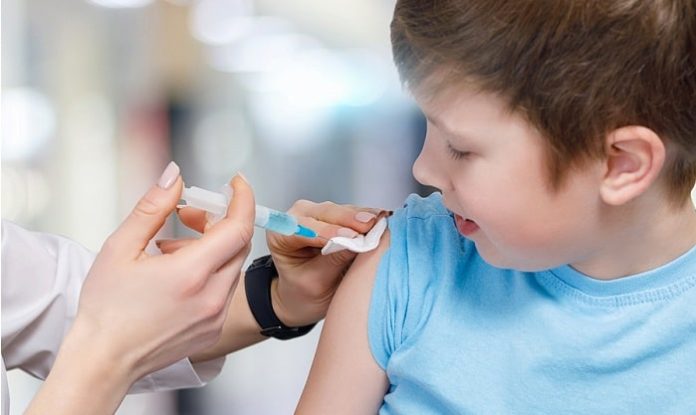
Dr Anthony Fauci, the chief medical advisor to the White House has gone on to confirm that FDA might as well approve the Pfizer and the BioNTech vaccine for children less than 5 years starting in February 2022. Fauci says that he hopes the development is going to be next month and not later than that. Although, he adds that he cannot guarantee anything as of now. According to him, the younger lot will require three doses since two shots of Pfizer did not induce the immune response that was adequate in the 2 to 4-year-old’s. Pfizer had already announced in December 2021 that it has plans to submit the data to the FDA in the first half of 2022, that if all the three-dose study goes on to be successful.

The company had also said that it did not identify any concerns over safety in the case of 3-microgram vaccine doses in the age group of six months to four-year-old children. It is well to be noted that adults get a dose of 30 micrograms each of two doses as part of their shots. Children who are under five are particularly vulnerable as of now as they are the only ones who are not eligible for any kind of vaccine. Besides, hospitalization of children is on the rise, with the Omicron variant spreading rapidly through communities across the country since December 2021.

Adds Dr Rochelle Walensky that sadly there is a rise in hospitalizations in the case of children between zero to four who aren’t eligible for the vaccine yet. As per data rolled out by the CDC, around 8 of every 100,000 children under the age bracket of 5 years were hospitalized due to COVID in the first week of January, which was more than double of what was seen in the preceding month.

Dr Walensky also adds that there is no indication as yet which suggests that the Omicron variant is a cause of a more severe illness in children just like what took place in the case of the delta variant.

Digital Displays as the Perfect Infotainment Tool for Healthcare Facilities

Two essential metrics for any healthcare firm are patient happiness and cost savings. Digital signage is a cost-effective and efficient solution to increase patient and healthcare provider satisfaction in the healthcare business, embracing digitalization in every discipline. Digital signboards are much more advantageous and effective than conventional printed boards, which are harder to maintain and update and become obsolete far more quickly in the ever-changing healthcare field. Passing information becomes easier with the right digital signage software such as LOOK. These digital displays are shaping healthcare facilities and are the perfect infotainment tool. Here is why!

Boosting the hospital experience

Hospitals may be dismal places to work and spend time. A medical phobia known as ‘Nosocomephobia’ is characterized by an extreme dread of hospitals. In addition, physicians and nurses are often under stress due to traumatic events or very constrained schedules.

Health care facilities can use high-definition immersive movies of tranquillity or ASMR noises in quiet places via digital signage displays or 4K video walls. Both the patients and staff benefit from this since it lowers tension and improves the atmosphere of the healthcare center.

Deployment in waiting areas

Waiting rooms with digital signage displays assist patients, and their families stay engaged and minimize the perception of wait times. It is possible to show token numbers, movies on health care, and facility updates on these displays in waiting areas. Information and instructions on specific illnesses and associated disciplines, as well as health and wellness suggestions, may be shown on it. You will find adverts for anything from over-the-counter medications to socially pertinent concerns on these forums. Additionally, while patients are waiting for their turn, they may enjoy a choice of entertainment options.

To further benefit patients and visitors, reviews and successful treatment stories are put on the board, which helps them feel more confident and peaceful. Thanks to the constantly changing text and pictures, waiting in line may be more exciting and less tedious.

Disseminating vital health information

It isn’t necessary that the information you disseminate at your workplace be just amusing. You can also use digital media to provide your patients with health-related information, such as wellness suggestions, treatment methods and medical advice.

Enhancing wayfinding

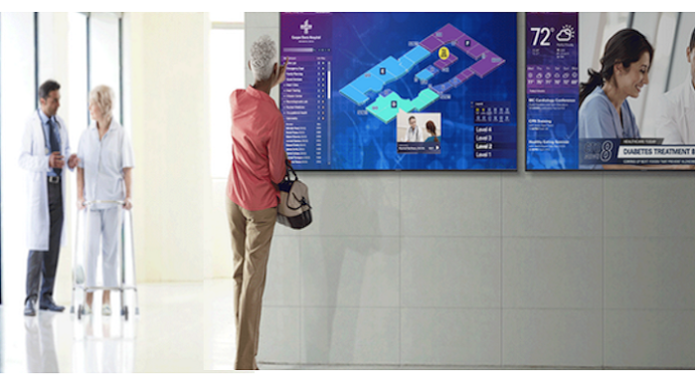
Even for physicians, getting around a hospital’s maze of buildings, chambers and hidden tunnels (or so it seems) may be a challenge at times. Using digital displays to assist individuals in finding their way around saves time and reduces the risk of being late for appointments. A navigation system of displays is also an excellent tool for conveying an emergency status update when placed in critical areas across the hospital. A doctor could be needed right away, or perhaps there is a need to evacuate a room in the event of an emergency. You can avoid a frightening rush if you have a screen system in place to transmit your most critical information.

Educating the public

You don’t want to lecture your clients about their health when they are already in the hospital. On the other hand, you can utilize your digital signage solution’s displays to show information that patients and visitors find interesting, helpful, or even instructional. For example, a short film showing immobile patients how to do simple exercises while sitting in a chair or reviewing the treatment options accessible to them is an excellent starting point. In addition to providing information on the number of patients admitted, anesthetics provided, and babies delivered, the displays might also help patients feel more at ease and minimize tension in the hospital wings.

Relieving appointment-related stress

When using entertainment as a tool for healthcare, there is more to waiting rooms than just reducing perceived wait time. It is a great way to make your patients feel better, too. Patients waiting for their appointment will feel less anxious and more at ease if they are exposed to positive, interesting, and engaging information.

Hospitals and clinics are notorious for their hectic schedules and high-stress levels. Time is of the essence in a field like this when every second counts. There is no time to spend; thus, the more digital technology connections there are, the more advantages there are. Digital signs have the potential to improve healthcare in several ways. Patients, employees, and the clinic benefit from the improved marketing and communications strategies.

PINC AI Launches INsights, an Enhanced Technology Offering for Customized, On-Demand Healthcare Analytics

PINC AI™, the technology and services platform of Premier, Inc launched INsights, an enhanced self-service healthcare solution for the creation of customized, on-demand analytics.

INsights is a vendor-agnostic analytics platform that accesses PINC AI’s cleansed, standardized, and risk-adjusted healthcare data, covering more than 45 percent of all U.S. hospital inpatient discharges. INsights users can leverage pre-developed analytics developed by PINC AI, as well as conduct customized data queries and visualizations using PINC AI or their own data sources. The platform will also serve as a development community, where users can crowdsource and share information, measures, queries and more with others.

INsights will be hosted on Microsoft Azure Synapse Analytics, providing users access to a reliable cloud-based platform and next-generation tools to accelerate their use of analytics and AI. With PINC AI data running on Azure Synapse, users will accelerate their time to insight with the unified experience that brings together the entire analytics lifecycle into a single pane of glass.

“INsights is a flexible platform that enables healthcare users to create their own analytics to measure what matters most to them,” said Leigh Anderson, Premier’s President of Performance Services. “We are providing a reliable framework with data that is organized, simplified and easy to consume using any business intelligence platform the user chooses. We are also enabling users to capture additional value from their existing benchmarking and analytics, surveillance and decision support, and regulatory reporting and compliance without having to learn any new tools or techniques. In other words, we are simplifying advanced analytics and performance improvement in healthcare.”

According to past data surveys, data scientists spend 70 to 80 percent of their time on data preparation tasks, such as loading and cleansing data. This significantly reduces their ability to be consultants and storytellers of their organizational data. INsights reduces this burden by providing access to pre-loaded datasets that are cleansed, normalized and linked together, automating all the data preparation tasks.

“Microsoft is pleased to enable PINC AI with our cloud services, including Azure Synapse Analytics to help organizations accelerate their digital transformation journey,” said Tom Lawry, national director for Artificial Intelligence, Health and Life Sciences at Microsoft. “By bringing together our technologies, organizations can have the confidence that a world-class cloud provider offers, along with tools to enable AI and achieve more actionable insight from data.”

Early pilot-testing organizations leveraging INsights used the platform to create analytics that assess and measure a host of quality improvement efforts, including patient safety indicators, lab order turnaround times, length of stay by specific conditions and time to treatment metrics.

“INsights’ value is that it can be utilized by any of our members, whether they are large, multi-facility health systems or smaller, rural hospitals and provider practices,” said Anderson. “Because PINC AI already has clean and standardized clinical, quality, financial and operational data from our members, we are able to rapidly stand up INsights and provide high-quality analytics services more economically.”

Premier does not expect the launch of INsights to materially impact the company’s current fiscal 2022 financial guidance that was provided on November 2, 2021 or its expected multi-year, compound annual growth targets, adjusted for the impact of the COVID-19 pandemic on its business, of mid-to-high single-digits for total net revenue, adjusted EBITDA and adjusted earnings per share (as defined in Premier’s most recent Form 10-Q filed with the Securities and Exchange Commission).

Want To Become A Nurse? Here’s Some Important Advice

Want To Become A Nurse? Here's Some Important Advice

The journey to becoming a successful nurse is not easy, but it can be rewarding. It asks for time and patience, but the journey will be worth it in the end! If your dream career is becoming a nurse, this post is for you.

Continue reading for some crucial tips on the nursing process.

1.  You can Get your Degree Online

Gone are the days when you had to attend physical classes to get a nursing degree. You can now quickly obtain your degree online from the comfort of your own home. The best part is that many programs offer full scholarships for qualified students.

There are plenty of accredited online nursing programs to choose from, and you can find one that fits both your needs and budget. If you want to advance your nursing expertise, undertaking an online msn fnp program can be a wise decision. You only need to ensure that the program you choose is accredited by a reputable organization. Also, check to see if the program you are interested in has been approved by your state’s Board of Nursing.

2.  Talk to an Established Nurse

Theoretically, anyone can become a nurse. However, it is important to talk to an established nurse to be successful in the field. Ask about their experience and what they think are the most important qualities for a nurse. This will give you a hint on what you need to do to succeed in this career path.

Besides, an established nurse can help you understand the different nursing specialties and help you decide which one is right for you. Remember, these are the people who will be guiding and mentoring you in your career, so it is crucial to get their advice.

Don’t just talk to one nurse in a particular specialty. Talk to several nurses working in different specialties to get a better idea of what the job is really like. This will help you decide if that specialty is right for you or not.

After all, nursing is a very diverse field with many different specialties available. You don’t want to choose a path based on someone else’s experience; you want to make sure it’s the right fit for you.

3.  Be Prepared for Long Working Hours and Difficult Work Environment

Working in a hospital setting is not always easy. Nurses mostly have to work long hours, and the work can be demanding. Make sure that you are prepared for a challenging work environment before becoming a nurse.

4.  Know the Different Specialities Available

The nursing field is a vast one, with many different specialties available. It’s essential to understand which specialty is the best fit for you before committing to becoming a nurse. Some of the most common specialties include:

  • Nurse practitioner
  • Registered nurse
  • Licensed practical nurse
  • Critical care nurse
  • Pediatric nurse
  • Neonatal nurse

Each specialty comes with its set of responsibilities and challenges. Make sure you are fully aware of what each entails before making your decision.

5.  Experience is Key in this Sector

If you want to be a nurse, experience is vital. This job will require you to work long hours and deal with complex patients. If you don’t have any experience, it will be hard to find a job in this field.

You can start volunteering at a hospital or nursing home to get some experience. This will also allow you to learn more about the profession.

6.  You must be Passionate About Helping People

Among the many courses that one can take to become a nurse, passion is perhaps the most important. It would help if you were passionate about helping people and wanted to make a difference in their lives. If you go into nursing with the wrong attitude or without any genuine interest in the job, it will show, and you won’t survive long on the job.

7.  Plan how to Pay your Fees

Nursing is one of the most pursued courses in universities across the globe, and with good reason. It is a fulfilling career that offers many growth opportunities. However, becoming a nurse requires hard work, dedication, and financial investment.

The average tuition fee for nursing courses ranges from $15,000 to $35,000 per academic year in the United States. There may be additional costs such as textbooks, uniforms, and equipment. If you cannot cover the cost of your course fees upfront, there are various ways to finance your education.

Some common payment methods include scholarships and grants, loans, employer sponsorship, and private funding options. You should research all the options and choose the one that best suits your needs.

Nurses are essential to the medical field, and their work is vital to keeping patients healthy and comfortable. As explained above, it’s necessary to do your research and understand what the job entails. There are many different specialties within nursing, so be sure to find one that matches your interests and skills. Nurses work hard and enjoy many rewarding benefits, so if this career path appeals to you, go for it!

Stanford Health Care Selects HeartVista’s MRI Automation Platform to Deliver Rapid, AI-Powered Cardiac Scans

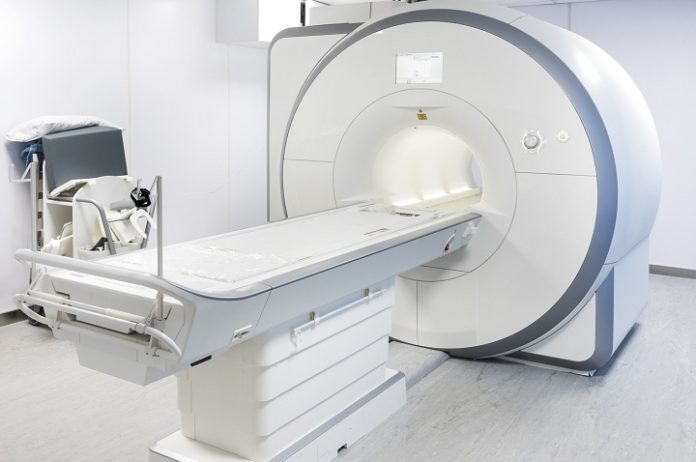
HeartVista, a pioneer in AI-powered MRI solutions, announced that it has been selected by Stanford Health Care to deliver its One Click MRI™ acquisition software on the hospital’s existing Siemens Healthineers and GE Healthcare scanners. The initial three-year agreement will enable Stanford Health Care to grow their cardiac MRI practice with on-site customer support and training provided by HeartVista. The AI-enabled MRI technology will be used by the health system’s radiology and cardiology departments.

The use of cardiac MRI, also known as cardiac magnetic resonance (CMR), has been underutilized in clinical practice, despite its ability to more accurately diagnose and aid in the management of cardiovascular disease. This is often due to a number of factors, including lack of trained technologists, high cost to the healthcare system, long scan time and complexity of use. By increasing the throughput of existing MRI machines, and simplifying the operation down to a just few clicks by the technologist, HeartVista’s solution will allow clinicians to produce diagnostic-level images in a fraction of the time and perform more CMRs, without the need for new machines or personnel.

“The demand for CMR has skyrocketed as of late, but with no practical way of meeting the needs of clinicians without significant investment from healthcare systems in capital expenditure and new personnel,” said Itamar Kandel, chief executive officer of HeartVista. “We believe that by providing cardiovascular centers of excellence like Stanford Health Care with our One-Click cardiac package, we can provide physicians with improved cardiac MRI studies, while also reducing the burden to the system and technologists.”

“The validation for CMR as a first-line diagnostic tool continues to gain momentum,” said Dr. Bob Hu, chief medical officer of HeartVista. “With new clinical guidelines designating CMR as a Class I Recommendation for chest pain, the emerging trend of post-COVID myocarditis, and a groundbreaking study in the New England Journal of Medicine1 demonstrating that CMR is the first non-invasive test that is non-inferior to the invasive Fractional Flow Reserve (FFR), we believe adoption for our technology is the only viable way hospitals would be able to handle the increase in CMR demand.”

The agreement between Stanford Health Care and HeartVista went into effect on January 1, 2022, and following staff training and scheduling, patient scans are to commence later this month.

Walgreens Launches COVID-19 Index to Advance Rapid Detection of Omicron and Track Variant Activity by State

Walgreens Launches COVID-19 Index to Advance Rapid Detection of Omicron and Track Variant Activity by State

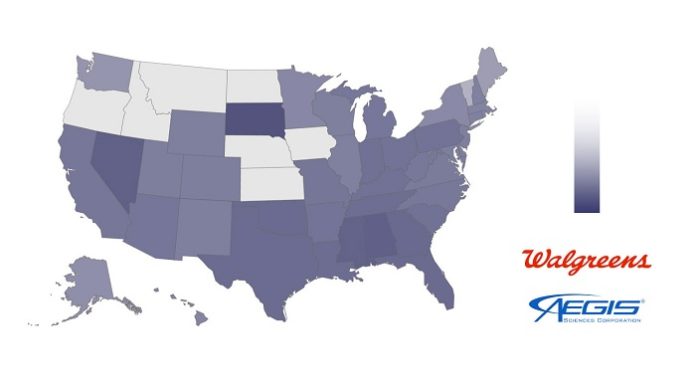
The Walgreens COVID-19 Index, a new interactive tracking tool from Walgreens, powered by testing data from Aegis Sciences Corporation, is among the first to uniquely identify the spread of current and emerging variants in near real-time. New data from the Walgreens COVID-19 Index shows more than 95% of all positive COVID-19 cases are presumed to be the Omicron variant. The data reinforces the importance of vaccinations and testing in helping to mitigate the spread of COVID-19.

Data captured in the Walgreens COVID-19 Index can track the spread of the Omicron variant within 24 to 48 hours, more quickly than other methods. In addition to a national view, data can be reviewed by state. The Walgreens COVID-19 Index is based on proprietary data from PCR testing services administered by Walgreens and performed by its testing partner Aegis Sciences.

“Through Walgreens partnership with Aegis Sciences, we have the ability to provide this interactive tracking tool and inform the development of strategies and resources to help mitigate the spread of COVID-19,” said Dr. Kevin Ban, chief medical officer for Walgreens. “This provides a leading consumer-centric healthcare solution to support our communities and partners, building on our nationwide footprint and health offerings.”

Based on data analyzed as of Jan. 18, the following types of insights are available from the Walgreens COVID-19 Index:

Nationally, more than 95% of all positive cases are presumed to be the Omicron variant
Top states for COVID-19 positive rates are Alabama, Florida, Georgia, Mississippi, South Dakota, Nevada and Texas, which all have COVID-19 positivity rates over 45% of those tested
Top states for confirmed Delta case prevalence are Maine (43.5%), Kansas (36.5%), Iowa (29.2%), New Mexico (25.2%), Oklahoma (24.2%), Indiana (23.6%) and Utah (23.5%)

“Data regarding spread of variants is important to our understanding of viral transmission and, as new variants emerge, it will be critical to continue to track this information quickly to predict which communities are most at risk,” said Dr. Matthew Hardison, senior vice president of lab operations at Aegis Sciences Corporation. “We are pleased to partner with Walgreens to provide testing, collaborate on data analysis and provide timely insights that can help health departments curtail the COVID-19 pandemic.”

It remains critically important to get vaccinated or boosted against COVID-19, and is safe and convenient to get a COVID-19 vaccine or booster at one of Walgreens nearly 9,000 locations. For the best experience, patients are encouraged to make appointments for COVID-19 vaccinations and boosters through Walgreens.com/ScheduleVaccine or 1-800-WALGREENS.

Data will be updated frequently and provide a rolling snapshot of the previous 7 days’ data based on analysis of positive tests at more than 5,000 Walgreens testing locations. To view the Walgreens COVID-19 Index, maps and other online features, click here.

About the Walgreens COVID-19 Index

The Walgreens COVID-19 Index is the product of an innovative pharmacy-laboratory collaboration focused on helping communities, health professionals and the media stay informed about COVID-19 surveillance. The Walgreens COVID-19 Index is generated through the combination of Walgreens nationally representative PCR testing services with the associated PCR and Next-Generation Sequencing (NGS) laboratory test results generated by Aegis Sciences. The exhibits within the Index provide an overview of confirmed cases by state, presumed Omicron cases in near real-time, variant proportions over time and positivity rates by vaccination status. Walgreens and Aegis Sciences Corporation have collaborated to offer COVID-19 PCR testing at more than 5,000 Walgreens locations.

While generated from a large, nationally representative dataset, the data presented in the Walgreens COVID-19 Index is only reflective of real-time reverse transcriptase polymerase chain reaction (RT PCR) and NGS results from samples collected at specific Walgreens locations and tested by Aegis Sciences Corporation. It does not incorporate information from other testing modalities performed at or through Walgreens. Data regarding vaccination status is derived from information supplied in the test registration process by individuals that tested at Walgreens locations. The amount of data available varies by geographic location. All data presented in the Walgreens COVID-19 Index is aggregated and de-identified to protect individuals’ privacy.

About Walgreens

Walgreens is included in the United States segment of Walgreens Boots Alliance, Inc. (Nasdaq: WBA), an integrated healthcare, pharmacy and retail leader serving millions of customers and patients every day, with a 170-year heritage of caring for communities. As America’s most loved pharmacy, health and beauty company, Walgreens purpose is to champion the health and well-being of every community in America. Operating nearly 9,000 retail locations across America, Puerto Rico and the U.S. Virgin Islands, Walgreens is proud to be a neighborhood health destination serving approximately 9 million customers each day. Walgreens pharmacists play a critical role in the U.S. healthcare system by providing a wide range of pharmacy and healthcare services. To best meet the needs of customers and patients, Walgreens offers a true omnichannel experience, with fully integrated physical and digital platforms supported by the latest technology to deliver high-quality products and services in local communities nationwide.

Translate »