










Close
Digital Health & Ai Innovation summit 2026
Medical Taiwan 2026

Roche launches the cobas pulse system, an industry first professional blood glucose management solution with mobile digital health capabilities to improve patient care

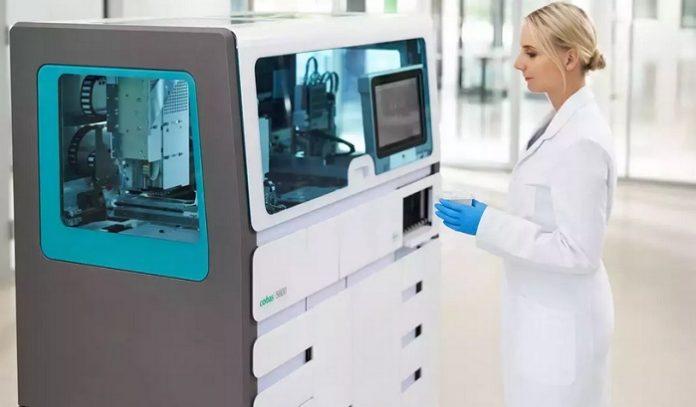
Roche launches cobas 5800, a new molecular diagnostics system to expand access to testing and improve patient care

Roche announced the launch of the cobas® pulse system in select countries accepting the CE Mark. The cobas® pulse system marks Roche Diagnostics’ newest generation of connected point of care solutions for professional blood glucose management. As an industry first, the cobas® pulse system combines the form factor of a high-performance blood glucose meter with simple usability and expanded digital capabilities similar to that of a smartphone.

Glucose is among the most important biomarkers to assess patient health and predict, diagnose and manage metabolic disorders¹. In particular, the management of blood glucose in patients is critical to preventing acute and chronic complications that may lead to increased morbidity, mortality and healthcare costs2, 4, 5, 6. Against the backdrop of a rising epidemic of diabetes3 and other non-communicable diseases, the need to regularly perform this critical intervention adds to an ever-growing list of responsibilities facing stretched healthcare systems and professionals.

“Frontline health workers are under increasing pressure to not only accurately diagnose patients, but also make appropriate decisions on all aspects of disease management and patient care,” says Thomas Schinecker, CEO, Roche Diagnostics. “Our commitment is to equip them with high-performance innovations that represent a real step change in their working lives. We are pleased to introduce a truly novel solution that puts actionable clinical insights, and a near limitless range of digital capabilities for patient care, in the palms of their hands.”

Designed for professional use in a range of care settings where timely and informed clinical decisions are needed, the cobas® pulse system introduces several advancements that aim to drastically simplify workflows for busy nurses and doctors and improve their ability to deliver care at the bedside.

For the first time in a point of care device, the cobas® pulse system is equipped with digital health applications based on the Android operating system that perform a range of clinically valuable functions – from clinical decision support to the measurement of vital signs and digital biomarkers. The Roche-selected apps are enabled by a digital platform called Smart, the newest module of the cobas® infinity edge suite of software solutions. The pairing of the cobas® pulse system with cobas® infinity edge smart marks the first integrated solution from Roche Diagnostics to leverage a pioneering business-to-business partnership model that connects developers of digital health solutions with healthcare professionals as customers. At the time of launch, Roche has already secured partnerships with several innovative companies and start-ups in the field (e.g. S4DX, imito, decide (GlucoTab), Glytec, CardioSignal, and SteadySense (SteadyTemp)).

About cobas® infinity edge suite of solutions
The Roche software solution suite called cobas® infinity edge includes three modules: unite, scribe, and smart. Used together, the solution facilitates the ability of labs and hospitals to manage patient-testing devices (Roche and non-Roche) that measure clinical health parameters anytime, anywhere. cobas® infinity edge also enables the deployment of third party applications into point of care devices. With this digital ecosystem approach, lab and hospital administrators can also better govern, update and manage use of near-patient testing devices – even remotely. The platform uses industry standard security technologies and processes to connect to electronic medical record systems (EMRs) as well as enabling remote installations, service and maintenance of devices outside the lab/hospital premises (e.g., clinics or pharmacies). This solution will bring more diagnostic capabilities – safely and securely – beyond the lab walls – closer to physicians and nurses at the points where clinical decisions are being made.

About Roche in digital healthcare
With growing investments in digital capabilities, Roche is building on its expertise in science, medicine and technology to increasingly leverage data analytic tools and novel digital technologies to transform the way healthcare is delivered and managed for each patient. Our data-driven digital solutions empower labs, healthcare providers and patients to make informed, insights-based decisions across the entire care continuum – reducing costs to society and improving patient health outcomes in the process.

About Roche
Roche is a global pioneer in pharmaceuticals and diagnostics focused on advancing science to improve people’s lives. The combined strengths of pharmaceuticals and diagnostics, as well as growing capabilities in the area of data-driven medical insights help Roche deliver truly personalised healthcare. Roche is working with partners across the healthcare sector to provide the best care for each person.

Roche is the world’s largest biotech company, with truly differentiated medicines in oncology, immunology, infectious diseases, ophthalmology and diseases of the central nervous system. Roche is also the world leader in in vitro diagnostics and tissue-based cancer diagnostics, and a frontrunner in diabetes management. In recent years, the company has invested in genomic profiling and real-world data partnerships and has become an industry-leading partner for medical insights.


The Changing Face of Research And Healthcare During COVID-19

The Changing Face of Research And Healthcare During COVID-19

Although we cannot say that it was unheard of, collaboration on the basis of interdisciplinary and interprofessional elements has always been crucial in any research and care-based setting. And why not; when there are experts coming from varied specialized outlooks, better outcomes are what one can expect from any given scenario.

The World Health Organization has always given thrust to interprofessional education which underlines the fact that it is pivotal to establish a collaborative and a practice-ready health workforce so as to better be prepared for the unknown health needs that can arise from nowhere.

That said there are loads of obstacles that come in the path of interdisciplinary and interprofessional partnerships ranging from frameworks that are rigid and incompatible to a lack of targeted funding source that is trusted. The only silver lining coming out of pandemic is the motivation that it has provided to various specialists from unidentical disciplines and a multitude of professions to fight together in overcoming the difficulties and differences that have been in prevalence. Another leaf of experience to take out from the current pandemic is that the researchers have had more and better access to both national as well as international funds as the strife to develop to the point vaccines in order to deplete the rising scale of infection has been more than ever.

Vaccine Development – Eyeing the pinnacle of collaboration 

When the process of vaccination began across the world, people from all walks of life expressed their concerns about receiving them, and why not! The timeline of vaccine development as we are all conditioned to believe takes much longer than what happened exclusively in the case of COVID-19. To gauge the effectiveness and safety of any vaccine before the pandemic struck, took anything between 10-15 years, and here we were getting access to a jab that was developed in a year’s time. So how come, something phenomenal like this occurred? Well, the answer lies in interprofessional collaboration and the thought and implementation of which led to generous funding.

A decade or two down the line, when we look back and cite an example of interdisciplinary and interprofessional partnership, the development of the COVID-19 vaccines will be written in golden letters. Nothing can match the whole of the industry come together and fight it out against a pandemic enveloping the entire world. Just look at the collaboration that took place; AstraZeneca got the support of Oxford University, while Moderna & NIH teamed up for their vaccine and BioNTech collaborated with Pfizer. To be fair to transparent and collaborative approach as well as thinking, some of the best outcomes that have pacified the world have come through them and that too in a matter of not even a year, just months. The backbone of any development is funding and this one-of-a-kind urgency required loads of it. Funding bodies mostly divide the funds into projects and disciplines, but these were extraordinary times that required extraordinary moves. In the United States of America, the entire gamut of vaccination development was called Operation Warp Seed which went all out in developing, manufacturing, and distributing the vaccines in whatever short time was allocated. As far as Europe is concerned, it was European Commission that went on to pledge $8 billion that involved the COVID-19 research and the development which went into it. The entire era of COVID-19 has given a new life to the debate of why a collaborative approach is the need of the hour and must be paid heed to.

Collaborative Clinical Setting

And it is not only the research where collaboration tops the charts but in clinical settings as well where to the point communication between health experts and the public, in general, was possible due to effective partnerships. Communication, collaboration, and coordination are the essence of making things work and which is what took place at the time of COVID-19. This all has in a way led to healthcare workers not getting bogged down because of the strain that they have had due to the consistent influx of COVID-19 patients. Interprofessional collaboration is not new to clinicians as it is a practice of health workers to engage in stronger communication every time across departments and between specialists, so as to have a holistic focus on patient monitoring and care. The inpatient and outpatient physicians scenario has been in existence for a long time. As hospitals do not have advanced knowledge of patients coming-in in unless they are visiting for another round, it is the frequent understanding amongst the inpatient and outpatient physicians that paves the road. In the case of COVID-19, the spirit with which the collaboration took place has raised the bar even higher. Although COVID-19 treatment is very different from the regular ones, communication and that too timely one at that, between specialists, critical care, ER, and others needed to be impeccable. And that’s not it. Access to medical records across departments has been a key feature during the time that we have gone through and that has been possible due to consistent interdisciplinary care.

Checking The Mental Stiffness

Mental health has also been a bone of contention in the entire world. Travel restrictions, be it domestic or international, or regular movement of people has led to a series of events that have had a severe impact on the overall mental well-being of populations of all ages. Again interdisciplinary partnership, as well as professional collaboration, has stepped in to form 10 year goals that are in line with the community of mental health research.

Significantly, a collaboration between human capacity and infrastructural capabilities holds the key to successfully getting rid of the mental trauma one could go through in such events. In the past year, many groundbreaking projects that have experts from data science, neuroscience, and people with issues of mental health have come together to tackle discrepancies and have indeed come out strong.

The holistic approach has given an in-depth understanding of the virus’ impact and has opened gates to more research that can be done. Cross-cultural data has also stamped its presence on the treatment that goes in. The work that has interdisciplinary and interprofessional elements imbibed in it is here to stay and when the knowledge is shared across the spectrum during the trying times which we are in, its relevance becomes all the more important.

Take These 6 Things Into Consideration In Choosing A Rehab Center

Take These 6 Things Into Consideration In Choosing A Rehab Center

Rehab is a process, and the first step is to find the right rehab center. There are many factors that you need to take into consideration when choosing a rehabilitation center, but it can be difficult to know where to start. In this blog post, we present six things that you should look for in a rehab center before making your final decision.

Offer A Range Of Services

Rehab centers aren’t all created equal. A lot of them offer only one kind of program, like detox or outpatient rehab. But addiction treatment is more than just stopping the substance use, and it does not always start with detox. For example, some people need inpatient care to overcome an opioid epidemic that has spiraled out of control due to over-prescription by doctors who were trying to help their patients manage pain. Others need a program that slowly weens them off of their addiction before sending them to outpatient care for continued support.

The best rehab centers offer a range of services and can customize the treatment plan based on each person’s unique needs, which means they will likely have multiple locations around the country or even worldwide. These kinds of programs help ensure you find one near your family members who want to be involved in your recovery process, so they can provide emotional support as well as physical assistance if needed during different parts of the journey toward sobriety.

Be Able To Treat Your Specific Needs

If you have a dual diagnosis, your rehab center should be able to treat both addiction and mental health issues. If you are struggling with substance abuse combined with an eating disorder or co-occurring disorders like depression or anxiety, choose a treatment facility that is equipped to handle this. Be sure the program has experience treating clients who struggle with multiple addictions and/or diagnoses before enrolling in their services, so they can provide customized care for each patient’s specific needs. If you are a woman, it is important to seek out a rehab center that specializes in women’s treatment. Women face different challenges when recovering from addiction and need specialized care. Facilities that focus exclusively on women provide an environment where they can feel safe and comfortable discussing their issues without feeling judged or misunderstood.

Staff With Years Of Experience

It’s important to look for a rehab center that has a staff with years of experience. The staff should be able to provide you with the support you need to get through your addiction. They should also have the training and knowledge necessary to help you recover from your addiction. Make sure to ask about the staff’s experience before choosing a rehab center. You don’t want to choose a center that doesn’t have the staff you need to succeed.

Take a look at the rehab center’s website to get a sense of how long the staff has been working there.

Have A Positive Reputation

It’s important to choose a rehab center that has a positive reputation. You want to be sure that you’re getting the best possible care, and that means choosing a center with a good track record. Look for reviews from past patients and their families to get an idea of what your experience might be like. Talk to other people who have gone through rehab to see if they have any recommendations. By doing your research, you can find the right center for you and start on the road to recovery.

Accreditations And Licenses

If you are looking for a rehab center that has licenses and accreditations, then this is very important. The reason why it’s extremely critical to look at these two things when choosing the right rehabilitation facility is that they’re symbols of quality. If your loved one is suffering from an addiction or mental health disorder, then he/she needs the best care possible to get better. You can’t just trust any random place to take good care of him/her because not all treatment centers have excellent services. A lot of them aren’t even licensed! So it’s up to you to find out whether or not what you’ve seen online or found on Google Maps offers accredited programs with licenses before moving forward with anything else. This is a big decision, so you don’t want to mess it up.

Accreditations such as CARF, JCAHO, and Joint Commission are all good to look at. Licenses such as MHCPP give you peace of mind that the rehab center is legally allowed to operate a business in your state or country.

Fee Structure

The rehab center you choose should have a fee structure that works for you. Many centers offer sliding scale fees, which means the amount you pay is based on your income. Some centers accept insurance. Make sure to ask about the fee structure before making a decision.

Rehab can be expensive, but there are ways to make it more affordable. Look for a rehab center that has a sliding scale fee or accepts insurance. You may also want to consider financing options. Rehab can be an important investment in your health and well-being, so don’t let cost keep you from getting the help you need.

If you are struggling with addiction, don’t hesitate to reach out for help. There are many rehab centers out there that can cater to your specific needs, and with the right treatment, you can overcome your addiction and start on the road to recovery.

Cosmetic Facial Surgery: An Overview

Cosmetic Facial Surgery: An Overview

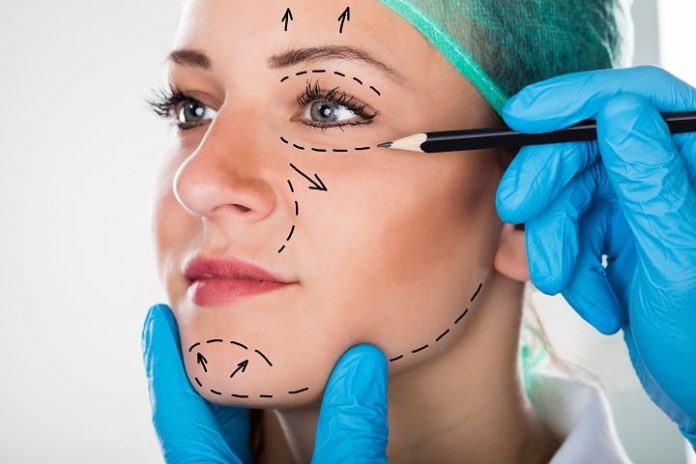
Facial plastic surgery is a practice that dates back more than 100 years. It can either be reconstructive or cosmetic. Its objective initially was to reconstruct or restore patients’ facial parts (neck upwards) affected by defects, disease, or injury. Later, it became more popular, especially amongst the rich and celebrities who wanted to enhance their facial appearance aesthetically.

Cosmetic facial surgery is now being embraced by more and more people, both young and old. And people who seek to change facial appearance or reverse and improve changes brought about by aging on the face like double chin, loose skin, and fine lines now embrace cosmetic facial surgery.

The possibilities offered by cosmetic facial surgery are vast, and the field is still evolving. Below are some of the most popular and sought after cosmetic facial procedures:

  1. Rhinoplasty

Also widely referred to as the ‘nose job’ is one of the most popular cosmetic facial surgeries. It’s also regarded as one of the most difficult procedures in facial plastic surgery. It aims to modify the appearance of a patient’s nose either in size, shape, or proportions. During this procedure, the skin on the nose, bone framework, and mucous membrane are manipulated and reshaped to produce the desired nasal contours. In the past, because of the challenges in the procedure and complications that may arise, most patients had to undergo secondary surgery. But there’ve been advancements in the medical field that enable precision in surgery, and thus only one session now gets the job done.

  1. Facelift

A facelift is a surgical procedure intended to improve your skin’s appearance brought about by aging. This procedure involves repositioning and/or removing skin, muscle, or fat. It can improve sagging skin, folds, and creases around the mouth and nose; and also repair facial fat, drooping skin, and loose skin. Facelifts are intended to tighten the sagging skin on the face, chin, and neck. The advancements of this procedure have been catalyzed because of the patients’ demand to the extent that the facelifts are now done quickly and require very minimal invasion.

There are different types of facelifts that are meant to deal with different areas of the face that need improvement:

  • Traditional facelift: In this procedure, several incisions are made on the front of the ear, up to the hairline, extending to the chin. The skin is separated from the deeper tissues, excess fat is removed, muscles and skin are tightened, and the skin is re-draped. This procedure is recommended for people who want an overall improvement of their facial skin and appearance.
  • SMAS facelift: Superficial Musculoaponeurotic System (SMAS) facelift deals with the muscular layer of your face. Here, the muscles on your face are tightened, and excess fat from your cheeks and lower face is removed.
  • Deep plane facelift: It is an advanced technique where the muscular layer under the skin is released and repositioned. The result is a more natural and relaxed look compared to other procedures, where the skin is pulled to give it a tight look. This procedure addresses issues in the whole face.
  • Mid-facelift: Also called a cheek lift, is recommended for people with sagging skin on cheeks and the surrounding area. Here, the fat in your cheeks is repositioned, and the skin is tightened. The effect is tight skin on the upper mouth and the eye area.
  • Mini-facelift: Mini-facelifts lift sagging skin on your lower face and neck area. The procedure is popular among younger people experiencing early signs of aging. It’s a quick process and less invasive.
  • Cutaneous (skin) facelift: This technique is used by people who only need excess facial skin removed to pave way for smoother and tighter skin. In this procedure, the muscles and fat are not involved, it’s only the skin that is affected. It tightens the neck and lower face skin.
  1. Blepharoplasty

Blepharoplasty or eyelid surgery is a cosmetic surgery that is done to improve facial appearance by modifying the eye region. As we age, muscles weaken, and eyelid skin stretches, making us look old. This surgery rejuvenates and improves tired eyes, droopy eyelids, or bags under the eyes.

There’re different types of cosmetic eyelid surgery:

  • Upper blepharoplasty: This procedure removes excess fat, muscle, and skin responsible for droopy, hooded, or heavy eyes. The same is removed through an incision made in the upper eyelid crease. Patients may look younger and rested after undergoing an upper blepharoplasty.
  • Lower blepharoplasty: It is also known as lower eyelid surgery, where the extra fat deposits, muscle, and skin which cause crow’s feet, dark circles, and puffiness under the eyes are removed through an incision along the lower eyelids. The incisions are made either below the lash line or inside the lid. And it might result in a refreshed eye appearance.
  • Double blepharoplasty: This is a combination of lower and upper eyelid surgery performed at the same time.
  1. Forehead Lifts

It’s also known as brow lifts procedures that are meant to improve the appearance of the forehead, eyebrows, and eyes. Contrary to misconceptions, both men and women can have brow lifts done. They can be performed in various ways:

  • Lateral Brow Lift: This is a less invasive procedure where a small incision is made in the hairline laterally above the brow. A row of stitches is then passed from the lateral brow to the scalp to pull up the brow. Scarring is minimal and is well-hidden by the hairs of the brow. This procedure reduces eyelid heaviness and takes only about 90 minutes to perform. It takes approximately one week to heal.
  • Endoscopic forehead lift: Here, a thin tube with a camera at the end together with special instruments are placed through incisions made along the hairline. It makes it possible for the muscles and tissues under the skin to be realigned and tightened to correct forehead creases and furrows. The result is a smooth forehead, lifted eyebrows that open up the entire upper face. This procedure takes about 120 minutes and takes about one week to heal.
  • Pretrichial eyebrow, forehead lift: This procedure targets sagging skin on the forehead that causes creases and furrows, and drooping of the brows, which occur as a result of lost soft tissue elasticity. Muscles and tissue under the forehead skin are repositioned, pulled, and tightened surgically. The procedure is done on an outpatient basis and heals well with minimal scarring.
  • Direct brow lift: This is ideal for people who only want to raise their eyebrows surgically without interfering with the hairline. In this technique, an incision is made directly on the upper lateral brow line, then the underlying muscle is altered, and excess skin is removed. It creates an appearance of a lifted forehand and also enhances the appearance of the brow and upper face.
  1. Hair Transplant Surgery

It is a procedure used to restore hair as a result of balding or thinning. The surgery is performed under local anesthesia. The procedure may sometimes require several sessions after a few months to get the desired results. There’re various techniques of hair transplant or restorative surgery:

  • Hair transplantation: Here, hair-bearing skin is taken from the sides or back of your head and grafted into parts that are bald or have thinning hair. 1,000 to 2,000 hair follicles can be transplanted in one session. However, people with larger areas to transplant may opt for two to three sessions.
  • Tissue expansion: In this technique, a tissue expander is placed where hair grows next to a bald area. It might cause the skin beneath it to produce new skin cells after several weeks. The new skin cells are transferred to the bald area, which causes hair to grow.
  • Flap surgery: During this procedure, a flap of skin that bears hair is still attached to the original blood supply on a section of the bald area. It stimulates hair growth on the bald area, and results can be seen after a couple of weeks.
  • Scalp reduction: This procedure is meant to cover balding portions at the top and back of the head. It involves removing bald sections and portions of the hair-bearing scalp through incisions. The scalp is then stitched together to fill up the bald sections giving the head a ‘fuller’ look.

  1. Genioplasty

Genioplasty is a procedure used to manipulate the chin forward, backward, sideways, or make it longer or shorter. The techniques used to manipulate the chin are:

  • Sliding genioplasty: In this technique, a portion of the chin bone is shaped using a saw to achieve the desired look. It’s mostly performed on people who want to correct chins that are pushed forward or too long.
  • Chin implants: Here, plastic material is implanted in the chin to adhere to the chin bone. It’s performed on people who want to reshape their chins by pushing it forward.

 Conclusion

While cosmetic facial surgery can provide the desired facial appearance and even take away years from your face, you should note that the same does not stop the aging process. You’ll be required to repeat procedures to maintain or improve the desired look.

Many quacks have set up shop to share profits of being a multibillion-dollar industry. Therefore, to say, it’s important to choose a surgeon with experienced, qualified, and accreditation by a medical professional board before going ‘under-the-knife’ to avoid botched surgery.

3 Things That Will Make a Positive Difference to the Medical World in 2022

In the medical world, trends can come and go in the blink of an eye and developments can emerge on a seemingly never-ending basis. It can be difficult to keep up with the sheer volume of medical headlines splashed across our smartphone and television screens on a daily basis but by doing your research if and when you can, you can ensure you stay ahead of the curve when it really matters.

If you are curious as to what the most important things are that will make a difference to the medical world in 2022, continue reading to find out everything you need to know.

  1. 3D drug printing

In the past couple of years, 3D drug printing has emerged as one of the most important technologies to ever revolutionise the wider medical world. It can streamline the process of printing pills with complex structures and is more likely to distribute accurate dosages compared to previous methods which has led to it quickly becoming the preferred option for a growing number of medical professionals.

It may have only been approved for widespread use by the FDA in 2015 but as 2022 edges closer, it is set to continue growing and developing before reaching mainstream adoption as the year progresses.

  1.  Devices That Reduce the Need for Additional Personnel

One of the most significant impacts wrought by the Covid-19 pandemic was the need to minimize the number of medical professional required in particular settings – for instance, in surgeries, where a greater number of people inevitably increases the risk for infection.

Now, new devices and technologies that reduce the need for personnel in surgeries are ushering in a revolution in this field. Thanks to the innovative new design of the Galaxy ii surgical retractor, for instance, which is capable of retaining surgical incisions without requiring an extra pair of hands, it is growing increasingly feasible for surgeries to proceed with reduced staff.

  1. Digital health trackers

It is no secret that technology has been steadily infiltrating a growing number of global industries and sectors for a number of years now and the medical world is no different. It is already present in a wide range of medical gadgets including step counters, blood pressure monitors, and respiratory rate trackers, but 2022 is set to be the year when it truly revolutionises the wider healthcare sector in more ways than ever before. It comes as modern digital health trackers continue to tap into emerging technological advancements and, in doing so, become available to a growing number of consumers through online app stores or physical accessories.

In 2022, a number of things are set to make a positive difference to the medical world including 3D drug printing, single-use medical supplies, and digital health trackers. It will revolutionise the global healthcare sector forevermore and pave the way for greater research and development into the various ways in which we can make a difference to the lives of millions of patients every single year.

Johnson & Johnson Medical Devices Companies Announces Strategic Partnership with Microsoft to Further Enable its Digital Surgery Solutions

The Johnson & Johnson Medical Devices Companies announced that it will collaborate with Microsoft to further enable and expand JJMDC’s secure and compliant digital surgery ecosystem. The Microsoft Cloud will help JJMDC realize its vision of driving innovation that advances skills, improves workflow, and enhances surgical decision making for a better overall customer experience and improved patient and economic outcomes.

JJMDC’s innovative medical technology exists across an ecosystem that includes next generation robotics, world-class instrumentation, advanced imaging and visualization, data and analytics, artificial intelligence, machine learning, and digital solutions. To mobilize the potential of these assets and make a clinical difference for patients, it is imperative to establish robust connectivity with, and between, all elements of the ecosystem with a seamless, interconnected network that meets surgeons where they are in their workflow and patients where they are in their healthcare journey.

“Collaborating with Microsoft will help take our digital approach to the next level as we create a best-in-class, unified platform across our innovative surgical technologies,” said Larry Jones, Group CIO and Global Vice President, Medical Devices, Johnson & Johnson. “It brings together our collective expertise and is an exciting step towards creating a connected patient journey across the entire care continuum, before, during, and after a procedure.”

As part of the strategic partnership, Microsoft will serve as JJMDC’s preferred cloud provider for the company’s digital surgery solutions and help JJMDC build out its digital surgery platform and internet of things (IoT) device connectivity. By harnessing the power of the Microsoft Cloud, including Azure, artificial intelligence (AI), and machine learning, Microsoft 365 and Dynamics 365, the companies expect to work together to deliver innovation across the following areas:

  • Innovating to improve patient outcomes through artificial intelligence, machine learning and data insights.
  • Increasing JJMDC device connectivity, insights and intelligence using Azure IoT and Edge Computing technologies.
  • Increasing the pace of digital innovation and transformation across the JJMDC digital surgery ecosystem using Azure capabilities and services.

“At the Johnson & Johnson Medical Devices companies, we’re shaping a future where medical intervention is smarter, less invasive, and more personalized,” said Peter Schulam, MD, PhD, Global Head, Medical Affairs, Clinical Affairs and Pre-Clinical Research, Johnson & Johnson Medical Devices Companies, and Leader, Office of Digital Innovation. “We’re excited to collaborate with Microsoft on this important work as we continue to expand our digital surgery assets and capabilities, develop innovative and advanced instrumentation, and make a meaningful clinical difference for customers and patients.”

About Johnson & Johnson Medical Devices Companies:
At Johnson & Johnson Medical Devices Companies, we are helping people live their best lives. Building on more than a century of expertise, we tackle pressing healthcare challenges, and take bold steps that lead to new standards of care while improving people’s healthcare experiences. In surgery, orthopaedics, vision and interventional solutions, we are helping to save lives and paving the way to a healthier future for everyone, everywhere.

Why Marijuana is Being Used for Health Benefits

Why Marijuana is Being Used for Health Benefits

In the last few years, there has been a movement to legalize marijuana in countries and states around the world. With this legalization, online shops and dispensaries like Canna Cabana introduced new cannabis-based products that have hit the market, from edibles to concentrates to topicals.

Cannabis has been used for recreational and medicinal purposes for thousands of years, but it’s only recently that we’re starting to understand its full potential. For example, people with epilepsy have found relief from seizures by using cannabis-based medications like Epidolex and medical marijuana.

These treatments are showing great promise because they work on the brain receptors involved in controlling seizures as opposed to other medications which may not be as effective or cause nasty side effects like liver failure or heart arrhythmia. Some doctors also believe that cannabis can help those who suffer from chronic pain, anxiety disorders such as PTSD, depression, and even cancer symptoms if given at an early stage of diagnosis when chemotherapy.

If you would like to know what marijuana is being used and why here is what you need to know.

Improved Pain Relief

One of the primary reasons why many people consume cannabis is to have relief from pain. The cannabis plant has many cannabinoids, many of which have pain-relieving properties when interacting with the brain.

One particular cannabinoid that is naturally present in the brain is anandamide. It has many roles and does a few things, including blocking the pain signals the brain sends, which reduces pain. THC has a very similar makeup to anandamide, which allows it to bind to CB1 receptors, and produce the same pain signaling blocking. CBD on the other hand increases the number of natural levels of anandamide in the brain, which also leads to pain reduction.

Reducing Anxiety and Depression

Another reason why many people are consuming cannabis is to reduce anxiety and depression. A few studies have been conducted in order to measure the results of the role cannabis plays in reducing anxiety and depression. Research indicates that when participants consumed between 40 to 170 milligrams of CBD, there was a reduction in anxiety. This means that if you want those effects, you should find a strain of cannabis that has more CBD than THC, although THC can produce a similar effect.

This is most likely because both THC binds with CB1 receptors and the result of this binding is an improvement in mood, due to its effects on dopamine transportation.

Improved Sleep

When it comes to using marijuana for sleep, there have been many positive results from studies. There are many reasons why people might struggle to sleep or have poor quality of sleep. Some of these reasons include anxiety and depression, chronic pain, stress, and more.

As mentioned above, marijuana is effective at reducing anxiety and depression as well as improving pain relief. If you are suffering from a condition that causes inflammation or chronic pain, then consuming marijuana will allow you to sleep since you won’t feel as much pain if any at all. If it is because you are experiencing anxiety or depression, and marijuana can reduce the symptoms of anxiety and depression, your sleep quality will improve too.

Seizures Regulation

Many studies are being conducted to evaluate the effects that marijuana has on seizure regulation. One thing is for certain; CBD is effective at treating the seizures produced by two rare forms of epilepsy, Dravet syndrome, and Lennox-Gastaut syndrome. Research has been mixed on the effects of THC and CBD together, however, some studies have shown that THC might increase seizures. This means that you should try to only use CBD or marijuana strains that don’t contain a lot of THC.

Because CBD acts as a modulator of activity in the brain, it is thought to be the reason why it decreases seizures. This is most likely because CBD binds rather loosely to CB receptors.

Diabetes Prevention and Regulation

Finally, when it comes to diabetes, marijuana seems to aid in the regulation of diabetes and prevention. The biggest contributing factor to diabetes is obesity, and studies have shown that people who consume marijuana have are at a much lower risk of obesity, and have smaller waist sizes.

In addition to this, marijuana seems to increase insulin sensitivity, which is extremely important for health. Other benefits related to this include an increase in adiponectin, which regulates blood sugar, and a large decrease in fasting blood glucose.

Competitive Health Partners with Brightline to Expand Access to Virtual Behavioral Health Care for Children and Working Families

Venturing "Into the Impossible" with Virtual and Integrated Care

Competitive Health announced a partnership with Brightline, the first virtual behavioral health solution built specifically for children, teenagers, and their families. Brightline’s services will now be an option for small and mid-sized employers representing more than a million working families who access benefits through Competitive Health, bringing them much-needed support at a critical time.

With this partnership, the companies aim to address two related phenomena — that mental health needs are skyrocketing nationwide and employees are leaving the workforce to take care of their families. Just last month, the U.S. Surgeon General issued an advisory highlighting the urgent need to address what is now widely considered a national youth mental health crisis, exacerbated by the ongoing COVID-19 pandemic.

“Mental health support and access to professional care for children is important and vital to every family. Touching on my own personal experience, as a child that survived trauma and the loss of a parent at a young age – help and access to help – can make “the” difference in a young person’s life and future.” – Kim Darling, CEO and Founder, Competitive Health Inc.

This comes at a tipping point as parents and caregivers, especially women, are leaving the workforce in what’s being called the Great Resignation. This is in large part driven by increasing behavioral health needs among their children as a product of pandemic-induced anxiety, stress, school closures, and other challenges. In fact, Brightline’s own research found that more than 1 in 5 parents and caregivers have quit or are planning to quit their jobs in the coming year to better care for their children’s needs.

By opening up much-needed access to care, Competitive Health and Brightline aim to help parents and caregivers not have to choose between their careers and supporting their families.

“Parents across the country are quitting their jobs because they’re worried about their kids — and they haven’t had options to get them help. A top priority for Brightline is bringing support to working families, so they don’t have to make that tough decision,” said Naomi Allen, CEO and co-founder of Brightline. “Our partnership with Competitive Health is critical to getting working parents access to care that’s specifically built to help children and families — right now, right where they need it.”

This will round out Competitive Health’s mental health offering to include support for children and teenagers, who require a different solution than those built originally to work for adults. With Brightline’s family-focused approach and evidence-based programs, all delivered virtually, employees can now get care for their children when and where they need it.

Family Behavioral Health services will be covered for employees of companies who access benefits through Competitive Health. This includes Family Behavioral Health’s integrated digital platform that provides resources and support for parents and caregivers experiencing behavioral health needs with their children — alongside live coaching programs, behavior therapy, evaluation and medication support, and speech therapy all delivered by confidential video visit.

Together, Brightline and Competitive Health are offering best-in-class benefits to employers, allowing them to bring Family Behavioral Health to their employees and their loved ones.

NHS strikes new COVID surge deal with independent sector

NHS strikes new COVID surge deal with independent sector

Local hospitals will be able to quickly activate surge capacity in the independent sector as part of the national COVID response, under a new deal announced today.

A three-month agreement with multiple independent healthcare organisations will see their staff and facilities put on standby to support the NHS should the Omicron variant lead to unsustainable levels of hospitalisations or staff absences.

The deal, which has been struck under direction from the Secretary of State, comes on top of the NHS creating additional capacity within its own hospitals.

Hospitals have been asked to identify areas such as gyms and education centres to create ‘super surge’ wards on top of their usual surge capacity.

Nightingale hubs are also being created in the grounds of some hospitals as part of the drive to create up to 4,000 ‘super surge’ beds.

The deal announced today will allow NHS Trusts to send a wider range of patients to the independent sector for treatment including those requiring some forms of cancer surgery and other care not normally delivered under existing arrangements.

The independent sector surge capacity would only be triggered if COVID patients requiring treatment were to threaten the NHS’s ability to provide urgent care.

NHS England chief operating officer and COVID incident director Sir David Sloman said: “NHS staff have done an incredible job over the last year recovering elective treatment levels and then keeping non-COVID services going as pressures have built.

“As part of this millions of patients have already got their tests and treatment quicker thanks to our existing deal with independent providers.

“With the high number of Omicron cases placing even greater pressure on hospitals now and over the coming weeks, this deal, struck under direction from the Secretary of State, means as many people as possible can continue to get the care they need.

“It also places independent health providers on standby to provide further help should hospitals face unsustainable levels of hospitalisations or staff absences.

“Just like the Nightingale hubs being created across the country, we hope never to need their support but it will be there if needed.

“The public can play their part in helping us to help you getting vaccinated against COVID – it is the best way to protect yourself, your family and your friends”.

Health and Social Care Secretary, Sajid Javid, said: “NHS staff continue to go above and beyond to ensure people get the treatment they need this winter and our support for the NHS through this challenging period remains at full throttle.

“This agreement demonstrates the collaboration across our health care services to create an additional safeguard that ensures people can continue to get the care they need from our world-leading NHS, whenever they need it.

“I encourage everyone to keep doing their bit to look after themselves and their loved ones and most importantly for all those eligible to Get Boosted Now”.

The NHS COVID vaccination programme, the biggest and most successful in NHS history, has delivered more than 113 million jabs including 40 million boosters.

At the same time NHS teams across the country have continued to deliver non-COVID care with almost 10 million people starting elective treatment between the start of March and the end of October 2021.

This is due in part to the existing nationally-negotiated arrangement with the independent sector which allows local hospitals and health groups to use their services at pre-agreed prices.

Independent sector capacity has been used extensively throughout the pandemic and currently overall use is at almost 115 per cent of pre-pandemic levels, including over 470,000 day cases, almost 2,800,000 surgical procedures and over 500,000 diagnostic tests in the last year.

The new deal with these independent sector organisations comes into effect from today (10 January) and will run until the end of March, at which point local arrangements with those providers will resume.

If NHS Trusts or systems need to trigger the surge element of the new deal routine services at an independent sector site will be suspended to make facilities and staff available to the health service.

If the surge capacity were to be used the NHS would seek to return to current arrangements, allowing independent sector hospitals to resume usual activities including treating NHS patients, as soon as possible.

David Hare, Chief Executive of the Independent Healthcare Providers Network (IHPN), said: “Independent sector providers have worked shoulder-to-shoulder with the NHS throughout the pandemic, playing a key role in enabling vital NHS care including cancer and cardiology treatment to continue, whilst also maintaining services for private patients.

“The arrangements being announced today, in response to a call by government and the NHS for further independent sector support during the Omicron wave of COVID-19, will help to bolster planned NHS care including cancer treatment this winter whilst ensuring that independent sector providers can continue to treat private patients.

“The arrangements will also provide the NHS with additional targeted support in the event that local NHS pressures are deemed as unsustainable”.

Regence Health Plans and Strive Health Partner to Deliver Comprehensive Kidney Care Program

Humana and REACH Kidney Care Sign Care Coordination Services Agreement

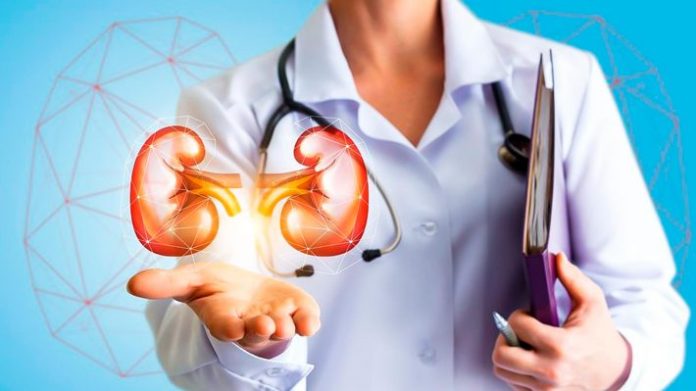
Strive Health, the national leader in value-based kidney care, announced that Regence health plans are bringing Strive’s comprehensive kidney care program to Medicare Advantage (MA) and commercially insured members living with advanced chronic kidney disease (CKD) and end-stage kidney disease (ESKD). This program includes a regional, state-of-the-art Strive Health Kidney Care Center that recently opened in Medford, Oregon. The center accommodates future and existing dialysis patients on all modalities, including in-center, home and peritoneal dialysis.

Strive’s comprehensive kidney care program will drive quality improvements, including earlier interventions, whole-person care and hospital admission reductions, for 16,000 Regence members in Oregon, Washington, Idaho and Utah who have Stage 3 CKD through ESKD.

“People living with kidney disease require a more person-focused and holistic treatment approach,” said Marion Couch, Regence’s Chief Medical Officer and Senior Vice President of Health Care Solutions. “Strive Health’s comprehensive and proactive care approach will help us deliver on our goal to make health care better, simpler and more affordable for our members and customers. We are excited to partner with Strive to create a new approach to this disease.”

More than 1 in 7 U.S. adults are estimated to have kidney disease, which requires a proactive, value-based approach that promotes patient health and well-being. Changes outlined in the 21st Century Cures Act are expected to significantly increase the number of ESKD patients enrolled in MA plans, and new value-based payment models are revolutionizing care delivery for this population.

Strive’s technology-enabled, high-touch clinical model addresses social determinants of health, improves care outcomes and reduces unnecessary healthcare costs by:

  • Closing care gaps through coordination with the member’s primary care physician, nephrologist and other specialists.
  • Applying predictive analytics through artificial intelligence (AI) and machine learning technology to identify potential adverse events sooner.
  • Delivering direct, home-based and virtual clinical services, education and training to delay kidney disease progression.
  • Establishing experienced, local Kidney Heroes™ teams to better support members through whole-person care, including care coordination, disease management, wound care, medication management and acute care management.

“Kidney disease requires a fresh and comprehensive approach centered around the patient,” said Chris Riopelle, CEO of Strive Health. “Regence and Strive Health will offer transformative care to address the clinical and social determinants impacting kidney disease in a way that also controls long-term healthcare costs. We are thrilled to bring our Kidney Heroes™ teams to Oregon, Washington, Idaho and Utah, where they can deliver compassionate and complete care to enhance member quality of life.”

Translate »