






Close
Digital Health & Ai Innovation summit 2026
Medical Taiwan 2026

GBT is Developing a Mobile Application for its AI Based Healthcare Advisory System

GBT is Developing a Mobile Application for its AI Based Healthcare Advisory System

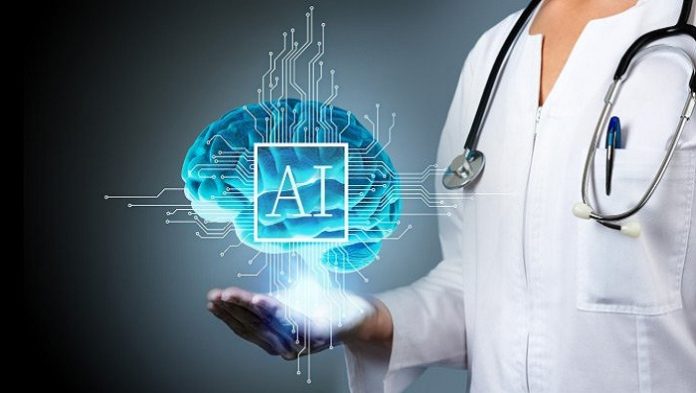
GBT Technologies Inc. is now developing a mobile application for its AI empowered healthcare advisory system. The mobile application will be working with a back-end infrastructure, enabling an efficient and user-friendly interface. The mobile application will support private accounts, with a question & answer conversation type advising system, and in future versions, natural voice support using NLP (Natural Language Processing) technology. The mobile technology will be synchronized with the systemโ€™s web application for easier and intuitive user interactions. The AI health advisory system will be trained with health-related information and connected with accredited data sources, among them are the CDC (Centers for Disease Control and Prevention), NCBI (National Center for Biotechnology Information), medical text books, and other credible resources. The system is aimed to perform as a general health Q/A advisory system, providing first-line of medical advice.

GBT plans to further develop the system to include intelligent telemedicine capabilities that will assist patients and healthcare specialists through connected devices. The AI-driven computer program will be able to connect to healthcare providers computerized systems through an API (Application Programming Interface); effectively, establishing direct telemedicine communications. The mobile technology plans to incorporate GBTโ€™s qTerm vital device to enable real-time vital information sharing with a healthcare professional during telemedicine sessions. The mobile application will support iOS and Android platforms and is targeted to be complete during the Q2 of 2022.

โ€œAs a natural evolution of our AI-driven health advisory system, we are now developing its mobile application to work with full synchronization together its web interface. As with the systemโ€™s web application, the mobile app will provide a conversational interface type, designed to be at the forefront of an AI program that processes the userโ€™s data. The knowledge base health advisory system will be connected to credible health-related data resources, among them are the CDC, medical text books and NCBI, to provide credible advice for general health related questions. Additionally, we plan to implement all the necessary infrastructure within the mobile application to establish future telemedicine capabilities with clinics and healthcare providers through an API interface. The mobile app architecture will include qTermโ€™s vital device support to enable future real-time vital data sharing within telemedicine sessions. The healthcare advisory agent is aimed to provide first line health related advice and become an assistance tool for healthcare professionals. One of its major advantages is the capability to provide healthcare support for remote locations. The mobile application design is focusing on a secured communication protocol, efficient data management and user-friendly interface. The mobile app will support iOS and Android platforms, providing intelligent healthcare assistance, monitoring and telemedicine capabilities for our new healthcare era,โ€ said Danny Rittman, the Companyโ€™s CTO.

There is no guarantee that the Company will be successful in researching, developing or implementing this system. In order to successfully implement this concept, the Company will need to raise adequate capital to support its research and, if successfully researched and developed, the Company would need to enter into a strategic relationship with a third party that has experience in manufacturing, selling and distributing this product. There is no guarantee that the Company will be successful in any or all of these critical steps.
200 Armed Forces Personnel Help NHS In London As Cases Spike

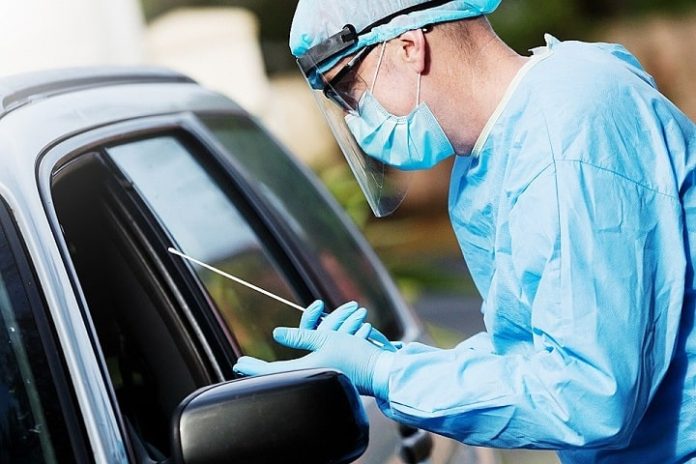
In a development that was expected to happen, around two hundred armed force personnel will now be supporting the National Health Service in London due to a shortage of staff because of COVID-19. If we look into the split, the Ministry of Defence will be rolling out 40 defense medics as well as 160 general duties personnel who shall be allocated flexibly to make sure that reach the locations where their need is required the most.

The NHS staff will get the support of these military medics whereas the general duty personnel will help in supporting the tasks such as checking patients on arrival, maintenance of stocks, and also doing basic checks. According to Defense Secretary Ben Wallace, the men and women of the UKโ€™s armed forces will once again step out and work hand in hand with colleagues at the NHS to root out COVID-19. He added that these personnel have time and again shown their worth all across the pandemic, either by driving ambulances, supporting patients in the medical facility, or even driving ambulances and that one must be proud of their efforts.

Further to what he said, the defense will also be assisting the cause with 32 military co-responders who will be responsible for SCAS- South Central Ambulance Service. They will be up for task till March-end.

According to Sajid Javid, who is the health & social secretary, the armed forces will once again be stepping up to assist NHS personnel who are working round the clock. He went on to say that the most important thing people must do now is get boosted. Upon the development, Jane Clegg, NHSโ€™ Regional Chief Nurse said that they are thankful for the armed forces have provided them the support as there is an increased demand brought by the pandemic.

This support is in addition to the already more than 1000 personnel who have been deployed across the UK to provide a quick response. It is well to be noted that more than 1000 servicemen and also women have been involved in the booster program already.

Cue Health to Develop Omicron-Genotyping COVID-19 Test in Partnership with the U.S. Department of Health and Human Services

Cue Health to Develop Omicron-Genotyping COVID-19 Test in Partnership with the U.S. Department of Health and Human Services

Cue Health, a healthcare technology company, announced it will develop an Omicron-Genotyping COVID-19 test to be used in professional point-of-care settings as part of the companyโ€™s ongoing work with the U.S. Department of Health and Human Servicesโ€™ Biomedical Advanced Research and Development Authority (BARDA) within the Office of the Assistant Secretary for Preparedness and Response. The Omicron-specific test will complement Cueโ€™s existing highly-accurate, molecular COVID-19 test, which can detect all known COVID-19 variants, including Omicron, a finding announced by the company in November.

The additional funding from BARDA will be used to accelerate the development, validation, and regulatory authorization of a single-plex assay designed solely to detect the Omicron variant in nasal samples. The new test will be compatible with the Cue Health Monitoring System and the Cue Health Mobile Application.

โ€œAn Omicron-specific test will assist clinicians in providing patients better treatment options and containment strategies at the time of a positive diagnosis,โ€ said Ayub Khattak, Co-Founder and CEO of Cue. โ€œWe are proud to partner with BARDA to develop this new test, which will help eliminate guesswork, provide more choices for patients, and strengthen public health outcomes for communities.โ€

Cue has worked with BARDA since 2018, when the Company received $30 million in base funding to accelerate the development and regulatory validation of over-the-counter and professional use Influenza and Multiplex Respiratory Pathogen diagnostic cartridges for the Cue Health Monitoring System. In March 2020, Cue was awarded $13 million by BARDA to accelerate the development, validation, and FDA clearance of a portable, molecular diagnostic test capable of detecting SARS-CoV-2. Cue received Emergency Use Authorization (EUA) from the FDA in June 2020 for professional point-of-care use of its COVID-19 test. In March 2021, Cue was the first molecular test to receive FDA authorization for at-home and over-the-counter use without a prescription.

During the early stages of the pandemic, Cueโ€™s team of scientists and bioinformatic experts implemented a surveillance program to monitor and analyze all relevant SARS-CoV-2 variant sequences globally. These sequences are routinely compared to the primers in Cueโ€™s COVID-19 test to determine if any mutations are present that could affect the sensitivity or specificity of Cueโ€™s test. Cueโ€™s tests work by targeting a region of the nucleocapsid gene (n gene) that is highly conserved, and Company scientists have found that the testโ€™s accuracy has remained unaffected by the mutations in the Omicron variant and other variants of concern to date.

Cue uses molecular nucleic acid amplification technology (NAAT) and is the most accurate* self-test for COVID-19, providing lab-quality results directly to connected mobile devices in 20 minutes and can be used on adults and children (2 years and over), with or without symptoms, wherever they are.

About Cue Health

Cue Health is a healthcare technology company that makes it easy for individuals to access health information and places diagnostic information at the center of care. Cue Health enables people to manage their health through real-time, actionable, and connected health information, offering individuals and their healthcare providers easy access to lab-quality diagnostics anywhere, anytime, in a device that fits in the palm of the hand. Cue Health’s first-of-its-kind COVID-19 test was the first FDA-authorized molecular diagnostic test for at-home and over-the-counter use without a prescription and physician supervision. Outside the United States, Cue Health has received the CE mark in the European Union, Interim Order authorization from Health Canada, regulatory approval from India’s Central Drugs Standard Control Organization, and PSAR authorization from Singaporeโ€™s Health Sciences Authority.

India’s National Health Mission launches digital health project in Assam

Verizon Business launches BlueJeans Telehealth for better connected health

The National Health Mission, in partnership with nonprofit health association Piramal Swasthya and computer giant Cisco, has launched a new project to digitize public health care delivery in the Indian state of Assam.

Dubbed Niramay, the project covers health and wellness centers, blocks primary health centers and district hospitals in three local districts โ€“ Baksa, Barpeta and Darrang.

The Niramay project will provide specialist consultations and early diagnosis of noncommunicable diseases and high risk pregnancy cases. It will also improve the quality of health data and the patient experience, thereby helping to minimize direct human health spending.

The project is based on Piramal Swasthyaโ€™s integrated health technology platform called Medical Records Accessible Via Integrated Technologies or AMRIT, where public health EHRs are created and stored. Its users each receive a unique identification which facilitates the referral mechanism for accessing health services. The platform, the group said, can also ensure the collection of quality health data, helping authorities to make evidence-based decisions.

Niramay is a step towards achieving the digitalization of health services in Assam as envisioned by the governmentโ€™s National Digital Health Mission.

โ€œThis project will aim to strengthen the digital infrastructure to enable telemedicine interactions, rapid diagnostics, patient health records and data collection at the local level in three ambitious districts of Assamโ€, Anurag Goel, Principal Secretary from the Ministry of Health and Family Welfare to the government of Assam, was cited.

With long-term health data available on AMRIT, the platform allows beneficiaries to see โ€œany doctor anytime and anywhere with a complete medical history,โ€ said Piramal Swasthya, vice president Hardeep Singh Bambrah. Access to volumes of health data also allows healthcare professionals to plan referrals and predict potential outbreaks, he added.

The Pradhan Mantri digital health mission, also known as The national digital health mission was officially launched last year at the end of September by the National Health Authority. It involves the establishment of digital health identifiers, a register of doctors called Digi-doctor, a register of health establishments and electronic health records. The program aims to bridge the gap between actors in the Indian health ecosystem through digitization.

Singapore Lauds Healthcare workers With Up To S$4000 Each

Master Lock announces product donation to help protect frontline workers and small business amid pandemic

At a ceremony organized for giving out National Medical Excellence Award, Singaporeโ€™s Health Minister, Ong Ye Kung had confirmed that around 100,000 healthcare workers who are a part of publicly funded health care organizations and are involved in the battle against COVID-19 shall be bestowed with an award of up to S$4000 each.

As per Mr. Kung, there would be three groups who would be conferred with the COVID-19 healthcare award. The first group shall comprise of the staff members who are a part of public healthcare institutions like polyclinics, acute hospitals, or even community hospitals, while the second group shall comprise of staff members across community care organizations that are involved in delivering frontline healthcare assistance, like the Nursing Homes. The final group will have general practitioners who are responsible to run Public Health Preparedness Clinics in Singapore and were essentially serving as the first port of call for the COVID-19 patients. The Ministry of Health of Singapore, as per Ong Ye Kung would award a grant of S$10000 to each clinic which then will be shared among the employees. These awards will stand as a testimony to recognize the contribution and selflessness of health workers throughout the COVID-19 pandemic in Singapore.

Apparently, these awards are a result of mass resignations that took place among healthcare workers due to the pandemic strain. Senior Minister of State for Health of Singapore, Dr Janil Puthucheary said that 1500 workers from healthcare specifically had put down their papers in the first half of 2021 itself as compared to 2000 resignations per year before the pandemic struck. Significantly, many foreign workers too have resigned during this time.

The ministry of health had in a statement said that these awards would be given in the first quarter of 2022. Mr. Ong added that although monetary awards donโ€™t entirely reflect the healthcare worker’s contributions, as of now is the most appropriate thing to do.

Understanding the Urine Drug Test

Understanding the Urine Drug Test

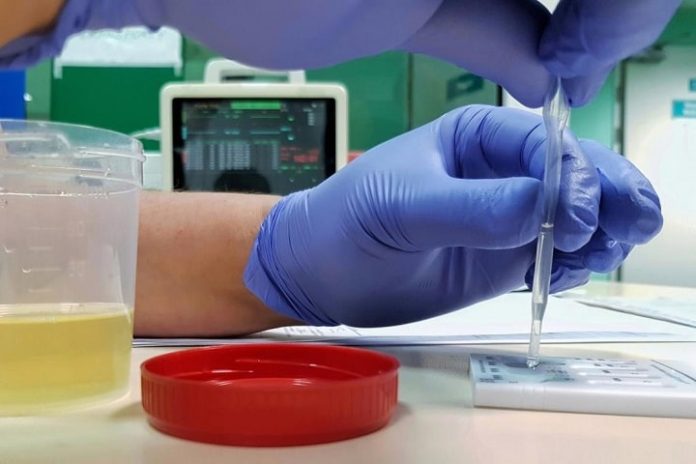
A urine drug test (also known as a UDS or a urine screen) is a painless test. It checks your urine for prescription drugs and illegal drugs.

A doctor can use a urine drug test to help identify potential abuse issues. Doctors can help you develop a treatment plan after a drug test has identified drugs that you might be using. To ensure that your substance abuse treatment is effective, you must submit to urine drug testing.

Purposes and Uses of Urine Drug Test

Employers, doctors, and sports officials may request urine drug screenings for a variety of reasons.

Doctor. If a doctor suspects that someone has been using prescription drugs or illegal drugs, they may request a urine drug test.

A doctor might request a urine test to check if someone is using opioids prescribed for chronic pain.

If they suspect that someone is acting strangely or dangerously because of drug use, an emergency service staff member can request a urine drug screening.

Rehabilitation Programs. To check if a person is sober, drug and alcohol rehabilitation programs might request urine drug screens. These tests are also required by prison officials for people who have abused drugs in the past.

Sporting Events. Many sporting officials require urine drug screens to check whether athletes have used performance-enhancing drugs.

Employers. Employers may request that employees who are new or already employed take a urine drug screen.

This is more common in workplaces with high safety standards. For example, an employer might be more inclined to test someone who drives vehicles or uses machinery.

Different laws regarding employee drug testing apply to different areas. It is best to check with your local authorities.

Types of Urine Drug Test

There are two types of urine drug screenings. The immunoassay is the most cost-effective, and it gives you results very quickly. It does have some drawbacks. It doesn’t pick up all opioids. It can also give false positives. False positives are when test results show that the drug is found in the blood, but no drug use has occurred.

A second test, known as gas chromatography/mass spectrometry (GC/MS), is performed to confirm the positive results of your initial test. This test uses the same method to obtain a urine sample as the immunoassay. Although GC/MS results can be more costly and take longer to produce results, they are less likely to yield false positives.

False negatives can occur with both types of tests. This is when the test reports a negative even though there has been drug use. Both types of tests may not be able to detect same-day drug use.

How Reliable Are Urine Drug Test

Cut-off levels are used for a urine drug test. A result is only positive if the drug level is greater than a certain threshold.

Results will show the amount of drug in nanograms per liter (ng/ml).

False-positive results can be prevented by having cut-off levels. These are possible even if a person has not used an illegal drug but has eaten legal amounts of hemp, coca, or opium.

In rare cases, eating poppy seeds before a urine drug test can cause the test to detect opium. The United States Anti-Doping Agency warns against eating poppies seeds before taking a drug screen.

A person who has only been exposed to drugs passively can be tested positive if they are below certain levels. Passive exposure can be seen in secondhand smoke.

False-negative results can also be produced by both GC-MS and IA tests. These results do not indicate that someone has taken drugs in the past. If the urine is extremely diluted, it can lead to a false-negative result.

How to Prepare for a Urine Test

It is easy to prepare for the test. A person usually needs to urinate in a container.

Important to remember that false-positive results can be caused by certain supplements and medicines, which could indicate illegal drug use.

If a person is taking any of the following, they should notify the test provider:

The urine drug test will be performed by a medical professional or technician. They may begin by asking someone to:

  • empty their pockets
  • remove any excess clothing and items, such as bags and coats
  • clean their hands with antibacterial gel or soap and water
  • clean their genital area with a wipe, which the technician will provide

The technician will then direct the patient to:

  • urinate into a container until the urine level reaches a certain level
  • put the lid on the container and return it to the technician

To ensure the sample is suitable for testing, the technician will measure the temperature of the urine. The technician will seal the sample in plastic bags.

The technician and the donor should both keep an eye on it until sealing is complete to ensure that it has not been altered. There are many people who use quality fake urine that helps them to pass the drug test.

Sometimes the technician will accompany the patient into the testing room to ensure that the sample is being given correctly. The technician should explain why they are doing this.

Urine Drug Test Results

Some sites provide instant results while others do not. The reason for the drug test will vary. Often, the sample is sent to testing for a formal report.

The most popular type of urine drug screening is immunoassays. They don’t measure drugs. They detect the drug’s interaction with the body’s immune system, and the ability to form antigen/antibody complexes.

The results of this test will be expressed in nanograms per liter (ng/mL). A cutoff point is used in the test. A negative screen is any result that falls below the cutoff value, and a positive screen is any that exceeds the cutoff.

The drug test results are usually given in terms of numeric rather than numerical values if it is an instant result. The ng/mL measurement is not displayed on many instant immunoassay tests. Instead, the results are displayed on a test strip that turns different colors to indicate the presence or absence of certain substances.

A urine drug test is a quick and effective way to detect illegal or prescribed drugs in your body. Employers, doctors, and sports officials may request a urine drug test for a variety of reasons.

These screens can detect a variety of drugs such as marijuana, nicotine, and barbiturates. Some drugs are more easily traceable than others.

A person might need to repeat a second test if the initial result is positive.

Integra ACO to Launch Home Care Programs Using Advanced Remote Monitoring Technology

How touchless patient monitoring is defining future of healthcare landscape

One more advantage of the pandemicโ€™s telehealth growth is extra hospital-at-home (HAH) and distant affected person monitoring (RPM) packages. Integra Community Care Network, the accountable care group (ACO) for Care New England Health System, is launching each in partnership with tech firm Biofourmis. And with the Facilities for Medicare & Medicaid Providers (CMS) increasing HAH waiver eligibility and reimbursement parity past the COVID private well being emergency, search for extra payviders and well being programs to ship at-home options.

Two packages for at-home care

The Integra HAH waiver program, per the Biofourmis press release, will โ€ โ€˜admitโ€™ sufferers to their houses as an alternative of a medical facility for inpatient-level care.โ€ Information from wearable sensors connects with the corporateโ€™s FDA-cleared Biovitals Analytics Engine to observe the standing of Medicare sufferers, who will even be related through tablets, video, and in-person dwelling visits as wanted.

โ€œThis permits us to be simply a lot extra related to sufferers and higher capable of assist individuals really feel snug 24/7,โ€ says Ana Tuya Fulton, MD, MBA, chief medical officer at Integra and government chief of Geriatrics & Palliative Care at Care New England.

Integraโ€™s second program for distant monitoring applies to its complete ACO inhabitantsโ€”Medicare, Medicare Benefit, Medicaid, and businessโ€”with a give attention to sufferers with congestive coronary heart failure, COPD, bronchial asthma, and different power circumstances.

โ€œIntegra ACO has distant monitoring for a number of populations,โ€ says Fulton โ€œwith a give attention to bettering outcomes, lowering prices, and bettering affected person/member satisfaction.โ€ From the Biofourmis launch, Fulton added: โ€œFrom a medical and price standpoint, safely retaining sufferers out of the hospital is actually one in every of our objectives as a risk-bearing ACO โ€ฆโ€

A bit assist from CMS

The HAH program from Integra/Care New England and a growing list of hospitals was made attainable by CMSโ€™ Acute Hospital Care at Dwelling waiver. Announced in November 2020, this system is a part of the companyโ€™s broader Hospital With out Partitions initiative. Whereas this system is strictly for Medicare beneficiaries, Fulton notes that some states could also be working towards the same answer for individuals enrolled in Medicaid. In December 2021, CMS issued a revised Fact Sheet to assist state and native governments develop โ€œalternate care websites with info on find out how to search funds by way of CMS packages.โ€

Integraโ€™s foundations

Fulton cites Integra ACOโ€™s foundations as a robust one for his or her present work. โ€œWe have been studying the care pathway with our sufferers,โ€ she says. โ€œWe began as an early ACO in community-based, advanced care administration with interdisciplinary groups caring for the very best want, sometimes older sufferers. Noting that โ€œwe needed to construct a continuum to present choices,โ€ Integra expanded from nurse practitioner and nurse care supervisor dwelling visits to a

Neighborhood Care Medication program in 2018 that added rapid-response acute care to the house. In 2021, Fulton says that Integra added to their remote-monitoring capability with one purpose: โ€œWe do not need to await signs. We could be proactive, earlier than a full exacerbation of a power illness.โ€

The position of affected person identification

As to the opposite ways in which an ACO can develop itself operationally? โ€œAppropriate affected person identification is every little thing,โ€ says Fulton, including: โ€œNobody has it nailed down 100% and everyone seems to be in search of the key recipe. Utilization and price information to stratify threat will not be sufficient.โ€

Fulton continues: โ€œWe spend an excellent chunk of our time digesting information from claims-based payer studies, together with Medicare. Whoโ€™re our sufferers, what are their circumstances, what claims have they got?โ€ She provides: โ€œWe take a look at their medical wants, our medical programing, group sources, social determinants of well being. We spend quite a lot of time in an ACO analyzing information, honing packagesโ€”and it modifications yearly. I spend a lot time dwelling within the affected person EHR.โ€

Whereas Fulton resides the affected personโ€™s EHR, she helps to create a state of affairs the place extra sufferers can do their dwelling at dwelling. Integraโ€™s HAH and RPM packages search to switch components of care from a hospital setting to at least one the place comfort and familiarity could assist velocity therapeutic.

Spacelabs Healthcare Introduces CardioPulse ECG Solutions for a Faster Path to Patient Care

Spacelabs Healthcare Introduces CardioPulse ECG Solutions for a Faster Path to Patient Care

Spacelabs Healthcare, a division of OSI Systems, Inc. announced the release of CardioPulse Go and CardioPulse Prime resting Electrocardiograph (ECG) devices.

โ€œWorkflow fit is a critical factor for clinicians when choosing resting ECG devices,โ€ said Spacelabs President Shalabh Chandra. โ€œKeeping this need in mind, Spacelabs Healthcare is pleased to introduce CardioPulse Go and CardioPulse Prime resting ECG carts to the U.S. market.โ€

Both new devices feature capabilities such as up to date orders lists, continuous connectivity and patient data query (PDQ) making them highly efficient even in the most acute settings. With a bi-directional DICOM option, results are instantly available in the Electronic Medical Record (EMR), Picture Archiving and Communication System (PACS) or ECG management systems. This translates to a faster path to patient care for providers.

About Spacelabs Healthcare

Spacelabs Healthcare, a division of OSI Systems, Inc., is a provider of medical equipment and services, including solutions for patient monitoring and connectivity, non-invasive cardiology, and supplies and accessories selling to hospitals, clinics, and physician offices. The Company has offices in the United States, United Kingdom, Canada, France, Germany, and Italy, and distributors in more than 100 countries around the world.

About OSI Systems

OSI Systems is a vertically integrated designer and manufacturer of specialized electronic systems and components for critical applications in the homeland security, healthcare, defense, and aerospace industries. The Company combines more than 40 years of electronics engineering and manufacturing experience with offices and production facilities in more than a dozen countries to implement a strategy of expansion into selective end product markets.


NICE recommends first smartphone-based ECG for the detection of AF for people with suspected paroxysmal AF in an ambulatory monitoring setting

NICE recommends first smartphone-based ECG for the detection of AF for people with suspected paroxysmal AF in an ambulatory monitoring setting

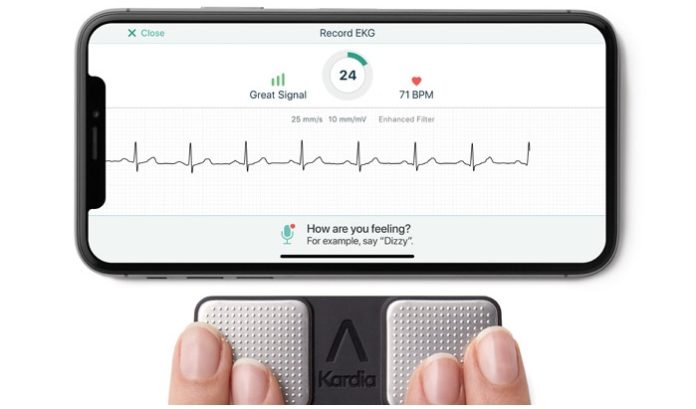
AliveCor, the global leader in FDA-cleared personal electrocardiogram (ECG) technology, announced that the National Institute for Health and Care Excellence (NICE) has issued Medical Technologies Guidance (MTG) recommending KardiaMobile as an option for detecting atrial fibrillation (AF) for people with suspected paroxysmal AF, who present with symptoms such as palpitations and are referred for ambulatory ECG monitoring by a clinician. KardiaMobile is the first personal ECG to be recommended by NICE for use within the National Health Service (NHS) in England and Wales. KardiaMobile would be prescribed by a healthcare professional for people experiencing arrhythmia (irregular heart rhythm) symptoms more than 24 hours apart. The instructions for use state that all interpretations of ECG recordings are reviewed by a healthcare professional and used to support clinical decision making.1

AF, the most common form of arrhythmia ,2 is a leading cause of AF-related stroke.4 Almost half of the 1.3 million people in the UK living with AF are undiagnosed,2,3 leaving them particularly at risk of suffering the life-changing, and often devastating, effects of this serious form of stroke.5 Stroke detection and prevention is key to the NHS Long Term Plan,6 in efforts to save thousands of lives and reduce the staggering costs of disease โ€“ approximately ยฃ3 billion per year direct costs to the NHS, with further ยฃ4 billion to the UK economy in lost productivity, disability and informal care.7

“AF diagnosis rates across the UK pre-pandemic were already too low. With difficulties in accessing in-person care and increased waiting times, concern is that diagnosis rates have fallen further, leaving thousands of people at risk of life-threatening cardiovascular complications, such as an AF-related stroke” said Professor Matt Reed, RCEM Professor, Consultant and NRS Fellow in Emergency Medicine, NHS Lothian. “With the NHS over-stretched, it is encouraging that NICE has recognised the value of utilising smart technology to support clinicians. Today’s recommendation of KardiaMobile – a clinically-validated digital tool to allow people to monitor their heart rhythm at home, avoiding the need for hospital appointments – is a great step forward for cardiac services.

“Many people experience various symptoms but do not realise it may be a heart rhythm disorder such as AF. If medical attention is not sought it leaves them exposed to a much higher risk of AF-related stroke. KardiaMobile can be used to monitor a person’s heart rhythm at any time, regardless of whether or not people show signs or symptoms of AF. This ultimately means AF can be detected faster, leading to a quicker diagnosis and therefore more lives being protected against AF-related stroke and consequences of suffering with AF,” said Mrs Trudie Lobban MBE, Founder and Trustee of Arrhythmia Alliance & AF Association.

KardiaMobile is the world’s most clinically-validated personal ECG. Unlike traditional ECGs, KardiaMobile provides a compact, patchless and wireless solution that can be used at any time and anywhere. The user starts a 30-second ECG recording on their smartphone via the Kardia app – by placing two fingers from each hand on each of the two top electrodes – enabling the patient to remotely capture a medical-grade recording of their heart activity. KardiaMobile provides instant detection of AF, bradycardia and tachycardia, which are leading indicators of cardiovascular disease. KardiaMobile can also detect normal heart rhythm, offering users peace of mind.

Commenting on the announcement, Priya Abani, CEO, AliveCor said, “AliveCor is proud to be able to offer the only NICE-recommended personal ECG to support remote cardiac care services for patients not in front of their cardiologist. Today’s recommendation not only highlights the clinical superiority of KardiaMobile against the current standard of care, but also its position as a more cost-effective solution, therefore warranting its value as a clinical tool to support rapid diagnosis of AF.”

NICE’s recommendation of KardiaMobile as a clinically and cost-effective medical technology is supported by evidence from 27 different studies,1 including five randomised controlled trials.8,9,10,11,12 Data submitted to NICE, showed KardiaMobile was five times more efficacious at detecting heart rhythm problems than standard tests alone9, with greater usability.9,13

NICE’s MTG evaluates new, innovative medical devices and diagnostics. It assesses medical technologies that deliver treatment, give greater independence to patients and detect or monitor medical conditions.

HSX MarketStreet and GoMo Health Announce Launch of Their New Data Activation Platform A Value Based Quality Improvement System for Health Plans and Providers

HSX MarketStreet and GoMo Health Announce Launch of Their New Data Activation Platform A Value Based Quality Improvement System for Health Plans and Providers

HSX MarketStreet and GoMo Health announce their partnership and the launch of their new value-based quality improvement system, MarketStreet Concierge, a data activation platform that automates and scales the ability of health plans and providers to measurably and precisely close gaps in care and increase NCQA, HEDIS, and STAR scores that produce a higher return on investment for their quality and performance programs. These programs, in Medicaid and Medicare, have demonstrated reduction in cost of care, increase in performance and quality measures as well as patient satisfaction, and reduction in clinical fatigue with correlated increase in care management staff productivity.

The MarketStreet Concierge enterprise platform addresses and correlates all health plan and/or provider data to precisely engage members and patients, delivering the right message at the right time on an individualized basis. It is available for use nationally by health plans, providers, health systems, and state and federal government health and social services organizations. There are special licensing arrangements for HealthShare Exchange (HSX) member firms.

With its extensive EMR data, analytical, and engagement science and tools, MarketStreet Concierge automates – without the typical plan or provider human labor and staff time – the identification, personalization, and outreach to scale the activation, participation, and ePRO (patient reported outcomes) that positively impact provider and plan revenue while reducing costs associated with staff involvement and dramatically increasing number of patients/members engaged.

For Plans — it provides a consistent evidence-based Enterprise Performance and Quality Solution across their provider network; not relying on each provider to allocate their already strained resources to devote time to reducing gaps in care.

For Providers — it is an enterprise solution that is applied to all their health plan quality gap patient engagement programs; as managing different quality programs individually for each payer is costly, time consuming, and not scalable given limited staff time and availability.

โ€œHSX recognizes the enormous load on health plansโ€™ teams to engage, activate, nurture, and consistently follow up with their patients and members to surpass state and federal quality and performance measures. With MarketStreet Concierge, HSX is providing the capability to precisely engage and scale patient and member activation, which reduces the burden on plan and provider staff members and results in a more fiscally-sound enterprise approach,โ€ says Martin Lupinetti, President and Chief Executive Officer, HealthShare Exchange.

โ€œHSX MarketStreet is the perfect partner and compliment to GoMo, as their extensive patient and member data capabilities enable GoMo to more precisely individualize health engagement that motivates and activates people to complete the necessary actions to achieve better health while reducing costs and adverse events,โ€ says Bob Gold, Chief Behavioral Technologist, GoMo Health.

Translate ยป