Close
Digital Health & Ai Innovation summit 2026
Medical Taiwan 2026

50% Covid-19 victims likely to suffer from Gastro-intestinal related complications

Oxford University and Oracle Partner to Speed Identification of COVID-19 Variants

The outbreak of Covid-19 pneumonia is primarily defined by affecting the lungs and the heart. We have also now understood that the digestive system also gets badly affected due to the ill-effects of novel coronavirus. Dr. Bharat Kumar Nara, Sr. Consultant – Surgical Gastroenterology & HPB Surgeon at Gleneagles Global Hospitals, Lakdikapul reiterates that SARS COVID 19 does cause moderate to severe gastrointestinal complications among those who have or have recovered from Covid-19 infection.

Nearly 50% Covid-19 victims suffer from gastrointestinal linked complications such as nausea, vomiting and a upset tummy; and the impact of COVID 19 on human digestive system has been established via multiple studies throughout the world since the outbreak of this pandemic. It is thereby prudent to pay importance to all patients with a history of an epidemiological exposure, as Covid-19 infection may result in troubling and lasting gastrointestinal symptoms.

Novel coronavirus infection also affects the gut microbiome, the liver and the pancreas. In the liver Covid 19 may result in an abnormal liver function like the increase of liver enzymes; and these liver enzymes are associated with severity of Covid-19 infection. It may cause pancreatitis in a few patients and this is very troubling. It is thus important that the patients with preexisting gastrointestinal related complications must stay cautious, and ensure they seek right medical attention early instead of depending on home remedies or on unsolicited advice.

Right diet is the most important component to overcome any health complication including Covid-19 infection and related complications. The impact of dietary patterns on susceptibility to and severity of infection with the SARS-CoV-2 virus has been largely ignored by people at large. Several studies show than an optimal immune response depends on proper diet and nutrition to control SARS-CoV-2 infection. Consuming anti-inflammatory diet with antioxidant properties like Omega-3 fatty acids, Vitamin C, Vitamin E, and Phytochemicals such as carotenoids and polyphenols are important.

Consuming plant-based foods like fruits, vegetables, legumes, and intake of whole grains adds to fiber intake and helps in promoting growth of good bacteria in the gut. The favorable intestinal microbiome composition in these foods reduces intestinal and systemic inflammation through fermentation by gut microbiota and the consequent formation of beneficial metabolic compounds. Hence it is important to focus on dietary practices to ensure human body is prepared to tackle any possible complications arising due to infections like novel coronavirus.

Gynesonics Announces FDA Clearance of Next Generation Sonata System

Gynesonics Announces FDA Clearance of Next Generation Sonata System

Gynesonicsยฎ, a womenโ€™s healthcare company focused on the development of minimally invasive solutions for symptomatic uterine fibroids, announced the Food and Drug Administration (FDA) has given clearance of the Sonataยฎ System 2.2 which provides important new benefits for facilities, physicians and patients.ย  These benefits include: a 20% reduction in the smallest ablation size setting, which greatly increases the ability to treat fibroids in tighter anatomical locations; new software advances that allow the surgeon to control all aspects of the ablation from the handpiece without requiring OR staff to separately adjust settings; and changes that enable the surgeon to adjust all ultrasound settings directly from the sterile field.ย  The system includes a new reusable cable.ย  Additionally, the novel intrauterine ultrasound reusable probe is now validated to be sterilized using the family of STERIS V-PROยฎ low temperature sterilization systems, commonly available at hospitals.

โ€œThis clearance brings significant system improvements that expand the location of fibroids that can be treated while allowing the physician to control all aspects of the treatment from within the sterile field,โ€ said Jiayu Chen, Ph.D. Vice President, Engineering and Advanced Technologies at Gynesonics.ย  โ€œThese changes provide real benefit to the treating physicians and to a greater number of women seeking relief from their symptoms caused by fibroids.ย  Additionally, the ability to make use of the widely available STERIS V-PRO family of low temperature sterilization systems, and the notable engineering achievement of the new, reusable RF handpieceย  cable have cost benefits for the facilities and reduce the procedural waste.ย  This is a positive advance for women, physicians and medical center facilities.โ€

The Sonata technology platform integrates the first and only commercial intrauterine ultrasound system with a proprietary advanced radiofrequency ablation device, providing an incision-free, uterus-preserving, transcervical treatment for symptomatic uterine fibroids.ย  The Sonata Treatment is a breakthrough alternative to hysterectomy and myomectomy, and can treat a wider range of fibroid types, sizes, and locations than hysteroscopic myomectomy.ย  Fibroids are treated from within the uterus, so treatment with the Sonata System requires no incisions, no tissue is surgically removed, and the uterus is retained.

โ€œGynesonics has a long and successful history of meaningful innovation, and changes that have real benefits to the healthcare system and to the patient.ย  The new Sonata System 2.2 is a continuation of this commitment to innovation.ย  The positive timing of this clearance coincides with the accelerated demand for Sonata,โ€ said Chris Owens, President and CEO of Gynesonics.ย  โ€œThe new system provides greater features, ease-of-use and flexibility to physicians who wish to offer Sonata TFA to their patients and the millions of women who have been waiting for an option that does not require invasive, incisional surgery.โ€

Neuromuscular Disease Foundation announces 24 month plan toward human dosing

Neuromuscular Disease Foundation announces 24 month plan toward human dosing

The Neuromuscular Disease Foundation (NDF) announced today that they will be moving forward with a two year plan to achieve the human dosing phase of a new drug to treat the rare autosomal recessive genetic disease GNE Myopathy (โ€œGNEMโ€), a progressive condition that causes deterioration of muscle tissues. GNEM is a genetic disease that exists in races and nationalities worldwide, with elevated carrier rates in certain populations of the Middle East, Eastern Europe and Asia.

NDF is a global leader in critical research focused on treatments and a cure for GNEM. The nonprofit has made swift and smart progress in its drug development process, by taking two major steps. First, NDF onboarded two world renowned scientific experts in
rare neuromuscular diseases, Doctors Angela Lek and Rich Horgan. Secondly, NDF established a strategic partnership with Charles River Laboratories, known for its expertise in expediting the path to IND and subsequent clinical trials.

Doctors Angela Lek and Rich Horgan Join NDF Dr. Angela Lek, Associate Research Scientist at Yale Universityโ€™s School of Medicine,
and a part of Yaleโ€™s LEK LAB, has been appointed to be NDFโ€™s next Scientific Director and, and will coordinate NDFโ€™s continued work with its impressive global consortium of scientists. This year NDF has funded more studies than ever before, totaling over $700,000, all of which will help fulfill the necessary steps for gene therapy, the most promising method of treatment being investigated for this and other rare diseases. Dr. Lek has been part of the NDF team since 2017, having served as a scientific consultant.

She received her PhD in Cell/Cellular and Molecular Biology from the University of Sydney and is the recipient of many prestigious fellowships and awards from the Muscular Dystrophy Association, which honored her with the MDF Development Award,
the Hood Foundation and the American Australian Association.

NDF is also pleased to bring Rich Horgan on board as a special consultant tasked with guiding its gene therapy process. Horgan is the founder and president of Cure Rare Disease, a nonprofit biotech that develops custom-made drugs. He was named in Forbesโ€™ โ€œ30 Under 30 to Watch,โ€ and has been working on a Crispr-based therapy for his brother Terry, who has Duchenne muscular dystrophy.
His experience as the founder of Cure Rare Disease, with the biopharmaceutical industry, and his passion for transforming the paradigm of rare disease drug development, make him uniquely qualified to help NDF as it continues to move closer to making dosing patients a reality. Rich received his MBA from Harvard Business School, where he was a recipient of the Blavatnick Fellowship in Life Science Entrepreneurship.

NDF Partners with Charles River Laboratories
Charles River Laboratories International, a Biotech and contract research organization (CRO), specializes in preclinical and clinical laboratory, gene therapy and cell therapy services for the Pharmaceutical, Medical device and Biotechnology industries. By
bringing Charles River Labs into its drug development process, NDF will gain access to its extensive reach in the drug discovery and safety fields, to accelerate its progress toward a GNEM cure. With its globally recognized expertise in pharmaceuticals
development, safety and manufacturing, Charles River Labs is well positioned to help lead NDF through this exciting next phase of its scientific progress.

Doctor Lek said of this next step in delivering a GNEM cure โ€œWe at NDF are excited to embark on a partnership with regulatory and translational experts at Charles River Laboratories to expedite the development and testing of gene therapies for GNE myopathy.

Karnataka witnesses first ever post covid double lung transplant of 30-yr-old doctor and Covid warrior at Aster CMI Hospital

Karnataka witnesses first ever post covid double lung transplant of 30-yr-old doctor and Covid warrior at Aster CMI Hospital

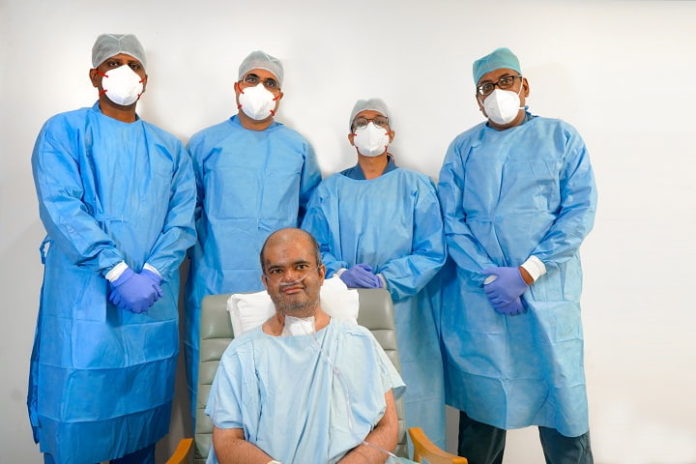
Doctors at Aster CMI Hospital have successfully carried out first ever post covid double lung transplant on a covid warrior, who is also a medical professional. Dr. Sanath Kumar, 30-yr-old Anesthetic from a private hospital in Bangalore had been working tirelessly treating critically ill covid-19 patients in the ICU since the pandemic started. Unfortunately, in the course of his work, he contracted coronavirus during the second wave which eventually caused lung damage, requiring urgent transplantation.

Unaware of having caught the infection, Dr. Sanath started having fever and cough. He was anxious about this and underwent a Covid-19 test which turned out to be positive. Immediately, he started on medications but his condition worsened over the time. One day he felt a sudden pain in his chest and developed resistant hypoxia. Due to this, his oxygen level decreased significantly to 60% and he was put on a mechanical ventilator for oxygen support. He was then referred to Aster CMI Hospital. Upon arrival, his condition was evaluated, and he was put on ECMO support. He was kept on observation for three-four weeks for any signs of improvement in his lungs. Since his lungs were severely damaged, he needed a double lung transplant for survival.

A team of Critical-care Consultants, Pulmonologists, and Lung Transplant Surgeons at Aster CMI Hospital, Bangalore consisting of Dr. Sandeep Attawar, Dr. V Arun, Dr. Srivatsa Lokeshwaran, Dr. Sunil Kumar K and Dr. Prakash Doraiswamy treated Dr. Sanath Kumar for three and half months, performed double lung transplant and gave him a new lease of life.

Explaining the challenges and complexities involved, Dr. Sandeep Attawar, Chair & Director of Thoracic organ transplants and Assist devices at KIMS Heart & Lung Transplant Institute, said, โ€œA double lung transplant is a grueling surgery and was the only solution for Dr. Sanath, who experienced a life-threatening combination of lung damage caused by the covid-19 virus, an exaggerated immune response to it, and the bodyโ€™s failure to properly repair the injury. Eventually, in the self-repair phase the deposition of yellow fibrotic scar tissue creates a liver-like densification that makes the lungs completely solid. This process of misdirected and inappropriate self-repair, irreversibly destroys the tiny alveolar air sacs through which gas exchange happens. Patients only survive to the fibrotic stage if they are intubated and at times transitioned to ECMO support. This harmful scarring can occur within a couple of weeks of viral pneumonia. What makes this surgery uniquely complex is the subset of patients that are forced to accept this option. They are intubated, deconditioned, nutritionally inadequate and suffer from airway and blood stream infections during their prolonged hospitalization. Treating these critically ill patients successfully with a double lung transplant, underlines the overall abilities of a high-quality transplant program.โ€

Dr. V Arun, Lead Consultant – Anaesthesia & Critical Care, Aster CMI Hospital, said, โ€œDr. Sanathโ€™s case was both emotionally and clinically challenging. Being from the same fraternity working with COVID patients it was difficult to see a colleague whose lung damage had progressed so far. When he was referred to Aster CMI, he was intubated and was on 100% oxygen support but barely having enough oxygen in his bloodstream to survive. Within half an hour of his arrival we initiated ECMO support to help him oxygenate the rest of his body. Despite keeping him on ECMO and resting the lungs they continued to deteriorate. Long term ECMO with a bleak outlook was a difficult period for him and his family. A transplant was the last option. Luckily he remained stable over the next few weeks while we waited for a suitable donor match for him. We were able to find a suitable match after 4 weeks and he underwent lung transplant.โ€

Dr. Sunil Kumar K, Lead and Sr Consultant – Interventional Pulmonology & Transplant Physician at Aster CMI Hospital, said, โ€œThe transplant was successful with the help of highly skilled doctors and surgeons backed by the high-end medical equipment and infrastructure at Aster CMI. Usually, post-transplant infections and rejections are the major roadblocks for the successful outcomes. Thus, it was very important to comprehensively address each and every challenge. Dr. Sanathโ€™s condition was closely monitored for a few weeks before we mobilized him out of the bed.โ€

Dr. Srivatsa Lokeshwaran, Consultant – Interventional Pulmonology, & Transplant Physician at Aster CMI Hospital said, โ€œIncreasingly, we are seeing patients with chronic lung disease who have no other option for survival and lung transplant has been a second life for patient with chronic lung disease. While waiting for the perfect match and donor, we kept Dr. Sanath on ECMO support to keep him alive. Luckily, he received a good pair of lungs which matched him perfectly. He endured the procedure well and recovered shortly and was discharged from the hospital with no complications,โ€

Dr. Prakash Doraiswamy, Sr. Consultant – Anaesthesia & Critical Care, Aster CMI Hospital, said, โ€œAfter a prolonged treatment of three-and-a-half months at the hospital, Dr. Sanath slowly pulled through. The recovery journey was not easy as the amazing outcome was only possible by the absolute dedication of our nursing, physiotherapy and multi-disciplinary team consisting of Anesthetists and Intensivists, Pulmonologists and Transplant Surgical team in bringing him back to his feet.โ€

Thanking the doctors, Dr. Sanath Kumar said, โ€œWhen I tested positive and started taking medicines, I thought I will recover soon. I had never imagined that I would suffer severely and end up having a lung transplant. I want to thank all the doctors, surgeons, nurses and other staff at Aster CMI for their support and giving me a second chance to live. I also want to extend my gratitude to my family who stood by me in this journey, without their help all of these would have not been possible.โ€

Post the transplant, Dr. Sanath stepped out of the hospital. He is at home now with his family but still needs to stay indoors in a secure environment to minimize risk of catching infection again.

Reasons To Choose a Fulfilling Career in Nursing

Providing Safer Environments within the Healthcare Industry

Nursing is a profession that strives to maintain the health, well-being, and safety of patients. Nurses are often the first point of contact for patients and their families, as well as the healthcare team. Nurses provide compassionate care that is based on everyoneโ€™s physical, psychological, spiritual, and social needs.

A nursing career can be fulfilling because it provides an opportunity to make a direct difference in people’s lives. The demand for qualified nurses continues to increase because of population growth and advances in medical technology. Here are a few reasons to choose a fulfilling career in nursing.

Make a Difference in Peoplesโ€™ Lives

Nursing is a very fulfilling career, not just because it can be challenging and rewarding, but also because it provides a sense of purpose and emotional reward. Nurses are always learning new things and they get the opportunity to make a difference in people’s lives. Nurses also have the ability to feel very fulfilled with their work and know that they are providing an important service to society. Nursing degrees provide students with valuable skill sets which will help nurses excel in their field.

Career Growth and Opportunities

Nursing is an industry that has been evolving with the changing needs of society. Traditional nursing, which often includes things like bedside care, was once the norm. Nowadays, nurses are more likely to find themselves taking on more of a management role. As a result of this evolution, nursing careers are fulfilling and offer growth opportunities.

Nurses are typically required to have an associate degree in nursing or be registered nurses who have taken continuing education classes from https://www.lpnprograms.net to advance in this field. These days it is common for nurses to return to school for their Bachelorโ€™s degree after completing their associateโ€™s degree because of the multitude of options available for career growth within this industry.

Teamwork and Hands-On Experience

Teamwork is a key skill for nurses. Working as a team, they will be able to fill in each otherโ€™s skill sets and will be able to share their knowledge. They also need to work together to provide quality care for their patients. A lot of the time nurses are assigned with tasks outside of their expertise which can be frustrating if they don’t have the necessary skills.

Gaining experience is important because it allows them to broaden their skill set and become more confident in what they do. Nurses should not shy away from hands-on experience for fear that it may take away from their schooling or clinical hours due to long shifts at work, but instead embrace it because hands-on experience provides them with valuable knowledge and skill sets that can help them grow in the industry.

Job Security and High Demand

Nursing career is a high demand skill that will continue to be in high demand for a long time. The job security of nursing is also very high. There are not many jobs that have the same longevity and security as nursing does, this is especially true when it comes to the healthcare industry.

Nursing does not have a shortage of jobs for people with experience or those who are just out of school. The demand for nurses has been increasing steadily year-over-year, so it’s unlikely that this trend will be going down anytime soon.

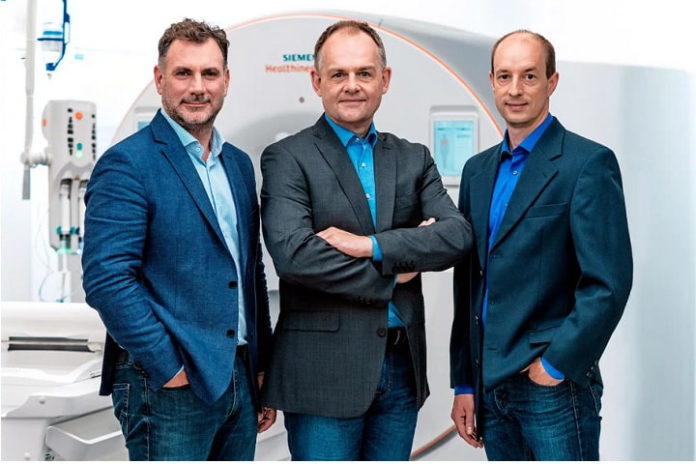
Experts from Siemens Healthineers have been nominated for the German Future Award for their evelopment of the first photon-counting computed tomography scanner

Experts from Siemens Healthineers have been nominated for the German Future Award for their evelopment of the first photon-counting computed tomography scanner

Employees of Siemens Healthineers Professor Thomas Flohr, Dr. Bjรถrn Kreisler, and Dr. Stefan Ulzheimer constitute one of the three teams of scientists to be nominated for the German Future Award for their development of the first photon-counting computed tomography (CT) scanner for routine clinical procedures, which is ready for series production. With a novel system concept and pioneering new detector technology, these CT experts have paved the way for a new era in computed tomography, a technology that determines the course of many medical decisions. Thanks to the revolutionary images supplied by photon-counting CTs, more people all over the world will benefit from precise and comprehensive examinations at low radiation and contrast dose โ€“ from oncological procedures and heart diagnostics to lung follow-up checks for COVID-19 and other respiratory illnesses. The German Future Award, one of the most esteemed German awards for technology and innovation, will be presented on November 17th, 2021 in Berlin by German Federal President Dr. Frank-Walter Steinmeier.

โ€œTogether with the entire team at Siemens Healthineers, I am very pleased to see three of our leading CT experts nominated for the German Future Award. The photon-counting CT system they developed opens up new horizons in medical imaging. Their nomination is a great honor for our entire company and is further proof of our sustained investment in innovation,โ€ says Dr. Bernd Montag, CEO of Siemens Healthineers. In the 2020 fiscal year, Siemens Healthineers invested around โ‚ฌ1.35 billion in research and development. The R&D team alone employs a workforce of over 10,000. Siemens Healthineers currently holds the technical intellectual property rights for over 22,000 inventions, including 14,000 patents.

Overcoming the limitations of CT
Computed tomography is an indispensable tool of modern medicine when it comes to fast detection of diseases. Around 12 million CT scans are performed every year in Germany alone.1 Yet for certain diseases, a conventional CT examination will not produce a conclusive diagnosis. Furthermore, some patients are unable to undergo CT scans due to concerns regarding X-ray radiation or iodinated contrast media. The photon-counting CT scanner overcomes all these limitations.

The centerpiece of this innovation is its new photon-counting detector made of cadmium telluride (CdTe), which presents clear advantages over conventional CT detectors. Standard CT detectors first convert the X-rays into visible light that is subsequently detected by a light sensor, ultimately producing the final image. Due to this intermediate step, important information about the energy of the X-rays is lost and no longer available to aid in diagnosis; contrast is reduced, and images lack clarity. The photon-counting CT detector developed by Siemens Healthineers no longer converts the X-rays into visible light. The X-ray photons are converted directly into electrical signals and then counted without information loss. This improves image sharpness and contrast, and the images include more relevant information. Implementing this new technology in a Dual Source CT system โ€“ that is, with two X-ray tubes and two detectors โ€“ also shortens image acquisition times. Each new image offers physicians more precise information than ever before.

Twice as sharp images at 40 percent less dose enable precise noninvasive examinations for more patients
In all areas of medicine, particularly those involved in evaluating fine structures such as vessels, the lung, or tiny bones, doubling the image sharpness can make diagnosis easier and faster while sparing patients unnecessary uncertainty by delivering clear, conclusive results. This technology makes more efficient use of the energy information collected, resulting in more comprehensive diagnoses. This eliminates the need for multiple additional examinations and ultimately saves on time and costs. One example of this is the CT examination of coronary vessels. Previously, patients with severe calcification or stents had to undergo invasive diagnostic cardiac catheterization. The new CT images now offer reliable visualization of stenoses in coronary vessels โ€“ all without the risks of an invasive procedure. Just like with heart examinations, the combination of the excellent image sharpness, new image information, and short acquisition times this new technology provides can be applied to the imaging of other moving organs, such as the lungs. Seeing small structures without motion blurring, enhanced by functional information beyond morphology, has the potential to dramatically improve follow-up checks in cases of COVID-19.

At the same time, radiation or contrast media doses can be reduced by up to 40 percent, thanks to this new technology.2 Now, patients who would have been unable to undergo CT scans in the past can benefit from this fast, noninvasive examination method as well. Thanks to the low radiation doses, it will also be possible to carry out more frequent CT examinations in the future. This would include procedures such as lung cancer screenings, which are already becoming standard of care in many countries around the world.

Novel system concept based on innovative detector material
This progress would not have been possible with conventional CT technology. As early as 2001, the medical technology division of Siemens undertook its first efforts to develop a new detector concept based on cadmium telluride. Over nearly 20 years of development work, the company and its partners adapted this innovative detector material for medical CT applications and prepared it for series production. At the same time, the three nominees and their teams optimized the entire system concept โ€“ including hardware, data transfer, and software โ€“ to make the most of the advantages offered by the detector. Powerful computers process the immense quantities of data collected by the photon-counting CT scanners to produce three-dimensional images in a matter of seconds.

Several internationally renowned university hospitals in Germany and abroad are currently evaluating one such system that has been approved for clinical use and installed in 20 locations. The systems are still being used with a clear research focus. But the results are very promising. โ€œIn the future, every CT will be a photon-counting CT,โ€ underscores Professor Gabriel P. Krestin. The former president of the European Society of Radiology serves as chairman of the Department of Radiology and Nuclear Medicine at Erasmus MC, University Medical Centre Rotterdam, the Netherlands.

In the medium and long term, Siemens Healthineers plans to integrate this new technology in each of its CT systems. With its multi-year lead in innovation and its edge on the market for photon-counting CT systems, Siemens Healthineers, currently the world market leader in the field of computed tomography, is poised to play a dominant role in the growing CT market from its production and development facility in Forchheim, Germany.

Third nomination in five years
Together with their teams, the three nominees played key roles in the development, testing, and series production of the photon-counting CT scanner, thus helping to redefine the field of computed tomography. Professor Thomas Flohr was active in the project from the outset and was a significant driver as long-term head of CT Physics, application predevelopment and clinical collaborations. Dr. Bjรถrn Kreisler served as detector physicist and senior key expert for detectors, where he participated in the development and systems integration for the new detector technology. Program Director for counting technology Dr. Stefan Ulzheimer is responsible for transforming the new technology into saleable products with clear clinical applications. These three nominees represent hundreds of employees who contributed to the realization of this unique project.

The German Future Award was christened in 1997 under the auspices of former German Federal President Professor Roman Herzog and has since become a symbol of Germanyโ€™s academic standing and commitment to innovation. The key selection criteria for the jury include both the quality of the research as well as the patentability and marketability of the innovation. Employees of Siemens Healthineers were last nominated for the prestigious award in 2017 (for Cinematic Rendering) and in 2019 (for the 7-tesla MRI scanner).

Siemens Healthineers AG is shaping the future of healthcare. As a leading medical technology company headquartered in Erlangen, Germany, Siemens Healthineers enables healthcare providers worldwide through its regional companies to increase value by empowering them on their journey towards expanding precision medicine, transforming care delivery, improving the patient experience, and digitalizing healthcare. Siemens Healthineers is continuously developing its product and service portfolio, with AI-supported applications and digital offerings that play an increasingly important role in the next generation of medical technology. These new applications will enhance the companyโ€™s foundation in in-vitro diagnostics, image-guided therapy, in-vivo diagnostics, and innovative cancer care. Siemens Healthineers also provides a range of services and solutions to enhance healthcare providersโ€™ ability to provide high-quality, efficient care to patients. In fiscal 2020, which ended on September 30, 2020, Siemens Healthineers generated revenue of โ‚ฌ14.5 billion and adjusted EBIT of โ‚ฌ2.2 billion. Following the acquisition of Varian Medical Systems, Inc. the company has approximately 66,000 employees worldwide. Further information is available at www.siemens-healthineers.com.


Agiliti Announces Definitive Agreement to Acquire Sizewise

Agiliti Announces Definitive Agreement to Acquire Sizewise

Agiliti, Inc., an essential service provider to the U.S. healthcare industry, announced that it has entered into a definitive agreement to acquire Sizewise Rentals, LLC, a manufacturer and distributor of specialty hospital beds, surfaces and patient handling equipment, in a stock purchase transaction valued at $230 million or approximately 7.7x Adjusted EBITDA for the twelve months ended June 30, 2021. Agiliti intends to finance the transaction through a combination of cash and debt. The Boards of Directors of both companies have unanimously approved the agreement. Subject to the satisfaction of customary closing conditions, the transaction is expected to close early in the fourth quarter of 2021. Following the close of the transaction, Agiliti will provide an update to its full year 2021 financial guidance at the time it reports quarterly results for the period ending September 30, 2021.

Sizewise is a leading manufacturer and provider of specialized bed frames, therapeutic surfaces and mobility equipment serving more than 3,000 customers in the acute and post-acute care markets with products that address the needs of bariatric, geriatric, pediatric and standard patient populations. For the twelve months ended June 30, 2021, the business generated revenues of $155 million and Adjusted EBITDA of $30 million, inclusive of an estimated benefit from COVID-19 of approximately $5 million in Adjusted EBITDA. Sizewise is headquartered in Kansas and operates a 24/7 nationwide network of 65 local, in-market service branches and four manufacturing centers.

โ€œWe are pleased to welcome the Sizewise team and their customers to Agiliti and are excited about merging our best-in-class portfolios of product and service offerings,โ€ said Tom Leonard, CEO of Agiliti. โ€œThe acquisition of Sizewise is a perfect example of our โ€˜overlap and extendโ€™ approach to M&A. The combination builds on our existing geographic footprint and adds relevant scale to our Equipment Solutions service line, while simultaneously expanding our capabilities to bring differentiated products and services to market for our customers.โ€

Strategic Rationale

The combination enables Agiliti to broaden its portfolio and clinical expertise within the growing specialty equipment services market, expand its total addressable market opportunity and target meaningful growth and cost reduction synergies.

The company believes the transaction provides several key benefits:

  • Builds on Agilitiโ€™s unique, at-scale infrastructure,ย optimizing the companiesโ€™ complementary distributed operations networksโ€”including facilities, vehicles, staff, products and operating systemsโ€”which will help increase local market presence and support meaningful operating synergies.
  • Strengthens Agilitiโ€™s capabilities in the supply chain,ย permitting greater control over R&D, manufacturing and logistics for a vital and differentiated product category.
  • Expands Agilitiโ€™s value propositionย with the exceptional market reputation and deep expertise that Sizewise is known for, to further address the clinical needs of bariatric patients and those at risk of skin and fall injury.
  • Aligns with Agilitiโ€™s proven, end-to-end service model, providing best-in-class, high-utilization devices delivered within a comprehensive service framework.

โ€œSizewise has spent the past 25 years engineering, manufacturing, and selling products and service solutions that drive value for our healthcare partners,โ€ said Brian Frickey, CEO of Sizewise. โ€œWeโ€™re pleased to put that history and experience to work for Agiliti as the combined company continues to be an invaluable source of equipment solutions for caregivers and patients alike.โ€

What Do You Need To Know If Considering A Hospice For Your Loved Ones

What Do You Need To Know If Considering A Hospice For Your Loved Ones

A hospice is a place where people with terminal illnesses or other serious medical conditions can live. You may be wondering what hospices do and why you should consider hospice care for your loved ones. This article will help to answer these questions and give information on how hospice care differs from home healthcare.

What is hospice care and what does it offer

Hospice is care given to terminally ill patients with the goal of improving their quality of life. It is covered by hospice care insurance and hospice benefits, which offer families some financial relief during this difficult time in their lives.

Hospice services are available 24 hours a day for your loved one. They offer both medical and non-medical support to those needing it most. It provides end-of-life care designed around each patientโ€™s unique needs.

The benefits of hospice care

There are many benefits to hospice care. Hospice is a service that helps people with their end-of-life needs, from medical treatment to the emotional support they need as well. Some benefits include:

  • Pain management and symptom control
  • Comforting services
  • Emotional support for patients and families alike
  • Assistance with medical care
  • 24/ hour availability of hospice nurses

Probably the biggest one of them all is that your loved ones are always in good hands. Like it says on https://www.threeoakshospice.com/chicago-illinois-hospice-care, there’s always a group of skilled professionals and dedicated caregivers available for them. Leaving them in a facility like that means that they will be cared for at every moment.

Types of hospice care

There are multiple types of hospice care, some of which are home hospice, inpatient hospice, and respite. Home hospice is when your loved one receives it at their own house while receiving palliative care to make them more comfortable. Inpatient hospice is when they go into a facility for up to five days while receiving the same type of hospice care. Lastly, hospice provides respite for family caregivers to have a break from their loved one’s hospice care needs.

How to choose a good hospice provider for your loved one

In order to choose a hospice, there is a lot to consider like the type of care that you or your loved one needs and wants, location (urban, suburban or rural), cost, hospice provider history, and the culture of the hospice team.

First, you want to know what type of care your loved one needs and wants. Second, hospice care can be provided in an urban, suburban, or rural hospice location. Further to that, hospices come in many different shapes and sizes. Third, hospice care can be expensive. Fourth, you need to know the history of hospices in your area and lastly, hospices are run by hospice care teams.

How much does hospice care cost

The price of hospice care depends on the hospice provider, level of care needed, and geographical location. For example, hospices in major metropolitan areas are more expensive than those that are in rural areas. However, hospices in the major metropolitan areas are more likely to offer special services like on-call nurses and home health aides. The hospice provider should be able to explain the cost of hospice care in detail.

Now you know everything you should before putting your loved one into hospice care. Very often, this is the best decision to make. They will get around-the-clock care and there are different types you can choose from. It may be pricey but it’s the best option in certain situations. Be careful when choosing the provider and you won’t regret it.

Respiratory Health Management Market to Expedite Digital, Smart, and Portable Solutions

Respiratory Health Management Market to Expedite Digital, Smart, and Portable Solutions

The COVID-19 outbreak has inflated the demand for smart and digitally connected medical devices such as artificial intelligence (AI)-based mobile medical applications and medical imaging software, ensuring better management of severe respiratory diseases. Innovative medical devices such as mobile medical applications and inhalers are the mainstay of the respiratory disease management industry. However, the high costs of devices, heavy competition, absence of real-time feedback, and lack of awareness among patients have restricted the adoption of such technologies.

The respiratory health market is focusing on technology convergence; integrating digital and sensor technologies to create smart, portable, and connected medical devices; and improving clinical outcomes and patient engagement during the disease management process,” said Ashish Kaul, Senior Research Analyst, TechVision, at Frost & Sullivan.

Kaul added: “Mobile medical applications for the diagnosis and management of respiratory diseases can reduce the cost of medical care by eliminating the need for regular medical tests. Further, smart medical devices such as inhalers that offer personalized insights and care anywhere are expected to increase the adoption of a home-based disease management regime in the next one to two years, as it follows the current trend of remote care.

As mobile medical applications, oxygen concentrators, and smart inhalers are experiencing significant innovations fueled by the COVID-19 pandemic, market participants can focus on the following to tap into these growth opportunities:

Smart inhaler capable of providing feedback and support: Pharmaceutical companies can collaborate or partner with innovative start-ups that offer real-time feedback on the inhaler technique and use acoustic technology for drug delivery to the patients.
Innovative and durable oxygen concentrators: Health technology companies and innovators can partner to explore opportunities to produce improved, durable, and easy-to-operate oxygen concentrators for hospital and home purposes.
Innovative mobile medical applications: Innovators should invest in research-based evidence to showcase the effectiveness of mobile medical applications in the improved management of respiratory diseases.

Respiratory Health Management Technology Growth Opportunities is the latest addition to Frost & Sullivan’s Healthcare research and analyses available through the Frost & Sullivan Leadership Council, which helps organizations identify a continuous flow of growth opportunities to succeed in an unpredictable future.

About Frost & Sullivan

For six decades, Frost & Sullivan has been world-renowned for its role in helping investors, corporate leaders and governments navigate economic changes and identify disruptive technologies, Mega Trends, new business models and companies to action, resulting in a continuous flow of growth opportunities to drive future success. Contact us: Start the discussion.

Leidos Selects Nuance Omnichannel Conversational AI Platform to Enhance Digital Patient Engagement Solutions for Healthcare Organizations

Verizon Business launches BlueJeans Telehealth for better connected health

Nuance Communications announced that Leidos, a Fortune 500ยฎ science and technology leader, will use Nuance’s AI technology as part of their scalable and customizable digital patient engagement solutions for health systems and federal healthcare agencies. Using the Nuance Mixโ„ข conversational AI development platform, the same technology leveraged by the world’s leading banks, telecommunications companies, and retailers to create superior customer experiences, Leidos will help customers accelerate IT modernization, enhance patient experiences, and improve care costs and outcomes.

“Our collaboration with Nuance adds important tools and flexibility to help build solutions that advance our customers’ missions to improve care quality, costs, and outcomes. The Nuance conversational AI platform and support team gives us the power to deploy enterprise-grade conversational AI and intelligent omnichannel development tools to design and deliver advanced, customized digital patient engagement solutions,” said Liz Porter, Leidos Health Group president.

“Healthcare providers are rapidly embracing modern omnichannel conversational AI technologies that improve experiences for patients and clinicians alike,” said Diana Nole, Executive Vice President and General Manager of Healthcare at Nuance. “With decades of experience modernizing enterprise IT infrastructures and solving difficult challenges, Leidos in collaboration with Nuance is poised to be a leader in helping healthcare organizations open their digital front doors with scalable patient engagement virtual assistant solutions.”

Alongside Nuance Mix, Nuance will provide a wide range of conversational AI technologies and technical design and advisory services to Leidos as it builds and delivers digital patient engagement solutions that complement existing provider systems. These solutions include appointment scheduling and reminder notifications, prescription reminders, side effects checking, and other use cases over multiple inbound and outbound voice and digital communications channels. This new collaboration builds on Leidos’ adoption of Nuance’s Dragon Medical One speech recognition solution to improve clinician workflow when performing evaluations.

Nuance Mix is part of Nuance’s portfolio of virtual assistant, patient and customer engagement, IVR, biometric security, and analytics solutions used by healthcare and other industry leaders worldwide including Providence St. Joseph, Walgreens, Albertsons, Best Buy, Humana, and Rakuten. Healthcare information technology leaders such as athenahealth, Cerner, Epic, and MEDITECH also use Nuance technology to power their provider-facing virtual assistant solutions.

Nuance Mix is an enterprise-grade cloud-based conversational AI development platform that extends the capabilities of Nuance’s Patient Engagement portfolio of solutions. It enables organizations to rapidly develop, test, deploy, and optimize virtual assistant, natural language, and speech solutions โ€“ reducing development and optimization time by more than 50 percent.

About Leidos
Leidos is a Fortune 500ยฎ information technology, engineering, and science solutions and services leader working to solve the world’s toughest challenges in the defense, intelligence, civil, and health markets. The company’s 43,000 employees support vital missions for government and commercial customers. Headquartered in Reston, Va., Leidos reported annual revenues of approximately $12.30 billion for the fiscal year ended January 1, 2021.

About Nuance Communications
Nuance Communications is a technology pioneer with market leadership in conversational AI and ambient intelligence. A full-service partner trusted by 77 percent of U.S. hospitals and 85 percent of the Fortune 100 companies worldwide, Nuance creates intuitive solutions that amplify people’s ability to help others.

Translate ยป