Close
Digital Health & Ai Innovation summit 2026
LiGHT26

6 Ways Clinics Can Improve Support for Patients Managing Weight

clinics support for patients managing weight

Clinics need more than basic treatment plans to help patients manage their weight. It helps to create an environment where people feel understood, supported, and confident in their health journeys. This means paying attention to each personโ€™s needs, challenges, and goals.

These healthcare teams can make weight management positive and more sustainable by communicating properly and improving access to resources. Since small improvements make a significant difference, read on to discover how clinics can help.

Offering Proper Patient Education

With clear personalized education, weight loss clinics help people understand their health, treatment options, and goals. Clinicians can explain the basics of nutrition and how different plans work.

Patients will feel more confident and engaged as a result. Simple language, visual aids, and consistent follow-ups enable patients to stay more informed. Strong education encourages healthier choices and makes weight management more sustainable.

Pushing for Changes In Dietary Habits

Clinics also play a huge role in supporting weight management by encouraging gradual, realistic improvements in dietary habits. Instead of setting strict rules, care teams can promote portion awareness and balanced meals.

When guidance fits each personโ€™s lifestyle, these changes become more achievable. Clinics can also offer meal plans and culturally relevant options. Focusing on habits and not quick fixes makes long-term success more achievable.

Encouraging Daily Weigh-Ins

Daily weigh-ins are tools that help patients track and manage their weight more effectively. These brief and consistent check-ins can make patients aware of the trends and reinforce healthy habits.

Clinicians should make patients understand that weight fluctuates and the goal is not perfection but positive patterns. Daily weigh-ins can help some patients stay engaged while promoting a healthy and balanced mindset.

Recommending Weight Loss Programs

Clinics can also recommend reputable and science-based weight-loss programs that match each patientโ€™s needs. When patients are guided toward structured programs, there is better education, accountability, and a supportive community.

Healthcare providers can also help patients choose weight loss strategies that focus on balanced nutrition, realistic habits, and overall well-being. Simply connecting patients with trustworthy programs is an extra layer of motivation and guidance.

Prescribing Weight Loss Medications

When appropriate, clinics can also support patients managing weight by prescribing medications as part of a broader care plan. Itโ€™s important to remember that these treatments should complement healthy habits, not replace them.

Keep an eye open and take note of any side effects. For instance, several practical activities can help with semaglutide fatigue, enabling patients to stay energized and motivated during these treatments.

Paying Attention to Their Mental Health

Clinics can also recognize the link between physical and mental health to better support patients in their weight loss journeys. Stress, emotional challenges, and low motivation can all affect activity and eating habits.

That is why it is important to screen for mental health concerns, offer counseling referrals, and create a judgment-free environment to help patients feel more understood. Clinics can also encourage positive coping skills and regular check-ins for patients to stay engaged in their weight management.

Endnote

Clinics play major roles in helping patients through their weight management journeys. Along with educating patients, pushing for changes in dietary habits, and encouraging daily weigh-ins, they recommend weight-loss programs. These clinics also prescribe medication and factor in mental health.

Micro-Workouts for Busy Parents: Energy and Mood in 10 Minutes

micro workouts for busy parents

If youโ€™re a parent, chances are your schedule feels like a juggling act โ€” school drop-offs, work calls, dinner prep, and bedtime routines. Finding an uninterrupted hour for exercise can feel impossible. But what if you could improve your energy, mood, and focus in just 10 minutes a day?

Thatโ€™s the power of micro-workouts โ€” short bursts of movement that fit into even the busiest day. Research shows that consistent mini workouts can provide the same mental and physical benefits as longer sessions, especially for parents balancing endless responsibilities.

You donโ€™t need fancy equipment, a gym membership, or a babysitter โ€” just a few minutes and your own body.

What Are Micro-Workouts?

Micro-workouts are short, high-efficiency exercises that typically last between 5 and 15 minutes. Theyโ€™re designed to give your body (and brain) a reset when you donโ€™t have time for a full workout.

Unlike traditional exercise sessions, micro-workouts can be done anywhere โ€” at home, in the kitchen, or even while your child is napping. Think:

  • 10 minutes of bodyweight squats and lunges
  • 5 minutes of brisk stair climbing
  • A quick yoga flow before bedtime

According to a 2022 study in The Journal of Sports Science & Medicine, short bouts of movement spread throughout the day improved cardiovascular fitness and energy levels just as much as longer workoutsใ€Journal of Sports Science & Medicine, 2022ใ€‘.

Why Parents Need Micro-Workouts

Parenting can be physically and emotionally draining. Between work, chores, and child care, many parents struggle to find time for self-care โ€” especially exercise.

The Centers for Disease Control and Prevention (CDC) recommends adults get at least 150 minutes of moderate activity per week, but less than 25% of parents meet that goalใ€CDC, 2023ใ€‘.

Micro-workouts bridge that gap by making movement more accessible. Even small bursts of activity release endorphins, dopamine, and serotonin โ€” brain chemicals that elevate mood and reduce stress.

A 2021 study in Translational Behavioral Medicine found that 10-minute exercise sessions improved energy, reduced anxiety, and enhanced cognitive performance among participants with high daily stressใ€Translational Behavioral Medicine, 2021ใ€‘.

For parents running on limited sleep and unlimited to-do lists, thatโ€™s a game-changer.

The Mental Health Benefits of Short Workouts

While micro-workouts improve physical health, their biggest impact might be mental. Exercise is one of the most reliable ways to boost mood and lower stress โ€” even in small doses.

Hereโ€™s how 10 minutes can make a difference:

1. Lifts Your Mood Almost Instantly

Exercise triggers the release of endorphins โ€” the brainโ€™s natural โ€œfeel-goodโ€ chemicals. Even a quick cardio burst can leave you feeling calmer and more positive.

A 2020 study in Frontiers in Psychology found that just 10 minutes of physical activity significantly reduced symptoms of depression and boosted overall well-beingใ€Frontiers in Psychology, 2020ใ€‘.

When your kids are melting down and your patience is thin, even a mini movement break can reset your emotional state.

2. Lowers Stress Hormones

Short bouts of exercise reduce levels of cortisol, the primary stress hormone that often stays elevated in parents juggling multiple roles.

This not only helps with emotional balance but also improves sleep quality and resilience. Over time, consistent micro-workouts train your body to handle daily stress more efficiently.

3. Improves Focus and Patience

Parenting demands focus โ€” but mental fatigue can make it hard to stay present. Exercise boosts blood flow to the brain, improving attention and memory.

A 2019 review in Psychological Bulletin showed that short bursts of physical activity significantly enhanced executive function, including planning, impulse control, and problem-solvingใ€Psychological Bulletin, 2019ใ€‘.

Those quick brain benefits can help you handle both work deadlines and toddler tantrums with more calm and clarity.

Micro-Workouts That Fit Busy Family Life

You donโ€™t need a full gym setup to get results. Here are some simple, 10-minute routines designed for parents โ€” whether youโ€™re sneaking movement between meetings or during nap time.

1. The Morning Energizer (10 minutes)

Perfect for: Jumpstarting your day before the kids wake up.

Routine:

  • 1 minute: Jumping jacks or marching in place
  • 1 minute: Bodyweight squats
  • 1 minute: Push-ups (on knees or wall if needed)
  • 1 minute: Standing lunges (30 seconds per leg)
  • 1 minute: Plank hold
  • Repeat once

Why it works: It boosts circulation, wakes up your muscles, and releases dopamine โ€” the โ€œmotivation chemical.โ€

2. Nap-Time Yoga Flow (10 minutes)

Perfect for: Midday relaxation and mental reset.

Routine:

  • 2 minutes: Deep breathing (inhale for 4, exhale for 6)
  • 2 minutes: Cat-Cow stretch
  • 2 minutes: Downward Dog to Childโ€™s Pose flow
  • 2 minutes: Standing Forward Fold
  • 2 minutes: Seated Twist and relaxation

Why it works: Gentle movement combined with breathwork reduces cortisol and improves emotional regulation.

3. The Play-Along Workout (10 minutes)

Perfect for: Turning playtime into movement.

Routine:

  • 1 minute: Dance party
  • 1 minute: Chase or tag game
  • 1 minute: Jumping or skipping with your child
  • 1 minute: Animal walks (bear crawl, crab walk)
  • 1 minute: Squats while holding your child (if safe)
  • Repeat once

Why it works: Movement becomes bonding time, boosting both your energy and connection with your child.

4. The Evening Wind-Down (8โ€“10 minutes)

Perfect for: Releasing tension before bed.

Routine:

  • 2 minutes: Shoulder rolls and neck stretches
  • 2 minutes: Seated hamstring stretch
  • 2 minutes: Wall sit for grounding
  • 2 minutes: Legs-up-the-wall pose

Why it works: Gentle stretching activates the parasympathetic nervous system, helping your body prepare for rest.

Tips to Make It Stick

The secret to success with micro-workouts is consistency over perfection. Here are practical ways to make it part of your daily life:

  1. Link it to a routine: Do your workout right after brushing your teeth or before checking emails.
  2. Use reminders: Set a 10-minute timer on your phone labelled โ€œMove break.โ€
  3. Be flexible: Some days youโ€™ll manage 10 minutes; others just 3. It all counts.
  4. Track progress: Use a simple checklist or journal. Seeing your effort builds motivation.
  5. Get the family involved: Kids mimic what they see โ€” your healthy habit can inspire theirs.

The Science Says: Small Steps Add Up

Even if you only move for a few minutes at a time, your body and mind thank you.

A 2021 study in Medicine & Science in Sports & Exercise found that four 5-minute walks spaced throughout the day lowered blood pressure and boosted energy just as effectively as one 30-minute session Medicine & Science in Sports & Exercise, 2021.

Another study in The Lancet Psychiatry showed that regular short bursts of exercise reduced depression risk by 30% compared to sedentary lifestyles The Lancet Psychiatry, 2018.

So when you tell yourself, โ€œI donโ€™t have time to work out,โ€ remember โ€” you donโ€™t need much. You just need a few minutes and some movement.

Final Thoughts

Parenthood doesnโ€™t pause, but neither should your well-being. Micro-workouts offer a practical way to reclaim energy, strength, and mental clarity โ€” one short session at a time.

Those 10 minutes arenโ€™t just about fitness; theyโ€™re a reminder that you matter too. When you move your body, you model resilience and self-care for your kids.

So, take a deep breath, set a timer, and start small. Your future self โ€” and your family โ€” will thank you.

References

  • Journal of Sports Science & Medicine (2022). โ€œShort Bouts of Exercise and Cardiovascular Fitness.โ€
  • CDC (2023). โ€œPhysical Activity Guidelines for Americans.โ€
  • Translational Behavioral Medicine (2021). โ€œShort Exercise and Mental Health Benefits.โ€
  • Frontiers in Psychology (2020). โ€œAcute Effects of Short Exercise on Mood.โ€
  • Psychological Bulletin (2019). โ€œCognitive Benefits of Physical Activity.โ€
  • Medicine & Science in Sports & Exercise (2021). โ€œAccumulated Exercise and Energy Outcomes.โ€
  • The Lancet Psychiatry (2018). โ€œExercise and Depression Risk.โ€


InterSystems Establishes New Public Sector Subsidiary

Inter Systems Public Sector Corporation IPSC

InterSystems, a global leader in data management and healthcare information systems, today announced the launch ofย InterSystems Public Sector Corporation (IPSC), a new subsidiary dedicated to serving the unique needs of government agencies at the federal, state, and local levels.

โ€œPublic sector organizations face growing demands for agility, transparency and data-driven decision making,โ€ said Paula Henderson, Managing Director of IPSC. โ€œOur new subsidiary is purpose-built to meet these demands while maintaining the same customer-first mindset that has defined InterSystems for more than 45 years.โ€

With over 40 years of experience in the public sector, InterSystems has revamped its organizational structure to better navigate government procurement regulations and streamline contracting processes. This strategic move, supported by a dedicated team of experts in technological innovation for federal and state agencies, positions IPSC to modernize data infrastructure, enhance interoperability, and improve outcomes across public organizations.

For more information, visitย https://www.intersystems.com/industries/government-public-sector/.

Making Billing Process Smarter in Long-Term Care Facilities

marking-billing-process

Long-term care facilities work under constant pressure to deliver quality care while maintaining steady revenue flow. Billing is one of the hardest parts to manage internally, as it requires constant attention, and coordination across departments. Thatโ€™s why more administrators are turning to SNF billing outsourcing services to handle the financial side of their operations.

Skilled external billing teams now manage coding, submissions, and follow-ups, giving administrators accurate reports and fewer payment delays.

Letโ€™s review the benefits of external support.

Why Billing Creates Bottlenecks

SNF billing has several peculiarities. Each resident can have different payers โ€” including Medicare, Medicaid, private insurance, and sometimes secondary plans. They have own rules, filing windows, and documentation requirements.

For in-house staff that already handles admissions, therapy minutes, and family communication, keeping up with all that detail can quickly overload the day. Even small mistakes lead to claim denials, which slows payments and leads to additional work. Thatโ€™s where external support can make a real difference.

How External Support Changes the Daily Workflow

External specialists connect directly to the facilityโ€™s software tools and gets access to census data, therapy logs, and charge details. They can do many tasks โ€“ e.g. review each case, check insurance, submit claims, and track it until payment clears. They can also manage denials in worst case scenarios.

The effect shows up fast: you can spot fewer interruptions and faster claim resolution, while staff work more efficiently. Administrators and finance managers still see every number โ€” but they donโ€™t have to manage every call or correction themselves.

Stability That Managers Can Measure

Predictability is the biggest advantage of outsourcing, since payment cycles run on schedule, and reports arrive at set times. Managers can track revenue, denials, and outstanding balances without digging through spreadsheets.

Expansion become easier with a clear picture of whatโ€™s happening financially, decisions on staffing, purchasing. And leadership can plan around reliable data Instead of reacting to cash flow issues.

Compliance Without the Constant Catch-Up

Keeping up with every regulation update takes time, and errors can risk delayed payments or compliance findings. Outsourced billing teams specialize in this area because they monitor new regulations daily and adjust claim procedures as rules evolve.

That means fewer surprises during audits, which is highly beneficial for administrators and facility managers.

Less Turnover Pressure

Billing requires precision, patience, and deep familiarity with payer systems and not all people can handle the pressure. This may lead to turnovers which significantly increase the chances for delays.

Outsourcing removes that instability because the external billing team stays consistent, and managers donโ€™t need to constantly hire or supervise new billers. Internal employees can then focus on residents, documentation, and coordination instead of endless claim tracking.

Faster Denial Recovery

External team can help a lot with denials because usually they have valuable experience, useful for long term care and especially skilled nursing facilities. They correct codes, resubmit claims, and communicate directly with payers until payment clears.

Facilities that use external partners often see denial recovery times drop dramatically because of rapid follow-ups to the majority of cases. The speed and precision keeps the accounts receivable KPI low and helps maintain steady revenue across months.

Transition and Implementation

The transition to the external team is usually straightforward when planned carefully, despite seeming to be a large project. However, we advise you to ask the billing partner to map existing workflows, identify gaps, and set up data exchange processes that match the facilityโ€™s documentation systems.

Also check the HIPPA-compliance in advance. Ask the company how they follow the standards and the means of data encryption.

Managers typically start with a defined onboarding period where both internal and external teams review claim templates, payer lists, and reporting needs. Once live, communication follows a fixed schedule, so issues are addressed immediately rather than waiting for month-end reconciliation.

Such structured onboarding phase prevents disruption to collections and helps staff adjust smoothly.

Financial Visibility That Supports Decision-Making

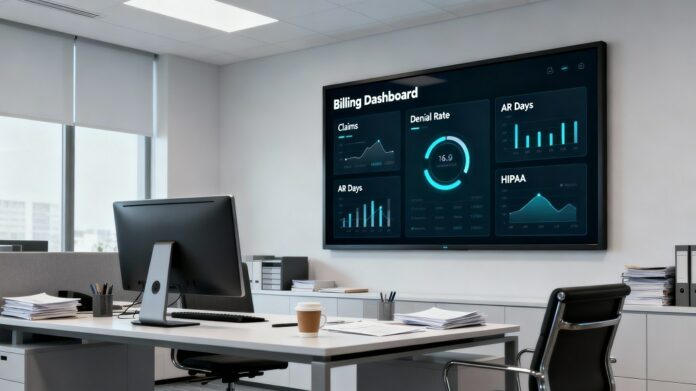
Modern SNF billing outsourcing companies report on their services. Managers get dashboards and summaries that show exactly how the facility is performing financially. Metrics like payment turnaround, open balances, and payer trends become easy to interpret.

That visibility helps leaders make quick, informed choices about staffing levels, service lines, and investment priorities. The numbers are usually current and consistent.

Pre-define with the vendor which exact report youโ€™d like to see. There shouldnโ€™t be many, a few top-line reports would work nicely.

Long-Term Strategic Impact

Reliable billing performance affects every part of a skilled nursing operation. Consistent revenue supports staffing stability, supply purchasing, and investment in facility improvements. Management can direct more attention to growth strategies instead of day-to-day collections.

Outsourcing also provides scalability, as facilities that plan acquisitions or new units can expand billing capacity instantly without hiring a big new internal team. Such flexibility helps organizations respond faster to market changes and reimbursement adjustments.

Billing partners can scale their staff instantly to handle higher volume, and facilities can expand without overhauling their internal teams. This flexibility also works in the opposite direction. Facilities donโ€™t have to pay for idle billing capacity during slower volume periods and costs align naturally with demand.

Siemens Healthineers Divesting Diagnostics Division Possible

Siemens Healthineers Divesting Diagnostics Division

Siemens Healthineers divesting diagnostics division by 2030 or spinning off post restructuring the division is a possibility, however, it has not spoken yet to any of the potential suitors.

It is indeed possible that the diagnostics business is no longer going to be part of the medical technology group in 2030 if it is suggested that this is going to be better for the division, said Bernd Montag, the CEO, at a press briefing on the sidelines of its capital markets day on November 19, 2025.

For its financial years between 2027 and the end of September 2030, Healthineers happens to be targeting a yearly revenue growth of between 6% and 9% coming from its other two divisions put together, which are the Imaging and Precision Therapy divisions, while the diagnostics arm is anticipated to enhance towards growth in the mid-single-digit percentages.

The yearly U.S. tariff burden of almost 400 million euros, which is equivalent to $464 million, should be totally offset by 2028, all thanks to the elevated productivity as well as higher prices, saidย Jochen Schmitz, theย finance chief.

Parent Siemens went on to say recently that it would go ahead and shrink its โ‚ฌ33.5 billion stake inย Healthineers by way of transferring shares within the medical equipment maker to its own shareholders.

Apparently, with Siemens Healthineers divesting diagnostics division, the transfer would lead to the German engineering group slashing its 67% stake to 37% or even less, with Siemens stressing trains and automation technology when it comes to factories and buildings.

Notably, Siemens could also further decrease its holding to less than 20%, especially in the medium term, the company added.

Siemens to Deconsolidate Stake in Siemens Healthineers

Deconsolidate Stake in Siemens Healthineers

Siemens has gone on to announce its plans to go ahead and deconsolidate stake in Siemens Healthineers, which is at present circa 67%. The company looks forward to transferring 30% of Siemens Healthineers shares to Siemens AG shareholders through direct spin-off as the preferable choice. Hence, Siemens shareholders are going to benefit directly and also get shares in Siemens Healthineers. Simultaneously, the deconsolidation is sure to offer a potential to unlock the long-term value when it comes to Siemens shareholders as a much more focused technology company having a highly synergistic Siemens portfolio. Apparently, Siemens seeks to decrease its stake in Siemens Healthineers to quite a prominent minority so as to allow greater capital allocation agility. Therefore, with this, Siemens also continues to take part in the attractive business of Siemens Healthineers in terms of a minority shareholder. When it comes to the medium term, it is indeed targeted to decrease the shareholding to a financial asset.

Siemens is indeed committed so as to manage its investment in Siemens Healthineers in a much more responsible as well as a shareholder-focused manner. Besides, Siemensย also goes on to reaffirm its commitment in terms of a progressive dividend policy that will be maintained even post the deconsolidation of Siemens Healthineers.

According to the President and Chief Executive Officer of Siemens AG, Roland Busch, this day indeed marks the start of the next stage of growth when it comes to Siemens. With Siemens going ahead to deconsolidate stake in Siemens Healthineers and giving up the controlling majority within it, they are focusing on a highly synergistic Siemens portfolio, and this is quite a logical next step when it comes to executing their strategy of combining the real as well as the digital worlds, stressing the rising profitable growth of their digital businesses, connected as well as software-defined hardware, and also industrial artificial intelligence.

As per the Chief Financial Officer of Siemens AG, Ralf P. Thomas, each of the two companies happens to have quite a strong financial profile that offers strategic agility in order to speed up the value creation in their respective major markets by way of a customized capital allocation, hence helping both organizations to function with much greater flexibility as well as focus. When it comes to Siemens, the deconsolidation goes on to give additional leeway, raises the transparency, while at the same time reduces the intricacy for the capital market, and also simplifies the governance structures. Simultaneously, the way of spin-off happens to be a market-friendly transfer of shares.

As announced in the past, the decision goes on to follow an in-depth evaluation as well as a strategic review of how both the companies can go on to best realize their absolute potential, make their respective transformations fast, and also successfully tap certain new areas of progress. This goes on to sharpen the profile of Siemens as ONE Tech Company, which is driving quite a stronger customer focus, much faster innovation, and also quite fast profitable growth. At the same time, Siemens Healthineers is also benefiting from a prominently higher free float and hence a greater attractiveness for the capital market in terms of a leading pure-play MedTech champion.

It is worth noting that the intended transaction happens to be subject to certain final regulatory clarifications as well as approvals by both companies’ shareholder meetings – Siemens and Siemens Healthineers. In the months to come, Siemens is going to continue to work pretty closely with relevant parties in terms of detailing the structure and, at the same time, timing pertaining to the transaction. There would be more details, which are going to be provided as early as Q2 of 2026.

Fujifilm Launches Joint Research with National Cancer Center to Advance Innovative Cancer Treatments Technology

Fujifilm NCC Japan cancer therapy research

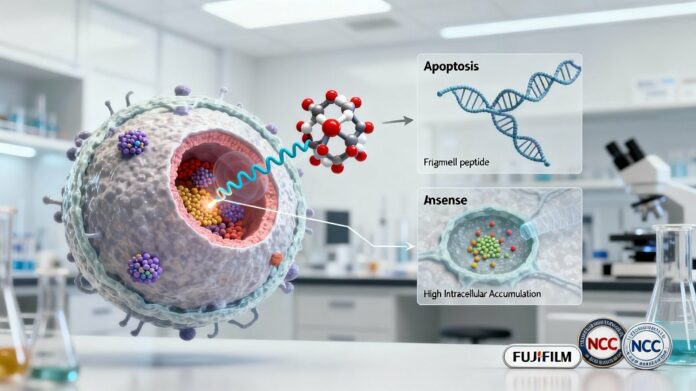
FUJIFILM Corporation today announced that it has signed a joint research agreement with the National Cancer Center Japan, a Tokyo-based national institution recognized for its leadership in cancer care and research. Under this agreement, Fujifilm and the National Cancer Center Japan will collaborate on the development of novel cancer treatment technologies. The research will focus on evaluating the efficacy and targeted delivery of therapeutic agents using Fujifilmโ€™s proprietary cyclic peptides containing unnatural amino acids and antisense nucleic acids designed by the National Cancer Center Research Institute to selectively induce apoptosis in cancer cells.

In cancer treatment, a persistent challenge is that while existing therapies may initially show efficacy, cancer cells frequently acquire drug resistance through mutation, leading to a gradual decline in therapeutic effectiveness. This has driven increasing interest in the development of novel therapeutics with mechanisms of action distinct from conventional approaches. Antisense nucleic acids, which bind to intracellular RNA and modulate the production of specific proteins, offer a promising new mechanism for cancer therapy. In addition, peptides are actively being developed for practical applications as ligands that facilitate targeted delivery and accumulation of nucleic acid-based drugs and other therapeutics. Peptides combine the advantages of small-molecule drugsโ€”such as superior tissue permeabilityโ€”with the high target specificity and binding strength of antibody drugs, resulting in fewer side effects.

Fujifilm will develop peptideโ€“nucleic acid conjugate by linking its proprietary cyclic peptides with antisense nucleic acids designed by the National Cancer Center Research Institute. These conjugates will be evaluated for their ability to selectively induce apoptosis in cancer cells as well as their efficiency in delivery and accumulation in target tissues. By leveraging advanced molecular design technologies and extensive research expertise, Fujifilm aims to contribute to the development of innovative cancer therapies with enhanced precision and efficacy.

The National Cancer Center Research Institute, drawing on its extensive experience in cancer profiling and drug development, has demonstrated the therapeutic potential of antisense nucleic acids through novel mechanisms of action, particularly in overcoming drug resistance.

Fujifilm possesses proprietary technologies including our advanced mRNA display platform and method to screen of peptide candidates, as well as unique structural optimization methods. These capabilities enable the creation of cyclic peptides with strong binding affinity to targets highly expressed in cancer cells. In July 2025, Fujifilm successfully developed peptideโ€“nucleic acid conjugate by chemically linking its peptides to nucleic acids. These compounds demonstrated high accumulation in specific cancer cells and gene knockdown effects by suppressing disease-causing gene activity.

Fujifilmโ€™s strong research foundation and proprietary cutting-edge technologies are at the core of our innovative and drug discovery support CRO services, fulfilling our commitment to support the continued advancement of the pharmaceutical industry.

Medical Taiwan 2025 – Driving the Next Wave of Global Healthcare Innovation

Medical Taiwan 2025 | Shaping the Future of Global Healthcare Innovation

Medical Taiwan continues to stand out as one of Asiaโ€™s most influential platforms for showcasing cutting-edge healthcare solutions, medical technologies and hospital management innovations. As part of our ongoing coverage of global healthcare trends, we are pleased to share a highlight video from this yearโ€™s International Medical, Health & Care Expoโ€”an event that brings together industry leaders, innovators, and professionals shaping the future of healthcare delivery.

This video offers a dynamic overview of Medical Taiwan 2025 โ€“ International Medical, Health & Care Expo, capturing the energy, innovation and collaboration that defined this yearโ€™s event. Viewers will get an inside look at the latest advancements in medical equipment, digital health technologies, smart hospital solutions, elderly care innovations and global healthcare partnerships.

From live product demonstrations to discussions on future-ready healthcare models, the video reflects how Medical Taiwan serves as a global hub for medical manufacturers, healthcare institutions, and industry decision-makers. Whether you’re involved in hospital management, medical technology sourcing, or healthcare innovation, this recap provides valuable insights into the trends driving the industry forward.

The video also underscores the expoโ€™s growing importance as the industry prepares for Medical Taiwan 2026, expected to introduce even more cutting-edge technologies, expanded international partnerships and deeper conversations around the future of healthcare delivery.

InterSystems HealthShare AI Assistant Enhances Clinical Data Access

InterSystems Launches HealthShare AI Assistant

InterSystems Launches HealthShare AI Assistant to Optimise Data Retrieval and Clinical Engagement with Conversational Intelligence

New capability empowers clinicians with faster, safer access to unified patient dataย 

InterSystems, a creative data technology provider powering more than 1 billion health records worldwide, today announced the launch ofย InterSystems HealthShare AI Assistant, a new generative AI capability designed to assist clinicians, case managers and administrators in accessing and understanding patient information faster and more intuitively.

Built on the trusted foundation ofย InterSystems HealthShare Unified Care Recordย (UCR), HealthShare AI Assistant introduces a conversational interface that enables users to securely query, summarise and navigate complex longitudinal health records using natural language prompts.ย The AI Assistant queries records from thousands of diverse clinical data sources and leverages Generative AI to surface relevant insights and present information using industry-standard displays โ€“ empowering users with faster, more intuitive access to comprehensive patient data and key insights.

Some key capabilities of HealthShare AI Assistant include:

  • Conversational Chat Interfaceย โ€“ย Empowers users to ask clinical questions or request patient summaries in plain language, delivering concise, context-aware insights instantly.
  • Pre-Built and Custom Promptsย โ€“ย Provides clinically curated starter prompts and enables organisations to build tailored, role-based configurations.
  • Source Traceabilityย โ€“ย Connects every AI-generated response to its verified record source, promoting transparency and clinical trust.
  • Seamless Integrationย โ€“ย Operates within the HealthShare Clinical Viewer and Navigation Application keeping the assistant embedded in the user’s natural workflow.
  • Comprehensive Governanceย โ€“ย Implements configurable data profiles, role-based access controls, and full audit tracking to support safe, responsible AI use.

โ€œAI in healthcare must be grounded in trust, interoperability and reliable data,โ€ said Don Woodlock, head of global healthcare solutions at InterSystems. โ€œWith HealthShare AI Assistant, weโ€™re giving healthcare professionals a faster and safer way to access the information they need, right from within their existing workflows. Itโ€™s about reducing cognitive burden, improving efficiency, and letting clinicians focus on caring for patients.โ€

HealthShare AI Assistant pilot programs have demonstrated meaningful gains in efficiency and user satisfaction. A usability study run withย Healthix, one ofย the largest public health information exchanges in the United States, showed that the AI Assistant quantitatively improved clinician workflow, reduced time spent reviewing records, and surfaced useful and actionable insights.

โ€œCollecting information from 9,000+ facilities for over 21 million patients comes with an abundance of data,โ€ said Todd Rogow, CEO at Healthix. โ€œWith HealthShare AI Assistant, our clinician users now have a tool to get an instant, clinically validated summary drawn from years of records, delivering a holistic view of a patientโ€™s medical history at time of care.โ€

HealthShare AI Assistant is part of the broader InterSystems HealthShare suite, which powers data interoperability and connected care across more than 80 countries. The new AI capability is available immediately to HealthShare users in supported regions.

For more information, visitย www.InterSystems.com/HealthShare.

From Screens to Patients: How Indonesiaโ€™s Leap into AI-Native Healthcare Earned Global Recognition

Inter Systems IntelliCare Indonesia

Indonesia has become the first country in the world to deploy InterSystems IntelliCare, an AI-native Electronic Healthcare Record (EHR) system that frees clinicians from screens so they can focus on people. This leap has earned InterSystems the Indonesia Technology Innovation of the Year – Healthcare Technology award at the Asian Innovation Excellence Awards 2025.

The Asian Innovation Excellence Awards, organised by Asian Business Review, recognise innovations that deliver measurable results, address critical challenges, and drive meaningful progress across industries. InterSystemsโ€™ recognition in the Healthcare Technology category reflects the companyโ€™s long-term commitment to improving care delivery and patient outcomes through intelligent, data-driven systems.

This recognition is rooted in a universal truth of modern healthcare that technology should serve people, not the other way around. Across hospitals worldwide, clinicians are burdened by complex systems and data entry. InterSystems set out to change that dynamic, using AI to remove administrative barriers and help doctors refocus on what matters most: their patients.

As a data technology provider managing over one billion healthcare records globally, InterSystems launched IntelliCare earlier this year and has quickly achieved a major milestone with the worldโ€™s first live deployment of IntelliCare at EMC Healthcare, a leading hospital group in Indonesia. Built on InterSystemsโ€™ TrakCare Electronic Health Record system, which is trusted by600+ hospitals worldwide, IntelliCare is a next-generation EHR with AI at its center. It includes a comprehensive portfolio of AI-enabled clinical, administrative, revenue cycle management and departmental modules. With IntelliCare AI capabilities, the clinicians can focus more on patients with less documentation burden, care teams can deliver a better patient experience, and the healthcare organizations can improve operational and financial performance.

Indonesiaโ€™s Leap Forward in Digital Health

Indonesiaโ€™s healthcare system continues to face familiar challenges, such as fragmented hospital systems, disconnected patient data, and time-consuming administrative work that reduces the time doctors can spend with patients. At the same time, the country is accelerating its SATUSEHAT initiative, a national digital health framework designed to achieve interoperability across hospitals, laboratories, insurers, and public health systems.

To bridge these challenges, InterSystems delivers a combination of technologies that bring data together for efficieny and better patient outcomes. The first is IntelliCare, an AI-native electronic health record (EHR) that automates clinical documentation, streamlines workflows, and returns valuable time to clinicians. The second is InterSystems IRIS for Health, a data platform that powers IntelliCare and allows medical data to flow securely across hospitals, laboratories, insurers, and government systems to support population health initiatives in the aging era.

Together, these innovations make Indonesia the first country in the world to implement an AI-native healthcare system at a national scale, positioning the country as a regional leader in digital health transformation.

InterSystems healthcare solutions enable healthcare data to flow securely across hospitals, laboratories, insurers, and government systems to support population health initiatives in the aging era.InterSystems technology is trusted by leading healthcare organizations and local IT providers, including EMC Healthcare, Prodia, Tzu Chi Hospital, EKA Hospital, Pondok Indah Group, Asia One Healthcare and Bali International Hospital, to modernize care delivery, improve interoperability, and enhance patient outcomes.

To ensure that every implementation reflects Indonesiaโ€™s healthcare environment, InterSystems collaborates with local technology partners such as Zi.Care, ICS Compute, and BitHealth. Through these partnerships, InterSystems aligns with the Ministry of Healthโ€™s priorities for connected, patient-centered healthcare, ensuring that each deployment is scalable, sustainable, and designed for long-term national impact.

Real-World Results from EMC Healthcare

At EMC Healthcare, part of the EMTEK Group and the worldโ€™s first adopter of IntelliCare, results from early pilots show tangible, measurable improvements:

  • 75% reduction in clicks (from 8 to 2) for retrieving lab results, enabling faster decision-making and smoother workflows.
  • Data completeness increased from 68% to 98% across its hospitals.
  • 7 EMC hospitals deployed EMR within 18 months after first hospital go live, one of the fastest rollouts of its kind.
  • Over 700 clinicians now supported by IntelliCareโ€™s AI-driven documentation and data retrieval.

โ€œAt EMC Healthcare, we believe technology should not hinder a doctorโ€™s work,it should strengthen it. We All aware today’s EMR’s challenges, EMRs have interrupted clinicians during assessments as they switch screens and search for data. Yet the essence of clinical work is connecting the dots that means seeing the full picture while staying focused on the patient. With AI Ambience and AI Assistant, we can close that gap. Doctors can remain on a single assessment screen, ask AI for what they need, and receive clinical information in real time without breaking their train of thought. This is not just a tech upgrade,it reflects our deep understanding of frontline burdens and gives clinicians the space to think, analyze, and care for patients with full attention.,โ€ saidย Dr. Bella Desra Andae,ย Chief Medical Informatics Officer, EMC Healthcare.

โ€œWith AI at its core, IntelliCare enables providers to spend more time with patients and less time on paperwork. This award proves that healthcare innovation isnโ€™t about adding more technology, itโ€™s about making technology invisible, so human care comes first,โ€ addedย Luciano Brustia, Regional Managing Director, Asia Pacific, InterSystems.

Before IntelliCare, clinicians often spent valuable minutes typing notes. Now, AI listens, transcribes, and learns, allowing doctors to look their patients in the eye again.

At EMC Healthcare Jakarta, IntelliCareโ€™s AI now captures the patient-doctor conversation (with consent), generates structured medical notes, and prepares billing automatically. The patient leaves with a prescription and the reassurance that their doctor was fully present.

โ€œOur goal at EMC has always been to combine the highest medical standards with meaningful patient relationships. IntelliCare helps us achieve that balance, technology behind the scenes, people at the center,โ€ saidย Jusup Halimi, President Director, EMC Healthcare.

More Than an Award, A New Responsibility

For InterSystems, this award is not the finish line but the starting point for broader impact. Moving forward, the company is committed to:

  • Expanding IntelliCareโ€™s implementation to more hospitals and health networks across Indonesia.
  • Collaborating with government and industry partners to strengthen the national health data ecosystem.
  • Sharing Indonesiaโ€™s success story with other Asia-Pacific countries accelerating their digital health transformation.

โ€œThis award strengthens our direction, but it also deepens our responsibility. Technology must continue to help doctors do what they do best: care for people. Our mission now is to extend that impact to more hospitals and more patients,โ€ said Luciano Brustia.

Translate ยป