








Close
Digital Health & Ai Innovation summit 2026
Medical Taiwan 2026

Customer Experience Gap Jeopardizes Recovery of Elective Healthcare Business

How To Increase Your Income As A Doctor

A nationwide survey of 617 recent and prospective patients for elective procedures finds serious holes in providers’ approach to the patient experience that could jeopardize the recovery of the elective treatment business. In 2020, the pandemic cost hospitals alone more than $22 billion in lost elective revenue (source: National Library of Medicine). Elective Healthcare Modern Patient Insights Report 2021 from healthcare marketer LaneTerralever and CX consultancy Convince and Convert finds that 66% of patients had to delay elective procedures during the pandemic, and 39% of them don’t plan to reschedule.

While patients report varying degrees of physical recovery based on type of procedure, overall only 39% are satisfied with the results. Yet it’s the quality of the complete experience – not just the quality of procedural outcome – that principally determines their feelings toward providers. Unfortunately, 56% of providers are not following up on the status of patients’ health beyond the days following surgery; 28% are only following up regarding billing.

“It felt like they sold me on the procedure, and once it was done, they were finished with me,” said John, a 61-year-old cosmetic patient. Moreover, 74% of patients are sharing this kind of patient experience directly with others, while 33% post it on social media.

“The end of a patient’s experience really determines their satisfaction,” said Lauren Hillery, strategist at LaneTerralever. “That’s when they’re telling friends and posting reviews about their experience. Prospective patients, in turn, are basing their perceptions of providers on this intelligence, which is largely from the 61% of patients who have seen little or no change from their procedure.

“Healthcare providers need to re-examine the patient journey from the endpoint, because the dissatisfactions that jeopardize elective treatment business aren’t solved by traditional marketing efforts,” added Hillery. “The smallest thing a patient feels dissatisfied about during their post-op experience could change the entire trajectory of their reflection on that experience.”
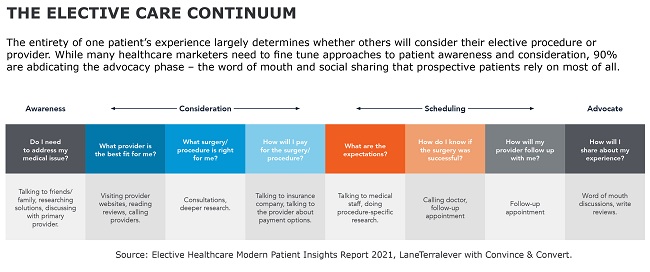
In addition, many patients don’t feel they know what they’re getting into even after a consultation. Cost is a factor for 54% of patients considering elective procedures, and 56% did not understand all the costs involved. That’s critical when more than half are paying out of pocket for elective procedures, and 78% who defer do so for cost reasons.

Given that 78% of patients evaluate no more than two providers, and most make their decisions within two months, Hillery says providers need to take some fundamental steps.

Mine reviews. Patients write reviews to be heard, and bad reviews provide the best opportunities to improve service. Instead of just responding to the post, providers can apply it toward tuning up the patient experience in specific, meaningful ways.

Ramp up patient education. 59% of patients look for information about their procedure on a provider’s website and yet 44% felt the site didn’t answer their questions. Providers can give visitors all the options – including ones they don’t perform – and show what recovery really looks like six months to a year after surgery. Infographics, interactive quizzes, and visual timelines can make all the difference.

Put people first. More than half (53%) of patients want to schedule, and 45% want to communicate with providers over the phone. And the quality of their live interaction sets the tone for the relationship. So, the convenience of online interaction and scheduling needs to be balanced with a human touch.

Connect prospects with patients. Prospective patients want to feel they’re not alone. Instead of simply providing testimonials, providers can connect prospects one-to-one with patients who have recovered from similar procedures.

Follow up continuously. Providers’ greatest expansion opportunity lies in post-op engagement. Patients said they need to feel like they matter more to providers after they’ve been on the table; and that no amount of follow up is too much when it’s clearly aimed at making them feel cared for and supported. One oral surgeon takes this a step further by making calls to post-op patients every day so people are hearing from him personally.
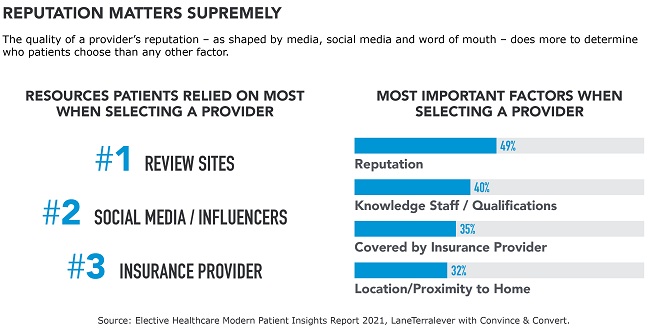
“Elective patients care primarily about their quality of life, not the nuances of the procedure itself,” said Hillery. “Providers need to reconstitute marketing based on people, not procedures, according to a real-life continuum that’s much longer than the short window immediately before and after a procedure.”

LaneTerralever and Convince and Convert surveyed more than 600 patients across the country in June to understand the pandemic’s impact on their decision-making processes. Respondents were 50% male, 50% female, and represented all age groups with the largest being 35-64 (65%).

About LaneTerralever

LaneTerralever helps healthcare providers attract qualified patients and improve satisfaction with creative lead generation and seamless digital patient experiences. The agency has increased patient volume and satisfaction for providers including HonorHealth, American Vision Partners, Landmark Recovery, NextCare Urgent Care, The Joint Chiropractic, Phoenix Children’s, and Risas Dental and Braces.

About Convince & Convert

Convince & Convert is an experienced, highly focused analysis and advisory firm that creates effective, best-in-class digital marketing, content programs, and customer experience strategies for the world’s most iconic organizations. They’ve helped a number of healthcare organizations boost the effectiveness and impact of their digital communications programs including Cambia Health, Excellus BCBS, Kindred Health, University of Rochester Medical Center, and Kaiser Permanente.
Wolters Kluwer launches patient education platform to meet demand for accessible content aligned with care team recommendations

Wolters Kluwer launches patient education platform to meet demand for accessible content aligned with care team recommendations

Wolters Kluwer, Health announced the release of EmmiEducate™ to improve alignment between patients and their care teams. With educational content tailored to a variety of learning and reading styles, and interoperability across disparate systems and access points, EmmiEducate gives providers the ability to easily support their patients’ information needs within their workflow, delivering easy-to-understand educational materials that mirror the guidance provided to patients during the clinical encounter.

Meeting patients where they are

EmmiEducate aids the expansion of virtual care delivery and helps providers reduce health inequities by more effectively reaching diverse populations through multiple touch points and modalities. EmmiEducate features hundreds of compelling videos, more than 8,000 leaflets in up to 20 languages, and presentation of educational materials at a 5th to 7th grade reading level, helping care teams provide content to patients in ways they can better understand and act on.

“How patient education is developed and shared directly impacts whether or not it will be used. Done right, educational touchpoints can improve patient understanding and adherence to their treatment plan, enhance the overall care experience, and build organizational affinity,” said Jason Burum, General Manager, Healthcare Provider Segment, Clinical Effectiveness, at Wolters Kluwer, Health. “By extending clinical decision support to patients, EmmiEducate aligns healthcare stakeholders in a manner that is convenient and highly effective for improving outcomes.”

Improving efficiency in provider workflows

Through integrations with numerous IT systems and technologies, EmmiEducate allows providers to provide patients with access to content in a variety of ways – from the electronic medical record (EMR) to the bedside to ongoing digital patient engagement. Additionally, as providers’ needs expand, Wolters Kluwer’s patient engagement content and services can help providers further activate patients with smart outreach programs, engagement tracking, and captivating content for digital health efforts that make an impact.

“At UMass Memorial Health, we integrated Wolters Kluwer’s patient education tools when we went live in our EMR. Our patients have been very happy with the content, and it is very easy to attach to the patient after-visit summary. Many of the topics are available in multiple languages,” said Eric Alper MD, Senior Vice President, Chief Quality Officer / Chief Clinical Informatics Officer, UMass Memorial Health.

About Wolters Kluwer

Wolters Kluwer (WKL) is a global leader in professional information, software solutions, and services for the clinicians, nurses, accountants, lawyers, and tax, finance, audit, risk, compliance, and regulatory sectors. We help our customers make critical decisions every day by providing expert solutions that combine deep domain knowledge with advanced technology and services.

Wolters Kluwer reported 2020 annual revenues of €4.6 billion. The group serves customers in over 180 countries, maintains operations in over 40 countries, and employs approximately 19,200 people worldwide. The company is headquartered in Alphen aan den Rijn, the Netherlands.

Wolters Kluwer provides trusted clinical technology and evidence-based solutions that engage clinicians, patients, researchers and students in effective decision-making and outcomes across healthcare. We support clinical effectiveness, learning and research, clinical surveillance and compliance, as well as data solutions.


How Technologies Development Help Make Progress In Healthcare

How Technologies Development Help Make Progress In Healthcare

We have seen gradual changes in technology and every field has wholeheartedly accepted the changes. But, the healthcare industry has been hesitant to adopt new technologies. This delay in adaptation was due to the rigorous rules and regulations in the sector and of course, the delicate concern of medical and health. 

Despite this, the industry has produced important advancements that have reshaped the way physicians practice medicine and patients get cared for.

According to recent reports, the number of hospitals that have deployed electronic health record (EHR) systems has increased. According to the PwC Health Research Institute, today around 90% of these facilities are using EHRs but previously only 9% were using EHRs. 

These reports show how the healthcare system has adapted itself to the dynamic technology and has made living and curing easier, time-effective, and cost-effective. The healthcare sector has benefited from a variety of other digital technology. Here are a few examples of what I’m talking about:

 1. Increased connectivity among physicians

Everyone knows how the world economy, especially the health care sector has changed in the pandemic. New technology has made it easier for physicians to connect with each other and share knowledge and new ways of treatments, all thanks to digital platforms that have transformed the social realm. Obviously, online tech has contributed in cutting down on the time it takes to communicate with colleagues. In fact, new apps have been launched that allow physicians to share current inventions, treatments, medicines, and much more.

2. Improvement in Spinal Fusion

One of the major advancements in health care is the constant improvement in spinal fusion. The outcome of Spondylolisthesis treatment surgery is steadily increasing, with higher fusion rates and less postoperative discomfort and problems. 

Less invasive procedures, greater bone graft alternatives, and improvements in cages/implants to improve their materials and ways of fixation are all areas where progress is being made. 

3. Smartphone-based devices offer readings, aid in the delivery of care

Smartphone-based gadgets provide readings and help with care delivery.

Another significant advancement in healthcare is the ability of smartphone-based devices to track blood sugar and heart rate. These devices have helped doctors and patients to improve their treatment methods and cure diseases effectively and with better proficiency. 

For example, the MiniMed 670G is an amazing device that eases patient’s and doctor’s work because it can detect when people with Type 1 diabetes require insulin and automatically inject the appropriate dose to them.

 4. Computers provide input on medical decisions.

Medical judgments are aided by computers and help doctors to make quicker decisions. Computers are rapidly becoming a crucial tool for healthcare workers. Computers can now provide feedback on X-rays and other diagnostics, allowing doctors to make better-informed judgments more quickly. 

When it comes to researching new pharmaceuticals and choosing the best treatment options for patients, computers have aided quicker research and spread of the new discoveries. Machines collect and analyze data in real-time, giving healthcare surgeons a second opinion from their experienced colleagues or seniors.

5. A new 3D printing utility has been released.

While 3D printing has had an impact on a variety of industries, it has been especially useful to the healthcare industry in various ways. This technique has aided physicians to print synthetic skin, implants, and prosthetics for a reasonable cost and in a much quicker way. They can also make realistic models so that procedures can be practised.

6. Greater access to DNA sequencing

The human genome was sequenced for the first time in 2003. This process lasted 13 years and the cost was over $3 billion. Since then, technological advancements have brought the price down to just $1,000. 

Physicians and patients now have easier access to the information present in DNA due to advanced technologies. Platforms for sequencing continue to evolve and create new opportunities not only for the health care sector but also aiding ease for patients.

 7. Remote health exams

The COVID situation has aided in new innovations especially in the sector of removing health checkups. According to the new technological advancements, an in-home chair will read all of a patient’s basic vitals and send the information to a physician, who can further evaluate the patients’ conditions and advise accordingly. 

Patients may get regular checkups without leaving the comfort of their own homes. The technology will most certainly become more common as scientists are discovering new ways to make this equipment more cost-effective and readily available.

8. Reduced risk and recovery time

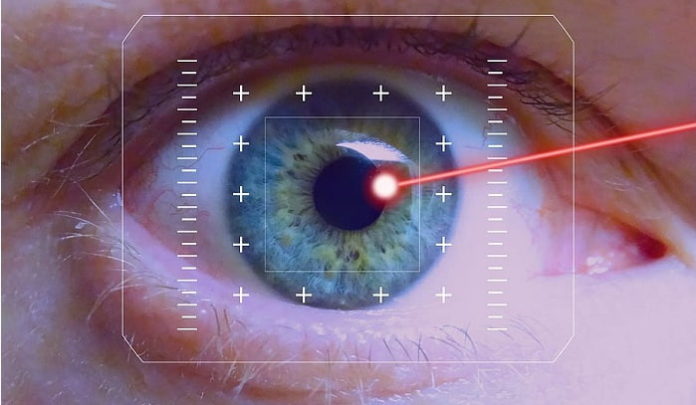
Medical operations have become safer due to rapid breakthroughs. Medical procedures are becoming less invasive and pose less hazards due to their technological advancements. One of them is laser treatment for kidney stones. Furthermore, the introduction of modern technology has dramatically decreased recovery times, which have been lowered from several weeks to just a few days in some cases.

9. Advancements in robotics and nanotechnology

Many of these technologies have aided the health care system, other recent developments include surgical robots and nano-devices. Physicians have been able to improve their accuracy, efficiency, cost-effectiveness and obtain access to previously unreachable areas by using these instruments. 

For example, one nano-robot can swim through bodily fluids such as the bloodstream and the surface of the eye easily.

Many life-saving procedures have become widespread because of technological advancements in the medical industry. Only a few decades ago, the idea of digitally visiting a doctor from hundreds or thousands of kilometers away would have been unthinkable, but now it has been achieved and is widely used. 

It may also be claimed that of all the ways that technology has improved people’s lives around the world, none is more essential than medical advances. Technology has improved our health and prolonged our lives, from inventions such as the introduction of X-ray equipment to surgical advancements. Technologies are rapidly enhancing health, from remote monitoring tools and wearable medical technology to genome sequencing. 

Thus, all these instances show how evidently technology has been advancing health treatments, discoveries, researches, and a lot more. Now, even the healthcare system has openly shown adaptation to the new innovations. All thanks to the new technology!

InterSystems Introduces HealthShare Message Transformation Service as Part of the Amazon HealthLake Launch

InterSystems Introduces HealthShare Message Transformation Service as Part of the Amazon HealthLake Launch

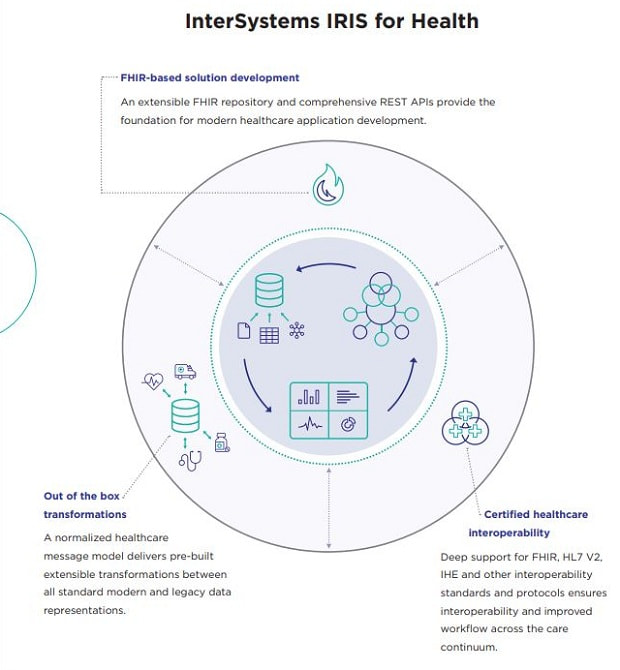
InterSystems, a creative data technology provider dedicated to helping customers solve the most critical scalability, interoperability, and speed problems, announced the availability of InterSystems HealthShare Message Transformation Service. Developed for use with Amazon HealthLake, the on-demand service enables healthcare providers, payers, and pharmaceutical companies to convert their existing data formats to FHIR standards to populate Amazon HealthLake and extract the most value from their data.

Amazon HealthLake is a HIPAA-eligible service designed to store, transform, query, and analyze health data at scale. Using the HealthLake APIs, organizations can easily store health data already in the HL7® FHIR® industry standard to a secure data lake in the cloud. But, many healthcare systems, labs, and pharmacies still have most of their data in existing (non-FHIR) formats such as HL7 V2, impeding interoperability and the ability to derive full value from their data.

AWS selected InterSystems as one of the Amazon HealthLake Connector Partners to develop and introduce complementary products to coincide with the launch of Amazon HealthLake. Solutions such as InterSystems HealthShare Message Transformation Service, which is part of the InterSystems HealthShare suite of products, enable users to fully leverage products such as Amazon HealthLake to derive meaningful insights from their data, like examining trends such as disease progression at the individual or population health level over time, spotting opportunities for early intervention, and delivering personalized medicine.

“As an Advanced Technology Partner of AWS – and having achieved the AWS Healthcare ISV Competency Designation – InterSystems continues to assert our position as a leader in interoperability and healthcare customer success,” said Don Woodlock, Head of Healthcare Solutions for InterSystems. “We welcome opportunities like these that encourage and enable interoperability for healthcare organizations looking to get the most out of their data.”

“With the use of the HealthShare Message Transformation Service by InterSystems and Amazon HealthLake, we will be able to access and transform molecular profile data from the EHR into FHIR to run advanced analytics and algorithms, providing clinical decision support to assist oncologists with personalized cancer treatment options” said Philippe Faurie, Vice President of Professional Services at CureMatch™, Inc. a San Diego-based digital health company focused on personalized medicine and combination therapy in oncology.”

As the first official software-as-a-service (SaaS) offering from InterSystems, HealthShare Message Transformation Service promotes interoperability by making health data conversion more easily and securely accessible. It is delivered in an automated, single interface, making it easy to manage, consume, and scale.

“Healthcare and life sciences organizations are increasingly looking to use health data more effectively to enable better health care outcomes by revealing relationships in data, discovering trends, and making precise predictions. However, the cost and operational complexity of this work is prohibitive to many organizations,” said Dr. Taha Kass-Hout, Director of Machine Learning at AWS. “With InterSystems as an Amazon HealthLake Connector Partner, customers who do not already have data in the FHIR format can leverage their offerings, such as InterSystems HealthShare Message Transformation Service, to translate legacy clinical data (e.g., HL7, CSV, CCA) and move it to Amazon HealthLake as standardized FHIR records. Amazon HealthLake enables customers to easily apply advanced analytics, making it easier for researchers and practitioners to collaborate and accelerate breakthroughs in treatments, discover health trends, and deliver a better experience and care for patients.”

InterSystems HealthShare Message Transformation Service is available via a consumption-based model, allowing organizations of any size or specialization to take advantage of the service and scale their use as needs fluctuate. This collaboration represents a deepening of the relationship between InterSystems and AWS, which includes the availability of InterSystems IRIS data platform on AWS Quick Start. InterSystems is also collaborating with AWS on their AWS for Health initiative, helping accelerate Health IT initiatives and simplify interoperability for healthcare organizations.

About InterSystems

Established in 1978, InterSystems provides innovative data solutions for organizations with critical information needs in the healthcare, finance, and logistics sectors and beyond. Our cloud-first data platforms solve interoperability, speed, and scalability problems for organizations around the globe. InterSystems also develops and supports data management in hospitals through the world’s most proven electronic medical record, as well as unified care records for health systems and governments through a powerful suite of healthcare data integration solutions. The company is committed to excellence through its award-winning, 24×7 support for customers and partners in more than 80 countries. Privately held and headquartered in Cambridge, Massachusetts, InterSystems has 25 offices worldwide. For more information, please visit InterSystems.com.

Medtronic Hugo Robotic-Assisted Surgery System Cornerstone of New Robotics Program in Latin America

Procedure-Related Techniques and Care Pathways from the OPTIMIZE PRO Clinical Study Show Promising Early Outcomes for Patients Implanted with the Medtronic Evolut TAVR System

Medtronic plc, the global leader in medical technology, announced the integration of the Hugo™ robotic-assisted surgery (RAS) system at Hospital Clinico de la Red de Salud UC CHRISTUS in Santiago, Chile, to support the teaching institution’s new robotic surgery program. UC CHRISTUS is the latest institution to join Medtronic’s Partners in Possibility Program, a group of pioneering hospitals that will be among the first in the world to use the Hugo RAS system in support of the Hugo system patient registry.

“Our surgical robotics vision — to expand access to quality care to more people in more places — is coming to life at UC CHRISTUS,” said Carla Peron, M.D., chief medical officer of the Surgical Robotics business, which is part of the Medical Surgical Portfolio at Medtronic. “It’s incredibly exciting to see our teams working together to bring surgical robotics where it couldn’t exist before, all for the benefit of patients.”

In Latin America, approximately 75% of surgeries are conducted as open procedures.1 With minimally invasive surgery, those patients could experience fewer complications, shorter hospital stays, faster return to normal activities, and smaller scars.

Robotic surgery is a form of minimally invasive surgery that offers surgeons improved visualization, greater dexterity, and ergonomic advantages, yet robots are used in less than 3% of surgeries globally. The Hugo RAS system  Medtronic’s solution to historic cost and utilization barriers that have kept surgical robotics out of reach for many hospitals — is a modular, multi-quadrant platform designed for a broad range of soft-tissue procedures.

The Hugo RAS system combines the precision of wristed instruments with the flexibility of independent robotic arm carts and best-in-class 3D visualization technology on an open console. Touch Surgery™ Enterprise, a cloud-based surgical video capture option powered by artificial intelligence, allows surgeons to seamlessly record, analyze, and share Hugo system case footage.

“I am honored to have performed the inaugural robotic-assisted surgery procedure for UC CHRISTUS and to be leading this program, the first of its kind for our institution,” said Ignacio San Francisco, M.D., urological surgeon and specialist in minimally invasive uro-oncology surgery. “With Hugo RAS system, we are entering a new era of robotic-assisted surgery, improving how we deliver high quality healthcare to our patients.”

In support of its commitment to expand access to quality care, Medtronic has opened a new Surgical Robotics Experience Center in Santiago. This is the company’s first in Latin America and 1 of 10 world-class facilities around the globe where clinicians can experience and train on the Hugo RAS system. The Santiago Surgical Robotics Experience Center operates in partnership with the Faculty of Medicine of Pontificia Universidad Católica de Chile, which is affiliated with UC CHRISTUS.

“We are confident that our new robotic surgery program is ready for success and will provide our patients with leading-edge quality healthcare, thanks to the novel capabilities of the Hugo RAS system, the support we have received from our partners at Medtronic, and our outstanding surgeons,” said Alejandro Canavati, chief executive officer, Red de Salud UC CHRISTUS. “As a teaching institution, we are proud to serve as a premier destination for world-class surgical robotics training for physicians across the region.”

The Hugo RAS system is not cleared or approved in the U.S. or Europe. Regulatory requirements of individual countries and regions will determine availability and approval or clearance timelines. Touch Surgery Enterprise is not intended to direct surgery, or aid in diagnosis or treatment of a disease or condition.

About Medtronic
Medtronic plc, headquartered in Dublin, Ireland, is among the world’s largest medical technology, services and solutions companies – alleviating pain, restoring health and extending life for millions of people around the world. Medtronic employs more than 90,000 people worldwide, serving physicians, hospitals and patients in more than 150 countries. The company is focused on collaborating with stakeholders around the world to take healthcare Further, Together.

Beyond telehealth – new data-driven solutions for better care

Beyond telehealth – new data-driven solutions for better care

COVID-19 has driven a huge number of breakthroughs in health technology. Some have leveraged existing technology, as we’ve seen with telehealth. But there’s been innovation around the hard stuff too, like genomic sequencing, testing and tracing, and mRNA vaccines.

In all of these innovations, we have seen the value of healthcare data. Providers have found new value in their electronic medical record (EMR) systems, for example. Having easy access to a patient’s data makes a huge difference to the quality of the experience for both doctor and patient – and the outcomes as well.

The pandemic experience has also increased the willingness and the appetite to change and opened the way for further innovation. Telehealth is evolving into virtual care where more sophisticated technology is providing a better experience and more value for patients and clinicians.

It has become easy to imagine a scenario where a healthcare provider’s EMR system connects to a patient’s remote health monitoring device with an artificial intelligence (AI) algorithm able to raise an alert when it detects or predicts a potential health issue, in turn triggering a workflow to set up a videoconferencing appointment.

As healthcare providers embrace these technology-enabled care models, they will look for innovative solutions from suppliers including healthtech companies and start-ups, medical technology and device companies, pharmaceutical companies and others.

“Disruptive” solutions for better care

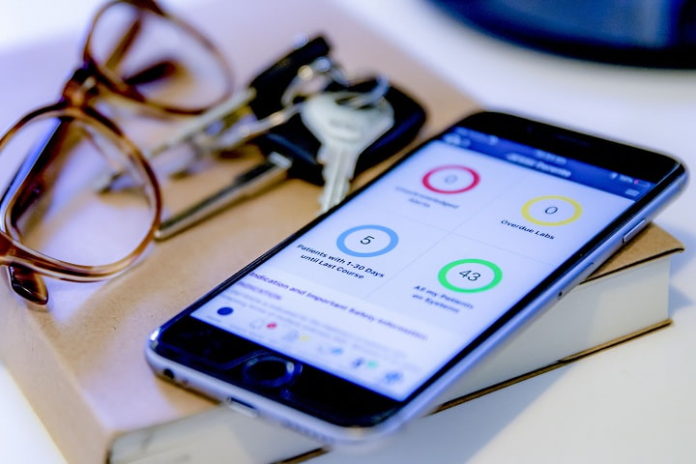
InterSystems is working with one company, RxMx®, that develops apps and portals around lab testing to ensure the safety of specialty medications, like those used for Multiple Sclerosis. Built on the InterSystems IRIS for Health™ data platform, RxMx’s Chameleon platform provides automated risk management to keep patients safe throughout complex specialty treatments while integrating with labs and other vendors in real time.

For some patients on experimental new medicines, the careful monitoring of test results can mean the difference between detecting an adverse event and treatment success. Real-time information is of vital importance to patients and care teams alike.

We will see many more “disruptive” solutions that provide better care for patients and make lives easier for clinicians. Health providers will integrate their systems with those of medical device manufacturers and use big data and AI for improved diagnosis and predictive analysis. And we will see more innovative care solutions from start-ups and the use of new healthcare data standards like FHIR® to make them easier to integrate.

Exponential growth in healthcare data

There are still many challenges, however. Healthcare providers often struggle to integrate innovative solutions into their workflows and systems. In addition, there are data management, privacy and security challenges.

If we look at the medtech sector, companies need to manage the exponential growth of both data volumes and the number of data sources that products must integrate with. According to the IDC white paper, “Data Age 2025”, healthcare data is projected to grow faster than in manufacturing, financial services or media, experiencing a compound annual growth rate (CAGR) of 36 percent through to 2025.

Smart healthcare devices and point of care devices located in patients’ homes are just some of the drivers of this trend. This exponential data growth presents a major challenge for data scientists at medical device manufacturers, who often spend as little as 20% of their time on actual data analysis.

Interoperability a “stumbling block”

According to Juanito Doolub, Healthcare Solution Architect for InterSystems, the bulk of medtech data scientists’ time is spent tracking down, cleaning and reorganising huge volumes of data stored in multiple silos and in different formats and standards.

“Unfortunately, the lack of interoperability between systems has been a major stumbling block for innovation,” says Doolub. We are investing a lot of effort into solving this problem to make sure that our customers have clean, compliant and complete data available for advanced analytics.”

Healthcare startups also have their challenges. It’s estimated that 90% of healthtech companies fail in their first five years. And one of the biggest hurdles they face is the need for interoperability.

Exchanging data in a completely unambiguous way is important across the healthcare continuum, especially when it comes to caring for patients and for analysing the evidence for new medical treatments. This means that if healthcare startups want to develop new solutions and successfully bring them to market, they will need to build their interoperability capabilities and work with a range of data standards.

Integration with existing data standards

The healthcare industry has a veritable alphabet soup of interoperability standards, including Health Level Seven (HL7®), ASTM International, DICOM (Digital Imaging and Communications in Medicine) and IHE (Integrating the Healthcare Enterprise).

FHIR, HL7’s newest clinical data standard, uses RESTful APIs, which are also the basis of the ecommerce and social media applications. That allows FHIR to be used in different contexts, from system-to-system messaging to consuming innovative new services. It’s likely that most interoperability will be done via FHIR at some point.

However, right now, supporting earlier data standards and APIs, and even interfaces to systems that don’t use standards, make it easier for a new solution to fit into the existing healthcare data ecosystem. Demonstrating this sort of flexibility could be a key competitive advantage for startup companies, and help them acquire more customers.

Better data management = better AI

Data management capabilities are also important. Clinicians and other carers are increasingly looking to leverage healthcare data to understand what is the best treatment for an individual patient, for example.

That could be through access to a complete set of patient data, or through applying AI algorithms trained using large volumes of comparable data. These processes are greatly simplified if data is consistent and flows easily between systems rather than being scattered throughout disparate data silos. Key to this is the availability of normalised data, or what InterSystems calls “healthy data”.

It is quite breathtaking to see how quickly AI is being taken up by the healthcare industry. For example, machine learning – a key part of AI where computer algorithms automatically improve through experience – has been called upon to leverage healthcare data to help deal with many of the challenges COVID-19 has presented.

Public health systems have turned to machine learning to complement their contact tracing and other efforts to control the disease and track outbreaks. Private healthcare operators have embraced machine learning to remain competitive when faced with a drop in demand for elective surgery or, in many countries, a reluctance or inability to visit hospitals or clinics.

The pace of AI and machine learning adoption is also accelerating in hospitals. According to a recent IDC study of 210 hospitals in the US, UK and Germany, half already have an AI framework in place and the rest plan to be online within 24 months. The study found that reading images to assist with diagnoses (30% of hospitals) and early identification of hospital-acquired infection (30%) were among the top three use cases for AI.

For example, Mercy Radiology in New Zealand, working with Ferrum AI, has deployed AI algorithms which use machine learning to improve over time with use. Operating in a second read capacity for radiologists, the use-cases are in lung nodules on CT scans and limb fractures on X-ray. The algorithms have improved the quality of reporting and “there has been positive engagement from clinicians as well,” says Lloyd McCann, CEO of Mercy Radiology and Head of Digital Health for Healthcare Holdings Limited.

Machine learning for smarter triage

One area where we will see widespread advancements with AI is in hospital triage. Most triage systems rely on simple risk scoring systems with a small number of variables to identify which patients need immediate attention or access to higher acuity resources.

Machine learning increases the number of variables which can be taken into account to make smarter triage decisions. At Northwell Health – with 23 hospitals, New York State’s largest healthcare provider – machine learning is making better use of resources and improving patient experience. The technology is used to identify patients who need to be woken up to take their vitals versus those stable enough to sleep through the night.

InterSystems believes it is essential to prioritise healthcare data interoperability and data-cleansing so that it’s usable in machine learning and other innovative, data-driven solutions. The company’s cloud-first data platforms also solve the speed and scalability problems that healthcare must overcome to manage the exponential growth in data it produces.

Providers and their suppliers have an incredible opportunity. To take advantage of it they require systems capable of processing health data in real time, connecting with all the data sources they need, ensuring healthcare data is fit for purpose, and integrating innovative solutions into existing healthcare systems.

Yes, there are challenges to be overcome. But the pandemic has shown us the value of technology and we will only get better at leveraging healthcare data to enable new, more effective models of care.

Cheap, Easily Synthesized Anthelmintic Medicine: Fenbendazole

Cheap, Easily Synthesized Anthelmintic Medicine: Fenbendazole

Depending on the health condition of the patient and additionally prescribed drugs and/ or chemotherapy, fenbendazole daily dosage can vary.

Dosage guide:

Note: by taking chemotherapy, additional supplements, natural products, nutraceuticals or pharmaceuticals not related to cancer treatment together with fenbendazole and to decide whether fenbendazole can be taken alone to treat cancer, one should consult with professional, licensed medical consultant who has appropriate attitude and experiance in fields of traditional chemotherapeutic and combinatorial (alternative) cancer treatment and experiance in medication reconciliation to prevent adverse efects when taking several drugs/chemicals together.

Storage of fenbendazole powder, fenbendazole capsules and fenbendazole tablets: below 25 °C and not exposed to sun.

Toxicity, side effects and metabolism of fenbendazole

Toxicity, genotoxicity and carcinogenicity

It is hard to evaluate what certain health and side effects normally or highly dosed fenbendazole may cause for humans, as it is not a medication for people and there is no previous history of human-usage. It is even more difficult to predict the side effects when additional medication is taken together with fenbendazole.

Fenbendazole alone has a very low acute toxicity when consumed orally (measured in rodents). No acute oral exposure limit is determined (it may be that acute toxicity threshold is above 5000mg of material per kilogram of body weight).

Based on human data it appears that doses up to 500 mg per person did not result in any adverse effects. Additionally, single doses up to 2,000 mg per person also caused no adverse effects.

Based on a variety of in vivo and in vitro genotoxicity tests, where European Medicines Agency was involved and partially responsible, it was determined that fenbendazole is not genotoxic.

I evidence for carcinogenicity was found in a 2-year study in mice.

Data about toxicity, genotoxicity and carcinogenicity retrieved from.

Side effects:

Side effects include:

  • Vomiting (rare)
  • Diarrhea (rare)
  • Jaundice (very rare)
  • Skin itching (very rare)
  • Liver injury (extremelly rare)
Metabolism

After absorbtion, two different steps of fenbendazole transformation in the body occur – hydroxylation and oxidation.

The first process happens with the help of liver enzymes – CYP2J2 and CYP2C19. Fenbendazole is hydroxylated to form a new metabolite – hydroxyfenbendazole.

The second process is the oxidation of the the sulfide group. This is catalized in the liver by the enzymes CYP3A and flavin-containing monooxygenase. As a result, a new compound forms – oxfendazole (which also displays anticancer and anthelmintic properties).

Interestingly, these findings suggest that fenbendazole is both a drug and prodrug – it leads to a metabolically produced another active drug.

Notably, fenbendazole is not 100% converted to its metabolites due to its poor bioavailability. Only a small amount of fenben is absorbed through our gastrointestinal tract. Ultimately, fenbendazole, together with hydroxyfenbendazole and oxfendazole are excreted with feces.

Keep in mind! One of the enzymes used for metabolizing fenbendazole, CYP2C19, is also responsible for metabolism of drugs like tamoxifen, ebastine, amiodarone, astemizole, mesoridazine, apixaban, thioridazine and cyclosporine.

If a cancer patient decided to take one or several of these drugs together with larger doses of fenbendazole, one should contact her/his medical consultant to get more information about the interactions between fenbendazole and these drugs, possible additional side effects and presumable elevated toxicity.

To find out more visit: https://www.fenbenlab.com/shop/

Levita Magnetics announces first magnetic robot-assisted surgeries

Levita Magnetics announces first magnetic robot-assisted surgeries

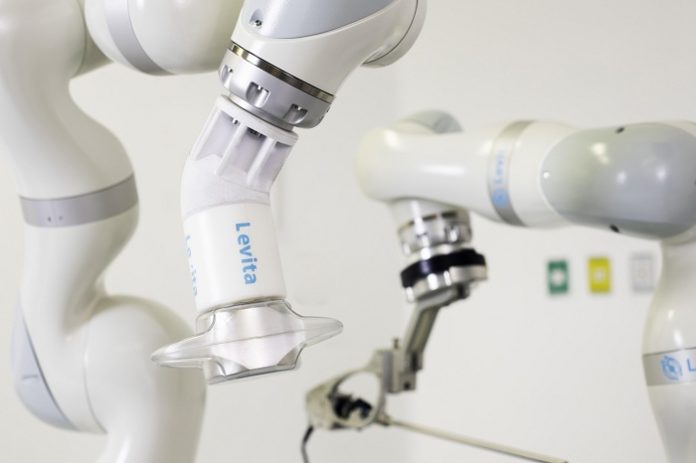
Levita Magnetics announced that it performed the first procedures with its robot-assisted surgical platform. Dr. Ignacio Robles used Menlo Park, Calif.–based Levita’s newest system, the Levita Robotic Platform, in a reduced-incision laparoscopic cholecystectomy (gallbladder removal). The procedure took place at Clínica INDISA in Santiago, Chile, as part of a clinical study of the platform.

According to a news release, Levita designed the new platform to deliver the clinical benefits of the company’s first commercial product, the Levita Magnetic surgical system, which includes less pain, faster recovery and fewer scars. The company’s technology involves a magnet controller outside the body moving tools inside the body.

The company said it intends to use the platform to improve visualization, maintain surgeon control of instruments and increase hospital efficiency with fewer assistive personnel required for the procedure. The design specifically targets high-volume ambulatory or same-day discharge abdominal surgeries.

Robles said the first procedure “went very smoothly” and delivered positive recovery with no complications at 30 days post-surgery. Two additional procedures have been performed since, with Robles touting Levita’s magnetic technology to improve surgeon control and efficiency.

“We are taking magnetic surgery to the next level with this disruptive approach. Our robotic platform is designed to be the first to enable the clinical benefits of a less invasive procedure with fewer incisions while allowing the surgeon full control of the platform and surgical instruments directly beside the patient,” said Levita Magnetics founder & CEO Dr. Alberto Rodriguez-Navarro.

“We believe enabling timely access to needed surgery has a direct impact on the quality of life for patients and may reduce the risk of complications or death due to the underlying disease,” Rodriguez-Navarro said. “Our ultimate goal is to globally increase the ability of surgeons and hospitals to provide more patients access to better surgical procedures within their communities.”

The company is advancing its clinical study and plans to submit the Levita Robotic Platform to the U.S. FDA for clearance in late 2021.

Teladoc Health and Microsoft Collaborate to Create a Unified Practice Experience for Clinicians

Teladoc Health and Microsoft Collaborate to Create a Unified Practice Experience for Clinicians

Teladoc Health, Inc., the global leader in whole-person virtual care, announced a collaboration with Microsoft in which Teladoc Health’s Solo platform for hospitals and health systems will be integrated into the Microsoft Teams environment to strengthen physician and patient access to best-in-class virtual healthcare. The combination of communications, collaboration, and workflows in Microsoft Teams with Teladoc Health’s medical-grade whole-person virtual care delivery solutions for hospitals and health systems will simplify the way healthcare organizations and clinicians work by streamlining the technology and administrative processes associated with providing virtual care, in turn enabling a stronger focus on high quality care.

“Microsoft and Teladoc Health will be a powerful combination for health systems. Together we will deliver what hospitals and health systems want: integrated, enterprise solutions that make the full breadth of virtual care available in their daily workflows,” said Joseph DeVivo, president of hospitals and health systems at Teladoc Health. “Our collaboration will deliver a more seamless, unified experience for clinicians and patients that makes healthcare better, leveraging leading data, artificial intelligence and machine learning expertise from both companies.”

The COVID-19 pandemic has driven companies to work virtually, including the health plans and health systems which are Teladoc Health’s clients. Many hospitals and health systems adopted Microsoft Teams to connect clinicians and patients on video. Working with Microsoft enables Teladoc Health to integrate with Teams, further strengthening care team communication and collaboration. Clinicians already have the ability to securely access clinical data included within their electronic health record system via Teladoc Health Solo, and will be able to do so without having to leave the Teams environment.

“This collaboration is focused on taking our aligned strategies and delivering on the last mile in healthcare,” said Tom McGuinness, corporate vice president of global healthcare at Microsoft. “Together, we will bring new and innovative tools to market that will not only improve patient care but increase health system efficiency overall.”

“The combination of both companies core capabilities will make it even easier for clinicians to deliver care virtually, while simultaneously freeing them of administrative tasks and enabling them to practice at the top of their license,” added DeVivo. “Improved connectivity will allow for better care delivery across the continuum, from the hospital to the home.”

About Teladoc Health

Teladoc Health empowers all people everywhere to live their healthiest lives by transforming the healthcare experience. As the world leader in whole-person virtual care, Teladoc Health uses proprietary health signals and personalized interactions to drive better health outcomes across the full continuum of care, at every stage in a person’s health journey. Ranked best in KLAS for Virtual Care Platforms in 2020, Teladoc Health leverages more than a decade of expertise and data-driven insights to meet the growing virtual care needs of consumers and healthcare professionals.

DarioHealth Remote Patient Monitoring Selected by Coastal Family Health Center to Improve Health of Patients with Hypertension

DarioHealth Remote Patient Monitoring Selected by Coastal Family Health Center to Improve Health of Patients with Hypertension

DarioHealth Corp., a pioneer in the global digital therapeutics market, announced it has been selected as digital health provider by Coastal Family Health Center, a local, non-profit healthcare network providing comprehensive primary care to patients across several underserved counties in and around the Mississippi Gulf Coast.

The initial focus of the engagement will be Dario’s Remote Patient Monitoring (RPM) solution for hypertension and the prevention of related cardiac events. According to the Centers for Disease Control, Mississippi has the highest rate of hypertension mortality and the second highest prevalence of hypertension in the nation.1 Patients will benefit from personalized digital journeys curated and powered by Dario’s next-generation artificial intelligence (AI) digital therapeutic tools and quality care, which enable more frequent and meaningful interactions with their healthcare providers and improve outcomes, to help them manage their chronic conditions.

“Today’s announcement is just the beginning of an exciting set of new Business-to-Business (B2B) channel clients that we intend to announce over the coming weeks with providers, employers and payers,” stated Rick Anderson, President and General Manager of North America at DarioHealth. “We are very pleased to have been selected by Coastal Family Health Center for their digital health needs following a rigorous evaluation process that included many of the major competitors in our industry. We believe our selection by Coastal Family Health Center reflects not only the strength of our RPM capabilities, but also our differentiated ‘customer-first’ approach that allows us to tailor our program to their specific needs while opening up access to healthcare to support patients when and how they need.”

“As a non-profit, federally qualified health center charged with providing primary care services in underserved areas, we strive to achieve the best patient outcomes while prudently managing our limited resources,” stated Stacy Curry, Director of Clinical Quality Management at Coastal Family Health Center. “I believe Dario’s RPM solution, which allows our physicians to monitor our more than 4,500 hypertension patients between office visits, will ultimately result in fewer cardiac events and hospital admissions. I look forward to integrating Dario’s solution with our existing electronic medical records (EMR) system to create a data-driven, real-time holistic view of each of our members.”

About Coastal Family Health Center

Coastal Family Health Center was founded on the principle that health care should be accessible to all residents of the Mississippi Gulf Coast, and that these health care services should be provided in an effective and efficient manner being responsive to the needs of the population. The Health Center has been a part of the Gulf Coast communities for more than 40 years serving the residents of Jackson, Harrison, Hancock, Greene, Wayne and George counties.

About DarioHealth Corp.

DarioHealth Corp.  is a leading global digital therapeutics company revolutionizing how people with chronic conditions manage their health. DarioHealth offers one of the most comprehensive digital therapeutics solutions on the market – covering multiple chronic conditions including diabetes, hypertension, weight management, musculoskeletal and behavioral health within one integrated technology platform.

Dario’s next-generation, AI-powered, digital therapeutic platform supports more than just an individual’s disease. Dario provides adaptive, personalized experiences that drive behavior change through evidence-based interventions, intuitive, clinically proven digital tools, high-quality software, and coaching to help individuals improve health and sustain meaningful outcomes. Dario’s unique user-centric approach to product design and engagement creates an unparalleled experience that is highly rated by users and delivers sustainable results. The company’s cross-functional team operates at the intersection of life sciences, behavioral science, and software technology and utilizes a performance-based approach to improve its users’ health.

Translate »