









Close
Digital Health & Ai Innovation summit 2026
Medical Taiwan 2026

VUNO Inks Deal with Samsung Electronics to Embed AI-powered Algorithms in Samsungs Premium Mobile X-ray System

VUNO Inks Deal with Samsung Electronics to Embed AI-powered Algorithms in Samsungs Premium Mobile X-ray System

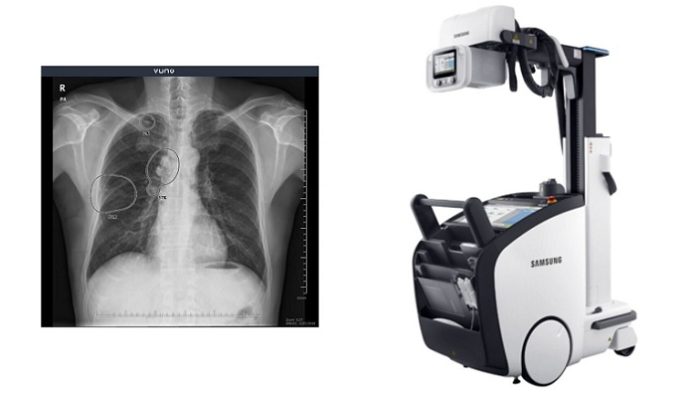
South Korean artificial intelligence (AI) developer, VUNO Inc., announced a partnership with Samsung Electronics Co., Ltd., global medical device company to incorporate its AI-powered chest X-ray diagnostic solution, VUNO Med®-Chest X-ray™, into Samsung’s premium mobile digital X-ray system, GM85. The AI integrated X-ray suite is slated to debut in Korea and other major markets around the globe later this year. This is one of the latest extensions of VUNO’s ambition to leverage the full potential of AI to better orchestrate clinical workflows by empowering medical service providers to deliver patient-focused care.

VUNO’s AI algorithm has been successfully validated for its improved clinical utility and efficiency in academic journals and clinical settings. Such a proven track record of success along with its lightweight enabled integration capabilities is the key factor that has contributed to making this deal happen.

Samsung’s GM85, a premium mobile digital radiography system with a lightweight and ultra-compact design, combines a broad range of advanced technology including a quick charging and long-lasting battery to provide enhanced user-convenience and superior image quality. Featuring VUNO’s AI, the integrated mobile X-ray suite will be able to instantly deliver AI results on the spot upon scanning an image while the patient is still in the hospital. This will serve as a useful diagnostic support tool in the emergency room and intensive care units where real time analysis is critical and under other medical environments with limited or no network connections.

“I am delighted to partner with Samsung Electronics in embedding our best-of-breed AI solution into their mobile digital X-ray devices. This collaboration will bring us closer to making our market-ready AI applications more accessible across the globe. We will continue to focus on advancing our technology to deliver improved patient outcomes” said Hyun-jun Kim, co-founder, and CEO of VUNO.

“Incorporating VUNO’s AI technology, we can introduce a more sophisticated mobile X-ray system with AI enabled CAD,” said Woo-young Jang, Samsung Electronics’ Head of DR Business Team. “We will continue to extend our partnerships to develop a leadership position in the global X-ray market”.

VUNO Med®-Chest X-ray™ accurately and instantly detects and flags suspected chest abnormalities indicative of major pulmonary diseases such as tuberculosis, pneumonia, lung cancer based on five of the most common thoracic findings such as nodule/mass, pneumothorax, interstitial opacity, pleural effusion, and consolidation. This solution has been in full commercial deployment in Korea and Europe after obtaining MFDS (Ministry of Food and Drug Safety) approval and CE mark in August 2019 and June 2020 respectively.

About VUNO Inc.

VUNO is a Seoul-based leading AI medical software company that applies deep learning to develop data-driven AI medical solutions using medical imaging, pathology, biosignal and medical speech data. We strive to present a whole new level of experience to medical practitioners in their day-to-day workflows, empowering them to make better diagnostic decisions faster and more accurately and to provide quality patient care and treatment planning to patients.
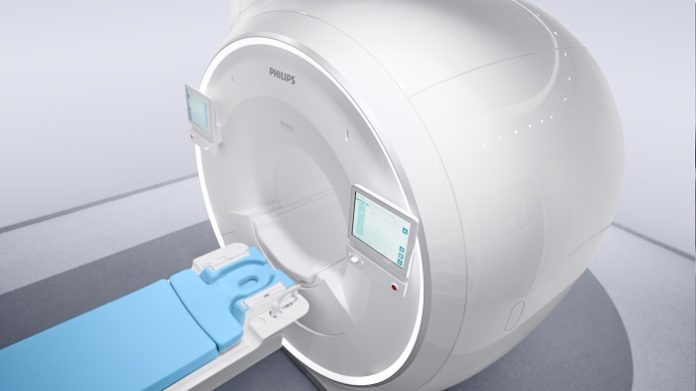

Philips and the Spanish CNIC collaborate on a new ultra-fast cardiac MRI protocol for research purposes with the aim of benefitting clinical practice in the future

Philips and the Spanish CNIC collaborate on a new ultra-fast cardiac MRI protocol for research purposes with the aim of benefitting clinical practice in the future

Royal Philips, a global leader in health technology, has participated in an important research project to develop a magnetic resonance (MR) imaging technique that could potentially revolutionize the use of MR imaging in cardiology.

Reducing the procedure time for full evaluation of heart anatomy and function from about one hour down to a few minutes, this new technique has the potential to increase patient access to precision diagnosis, improve patient comfort due to shorter scan times, and lower the cost of care. The technique can be used with existing phased-array MRI scanners without modification. The results of a clinical trial to evaluate the technique were published in April, 2021, in JACC (Journal of the American College of Cardiology): Cardiovascular Imaging, one of the world’s highest impact journals in the field.

“In just over 20 seconds, all the information needed to know the shape and function of the heart has been acquired. And if you need to evaluate the degree of fibrosis after cardiac muscle death, another 20-second acquisition is all it takes, completing the cardiac study in less than a minute,” said Philips scientist Dr. Javier Sánchez-González, technical leader of the Philips team that contributed to the development and leader of the collaboration with CNIC.

During a conventional MR cardiac examination, patients are required to lie still inside the bore of the scanner for about one hour to accurately measure the function of their heart and assess the extent of damaged heart muscle. It requires multiple complex 2D and 3D image acquisitions that need to be captured and reconstructed. As a result, despite being non-invasive and involving no radiation exposure, MR imaging is still not widely used for cardiac imaging.

“The main cause is the time needed to do a full study. A complete study requires about an hour, a period that causes many patients not to finish the test due to the discomfort it causes them,” said Dr. Sandra Gómez-Talavera, researcher at the Spanish National Center for Cardiovascular Research (CNIC), cardiologist at the Hospital Universitario Fundación Jiménez Díaz (Madrid, Spain), and co-author of the JACC paper.

The new technique (called ‘Enhanced SENSE by Static Outer-volume Subtraction (ESSOS)) makes use of the fact that during a breath-hold, everything within the patient’s chest remains static, except their beating heart. After an initial image of the static part (outer volume) has been captured this MRI data is temporarily removed. The MRI signal of the beating heart can now more easily be subtracted from subsequent scan data, allowing up to four times faster acquisition of a 3D image of the heart. This results in a net acceleration factor of up to 32. Once the dynamic information of the beating heart is reconstructed, the static outer volume images are added back to generate a full 3D cardiac image showing heart anatomy and function, and allowing review from different views with good image resolution. If needed, a second contrast-enhanced isotropic 3D single breath-hold scan can reveal the extent of damage to the patient’s heart muscle.

The results of a clinical trial in which more than 100 patients with various cardiac pathologies were examined using both the conventional and the new MR protocol, with the resulting images being evaluated by expert radiologists, demonstrated excellent agreement between heart function measurements made using each technique, as well as excellent agreement in the images to characterize tissue damage to the patient’s heart muscle [4].

“We have shown in a large group of patients that cardiac MR imaging using this new technology obtains the same parameters as the usual technique but reduces the time that a patient has to be inside the machine by more than 90%,” said Dr. Borja Ibáñez, Director of the Clinical Research Department of CNIC, Cardiologist at the University Hospital Fundación Jiménez Díaz, and clinical leader of the work.

The research project to develop this new cardiac MR protocol was financed by the Carlos III Institute of Health, through a FIS technological development project, as well as a Translational Research Grant from the Spanish Society of Cardiology, the European Research Council (ERC), and the Community of Madrid.

While the collaboration between CNIC and Philips is currently at the research stage, the goal is to bring this ultra-fast and easy cardiac MR technique to clinical settings in the near future and support the common vision of benefiting more patients. Already today Philips’ integrated MR solutions offer new levels of ultra-fast and personalized cardiac MR. Examples include the company’s exam-shortening Compressed SENSE technology, ultra-fast early diagnosis of heart failure with Strain–encoded magnetic resonance imaging (SENC-MRI) and MyoStrain (by Myocardial Solutions), SmartWorkflow end-to-end workflow solution, and helium-free scanners. Learn more at MR Cardiac imaging | Philips Healthcare.

About Royal Philips

Royal Philips is a leading health technology company focused on improving people’s health and well-being, and enabling better outcomes across the health continuum – from healthy living and prevention, to diagnosis, treatment and home care. Philips leverages advanced technology and deep clinical and consumer insights to deliver integrated solutions. Headquartered in the Netherlands, the company is a leader in diagnostic imaging, image-guided therapy, patient monitoring and health informatics, as well as in consumer health and home care. Philips generated 2020 sales of EUR 17.3 billion and employs approximately 77,000 employees with sales and services in more than 100 countries.

About CNIC

The National Center for Cardiovascular Research (CNIC), led by Dr. Valentín Fuster, has as its mission to enhance cardiovascular research and its translation to the patient. The center is financed by a pioneering formula of public-private collaboration between the Government of Spain, through the Carlos III Institute of Health, and the Pro CNIC Foundation that brings together 12 of the most important Spanish companies.


https://www.philips.com/a-w/about/news/archive/standard/news/press/2021/20210630-philips-and-the-spanish-national-center-for-cardiovascular-research-cnic-collaborate-on-a-new-ultra-fast-cardiac-mri-protocol-for-research-purposes-with-the-aim-of-benefitting-clinical-practice-in-the-future.html

Human Growth Hormone Deficiency: Facts and What You Should Expect

Human Growth Hormone Deficiency: Facts and What You Should Expect

We are always ecstatic human beings. We always love to be in the role and doing what we love to do. Unavoidably, there are things that we cannot control, and of those are acquiring certain illnesses without our knowing. One of these things mainly occurs to men, which we refer to as Human Growth Deficiency.

Growth hormone deficit (GHD), also known as human growth hormone deficiency, is a medical disease caused by a lack of sufficient growth hormone in the body (GH). The most obvious sign is that a person becomes shorter in height, familiar with this condition. In addition, newborns may have low blood sugar levels or tiny penis sizes. The majority of instances are present in children.

Growth hormone deficit may be detected in adults as well, even though it is rare.

Is Male Hormone Replacement Treatment Safe? – The Advantages, Disadvantages, And Alternatives

Some individuals resort to a chemical known as human growth hormone (HGH) to help them maintain their youthful appearance and feel. Experts, on the other hand, believe that such optimism is misplaced. Worse yet, some of these items may be hazardous.

Growth hormone (HGH), generated by the pituitary gland, promotes growth in children and teenagers. It also aids in regulating body composition, bodily fluids, muscle and bone development, sugar and fat metabolism, and, potentially, the operation of the cardiovascular system.

HGH is a synthetic hormone used as an active component in various prescription medications and other items that are readily accessible on the Internet.

In adults, HGH insufficiency develops when the pituitary gland cannot generate enough growth hormone to meet the body’s needs consistently. Symptoms of HGH insufficiency may vary from minor to severe, affecting one’s health, everyday functioning, libido, emotions, looks, and memory. HGH deficiency can affect one’s physical and mental well-being.

Diagnosis of HGH Deficiency

To get an HGH insufficiency diagnosis, you must first consult with a specialist specializing in hormone replacement treatment. To diagnose HGH deficiency, people must complete a medical consultation, physical examination, and blood test. It is not advisable to self-diagnose, and that expert must do the work to have an accurate reading.

Treatment for HGH Deficiency

Adults who suffer from symptoms linked with growth hormone insufficiency may find that therapy for HGH deficiency is helpful. Depression, weight gain, muscle and bone loss, frequent sickness, early symptoms of aging, poor libido, and impaired cognitive functioning are warning indicators that you may be suffering from HGH insufficiency and may need therapy.

Therapy With HGH for Men

HGH treatment for males may increase muscle mass and bone density, libido, and sexual functioning, and memory, and overall health.

The ability of men to maintain appropriate amounts of growth hormone throughout their lifetimes is essential for the correct functioning of their metabolic system, heart, organs, brain, and immune system.

What Happens When You Start Taking Human Growth Hormone?

HGH is not a miracle drug that you can use to cure all of the symptoms listed above in a single day. It may get up to a week or even more before you see any significant difference. The method is not entirely a one-night procedure. It is a process that you need to meet.

Do not be disheartened; the enhanced human growth hormone will begin to operate within your body when it attaches to HGH receptor cells, stimulating a range of physiological tasks.

The following are some of the first changes you may notice after starting growth hormone treatment for men:

  • More energy is available.
  • More restful sleep
  • A more developed sense of humor
  • An optimistic attitude

It is possible that you will not even notice that your mood has altered until someone points it out to you or that you seem to be more rested.

Using bioidentical HGH, you will be able to thicken and tighten your skin while also restoring the size of your internal organs, increasing your lean muscle mass, and strengthening your bones over time.

When you begin HGH treatment for males, you will notice a marked improvement in the clarity and sharpness of your thinking. Memory recall is more rapid, and cognitive abilities, especially arithmetic, are enhanced. Your outlook on life takes a good swing and becomes more optimistic. You want to go out and meet new people while having a good time. Having the next three to four months of HGH treatment, you will begin to notice significant changes in your weight and the appearance of your body.

What Is the Best Way to Begin HGH Therapy?

Likely, having a face-to-face consultation might not be efficient for today’s setup. As a result, some hormone clinic provides consultations over the phone to people all across the United States. These conversations are held in strict confidence so that no one else is aware that you are considering starting hormone replacement treatment.

Following your complimentary appointment with a medical adviser, you need to visit a local laboratory to collect your blood sample. The only other outside step that you also need to comply with is a brief physical examination.

Afterward, doctors will examine your case, and experts will inform you of the findings during a subsequent phone appointment with him. It is at this point that you will find out whether you are a candidate for HGH treatment. Given the circumstance, you will be given your prescription and had a chance to choose your preferred brand and style of HGH injections.

The Cost of the HGH Therapy

There are many costs involved with HGH therapy. Most patients in the United States may anticipate paying about a rough estimate of $7,000 to $10,000 in total throughout their HGH treatment, which includes the first consultation and all subsequent appointments.

There are many components to this cost: all diagnostic work, continuous assessment and monitoring by qualified medical personnel, daily therapy injections lasting an average of six months, and a final consultation after achieving the desired outcomes.

The procedure and tests come with a high cost. For some, it takes a lot of finances to have this kind of therapy. Even though the price is a little expensive, the advantages that you may reap as a result are well worth it.

InterSystems Launches TrakCare 2021 as a Foundation for Virtual Care Innovation

 InterSystems, a creative data technology provider dedicated to helping customers solve the most critical scalability, interoperability and speed problems, has announced the availability of the latest version of its TrakCare® Unified Healthcare Information System, T2021.

This version of TrakCare includes new features inspired by the rapid response of healthcare organisations around the world to the challenges of the COVID-19 pandemic.

The latest TrakCare update responds to the increasing demand for telehealth and virtual care with the introduction of integration with InterSystems HealthShare® Personal Community, a comprehensive, cross-EMR patient portal. This integration enables new features including outpatient bookings and the synchronisation of third-party app data integrated into patient records. The tool is also configurable, enabling further innovation in remote monitoring and patient engagement for TrakCare users around the world.

T2021 also boasts new capabilities including strengthened controls for medication, data and identity management. What’s more, the company has developed a new and more agile approach to software updates that helps healthcare professionals and patients benefit from the latest functionalities.

“Patients can book appointments and see their care provider from the comfort of their own home, while clinicians can use apps of their choice, Google Meet, Microsoft Teams or WeChat, while still using their normal consultation workflows and maintaining access to clinical records,” said Dimitri Fane, director of product management, InterSystems. “The innovation put into T2021 represents the InterSystems commitment to providing powerful, innovative and easy-to-use tools into the hands of clinicians wherever they provide care in the new era of healthcare.”

TrakCare T2021 also takes advantage of the HL7® FHIR® repository capabilities of InterSystems IRIS for Health™, enabling secure and standards-based interoperability capabilities to enhance patient data sharing and support SMART on FHIR apps.

T2021 further enhances the clinician user experience with improved graphing functionality in Encounter Record, which provides a unified workspace for clinicians to compare information such as observation and medication data. A newly introduced Clinical Quality Monitoring dashboard improves clinical audit, medical record deficiency review and patient safety, while planned patterns of care can be better understood with the ability to perform systematic and retrospective reviews of clinical pathways.

New features such as Emergency Department Streaming deliver an improved care journey for patients, supporting healthcare professionals with case load management and prioritisation through triage scores.

“Our laser focus on customer partnering placed InterSystems at the heart of the most rapid developments in their response to COVID,” said Don Woodlock, head of healthcare solutions for InterSystems. “These learnings have resulted in one of the most exciting and transformative updates of TrakCare, creating a platform that will continue to be the foundation of the best patient care and the launchpad for further innovation.”

About InterSystems

Established in 1978, InterSystems provides innovative data solutions for organisations with critical information needs in the healthcare, finance and logistics sectors, and beyond. Our cloud-first data platforms solve interoperability, speed and scalability problems for organisations around the globe. InterSystems also develops and supports data management in hospitals through the world’s most proven electronic medical record, as well as unified care records for health systems and governments through a powerful suite of healthcare data integration solutions. The company is committed to excellence through its award-winning, 24×7 support for customers and partners in more than 80 countries. Privately held and headquartered in Cambridge, Massachusetts, InterSystems has 25 offices worldwide. For more information, please visit InterSystems.com/au.

5 Tips For Caring For People With Incontinence

5 Tips For Caring For People With Incontinence

Going to the bathroom is a normal routine for a lot of people. It’s something that’s usually managed and can even be delayed if need be. However, it’s not always the case for everyone, especially for people with incontinence.

Incontinence is a condition wherein you can’t control your bowel movements or bladder. It’s an involuntary leakage that commonly affects aging people, but it could also happen to anyone, especially after childbirth or surgery.

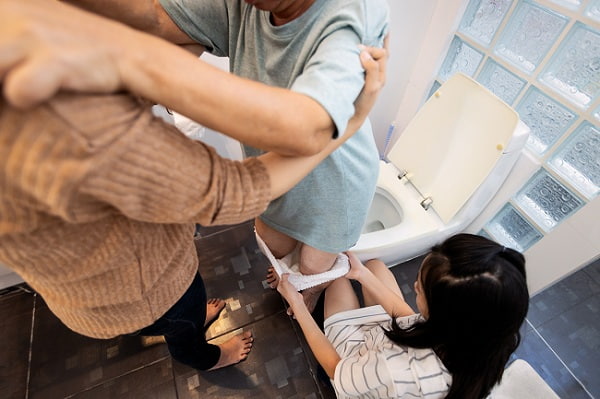
If you have an incontinent loved one, caring for them can prove to be a challenge. The condition can lead to them feeling embarrassed, uncomfortable, isolated, and withdrawn, which is why you need to be extra sensitive and thoughtful when caring for them.

How To Care For Incontinent People

There can be several reasons why a family member can suffer from bladder leakage. Whatever the reason may be, knowing how to care for them will be of great help. The professional advice of your doctor will also be a key factor in determining the right care for the patient. Aside from medications, there may also be certain behavioral techniques and exercises recommended to possibly help the patient bounce back.

As their caregiver, it’s detrimental that you know how to properly take care of an incontinent person. Some care tips that you may consider are:

  1. Have The Right Care Products

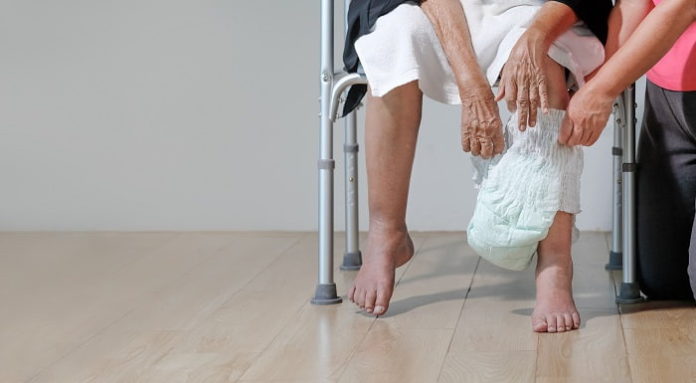
As you take charge in caring for your incontinent loved one, you’ll realize the importance of the right care products for their condition. For one, diapers for incontinence could very well prove to be extremely helpful for both daytime and nighttime use. Aside from diapers, you can also make use of absorbent briefs, penile clamps, vinyl or waterproof briefs, absorbent bed pads, disposable wipes and washcloths, as well as absorbent liners and booster pads.

These products can give both you and the patient some peace of mind especially if you can’t oversee their welfare 24/7. They can also make your life at home so much easier and could take a lot of stress off your shoulders.

  1. See To It That They Get Continuing Treatment

The treatment of their condition will depend on what caused it and the type of incontinence that they have. It can be caused by neurological disorders such as dementia and Alzheimer’s disease. In those cases, it could either be urge incontinence, which is the need to urinate but losing the urine before reaching the toilet; while the other one is possibly functional incontinence, which means that they feel the need to urinate but are no longer physically able to go to the toilet.

In general, most treatment plans would include the following:

  • High-fiber diet
  • Bladder training
  • Increased intake of fluids
  • Toilet habits training
  • Certain medications, such as laxatives, aid in constipation

Again, the treatment plan could vary depending on what the attending doctor would recommend. The key is to understand the condition well so you know how to take care of the patient.

  1. Always Have An Incontinence Kit Ready

Preparing an incontinence kit can prove to be a great idea, especially if your family is going on a vacation. It’ll make the patient feel better knowing that their condition isn’t limiting them from doing what they want or going where they need to.

With enough planning and preparation, you can make holidays a breeze for them by having a kit ready. A duffle or tote bag that includes all their essentials–from diapers to wipes, absorbent pads, gloves, extra underwear, and more–should work.

  1. Know When To Get Help

While acknowledging your responsibility as their caregiver, you should also learn to tell when an event is already prompting the need for immediate medical attention. For example, if the patient is no longer able to urinate or experiencing chronic constipation, it might mean that you need to consult a doctor right away.

Other warning signs to watch out for are sudden bedwetting, persistent skin rash, and even strong and negative emotions being experienced by both the caregiver and the patient, such as depression, stress, or anger.

  1. Make Them Feel They’re Not Alone

It’s expected for incontinent people to feel isolated and alone, especially elderly patients. It’s important that you make them feel otherwise. What they best need during this stage of their life is to be assured that they’re not alone in this battle and that their family will be there to support and care for them all throughout.

Communicate with them in a way that they’ll understand how it’s not their fault that they’re in such a situation. While it’s normal for them to be embarrassed, try your best to let them know that it doesn’t change how you see them–a beloved family member who deserves care, respect, and dignity despite their condition.

Conclusion

Having to care for an elderly loved one, much more an incontinent one, is a challenging role that can wear you out at some point. But that doesn’t mean you should give up. Now more than ever, your family member needs you to be caring, compassionate, and patient. With the tips above, you may hopefully make the responsibility easier to bear.

Paragonix Technologies Announces GUARDIAN-LUNG, the First Global Registry for Studying Donor Lung Preservation

Paragonix Technologies Announces GUARDIAN-LUNG, the First Global Registry for Studying Donor Lung Preservation

Paragonix Technologies, Inc. announces the launch of its clinical global registry, GUARDIAN-LUNG (Global Utilization And Registry Database for Improved preservAtion of doNor LUNGs). The GUARDIAN-LUNG study is unlike any lung donation registry as it seeks to evaluate a missing piece of the organ donation process: the impact of methods and technologies used for lung preservation and transportation on the success of transplant surgery.

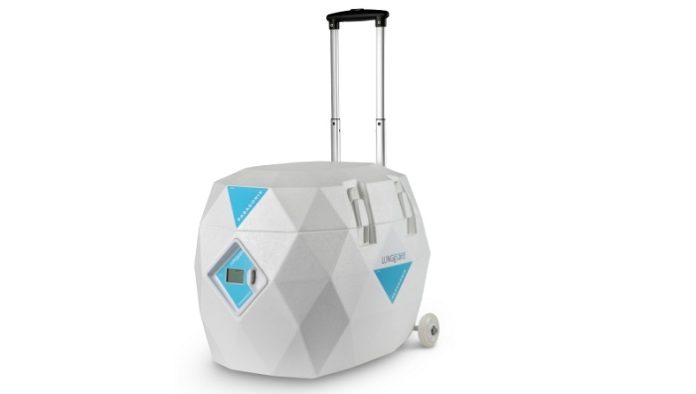
The clinical study is registered at clinicaltrials.gov and is open to all lung transplant centers that are looking to analyze patient outcomes based on donor lung preservation methods. Clinical investigators from the enrolling centers will pool their data and analyze the differences in clinical outcomes of patients who receive donor lungs preserved either in the Paragonix LUNGguard™ Donor Lung Preservation System or with traditional methods of storing in a consumer cooler on ice. The study will focus on short term post-transplant outcomes (within the first 48 hours), intermediate-term outcomes (within the first 30 days) and long-term outcomes (1-year survival).

“This unique registry will provide critical and contemporary data on lung transplant outcomes, with the potential to impact the process for both donors and recipients,” said Matthew Hartwig, MD, MHS, Chief of Lung Transplant Research at Duke University Health System. “Our program sees this registry as an important opportunity to make vast strides in how certain procedural details, including organ transportation, can improve patient outcomes. All programs should be seeking the opportunity to participate and contribute to this study.”

Paragonix has previously found that preservation method does positively impact a patient’s stay in the ICU1. The GUARDIAN-LUNG study follows the success of Paragonix’s first registry, GUARDIAN, for evaluating donor heart preservation, comparing historic ice storage to the Paragonix SherpaPak® Cardiac Transport System. In a recently presented multi-center clinical study, investigators found that the donor hearts preserved by the Paragonix SherpaPak system had statistically significant increases in total ischemic time and travel distance, meaning the organ was able to be effectively preserved outside a human body longer and be retrieved from donors at a greater distance from the recipient. An analysis of the patients with extended ischemic times found the portion of patients in the ICU for two weeks or more was reduced by 50 percent in the Paragonix SherpaPak cohort, and the portion of patients in the ICU for only a week or less was increased by more than double with the Paragonix system compared to ice storage.1

“Transplant surgery presents many unknowns and complexities. We’ve invested in these studies to better support the transplant teams and patients by providing insights that may help them in handling the dynamics of the entire operation, from transport to transplant,” said Lisa Anderson, Ph.D., CEO of Paragonix Technologies. “The first results of our GUARDIAN registry for heart preservation and transplantation sets an exciting and optimistic stage for what we can achieve for further supporting lung preservation and transplantation.”

“The importance of both the heart and lung registries is clear to transplant teams around the world: the more data we have on the variables of the entire transplant process, the more lives we can potentially save,” said Errol Bush, MD, Surgical Director, Advanced Lung Disease and Lung Transplant Program and Associate Professor of Surgery at Johns Hopkins Medicine. “Insights gathered from the initial heart registry not only inform new approaches to organ preservation but show that preservation could be crucial in overcoming other considerations of the transplant procedure that may be challenging, such as donor and recipient characteristics.”

The LUNGguard System provides a highly controlled environment for hypothermic lung preservation, coupled with real-time digital monitoring to safeguard donor lungs throughout the entire transport journey via the Paragonix App where, historically, communication and coordination has been difficult. Paragonix’s centralized communication and data transfer capabilities are fully compatible with and integrated into the usage of the LUNGguard system. This system is based on the same architecture as the award-winning Paragonix SherpaPak system that has successfully transported over 800 donor hearts since clinical launch in 2018.

The GUARDIAN studies are the only and largest registries focused on donor organ preservation. Paragonix is committed to understanding the science of organ preservation, investing in the research to understand the impact of devices such as its SherpaPak® Cardiac Transport System and LUNGguard™ Donor Lung Procurement System.

About Paragonix Technologies
Paragonix Technologies markets organ transportation devices that safeguard organs during the journey between donor and recipient patients. Our devices incorporate clinically proven and medically trusted cold preservation techniques in a novel suspension system to provide unprecedented physical and thermal protection. Paragonix SherpaPak® CTS is the only commercially available FDA cleared and CE marked transport device for heart transportation.

Pristyn Care brings advanced surgical technology to patients in tier-II and -III cities

Versius surgical robotic system launched in France

Pristyn Care has announced that it has expanded its advanced surgical technology services to Agra, Bhubaneswar, Patna, Chandigarh, Lucknow and Indore. The company successfully implemented general surgery (laser and laparoscopy surgery), urology procedures, vascular surgeries and ophthalmology surgeries, among others, and is further working to bridge the medical accessibility gap between urban and rural markets, according to a company statement.

Mukul Dev (name changed) was actively searching on the internet about the best medical technology that is available in the country to treat his condition of hernia.

He informed, “After a few days of active browsing, I concluded that single-port (mini-port) laparoscopy surgery can treat hernias with minimal cuts and incisions. However, when I started enquiring about treatment in nearby hospitals and clinics, I couldn’t find one. Finally, after an Internet search, I discovered Pristyn Care. I connected with the team, and they were able to confirm that they use the same technology and also ensured COVID-19 safety standards at the hospital premises. The team assured me that my surgery will be done using 3D meshes and tackers and that too just a few kms from my home. It saved me time, cost and hassle of travelling to a big city.”

In India, limited number of skilled healthcare professionals and lack of advanced surgical equipment and machines, force residents in tier-II and -III cities to migrate or travel to metro cities for treatment, claimed the statement.

“Pristyn Care, with its aim to eliminate these infrastructural challenges, regularly invests in upskilling and training of more than 200 surgeons, to equip them with the latest surgical technologies such as diode lasers and staplers, single-port or mini-port laparoscopy kits, 3D meshes and tackers, microdebriders and coblators and implants,” it added.

In over 30 cities, Pristyn Care performs surgeries using advanced medical procedures like finest lasers for treating anorectal diseases, vascular surgeries such as varicose veins and urology procedures like circumcision, among many others, the statement mentioned.

Sharing his perspective in this regard, Dr Vaibhav Kapoor, Co-founder, Pristyn Care, said, “At Pristyn Care, we have successfully completed over 6,000 minimally invasive surgeries across the tier-II and -III cities, and are now present in 23 tertiary cities, apart from top seven metros. The best part is that we have been able to scale while taking the same level of patient experience across India. The residents of 23 tertiary cities now have access to similar seamless experience from Pristyn Care’s expert doctors, advanced surgical technology, patient-first services such as remote insurance clearance, round-the-clock medical assistance and admission-discharge support, among others.”


5 Trends in EHR Reporting

5 Trends in EHR Reporting

Electronic Health Record (EHR) is an important part of health reporting that includes submitting data on functions of health IT products. It can also contribute to the establishment of new EHR certification requirements. It’s important that the usability and reporting mechanisms are of good quality or there is a higher risk for medical errors and clinical burdens

Flexible Real-Time Tools 

EHR reports should be powerful and flexible so that as credentials change, the reporting systems can be updated easily and still used. An important part of this is using real-time feedback on staff performance and services that are being delivered. 

Part of flexibility is also being able to change the templates with ease.  Custom templates and reports should always be used to match client and staff usability. 

Outcomes should also be reported so that agency goals can be met, and you can see where you are falling short. This will help you to bridge any gaps as soon as you notice them.

Patient safety 

Patient safety has become a number one priority as most of the EHR reporting is done online. Unfortunately, using bad software or software that is low rated in usability can contribute to more medical errors. This in turn makes the patients more at risk for not adequately receiving the best care that they are entitled to. 

One of the top trends in EHR reporting has been a focused increase of safety-enhanced designs. This can include the test results of different tasks, narrative assessments of the system, and other software improvements that can provide data on the usability of the technology. 

Not all of the same vendors use the same EHR reporting tools which can make usability more complicated at times. Big health organizations can consider convening HER developers to make sure accurate comparisons can be made in the EHR technology. 

User-centered design 

Staff should be able to use all the reporting tools easily, so many companies have become focused on using processes that focus on the safety of the systems and how the testing is used. This is also important to system developers as they create ways for software to be more user and patient friendly. 

Many companies have created a testing process to ensure usability is tested before the software is implemented. Standard safety tests can be used across the board to make sure the testing process is easy to compare and is stabilized.

The use of visual displays 

Retrieving information that is across systems such as medications or other factors is the number one complaint by users. Companies have begun to see this as a major problem and are focused on fixing the issues when it comes to reporting. 

This also interferes with patient safety-related usability challenges. Patients need to be able to use the system and retrieve their information just as easily as staff members. Data sources have become a popular trend to see if the data in visual displays will need to be created new or if it can be pulled from the former analysis. These mechanisms ensure more accurate information and save time having to enter data constantly. 

Patient engagement 

With all the new reporting tools, companies are trying to make sure that patients stay engaged with their own health. This is especially important for elderly patients or those who aren’t up to date with tech reporting. 

Final Thoughts 

Most of the trends in EHR reporting are consistent with increasing usability. They also have a general focus on enhancing the design of safety features. Both of these things are ideal for EHR reporting so that the report and the software can be more accurate. 

Roche Diagnostics India launches Mobile App REACH for wellness of health workers

Roche Diagnostics India launches Mobile App REACH for wellness of health workers

Roche Diagnostics India has launched REACH, a wellness platform developed to help the emotional well-being of healthcare professionals. Because the world is battling COVID-19 pandemic, frontline healthcare staff (HCWs) are among the many most weak teams on the threat of psychological well being issues, an announcement from the corporate mentioned.

It notified that REACH goals to be a companion for frontline staff to hunt recommendation and assist from skilled counsellors whereas accessing tailor-made self-care content material to help their emotional well-being.

For the reason that outbreak of the pandemic, healthcare staff have discovered themselves amid chaos and panic and but have continued to supply their unwavering help to sufferers. Such a protracted interval of stress has made the HCW group weak to short- and long-term psychological well being implications, it talked about.

“REACH is an initiative to assist healthcare professionals address difficulties and challenges of their life extra effectively. By way of REACH, healthcare staff can have entry to counselling classes, self-help content material (informative movies, articles, behavior hacks, guided meditation movies) and self-assessment instruments on a wide range of subjects together with work-related challenges, parenting and relationship points, wellness and self-development. At current, REACH platform choices are open to all healthcare staff – clinicians, nurses, lab professionals and affected person navigators,” added the assertion.

All of the counsellors are professionally certified and are educated on privateness and confidentiality to make sure that any particular person looking for help will get the very best expertise. Up to now, REACH has been launched in choose hospitals together with Tata Memorial Centre (TMC), it mentioned.

Dr Rajendra Badwe, Director, TMC, acknowledged the necessity for emotional help for healthcare staff, quoting, “It’s time to be employee-centric along with being patient-centric in right this moment’s state of affairs.”

Echoing Dr Badwe’s thought, Sindhu Nair, Deputy Nursing Superintendent, Tata Memorial Hospital, mentioned, “Sustaining the equilibrium between bodily and psychological well being to steadiness the stress at work place and residential entrance took centre stage in the course of the testing occasions of COVID-19 pandemic. Together with self-motivation, which many frontliners relied on, app like “REACH” helped well being care staff to discover the internal self, thereby giving a lift to maneuver forward.”

REACH collaborated with the United Nurses Affiliation (UNA), Maharashtra, to increase the choices to their members, the assertion mentioned.

Jibin TC, President, UNA, appraised the distinctiveness of the programme quoting, “REACH helps in overcoming anxiousness and office stress, bettering profession and relationships. The method resulted in me feeling significantly better at work, increase the arrogance so as to add positivity to the job and to take necessary strides ahead in skilled and private relationships.”

Narendra Varde, Managing Director – Roche Diagnostics India and Neighbouring Markets, mentioned, “Well being care professionals are stretched to the restrict and are essentially the most weak to psychological well being points. You will need to present these frontline warriors with the instruments they should keep emotionally and mentally match earlier than they get right down to serving to sufferers. The scope of the challenge will present psychological well being help for our frontline caregivers and is a vital demonstration of how non-public sector innovation is important within the pandemic response.”

Abu Dhabi approves EDE Covid-19 scanners and rolls out technology across emirate

Abu Dhabi approves EDE Covid-19 scanners and rolls out technology across emirate

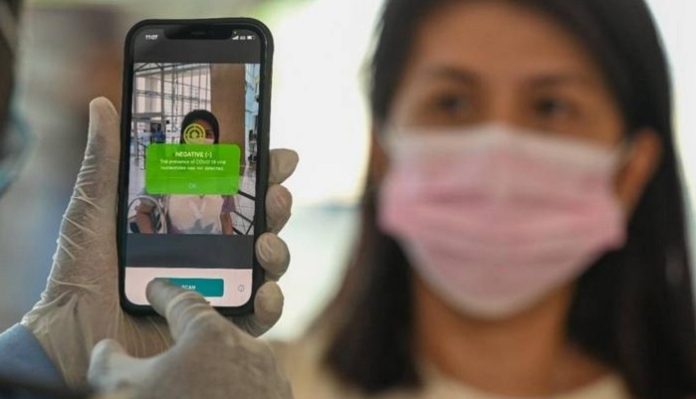
Abu Dhabi has approved the use of EDE Covid-19 scanners as a means of detecting coronavirus and the technology is to be rolled out across the emirate.

From Monday, the scanners, which will play a key role in limiting Covid-19 transmission by establishing safe zones that are subject to a series of preventive procedures, will be used at various shopping malls, some residential areas, and all land and air entry points in Abu Dhabi, according to a statement from the Abu Dhabi Emergency, Crisis and Disasters Committee.

Developed by EDE Research Institute Abu Dhabi under the International Holding Company (IHC), the technology can detect a possible Covid-19 infection by measuring electromagnetic waves, which change when the RNA particles of the virus are present in the person’s body, therefore providing an immediate result.

If the scanner identifies a person as being potentially infected with Covid-19, they will not be permitted to enter and must follow the approved protocol and take a PCR test within 24 hours.

Dr Jamal Mohammed Al Kaabi, undersecretary at Department of Health – Abu Dhabi, said: “Abu Dhabi has adopted an integrated strategy to combat the Covid-19 pandemic, based on increased testing to ensure safe entry into the emirate, vaccination and the continued implementation of precautionary measures.”

The pilot trial by the Department of Health – Abu Dhabi was conducted at various locations in the emirate, including the Ghantout entry point, select public locations on Yas Island, and entry/exit points in the Musaffah area.

With more than 20,000 people tested, the results showed 93.5 percent sensitivity, reflecting the accuracy of identifying infected individuals, and 83 percent accuracy in the specificity of the test, reflecting the accuracy of identifying non-infected individuals.

Dr Al Kaabi added: “The use of the EDE scanning system is part of this strategy and reflects the leadership’s vision in harnessing modern technology to create solutions that turn challenges into opportunities. We are pleased to add EDE scanning technology made in Abu Dhabi to the precautionary measures, helping to create safer areas and maintain public health. The EDE scanners will be used alongside other approved testing methods, such as PCR and DPI.”

Translate »