













Close
Digital Health & Ai Innovation summit 2026
Medical Taiwan 2026

Internationally Renowned Physician-Researcher Joins Phoenix Children’s, University of Arizona College of Medicine-Phoenix

Internationally Renowned Physician-Researcher Joins Phoenix Children's

Phoenix Children’s and the University of Arizona College of Medicine – Phoenix announced the hire of Stewart Goldman, M.D., as chair of the Department of Child Health and senior vice president of research.

Dr. Goldman, who assumes his post on April 1, is an internationally renowned pediatric oncologist and physician-researcher whose appointment is part of a long-term, strategic effort to strengthen Phoenix Children’s research program, bring bench-to-bedside treatments to the health system’s patients and enhance its world-class clinical programs.

“It’s impossible to overstate the value Dr. Goldman will bring to our institutions and to Arizona children and families,” said Phoenix Children’s CEO Robert L. Meyer. “He will stop at nothing in his search for cures to devastating illnesses and will bring a new level of rigor, excellence and inquiry to our research tradition and clinical programs at Phoenix Children’s.”

“In our partnership with Phoenix Children’s Hospital, we seek to advance education and research so that we can provide the very best care for children who need it most. We are excited to welcome Dr. Goldman, who brings a distinguished record as a physician, researcher and leader to his new role as the chair of our Department of Child Health,” said Dean Guy L. Reed, M.D., dean of the University of Arizona College of Medicine – Phoenix. “We are grateful to Dr. Mitch Shub, the previous chair of the department, who has done so much over many years to promote education and research at the College and to advance the care of children in Phoenix and beyond.”

Dr. Goldman is tasked with continuing to grow a robust research and education enterprise in one of the fastest-growing markets in the country, and recruiting the nation’s top talent. He will oversee a research program that consists of 700 studies, 640 research investigators and 90 research staff members including research scientists, associates, biostatisticians, pharmacists, nurses, coordinators and assistants.

In his role leading the Department of Child Health science laboratories at the University of Arizona College of Medicine – Phoenix, Dr. Goldman and his team will focus on translational research across all aspects of children and family health to innovate clinical care, advance new therapies for common and rare childhood diseases, and to improve the emotional, educational and cognitive well-being of children.

In addition to his work to advance the research agenda, Dr. Goldman will continue to cultivate and grow the academic mission of both organizations, which currently educate more than 113 residents and 63 fellows.

“I am honored and excited to join this world-class children’s health system and uniquely progressive medical school to bring innovation and advances to children and their families,” said Dr. Goldman. “The partnership between Phoenix Children’s and the University of Arizona College of Medicine – Phoenix will enable us to find new, better and less-toxic treatments for children. I’m also thrilled for the opportunity to work with Arizona’s diverse populations, to understand the challenges facing individuals of all backgrounds, and to work toward alleviating health disparities and improving care for all children.”

Dr. Goldman comes to Phoenix after a 23-year tenure at Ann & Robert H. Lurie Children’s Hospital of Chicago, formerly known as Children’s Memorial Hospital, and Northwestern University Feinberg School of Medicine, where he was the division head of Hematology-Oncology, Neuro-Oncology & Stem Cell Transplantation; was honored as the Meryl Suzanne Weiss Distinguished Professor in Hematology, Oncology & Stem Cell Transplantation; and served as a professor of Pediatrics.

An accomplished leader in brain tumor research, his contributions to the medical and scientific communities are significant. Dr. Goldman has published more than 150 articles in peer-reviewed journals and has held leadership positions with the Children’s Oncology Group, is a member of the National Cancer Institute’s Brain Malignancies Steering Committee, serves on multiple committees for the American Society for Pediatric Hematology Oncology, is a member of the Pediatric Brain Tumor Consortium’s Executive, Steering and Scientific Committees, and has served as a faculty member of the American Society of Clinical Oncology, among numerous others. In recent years, Dr. Goldman’s research has focused on new therapies for pediatric brain tumors including diffuse midline gliomas.

He also is the recipient of dozens of awards including Loyola University’s 2020 Stritch School of Medicine Alumni of the Year for Excellence in Research and Innovation, the Children’s Brain Tumor Foundation’s Pioneer Award for outstanding contributions in pediatric neuro-oncology and brain tumor research and the University of Chicago’s Martin Luther King Jr. Humanitarian Award. He is regularly included in America’s Top Doctors, America’s Top Doctors for Cancer and in Chicago Magazine’s annual Top Doctors issues.

“In partnership with surgeon in chief, Dr. Dan Ostlie, and physician in chief, Dr. Jared Muenzer, Dr. Goldman will enhance Phoenix Children’s clinical excellence and innovation,” said Meyer. “His work alongside our physician-researchers will amplify our efforts and bring new hope to children with life-threatening conditions.”

Phoenix Children’s physicians engage in research across multiple clinical disciplines including cancer, neurology, cardiology and pulmonology, and this research is expected to expand significantly with Dr. Goldman at the helm. Indeed, Dr. Goldman’s appointment comes on the heels of groundbreaking new research from Phoenix Children’s/University of Arizona physicians, including a study co-authored by Michael Kruer, M.D., confirming the genetic basis for some cases of cerebral palsy. This research was published in Nature Genetics in October.

Dr. Goldman’s prior hospital appointments include Children’s Memorial Research Center, Children’s Memorial Hospital and Wyler Children’s Hospital. He received his medical degree from Loyola University Stritch School of Medicine and completed his internship, residency and fellowship at the University of Chicago Hospitals.

About the University of Arizona College of Medicine – Phoenix

Founded in 2007, the University of Arizona College of Medicine – Phoenix inspires and trains exemplary physicians, scientists and leaders to optimize health and health care in Arizona and beyond. By cultivating collaborative research locally and globally, the college accelerates discovery in a number of critical areas — including cancer, stroke, traumatic brain injury and cardiovascular disease. Championed as a student-centric campus, the college has graduated 593 physicians, all of whom received exceptional training from nine clinical partners and 2,400 diverse faculty members. As the anchor to the Phoenix Biomedical Campus, which is projected to have an economic impact of $3.1 billion by 2025, the college prides itself on engaging with the community, fostering education, inclusion, access and advocacy.

About Phoenix Children’s

Phoenix Children’s is one of the nation’s largest pediatric health systems. It comprises Phoenix Children’s Hospital–Main Campus, Phoenix Children’s Hospital–East Valley at Dignity Health Mercy Gilbert Medical Center, four pediatric specialty and urgent care centers, 11 community pediatric practices, 20 outpatient clinics, two ambulatory surgery centers and six community-service-related outpatient clinics throughout the state of Arizona. The system has provided world-class inpatient, outpatient, trauma, emergency and urgent care to children and families for more than 35 years. Phoenix Children’s Care Network includes more than 850 pediatric primary care providers and specialists who deliver care across more than 75 subspecialties.


Merit Health awarded £30 million Berwick Hospital contract

Summit BHC acquires West Virginias Highland Hospital

A brand new £30m hospital for people in Berwick has now moved a step closer as a contractor has been appointed. Northumbria Healthcare NHS Foundation Trust has awarded the contract to a Northumberland-based construction company, Merit.

This ambitious project will transform health care and patient experience for those living in the area.

On 1 December 2020 Northumberland County Council’s strategic planning committee granted planning permission, giving the project the green light to go ahead. In addition, further funding has now been made available to ensure this building is fit for the future of health care and also incorporating inflationary costs while reaching this point.

Sir James Mackey, chief executive of Northumbria Healthcare NHS Foundation Trust, said: “We are delighted to appoint Merit. As an experienced and well-established construction specialist, with a varied and impressive portfolio, I can assure the people of Berwick that we are confident that Merit will deliver a state-of-the-art hospital. It is fantastic that they are a local company, based in Cramlington.

“For too long, residents have needed a new hospital which is fit to deliver 21st century health care, now and for future generations, and is equipped to embrace the latest technology to provide our patients with the highest quality of care. Our new hospital will also enable closer working with primary care, again improving patient care and experience.

“In these uncertain and difficult times, this is an extremely welcome innovative development, which will also generate 300 jobs per year during construction and support the local economy. I would like to reassure everyone in Berwick that we will keep them regularly updated as this exciting project progresses.”

Work to enable the demolition of vacant parts of the current hospital is to begin this month and will enable the construction of the new development on the northern end of the site to begin in the Summer.

Merit managing director, Tony Wells, said: “We are delighted to be working with Northumbria Healthcare NHS Foundation Trust to deliver Berwick’s new hospital. As Merit is based in Northumberland we are proud to be delivering a facility in our local area.

“Merit recently launched a new division, Merit Health, to provide healthcare providers and patients with next generation hospital facilities. We have collaborated with Northumbria Healthcare NHS Foundation Trust and Northumbria Healthcare Facilities Management (NHFM) to develop a design that is zero carbon emissions, has built in infection control and is technically enabled for the future of health care.

“A large part of the construction work will be undertaken offsite in the Merit factory in Cramlington. The use of offsite manufacture means that Merit can control the quality, significantly improve the programme and minimise disruption to those who live and work in Berwick.”

Northumbria Healthcare’s executive director for nursing and midwifery, Marion Dickson, who is leading the project for the trust, said: “While our staff at Berwick do an amazing job and provide the highest quality of care for our patients, they are constrained by the poor physical condition and functionality of the building which is, in parts, nearly 150 years old.

“Having a purpose-built hospital will make a massive difference to them and ensure an improved experience for our patients while providing enhanced privacy and dignity.

“I would like to thank our staff and the local community for their ongoing support over the years and we will keep everybody up-to-date during the exciting times ahead.”

Originally built in 1874, the current infirmary is no longer suitable for the efficient delivery of modern-day healthcare. The new purpose-built hospital will re-provide all the existing services with the addition of an accredited endoscopy suite to deliver care closer to people’s homes, and house GP practice Well Close Medical Group.

Wageningen University & Research is taking steps with AI in health and nutrition

Wageningen University & Research is taking steps with AI in health and nutrition

The national Innovation Center for Artificial Intelligence (ICAI) has opened a new lab focused on health and nutrition. Wageningen University & Research is one of the partners in the lab and with their contribution takes steps in the application of Artificial Intelligence within health and nutrition. An example of what’s to come are AI-based nutritional analyses that provide important insights and personalized support. This gives the dietitian or nutritionist time to focus even more on coaching or treatment.

The new OnePlanet ICAI lab for Precision Health, Nutrition and Behavior is a collaboration between a/o Radboud University, OnePlanet Research Center, Radboudumc and Wageningen University & Research. Eight PhD students and three postdocs will in time join the new initiative. They’ll work on the development of new sensors, algorithms, chatbots and apps that provide personalized support in the field of health and (eating) behavior.

Guido Camps from Wageningen University & Research and Tibor Bosse from Radboud University will start as academic directors of the new lab. They are enthusiastic about the new collaboration between the various institutes. Bosse: “This lab gives us the opportunity to take significant steps in the application of Artificial Intelligence in the field of nutrition and healthcare. The personal approach combined with technical means contributes to the necessary change in our eating behavior.”

Camps adds: “The expertise in the field of AI comes from Radboud University, the sensors from imec, OnePlanet and the other industrial partners and Wageningen University & Research provides the expertise in the field of nutrition and health. By joining forces, I think we can really contribute to the field. We know that making nutritional advice is quite time consuming in practice. By using smart apps, the important interpersonal side of nutritional advice and (eating) behavior can receive even more attention. ”
About ICAI

ICAI is a national network focused on technology and talent development between knowledge institutions, industry and government in the field of Artificial Intelligence. It is WUR’s second ICAI lab, after the AI ??for Agro-Food Lab.


5 Things To Consider Before Becoming A Nutritionist

Nutritionist

One of the careers that are actually in demand right now is that of a dietitian or a nutritionist. If you think you’re passionate about food and nutrition, then these careers could be the right path for you. When you’re a nutritionist, you’ll serve as an advisor for people who require a health guide about their food intake, diets, and menu plans. You’ll also have to know your clients’ current lifestyle before assisting them in their habit changes and making better food choices.

Your goal is to help clients lose weight, maintain ideal weight, reduce fat, or boost energy. While some nutritionists start their own business, some would apply to hospitals, nursing homes, and other food and health companies. You may refer to this article to guide you in finding a job as a nutritionist.

People’s interest in pursuing better fitness, nutrition, and better health is increasing every year. Thus, the industry for nutritionists is growing as well. As long as you have the correct qualifications and requirements, you’re likely to have plenty of job opportunities in line with this industry.

Whether you intend to start your own business or work for another company, here are five things you may have to consider first before becoming a nutritionist:

  1. You Need To Have Interest In Food And Science

The first thing that would drive you to become a nutritionist is to have an interest in the field itself. It’ll be hard to pursue a course that doesn’t appeal to you in the first place. Aside from the enthusiasm, it would help if you also had that natural ability to motivate people. To do this, you need to have a better understanding of people and their lifestyles. Every client is different, so you need to treat each of them personally by creating different plans that best work for them. The best way to help them is by explaining complex ideas in a comprehensive and straightforward manner.

  1. Finish A Bachelor’s Degree In The Field Of Nutrition or Food Management

Before you can become a nutritionist, you need to have a bachelor’s degree in the field of nutrition science, dietetics, or food management. When you have the proper courses, it’ll be easier for you to apply for private practices as some states have different requirements. Some need valid certification and licenses, while others would need you to have legal accreditation for certain positions. You can also research first about what your state requires so you can fully comply with them.

It would also be helpful to understand the difference between a nutritionist and a dietitian, as it could depend on your location. The important thing is to know what this line of work entails.

Once you’ve completed the course, certifications, or license that your state requires, you can proceed to apply for private practices. This option is best for people who want to pursue a more advanced degree. When you join private practices, you open yourself up for more opportunities. You can choose to become a nutrition educator or food researcher.

You can also work and practice under hospitals or nursing homes. There are also some food companies that hire their own nutritionists to work with them. Delivery diet plan companies and weight loss companies also accept nutritionists to work for them and help guide their clients to lead a better life.

  1. Be A Persuasive Communicator

While you may have the interest, the proper degree, and the right amount of exposure to nutritional companies, you also need to be an excellent communicator to pursue this career. As mentioned earlier, each client will be different. Not only will you be working with your client, but you’ll also have to work against their outside influences. For instance, your client may be listening to you during your sessions regarding diet plans and controlled food intake. However, when your client gets home, he’s influenced by his friends to eat at fast-food restaurants with them. That itself could lead your client to easily succumb and forget the session you had for that day.

That said, you need to be a persuasive communicator. To do that, you need to have the ability to create and maintain good relationships with your clients to trust you, listen, and, hopefully, follow your every instruction. You don’t need to talk to them about complex ideas and scientific terms that will only drive their attention away due to your language being hard to understand. Listen to them and let them talk about what the outside world says about their diet, and talk them out of it in an engaging language that they can easily understand.

  1. Understand First That You Can’t Help Every Client

Before becoming a nutritionist, you need to understand that there’ll be instances that you can’t help every client. It can be disappointing as a nutritionist to see your clients slip back to their old cycle no matter how you’ve both worked hard on your client’s health and lifestyle changes. You may give them tools and equipment to support them despite them not anymore willing to go through with the health plan. You need to recognize that you can only do so much for them so that you wouldn’t reach your breaking point as a nutritionist.

Finishing Up

Besides taking note of all of the points mentioned above, it’s best to stay informed and updated about the food industry. The more skills and information you acquire on food and diet issues, the more likely you’ll be successful as a nutritionist.

4 Tips For Keeping Hospitals Safe And Clean

4 Tips For Keeping Hospitals Safe And Clean

Every year, there are more than 400,000 hospital patients who suffer from healthcare-associated problems. The sanitation and housekeeping in such facilities should be heightened to reduce the spread of disease. Existing patients could easily succumb to new infections, so medical providers and hospitals should act in unison to improve patient safety outcomes.

Patient’s health and safety will be achieved by avoiding errors, limiting harm, reducing miscommunication, and minimising the spread of bacteria internally. A hospital is the temporary habitat of sick patients whose immune system is far lower and weaker than ordinary people. Hence, it would be best if you had some helpful resource to guide you through how to maximise high-quality internal conditions in hospitals.

Here are some tips for you to keep hospitals safe and clean for patients, visitors, staff, and medical workers:

  1. Clean And Disinfect

This tip comes primarily as the number one most crucial protocol for any healthcare facility. Hospital cleaning and disinfecting procedures should be a high priority and must follow a strict level of standards. When you clean a surface, chances are, bacteria may remain and lurk around. Using specialty cleaning cloths are vital to pick up dirt and germs. A more robust disinfectant solution such as bleach and safe chemicals should be diluted with water and used on high-traffic areas, hallways, handles, knobs, and other exposed surfaces.

One crucial factor to keep in mind is never to bypass hard-to-reach places because those may cause infection, and many lives will be at risk. Linens, pillows, and bed sheets in hospital rooms should also be checked continuously and changed. Be mindful of the things carried inside the rooms as they may be very harmful to the patient’s health.

  1. Avoid Cross-Contamination

Many hospital workers struggle to deal with contaminants. Quick disposal of these dirty items should be stressed enough so that the bacteria won’t have any chances of spreading. Even cleaning items like mops and rags should be disposed of right as soon as they are used to clean dirty areas. One effective way to prevent cross-contamination is to use cleaning sprays, which eliminate airborne bacteria continually. Constant vacuuming and the quick disposal of contaminants are also crucial to avoid spreading viruses.

  1. Use High-Quality Cleaning Solutions And Durable Equipment

One vital characteristic of cleaning solutions that you should carefully consider is their chemical composition to kill bacteria and germs efficiently. Use only the best quality solutions, components, and cleaning cloths. These may be more expensive than cheaper quality items, but ensure everyone’s safety and health in the hospital.

As for equipment related to maximising safety and health, always go for practical and durable. Superior air freshening devices, vacuum cleaners, sanitising machines, and other equipment are smart investments to avoid more immense costs of constantly changing or repairing inferior quality products. Sooner or later, more hospitals will invest in robotic technology to disinfect rooms, similarly to how some have used it to battle against the Covid-19 virus.

  1. Wear Proper PPE

Personal Protective Equipment is essential when a hospital housekeeper is cleaning the facilities. This is to protect him from bacteria and diseases and avoid contamination and the spread of viruses. Using disposable gloves and protective eyewear will increase protection against contaminated surfaces.

However, hospital cleaners should also be mindful of when and where to wear and remove these PPE and gloves as, when done in wrong ways, might easily cause infection. Throwing these disposable cleaning wears should also be keenly strategised. Segregate them from other garbage appropriately.

Conclusion

You now have some critical information on how to uphold housekeeping in hospitals. Remember that hospital staff should have proper training and use the right tools and equipment to eliminate bacteria and germs on high-touch surfaces. Following all these guidelines will guarantee a cleaner and safer environment for everyone in the hospital.

What To Do When the Doctor Says It’s All in Your Head

What To Do When the Doctor Says It's All in Your Head

A frustrated doctor should never tell you that a problem is all in your head — even if it is. The brain often causes illnesses with real-world symptoms, and some symptoms defy common medical expectations.

Try not to get angry after being told it’s all in your head. You should follow a practical approach to get to the reasons why you are having health issues by taking these steps.

”All in Your Head” Might Not Be a Value Judgment

You shouldn’t assume that an “all in your head” comment means that your doctor doesn’t believe you or thinks you’re a hypochondriac. The doctor might be considering disorders caused by conditions in your brain. Your mental health is just as important as your physical health.

Doctors Don’t Know Everything

Doctors often can’t diagnose conditions on the spot, so you should try to understand your doctor’s frustration. Understand that doctors don’t know everything.

Try To Work With Your Doctor

Try to work harder with your doctor to explore other options — such as mentally caused conditions and common disorders that aren’t well understood.

Get a Second Opinion

If you remain unsatisfied with your doctor’s diagnosis, seek a second or third opinion. You have every right to do so. You may even need to see a specialist.

Ask for a Psychiatric Referral

If the problem is rooted in your brain, your symptoms are still valid. Ask for a referral to a psychiatrist or psychologist.

Choose the Doctor Who Seems Correct

You don’t have to keep working with the first doctor. If you’ve been to a specialist or had a second opinion, you can continue treatment with the doctor you think best understands your concerns.

Consult a Patient Advocate

It’s helpful to consult an unbiased third-party who only wants the best for you. Patient advocates can help you review your steps and record them to get a correct diagnosis.

Consider Special Conditions

There are many conditions that aren’t well understood, and one of these could be causing your symptoms. The following conditions are often misunderstood and misdiagnosed:

Fibromyalgia

This disorder causes pain throughout the body and generates sleep disorders, tingling in the hands and feet, fatigue and even cognitive problems — such as memory loss.

Lyme Disease

This malady is transmitted by tick bites, and the symptoms include headaches, fever, fatigue, and skin rashes. These symptoms are caused by so many disorders that your doctor is unlikely to suspect lyme disease.

Endometriosis

This condition occurs when the lining of the uterus grows outside of it. The symptoms might include only cramping, but a urinalysis can confirm an endo diagnosis.

Interstitial Cystitis

This disorder mimics a urinary infection with symptoms that include bladder pressure that makes you feel like you need to urinate constantly.

Lupus

This disorder of the immune system affects multiple organs like the lungs, kidneys, heart, skin, joints, blood cells, and general health. It’s difficult to diagnose because it requires that your symptoms meet a specific set of conditions.

Multiple Sclerosis

People with MS experience an attack on their immune system, which disrupts signals between the body and brain. The disease progresses by attacking the myelin sheath, a protective coating that surrounds nerves of the brain and spinal column.

Doctors who tell your illness is in your head cause great anxiety and affect a person’s physical and mental health negatively. Pulmonary hypertension is a condition that doesn’t make people look sick, and it doesn’t show up in standard blood work or x-rays.

Knowing When To File a Malpractice Suit

Trying to work with your doctor is the best practice, but when they tell you conclusively that it’s all in your head, you might have a case for filing a lawsuit. Examples of medical malpractice include not identifying a real condition that causes you pain and problems living a normal life.

If your doctor is unwilling to proceed further to diagnose your condition, find another doctor. If the second or third doctor diagnoses a recognized condition, you possibly have a case against the first doctor for medical malpractice.

Important Reminders For Those Returning To In Person Work

Important Reminders For Those Returning To In Person Work

Working Face-To-Face During The Pandemic

It’s been a year since the COVID-19 pandemic broke out. But thanks to the tireless efforts of medical front liners and researchers, the vaccine to combat the virus is beginning to roll out. As a result, countries worldwide are beginning to open their doors for travel to jumpstart the economy once again. Consequently, companies are taking advantage of this by encouraging their employees to start reporting back to the office.

But the likelihood of coming back to work may pose health risks and questions to a company’s workforce. If you’re wondering whether it’s safe to report back to the office, read on to learn more about things you should remember before coming back to in-person work.

Is It Safe To Report To Work

The first question you may be thinking of is, ‘how safe is it to go back to face-to-face work?’

There is no guarantee that it will be safe to be out in public or the workplace. And with the possibility of a new strain, COVID-19 continues to rage on. Therefore, one cannot be too sure about health and safety because the common enemy remains unpredicted.

But the good news is, following basic health protocols and proper hygiene is still one of the best ways to keep yourself safe even when your boss asks you to report to work. In fact, putting these health practices to work can be another method for health experts to measure how effective these protocols indeed are.

How To Keep Yourself Safe

Safety. That’s the most critical aspect companies and employees should consider when they begin to roll out new policies regarding going back to work. Since not everyone has received proper vaccinations yet, don’t expect everything to return to business as usual.

It’s extremely important for employers to make an effort to provide safety guidelines for their workforce to follow. If you’re a business owner, some of the essential health protocols you should include are as follows:

  • Always Wear A Mask
  • Practice Physical Distancing
  • Disinfect Your Hands Frequently
  • Practice Proper Hygiene
  • Traveling Safely
  • Clean And Sanitize High-Touch Surfaces And Objects
  • Stay At Home When Necessary
  • Familiarize Yourself With COVID-19 Symptoms

For employees, follow these protocols to ensure your and others’ safety in the workplace.

Always Wear A Mask

Whether you’re out in public or in the office, it’s crucial to wear a face mask or covering. Wearing a mask helps prevent respiratory droplets from coming out or going into your system. These droplets can be deadly, especially when they carry coronavirus that causes COVID-19 symptoms. So, to prevent transmission of the virus, wear a mask religiously before going outside the house.

In terms of types, there’s a variety of face masks available in the market. Here are four of the most commonly known in the market:

  • N95 Masks—these are professional-grade medical masks that form a tight covering for your mouth and nose when used. If you’re not familiar with N95 masks, these usually come with a rounded shape; sometimes, they may even look like a duckbill, which can be confusing to wear. Here’s a quick guide on how to wear a duckbill mask
  • Cloth Masks—these are washable and reusable masks that contain several layers of fabric that act as a protection from respiratory droplets you may breathe out. You can buy cloth masks almost anywhere online these days. Or you can easily sew one up yourself. Just make sure that the mask covers your mouth and nose and fits snugly against the side of your face, leaving no gaps.
  • Surgical Masks—these are disposable masks typically worn by medical professionals for single-use during a medical procedure. Wearing surgical masks can be very useful in protecting users from large respiratory droplets that may contain coronavirus. Health experts recommend that non-medical workers skip buying surgical masks and reserve them for front liners to use.
  • Face Shield—face shield is a face covering that comes with a thin sheet of clear plastic that protects your face from your forehead down to your chin. Wearing a face shield provides an additional layer of protection against respiratory droplets that may enter your system through your eyes. However, a face shield is used only to supplement face masks, not a replacement.

As you can see, wearing protective equipment such as a face mask not only protects you from coronavirus but also prevents others from acquiring COVID-19 symptoms in case you may be infected.

Practice Physical Distancing

A person with COVID-19 could easily transmit the virus through close contact. As you report back to work, maintain a distance of 6 feet between you and your co-workers. Skip the hugs, pats on the back, and close chatter by the cooler. Doing so can help make your work environment a safe place, especially for individuals with increased risk for severe illness.

It’s also important to keep in mind that microparticles of COVID-19 can spread through the air. Compared to outdoor places, indoor spaces with minimal ventilation, like an office, could pose more risk in acquiring the virus. Combining the protection of maintaining social distance and wearing a face mask is one of the best ways to protect yourself and others from coronavirus.

Disinfect Your Hands Frequently

To complete the trifecta for the best health practice to fight off COVID-19, disinfect your hands as often as you can. Frequently wash your hands with soap and water for 20 seconds. Believe it or not, your hands are the part of your body most exposed to respiratory droplets carrying the virus. Make it a habit to wash your hands first before you eat, touch your face, eyes, and mouth.

If you’re outside and have no access to a sink, you can disinfect your hands using a hand sanitizer. Carry a bottle of hand sanitizer containing at least 60% alcohol wherever you go. Once you develop this habit, you’re not only protecting yourself but also others.

Practice Proper Hygiene

Proper personal hygiene can go a long way in terms of keeping yourself and others safe from coronavirus. Whether you’re infected or not, cover your mouth and nose whenever you cough or sneeze. Use a piece of tissue or the inside of your elbow when sneezing or coughing to avoid breathing out respiratory droplets directly on your hands. Throw used tissues right away, and make sure to wash your hands with soap and water.

Traveling Safely

Besides being inside a closed office space, transportation could also pose risks in acquiring coronavirus.

If you use your car to get to work, you may have a reduced risk of acquiring the virus. Just make sure to regularly disinfect your car’s door handles, steering wheel, and other frequently touched surfaces.

If you’re carpooling to work, make sure that you are healthy and not feeling any feverish symptoms. If you can, ask the vehicle owner if it’s possible to disinfect areas of the vehicle you’ll come in close contact with.

If you’re taking public transportation to work, such as buses, trains, or taxi cabs, make sure you keep your distance from others and follow other health and safety protocols. The Centers for Disease Control and Prevention (CDC) recently implemented that masks wearing masks is now a requirement when riding any public transportation, even on airports and planes.

Clean And Sanitize High-Touch Surfaces And Objects

At work, you can never be sure who touches whose things. To keep your workstation a safe environment, clean and sanitize every surface you or others may frequently touch, such as your:

  • Desk
  • Keyboard and mouse
  • Office supplies

If you’re unable to use disinfectants on any of these high-touch surfaces, make sure you wash your hands or apply hand sanitizer after touching them.

Stay At Home When Necessary

Because symptoms for COVID-19 may or may not manifest, be cautious about your current health status. If you have or think you may have symptoms, get tested right away or stay at home.

If you tested positive, report to your supervisor about your condition. If you’re feeling fine, you can ask to work remotely, but don’t push yourself too hard.

Staying at home and undergoing quarantine is the best way to stop the virus from spreading at work and in your home.

In case you are healthy but a member of your household falls ill, notify your supervisor as well. Make sure to seek your doctor’s advice and follow quarantine precautions.

Familiarize Yourself With COVID-19 Symptoms

In order to stay on top of your health, it’s also crucial to familiarize yourself with COVID-19 symptoms. Individuals infected with COVID-19 may manifest some of these symptoms with mild to extreme severity:

  • Fever or chills
  • Cough
  • Shortness of breath or difficulty breathing
  • Fatigue
  • Muscle or body aches
  • Headache
  • New loss of taste or smell
  • Sore throat
  • Congestion or runny nose
  • Nausea or vomiting
  • Diarrhea

These signs may manifest 2-14 days after being exposed to the virus. Anyone experiencing one or more of these symptoms may have COVID-19.

Prioritize Safety First

Going back to work can be an exciting experience, especially after months of home quarantine. However, it can also cause great anxiety for those with a higher risk of acquiring illnesses. The good news is, strictly following health guidelines, such as wearing a mask, practicing social distancing, and washing your hands religiously, can minimize the threat of spreading COVID-19 in the workplace.

Envomed 80 solution promises to solve global challenges with on-site medical waste treatment

Envomed 80 solution promises to solve global challenges with on-site medical waste treatment

How do you solve a problem like on-site medical waste treatment?

Until now, hospitals have almost exclusively opted for off-site solutions for their RMW (Regulated Medical Waste) treatment, as existing on-site solutions have not been good enough.

Most countries still use incinerators, which are giant off-site unsustainable, high energy consumers with dramatically high carbon footprints rather than traditional existing on-site solutions which are based on heat treatment.

The Envomed 80 however, is about to change all that. Bringing to market a scientifically-driven, on-site solution capable of treating up to 80 liters of sharps and infectious medical waste in under 20 minutes, the Envomed80 is starting to revolutionize the world of medical waste treatment.

Why is effective medical waste treatment so challenging?

At the root of the problem is the fact that RMW includes both solid and liquid phases and the mix and volume of each varies from batch to batch. This makes the sterilization process impossible to validate.

Liquids present some unique challenges. Liquids take longer to sterilize than other media since they have a high heat capacity. As opposed to solids, liquids take a lot longer to heat up and cool down, and as a result the total cycle time is increased dramatically.

Autoclaves, for example, need to remove all air due to possible hollow spaces inside a load. In the case of solids, steam is the sterilization medium and must penetrate inside the load and make contact with all surfaces, which is why all air must be removed. If air were to remain inside the load that would compromise the steam’s ability to reach all surfaces of the load.

Liquids, which have no hollow spaces, are sterilized as the steam causes their temperature to rise. Therefore, while there is no significance to the chamber air removal where liquids are concerned, they instead require a longer treatment duration to ensure they reach at least 135°C for 20-30 min. Such long durations (>20min) at a peak temperature of 130°-141°C and under pressure cannot be supported by on-site autoclaves.

The fact that the liquid quantity is unpredictable and can vary from batch to batch necessitates a longer sterilization program time. (Not 10-30 min sterilization). Additionally, as autoclaves do not offer a temperature indication of the liquid phase, the user has no real confirmation of the actual liquid phase temperature during the sterilization cycle.

Other problems associated with current treatment solutions such as autoclaves and microwave processes include:
• Slow cycle time (30-60 minutes)
• High unit and/or installation costs
• No validated treatment of the waste liquid phase
• High energy consumption
• High maintenance costs
• Load decomposition that can generate toxic fumes
• Unpleasant odors
• Normally require large floor space and a dedicated infrastructure

How does the Envomed 80 solve these problems?

The Envomed 80 solves these issues completely, by performing the entire disinfection process in a liquid phase, using a liquid disinfection solution diluted in water.

The solid waste is shredded to a confetti shape which is mixed vigorously with the disinfecting solution together with the waste liquid phase.

Therefore:
• Liquids pose no problem
• There is no need to remove the air from the chamber
• No extreme temperatures, pressure and vacuum are used
• There is no pause in between cycles – the next cycle may start immediately
• The Envomed 80 offers fully validated and reproducible sterilization results.

Envomed offers fully comprehensive validation results of both infectious waste solids and liquids in the presence of protein, hemoglobin, carbohydrate, lipids and insoluble fibers. Envomed’s technology is the only solution on the market that presents comprehensive validation results by utilizing the real RMW conditions, hospitals and regulation authorities are being challenged with on a daily basis.

The Envomed 80 Sterilization process consistently demonstrates a 6 LOG10/ml bacterial spores’ reduction, which complies with STAATT level IV, according to the ISTAATT guidelines (both in the liquid and solid phases).

Envomed gaining momentum

Currently, the global deployment of the Envomed 80 is gaining momentum as the new benchmark in on-site RMW treatment technology.

Envomed’s parent company, Maabarot Metal Works Ltd (MMW) gained regulatory approval in South Korea for theEnvomed 80 back in December 2020, with the first 10 units set to be installed in the region in the coming weeks.

Similarly, the first Envomed 80 units recently landed in Finland, after the country’s largest hospital – HUS Helsinki University Hospital – chose the Envomed 80to treat their medical and infectious waste on-site. It is expected that the move will save the hospital at least 30% in waste treatment costs going forward.

About Envomed

With global headquarters in Israel and a network of distributors all over the world, Envomed has a truly global outlook. Building on Israel’s reputation for driving engineering excellence, Envomed is backed by over 30 years of experience and engineering know-how gained by parent company Maabarot Metal Works Ltd. In

fact, the technology behind the Envomed 80 has already been approved by the Israeli Ministry of Health. Following its debut at the world’s largest medical trade-fair, MEDICA, in 2019, Envomed will continue to be present at all major medical tradeshows around the world. The Envomed 80 is already beginning to revolutionize the world of on-site medical waste treatment with pilots in APAC, South America and in Israel which is Envomed’s local market.

egnite, Inc. Launches as a Digital Health Company to Help Hospital Systems Improve the Quality of Patient Care

IMU Collaborates with Fusionex to Integrate Digital Technologies to Enhance Medical Education and Research

egnite, a digital healthcare company, launched with the goal to improve care for structural heart disease patients by delivering actionable insights through intuitive digital health platforms, proprietary artificial intelligence (A.I.) powered analytics and deep clinical expertise.

egnite’s flagship solution, CardioCare, was developed at Edwards Lifesciences, and achieved several key innovation milestones and commercial successes over the past six years. Now, egnite has been established as a standalone company to develop digital technologies and apply data science with focus, speed and agility.

Led by CEO Joel Portice and chief growth officer Martha Thorne, egnite has a tenured executive leadership team with deep experience in data analytics and digital health technology.

“We have an extraordinary opportunity to use our advanced technologies and big data to solve a significant undertreatment problem for patients with structural heart disease. The health care ecosystem of the future will be centered around precision medicine, displaying and utilizing a 360-degree view of patients,” said Portice. “Our vision is to create an evolved healthcare landscape in which data, technology, patients and clinical expertise are at the intersection of digital transformation to reduce the cost of care and improved outcomes for patients.”

Edwards remains committed to the success of egnite with significant investment and seats on the Board. Abundant Venture Partners, a digital health-focused investment and venture creation company, will be a strategic partner and take a seat on the Board, as well.

The CardioCare program is a leading solution in structural heart disease data analytics and clinical process improvement, focused on reducing variability in diagnoses and ensuring more patients receive appropriate care. The CardioCare program has partnered with over 50 hospitals and systems across the United States and recently achieved a milestone of processing more than 1 million echocardiograms in the company’s cloud database. This proprietary echo database serves as the foundation for insights that support health care systems and result in a higher standard of patient care. The program’s industry leading A.I. applies machine learning algorithms to interpret echo reports at scale to uncover undertreatment of structural heart disease.

“We recognize that the acceleration of digital health has provided patients, doctors and health systems with tools that can significantly improve the diagnosis and treatment of structural heart disease while providing our customers with higher quality and differentiated patient care,” said Donald E. Bobo, Jr., corporate vice president of strategy and corporate development at Edwards Lifesciences. “We have also seen the positive impact of the CardioCare program to strengthen structural heart programs and drive meaningful improvements in the patient’s experience. We are enthusiastic about egnite’s opportunity to accelerate this patient impact as a standalone company.”

About egnite

egnite is a digital healthcare company dedicated to improving structural heart patient care by delivering actionable insights through intuitive digital health platforms, proprietary A.I. powered analytics, and deep clinical expertise. egnite’s charter is to spark transformation in fragmented healthcare systems by delivering integrated solutions that help elevate the standard of care for patients with structural heart disease.

Northwell Health and Cold Spring Harbor Laboratory open virtual COVID-19 clinical trial for non-hospitalized patients

Northwell Health and Cold Spring Harbor Laboratory open virtual COVID-19 clinical trial for non-hospitalized patients

The Feinstein Institutes for Medical Research and Cold Spring Harbor Laboratory are recruiting patients in a fully virtual, in-home, randomized, double-blind, placebo-controlled clinical trial to evaluate the safety and efficacy of famotidine, or PEPCID, for the outpatient treatment of COVID-19 in adults. Sold over-the-counter as PEPCID, famotidine is a histamine 2 blocker used to decrease stomach acid and this clinical trial will assess its use as a COVID-19 therapy.

This is the first time an entirely virtual clinical trial has been initiated by CSHL and Northwell Health, New York’s largest health system, which has treated more than 100,000 COVID-19 patients since the start of the pandemic in March 2020. The trial is recruiting patients across the greater New York area who have tested positive for COVID-19, but are experiencing only mild to moderate symptoms that do not require hospitalization.

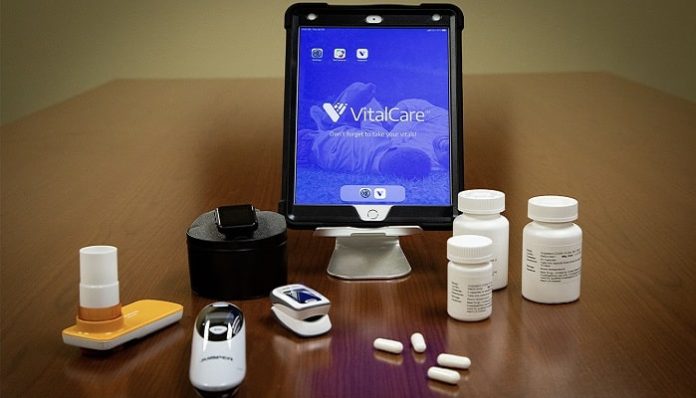
For those who qualify, and once consented, patients will be trained to use a cellular activated Apple iPad from their home, along with a Bluetooth enabled scale, thermometer, fitness tracker, spirometer (to study air flow in and out of the lungs), thermometer and pulse oximeter (to measure blood oxygen levels). Placebo or famotidine at 240 mg per day will be prescribed, and taken orally, for a maximum of 14 days. Northwell’s Home Lab program will be utilized for required blood draws and COVID-19 diagnostic nasal swabs tests. This trial is designed to keep trial participants completely out of the hospital throughout the course of their treatment.

“From the comfort of these patients’ own homes, we are taking the traditional clinical trial completely digital to study the efficacy and safety of a potential COVID-19 therapy,” said Tobias Janowitz, MD, PhD, a medical oncologist, principal investigator of the trial, assistant professor at CSHL, and adjunct professor at the Feinstein Institutes. “From assessment, to enrollment and daily data collection, we hope this study’s model will be an example for future clinical trials, and will provide high quality data as we assess candidate treatments, like famotidine, to curb this disease.”

For those interested to learn more about the outpatient famotidine clinical trial, please email ClinicalTrials@northwell.edu.

Famotidine is a common, safe over-the-counter drug used to treat heartburn and assist with healing gastrointestinal ulcers. In April 2020, the Feinstein Institutes started the nation’s first famotidine clinical trial, which enrolled more than 230 patients. The initiation of the clinical trial was based on anecdotal reports from China that patients taking the drug had better outcomes from COVID-19.

“It’s been more than a year since this pandemic has spread across the globe, and there is only one fully-authorized COVID-19 therapeutic,” said Kevin J. Tracey, MD, president and CEO of the Feinstein Institutes. “This innovative clinical trial of patients in their own homes should provide important data to determine if a safe and inexpensive drug may be useful for COVID-19 patients.”

At the start of the pandemic the Feinstein Institutes established a COVID-19 Clinical Trial Unit, a 200-member rapid-response clinical trial group of scientists, physicians, administrators and staff to review and launch clinical trials. Since March, the CCTU has enrolled patients in more than seven clinical trials and programs – including famotidine, remdesivir, sarilumab and convalescent plasma. Overall, more than 1,200 patients were enrolled into COVID-19 research trials across the health system, resulting in more than 200 manuscripts published, providing guidance to clinicians worldwide.

Translate »