Close
Digital Health & Ai Innovation summit 2026
Medical Taiwan 2026

Hologic to Acquire SOMATEX, Leader in Biopsy Site Markers and Localization Technologies, for $64 Million

Hologic, Inc., an innovative medical technology company primarily focused on improving womenโ€™s health, announced it has completed the acquisition of SOMATEX Medical Technologies GmbH, a leader in biopsy site markers and localization technologies, for approximately $64 million. The company was previously owned by E-Med Solutions GmbH, Berlin, a group of investors led by German private equity company Westlake Partners.

The transaction supports Hologicโ€™s strategy to provide a comprehensive suite of innovative solutions across the continuum of breast health care. Specifically, SOMATEXโ€™s differentiated products will enable Hologic to strengthen and further expand its breast marker portfolio, which has been growing consistently. As a result of the acquisition, Hologic will also enhance its sales presence in Europe by expanding its direct channel in Germany and its network of regional and international distributor partners.

โ€œThe acquisition of SOMATEX allows us to expand our biopsy portfolio by providing a suite of market-leading solutions that not only address our customersโ€™ needs, but also improve the biopsy experience for their patients,โ€ said Jennifer Meade, Hologicโ€™s Division President, Breast and Skeletal Health Solutions. โ€œWeโ€™ve had a strong partnership with SOMATEX for several years, which along with our shared focus on innovation, will allow us to quickly integrate and begin building a pipeline that will drive profitable growth and recurring revenue for our breast health business globally.โ€

SOMATEX specializes in the development and manufacturing of minimally invasive devices in the areas of tumor diagnostics, biopsy and interventional specialties, providing Hologic with additional expertise and capabilities to continue to grow its breast health portfolio. The SOMATEX product portfolio includes the Tumarkยฎ family of tissue markers, which were distributed by Hologic in the U.S. prior to the acquisition.

โ€œFor years, SOMATEX has been committed to driving innovative, best-in-class tumor marker and localization solutions for our customers and their patients and to becoming a leader in our space,โ€ said Joerg Heise, Managing Director of SOMATEX. โ€œ We are excited to continue this journey through Hologic and their global footprint, providing so many more with access to these pioneering technologies that aid in the early detection and treatment of breast cancer.โ€

SOMATEX is expected to generate approximately $13 million of revenue in calendar 2020, including sales of Tumark markers to Hologic. The acquisition is expected to be slightly accretive to Hologic’s non-GAAP earnings per share starting in the Companyโ€™s current fiscal year.

About Hologic, Inc.

Hologic, Inc. is an innovative medical technology company primarily focused on improving womenโ€™s health and well-being through early detection and treatment. For more information on Hologic, visit www.hologic.com.

Hologic and The Science of Sure are trademarks and/or registered trademarks of Hologic, Inc., and/or its subsidiaries in the United States and/or other countries. Tumark and associated logos are trademarks and/or registered trademarks of SOMATEX Medical Technologies GmbH. Hologic is an authorized distributor of Tumark Professional X, Q, and Vision biopsy site markers.


Stryker launches T7 personal protection system

Stryker launches T7 personal protection system

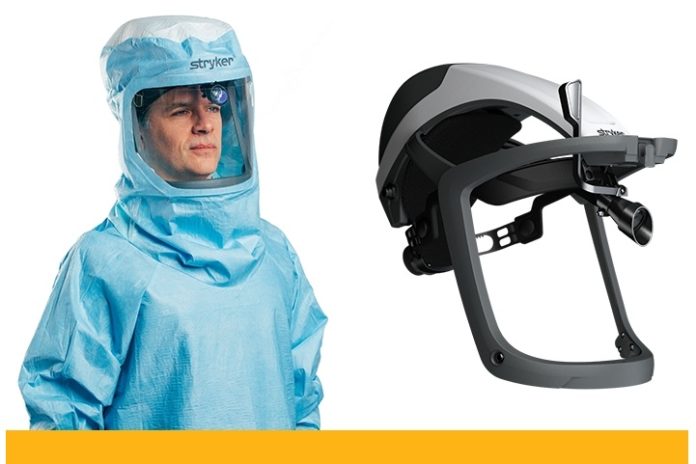
Stryker, one of the world’s leading medical technology companies, announced the launch of T7โ„ข, its next generation personal protection system. T7 and T7plus create a personal protection system that’s tailored to each user, keeping them cool and comfortable without sacrificing protection during surgical procedures.

We listened and worked closely with our customers to design a personal protection system that addresses their needs,” said Robbie Robinson, Vice President and General Manager of Stryker’s Orthopaedic Instruments business. “Stryker has a long history of innovation in the personal protection space and we build upon that legacy with T7 and T7plus. We’re excited about the new features and to provide a new solution to our customers.”

The new T7 helmet is Stryker’s lightest and quietest helmet. New features include a noise reduction of 40% compared to the previous model.

Other key features of the T7 helmet include:

Comfort: EVA foam conforms to the users’ head with a lighter frame and cooler fit. Better balance and ergonomics keep T7 comfortable and secure
Adjust fit: Dual adjustment knob allows users to precisely control height and width. Improved center of gravity is intended to take the strain off the users’ necks
Extended battery life: Pause button allows users to control the fan and streamline the donning and doffing workflow, save battery life and maintain sterility in the field

Within the T7 protection system is T7plus, a new line of surgical hoods and togas. A new, breathable material allows users to remain cool while providing industry leading AAMI level 4 protection that helps safeguard against viral penetration, exposure to infectious bodily fluids and transfer of microorganisms or particulate matter.

About Stryker

Stryker is one of the world’s leading medical technology companies and, together with its customers, is driven to make healthcare better. The company offers innovative products and services in Orthopaedics, Medical and Surgical, and Neurotechnology and Spine that help improve patient and hospital outcomes.


SCONE Medical Receives FDA EUA for Novel Aerosol Infection Containment Device

SCONE Medical Receives FDA EUA for Novel Aerosol Infection Containment Device

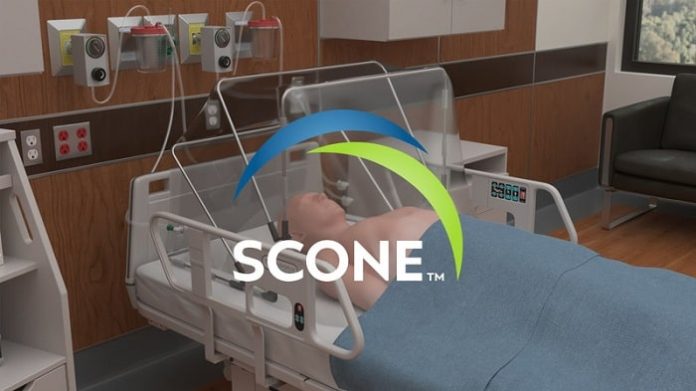
As the world faces a new era of emerging and re-emerging infectious diseases, new technologies are paving the way for safer, more effective treatment options. The Self-Contained Negative Pressure Environment is a new technology developed by SCONE Medical Solutions Inc. (SMS) in collaboration with Mayo Clinic for infectious disease containment in hospitals. The FDA recently granted Emergency Use Authorization to the SCONEโ„ข device on December 18, 2020.

The highest risk of infectious transmission is from actively infected patients to health care workers (HCWs) during Aerosol Generating Procedures (AGPs), particularly in the acute care/triage setting. The SCONEโ„ข is a small capacity, disposable device that uses negative pressure to vacuum out aerosols emitted around a patient’s head and neck, adding an extra layer of “active” barrier protection for healthcare workers while treating potentially infectious patients. The SCONEโ„ข can be quickly deployed for use and quickly disposed of after treatment.

Mike Adams, CEO of SCONE Medical Solutions Inc. (SMS) says, “We are pleased to collaborate with Mayo Clinic experts as we bring the SCONEโ„ข device to market. The demand for barrier protection in hospitals has shown itself in a substantial way during this pandemic. The SCONEโ„ข works not only as a protective barrier, but through the use of negative-pressure, actively reduces the spread of pathogenic aerosolized particulates that cause diseases like COVID-19.”

During the spring of 2020, the SMS team ramped up efforts to begin designing, developing, testing the new SCONEโ„ข device, and then in the fall prepared to launch a full-scale manufacturing process based in North Carolina. Now with the FDA EUA greenlight, SMS will begin distributing SCONEโ„ข units across the country at the end of the year.

Dr. Brandon Lawrence, SCONE Chief Medical Officer and ER Physician in Phoenix, AZ, has been treating COVID-19 patients from the beginning. He states, “The widespread demand from HCWs for barrier protection devices, even the old ones without negative pressure, was overwhelming during the start of the pandemic. Adding negative-pressure technology allows patients to be more safely placed on CPAP/BIPAP, receive aerosolized nebulizer treatments, undergo emergent procedures if their COVID-19 status is unknown, and possibly allow end of life care visits with family.”

According to Michael Wallace, M.D. at Mayo Clinic, who collaborated with the SMS team: “There is an urgent need for small capacity self-contained negative pressure environments that utilize existing hospital suction lines and HEPA filtration. The development of the SCONEโ„ข device will provide new opportunities for hospitals to control aerosol spread to other patients and healthcare workers.”

During the midst of this recent pandemic surge and beyond, SCONEโ„ข aims to help ease the burden on hospitals by providing backup small-capacity negative pressure units that allow for safer treatment, triage, and patient transport. Implementing new, more sustainable, protocols using the SCONEโ„ข device may also allow for planned family visitation and end-of-life care closure for those in desperate need of it most right now.

Health IT execs offer thoughts on the big issues of 2021

Blockchain-enabled hospital can provide real-world data to understand drug outcomes

Where are vaccine supply chains, value-based care, AI, telehealth and other trends headed next year? C-suite leaders from an array of vendors weigh in on provider/payer relations, the healthcare workforce and more.

I’ve seen it said before that year-ahead predictions are like weather reports: Everyone reads them, but almost no one looks back later to see whether they were accurate. Still, since when has that stopped anyone from indulging in this pastime as the calendar turns from December to January?

Certainly, few could have guessed, as we rang out 2019, just what 2020 would have in store for the U.S. healthcare system. But having learned some difficult lessons this pandemic year, it’s worth taking stock of that hard-won wisdom โ€“ and forecasting how it might be put to work in the next 12 months as healthcare organizations chart a path forward to help a “shocked system emerge stronger” (as PwC puts it).

Hereโ€™s what technocrats specializing in Health IT Services and development think about the most pressing industry challenges opportunities in 2021 and beyond.

Supply chain: Machine learning insights

“One of the lessons of COVID-19 โ€“ meaningful data sharing โ€“ will continue unabated, made even more valuable as data becomes more accessible and machine learning provides deeper insights,” said Michael Byczkowski, global VP and head of healthcare industry at SAP, the developer of enterprise application software.

As vaccines continue to roll out, requiring meticulous record-keeping and specialized shipping and storage conditions (and that’s to say nothing of the ongoing critical need for PPE and other lifesaving equipment) nowhere are interoperability and data visibility more important than with healthcare supply chains.

Despite the challenges, machine learning is helping health systems and their suppliers to put pattern recognition to work improving supply chain management, he said, such as “tracking inventories of personal protection equipment to ensure adequate coverage and enable just-in-time provisioning of supplies.”

Going forward, using AI-powered big data analytics to optimize the supply chain is going to be essential, said Byczkowski. Health systems will need to “pre-select and process data in a manner that meshes with its intended purpose and the underlying requirements for data privacy, when and where applicable.”

Beyond mere supply chains, that can help optimize care in other ways: “Once a dataset has the right ‘fit’ and is uploaded to the cloud,” he said, “AI and analytics can be applied to deliver better patient care โ€“ for example, to be used to gain visibility of total patient volumes, bed utilization, as well as workforce team assignments and workflows.”

The COVID-19 crisis has been an immense challenge. But one potential bright spot is that it has “further demonstrated the predictive power of AI,” said Byczkowski. And that could help position healthcare organizations to better weather similar challenges.

“By giving us the ability to see infection patterns emerge in societies in near real-time and isolate hotspots before they can spread out, AI may hold one of the keys to preventing future pandemics,” he said.

“AI can also significantly help fast-track vaccine development, and with broad research and the clinical trials of mRNA-based vaccine technologies, there is a tremendous opportunity not only with regards to pandemics โ€“ but also to tackle many types of cancer.”

EHRs: Automation can help

Burnout has been an ongoing scourge at hospitals for years now, and the crushing demands of the pandemic have only made it worse for physicians, nurses, telehealth managers and others. Electronic health records don’t usually help, even if their impact on burnout is more complex than many realize. But there’s no question that technology could do better helping solve the problem.

“Amidst the ongoing health crisis, clinicians need relief,” said David Lareau, CEO of Medicomp Systems, which develops EHR optimization tools.

“Doctors and nurses are overwhelmed with surging patient loads, yet we continue to add fuel to their frustrations by forcing them to use inefficient technologies that add to their workloads and interfere with direct patient care,” said Laureau. “For years we have promised them new solutions that leverage AI and machine-learning technologies to improve workflows and manage data more efficiently.”

Clinicians still spend too much time combing through EHRs to relevant data when they need it, he said โ€“ and too much time meeting billing and reporting requirements when they’d rather be off the clock.

“A primary health IT focus for 2021 must be empowering clinicians with solutions that deliver relief today,” said Laureau.

They need tools that “support the way clinicians think and work and make it easier for care teams to share actionable data for care coordination,” he said, that can aggregate data from multiple sources and filter it logically so that clinicians have rapid access to patient- and problem-specific information at the point of care.”

Workforce: ‘Connected and protected’

But EHR workflows aren’t the only area that need more focused attention when it comes to the wellbeing of health system staff in 2021, said Brent Lang, CEO of Vocera Communications.

As has been shown, the causes of clinician burnout are multifactorial. In recent months, there’s been yet another factor: fear of infection.

“Together, nurses, doctors, policymakers, hospital executives and innovators can build a future where healthcare workers are both connected and protected,” said Lang. “We must modernize PPE standards to include technologies like hands-free communication that can empower staff to do their job safely and without worry of getting contaminated.”

“Before COVID-19, the level of cognitive overload and burnout among nurses and doctors was alarmingly high,” he said. “With the ongoing pandemic, fatigue, depression, and now fear, among clinicians and others on the frontlines are causing many to leave the profession. A brighter future of caring will require collaboration between legislators, hospitals, and technology companies to ensure care teams have the right tools, enough PPE and the capacity to care for patients safely, effectively and with compassion.”

In 2021, “it will be critical for hospitals and health systems to put policies and resources in place that make the safety and well-being of frontline workers a top priority,” said Lang. It will also be important for local, state and federal governments to assist hospitals and health systems in their efforts to safeguard the physical, mental and emotional wellbeing of those who care for their communities.

Meanwhile, he said, “innovators and technology companies must continue listening to frontline workers to understand their challenges and create new solutions to ease their burden and protect their livelihood. While we can manufacture more masks and ventilators, we cannot do the same with nurses and doctors, and the country cannot afford to lose these essential workers.”
Telehealth: Now what?

One of the biggest storylines since the early days of the pandemic, of course, was telehealth โ€“ finally capitalizing on its potential as it was thrust into the spotlight as a necessary modality of care delivery.

Now the question is, what’s next? One exec says the basic concept of the doc-patient video visit is not enough.

Telehealth’s growth trajectory has moved forward by a decade during the past several months,” said Kuldeep Singh Rajput, founder and CEO of Biofourmis, developer of digital therapeutics and virtual care tools.

“However, for that momentum to continue, technologies such as wearables, remote patient monitoring and artificial intelligence will need to augment telehealth. This approach will expand the use cases for telehealth and will continue to make the case for parity with in-person visits.”

Telehealth served as a vital lifeline during the early days of the pandemic, when in-person visits weren’t feasible. But for all its benefits, it’s not enough to simply have screen-mediated virtual consults.

“Clinicians canโ€™t make optimal clinical decisions remotely unless they are armed with actionable data,” said Rajput. “As we continue to battle this virus and in a post-coronavirus world, telemedicine wonโ€™t be used in isolation, but rather in tandem with these complementary technologies.

“For example, AI-based analysis of the data obtained from remote monitoring can be leveraged to flag a decline in a patient’s health, so clinicians can intervene early and prevent a medical crisis,” he added. “There will be a huge shift in virtual care that moves from typical phone and video chats to these types of software-based therapeutic interventions that are fueled by AI-driven data.”

That will encourage providers and patients to use telemedicine even more widely, he said โ€“ boosting outcomes, decreasing hospitalizations and ED visits and lowering costs.

“The future state of telemedicine is a world in which care delivered by phone or video will become predictive and personalized, rather than reactive,” he said.

Providers & payers: Communication is key

In addition to ongoing questions around the reimbursement of telehealth and remote monitoring, one of the other challenges highlighted this past year was the still-suboptimal communication among providers and payers, especially early on.

Soon, however, there were signs that COVID-19 has helped push forward some information exchange improvements that could be long-lasting.

“It’s no secret that many providers and payers relied heavily on the use of fax machines and printed documentation,” said Paul Joiner, chief operating officer of health information network Availity.

But as the pandemic “disrupted operations for payers and providers, with many employees and staff members working from home, the willingness to collaborate advanced significantly,” he said. “The old way of sending transactions, clinical documentation and policy changes transformed overnight.”

That quicker communication and more robust collaboration has been “indispensable” during the pandemic response โ€“ and will only become more beneficial as it’s built upon in the year ahead, said Joiner.

The ability to send claims information electronically โ€“ rather than spending “countless hours finding, printing and faxing medical records to payers for prior authorization requests” โ€“ will be hugely useful for provider efficiency and patient experience going forward, he said.

“The pandemic brought about new challenges for our healthcare system, but it also helped us to overcome many of the barriers that stood between payers and providers,” he added. “It has propelled the transition to better and faster communications, and even helped build trust along the way. In 2021, we predict the shift to electronic communications and improved collaboration across the system will have staying power. Thereโ€™s no going back.”

Value-based care: New impetus for change

On the topic of healthcare reimbursement, some have wondered what the COVID-19 pandemic might mean for the momentum of accountable care efforts, given the unprecedented disruption of the past 10 months โ€“ never mind the fact that many provider organizations are still unsure about the ROI of their value-based investments over the past decade.

Michael Gleeson, chief strategy and innovation officer at population health company Arcadia, sees some interesting trends on that front for 2021 and beyond.

“Health systems and hospitals in the U.S. have been under unparalleled financial strain as a result of the pandemic,” said Gleason. “We’ve noticed that those organizations that have been aggressive in taking on downside risk have been partially buffered against this impact.”

In 2021, he said, “we expect these organizations will continue to expand their risk profile. When combined with their expertise in managing populations and the investments in data connectivity and analytics, these organizations will use the fallout from the pandemic to expand their market share and acquire their way into new markets.”


PHCC launches new app for healthcare services

PHCC launches new app for healthcare services

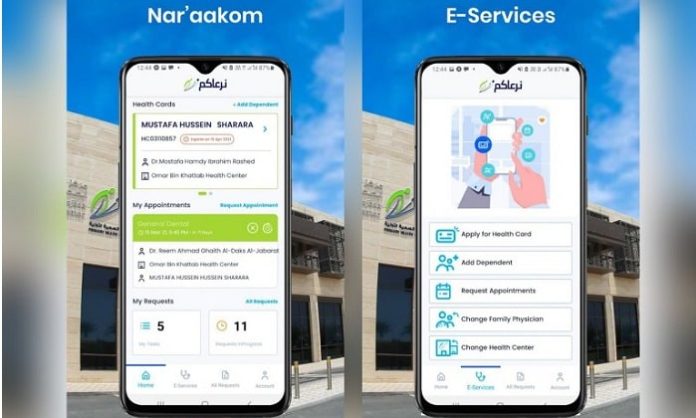
Primary Health Care Corporation has launched a new app called Narโ€™aakom app that allows its patients to benefit from many of the healthcare services through their smartphones.

Dr. Mariam Ali Abdulmalik, PHCC Managing Director, Musallam Mubarak Al Nabit, Assistant Managing Director of Administration and Corporate Services and Alexandra Tarazi, Executive Director of HICT announced the launch of the app in a press conference.

The app has been ISO-certified for safety. “At present the app has a few basic information. In future, it will be improved with additional features,” said Dr Abdulmalik.

Narโ€™aakom allows to view health card information such as health card number and see when it expires, view assigned health center, and the assigned family physician from PHCC. Through this app one can also view the upcoming appointments for themselves and their dependents.

Read more: Three more health centres added for Covid-19 vaccination

Residents and citizens can also request for any of the following available services:

Apply for Health Card โ€“ allows one to apply and get a health card to receive health care at one of PHCCโ€™s health centers located across Qatar.

Change the Health Center โ€“ one can request to change the currently assigned health center to another one.

Change Family Physician โ€“ allows to request to change currently assigned family physician.

Request for appointment โ€“ allows to request for new appointment with PHCC health centers.

Add dependent Account โ€“ allows to add dependents to your account to be able to request any of the above services on their behalf.

Renew the health card โ€“ allows to navigate to Hukoomiโ€™s website to renew your health card online.

Nar’aakom supports English and Arabic language. Within the app, you can switch between these languages.

How touchless patient monitoring is defining future of healthcare landscape

How touchless patient monitoring is defining future of healthcare landscape

Social distancing and frequent hand sanitization have become the standard practices due to the sudden outbreak of COVID-19. The continuous surge in the number of coronavirus cases has discouraged the visits of regular patients to the hospitals in order to prevent the spread of infection.

However, there are patients that still require close monitoring by a doctor for their routine check-ups. This impacts the process of preventing the contagion which has further resulted in the widespread adoption of advanced technology to encourage contactless monitoring.

Healthcare organizations and hospitals are relying on an extensive adoption of contactless monitoring systems. Incorporated with new-age technologies โ€“ IoT (Internet of Things), Artificial Intelligence, and Machine Learning, touchless patient monitoring is playing a crucial role in the war against COVID-19. With an immediate shift towards touchless monitoring systems, hospitals are drifting towards smartphones and other mobile platforms that are set to revolutionize the present healthcare scenario globally.

The outbreak of COVID-19 has made the entire world to make significant changes in their lifestyle. Similarly, in the healthcare landscape, the way doctors and patients are interacting has been changed. The industry has adopted a touchless action plan to move towards big changes from booking an appointment, diagnosis, providing treatment to settling payment.

The COVID-19 pandemic has presented the world with not only a myriad of challenges but also with varied opportunities. The hospitals are becoming more patient-centric by adopting touchless monitoring technology. It facilitates healthcare practitioners with early detection of the disease and its treatment through the contactless method to prevent the spread of infection.

Beginning with telemedicine, the industry is also seeing a surge in the use of smart wearables and devices. According to the estimates, the global smart wearables market is expected to grow at a CAGR of 19.48% between 2020 โ€“ 2025 and reach 648.4 million by 2025. The rise in the acceptance of such devices plays a crucial role in tracking the health parameters of patients and provides valuable insights to their doctors including the pulse rate, oxygen level, heartbeat, etc.

Transforming healthcare design

The COVID-19 era has enforced social and physical distancing with a core focus on frequent sanitization and cleanliness. This brings a big change in the overall healthcare design where waiting rooms need to be more spacious to prevent contagion. The touchpoints are being eliminated and contactless devices are being installed. For instance, hospitals and many public places have already installed sensor-based sanitisers and touchless thermometers for temperature checks.

Another big trend in touchless monitoring and technology is voice AI that works as a smart solution for doctors by replacing human-centric tasks with digital voice. The intelligence of voice AI eliminates the traditional process of creating prescriptions, connecting, and interacting with patients while making the entire process touchless.

In the present scenario, the hard copy of prescriptions is likely to spread infection and by implementing voice AI, healthcare practitioners can create a digital copy of the prescription for the patient. Furthermore, the patient can send the same digital prescription to the pharmacy, thereby reducing the second point of contact.

The implementation of advanced technology โ€“ Artificial Intelligence, Machine Learning, and IoT are reinventing healthcare delivery. It provides tangible benefits and precise control over the medical delivery that further improves patient outcomes. In the coming years, the approach of traditional healthcare is completely going to move to contactless delivery. The algorithms on which the new technologies function allows patients and doctors to gain unprecedented insights for accurate diagnosis and treatment.

To deliver quality care through virtual infrastructure, the healthcare design is set to become more efficient starting from appointment scheduling to waiting. Many health-tech start-ups are also working on designing innovative touchless technologies for virtual delivery. Considering the future plan, a patient might just walk into the hospital and scan the Health ID QR code at the registration desk to instantly share their details and medical history with the doctor. After the treatment, the patient can also receive their medical reports and prescriptions on their smartphone that can be preserved for a longer time. Additionally, all medical claims and bills could also be settled quickly if the customer consents to share his/her data, with minimal effort from the TPA or insurance provider.


UK sees spike in number of hospitalised patients with Covid-19

   Increasing Education on Prone Positioning Could Increase Use Among Those Caring for COVID-19 Patients

Public Health England (PHE) has warned that โ€˜hospitals are at their most vulnerableโ€™ with Covid-19 cases rising above 40,000 in a single day in the UK for the first time.

Estimates showed that, presently there are more Covid-19 patients in Englandโ€™s NHS hospitals than in April, when the pandemic was at its peak.

As of 28 December, 41,385 lab-confirmed Covid-19 cases were reported in the UK, Metro reported the British Government as saying. In addition, 357 Covid-19 related deaths within 28 days of testing positive were recorded.

Around 20,426 patients were hospitalised in England on 28 December, surpassing the 18,974 patients recorded on 12 Aprilโ€”the initial period of the Covid-19 pandemic.

Ever since the onset of the pandemic, this is the first time that the UK has recorded such a huge number of new infections.

The newspaper quoted PHE Medical Director Dr Yvonne Doyle saying: โ€œThis very high level of infection is of growing concern at a time when our hospitals are at their most vulnerable, with new admissions rising in many regions.โ€

โ€œDespite unprecedented levels of infection, there is hope on the horizon. We can tackle this virus by working together as the vaccine continues to reach the most vulnerable first, and then many more over the weeks and months ahead.โ€

South England hospitals are in a crisis, with a surge in the number of Covid-19 patients receiving treatment.

Paramedics in London are receiving nearly 8,000 999 calls each day and London Ambulance Service called 26 December as โ€˜one of the busiest everโ€™ days.

Irish Examiner quoted NHS Providers deputy chief executive Saffron Cordery as saying: โ€œWe know that the rate of Covid-19 admissions is rising and some trusts are reporting up to three times the number of Covid patients than at the peak of the first wave.

โ€œThis means hospitals and also ambulance services in Tier 4 areas and beyond are incredibly busy, compounded by increasing staff absences due to illness and the need to self-isolate.โ€

Furthermore, a south-east London hospital had to divert ambulances as fear mounted on the oxygen supply levels owing to the increase in Covid-19 patient numbers.

Saudi healthcare major invests $500m in new Dubai hospital

Saudi healthcare major invests $500m in new Dubai hospital

Fakeeh Care, a Saudi-based healthcare provider, has invested $500 million to open the 350-bed Fakeeh University Hospital in Dubai Silicon Oasis. Fakeeh Careโ€™s foray into Dubai also marks the launch of its onsite teaching and research hospital.

The company, which completed the first heart transplant in Saudi Arabiaโ€™s western region and the first successful IVF treatment in the Saudi private sector, said the Dubai facility spans one million square feet across four independent yet interconnected buildings.

The hospital features an isolated birthing suite for patients who have tested positive with Covid-19 as well as the largest emergency department in the UAE’s private sector.

Fakeeh University Hospital offers 55 clinics across the healthcare spectrum โ€“ including primary, secondary, and tertiary care all under one campus and aims to treat 700,000 patients every year.

Dr Mazen Fakeeh, president and chairman of Fakeeh Care said: โ€œThrough our integrated healthcare model using smart technologies, we reaffirm our commitment to making a positive contribution to the development of the healthcare sector in the UAE.โ€

He said Fakeeh University Hospital is a teaching facility, aimed to develop the future generation of doctors and nurses within the UAE.

He added that it also functions as a smart hospital, with a fully automated robotic pharmacy to dispense medication, minimise human errors and reduce wait times. The hospital has also developed an app that brings health management to patientsโ€™ fingertips.

Through the app, patients can book appointments, generate a token prior to arriving at the hospital, access medical records, laboratory results, and see doctorโ€™s prescriptions live, as it is being prescribed.

Future plans include a hospital navigation system to help patients move around the clinics and campus with ease.

Fakeeh added: โ€œWe have carefully selected doctors and caregivers who embody the values and heritage that Fakeeh Care represents. At the heart of our patient experience is a smart and customised mindset to ensure that the best decisions are taken with our patientsโ€™ interests at heart.โ€

UAE healthcare major mulls new strategy for future Gulf expansion after pandemic blow

UAE-based healthcare major Aster is looking at changing tack on its expansion plans in the GCC with an asset light model with buildings being constructed by third parties.

Aster, which currently runs about 350 healthcare facilities across seven countries, will also scout for opportunities for O&M (operate and manage) models of hospitals for its long-term growth plans in the region.

โ€œThe onset of the pandemic led to a dip in business which is why we have had to postpone some of our pipeline projects. Now that we are slowly witnessing a recovery, we shall continue to explore our expansion plans (in the GCC region) with an asset light model with buildings being constructed by third parties,โ€ Dr Azad Moopen, founder chairman and managing director, Aster DM Healthcare, told Arabian Business.

He said Aster has been re-negotiating rentals of its facilities across the UAE and other markets in the GCC in the aftermath of the pandemic which hit non-coronavirus treatments and procedures hard at hospitals and clinics in the early months of the outbreak.

The group has also closed down some of the mall-based clinics and pharmacies in the Middle East region in the recent months.

โ€œWith the onset of the pandemic, we saw a fall in the number of patients visiting some of our clinics and hence decided to close down a few. Instead, we are redirecting our focus on key units and channeling our efforts to increase footfalls and patients there, while focusing on newer areas where our customers are based.

โ€œWe are looking at asset light models wherever possible and also looking at opportunities for O&M models of hospitals,โ€ Moopen said.

Some management consultancy firms have recently been advocating the need for healthcare companies to adopt well-organised and capable O&M models to improve their profitability and growth in the wake of increased competition in the sector.

Moopen, however, said the groupโ€™s plans to control its capital expenditure plans will not affect its projects that are in an advanced stage of completion in the GCC or India.

โ€œOur hospitals in Sharjah and Oman as well as the one in Whitefield in Bengaluru are underway. The final phase of Aster Hospital, Sharjah, is underway and it is expected to be commissioned in the first quarter of the next financial year,โ€ he said.

On the increasing trend of hospitals/healthcare players opting for leasing of high cost and advanced machineries and equipment, Moopen said Aster will be looking at revisiting this if it fits with the groupโ€™s proposed capex light model.

โ€œEvery organisation has its own growth and expansion model based on its long term goals and objectives. For us at Aster, the priority remains to provide top quality service using the best equipments and technology.

โ€œEquipment rentals and pay per use are models which we have used earlier. If there are cost effective lease models available, we shall be happy to look at this as it again helps to farther the capex light model,โ€ he said.

https://www.arabianbusiness.com/healthcare/456552-uae-healthcare-major-mulls-new-strategy-for-future-gulf-expansion-after-pandemic-blow

Healthcare sector upgrades infra, taps tech solutions in covid battle

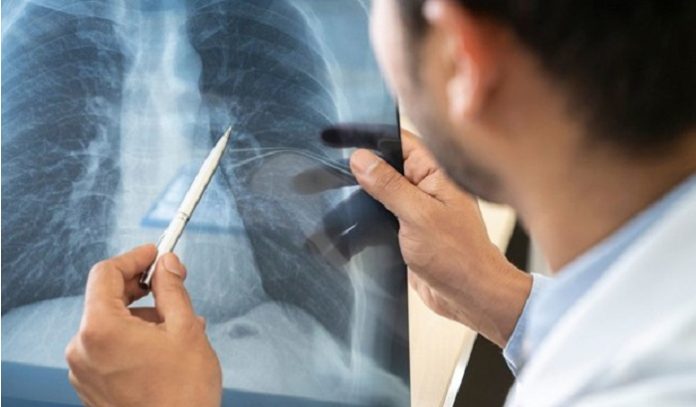
Lung Scans for Stroke Patients Could Provide Earlier COVID-19 Detection

With covid-19 placing unprecedented pressure on Indiaโ€™s creaking healthcare system, the domestic industry has exhibited exemplary resilience in battling the pandemic by bringing about changes to traditional ways of healthcare delivery, besides innovating at a rapid pace to tackle the crisis.

India witnessed major changes in its healthcare infrastructure and functioning to deal with the highly infectious disease. The government was quick to adopt digitization of data with the launch of the much-awaited National Digital Health Mission, besides investing in research and innovation, and prodding health-tech startups to play an active role in facilitating healthcare delivery.

The Centre also relaxed regulations to allow telemedicine and e-pharmacy platforms offer doctor consultations to avoid crowding at hospitals during the pandemic. The innovative solutions offered by these platforms are now here to stay even in a post-covid world.

โ€œSuccessful covid-19 management through digitization has shown that there may be a single platform for effective and efficient global and local public health management. Synergistic innovations in tracing, tracking, targeting, trending, tele-medicine and transport services in โ€˜real-time or near real-timeโ€™ cumulatively combined with our existing knowledge of past pandemics and networked with human expertiseโ€”all on one digital platformโ€”is perhaps the one success model, that will be surely sustained and even scaled up beyond covid-19,” said Suresh Munuswamy, assistant professor, Indian Institute of Public Health, Hyderabad.

The pandemic led to a massive rise in the use of artificial intelligence (AI) in diagnosing covid-19 from chest X-Rays or CT scans. Validation and testing of such algorithms remained a challenge since it generally takes multi-departmental collaboration between clinicians, data scientists and engineers to conduct a validation study on AI. Research group CARING (Centre for Advanced Research in Imaging, Neurosciences and Genomics), which was incubated at diagnostics service providers Mahajan Imaging, used an automated technology platform called CARPL to validate algorithms used to diagnose covid-19. Government bodies used these technologies to help diagnose covid-19.

โ€œEssentially, CARPL automated the running of an AI algorithm, the labelling of data for testing, and subsequent statistical metrics. Doctors can then interact with the AI algorithm to build an opinion about the performance of the AI by reviewing failed and successful cases,” said Vidur Mahajan, head of research, CARING.

โ€œOverall, during the covid-19 pandemic CARPL quietly worked in the background, helping test AI algorithms, and giving radiologists and researchers across India an opportunity to quickly build, test and deploy algorithms for the service of the country. The technology will now be used for many other medical conditions,” he said.

The covid-19 pandemic also forced the central government-run hospitals to upgrade their infrastructure and find new ways to handle patients of infectious diseases such as tuberculosis. โ€œThe kind of innovative healthcare infrastructure we have today was never there before. We now have separate areas for covid patients, but this is irreversible. These wards and separate areas will be used for other infectious diseases in the future,” said Jitendra Arora, director, Pradhan Mantri Swasthya Suraksha Yojana (PMSSY), Union health ministry.

India currently has more than 10 million persons infected with covid-19. With the increasing disease burden, the challenge was to expand testing numbers due to limited availability of reagents for diagnostic kits for covid-19. The RT-PCR kits were the gold standard for confirming coronavirus infections, and over-reliance on imports for procurement of kits and limited availability proved to be a significant bottleneck.

The Indian government quickly entered into a partnership with The Rockefeller Foundation, an American private foundation, working on science, data, policy and innovation related to health, food, power and economic mobility. The foundation started work at the Center for Cellular and Molecular Platforms (C-CAMP) to anchor the Indigenization of Diagnostics (InDx) programme for scaling up indigenous manufacturing of high-quality reagents, components and critical raw material. This project sought to address not only the covid-19 crisis but also to build sustainable solutions for the future by expanding high-quality, low-cost molecular diagnostics to improve the overall healthcare system for the long run.

โ€œThe amplitude of the crisis created by covid-19 has necessitated the identification of appropriate innovative solutions and ensuring its translation to scalable business models for sustainability, economic profitability, social capital or positive environmental outcome,” said Chandrajit Banerjee, director-general, Confederation of Indian Industry.

โ€œThe covid-19 crisis has created ample opportunities for creative disruption. While it has resulted in stimulating the interest in innovative solutions for health, it has also facilitated solutions for areas such as remote working, distance education, e-commerce, and mobility,” added Banerjee.


Translate ยป