Close
Digital Health & Ai Innovation summit 2026
LiGHT26

Beyond the Bedside: How Remote IT Access Has Become a Lifesaving Tool in Hospitals Amid Staffing Crisis

partnership between Legrand and Siemens Healthineers

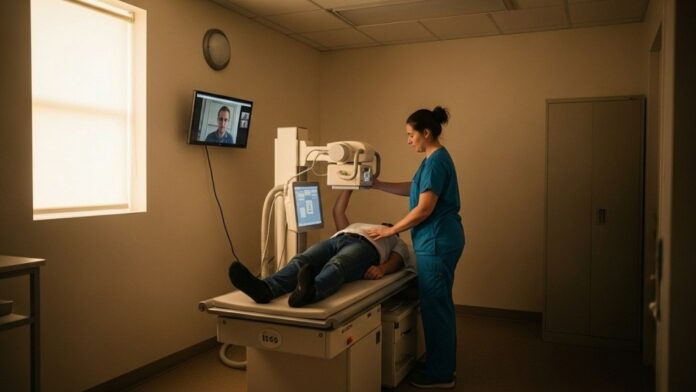
As American hospitals continue to grapple with an increasing shortage of specialized medical imaging technologists, a new partnership is turning a little-known hardware device into a critical lifesaving tool. Currently, the U.S. is facing a radiographer staffing shortfall of 15.6%, with experts continuing to sound the alarm. Shortages like this mean longer wait times for MRI, CT and other medical imaging scans and delayed diagnoses, both of which put patient health at risk. Addressing this challenge directly,ย Legrand, the global specialist in electrical and digital building infrastructures, has joinedย Siemens Healthineersย to help hospitals expand access to vital patient care.

This partnership relies on KVM-over-IP (Keyboard, Video, Mouse) switches from Raritan, a brand of Legrand, to link third-party scanners with theย syngoย Virtual Cockpit software solution from Siemens Healthineers. As a result, it has become possible for remote technologists to seamlessly and securely operate multiple scanners from different vendors at a distance, from one central location. By working together, Legrand and Siemens Healthineers are helping ensure patients get the expert care they need, when they need it.

Using Raritan KVM switches to support the Siemens Healthineers solution on multiple scanner types and brands allows healthcare providers to:

  • Accelerate diagnoses by reducing wait times and providing faster access to critical diagnostic imaging.
  • Expand expert care to rural and community hospitals, enabling scans to be performed locally.
  • Maximize resources, including multi-million-dollar imaging fleets and scarce expert staff by reducing required travel to scanning locations and solving common scheduling challenges.

โ€œKVM technology has historically been used in healthcare settings such as IT rooms and nurse stations โ€“ wherever remote patient monitoring has been needed,โ€ says Paul Mott, Product Management Director for Legrand. โ€œNow, weโ€™re extending the reach of that expert medical care, utilizing technology to tackle the rising shortages of medical imaging technologists head-on. Our KVM technology is a bridge between a patient in need and a specialist who can help, regardless of geography. Together with Siemens Healthineers, weโ€™re improving patient outcomes and supporting our frontline healthcare heroes.โ€

As a Siemens Healthineers solution partner for remote scanning, Legrandโ€™s Raritan Dominionยฎ KX IV KVM-over-IP switch is the certified solution for integrating multi-vendor scanners into theย syngoย Virtual Cockpit ecosystem, ensuring secure, reliable, and real-time remote control essential for modern healthcare delivery. To learn more,ย visit Raritanโ€™s website here.

The Role of Healthcare Fax in Modern Patient Data Security

HIPAA compliant healthcare fax for data security

Supposedly a relic of a bygone era to some people, the humble fax machine remains in use in some industries like healthcare. In 2021, the latest for which statistics are available, the Office of the National Coordinator for Health Information Technology estimated that about 70% of healthcare organizations still rely on faxing for their communication needs. (1)

Although compliant under the Health Insurance Portability and Accountability Act (HIPAA), traditional faxes are under pressure to be retired. The manual effort required to work them takes doctorsโ€™ time away from performing patient care. They also arenโ€™t practical for sending a reamโ€™s worth of medical records to a patient.

Despite inevitable hurdles, healthcare organizations are urged to adopt electronic health records (EHRs) and the means to exchange them. Modern fax solutions, such as electronic or digital faxes, have proven worthy successors, down to securing patient data.

Secure Data Transmission

Cybercriminals keep a list of ways to breach an organizationโ€™s servers, one example being data interception. As the term implies, this practice involves gaining access to information while it travels across the network. The receiver still gets their data, but so does the hacker.

In this case, experts say intercepting fax activity is no different from intercepting a phone call. One example of data interception that works here is wiretapping, a practice involving installing a data capture device somewhere in the network. These places can be on phone lines, the telecom providerโ€™s central office, or the personโ€™s device.

Legacy fax machines transmit information through physical lines. While more resistant to digital attacks, their lack of encryption means perpetrators can read the information from their end as it transits the network. While not impervious to attacks, electronic faxing features added security measures.

A HIPAA-compliant eFax healthcare fax solution secures data transmission by adopting the Advanced Encryption Standard (AES). This data encryption system secures the information in a cipher that reads gibberish even when hackers get their hands on it. Making sense of the data requires a decryption key thatโ€™s only provided to the intended recipient. (2)

Paperless Exchange

Contrary to a persistent belief, HIPAA wasnโ€™t enacted with the idea of a paperless medical facility in mind. It was primarily designed to standardize the means of securing a personโ€™s healthcare information across the U.S. Two rules are key to HIPAA compliance. (3)

  • Privacy rule: This rule outlines and upholds guidelines for ensuring an individualโ€™s right to access their EHRs. It also explains the need for covered entities (e.g., healthcare insurance companies) to secure an individualโ€™s consent before accessing their EHRs.
  • Security rule: This rule outlines and upholds guidelines for protecting individualsโ€™ records from unauthorized access. Some of these include ensuring confidentiality and detecting and reacting to threats.

That said, going paperless is one of the Actโ€™s side effects. Electronic documents are easier to create and send to large groups of people than paper copies. A hard drive can store tens of thousands of such files, as opposed to cumbersome drawers holding binders or foldersโ€™ worth of physical medical records.

Digital faxes also solve the long-standing issue of maintaining fax quality. Various factors affect how a fax appears, from the type of paper used to line interference. Electronic faxes wonโ€™t always need to be printed; instead, they can be accessed via a desktop PC or any device. How a file appears when uploaded is how itโ€™ll appear when received.

The lack of a tangible copy lowers the risk of sensitive documents ending up in the wrong hands. Leaving patient records in a random, if not vulnerable, place canโ€™t happen without a physical copy to leave behind.

Business Associate Agreement

While HIPAA compliance is mandatory among covered entities, most donโ€™t exactly perform certain relevant activities themselves. An HMO provider may outsource claims processing to a third-party administrator, or a clinic or hospital may outsource its accounting to a firm. This poses an issue because these individuals will also require EHR access to an extent. Covered entities that outsource some services are obligated under the Act to enter into a Business Associate Agreement (BAA) with the latter. This legally-binding contract sets the limitations of disclosure of health information and guidelines on its use. In a way, HIPAA compliance matters as much to a business associate as to a covered entity. (4) Electronic fax services are business associates, as they deliver fax solutions to healthcare organizations. Some of their responsibilities under a typical BAA include: (4)

  • Not disclosing information other than whatโ€™s allowed under the BAA
  • Making health information available as a designated record set
  • Complying with applicable provisions stated under 45 CFR Part 164

Before establishing a BAA, covered entities are encouraged to conduct background checks on potential business associates. A legally binding contract wonโ€™t stop dishonest business associates from acting in bad faith. Even after the BAA is signed, covered entities still need to conduct annual reviews of their business associates.

Audit Control

Itโ€™s one thing to produce and disseminate medical records in an electronic format, but itโ€™s another to track their movements. A document that shouldnโ€™t be moving too freely across the organization, let alone outside of it, signals a potential HIPAA violation.

Such offenses carry both civil and criminal penalties, costing an organization millions. Last February, the HHS Office for Civil Rights fined an eyewear manufacturer USD$1.5 million in civil penalties for failing to enact sufficient safeguards under HIPAA. The data breach, later confirmed to be credential stuffing, affected close to 200,000 individuals. (5)

Being unaware of threats is no excuse, which is why proper internal audit control is crucial. Part of it is effective document management, allowing users to locate key documents and trace their access history.

Some modern fax solutions have audit control built into them. Besides tracking EHRs and other documents, they can also lock them behind AES 256-bit encryption and password protection. Any document sent out will have information on the senderโ€™s identity and the time of sending.

Conclusion

Adopting HIPAA-compliant technologies isnโ€™t easy, but so is continuing to rely on legacy systems like traditional fax machines. Safeguarding patientsโ€™ information is as much of a responsibility of healthcare organizations as managing their health. Itโ€™s time to retire the old fax machine in favor of more modern solutions like electronic fax services.

References

  1. Brown, C. Health Care Clings to Faxes as U.S. Pushes Electronic Records [Internet]. news.bloomberglaw.com. Available from: https://news.bloomberglaw.com/health-law-and-business/health-care-clings-to-faxes-as-u-s-pushes-electronic-records
  2. Evans D, Brown K, Bond P. FIPS 197 Federal Information Processing Standards Publication Advanced Encryption Standard (AES). Advanced Encryption Standard (AES) [Internet]. 2001 Nov 26; Available from: https://nvlpubs.nist.gov/nistpubs/FIPS/NIST.FIPS.197-upd1.pdf
  3. CDC. Health Insurance Portability and Accountability Act of 1996 (HIPAA) [Internet]. Public Health Law. Centers for Disease Control and Prevention; 2024. Available from: https://www.cdc.gov/phlp/php/resources/health-insurance-portability-and-accountability-act-of-1996-hipaa.html
  4. Office for Civil Rights (OCR). Business Associate Contracts [Internet]. HHS.gov. 2008. Available from: https://www.hhs.gov/hipaa/for-professionals/covered-entities/sample-business-associate-agreement-provisions/index.html
  5. Whisnant G, Mesa J. Warby Parker Has to Pay $1.5 Million for cyberattack: Who Was Impacted? [Internet]. Newsweek. 2025. Available from: https://www.newsweek.com/warby-parker-has-pay-15-million-cyber-attack-who-was-impacted-2040103

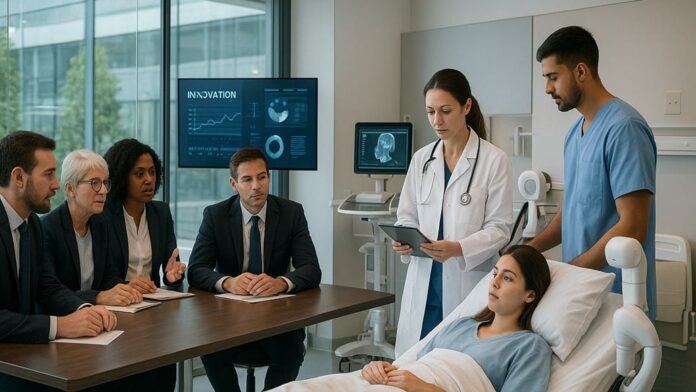
From Boardroom to Bedside: Where Strategy Meets Innovation in Healthcare

Strategic Innovation in Healthcare Delivery

Healthcare is evolving at an unprecedented pace. From new medical technologies to ground-breaking treatments, the industry constantly demands fresh strategies to keep up. Behind every successful innovation is a thoughtful plan, crafted not just in labs but also in boardrooms. The intersection of strategy and innovation in healthcare is where ideas transform into real-world solutions, improving patient outcomes while shaping the future of medicine.

In this article, we explore how strategic thinking drives healthcare innovation, highlight examples of mergers and acquisitions, and examine the broader impact on the industry.

The Role of Strategy in Healthcare Innovation

Strategy in healthcare is not just about long-term planning; it is about aligning resources, talent, and technology to solve pressing challenges. Healthcare organizations face complex problemsโ€”from rising costs to shifting regulationsโ€”requiring decisions that balance risk with opportunity.

Strategic thinking ensures that innovations are not only technically feasible but also economically viable. It helps organizations identify gaps in care delivery, optimize operational workflows, and forecast emerging trends. A strong strategy acts as a compass, guiding investments in research, technology adoption, and talent development.

For example, hospitals seeking to implement AI-driven diagnostics must plan beyond the technology itself. They need to consider integration with existing electronic health record systems, training for medical staff, and patient acceptance. Without a clear strategy, even the most advanced innovation may fail to deliver meaningful results.

Mergers and Acquisitions: Expanding Horizons

One area where strategy and innovation intersect is in mergers and acquisitions (M&A). Healthcare organizations frequently use M&A to accelerate growth, acquire cutting-edge technologies, or expand geographic reach. For example, a hospital system might acquire a telehealth start-up to rapidly integrate virtual care into its services.

Understanding the complexities of such transactions requires familiarity with healthcare M&A terminology and definitions. Terms like โ€œdue diligence,โ€ โ€œintegration planning,โ€ and โ€œsynergy realizationโ€ are more than jargonโ€”they are critical tools for ensuring that the merger delivers both strategic and operational value. Many organizations rely on professional healthcare M&A advisory and consulting to navigate these challenges and maximize the impact of their deals.

Beyond financial considerations, M&A in healthcare often involves aligning cultures, standardizing clinical practices, and maintaining patient trust. Done right, mergers can catalyze innovation, combining resources to fund research initiatives, expand specialized care, and deploy advanced technologies at scale.

From Boardroom Decisions to Patient Outcomes

While strategy is crafted in executive meetings, the real measure of success lies at the bedside. Innovations such as telemedicine platforms, wearable health monitors, and personalized treatment plans directly impact patient care. The bridge between executive decisions and frontline outcomes requires careful coordination.

Consider the rollout of remote patient monitoring systems. Executives must determine which departments to prioritize, how to allocate budget, and which vendors to partner with. Simultaneously, clinicians need support to incorporate these tools into their workflows without compromising patient care. When strategy and execution align, the results can be transformative: improved patient engagement, earlier detection of health issues, and reduced hospital readmissions.

This connection emphasizes a key point: strategy without innovation is static, and innovation without strategy is chaotic. The healthcare ecosystem thrives when these forces operate in tandem.

Driving Innovation Through Technology

Technology is the heartbeat of modern healthcare innovation. From AI-powered diagnostics to robotic surgery, technological advancements are transforming how care is delivered. Strategy plays a pivotal role in selecting and implementing these technologies effectively.

For instance, integrating predictive analytics into hospital operations can reduce patient wait times and optimize resource allocation. Yet, the deployment requires strategic foresight: data security must be ensured, staff must be trained, and workflows adjusted to maximize benefits.

Another area of innovation is precision medicine, which tailors treatments to individual genetic profiles. The promise is enormous, but without strategic alignment, hospitals may struggle to manage costs, interpret complex data, or coordinate multidisciplinary care teams. A structured approach ensures that technological innovation translates into tangible improvements for patients.

Collaborative Ecosystems: Partnerships That Matter

Healthcare innovation rarely happens in isolation. Collaborative partnerships between hospitals, research institutions, start-ups, and even tech giants are essential for progress. These collaborations often emerge from strategic imperatives: filling gaps in expertise, accelerating product development, or expanding market reach.

Consider a partnership between a biotech company and a major healthcare provider to develop new immunotherapies. Each party contributes unique strengthsโ€”scientific research from the biotech firm, clinical expertise from the hospitalโ€”and strategy dictates how resources, responsibilities, and outcomes are shared.

Such ecosystems also foster cross-pollination of ideas. Clinicians can influence product development with real-world insights, while technologists gain a deeper understanding of patient needs. The result is innovation that is both practical and patient-centric.

Measuring Success: Metrics and Outcomes

Strategy and innovation must be measurable to ensure sustained impact. Metrics in healthcare range from patient outcomes and cost reductions to market growth and technological adoption rates. Hospitals and healthcare organizations increasingly rely on data-driven dashboards to track performance and inform future decisions.

Patient satisfaction, readmission rates, and treatment efficacy are core indicators that connect boardroom decisions to bedside realities. Operational metrics such as staff efficiency, resource utilization, and technology adoption rates reveal whether strategic plans are effectively executed.

Regular evaluation allows organizations to pivot when necessary, ensuring that innovation does not stagnate and that resources are directed where they yield the highest value.

Challenges in Aligning Strategy and Innovation

Despite the potential, aligning strategy with innovation is not without obstacles. Resistance to change, budget constraints, regulatory compliance, and the pace of technological evolution can all hinder progress. Healthcare leaders must navigate these complexities with clarity and flexibility.

A key challenge is balancing short-term operational demands with long-term innovation goals. Executives often face pressure to improve current performance while simultaneously investing in future capabilities. Without careful planning, one can overshadow the other, leading to missed opportunities or unsustainable growth.

Looking Ahead: The Future of Healthcare Strategy

The future of healthcare will continue to be defined by the interplay of strategy and innovation. Organizations that integrate these two forces effectively will not only thrive in a competitive landscape but also deliver meaningful improvements in patient care.

Emerging trends such as AI-driven diagnostics, digital therapeutics, and patient-centered care models suggest that healthcare will become increasingly interconnected and data-driven. Strategic foresight, combined with a culture that embraces innovation, will be the key differentiator for healthcare organizations aiming to make a lasting impact.

Conclusion

From boardroom discussions to bedside applications, the fusion of strategy and innovation drives healthcare forward. Thoughtful planning ensures that ground-breaking technologies, partnerships, and organizational changes translate into real benefits for patients. By understanding the dynamics of strategy, embracing technology, and fostering collaboration, healthcare organizations can navigate a complex landscape with purpose and precision. In the end, it is this careful alignment that transforms visionary ideas into tangible improvements, shaping a healthier future for all.

How to Be an At-Home Carer for Your Aging Parent

How to care for aging parents at home

As our parents age, many of us find ourselves facing complex decisions about how to care for them when they can no longer manage everything on their own. While residential aged care or assisted living facilities are good options, more families are choosing to care for aging loved ones at home. Whether that means visiting them at their own homes daily or bringing them into your household, itโ€™s a decision filled with both emotional weight and practical considerations. If youโ€™re thinking about becoming an at-home carer, itโ€™s important to understand what that journey entails and how to prepare for it.

Understanding your parentsโ€™ needs

The first step is to assess your parentsโ€™ specific care needs. These can vary significantly from person to person. Some older adults remain relatively independent and may only need help with light chores, meal preparation, or transportation to appointments. Others may face more serious health challenges like dementia, mobility issues, or chronic illness that require daily or even round-the-clock assistance.

Itโ€™s essential to consult a healthcare provider for this evaluation. A visit to a primary care physician or geriatric specialist can offer clarity on what kind of care your parents require and what changes might be necessary at home to support their well-being. This can also help identify whether youโ€™re looking at low or high care needs, and whether professional assistance will be required at some stage.

In-home support vs. moving in together

Once youโ€™ve established your parentsโ€™ needs, youโ€™ll need to decide what type of caregiving arrangement is most practical and beneficial. Two of the most common approaches are supporting your parents in their own home or having them move into yours.

Supporting your parents in their own home is often the right choice when they still have some independence and wish to remain in a familiar environment. You might drop in regularly to assist with cooking, housekeeping, and managing medications. Some families hire part-time in-home caregivers to handle personal care tasks or provide companionship. Safety upgrades like handrails, non-slip flooring, and emergency alert systems can make their home more secure.

Bringing your parents into your home is often necessary when daily supervision or more intensive care is required. While this arrangement can strengthen your relationship and make caregiving more consistent, there are a number of factors to consider before moving your parents in. You may need to modify your home to make it more accessible, and youโ€™ll want to create a living space that supports both privacy and shared time. In addition, it is important to ensure that all members of your household are on board with the decision so that it is a comfortable environment for the whole family.

Setting up a care plan

Whether your parents are living in their home or yours, itโ€™s critical to create a clear, structured care plan. This should include their medical needs, medication schedules, dietary requirements, hygiene routines, and safety protocols. Tracking this information can help avoid gaps in care and allow you to share updates with family members, doctors, or visiting caregivers.

A care plan also helps bring consistency to your day-to-day responsibilities, which becomes even more important if youโ€™re balancing caregiving with work, parenting, or other commitments.

Getting the right support

No one can, or should, take on caregiving alone. Support services can make a world of difference in maintaining your energy and mental well-being. In-home care providers can assist with showering, dressing, physical therapy, and mobility support where required. Community organizations may offer meal delivery, transportation services, or adult day programs that provide safe and engaging environments for seniors.

Family and friends can also be valuable allies. Donโ€™t hesitate to delegate tasks or ask others to step in when you need rest. Respite care programs are available in many areas and allow you to take a much-needed break while ensuring your parents are in capable hands.

Sometimes, the best care is love and time. But should your parents require more professional assistance, having access to a skilled care team is crucial. That might include nurses or health professionals trained to manage chronic conditions, provide palliative care, or oversee complex medication regimens. Having the contact of a team of nurses, like someone who has completed online nurse practitioner programs, can provide the advanced care and clinical insight needed when the situation becomes more medically demanding.

Planning for the long term

Even if everything is working smoothly today, itโ€™s wise to think ahead. Your parentsโ€™ needs may change over time, and having a long-term care strategy in place will make transitions easier. Important legal documents, like a power of attorney, living will, or advance care directive, should be discussed and prepared while your parent is still able to make decisions. Financial planning is also essential, especially if you need to budget for home modifications, medical supplies, or professional care.

Also, consider what might happen if youโ€™re unable to provide care temporarily due to illness, travel, or work. Identifying backup caregivers or short-term support options now can prevent disruptions later.

Becoming an at-home carer for your aging parent is both a meaningful and demanding role. Itโ€™s a chance to give back with compassion and presence, but it also requires preparation, patience, and strong support systems. Whether youโ€™re offering occasional help or stepping into a full-time caregiving role, remember that youโ€™re not alone. With the right tools and a supportive community, you can create a safe, loving environment that honors your parentsโ€™ dignity and enhances their quality of life in their later years.

Common Challenges Faced by New Nurses and How to Overcome Them

Common Challenges Faced by New Nurses and How to Overcome Them

Have you ever walked into your first day at a new job and felt like everyone else had been given an instruction manual you never got? For new nurses, that feeling can be magnified by the fact that their โ€œofficeโ€ is a high-stakes environment where mistakes arenโ€™t just inconvenientโ€”they can impact lives. The early months in nursing are often a blur of learning names, mastering routines, and figuring out where the extra gloves are kept. Add to that the pressure of recent staffing shortages, rising patient numbers, and changing healthcare technology, and itโ€™s no wonder so many new nurses describe the start of their careers as overwhelming. In this blog, we will share the most common challenges new nurses face, why they happen, and practical ways to overcome them so you can grow into the confident, capable professional you trained to be.

Learning to Swim Without Sinking

The first big challenge for most new nurses is information overload. Nursing school prepares you for the principles and skills of patient care, but the reality of the hospital floor moves faster than any classroom. Electronic medical records, medication protocols, and the quirks of each attending physician can feel like an entirely new curriculum. The gap between theory and practice is where many new nurses struggle.

One way to ease that transition is to choose your training environment carefully from the start. Looking into the best states for nursing school can help set you up with strong clinical experiences and supportive professional communities. For example, Ohio offers not only respected nursing programs but also large healthcare systems like Cleveland Clinic and OhioHealth that provide robust orientation and mentorship for new nurses. The combination of a well-structured education and a strong first job can make the difference between feeling like youโ€™re barely keeping up and actually finding your rhythm.

The truth is, the more exposure you have to real-world scenarios during your education, the easier it will be to adapt once youโ€™re licensed. If your program offers simulation labs or diverse clinical rotations, take full advantage. Practicing in varied settingsโ€”from community clinics to major hospitalsโ€”helps you develop flexibility, which is one of the most valuable tools a nurse can have.

Handling the Emotional Whiplash

Few careers swing so quickly between highs and lows as nursing. One hour you might witness a patientโ€™s recovery milestone, and the next you could be delivering difficult news to a family. This emotional whiplash can catch new nurses off guard. The instinct is to try to โ€œtoughen upโ€ and hide how these moments affect you, but ignoring emotional fatigue can lead straight to burnout.

Developing healthy coping strategies early is critical. Some nurses keep a journal to process the dayโ€™s events. Others rely on debrief sessions with trusted colleagues. Even something as simple as stepping outside for a few deep breaths can help you reset before heading back to the floor. The important part is not to internalize everything.

Healthcare culture is starting to shift toward acknowledging mental health as a key part of professional longevity. More hospitals now offer access to counselors or peer support programs. Using these resources is not a sign of weaknessโ€”itโ€™s a sign you understand what it takes to sustain yourself in the role.

Managing Time Without Losing Your Mind

Ask any new nurse what they struggle with most, and time management will make the list. Juggling medication rounds, charting, patient care, and family questions is like spinning platesโ€”except the plates talk back and sometimes need IV antibiotics. The first months are often about learning which tasks can wait and which canโ€™t.

The most effective nurses learn to prioritize by urgency and importance. A patient in distress always comes before catching up on charting. At the same time, documenting promptly prevents end-of-shift panic. Using small time pockets wiselyโ€”such as updating charts while waiting for lab resultsโ€”can keep you from falling behind.

It also helps to build small routines into your shift. For example, checking supply carts at the start of the day can save you from running around later. Consistency in these micro-habits frees up mental space for the unpredictable moments that nursing always delivers.

Navigating Relationships With Colleagues

Another underestimated challenge for new nurses is finding their place in the team. Hospital units have their own dynamics, and learning how to work smoothly with techs, physicians, and other nurses can take time. Misunderstandings often happen when communication styles differ or when stress levels are high.

The best way to build trust is to be reliable. Show up prepared, follow through on what you say youโ€™ll do, and ask for help when you need it. Most seasoned nurses respect honesty over bravado. If youโ€™re unsure about something, saying โ€œCan you walk me through this?โ€ will earn you more credibility than pretending youโ€™ve got it under control.

Itโ€™s also worth observing how the strongest teams interact. Youโ€™ll notice they share information openly, anticipate each otherโ€™s needs, and keep the focus on patient care rather than personal friction. Modeling that behavior will help you integrate faster.

Adapting to Constant Change

In nursing, the only constant is change. New technology, evolving protocols, and shifting staffing assignments can leave you feeling like youโ€™re always one update behind. Early-career nurses often feel frustrated by the pace of these changes, especially if theyโ€™ve just mastered a system only to see it replaced.

Instead of resisting change, make adaptability part of your professional identity. This means staying curious, asking questions, and looking at each update as a chance to expand your skill set. Over time, this mindset can turn what once felt like chaos into a source of professional growth.

Staying engaged with continuing education opportunities is another way to stay ahead. Many hospitals offer in-house training, but you can also attend workshops or online courses to sharpen your skills. The more proactive you are about learning, the less intimidating change will feel.

Trusting Yourself as You Gain Experience

Perhaps the hardest challenge for new nurses is learning to trust their own judgment. Early on, you may second-guess every decision. While itโ€™s important to consult when in doubt, confidence grows from experienceโ€”and experience grows from stepping up when the moment calls for it.

Start small. If you recognize a patientโ€™s needs before someone else points them out, act on it within your scope of practice. Document your interventions, share updates with the team, and note the outcomes. Over time, these moments build the self-assurance youโ€™ll need in critical situations.

Every experienced nurse was once where you are now. The transition from feeling like an observer to becoming a confident caregiver doesnโ€™t happen overnight. But with the right mindset, supportive colleagues, and a willingness to learn, youโ€™ll get thereโ€”and youโ€™ll be the one guiding the next generation through the same challenges you once faced.


Why Leadership Skills Matter in Modern Healthcare Systems

Why Leadership Skills Matter in Modern Healthcare Systems

Have you ever been in a hospital waiting room and thought, โ€œIf only someone could organize this chaosโ€? The truth is, healthcare doesnโ€™t just run on skilled doctors and advanced technology. It also runs on leadershipโ€”the kind that can turn a maze of schedules, staff shortages, and urgent patient needs into something that actually works. In todayโ€™s world, where medical systems face everything from global pandemics to rising costs, leadership isnโ€™t a nice-to-have trait. Itโ€™s the difference between a system that bends and one that breaks.

In this blog, we will share why leadership skills are essential in modern healthcare, how they impact both staff and patients, and what practical steps can be taken to develop them for a stronger, more resilient system.

The Backbone of an Effective Healthcare System

Leadership in healthcare isnโ€™t just about being in charge. Itโ€™s about navigating constant change while keeping the team focused and the patients cared for. With recent challengesโ€”like staffing shortages, evolving regulations, and shifting insurance policiesโ€”leaders are under pressure to adapt quickly. The best ones can do it without making their teams feel like theyโ€™re sprinting a marathon every day.

This is where the value of structured learning comes in. Earning a health administration degree online, for example, can provide a foundation in leadership, policy, finance, and communication without forcing professionals to step away from their current roles. These programs often include real-world case studies, allowing students to analyze and solve problems similar to those faced in actual healthcare settings. For working nurses, administrative staff, or even clinicians looking to step into management, this kind of education bridges the gap between knowing how healthcare works and knowing how to make it work better.

By studying leadership principles through a focused program, professionals learn not only how to manage budgets and schedules but also how to guide teams through difficult transitions. And in an era when hospitals and clinics are expected to serve more patients with fewer resources, that skill set can be the deciding factor between burnout and a motivated, effective workforce.

Leading Through Constant Change

Healthcare today moves at a pace that makes last yearโ€™s plans feel outdated in months. New treatments emerge. Regulations shift. Technology gets updated before staff have finished learning the previous version. Leaders who can adapt without losing sight of long-term goals are rareโ€”and valuable.

Strong leadership in this environment means more than issuing memos. Itโ€™s about keeping communication clear, setting realistic priorities, and building trust with staff. A great leader knows how to explain why changes are happening and how they benefit both patients and employees. That transparency helps reduce resistance and fosters cooperation.

Think about the rollout of telehealth services during the pandemic. The organizations that adapted quickly had leaders who not only understood the technology but could also reassure staff and patients that it was safe and effective. They didnโ€™t just implement a toolโ€”they led a cultural shift.

Balancing Compassion with Accountability

Leadership in healthcare has to strike a delicate balance. On one hand, youโ€™re dealing with human lives, which demands empathy, patience, and understanding. On the other, youโ€™re managing teams, budgets, and compliance standards, which require decisiveness and structure. Lean too far in one direction and you risk either inefficiency or disengagement.

Good leaders create an environment where compassion and accountability coexist. They recognize when a staff member needs support after a difficult case but also know when to step in to address performance issues. They can empathize with patient frustrations while enforcing policies that keep operations running smoothly.

This balance isnโ€™t natural for everyone. Itโ€™s developed through practice, mentorship, and often, formal training. Observing how experienced leaders handle tough situations can provide valuable lessons, but so can structured learning environments where scenarios are dissected and discussed in depth. The best leaders also actively seek feedback from their teams to identify blind spots in their approach. Over time, this willingness to learn and adapt becomes a cornerstone of trust between leaders, staff, and patients.

The Ripple Effect of Strong Leadership

When leadership is strong, the benefits spread far beyond the corner office. Staff retention improves because people feel supported and heard. Patients get better care because teams work more efficiently. Even the financial health of the organization can improve as resources are managed wisely and staff morale reduces costly turnover.

Consider how leadership affects crisis situations. In a hospital facing a sudden influx of patientsโ€”like during a flu outbreakโ€”strong leaders can mobilize staff, adjust schedules, and ensure critical supplies are available. Without that leadership, the same situation can spiral into chaos, with stressed employees and compromised care.

The ripple effect also extends to innovation. Leaders who encourage open communication often get valuable feedback from frontline workers, leading to process improvements or new patient care initiatives. When staff feel safe sharing ideas, the whole system benefits.

Preparing for the Future of Healthcare

The future of healthcare will demand leaders who are comfortable with uncertainty, skilled at cross-disciplinary communication, and committed to continuous learning. As technology becomes more integratedโ€”think AI diagnostics, wearable health monitors, and advanced data analyticsโ€”leaders will need to bridge the gap between tech experts, medical professionals, and patients.

This isnโ€™t just about keeping up with trends. Itโ€™s about shaping them. Leaders who understand both the human and operational sides of healthcare will be the ones who can make these innovations work for everyone. That requires an investment in leadership development now, so that when the next big challenge comes, the system doesnโ€™t just reactโ€”it responds with purpose and clarity.

In the end, leadership in modern healthcare is less about titles and more about influence. Itโ€™s the ability to inspire, organize, and adapt in a system that never stops moving. And while natural ability helps, the skills that make a great healthcare leader can be learned, refined, and appliedโ€”turning complex systems into coordinated care that works for patients and professionals alike.

Why Pharmaceutical Technology is Reshaping Drug Manufacturing in 2025

Pharmaceutical Technology in Drug Manufacturing 2025

The pharmaceutical technology landscape is evolving at a rapid pace. At the same time, healthcare data breaches have become alarmingly costly, averaging $10.93 millionโ€”more than in any other industry. This growing risk highlights why innovation in pharma must prioritize security and compliance alongside scientific breakthroughs.

Across the sector, companies are investing heavily in advanced technologies to enhance both research and manufacturing. Automation now plays a central role in overcoming challenges related to production, packaging, and distribution.

In 2024, AI-driven drug production has seen remarkable growth. Intelligent systems are improving both the quality of output and regulatory compliance. In this article, we examine the technologies reshaping pharmaceutical manufacturing and transforming the future of healthcare.

AI and Machine Learning in Drug Manufacturing

AI technology has become a cornerstone of modern pharmaceutical manufacturing. The pharma industry’s adoption of Industry 4.0 uses AI to build well-controlled, interconnected digital systems throughout its value chain.

AI for Predictive Maintenance in Production Lines

AI-powered predictive maintenance stands out as one of the most valuable applications in pharmaceutical manufacturing. Traditional maintenance follows fixed schedules without considering equipment condition. The AI approach analyzes live data from production equipment to spot potential failures before they happen. This brings clear benefits:

  • Early problem detection cuts unplanned downtime
  • Service only when needed reduces maintenance costs
  • Timely fixes extend equipment life
  • Better production efficiency and consistent quality

Novartis shows how this works in practice. The company’s IoT sensors keep watch over critical equipment and feed data to AI algorithms that predict when things might go wrong. Their system has cut downtime and boosted equipment effectiveness. The numbers tell the story – companies can expect a 10-15% boost in equipment effectiveness by using AI to predict and prevent key issues.

Machine Learning for Drug Candidate Screening

Machine learning has transformed the drug screening process. These tools can analyze massive datasets to find promising drug candidates, which cuts development time and costs.

The latest foundational chemistry models map millions of compounds by their structure and function. They match this data with results from tested molecules. These systems work like language prediction models – they learn chemistry’s basic rules through repeated iterations and can predict the next parts of molecular structures.

The results speak for themselves. Companies that use machine learning for screening get 2.5 times better performance in chemical compound activity models. They also work four times faster, cutting the time to find new leads from months to just weeks.

Challenges still exist. AI models need quality data to make accurate predictions. All the same, AI keeps driving big improvements in efficiency, quality, and breakthroughs across the pharmaceutical industry.

Big Data, Cloud, and Real-World Evidence

Data and analytics are now the foundations of pharmaceutical development and manufacturing. The combination of big data and cloud technology provides new insights throughout a drug’s lifecycle, from its original discovery to monitoring after market release.

Cloud-Based Collaboration in Clinical Trials

Cloud platforms have transformed how we manage clinical trials by bringing data together and making real-time teamwork possible. Companies that use these technologies see remarkable results – enrollment speeds up by 200% while costs drop by 50%.

Through collaboration with Google Cloud, Medable shows this trend by offering sponsors easier procurement and united billing while using advanced cloud infrastructure. These decentralized trials bring substantial financial rewardsโ€”five to thirteen times return on investment for Phase II and Phase III trials respectively.

Real-World Data from Wearables and EHRs

The FDA now recognizes Real-World Evidence (RWE) more in their regulatory decisions. About 85% of FDA-approved new drug and biologics license applications include some form of RWE. Wearable devices collect patient data continuously outside controlled settings. This reduces the burden on participants and lets doctors monitor them remotely. The benefits include:

  • Data collection happens all the time instead of just during visits
  • Information gathering becomes more objective with less recall bias
  • AI helps recognize patterns and predict risks
  • Early detection of possible adverse events

Data Lakes for Preclinical and Post-Market Analysis

Clinical data lakehouses combine what’s best about data lakes and warehouses. Organizations can store large amounts of structured and unstructured information while keeping it easy to analyze. This setup helps AI-powered clinical trials by combining different data streams naturally, from patient records to sensor data.

Operational Analytics for Manufacturing Performance

Analytics in pharmaceutical manufacturing leads to major improvements in how companies operate. Industry experts say advanced analytics can “affect net impact by at least 10 percent from both top and bottom lines.”

Tools like OEE software help track equipment performance in real time, enabling manufacturers to spot inefficiencies, reduce downtime, and boost overall productivity. Sensors that monitor equipment conditions also help predict potential failures before they stop production.

Blockchain and Cybersecurity in Pharma Supply Chains

Reliable supply chains are the life-blood of modern pharmaceutical technology. These chains now face unprecedented challenges from counterfeit products and digital threats. Companies are adopting innovative solutions faster to maintain integrity throughout the manufacturing and distribution process.

Blockchain for Drug Traceability under DSCSA

The Drug Supply Chain Security Act (DSCSA) requires an interoperable electronic system to identify and trace prescription drugs at the package level. Blockchain technology has become a viable solution that deals with the pharmaceutical industry’s biggest problems.

Blockchain’s distributed ledger creates an unchangeable record of every transaction. The MediLedger network, with its 24 major pharmaceutical companies, showed blockchain’s effectiveness in verifying drug returns. UCLA’s BRUINchain pilot achieved a perfect success rate for scanning, expiration detection, and counterfeit identification.

Cybersecurity Risks in Connected Pharma Devices

Connected devices in pharmaceutical manufacturing create critical vulnerabilities without proper protection. Operations environments don’t deal very well with security. These include programmable logic controllers and distributed control systems that focus on functionality rather than security.

Manufacturing systems use products from multiple vendors. Companies need a full picture of every component and connection to strengthen their network security. Attackers can manipulate compromised medical devices to deliver incorrect doses that could lead to fatal outcomes.

Pharmaceutical companies must use network segmentation, encrypted communications, and reliable identity management practices..

Automation and 3D Printing in Manufacturing

Advanced manufacturing technologies are accelerating change in the pharmaceutical industry in 2025, with automation and 3D printing at the forefront. The FDA actively encourages companies to adopt these innovations early to improve product quality, speed up development, and enhance operational efficiency.

Continuous manufacturing is replacing traditional batch processing, allowing materials to flow through integrated systems that operate nonstop. At the same time, 3D printing is enabling the creation of customized medications tailored to individual patient needs. Robotics also plays a growing role, especially in sterile environments where precision and contamination control are critical.

Key benefits of these technologies include:

  • Reduced need for inventory storage thanks to continuous production
  • Real-time data collection for better decision-making
  • Faster time-to-market for new drug products
  • Personalized medications that lower the risk of side effects
  • Improved sterility through robotic systems that limit human involvement
  • Safe and efficient manufacturing in environments where human presence is restricted

Conclusion

Pharmaceutical technology is no longer a future promiseโ€”it is a present force actively reshaping how drugs are developed, manufactured, and delivered.

The integration of automation, cloud platforms, blockchain systems, and advanced analytics is not only solving long-standing challenges but also creating new opportunities for growth and resilience. These tools enable companies to reduce risks, increase output quality, and respond more swiftly to both regulatory demands and patient needs.

While challenges remain, including data quality requirements and the growing threat of cybersecurity breaches, the momentum behind digital innovation is clear. Organizations that embrace these changes with a strategic mindset will be better equipped to deliver, more than just private label capsules, they will deliver safe, effective, and timely medications in an increasingly complex global landscape.

Medical Imaging Services Demand: Key Trends Shaping Future

The Growing Demand for Medical Imaging Services: Top Key Trends Shaping the Futureย 

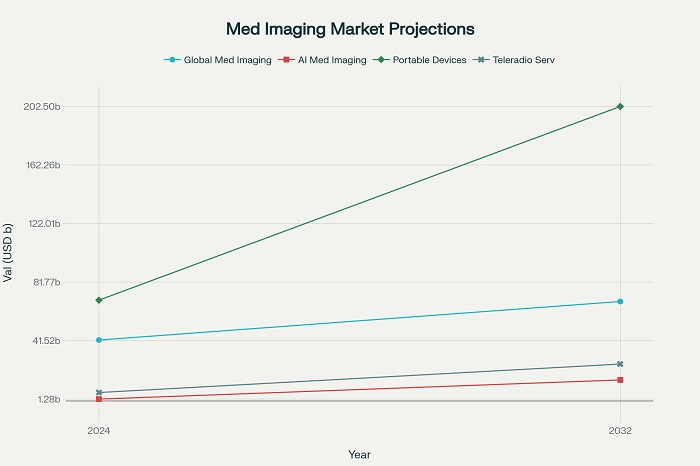
The global healthcare landscape is experiencing an unprecedented surge in the demand for medical imaging services, fundamentally reshaping how diagnostic medicine operates across all healthcare settings. This remarkable growth trajectory, with the global medical imaging market expanding from $41.9 billion in 2024 to a projected $68.4 billion by 2032, represents far more than simple statistical progressionโ€”it reflects profound changes in demographics, technology capabilities, and healthcare delivery models that will define the future of diagnostic medicine. The confluence of an aging global population, rapid technological innovation, and evolving patient expectations has created a perfect storm of factors driving this extraordinary expansion in imaging utilization across all medical specialties.ย 

Healthcare systems worldwide are grappling with the implications of this exponential growth, as imaging services evolve from specialized diagnostic tools to fundamental components of routine medical care. The transformation extends beyond traditional hospital-based radiology departments to encompass point-of-care testing, mobile imaging units, and sophisticated telemedicine platforms that bring advanced diagnostic capabilities directly to patients regardless of their geographic location. This paradigm shift demands comprehensive understanding of the key trends that will shape the future of medical imaging services over the next decade.ย 

Demographic Forces Driving Unprecedented Growthย 

The Silver Tsunami and Its Healthcare Implicationsย 

The most significant driver of increased demand for medical imaging services lies in the fundamental demographic transformation occurring across developed and developing nations alike. The global population aged 65 and above is projected to double from 1.1 billion in 2023 to 1.6 billion by 2050, creating what demographic experts term the “silver tsunami” effect on healthcare systems. This demographic shift carries profound implications for medical imaging utilization, as older adults consume healthcare services at rates far exceeding younger populations.ย 

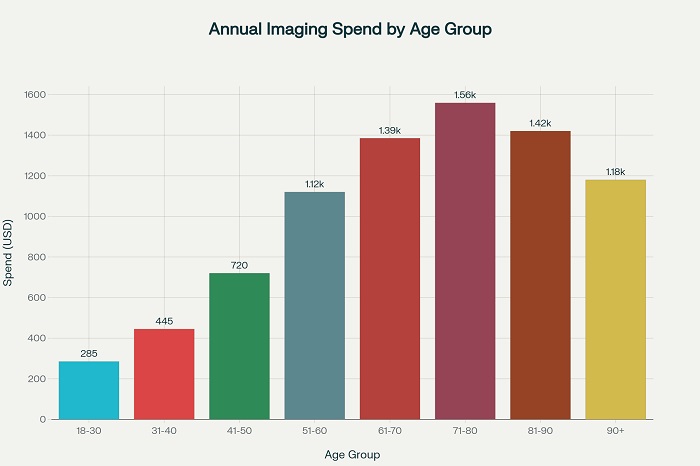
Research analyzing utilization patterns across the late life course reveals that annual imaging spending follows a distinctive inverted U-pattern, increasing steadily with age and peaking in the 71-80 age group at approximately $1,559 per person annually before declining in the later years. This peak coincides with the highest incidence of chronic diseases including cancer, cardiovascular conditions, and neurological disorders that require frequent imaging for diagnosis, staging, and treatment monitoring. The economic implications are staggeringโ€”demographic changes alone could drive healthcare imaging spending increases of 18-22% over the next decade, independent of technological advances or expanded clinical applications.ย 

annual imaging spend by age

Annual medical imaging spending by age group showing peak utilization in the 71-80 age demographicย 

The burden of chronic disease management amplifies this demographic impact significantly. Cancer incidence alone is projected to increase by 22% in Australia between 2021 and 2031, with an estimated 1.7 million new cases diagnosed during this period. Similar patterns emerge globally, with cardiovascular disease affecting approximately 500 million people worldwide and diabetes impacting more than 470 million individuals. Each of these conditions requires extensive imaging support throughout the patient journey, from initial screening and diagnosis through treatment monitoring and long-term surveillance.ย 

Gender-Specific Utilization Patterns and Clinical Implicationsย 

Analysis of imaging utilization patterns reveals significant gender-based differences that influence overall service demand projections. Among individuals aged 14-70 years, women consistently demonstrate higher imaging utilization rates, primarily driven by reproductive health needs, breast cancer screening, and higher healthcare utilization patterns overall. However, men show higher utilization rates for certain advanced imaging modalities, particularly CT and MRI examinations related to cardiovascular disease and trauma-related conditions.ย 

These gender-specific patterns have important implications for capacity planning and resource allocation within healthcare systems. Women’s higher utilization of mammography, pelvic ultrasound, and bone density testing creates predictable demand patterns that can be incorporated into strategic planning models. Conversely, men’s higher utilization of emergency and trauma-related imaging creates more variable demand patterns that require flexible capacity management approaches.ย 

Technological Innovation as a Transformation Catalystย 

Artificial Intelligence Revolution in Medical Imagingย 

The integration of artificial intelligence into medical imaging represents perhaps the most transformative technological development in diagnostic medicine since the invention of computed tomography. The AI in medical imaging market is experiencing explosive growth, expanding from $1.28 billion in 2024 to a projected $14.46 billion by 2032, representing a remarkable 27.1% compound annual growth rate. This extraordinary expansion reflects the technology’s proven ability to enhance diagnostic accuracy, reduce interpretation time, and improve workflow efficiency across all imaging modalities.ย 

med imaging growthย Market growth projections for key medical imaging segments from 2024 to 2032, showing explosive growth in AI and portable technologiesย 

Deep learning algorithms now achieve diagnostic accuracy rates exceeding 95% for specific pathologies, with some applications demonstrating performance superior to experienced radiologists. Google’s DeepMind platform can analyze 3D retinal OCT scans and diagnose 50 different ophthalmic conditions with 99% accuracy, while also ranking patients by urgency and recommending appropriate treatments. Similarly, AI-powered stroke detection algorithms demonstrate 98.7% sensitivity in identifying intracranial hemorrhages from CT scans, significantly reducing time-to-diagnosis in critical emergency situations.ย 

The clinical impact extends beyond simple diagnostic accuracy improvements. AI-enabled systems reduce radiologist workload by automating routine tasks, prioritizing urgent cases, and generating preliminary reports that streamline workflow processes. Studies indicate that AI integration can reduce critical result reporting times by 37% while improving overall departmental efficiency by 35-50%. This efficiency enhancement becomes particularly crucial as healthcare systems face growing imaging volumes coupled with persistent radiologist shortages.ย 

Portable and Point-of-Care Imaging Revolutionย 

The demand for portable and point-of-care imaging devices is experiencing unprecedented growth, with the portable X-ray devices market expanding from $7.7 billion in 2024 to a projected $18.6 billion by 2034. This remarkable 9.4% compound annual growth rate reflects fundamental changes in healthcare delivery models that prioritize accessibility, convenience, and immediate diagnostic capability over traditional centralized imaging approaches.ย 

Portable imaging technologies enable healthcare providers to bring sophisticated diagnostic capabilities directly to patients, eliminating transportation barriers and reducing time-to-diagnosis in critical clinical scenarios. Emergency departments, intensive care units, and rural healthcare facilities particularly benefit from these capabilities, as portable systems enable immediate imaging without the delays and risks associated with patient transport to centralized radiology departments.ย 

The technological advancement of portable systems now rivals traditional stationary equipment in many applications. Modern portable ultrasound devices provide image quality approaching that of high-end console systems while offering wireless connectivity, cloud storage integration, and AI-powered automated analysis capabilities. These advances make portable imaging increasingly viable for routine diagnostic applications rather than limiting use to emergency or specialized scenarios.ย 

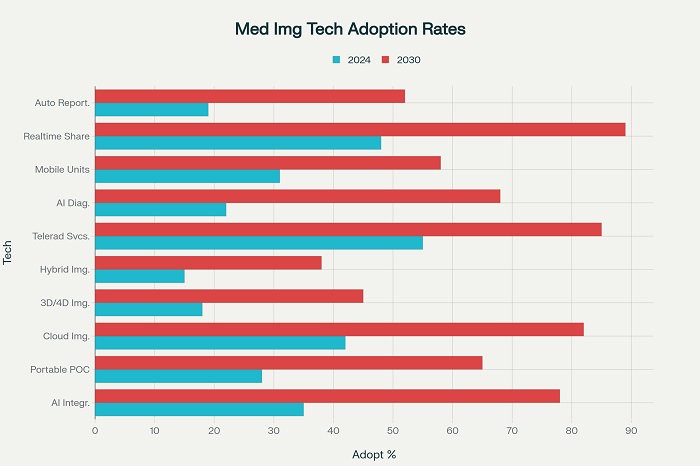
tech adoption barCurrent and projected adoption rates of key medical imaging technologies showing significant growth expected by 2030ย 

Cloud Computing and Digital Infrastructure Transformationย 

Cloud-based imaging solutions represent another major technological trend reshaping medical imaging services delivery. Current adoption rates of 42% are projected to reach 82% by 2030, driven by the need for remote access capabilities, collaborative diagnostic platforms, and cost-effective storage solutions.ย 

Technology Trends Medical Imagingย 

Technology Trendย  Adoption Rate 2024 (%)ย  Projected Adoption 2030 (%)ย  Impact on Efficiencyย  Primary Applicationsย  Investment
Levelย 
Artificial Intelligence Integrationย  35ย  78ย  High – 35-50% improvementย  Cancer detection, stroke diagnosisย  Very Highย 
Portable/Point-of-Care Imagingย  28ย  65ย  High – 40-60% faster diagnosisย  Emergency care, rural healthcareย  Highย 
Cloud-Based Imagingย  42ย  82ย  Medium – 25-35% workflow improvementย  Image storage, multi-site accessย  Mediumย 
3D and 4D Imagingย  18ย  45ย  High – 30-45% surgical planningย  Surgical planning, complex casesย  Highย 
Hybrid Imaging Modalitiesย  15ย  38ย  High – 15-25% diagnostic accuracyย  Oncology, cardiology, neurologyย  Very Highย 
Teleradiology Servicesย  55ย  85ย  Very High – 24/7 coverageย  After-hours coverage, rural accessย  Mediumย 
AI-Powered Diagnosticsย  22ย  68ย  Very High – 95%+ accuracy ratesย  Pathology, radiology, cardiologyย  Very Highย 
Mobile Imaging Unitsย  31ย  58ย  High – 50-70% accessibility increaseย  Rural outreach, disaster responseย  Mediumย 
Real-time Image Sharingย  48ย  89ย  Medium – 20-30% communication speedย  Multi-disciplinary consultationsย  Lowย 
Automated Reportingย  19ย  52ย  High – 60-80% report generation speedย  Standard reporting, quality metricsย  Mediumย 

ย Cloud infrastructure enables healthcare organizations to store, analyze, and share vast amounts of imaging data without the substantial capital investments required for on-premise infrastructure.ย 

The benefits extend beyond simple cost savings to encompass improved workflow efficiency and enhanced collaboration capabilities. Cloud platforms enable radiologists to access imaging studies from any location, facilitating 24/7 coverage models and subspecialty consultation arrangements that improve diagnostic quality while optimizing resource utilization. Real-time image sharing capabilities, currently adopted by 48% of organizations, are projected to reach 89% adoption by 2030, enabling seamless collaboration between referring physicians, radiologists, and subspecialty consultants.ย 

Healthcare Delivery Model Evolutionย 

Teleradiology and Remote Services Expansionย 

The teleradiology services market exemplifies the broader transformation of healthcare delivery models, with market values projected to expand from $5.8 billion in 2024 to $25.4 billion by 2032. This 10.1% compound annual growth rate reflects the technology’s proven ability to address radiologist shortages, provide 24/7 coverage, and extend subspecialty expertise to underserved geographic regions.ย 

Teleradiology adoption has accelerated dramatically, with current utilization rates of 55% projected to reach 85% by 2030. This growth is driven by multiple converging factors including persistent radiologist shortages, increasing after-hours imaging volumes, and the need for subspecialty interpretations in complex cases. Rural and community hospitals particularly benefit from teleradiology services, gaining access to radiologist expertise that would otherwise be unavailable or prohibitively expensive.ย 

The technology evolution within teleradiology continues to enhance service capabilities and clinical impact. Advanced features including AI-powered preliminary screening, automated critical result notification systems, and integrated reporting platforms improve both efficiency and quality of remote diagnostic services. Mobile teleradiology applications enable radiologists to review and report cases from smartphones and tablets, providing unprecedented flexibility in service delivery models.ย 

Decentralization and Outpatient Migrationย 

Healthcare delivery models are experiencing fundamental shifts toward decentralized, outpatient-focused approaches that influence imaging services demand patterns significantly. Independent Diagnostic Testing Facilities are experiencing rapid growth as patients and providers increasingly favor these facilities for their cost-effectiveness, accessibility, and specialized focus on imaging services. This trend reflects broader healthcare consumerization patterns where patients seek convenient, efficient, and cost-effective diagnostic options.ย 

The migration toward outpatient imaging settings is supported by technological advances that enable sophisticated diagnostic capabilities outside traditional hospital environments. Advanced CT scanners, MRI systems, and hybrid imaging platforms are increasingly deployed in outpatient settings, providing hospital-equivalent diagnostic capabilities with improved patient convenience and reduced costs.ย 

Outpatient imaging facilities also demonstrate greater flexibility in adopting new technologies and innovative service delivery models. These facilities often lead in implementing AI-powered diagnostic tools, patient engagement technologies, and efficiency optimization systems that enhance the overall patient experience while improving diagnostic quality.ย 

Specialized Applications Driving Market Expansionย 

Oncology and Precision Medicine Integrationย 

The growing emphasis on precision medicine and personalized cancer care is creating unprecedented demand for advanced imaging services. PET imaging services are experiencing the highest growth rates among all modalities, with a projected 23% compound annual growth rate driven primarily by expanding oncology applications and precision medicine initiatives. Advanced imaging modalities including PET/CT, PET/MRI, and molecular imaging provide essential information for treatment selection, response monitoring, and long-term surveillance in cancer patients.ย 

The integration of imaging with genomic medicine and targeted therapy approaches requires more frequent and sophisticated imaging studies throughout the cancer care continuum. Theranostic applications, which combine diagnostic imaging with targeted therapy delivery, represent emerging frontiers that will further expand imaging utilization in oncology settings. These approaches require multiple imaging studies to select appropriate patients, monitor treatment delivery, and assess therapeutic response.ย 

Cardiovascular and Neurological Applicationsย 

Cardiovascular imaging represents another major growth area, driven by the increasing prevalence of cardiovascular disease and the expansion of preventive screening programs. Advanced cardiac imaging modalities including cardiac MRI, CT angiography, and nuclear cardiology techniques provide detailed assessment of cardiac structure and function that guide both medical and interventional treatment decisions.ย 

Neurological imaging applications are expanding rapidly as well, particularly in response to the growing prevalence of neurodegenerative diseases including Alzheimer’s disease, Parkinson’s disease, and other conditions associated with aging populations. Advanced neuroimaging techniques provide essential information for early diagnosis, treatment selection, and disease monitoring in these complex conditions.ย 

Regional Variations and Global Market Dynamicsย 

The demand for medical imaging services exhibits significant regional variations that reflect differences in healthcare infrastructure, economic development, and demographic patterns. North America currently dominates global market share at 36.4%, supported by advanced healthcare infrastructure, favorable reimbursement policies, and high technology adoption rates.ย 

Regional Medical Imaging Analysisย 

Regionย  Market Share 2024 in %ย  Growth Rate CAGR in %ย  Key Growth Driversย  Leading Imaging Modalitiesย 
North Americaย  36.4ย  5.8ย  Advanced healthcare infrastructureย  MRI, PET/CT, Advanced CTย 
Europeย  28.7ย  6.2ย  Aging population, healthcare investmentย  MRI, CT, Ultrasoundย 
Asia-Pacificย  24.8ย  8.9ย  Economic growth, healthcare expansionย  CT, X-ray, Ultrasoundย 
Latin Americaย  5.9ย  7.4ย  Healthcare modernizationย  X-ray, Ultrasound, CTย 
Middle East & Africaย  4.2ย  9.1ย  Infrastructure developmentย  X-ray, Ultrasound, Basic CTย 
United Statesย  28.1ย  5.5ย  Technology adoption, reimbursementย  PET/CT, MRI, Advanced imagingย 
Chinaย  8.9ย  9.8ย  Healthcare digitization, AI adoptionย  CT, AI-powered imaging, Digital X-rayย 
Indiaย  4.3ย  12.5ย  Rural healthcare access, cost-effectivenessย  Ultrasound, Digital X-ray, CTย 
Japanย  3.8ย  4.9ย  Super-aging society, technologyย  MRI, CT, PET imagingย 
Germanyย  5.2ย  5.7ย  Healthcare digitization, precision medicineย  MRI, CT, Nuclear imagingย 

ย 

However, the Asia-Pacific region demonstrates the highest growth rates at 8.9% compound annual growth rate, driven by economic development, healthcare system expansion, and increasing healthcare accessibility.ย 

India exemplifies the high-growth potential in emerging markets, with the diagnostic imaging market projected to grow at 12-15% annually and reach $7 billion by 2033. This growth is driven by expanding healthcare access, increasing awareness of preventive care, and government initiatives to improve healthcare infrastructure in rural and underserved areas.ย 

China represents another major growth market, with healthcare digitization initiatives and AI adoption driving rapid expansion in advanced imaging applications. The integration of AI technologies into clinical practice is occurring at unprecedented rates, with major hospitals implementing AI-powered diagnostic systems that enhance both accuracy and efficiency of imaging interpretations.ย 

Future Implications and Strategic Considerationsย 

The explosive growth in demand for medical imaging services creates both opportunities and challenges for healthcare systems worldwide. Capacity planning becomes increasingly complex as traditional volume projection models prove inadequate for capturing the impact of demographic shifts, technological innovations, and delivery model transformations. Healthcare organizations must develop sophisticated demand forecasting capabilities that incorporate multiple growth drivers and their interactive effects.ย 

Workforce development represents another critical consideration, as the growth in imaging demand substantially exceeds the growth in radiologist and technologist supply. The integration of AI and automation technologies provides partial solutions by enhancing productivity and enabling more efficient utilization of human expertise. However, comprehensive workforce strategies must address both quantity and quality considerations to ensure that increased imaging utilization translates into improved patient outcomes.ย 

Investment prioritization becomes increasingly challenging as healthcare organizations must balance competing demands for capital resources across multiple high-growth technology areas. Strategic planning frameworks must incorporate comprehensive assessments of technology impacts, patient outcomes, and economic returns to guide optimal resource allocation decisions.ย 

The transformation of medical imaging from a specialized diagnostic service to a fundamental component of routine healthcare delivery represents one of the most significant developments in modern medicine. Understanding and responding appropriately to the key trends driving this growth will determine the success of healthcare organizations in meeting the evolving needs of their patient populations while maintaining operational sustainability and clinical excellence.ย 

AI & Predictive Analytics Powering Hospital-at-Home Care

demand for medical imaging services

Remote Patient Care Beyond the Hospital: Leveraging AI and Predictive Analytics for Hospital-at-Home Programsย 

The healthcare industry is experiencing a fundamental transformation as traditional hospital-centered care models evolve toward decentralized, technology-enabled approaches that bring advanced medical services directly to patients’ homes. This shift represents more than simple convenienceโ€”it embodies a strategic response to rising healthcare costs, capacity constraints, and growing patient preferences for personalized care delivery in familiar environments. The global hospital-at-home market, valued at $8.1 billion in 2024 and projected to reach $26.8 billion by 2032, reflects the widespread recognition that remote patient care can deliver superior outcomes while reducing costs and improving patient satisfaction.ย 

Hospital At Home Market Dataย 

Market Aspectย  Current Valueย  Key Driversย  Geographic Leadersย 
Global Market Size 2024ย  $8.1 billionย  Aging population, chronic diseasesย  North America 45%ย 
Projected Market Size 2032ย  $26.8 billionย  Technology advancement, cost pressureย  Asia-Pacific growth focusย 
Market Growth Rate CAGRย  15.20%ย  Healthcare digitizationย  Global expansionย 
Patient Satisfaction Rateย  85-92%ย  Patient preference, convenienceย  Developed countriesย 
Hospital Readmission Reductionย  25-40%ย  Better care coordination, monitoringย  US Medicare advantageย 
Cost Savings vs Traditionalย  20-40%ย  Reduced facility overheadย  Europe leading modelsย 
Length of Stay Reductionย  2-4 days averageย  Home environment benefitsย  All regionsย 
Provider Adoption Rateย  35-45%ย  Reimbursement changesย  Urban areas firstย 
Technology Investment Requiredย  $2-5M initial setupย  AI/IoT infrastructure needsย  Technology-advanced regionsย 
ROI Timelineย  18-24 monthsย  Operational efficiency gainsย  Mature healthcare systemsย 

Artificial intelligence and predictive analytics serve as the technological foundation enabling this transformation, providing the monitoring capabilities, clinical decision support, and risk prediction necessary to deliver hospital-quality care in home settings.ย 

Remote patient care programs leverage sophisticated AI algorithms and Internet of Medical Things devices to create continuous monitoring environments that often exceed the surveillance capabilities available in traditional hospital settings. These systems can track multiple physiological parameters simultaneously, analyze patterns that might indicate developing complications, and alert healthcare providers to concerning changes before they become critical. The integration of predictive analytics enables proactive interventions that prevent hospitalizations rather than simply responding to acute episodes, fundamentally changing the care delivery paradigm from reactive to preventive medicine approaches.ย 

Technological Infrastructure Enabling Home-Based Careย 

Comprehensive Patient Monitoring Through Connected Devicesย 

Modern remote patient care systems utilize an extensive array of connected devices and sensors that create comprehensive monitoring environments tailored to individual patient needs and clinical conditions. Wearable devices including smartwatches, fitness trackers, and specialized medical sensors provide continuous collection of vital signs, activity levels, sleep patterns, and medication adherence data. These devices transmit real-time information to healthcare providers through secure cloud platforms that enable immediate analysis and response to concerning trends or acute changes in patient status.ย 

Advanced sensor technologies extend beyond simple vital sign monitoring to encompass sophisticated environmental and behavioral tracking capabilities. Smart home sensors can monitor patient mobility patterns, detect falls or unusual activity, and assess medication compliance through intelligent pill dispensers and monitoring systems. Motion sensors and ambient monitoring devices provide insights into daily living activities, sleep quality, and behavioral changes that might indicate developing health issues or medication side effects. This comprehensive monitoring approach creates a detailed picture of patient health and functioning that often provides more complete information than periodic hospital visits or clinic appointments.ย 

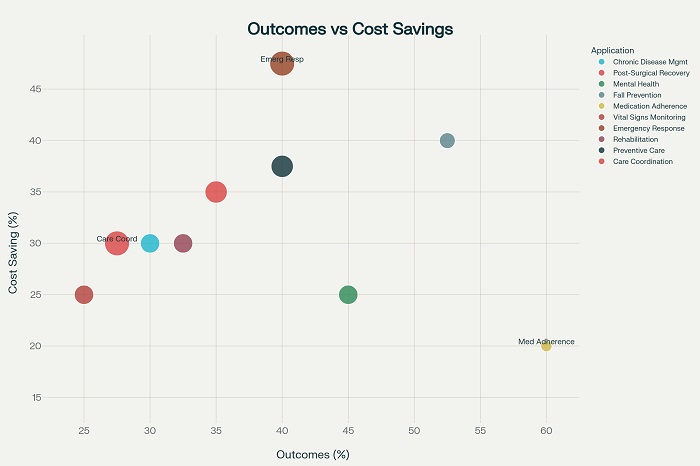
Outcome Vs cost

Relationship between patient outcomes improvement and cost savings across different AI-powered remote patient care applicationsย 

The integration of artificial intelligence with these monitoring systems enables the transformation of raw data streams into clinically actionable insights. Machine learning algorithms analyze patterns across multiple data sources to identify subtle changes that might indicate disease progression, medication issues, or developing complications. These systems can establish personalized baselines for individual patients and detect deviations that warrant clinical attention, providing early warning capabilities that enable proactive interventions before serious complications develop. The predictive capabilities of these systems continue to improve as they accumulate more patient data and refine their analytical models.ย 

Predictive Analytics for Risk Assessment and Interventionย 

Predictive analytics represents the most transformative component of modern remote patient care systems, enabling healthcare providers to identify high-risk patients and intervene before serious complications occur. Advanced algorithms analyze multiple data streams including physiological measurements, patient-reported outcomes, medication adherence patterns, and behavioral indicators to generate risk scores that predict the likelihood of hospitalization, falls, medication-related adverse events, or disease exacerbation. These predictive models enable healthcare teams to allocate resources efficiently while providing intensive monitoring and support to patients at highest risk for adverse outcomes.ย 

The effectiveness of predictive analytics in remote patient care has been demonstrated across multiple clinical scenarios and patient populations. Seha Virtual Hospital in Saudi Arabia utilizes predictive modeling to manage patients with chronic obstructive pulmonary disease, detecting early warning signs of exacerbations before symptoms become severe enough to require hospitalization. Similar systems have proven effective in managing heart failure patients, where subtle changes in weight, activity levels, and vital signs can predict cardiac decompensation days or weeks before traditional clinical symptoms become apparent.ย 

The continuous refinement of predictive models through machine learning techniques ensures that risk assessment capabilities improve over time as systems accumulate more patient data and clinical outcomes information. These self-improving systems can identify previously unrecognized patterns and risk factors while adapting to individual patient characteristics and disease progression patterns. The result is increasingly sophisticated risk stratification that enables personalized care planning and resource allocation based on individual patient needs and risk profiles.ย 

Clinical Applications and Disease-Specific Programsย 

Chronic Disease Management and Longitudinal Careย 

Chronic disease management represents the most established and successful application of AI-powered remote patient care, with programs demonstrating 25-35% reductions in hospitalizations while improving patient quality of life and treatment adherence.ย 

Remote Patient Care Applicationsย 

Application Areaย  AI Technology Usedย  Patient Outcomes Improvementย  Cost Savings (%)ย  Implementation Complexityย 
Chronic Disease Managementย  Predictive algorithms, IoT sensorsย  25-35% reduction in hospitalizationsย  20-30%ย  Mediumย 
Post-Surgical Recoveryย  Wound assessment AI, activity monitoringย  30-40% faster recovery timesย  25-35%ย  Medium-Highย 
Mental Health Monitoringย  NLP sentiment analysis, behavior trackingย  40-50% better treatment adherenceย  15-25%ย  Mediumย 
Elderly Fall Preventionย  Motion sensors, predictive modelingย  45-60% fall reductionย  30-40%ย  Low-Mediumย 
Medication Adherenceย  Smart dispensers, reminder systemsย  50-70% improved complianceย  10-20%ย  Lowย 
Vital Signs Monitoringย  Wearable integration, anomaly detectionย  20-30% early intervention rateย  15-25%ย  Mediumย 
Emergency Responseย  Risk scoring, automated alertsย  35-45% faster response timesย  35-50%ย  Highย 
Rehabilitation Trackingย  Movement analysis, progress trackingย  25-40% better outcomesย  20-30%ย  Mediumย 
Preventive Careย  Health risk prediction, screeningย  30-50% early detectionย  25-40%ย  Medium-Highย 
Care Coordinationย  Data integration, workflow optimizationย  20-35% care efficiency gainย  20-30%ย  Highย 

These programs utilize continuous monitoring to track disease-specific parameters such as blood glucose levels in diabetes, blood pressure in hypertension, and symptom patterns in chronic obstructive pulmonary disease. AI algorithms analyze these parameters in conjunction with medication adherence data, activity levels, and patient-reported symptoms to provide comprehensive disease management support that adapts to individual patient needs and preferences.ย 

The longitudinal nature of chronic disease management enables AI systems to develop sophisticated understanding of individual patient patterns and responses to different interventions. Machine learning algorithms can identify which medications, lifestyle modifications, and monitoring strategies prove most effective for specific patients, enabling truly personalized care plans that optimize outcomes while minimizing treatment burden. This personalized approach proves particularly valuable in managing complex patients with multiple chronic conditions where traditional one-size-fits-all approaches often prove inadequate.ย 

Remote patient care programs for chronic disease management also excel in providing education and self-management support that empowers patients to take active roles in their care. AI-powered chatbots and virtual assistants can provide 24/7 support for medication questions, symptom management, and lifestyle guidance while escalating complex issues to human healthcare providers when necessary. This combination of continuous monitoring and educational support creates comprehensive care environments that often exceed the capabilities available through traditional clinic-based care models.ย 

Post-Acute Care and Surgical Recoveryย 

Post-acute care represents another high-impact application area where AI-enabled remote patient care demonstrates significant advantages over traditional approaches. Surgical recovery monitoring utilizes AI-powered wound assessment tools, activity tracking systems, and pain management protocols to accelerate healing while reducing complications and readmissions. Advanced imaging algorithms can analyze wound photographs to assess healing progress, identify signs of infection, and guide treatment modifications without requiring in-person clinical visits. These systems prove particularly valuable for patients recovering from orthopedic procedures, cardiac surgery, and other complex interventions where close monitoring is essential but hospitalization is not required.ย 

The predictive capabilities of AI systems prove especially valuable in post-surgical settings where early identification of complications can prevent serious adverse outcomes. Machine learning algorithms can analyze patterns in vital signs, activity levels, pain scores, and wound characteristics to identify patients at risk for surgical site infections, thromboembolic complications, or other post-operative problems. Early identification enables prompt interventions that often prevent complications from progressing to severity levels requiring hospitalization or emergency department visits.ย 

Activity monitoring through wearable devices and smartphone applications provides objective assessment of functional recovery that often provides more accurate information than patient self-reports or periodic clinical evaluations. AI analysis of movement patterns, exercise compliance, and functional capacity changes enables healthcare providers to adjust rehabilitation protocols and identify patients who might benefit from additional physical therapy or other interventions. This objective monitoring approach ensures that patients receive appropriate support throughout their recovery process while identifying those who are progressing well enough to transition to less intensive monitoring levels.ย 

Implementation Strategies and Operational Considerationsย 

Patient Selection and Program Eligibilityย 

Successful implementation of AI-powered remote patient care programs requires sophisticated patient selection processes that identify individuals most likely to benefit from home-based care while ensuring safety and optimal outcomes. Machine learning algorithms can analyze multiple factors including clinical complexity, social support systems, technology proficiency, and home environment characteristics to predict successful program participation. These predictive models help healthcare providers identify patients who are appropriate candidates for remote care while ensuring that those with higher risk profiles receive more intensive monitoring or alternative care arrangements.ย 

The development of objective eligibility criteria reduces the labor-intensive manual chart reviews traditionally required for patient selection while improving consistency and reducing selection bias. AI-powered screening tools can rapidly analyze electronic health records, clinical data, and patient-reported information to generate eligibility scores that guide clinical decision-making. These tools prove particularly valuable in large healthcare systems where manual screening would be prohibitively time-consuming and resource-intensive.ย 

Geographic and logistic considerations play crucial roles in patient selection for remote care programs, with AI systems capable of incorporating factors such as distance from healthcare facilities, availability of emergency services, and local healthcare infrastructure into eligibility assessments. These comprehensive evaluation approaches ensure that remote care programs are implemented safely while maximizing their potential benefits for appropriate patient populations.ย 

Technology Integration and Workflow Optimizationย 

Effective implementation of AI-enabled remote patient care requires seamless integration with existing healthcare information systems and clinical workflows to ensure efficient data sharing and care coordination. Cloud-based platforms provide the computational power and connectivity necessary for real-time data processing while enabling scalable deployment across multiple patient populations and clinical programs. These platforms must maintain strict compliance with healthcare privacy regulations while providing healthcare providers with timely access to patient data and analytical insights.ย 

The integration of remote monitoring data with electronic health records ensures that all members of the healthcare team have access to comprehensive patient information that supports informed clinical decision-making. AI-powered data abstraction tools can identify the most clinically relevant information from continuous monitoring streams and present it in formats that support efficient clinical review and decision-making. This integration reduces the administrative burden on healthcare providers while ensuring that remote monitoring data enhances rather than complicates clinical workflows.ย 

Interoperability between different monitoring devices, software platforms, and healthcare systems represents a critical technical challenge that must be addressed to ensure program success. Standardized data formats and communication protocols enable different system components to work together effectively while providing patients with flexibility in device selection and healthcare providers with comprehensive monitoring capabilities. Investment in robust technical infrastructure and ongoing system maintenance ensures that remote care programs can adapt to evolving technology requirements and clinical needs.ย 

Economic Impact and Value-Based Care Alignmentย 

The economic benefits of AI-enabled remote patient care extend far beyond simple cost reduction to encompass fundamental improvements in care efficiency and resource utilization that align with value-based care principles. Hospital-at-home programs demonstrate cost savings of 20-40% compared to traditional inpatient care while achieving equivalent or superior clinical outcomes. These savings result from reduced facility overhead, more efficient resource utilization, and prevention of costly complications through early intervention and continuous monitoring.ย 

The alignment with value-based care models makes remote patient care particularly attractive to healthcare payers and providers who are increasingly focused on outcomes rather than service volume. AI-powered programs demonstrate measurable improvements in patient satisfaction, clinical outcomes, and cost efficiency that directly support value-based care objectives. The continuous monitoring and predictive capabilities of these systems enable proactive care management that prevents expensive acute care episodes while maintaining or improving patient quality of life.ย 

The scalability of AI-enabled remote care programs provides additional economic advantages as healthcare systems can serve larger patient populations without proportional increases in clinical staff or infrastructure investments. The technology infrastructure required for remote care programs represents a one-time investment that can support multiple clinical programs and patient populations while generating ongoing returns through improved efficiency and outcomes. This scalability makes remote care programs increasingly attractive as healthcare systems seek sustainable approaches to managing growing patient populations and clinical complexity.ย 

The transformation of healthcare delivery through AI-enabled remote patient care represents a fundamental shift toward personalized, proactive medicine that promises to improve outcomes while reducing costs and enhancing patient satisfaction. Success requires thoughtful implementation strategies that address technical, clinical, and operational challenges while ensuring that technology serves to enhance rather than replace human clinical expertise. As healthcare systems worldwide seek sustainable approaches to managing increasing demand and complexity, remote patient care powered by artificial intelligence and predictive analytics offers a pathway toward more efficient, effective, and patient-centered care delivery models.ย 

Translate ยป