




Close
Digital Health & Ai Innovation summit 2026
LiGHT26

Leading Digital Change in Hospitals: Executive Strategies

leading digital change hospital executives

Leading Digital Change: A Hospital Executive’s Guide to Successful Technology Transformation

The imperative for digital transformation in healthcare has evolved from an optional strategic initiative to an existential necessity for hospital survival and success in an increasingly competitive and technology-driven healthcare landscape. Leading digital change hospital executives face unprecedented challenges as they navigate complex organizational transformations that touch every aspect of healthcare delivery, from clinical workflows and patient engagement to operational efficiency and financial performance. The scope and scale of digital transformation in healthcare extends far beyond implementing new technologies to encompass fundamental changes in organizational culture, professional practices, and patient care models that require sophisticated leadership approaches and change management strategies.

Hospital executives today must orchestrate digital transformations while maintaining operational continuity, ensuring patient safety, complying with regulatory requirements, and managing financial constraints that limit their ability to invest in comprehensive technology upgrades. The complexity of these challenges is compounded by the reality that healthcare organizations typically include diverse stakeholder groups with varying levels of technology comfort, different professional priorities, and sometimes conflicting perspectives on the value and risks associated with digital innovation.

The stakes for successful digital transformation have never been higher, as healthcare organizations that fail to adapt risk losing competitive positioning, experiencing operational inefficiencies, and struggling to meet evolving patient expectations for convenient, accessible, and personalized care experiences. Conversely, organizations that successfully navigate digital transformation often achieve significant advantages including improved clinical outcomes, enhanced operational efficiency, increased patient satisfaction, and stronger financial performance that positions them for long-term success in the evolving healthcare marketplace.

Understanding the Digital Transformation Landscape

Digital transformation in healthcare encompasses a comprehensive reimagining of how healthcare organizations deliver care, engage with patients, manage operations, and create value for stakeholders through the strategic integration of digital technologies and data-driven approaches. This transformation extends far beyond simple technology adoption to include fundamental changes in organizational structure, clinical workflows, patient engagement models, and business processes that leverage digital capabilities to achieve strategic objectives.

The current healthcare digital transformation landscape reflects rapid acceleration driven by factors including the COVID-19 pandemic, evolving patient expectations, regulatory changes, competitive pressures, and advancing technology capabilities that create both opportunities and challenges for hospital executives. Organizations across the healthcare spectrum are investing heavily in digital initiatives including Electronic Health Record optimization, telemedicine platforms, artificial intelligence applications, and patient engagement tools while grappling with integration challenges, workflow disruptions, and change management complexities.

Leading digital change hospital executives must recognize that successful transformation requires holistic approaches that address technology infrastructure, organizational culture, clinical practices, and operational processes simultaneously while maintaining focus on patient care quality and safety. The interconnected nature of healthcare operations means that digital changes in one area often create ripple effects throughout the organization, requiring comprehensive planning and coordination to ensure that transformation initiatives enhance rather than complicate overall organizational performance.

The pace of digital change in healthcare continues accelerating as new technologies emerge, patient expectations evolve, and competitive pressures intensify. Hospital executives must develop strategic frameworks that enable their organizations to adapt continuously to changing conditions while building capabilities that support sustained innovation and improvement over time.

Strategic Vision and Leadership Framework
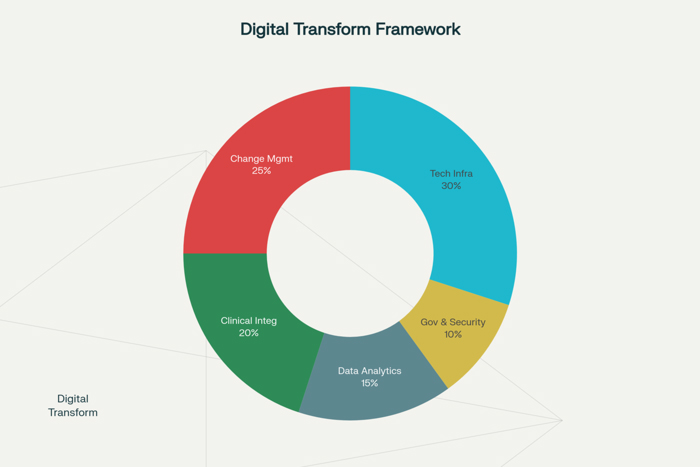
Digital Transformation Framework for Healthcare Organizations

Effective digital transformation begins with clear strategic vision that articulates the desired future state of the organization while providing direction and motivation for change initiatives. Leading digital change hospital executives must develop comprehensive visions that address clinical care improvements, operational efficiency gains, patient experience enhancements, and competitive positioning while ensuring alignment with organizational mission, values, and strategic objectives.

The development of strategic vision for digital transformation requires deep understanding of current organizational capabilities, market conditions, competitive landscape, and stakeholder needs that influence the direction and priorities for change initiatives. This vision should address both immediate improvement opportunities and long-term transformation goals while providing flexibility for adapting to changing conditions and emerging opportunities.

Leadership framework development becomes essential for hospital executives seeking to guide digital transformation effectively because successful change requires coordinated action across multiple organizational levels and functional areas. These frameworks should establish clear governance structures, decision-making processes, communication protocols, and accountability mechanisms that ensure transformation initiatives receive appropriate leadership support and oversight.

Executive sponsorship and commitment represent critical success factors for digital transformation because organizational change efforts require sustained leadership support to overcome resistance, allocate resources, and maintain momentum through inevitable challenges and setbacks. Hospital executives must demonstrate visible commitment to digital transformation while providing the resources, authority, and political support necessary for successful implementation.

Change leadership competencies for digital transformation differ from traditional management skills because leading digital change requires abilities to navigate ambiguity, manage complexity, facilitate collaboration, and inspire innovation while maintaining operational stability and clinical quality. Hospital executives must develop or acquire these competencies while building leadership teams that can support transformation initiatives effectively.

Stakeholder Engagement and Change Management

Successful digital transformation in healthcare requires comprehensive stakeholder engagement strategies that address the diverse needs, concerns, and perspectives of clinical staff, administrative personnel, patients, and external partners who will be affected by change initiatives. Leading digital change hospital executives must develop sophisticated approaches to stakeholder communication, involvement, and support that build consensus and commitment while addressing resistance and concerns proactively.

Clinical staff engagement represents one of the most critical aspects of healthcare digital transformation because physicians, nurses, and other clinical professionals ultimately determine whether new technologies and processes are adopted effectively in patient care settings. These professionals bring deep expertise in clinical workflows, patient safety requirements, and care quality standards that must inform digital transformation planning while their buy-in and participation are essential for successful implementation.

The challenge of managing clinical resistance to digital change requires understanding the underlying concerns that drive opposition including fears about patient safety, workflow disruption, increased workload, and loss of professional autonomy. Hospital executives must address these concerns through transparent communication, meaningful involvement in planning processes, comprehensive training programs, and demonstration of tangible benefits that align with clinical values and priorities.

Administrative stakeholder engagement involves coordinating with department leaders, middle managers, and support staff who play crucial roles in implementing and sustaining digital transformation initiatives. These stakeholders often serve as change champions or barriers depending on how well transformation initiatives are communicated, planned, and supported throughout the organization.

Patient and family involvement in digital transformation planning helps ensure that technology changes enhance rather than complicate patient experiences while addressing concerns about privacy, accessibility, and care quality that could impact patient satisfaction and engagement. Patient feedback and involvement can provide valuable insights for optimizing digital solutions while building support for changes that may affect how patients interact with healthcare services.

Technology Architecture and Integration Strategy

Digital transformation success depends heavily on robust technology architecture that can support current operational needs while providing scalability and flexibility for future growth and innovation. Leading digital change hospital executives must develop comprehensive technology strategies that address infrastructure requirements, integration challenges, security considerations, and performance expectations while ensuring that technology investments align with strategic objectives and deliver measurable value.

Enterprise architecture planning becomes essential for healthcare organizations undertaking digital transformation because the complexity of healthcare technology environments requires systematic approaches to integration, interoperability, and data management. These architectures should address Electronic Health Record systems, clinical applications, administrative platforms, and emerging technologies while ensuring seamless data flow and consistent user experiences across all systems.

Integration challenges in healthcare technology environments often prove more complex than in other industries because healthcare organizations typically operate legacy systems that were not designed for extensive integration while maintaining strict requirements for patient safety, data security, and regulatory compliance. Successful integration strategies must address these challenges while minimizing disruption to clinical workflows and patient care activities.

Cloud computing strategies enable healthcare organizations to achieve greater flexibility, scalability, and cost-effectiveness in their technology infrastructures while supporting digital transformation initiatives. However, cloud adoption in healthcare requires careful consideration of data security, regulatory compliance, performance requirements, and integration needs that may differ from cloud implementations in other industries.

Cybersecurity considerations become increasingly important as digital transformation expands the attack surface and creates new vulnerabilities that could compromise patient data or disrupt clinical operations. Hospital executives must ensure that cybersecurity measures keep pace with digital transformation initiatives while balancing security requirements with operational efficiency and user accessibility needs.

Implementation Planning and Project Management

Successful digital transformation requires sophisticated project management approaches that can coordinate multiple simultaneous initiatives while managing interdependencies, resource constraints, and timeline pressures that characterize complex organizational change efforts. Leading digital change hospital executives must establish project management frameworks that ensure transformation initiatives are delivered on time, within budget, and with expected benefits while minimizing disruption to ongoing operations.

Phased implementation strategies enable healthcare organizations to manage the complexity and risk associated with large-scale digital transformation by breaking comprehensive changes into manageable segments that can be implemented, tested, and optimized before proceeding to subsequent phases. These strategies should prioritize high-impact, low-risk initiatives early in the transformation process to build momentum and demonstrate value while gradually tackling more complex and disruptive changes.

Resource allocation and capacity management become critical considerations for digital transformation because healthcare organizations must balance transformation investments with ongoing operational requirements while ensuring that staff members have the time, training, and support necessary to adapt to new technologies and processes. Effective resource management requires careful planning and coordination to avoid overwhelming staff or compromising patient care during transition periods.

Risk management for digital transformation initiatives must address both technical risks related to technology implementation and organizational risks related to change management, workflow disruption, and staff resistance. Comprehensive risk management plans should identify potential issues, establish mitigation strategies, and create contingency plans that enable organizations to respond effectively to challenges and setbacks.

Quality assurance processes for digital transformation ensure that new technologies and processes meet performance, safety, and compliance requirements before being deployed in clinical environments. These processes should include testing protocols, validation procedures, and acceptance criteria that verify technology functionality while ensuring that changes enhance rather than compromise care quality and patient safety.

Cultural Transformation and Organizational Development

Digital transformation in healthcare requires fundamental cultural changes that support innovation, collaboration, and continuous learning while maintaining the patient-centered values and safety focus that define healthcare organizations. Leading digital change hospital executives must actively cultivate organizational cultures that embrace technology adoption, encourage experimentation, and reward continuous improvement while preserving the professional traditions and ethical commitments that define healthcare practice.

Innovation culture development involves creating organizational environments where staff members feel empowered to suggest improvements, experiment with new approaches, and learn from both successes and failures without fear of punishment or retribution. These cultures encourage creative problem-solving and continuous improvement while maintaining appropriate controls and oversight to ensure patient safety and quality care.

Learning organization principles become particularly relevant for healthcare digital transformation because the pace of technological change requires continuous skill development and knowledge updating among staff members at all organizational levels. Organizations must establish learning and development programs that keep pace with technology evolution while providing practical training that enables staff to utilize new capabilities effectively.

Collaboration enhancement through digital transformation involves leveraging technology to improve communication, coordination, and teamwork among healthcare professionals while breaking down silos that can impede effective care delivery. Digital collaboration tools should enhance rather than complicate interprofessional communication while providing the documentation and coordination capabilities necessary for complex patient care.

Performance measurement and feedback systems enable organizations to track progress toward cultural transformation goals while identifying areas requiring additional attention or support. These systems should measure both quantitative indicators such as technology adoption rates and qualitative factors such as staff satisfaction, engagement levels, and perceived organizational support for innovation and change.

Financial Management and Return on Investment

Digital transformation initiatives require substantial financial investments that must be justified through demonstrable returns in improved efficiency, enhanced quality, reduced costs, or increased revenue. Leading digital change hospital executives must develop sophisticated approaches to financial planning, budgeting, and return on investment analysis that ensure transformation investments deliver expected value while maintaining fiscal responsibility and organizational sustainability.

Business case development for digital transformation requires comprehensive analysis of costs, benefits, risks, and alternatives that provide stakeholders with clear understanding of the financial implications and expected returns from technology investments. These business cases should address both direct financial impacts and indirect benefits such as improved patient satisfaction, enhanced staff productivity, and competitive positioning that contribute to long-term organizational success.

Cost-benefit analysis for healthcare digital transformation presents unique challenges because many benefits such as improved patient outcomes, enhanced safety, and better care coordination are difficult to quantify in financial terms while implementation costs are often more easily measured and immediate. Effective analysis approaches must capture both tangible and intangible benefits while providing realistic assessments of implementation costs and timelines.

Return on investment measurement for digital transformation requires sophisticated metrics and analysis frameworks that track both short-term efficiency gains and long-term strategic benefits while accounting for the extended timeframes often required for healthcare technology implementations to achieve full value. These measurements should include clinical outcome improvements, operational efficiency gains, and financial performance enhancements that justify continued investment in digital initiatives.

Ongoing financial monitoring and optimization ensure that digital transformation investments continue delivering expected value while identifying opportunities for additional improvements or cost reductions. This monitoring should include regular performance reviews, cost analysis updates, and benefit realization assessments that guide continued investment decisions and optimization efforts.

Sustaining Change and Continuous Improvement

The long-term success of digital transformation depends on organizations’ ability to sustain changes, adapt to evolving conditions, and continue improving their digital capabilities over time. Leading digital change hospital executives must establish governance structures, processes, and cultural norms that support continuous innovation and improvement while maintaining the gains achieved through initial transformation efforts.

Change sustainability requires embedding new technologies, processes, and behaviors into organizational culture and operations so deeply that they become standard practice rather than temporary modifications. This sustainability involves updating policies and procedures, modifying training programs, adjusting performance metrics, and aligning incentive systems to support and reinforce desired changes.

Continuous improvement frameworks enable healthcare organizations to build upon initial digital transformation successes while adapting to changing technology capabilities, patient needs, and market conditions. These frameworks should include regular assessment processes, improvement identification mechanisms, and implementation procedures that ensure organizations continue evolving and advancing their digital capabilities.

Innovation pipeline development helps healthcare organizations maintain momentum for digital transformation by identifying emerging technologies, evaluating potential applications, and planning future implementation initiatives. This pipeline should balance proven technologies with experimental approaches while ensuring that innovation efforts align with strategic objectives and operational capabilities.

Knowledge management and organizational learning systems capture insights, lessons learned, and best practices from digital transformation initiatives while making this knowledge available to support future improvement efforts. These systems should document both successes and failures while providing practical guidance for ongoing digital transformation activities.

The journey of leading digital change hospital executives requires sustained commitment to comprehensive transformation that addresses technology, processes, culture, and leadership while maintaining focus on improved patient outcomes and organizational effectiveness. Success in this endeavor demands sophisticated understanding of change management principles, technology capabilities, healthcare operations, and leadership practices that enable organizations to navigate complex transformations while achieving their strategic objectives and serving their communities effectively.
Hospital-at-Home Programs with Remote Monitoring

hospital home programs remote monitoring

Hospital-at-Home Programs: Implementing Remote Monitoring for Acute Care

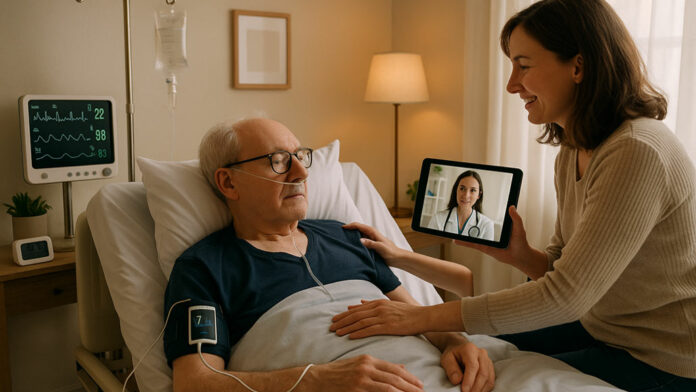
The evolution of healthcare delivery has reached a transformative juncture where traditional boundaries between hospital and home care are dissolving, giving rise to innovative models that bring acute-level medical services directly into patients’ homes. Hospital home programs remote monitoring represents one of the most significant paradigm shifts in modern healthcare, fundamentally changing how healthcare organizations deliver complex medical care while maintaining the safety, quality, and clinical oversight that define hospital-level treatment. This revolutionary approach combines advanced monitoring technologies with clinical expertise to create comprehensive care environments that extend far beyond traditional healthcare facility walls.

The emergence of hospital-at-home programs gained unprecedented momentum during the COVID-19 pandemic when healthcare systems worldwide faced capacity constraints that demanded creative solutions for patient management. The Centers for Medicare and Medicaid Services introduced the Acute Hospital Care at Home waiver, recognizing that many conditions traditionally requiring inpatient stays could be safely managed in home environments with appropriate technology and clinical oversight. Today, over 260 hospitals across the United States actively participate in these programs, demonstrating the viability and value of this care delivery model.

Hospital administrators increasingly recognize that successful implementation of hospital home programs remote monitoring requires sophisticated strategies that address technology integration, clinical workflow adaptation, regulatory compliance, and patient safety considerations simultaneously. The complexity of delivering acute care in home environments demands comprehensive planning that encompasses everything from device selection and staff training to emergency response protocols and quality assurance measures. Understanding these multifaceted requirements has become essential for healthcare leaders seeking to develop effective hospital-at-home programs that deliver superior patient outcomes while achieving operational and financial objectives.

Defining the Hospital-at-Home Care Model

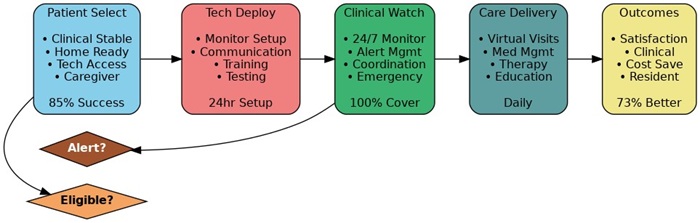
Hospital-at-Home Care Pathway and Process Flow

Hospital-at-home programs represent a comprehensive care delivery model that provides hospital-level medical services in patients’ home environments through sophisticated combinations of remote monitoring technology, clinical oversight, and coordinated care teams. These programs extend far beyond traditional home health services to encompass acute care interventions that historically required hospitalization, including intravenous therapy, complex medication management, diagnostic testing, and intensive monitoring of vital signs and clinical parameters.

The distinction between hospital-at-home programs and conventional home health services lies in the intensity and comprehensiveness of care provided, with hospital-at-home models delivering services equivalent to inpatient care while maintaining the comfort and familiar environment of home settings. Patients enrolled in these programs receive continuous clinical oversight through remote monitoring systems that track vital signs, medication adherence, symptom progression, and other critical health indicators in real-time, enabling immediate intervention when clinical conditions change or emergencies arise.

Clinical eligibility for hospital-at-home programs encompasses a wide range of acute conditions that traditionally required inpatient management, including pneumonia, heart failure exacerbations, chronic obstructive pulmonary disease flares, cellulitis requiring intravenous antibiotics, and post-surgical recovery scenarios. The selection criteria focus on patients who are clinically stable enough to be managed outside traditional hospital settings while still requiring intensive monitoring and medical intervention that exceeds the scope of routine home health services.

The operational framework for hospital home programs remote monitoring integrates multiple care delivery components including clinical assessment teams, remote monitoring technology platforms, emergency response systems, medication management services, and coordination with primary care providers and specialists. This comprehensive approach ensures that patients receive seamless, coordinated care that addresses all aspects of their medical needs while maintaining the clinical quality and safety standards associated with hospital-level care.

Reimbursement structures for hospital-at-home programs have evolved to support this innovative care model, with Medicare and many commercial insurers recognizing these services as equivalent to inpatient care for billing and coverage purposes. This reimbursement parity provides financial sustainability for healthcare organizations while creating incentives for program development and expansion across diverse healthcare markets.

Technology Infrastructure and Device Selection

The foundation of successful hospital home programs remote monitoring rests on sophisticated technology infrastructure that seamlessly integrates monitoring devices, communication platforms, data management systems, and clinical workflow applications into comprehensive care delivery ecosystems. The selection and deployment of appropriate monitoring technologies requires careful consideration of clinical requirements, patient capabilities, home environment factors, and integration needs with existing hospital information systems.

Remote monitoring devices for hospital-at-home programs must provide hospital-grade accuracy and reliability while being user-friendly enough for patients and family caregivers to operate effectively in home environments. These devices typically include continuous vital sign monitors that track heart rate, blood pressure, oxygen saturation, temperature, and respiratory patterns, along with specialized monitoring equipment for specific conditions such as cardiac rhythm monitors, blood glucose meters, and weight scales for heart failure management.

The communication infrastructure supporting hospital home programs remote monitoring must ensure reliable, real-time data transmission from patient homes to clinical monitoring centers while maintaining redundancy and fail-safe mechanisms that prevent data loss or communication interruptions. This infrastructure typically combines cellular, Wi-Fi, and Bluetooth technologies to create robust communication pathways that function effectively across diverse home environments and geographic locations.

Data integration platforms serve as the central nervous system for hospital-at-home programs, collecting information from multiple monitoring devices, correlating data streams, and presenting comprehensive patient status information to clinical teams through intuitive dashboards and alert systems. These platforms must integrate seamlessly with Electronic Health Record systems, clinical decision support tools, and hospital communication systems to ensure that hospital-at-home patients receive the same level of clinical oversight and documentation as traditional inpatients.

The scalability and flexibility of technology platforms become critical considerations as hospital-at-home programs expand to serve larger patient populations and diverse clinical conditions. Successful technology infrastructures must accommodate varying monitoring requirements, support multiple device types and manufacturers, and provide the analytical capabilities necessary for population health management and quality improvement initiatives that drive program optimization over time.

Clinical Workflow Development and Staff Training

The implementation of hospital home programs remote monitoring demands comprehensive redesign of clinical workflows that adapt traditional hospital care processes to distributed care environments while maintaining the clinical quality, safety, and coordination that define effective acute care delivery. This workflow transformation requires careful analysis of existing care processes, identification of technology integration points, and development of new protocols that leverage remote monitoring capabilities to enhance rather than complicate clinical decision-making.

Clinical staffing models for hospital-at-home programs typically involve multidisciplinary teams that include physicians, nurses, pharmacists, and specialized technicians who work collaboratively to provide comprehensive care coordination and clinical oversight. These teams must develop new competencies in remote patient assessment, technology troubleshooting, and virtual care delivery while maintaining their clinical expertise in acute care management and emergency response protocols.

Training programs for hospital-at-home clinical staff must address both technological proficiency and clinical adaptation challenges, providing comprehensive education on remote monitoring systems, virtual patient assessment techniques, emergency response protocols, and communication strategies that ensure effective care coordination across distributed care environments. These programs should include hands-on experience with monitoring technologies, simulation exercises that replicate common clinical scenarios, and ongoing education that keeps pace with technology evolution and clinical best practices.

Documentation and communication protocols for hospital home programs remote monitoring must ensure that all clinical activities, patient interactions, and care decisions are accurately recorded and communicated among care team members while maintaining compliance with regulatory requirements and quality assurance standards. These protocols should establish clear guidelines for data entry, clinical note completion, care plan updates, and handoff communications that ensure continuity of care across shift changes and care transitions.

Quality assurance processes for hospital-at-home programs must address the unique challenges associated with delivering acute care in uncontrolled home environments while maintaining the clinical outcomes and patient safety standards expected from hospital-level care. These processes should include regular patient assessment protocols, technology performance monitoring, clinical outcome tracking, and continuous improvement mechanisms that identify and address potential issues before they impact patient care quality.

Patient Selection and Enrollment Processes

Effective patient selection represents a critical success factor for hospital home programs remote monitoring because appropriate patient identification ensures that candidates can safely benefit from home-based acute care while avoiding potential complications that might arise from inadequate clinical oversight or inappropriate care settings. The development of comprehensive selection criteria requires careful consideration of clinical factors, social determinants, home environment characteristics, and patient engagement capabilities that influence the likelihood of successful program participation.

Clinical eligibility criteria for hospital-at-home programs must balance the desire to serve diverse patient populations with the need to maintain safety and clinical effectiveness standards that protect patients and ensure positive outcomes. These criteria typically consider factors such as diagnosis-specific requirements, clinical stability indicators, medication complexity, monitoring needs, and potential for clinical deterioration that might require immediate hospital-level intervention.

The assessment of home environment suitability involves comprehensive evaluation of physical space, safety considerations, caregiver availability, technology infrastructure, and emergency access factors that could impact the delivery of safe and effective acute care services. This assessment should include site visits by clinical staff, evaluation of communication capabilities, identification of potential environmental hazards, and verification that necessary support systems are available to ensure patient safety throughout the care episode.

Patient and family engagement assessment becomes crucial for hospital home programs remote monitoring success because effective participation requires active involvement in monitoring activities, medication management, and communication with care teams. The evaluation process should assess health literacy levels, technology comfort, caregiver availability, and motivation factors that influence the likelihood of successful program completion and positive clinical outcomes.

Informed consent processes for hospital-at-home programs must ensure that patients and families fully understand the nature of home-based acute care, the responsibilities associated with program participation, the technology requirements, and the potential risks and benefits compared to traditional hospital care. These consent processes should address emergency procedures, technology troubleshooting, care team communication, and expectations for patient and caregiver participation in monitoring and care activities.

Emergency Response and Safety Protocols

The development of comprehensive emergency response protocols represents one of the most critical aspects of hospital home programs remote monitoring because the ability to provide immediate intervention during medical emergencies directly impacts patient safety and program viability. These protocols must address various emergency scenarios while providing clear guidance for patients, caregivers, and clinical staff regarding appropriate response procedures and escalation pathways.

Emergency detection capabilities integrated into remote monitoring systems must provide reliable identification of critical changes in patient status that require immediate clinical intervention or emergency medical services activation. These capabilities typically include automated alert systems that monitor vital sign parameters, clinical deterioration indicators, and device malfunction signals while providing redundant notification mechanisms that ensure appropriate personnel receive emergency alerts promptly.

Clinical triage protocols for hospital-at-home emergency situations must enable rapid assessment of patient status and appropriate resource allocation while maintaining communication with emergency medical services, hospital emergency departments, and specialist physicians who may need to provide immediate consultation or intervention. These protocols should establish clear decision trees that guide clinical staff through emergency assessment and response procedures while ensuring appropriate documentation and communication throughout the emergency response process.

Patient and caregiver education regarding emergency recognition and response procedures becomes essential for hospital home programs remote monitoring success because immediate recognition of emergency situations and appropriate initial response can significantly impact patient outcomes. This education should cover recognition of warning signs, proper use of emergency communication systems, basic first aid procedures, and coordination with emergency medical services personnel who may not be familiar with hospital-at-home programs.

Coordination with local emergency medical services requires proactive relationship development and communication protocols that ensure emergency responders understand the nature of hospital-at-home programs and can provide appropriate care while maintaining coordination with hospital-based clinical teams. This coordination should include advanced notification systems that alert emergency services to hospital-at-home patients in their coverage areas, along with protocols for information sharing and care transition when emergency transport becomes necessary.

Technology Integration and Interoperability

Successful hospital home programs remote monitoring depend on seamless integration between monitoring technologies, hospital information systems, clinical workflow applications, and communication platforms that enable comprehensive care coordination while maintaining data integrity and clinical oversight. This integration challenge requires sophisticated technical architecture that accommodates diverse device types, communication protocols, and data formats while ensuring reliable performance across varied home environments and network conditions.

Electronic Health Record integration represents a fundamental requirement for hospital-at-home programs because clinical documentation, care planning, and communication must maintain the same standards and accessibility as traditional inpatient care. Remote monitoring data must flow seamlessly into EHR systems while providing clinical staff with comprehensive patient information that supports informed decision-making and appropriate care coordination.

Real-time data processing capabilities become essential for hospital home programs remote monitoring because clinical conditions can change rapidly and require immediate intervention to prevent complications or adverse outcomes. Data processing systems must analyze multiple data streams simultaneously while applying clinical decision support algorithms that identify concerning trends and trigger appropriate alerts and interventions.

The challenge of device interoperability requires careful selection of monitoring technologies that can communicate effectively with existing hospital systems while providing flexibility for future technology evolution and expansion. Standards-based approaches that leverage established healthcare interoperability frameworks help ensure that technology investments remain viable as programs grow and evolve over time.

Cloud-based platform considerations include data security, scalability, reliability, and regulatory compliance requirements that must be addressed while providing the performance and accessibility necessary for effective clinical operations. Healthcare organizations must evaluate cloud platforms carefully to ensure they meet healthcare-specific requirements while providing the technical capabilities necessary for successful program implementation and operation.

Quality Measurement and Outcomes Assessment

Comprehensive quality measurement programs for hospital home programs remote monitoring must demonstrate that home-based acute care delivers clinical outcomes, patient satisfaction, and safety performance that meets or exceeds traditional hospital care standards while providing evidence for continuous improvement initiatives and program optimization. These measurement programs require sophisticated data collection, analysis, and reporting capabilities that address clinical, operational, and financial performance indicators.

Clinical outcome metrics for hospital-at-home programs should encompass traditional healthcare quality indicators such as readmission rates, mortality rates, length of care episodes, and complication rates while incorporating measures specific to remote monitoring effectiveness such as early detection of clinical deterioration, medication adherence, and patient engagement levels. These metrics provide essential evidence for program effectiveness and identify opportunities for clinical improvement.

Patient experience measurement becomes particularly important for hospital home programs remote monitoring because the care delivery model fundamentally changes the patient experience compared to traditional hospitalization. Patient satisfaction surveys should address technology usability, communication effectiveness, caregiver support, and overall care quality while identifying factors that contribute to positive or negative patient experiences.

Safety performance indicators for hospital-at-home programs must address the unique risks associated with delivering acute care in home environments while demonstrating that safety performance meets acceptable standards for healthcare delivery. These indicators should include medication errors, technology failures, emergency response times, and adverse events while providing trending data that identifies potential safety concerns before they impact patient outcomes.

Cost-effectiveness analysis provides essential evidence for program sustainability and expansion by demonstrating the financial value of hospital-at-home care compared to traditional inpatient services. These analyses should consider direct care costs, technology expenses, staff resources, and indirect costs while calculating return on investment and identifying factors that contribute to program financial performance.

The path forward for hospital home programs remote monitoring requires sustained commitment to comprehensive program development that addresses clinical, technological, operational, and financial considerations while maintaining focus on patient safety and care quality. Healthcare organizations that successfully implement these programs position themselves at the forefront of healthcare delivery innovation while providing superior patient experiences and achieving operational efficiencies that support long-term sustainability and growth in an increasingly competitive healthcare marketplace.

Securing Medical Devices in the IoT Era: Risks and Solutions

medical device security IoT era

Medical Device Security in the Internet of Things Era: Challenges and Solutions

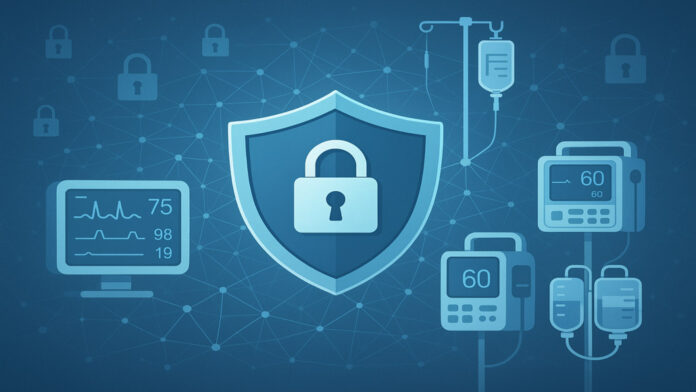
The convergence of medical devices with Internet of Things technology has fundamentally transformed healthcare delivery while simultaneously creating unprecedented cybersecurity challenges that threaten patient safety, data privacy, and operational continuity. As hospitals increasingly deploy connected medical devices ranging from infusion pumps and patient monitors to imaging systems and implantable devices, the attack surface for malicious actors has expanded exponentially. Understanding and addressing medical device security IoT era challenges has become a critical competency for healthcare organizations seeking to protect their patients, staff, and operations from increasingly sophisticated cyber threats.

The statistics surrounding healthcare cybersecurity paint a sobering picture of the current threat landscape. In 2024, nearly 400 healthcare organizations in the United States reported incidents linked to ransomware operators, with medical devices serving as primary entry points for many attacks. The proliferation of connected medical devices has created a perfect storm of vulnerabilities, where outdated firmware, weak authentication mechanisms, and inadequate security controls combine to create attractive targets for cybercriminals seeking to disrupt critical healthcare services or steal valuable patient data.

Hospital administrators must grapple with the reality that every connected medical device represents both a valuable clinical asset and a potential security liability. Traditional approaches to cybersecurity that focus primarily on IT systems and networks are insufficient for addressing the unique challenges posed by medical IoT devices, which often operate under different regulatory frameworks, have extended lifecycles, and require specialized security considerations that balance patient safety with operational security requirements.

The Evolving Threat Landscape for Connected Medical Devices

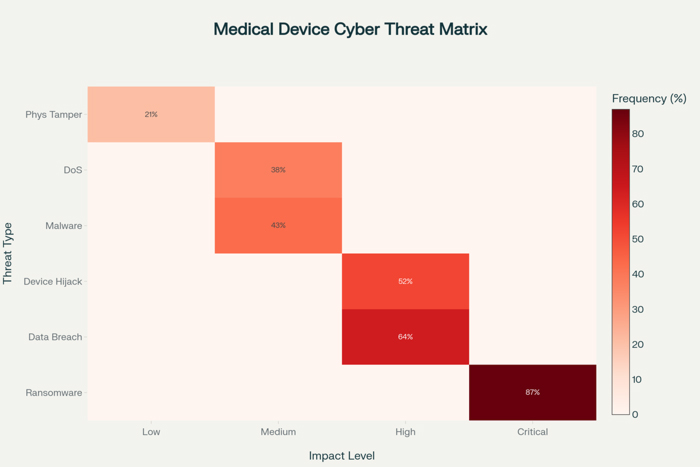
Medical Device Cybersecurity Threat Assessment Matrix

The cybersecurity threats targeting connected medical devices have evolved significantly in both sophistication and frequency, with attackers developing specialized techniques designed to exploit the unique vulnerabilities inherent in healthcare IoT environments. Unlike traditional IT systems that can be regularly updated and patched, medical devices often operate with legacy software and firmware that cannot be easily modified without extensive regulatory approval processes, creating persistent vulnerabilities that malicious actors actively seek to exploit.

Ransomware attacks targeting healthcare organizations have become increasingly focused on medical devices as primary attack vectors because these systems often provide pathways into broader hospital networks while simultaneously creating maximum operational disruption when compromised. The BlackCat/ALPHV attack on Lehigh Valley Health Network demonstrated how attackers specifically target medical imaging infrastructure, compromising PACS servers containing thousands of diagnostic images and using this access to extract and publish sensitive patient information when ransom demands are not met.

The interconnected nature of modern healthcare environments amplifies the impact of individual device compromises because attackers can leverage initial access to move laterally through hospital networks, gaining access to Electronic Health Records, administrative systems, and additional medical devices. This lateral movement capability transforms single device vulnerabilities into enterprise-wide security incidents that can affect entire healthcare delivery networks and compromise thousands of patient records simultaneously.

Medical device-specific attack vectors have emerged as cybercriminals develop deeper understanding of healthcare environments and device vulnerabilities. Infusion pumps, patient monitors, and imaging systems have become particular targets because they often run outdated operating systems, use default passwords, and lack robust security controls while maintaining network connectivity necessary for clinical operations. The development of medical device-specific malware variants demonstrates the growing specialization of healthcare-focused cybercriminal activities.

Regulatory Frameworks and Compliance Challenges

The regulatory landscape governing medical device security IoT era implementations continues evolving rapidly as agencies struggle to keep pace with technological advancement while ensuring patient safety and data protection. The Food and Drug Administration’s updated cybersecurity guidelines, released in 2023 and refined through 2025, establish comprehensive requirements for medical device manufacturers to demonstrate cybersecurity risk management throughout the entire device lifecycle, from initial design through post-market surveillance and eventual decommissioning.

The Secure Product Development Framework mandated by FDA guidelines requires manufacturers to implement systematic approaches for identifying and mitigating cybersecurity vulnerabilities throughout product development processes. This framework encompasses threat modeling, cybersecurity risk assessment, security architecture design, and comprehensive testing protocols that must be documented and validated before devices can receive regulatory approval for clinical use.

HIPAA compliance requirements create additional complexity for connected medical devices because traditional privacy protections may not adequately address the unique data flows and access patterns associated with IoT implementations. Healthcare organizations must ensure that device connectivity and data sharing arrangements maintain patient privacy protections while enabling the real-time monitoring and analytics capabilities that justify IoT investments.

The Software Bill of Materials requirements introduced through recent regulatory updates demand that manufacturers provide comprehensive documentation of all software components incorporated into medical devices, including third-party libraries, open-source components, and proprietary software modules. This documentation enables healthcare organizations to assess vulnerability exposure and plan security updates when new threats are discovered in underlying software components.

International regulatory harmonization efforts attempt to create consistent cybersecurity standards across different jurisdictions while recognizing that medical devices often operate in global markets where different regulatory requirements may conflict. Healthcare organizations operating across multiple countries must navigate complex compliance requirements that may demand different security implementations for identical devices deployed in different regulatory environments.

Vulnerability Assessment and Risk Management

Effective vulnerability management for connected medical devices requires sophisticated approaches that account for the unique operational constraints and safety requirements that distinguish medical IoT devices from traditional IT systems. Medical devices often cannot be taken offline for security updates without disrupting patient care, creating tension between cybersecurity requirements and clinical operational needs that must be carefully balanced through risk-based decision-making processes.

The identification of vulnerabilities in medical IoT environments demands specialized tools and techniques because traditional vulnerability scanners may interfere with device operation or fail to recognize medical device-specific security issues. Passive monitoring approaches that analyze network traffic and device behavior patterns without directly interacting with medical devices have become essential components of healthcare cybersecurity programs seeking to maintain visibility into device security posture without compromising clinical operations.

Risk prioritization frameworks for medical device vulnerabilities must consider multiple factors beyond traditional IT risk metrics, including patient safety implications, clinical criticality, regulatory compliance requirements, and operational impact assessments. A vulnerability in a life-support device may require immediate attention regardless of its traditional risk score, while similar vulnerabilities in administrative systems may be managed through standard patching cycles.

The challenge of legacy device management creates persistent security risks because many medical devices remain in service for decades while cybersecurity threats continue evolving. Healthcare organizations must develop strategies for managing security risks associated with devices that cannot be updated or replaced immediately, including network segmentation, compensating controls, and enhanced monitoring approaches that can detect and respond to threats targeting vulnerable legacy systems.

Third-party vulnerability management becomes particularly complex in medical device environments where device manufacturers, software vendors, and healthcare technology integrators may all bear responsibility for different aspects of device security. Establishing clear accountability for vulnerability identification, disclosure, and remediation requires comprehensive coordination among multiple stakeholders who may have conflicting priorities and capabilities.

Network Architecture and Segmentation Strategies

Effective network architecture for medical device security IoT era implementations requires sophisticated segmentation strategies that isolate medical devices from general hospital networks while maintaining necessary connectivity for clinical workflows and administrative functions. Traditional network perimeter security models prove inadequate for healthcare environments where the network perimeter includes numerous connected medical devices that may lack robust built-in security controls.

Medical device network segmentation must balance security isolation with operational connectivity requirements because many clinical workflows depend on seamless integration between medical devices, Electronic Health Record systems, and clinical decision support applications. Overly restrictive segmentation can create workflow bottlenecks that impact patient care, while insufficient segmentation leaves devices vulnerable to lateral movement attacks that can compromise entire hospital networks.

Zero Trust network architectures provide promising frameworks for medical device security because they assume that no device or user should be trusted by default, regardless of their network location or previous authentication status. Implementing Zero Trust principles in healthcare environments requires careful consideration of clinical workflow requirements and device capabilities while ensuring that security controls enhance rather than impede patient care delivery.

Micro-segmentation strategies that create granular network boundaries around individual devices or device groups enable healthcare organizations to contain potential security incidents while maintaining necessary connectivity for clinical operations. These approaches require deep understanding of medical device communication patterns and clinical workflow requirements to ensure that segmentation boundaries support rather than disrupt established care processes.

Network monitoring and anomaly detection systems must be calibrated for medical device environments where normal traffic patterns may differ significantly from traditional IT networks. Medical devices often generate predictable, repetitive communication patterns that can serve as baselines for detecting anomalous behavior that might indicate security compromises or device malfunctions that could impact patient safety.

Authentication and Access Control Framework

Authentication mechanisms for medical device security IoT era implementations must address the unique operational requirements of healthcare environments where rapid access during emergency situations can be critical for patient survival while maintaining strict controls over device configuration and sensitive patient data. Traditional username and password authentication may be insufficient for devices that lack user interfaces or operate autonomously for extended periods without human interaction.

Certificate-based device authentication provides robust identity verification for medical IoT devices while enabling automated authentication that does not require human intervention during routine operations. Public Key Infrastructure implementations in healthcare environments must account for certificate lifecycle management, renewal processes, and emergency access procedures that ensure devices remain operational even when normal authentication processes fail.

Multi-factor authentication strategies for medical devices must consider the operational realities of clinical environments where healthcare professionals may need rapid access to multiple devices during emergency situations. Biometric authentication, proximity cards, and mobile device-based authentication can provide security enhancement while maintaining the workflow efficiency necessary for effective patient care delivery.

Role-based access control systems for medical devices should align with existing clinical hierarchies and professional responsibilities while providing granular control over device functions and data access. Nurses may require different device access capabilities than physicians, while biomedical engineers may need administrative access for maintenance and configuration tasks that should be restricted from clinical users.

Privileged access management for medical devices becomes particularly critical because administrative access to life-support devices or monitoring systems could potentially be used to harm patients or disrupt clinical operations. Privileged access should be strictly controlled, monitored, and audited while providing necessary flexibility for legitimate maintenance and emergency access requirements.

Incident Response and Recovery Planning

Medical device security incidents require specialized response procedures that account for patient safety considerations while addressing cybersecurity threats that may compromise clinical operations or expose sensitive health information. Traditional incident response frameworks developed for IT environments may not adequately address the unique requirements and constraints associated with medical device security incidents that could directly impact patient care.

The detection of medical device security incidents often requires different indicators and monitoring approaches than traditional IT security incidents because medical devices may exhibit abnormal behavior that could indicate either security compromises or clinical malfunctions. Incident response teams must include clinical expertise alongside cybersecurity knowledge to properly assess whether device anomalies represent security threats or legitimate clinical variations.

Communication protocols during medical device security incidents must balance the need for rapid information sharing with patient privacy requirements and regulatory notification obligations. Healthcare organizations must establish clear escalation procedures that ensure appropriate clinical, administrative, and legal stakeholders are notified while maintaining confidentiality protections and avoiding unnecessary panic among patients and staff.

Recovery procedures for compromised medical devices must prioritize patient safety while restoring normal operations as quickly as possible. This may require maintaining backup systems, implementing manual procedures, or transferring patients to unaffected devices while compromised systems are isolated and remediated. Recovery planning should include coordination with device manufacturers, clinical engineering teams, and regulatory authorities as appropriate.

Business continuity planning for medical device security incidents should address various attack scenarios while ensuring that patient care can continue even when significant portions of the medical device infrastructure are compromised. This planning requires deep understanding of clinical dependencies, alternative care procedures, and resource requirements for maintaining operations during extended recovery periods.

Emerging Technologies and Future Considerations

Artificial intelligence and machine learning technologies offer promising capabilities for enhancing medical device security IoT era implementations through automated threat detection, behavioral analysis, and predictive security analytics that can identify potential security incidents before they impact patient care. However, AI-powered security systems must be carefully calibrated for healthcare environments to avoid false positives that could disrupt clinical workflows or create alert fatigue among already busy healthcare professionals.

Blockchain technologies provide potential solutions for medical device identity management, secure data sharing, and audit trail maintenance that could enhance security while supporting clinical interoperability requirements. However, blockchain implementations in healthcare must address performance, scalability, and regulatory compliance considerations that may limit practical adoption in resource-constrained medical device environments.

Edge computing architectures can reduce security risks associated with cloud-connected medical devices by processing sensitive data locally while minimizing exposure to network-based attacks. Edge implementations must balance security benefits with the operational complexity and maintenance requirements associated with distributed computing infrastructure in clinical environments.

Quantum-resistant cryptography will become increasingly important for medical device security as quantum computing capabilities advance and threaten current encryption standards. Healthcare organizations must begin planning for cryptographic transitions that may be necessary to maintain long-term security for medical devices with extended operational lifecycles.

The integration of 5G networking technologies offers enhanced connectivity capabilities for medical IoT devices while introducing new security considerations related to network slicing, edge computing, and increased bandwidth that could amplify the impact of security incidents. Healthcare organizations must prepare for 5G security requirements while leveraging performance benefits for clinical applications.

The path forward for medical device security IoT era implementations requires sustained commitment to comprehensive security strategies that address technical, operational, and regulatory requirements while maintaining focus on patient safety and care quality. Organizations that develop sophisticated approaches to medical device cybersecurity position themselves to leverage the benefits of connected healthcare while protecting against the evolving threat landscape that continues challenging healthcare delivery worldwide. Success in this endeavor demands ongoing collaboration among healthcare professionals, cybersecurity experts, device manufacturers, and regulatory authorities working together to create secure, resilient healthcare environments that serve patients effectively while defending against sophisticated cyber threats.

Scaling Remote Patient Monitoring in Healthcare

scaling remote patient monitoring systems

Scaling Remote Patient Monitoring: From Pilot to System-Wide Implementation

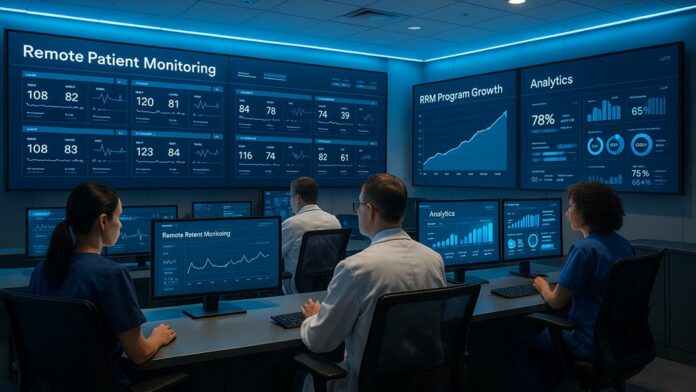
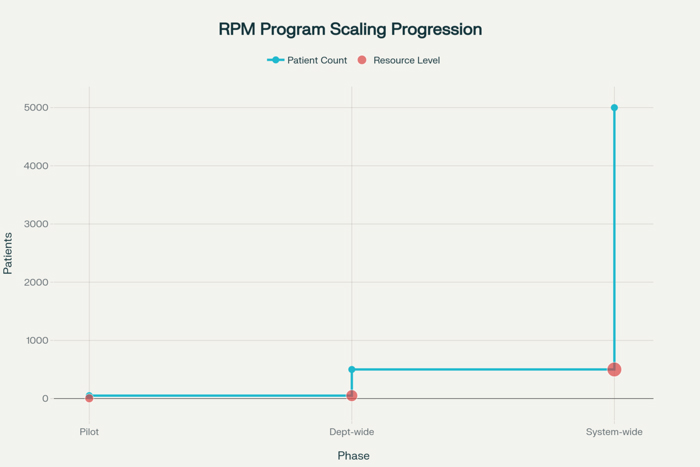
The journey from successful remote patient monitoring pilot programs to comprehensive system-wide implementation represents one of the most challenging yet critical transitions in modern healthcare technology adoption. While many healthcare organizations excel at launching focused remote monitoring initiatives that demonstrate impressive results within limited populations, scaling remote patient monitoring systems across entire health networks requires fundamentally different strategies, resources, and organizational capabilities. The complexity of this transformation extends far beyond simply adding more devices or enrolling additional patients, demanding sophisticated approaches to workflow integration, technology infrastructure, clinical governance, and change management that can sustain growth while maintaining quality and safety standards.

The urgency surrounding remote patient monitoring expansion has intensified as healthcare organizations face mounting pressures from aging populations, increasing chronic disease prevalence, and evolving value-based care models that reward improved outcomes and cost efficiency. Current statistics indicate that over 71 million Americans are expected to utilize remote patient monitoring services by 2025, with the global market projected to reach $115.5 million users by 2027. These projections underscore the reality that healthcare organizations must move beyond experimental approaches to develop scalable, sustainable remote monitoring programs that can accommodate rapid growth while delivering consistent clinical value.

Hospital administrators and healthcare executives increasingly recognize that successful scaling remote patient monitoring systems requires comprehensive strategic planning that addresses technology infrastructure, clinical workflow integration, staff training, regulatory compliance, and financial sustainability simultaneously. Organizations that approach scaling initiatives with appropriate planning and resources consistently achieve better outcomes than those attempting to expand programs through organic growth or ad hoc approaches. Understanding the principles and practices that enable successful remote monitoring expansion has become essential for healthcare leaders seeking to realize the full potential of these transformative technologies.

Strategic Planning for Remote Monitoring Expansion

The foundation of successful scaling remote patient monitoring systems lies in comprehensive strategic planning that establishes clear objectives, identifies target populations, defines success metrics, and creates roadmaps for sustainable growth. This planning process must balance ambitious expansion goals with realistic assessments of organizational capabilities, resource constraints, and market conditions that influence the feasibility and timeline of scaling initiatives.

Remote Patient Monitoring Scaling Progression

Market analysis becomes essential for organizations seeking to understand the demand for remote monitoring services within their patient populations while identifying opportunities for expansion across different clinical specialties and patient demographics. This analysis should examine chronic disease prevalence, readmission patterns, patient satisfaction scores, and competitor activities that might influence the success of remote monitoring programs while providing data-driven insights for expansion planning.

Stakeholder engagement throughout the planning process ensures that scaling initiatives address the needs and concerns of diverse constituents including physicians, nurses, administrators, patients, and technology partners who will contribute to program success. Early involvement of these stakeholders in planning discussions helps identify potential obstacles, resource requirements, and implementation strategies that support rather than complicate existing workflows and clinical practices.

The development of comprehensive business cases for remote monitoring expansion must demonstrate both clinical value and financial sustainability while addressing implementation costs, operational expenses, revenue opportunities, and return on investment projections. These business cases should include detailed analysis of reimbursement opportunities, cost savings potential, competitive advantages, and strategic alignment with organizational objectives that justify the investments required for successful scaling.

Resource allocation planning for scaling remote patient monitoring systems must address technology infrastructure, staffing requirements, training programs, and ongoing operational support needed to sustain expanded programs. This planning should consider both immediate scaling needs and future growth projections to ensure that infrastructure investments can accommodate continued expansion without requiring frequent major upgrades or replacements.

Technology Infrastructure and Platform Selection

Scalable technology infrastructure represents the backbone of successful remote patient monitoring expansion because inadequate platforms or systems cannot accommodate the growth demands associated with system-wide implementation. Organizations must evaluate their current technology capabilities and identify gaps that could limit scaling success while developing comprehensive technology strategies that support both immediate expansion needs and long-term growth objectives.

Platform scalability assessment requires detailed evaluation of current remote monitoring systems to determine their capacity for handling increased patient volumes, expanded device types, additional clinical specialties, and enhanced analytical capabilities that support larger programs. This assessment should examine system architecture, database capabilities, integration options, and performance characteristics under various load conditions to identify potential bottlenecks or limitations that could impede scaling success.

Integration capabilities become increasingly important as remote monitoring programs expand across multiple departments and clinical specialties that may utilize different Electronic Health Record systems, clinical applications, and workflow processes. Successful scaling requires seamless integration between remote monitoring platforms and existing hospital information systems to ensure that expanded programs enhance rather than complicate clinical workflows and decision-making processes.

Data management strategies for scaled remote monitoring programs must address the exponential growth in data volume, velocity, and variety that accompanies program expansion while ensuring that clinical teams receive actionable insights without experiencing information overload. These strategies should include automated data processing, intelligent alerting systems, and analytical dashboards that enable effective monitoring of large patient populations while maintaining personalized care capabilities.

Cloud computing considerations become particularly relevant for scaling remote patient monitoring systems because cloud platforms can provide the flexibility, scalability, and cost-effectiveness necessary for supporting rapid program growth. Organizations must evaluate cloud options carefully to ensure they meet healthcare-specific requirements for security, compliance, performance, and integration while providing the scalability advantages necessary for successful expansion.

Clinical Workflow Integration and Standardization

The successful scaling of remote patient monitoring systems demands comprehensive integration with existing clinical workflows while establishing standardized processes that ensure consistent care quality across expanded programs and diverse clinical settings. This integration challenge requires careful analysis of current workflows, identification of optimization opportunities, and development of standardized procedures that support rather than disrupt established clinical practices.

Workflow standardization across multiple departments and clinical specialties becomes essential for scaling remote patient monitoring systems because inconsistent processes can create confusion, reduce efficiency, and compromise care quality as programs expand. Standardized workflows should address patient enrollment, device deployment, data monitoring, clinical response protocols, and care coordination while allowing for appropriate customization based on specialty-specific requirements.

Clinical decision support integration enables healthcare providers to leverage remote monitoring data effectively within their existing decision-making processes while providing the analytical capabilities necessary for managing larger patient populations. These systems should provide intelligent alerting, trend analysis, risk stratification, and care recommendations that enhance clinical judgment without creating alert fatigue or workflow disruptions.

The development of clinical protocols for scaled remote monitoring programs must address various patient populations, clinical conditions, and care scenarios while ensuring that all providers have clear guidance for utilizing remote monitoring data in clinical decision-making. These protocols should establish standards for data interpretation, response timeframes, escalation procedures, and care coordination that maintain clinical quality as programs expand.

Training and competency development programs become increasingly important as remote monitoring programs scale because larger programs typically involve more healthcare providers with varying levels of technology comfort and remote monitoring experience. These programs should address both technical proficiency and clinical application skills while providing ongoing education that keeps pace with program evolution and technology advancement.

Patient Engagement and Population Management

Effective patient engagement strategies become increasingly complex but critically important as remote monitoring programs scale because larger patient populations bring greater diversity in demographics, health literacy levels, technology comfort, and engagement preferences. Successful scaling requires sophisticated approaches to patient recruitment, onboarding, education, and ongoing engagement that can accommodate this diversity while maintaining high participation and adherence rates.

Population health management capabilities enable healthcare organizations to leverage remote monitoring data for identifying trends, predicting risks, and implementing preventive interventions across large patient populations. These capabilities should include predictive analytics, risk stratification algorithms, and population health dashboards that enable proactive care management while supporting value-based care initiatives and quality improvement programs.

Patient segmentation strategies help organizations tailor remote monitoring approaches to different patient groups based on clinical conditions, risk levels, technology preferences, and engagement capabilities. Effective segmentation enables more personalized care delivery while optimizing resource allocation and ensuring that high-risk patients receive appropriate levels of monitoring and intervention.

Multilingual and culturally appropriate engagement approaches become essential as remote monitoring programs expand to serve diverse patient populations with varying linguistic, cultural, and socioeconomic characteristics. These approaches should address language barriers, cultural preferences, and accessibility considerations that could impact program participation and effectiveness among different patient groups.

Automated engagement systems help healthcare organizations maintain consistent patient communication and support across large remote monitoring populations while reducing the manual workload associated with program management. These systems should include automated reminders, educational content delivery, adherence monitoring, and escalation protocols that ensure patients receive appropriate support throughout their remote monitoring experience.

Quality Assurance and Clinical Governance

Maintaining clinical quality and safety standards becomes increasingly challenging as remote monitoring programs scale because larger programs create more opportunities for errors, inconsistencies, and adverse events while requiring more sophisticated oversight and governance mechanisms. Organizations must develop comprehensive quality assurance frameworks that ensure expanded programs maintain the clinical excellence and patient safety standards established during pilot phases.

Clinical governance structures for scaled remote monitoring programs must establish clear accountability, oversight mechanisms, and decision-making processes that ensure appropriate clinical leadership and quality management across expanded programs. These structures should include clinical advisory committees, quality improvement teams, and safety oversight groups that provide ongoing guidance and oversight for program operations.

Performance monitoring systems enable healthcare organizations to track clinical outcomes, safety metrics, operational efficiency, and patient satisfaction across scaled remote monitoring programs while identifying trends and opportunities for improvement. These systems should provide real-time dashboards, automated reporting capabilities, and analytical tools that support data-driven quality improvement initiatives.

Risk management frameworks for scaled remote monitoring programs must address the unique risks associated with remote care delivery while providing systematic approaches for identifying, assessing, and mitigating potential safety concerns. These frameworks should include incident reporting systems, risk assessment protocols, and corrective action procedures that ensure patient safety throughout expanded programs.

Regulatory compliance management becomes more complex as remote monitoring programs scale because larger programs may span multiple jurisdictions, serve diverse patient populations, and utilize various technologies that must comply with different regulatory requirements. Organizations must develop comprehensive compliance programs that address HIPAA requirements, FDA regulations, state licensing requirements, and other applicable standards while maintaining operational efficiency.

Financial Management and Sustainability

The financial sustainability of scaled remote monitoring programs requires sophisticated approaches to cost management, revenue optimization, and return on investment analysis that address the complex economics of expanded programs while ensuring long-term viability. Organizations must develop comprehensive financial strategies that balance growth investments with operational efficiency while maximizing reimbursement opportunities and demonstrating value to stakeholders.

Cost structure analysis for scaled remote monitoring programs must address both fixed and variable costs associated with technology infrastructure, staffing, training, devices, and ongoing operations while identifying opportunities for economies of scale and operational efficiencies. This analysis should provide detailed understanding of cost drivers and optimization opportunities that support sustainable growth while maintaining clinical quality.

Revenue optimization strategies enable healthcare organizations to maximize reimbursement opportunities associated with remote monitoring services while exploring innovative payment models that support program sustainability. These strategies should address Medicare and Medicaid reimbursement codes, commercial payer negotiations, value-based care contracts, and shared savings opportunities that provide financial incentives for remote monitoring programs.

Return on investment calculations for scaled remote monitoring programs must demonstrate financial value while accounting for both direct cost savings and indirect benefits such as improved patient outcomes, reduced readmissions, enhanced patient satisfaction, and competitive advantages. These calculations should provide compelling evidence for continued investment in program expansion while identifying factors that contribute to financial performance.

Budget planning and resource allocation for scaling initiatives requires careful balance between growth investments and operational sustainability while ensuring that financial resources are allocated effectively to support program objectives. This planning should address both short-term scaling needs and long-term sustainability requirements while providing flexibility for adapting to changing conditions and opportunities.

Performance Measurement and Optimization

Comprehensive performance measurement systems enable healthcare organizations to track the success of scaling remote patient monitoring systems while identifying opportunities for optimization and continuous improvement. These measurement systems must address clinical outcomes, operational efficiency, patient satisfaction, and financial performance while providing actionable insights that guide program development and resource allocation decisions.

Key performance indicators for scaled remote monitoring programs should encompass clinical effectiveness metrics such as readmission rates, emergency department utilization, medication adherence, and patient outcomes while including operational measures such as program enrollment, device utilization, alert response times, and staff productivity. These indicators provide comprehensive assessment of program performance while identifying areas requiring attention or improvement.

Benchmarking and comparative analysis enable organizations to assess their remote monitoring program performance against industry standards, best practices, and peer organizations while identifying opportunities for improvement and optimization. This analysis should include both clinical and operational benchmarks that provide context for performance evaluation and guide improvement initiatives.

Continuous improvement processes for scaled remote monitoring programs must incorporate regular performance review cycles, stakeholder feedback, and data-driven optimization initiatives that ensure programs evolve and improve over time. These processes should include systematic approaches for identifying improvement opportunities, implementing changes, and measuring results while maintaining focus on clinical quality and patient safety.

Data analytics capabilities enable healthcare organizations to extract insights from the vast amounts of data generated by scaled remote monitoring programs while identifying trends, patterns, and opportunities that support evidence-based decision-making. These capabilities should include predictive analytics, population health analysis, and operational intelligence that enhance program effectiveness while supporting strategic planning and quality improvement initiatives.

The path forward for scaling remote patient monitoring systems requires sustained commitment to comprehensive program development that addresses technology infrastructure, clinical integration, patient engagement, quality assurance, financial sustainability, and performance optimization while maintaining focus on improved patient outcomes and care quality. Organizations that successfully navigate these scaling challenges position themselves to deliver superior healthcare services while achieving operational excellence and financial sustainability in an increasingly competitive and value-focused healthcare environment.

The Connected Hospital: IoT Medical Device Integration

connected hospital IoT medical devices

The transformation of hospitals into fully connected healthcare ecosystems represents one of the most significant operational shifts in modern medicine, fundamentally changing how medical devices interact, share information, and support patient care delivery. As healthcare organizations increasingly deploy Internet of Things medical devices across their facilities, from smart infusion pumps to wireless patient monitors, the challenge extends far beyond simply connecting devices to networks. Success in creating truly connected hospital IoT medical devices requires sophisticated integration strategies that address interoperability, security, workflow optimization, and data management while maintaining the highest standards of patient safety and care quality.

The scale of this transformation is unprecedented in healthcare history. Modern hospitals may manage thousands of connected devices across multiple departments, each generating continuous streams of data that must be collected, processed, and integrated into clinical workflows. The complexity multiplies when considering that these devices often come from different manufacturers, operate on various communication protocols, and must interface with existing hospital information systems that were never designed for such extensive connectivity.

Hospital administrators face the daunting task of orchestrating these complex integrations while ensuring that connectivity enhances rather than complicates clinical care. The stakes are particularly high because poorly managed device integration can create workflow bottlenecks, generate alert fatigue among staff, compromise patient safety, or expose sensitive health information to cybersecurity threats. Understanding and mastering the principles of effective IoT medical device integration has become essential for hospital leaders seeking to realize the benefits of connected healthcare while avoiding potential pitfalls.

Understanding the Connected Hospital Ecosystem

The modern connected hospital encompasses a vast network of intelligent medical devices that communicate with each other, hospital information systems, and cloud-based platforms to create an integrated healthcare environment. This ecosystem extends beyond traditional medical equipment to include environmental sensors, asset tracking systems, workflow optimization tools, and patient engagement platforms that work together to support comprehensive care delivery.

Connected Hospital IoT Device Architecture

Connected hospital IoT medical devices operate within multiple layers of infrastructure that must work seamlessly together to ensure effective integration. The physical layer includes the devices themselves, along with networking hardware, wireless access points, and communication protocols that enable device connectivity. The data layer encompasses the systems and processes that collect, store, and manage the enormous volumes of information generated by connected devices, while the application layer includes the software systems that analyze device data and present actionable insights to healthcare professionals.

Interoperability challenges emerge as one of the most complex aspects of connected hospital management because medical devices traditionally operated as standalone systems with limited communication capabilities. Modern integration efforts must bridge significant gaps between legacy equipment and newer connected devices while ensuring that different manufacturer systems can exchange information effectively. This interoperability extends beyond technical communication to encompass semantic interoperability, where systems must not only share data but understand the meaning and context of that information.

The clinical workflow integration dimension adds another layer of complexity because connected devices must support rather than disrupt established care processes. Healthcare professionals have developed sophisticated routines and protocols over years of practice, and successful device integration must respect these workflows while providing new capabilities that enhance rather than complicate clinical decision-making. This requires deep understanding of how different medical specialties operate and how connected devices can be configured to align with existing practices.

Device Discovery and Inventory Management

Effective management of connected hospital IoT medical devices begins with comprehensive discovery and inventory processes that provide complete visibility into all connected assets within the healthcare environment. This visibility serves as the foundation for security, compliance, and operational management because administrators cannot protect or optimize devices they cannot identify and track systematically.

Modern hospital environments present unique challenges for device discovery because medical IoT devices may connect through various network pathways, including wireless networks, cellular connections, Bluetooth protocols, and direct ethernet connections. Each connection type requires different discovery approaches and monitoring strategies to ensure complete asset visibility. Additionally, many medical devices operate intermittently or move between locations, complicating traditional network scanning approaches.

Automated discovery systems have become essential for managing the scale and complexity of connected hospital environments because manual inventory processes cannot keep pace with the dynamic nature of modern medical device deployments. These systems must be capable of identifying not only the presence of connected devices but also their specific configurations, software versions, security status, and operational parameters. This detailed information enables administrators to make informed decisions about device management, security policies, and integration strategies.

The classification and categorization of discovered devices requires sophisticated understanding of medical device types, clinical applications, and risk profiles because different devices require different management approaches. Critical life-support equipment demands higher security and monitoring standards than environmental sensors, while patient-facing devices may require different privacy protections than administrative systems. Effective inventory management systems must capture these distinctions and enable policy application based on device categories and risk levels.

Security Architecture for Connected Medical Devices

The security architecture for connected hospital IoT medical devices must address unique challenges that distinguish healthcare environments from other industries while providing robust protection against increasingly sophisticated cyber threats. Medical device security extends beyond traditional information technology concerns to encompass patient safety considerations because compromised devices can directly impact clinical care and potentially endanger patient lives.

Network segmentation emerges as a fundamental security strategy for connected hospital environments because it provides isolation between different types of devices and systems while enabling necessary communication pathways. Medical IoT devices should operate on dedicated network segments that separate them from general hospital computing systems and external internet access while providing controlled pathways for essential integrations with Electronic Health Records and clinical applications.

Authentication and authorization frameworks for medical devices require careful balance between security requirements and operational realities because healthcare environments demand rapid access during emergency situations while maintaining strict controls over device access and configuration. Multi-factor authentication, certificate-based device identity, and role-based access controls must be implemented in ways that support rather than impede clinical workflows while ensuring that only authorized personnel can access or modify device settings.

Encryption protocols for medical device communications must protect sensitive patient data during transmission while accommodating the performance limitations of many medical IoT devices that have constrained processing capabilities. End-to-end encryption, secure key management, and regular credential rotation become essential components of comprehensive security strategies, but implementation must consider the operational impact on device performance and battery life.

The vulnerability management process for connected medical devices presents unique challenges because traditional software patching approaches may not be appropriate for life-critical medical equipment that requires extensive testing and validation before updates can be applied. Healthcare organizations must develop sophisticated vulnerability assessment processes that prioritize risks based on device criticality, patient impact, and available mitigation strategies while coordinating with device manufacturers and regulatory authorities.

Interoperability Standards and Protocols

Achieving effective interoperability among connected hospital IoT medical devices requires adherence to established healthcare standards and protocols that enable seamless data exchange while preserving the semantic meaning of clinical information. The complexity of healthcare interoperability extends beyond technical communication to encompass the medical terminology, data structures, and workflow patterns that define how healthcare information should be organized and interpreted.

Health Level Seven International standards, particularly HL7 FHIR, have emerged as critical enablers of medical device interoperability because they provide standardized approaches for representing and exchanging healthcare information in ways that preserve clinical context and meaning. These standards enable connected devices to communicate with Electronic Health Record systems, clinical decision support applications, and other healthcare technologies while maintaining data integrity and clinical relevance.

The Digital Imaging and Communications in Medicine standard continues to play essential roles in connecting medical imaging devices and systems, but modern implementations must accommodate IoT integration requirements including cloud connectivity, mobile access, and real-time streaming capabilities. DICOM integration with IoT platforms enables connected imaging devices to automatically route studies, trigger workflow events, and integrate with artificial intelligence analysis tools.

IEEE 11073 standards specifically address personal health devices and point-of-care medical equipment interoperability, providing frameworks for connecting devices like patient monitors, infusion pumps, and wearable sensors to hospital information systems. These standards define communication protocols, data formats, and device profiles that enable plug-and-play connectivity while ensuring clinical data quality and patient safety.

Emerging interoperability frameworks must address the growing complexity of connected hospital environments where devices from multiple manufacturers must work together seamlessly while accommodating different connectivity options, data formats, and security requirements. Modern interoperability solutions increasingly rely on API-driven architectures, cloud-based integration platforms, and edge computing capabilities that can manage the real-time demands of connected medical devices.

Data Management and Analytics Integration

The management of data generated by connected hospital IoT medical devices requires sophisticated approaches that can handle the volume, velocity, and variety of information flowing from numerous connected sources while extracting actionable insights that support clinical decision-making and operational optimization. Modern connected hospitals may generate terabytes of device data daily, creating both opportunities and challenges for healthcare organizations seeking to leverage this information effectively.

Real-time data processing capabilities become essential for connected hospital environments because many medical IoT devices generate time-sensitive information that requires immediate analysis and response. Patient monitoring devices, for example, must be able to trigger immediate alerts when vital signs exceed safe parameters, while infusion pumps need real-time integration with medication management systems to ensure accurate dosing and prevent adverse drug events.

Data integration platforms must be capable of normalizing and correlating information from diverse connected devices while maintaining the clinical context and quality necessary for healthcare decision-making. This integration extends beyond simple data aggregation to include sophisticated processing that can identify patterns, detect anomalies, and generate insights that would be impossible from isolated device data streams.

The storage and retention of IoT medical device data must comply with healthcare regulations while providing the accessibility and performance required for clinical and operational applications. Cloud-based storage solutions offer scalability advantages but must address data sovereignty, privacy, and security requirements that govern healthcare information management. Hybrid approaches that combine on-premises and cloud storage can provide flexibility while maintaining compliance with regulatory requirements.

Analytics applications for connected hospital IoT medical devices must provide actionable insights that support both clinical care and operational management while avoiding information overload that can overwhelm healthcare professionals. Successful analytics implementations focus on delivering the right information to the right people at the right time through intuitive interfaces that integrate with existing clinical workflows and decision-making processes.

Workflow Integration and User Experience

The integration of connected hospital IoT medical devices into clinical workflows represents one of the most critical success factors for healthcare technology implementations because devices that disrupt established care processes often face resistance and underutilization regardless of their technical capabilities. Effective workflow integration requires deep understanding of how healthcare professionals operate and how connected devices can enhance rather than complicate existing care delivery patterns.

Clinical workflow analysis must precede device integration planning because successful implementations build upon rather than replace established care processes that have evolved to ensure patient safety and operational efficiency. This analysis should identify decision points, information needs, and communication patterns that connected devices can support while recognizing workflow variations across different clinical specialties and care settings.

User interface design for connected medical devices becomes increasingly important as healthcare professionals interact with growing numbers of connected systems throughout their daily routines. Consistent interface paradigms, intuitive navigation patterns, and role-based information presentation help reduce the cognitive burden associated with managing multiple connected devices while ensuring that critical information remains accessible during high-stress clinical situations.

Alert management strategies must balance the need for timely notification of important events with the growing problem of alert fatigue that can reduce healthcare professional responsiveness to critical warnings. Connected hospital IoT medical devices can generate overwhelming numbers of alerts if not properly configured and prioritized, requiring sophisticated alert correlation, escalation, and suppression capabilities that ensure important information reaches the right people without creating noise.

Mobile integration capabilities become essential for connected hospital environments because healthcare professionals are highly mobile and need access to device information and controls regardless of their physical location within the facility. Mobile applications and responsive web interfaces must provide secure, real-time access to connected device data while accommodating the diverse device preferences and workflow patterns of different healthcare roles.

Regulatory Compliance and Quality Assurance

The regulatory landscape for connected hospital IoT medical devices encompasses complex requirements from multiple authorities including the Food and Drug Administration, the Federal Communications Commission, and healthcare privacy regulators that must be navigated carefully to ensure compliant implementations. These regulatory requirements often interact in complex ways that require comprehensive compliance strategies addressing device approval, network operation, and data protection simultaneously.

FDA oversight of connected medical devices continues evolving as the agency develops frameworks for regulating software-driven medical technologies and cybersecurity requirements for connected devices. Healthcare organizations must understand how device connectivity affects regulatory classification and compliance obligations while working with manufacturers to ensure that integration approaches maintain device approvals and safety certifications.

HIPAA compliance for connected medical devices requires careful attention to how patient health information is collected, transmitted, stored, and accessed through IoT systems because traditional privacy protections may not adequately address the unique characteristics of connected device environments. Business associate agreements, access controls, audit logging, and breach notification procedures must be adapted for connected device contexts while maintaining the privacy protections that patients expect and regulations require.

Quality assurance processes for connected hospital IoT medical devices must address both the technical performance of individual devices and the integrated performance of connected systems that work together to support patient care. Traditional device testing approaches may not adequately evaluate how devices perform within connected environments where network conditions, integration points, and workflow patterns can significantly impact device behavior and clinical outcomes.

Risk management frameworks must evolve to address the unique risk profiles associated with connected medical devices including cybersecurity threats, interoperability failures, data quality issues, and cascade failures where problems with one connected device can impact other systems. These frameworks should provide systematic approaches for identifying, assessing, and mitigating risks while maintaining the benefits that connectivity provides for patient care and operational efficiency.

Performance Monitoring and Optimization

Effective management of connected hospital IoT medical devices requires continuous monitoring and optimization processes that ensure devices operate at peak performance while identifying opportunities for improvement in clinical outcomes and operational efficiency. Performance monitoring extends beyond traditional uptime metrics to encompass clinical effectiveness, user satisfaction, and integration quality measures that reflect the comprehensive impact of connected devices on healthcare delivery.

Network performance monitoring becomes critical for connected hospital environments because device connectivity depends on reliable, high-performance network infrastructure that can support the real-time demands of medical IoT applications. Bandwidth utilization, latency measurements, and connectivity reliability metrics must be tracked continuously to identify potential problems before they impact clinical care or device functionality.

Device health monitoring systems must track the operational status of individual connected devices while correlating performance data across integrated systems to identify patterns and trends that might indicate emerging problems. Predictive maintenance capabilities can help healthcare organizations address device issues proactively rather than reactively, reducing downtime and improving reliability for patient care applications.

Clinical outcome measurements should evaluate how connected hospital IoT medical devices contribute to improved patient care, reduced medical errors, enhanced efficiency, and better healthcare professional satisfaction. These measurements provide essential feedback for optimization efforts while demonstrating the value proposition for connected device investments to hospital administrators and clinical stakeholders.

Optimization strategies for connected medical devices must balance multiple competing objectives including clinical effectiveness, user satisfaction, operational efficiency, security requirements, and cost considerations. Successful optimization requires iterative approaches that involve healthcare professionals in identifying improvement opportunities while leveraging data analytics to guide enhancement priorities and measure results.

The future of connected hospital IoT medical devices lies in creating truly intelligent healthcare environments where connected systems work together seamlessly to support patient care while reducing administrative burden and improving operational efficiency. Organizations that master the complex integration challenges associated with connected medical devices position themselves to deliver superior patient outcomes while building foundations for continued innovation and improvement in healthcare delivery.

The Human Factor: Managing Workforce AI in Hospitals

The introduction of artificial intelligence into healthcare represents far more than a technological upgradeโ€”it signals a fundamental transformation in how healthcare professionals work, learn, and deliver patient care. As hospitals across the globe integrate AI-powered systems into their operations, the success of these implementations increasingly depends not on the sophistication of the technology itself, but on how effectively healthcare organizations manage the human elements of change. Understanding and addressing the workforce implications of AI adoption has become a critical competency for hospital leaders seeking to realize the full potential of these transformative technologies.

Recent studies indicate that approximately two-thirds of healthcare change initiatives, including AI implementations, fail due to inadequate attention to human factors rather than technical limitations. This sobering statistic underscores the reality that successful hospital workforce AI transformation requires sophisticated strategies that address both the practical and emotional dimensions of technological change. Healthcare administrators must recognize that their staff membersโ€”from physicians and nurses to administrative personnelโ€”bring complex concerns, expectations, and resistance patterns that can either accelerate or derail AI initiatives.

The stakes for getting workforce transformation right have never been higher. The healthcare industry faces an projected shortage of 11 million workers by 2030, while simultaneously managing increased demand from aging populations and rising healthcare costs. AI offers tremendous promise for addressing these challenges, but only when healthcare organizations successfully navigate the human dynamics that determine whether new technologies become valuable tools or expensive failures.

Understanding Resistance Patterns in Healthcare Settings

Healthcare professionals exhibit unique resistance patterns to AI adoption that differ significantly from other industries due to the high-stakes nature of medical decisions and deeply ingrained professional cultures that prioritize patient safety above all other considerations. These resistance patterns often manifest in ways that hospital administrators must recognize and address proactively to ensure successful technology integration.

The fear of job displacement represents one of the most pervasive concerns among healthcare workers, despite evidence that AI typically augments rather than replaces clinical roles. Surveys consistently show that approximately 75% of healthcare employees worry that AI could eliminate positions, with 65% expressing specific concerns about their own job security. This anxiety creates a defensive posture that can undermine even well-designed implementation efforts if not addressed through transparent communication and clear role redefinition.

Professional identity concerns add another layer of complexity to resistance patterns in healthcare settings. Physicians, nurses, and other clinical professionals have invested years in developing expertise and clinical judgment that they view as central to their professional value. When AI systems appear to challenge or replace these core competencies, healthcare workers may perceive the technology as threatening their professional identity rather than enhancing their capabilities.

Trust issues emerge as particularly significant barriers in healthcare AI adoption due to the life-and-death consequences of medical decisions. Healthcare professionals require substantial evidence that AI systems will improve rather than compromise patient care before embracing these technologies in critical clinical situations. This skepticism often intensifies when AI systems demonstrate unexpected behaviors or produce results that contradict clinical intuition, even when the AI recommendations prove correct.

The complexity of healthcare workflows creates additional resistance when AI implementations disrupt established processes without providing clear guidance on adaptation strategies. Healthcare professionals often work within highly structured protocols and standardized procedures that have evolved to ensure patient safety and regulatory compliance. AI systems that require significant workflow modifications may encounter resistance from staff members who worry about maintaining quality standards during transition periods.

Workforce AI Transformation Implementation Timeline

Building Change Leadership Capabilities

Effective hospital workforce AI transformation requires leadership approaches that extend far beyond traditional project management to encompass cultural change, emotional intelligence, and strategic vision. Healthcare administrators must develop sophisticated capabilities for guiding their organizations through complex technological transitions while maintaining focus on patient care quality and staff well-being.

Clinical leadership involvement proves essential for successful AI implementations because healthcare professionals typically trust and respect colleagues who understand the practical realities of patient care. Hospitals that engage respected physicians, nurses, and other clinical staff as AI champions create powerful advocacy networks that can address skepticism and demonstrate practical benefits from peer perspectives. These clinical leaders serve as bridges between administrative vision and frontline reality, helping translate technological capabilities into meaningful improvements in daily practice.

Communication strategies for AI transformation must address both rational and emotional dimensions of change, recognizing that healthcare professionals need comprehensive information about AI capabilities, limitations, and safeguards to build confidence in new systems. Effective communication goes beyond technical specifications to address underlying concerns about patient safety, professional autonomy, and career implications that drive resistance behaviors.

Change leadership in healthcare AI implementations requires particularly sophisticated approaches to managing fear and uncertainty because medical errors can have severe consequences that extend far beyond financial considerations. Leaders must create psychologically safe environments where healthcare professionals feel comfortable expressing concerns, asking questions, and reporting problems without fear of retribution or judgment.

The development of internal expertise becomes crucial for sustaining AI initiatives over time as hospitals cannot rely indefinitely on external consultants or vendors for ongoing support and optimization. Organizations must invest in developing internal capabilities that combine clinical expertise with technological understanding, creating hybrid roles that can bridge the gap between healthcare practice and AI implementation.

Designing Comprehensive Training Programs

Hospital workforce AI transformation demands training programs that go far beyond basic technical instruction to address the complex intersection of clinical practice, technological capability, and professional development. Effective programs must accommodate diverse learning styles, varying levels of technical comfort, and different professional backgrounds while maintaining focus on practical application in healthcare environments.

Personalized learning pathways represent a critical component of successful AI training because healthcare professionals bring vastly different backgrounds, experience levels, and learning preferences to technology adoption. AI-powered training platforms can analyze individual knowledge gaps and learning patterns to create customized education experiences that optimize efficiency and retention while respecting busy clinical schedules.

Simulation-based learning environments provide safe spaces for healthcare professionals to experiment with AI systems without risking patient safety or disrupting clinical workflows. These environments allow staff members to build confidence and competence through repeated practice with realistic scenarios that mirror actual clinical situations they will encounter when using AI systems in patient care.

Mentorship programs that pair AI-experienced professionals with those new to the technology create powerful support networks that extend beyond formal training sessions. These relationships provide ongoing guidance, emotional support, and practical advice that help healthcare workers navigate the inevitable challenges and uncertainties that arise during AI adoption processes.

Continuous education frameworks must evolve to address the dynamic nature of AI systems that improve and change over time through machine learning and software updates. Unlike traditional medical technologies that remain relatively static once deployed, AI systems require ongoing learning and adaptation from healthcare professionals who must understand how to work effectively with evolving capabilities.

Addressing Ethical and Professional Concerns

The integration of AI into healthcare practice raises profound ethical questions that hospital leaders must address proactively to maintain staff confidence and ensure appropriate technology use. Healthcare professionals operate within complex ethical frameworks that prioritize patient welfare, professional responsibility, and moral accountability in ways that can create tension with AI implementation if not carefully managed.

Accountability frameworks become particularly complex in AI-enabled healthcare environments where decisions emerge from interactions between human judgment and algorithmic recommendations. Healthcare professionals need clear guidance about their responsibilities when working with AI systems, including how to appropriately use AI recommendations, when to override AI suggestions, and how to document decision-making processes that involve AI input.

Bias concerns represent legitimate professional worries because AI systems trained on historical data may perpetuate or amplify existing healthcare disparities. Hospital workforce AI transformation must include comprehensive education about AI bias, strategies for recognizing potential bias in AI recommendations, and protocols for addressing suspected bias issues while maintaining patient care quality.

Patient consent and transparency requirements create additional complexity in AI-enabled healthcare environments because patients have rights to understand how AI systems influence their care decisions. Healthcare professionals need training and support systems that help them explain AIโ€™s role in treatment recommendations while maintaining patient trust and confidence in care quality.

Professional liability considerations require careful attention as healthcare professionals adapt to working with AI systems that may influence clinical decisions. Clear policies and procedures must establish how AI-assisted decisions fit within existing malpractice and liability frameworks while protecting healthcare professionals who appropriately use AI tools in patient care.

Creating Supportive Organizational Cultures

Successful hospital workforce AI transformation requires organizational cultures that embrace innovation while maintaining unwavering commitment to patient safety and professional excellence. Building these cultures demands systematic attention to values, behaviors, and environmental factors that influence how healthcare professionals approach technological change.

Psychological safety emerges as a foundational requirement for effective AI adoption because healthcare professionals must feel comfortable reporting problems, asking questions, and expressing concerns about AI systems without fear of negative consequences. Organizations that punish or discourage such feedback often discover problems too late to prevent negative outcomes or staff disengagement.

Recognition and reward systems must evolve to acknowledge and celebrate successful AI adoption behaviors while maintaining focus on patient outcomes and professional excellence. Healthcare professionals need to understand that effective AI use enhances rather than diminishes their professional value and that organizations appreciate their efforts to master new technologies in service of better patient care.

Collaborative decision-making processes that involve healthcare professionals in AI system selection, implementation planning, and ongoing optimization create ownership and investment that facilitate adoption. When staff members feel heard and valued in AI-related decisions, they are more likely to approach new technologies with open minds and constructive attitudes.

Error management cultures that treat AI-related mistakes as learning opportunities rather than failures encourage healthcare professionals to engage authentically with new technologies while maintaining appropriate caution. These cultures recognize that mastering AI-assisted care requires experimentation and practice that inevitably involve occasional missteps that can become valuable learning experiences.

Measuring Transformation Success

Effective hospital workforce AI transformation requires comprehensive measurement frameworks that capture both quantitative metrics and qualitative indicators of success while providing actionable feedback for ongoing improvement efforts. These frameworks must balance technical performance measures with human-centered outcomes that reflect the ultimate goals of improved patient care and enhanced professional satisfaction.

Adoption metrics provide essential data about how effectively healthcare professionals engage with AI systems over time, including usage patterns, feature utilization, and sustained engagement levels. However, these metrics must be interpreted carefully because high usage does not necessarily indicate effective use or positive outcomes, while low usage may reflect system design issues rather than resistance.

Competency assessments help organizations understand how well healthcare professionals develop AI-related skills and knowledge over time, identifying individuals or groups that may need additional support or different training approaches. These assessments should evaluate both technical proficiency and clinical judgment in AI-assisted decision-making scenarios.

Job satisfaction and engagement measures capture the human impact of AI transformation on healthcare professionals, providing crucial insights into whether technological changes enhance or diminish work experiences. Organizations that ignore these measures risk losing valuable staff members or creating toxic work environments that undermine patient care quality.

Patient outcome indicators represent the ultimate test of successful AI transformation because improved patient care remains the primary justification for healthcare AI investments. These indicators should include both clinical outcomes and patient experience measures that reflect the comprehensive impact of AI-assisted care delivery.

Quality improvement metrics help organizations understand whether AI implementations achieve intended goals of enhanced care quality, reduced errors, and improved efficiency. These metrics should capture both direct AI contributions and indirect effects that emerge from changed workflows and professional behaviors.

Sustaining Long-Term Change

The journey toward fully AI-enabled healthcare organizations extends far beyond initial implementation phases to encompass ongoing adaptation, continuous improvement, and cultural evolution that sustains transformation benefits over time. Hospital leaders must develop long-term perspectives that acknowledge AI adoption as an ongoing process rather than a discrete project with clear endpoints.

Continuous learning cultures become essential for sustaining AI transformation because both technology and healthcare practice continue evolving rapidly. Organizations must create systems and expectations that encourage ongoing skill development, knowledge sharing, and adaptation to new AI capabilities as they emerge.

Career development pathways that incorporate AI competencies help healthcare professionals see technological proficiency as valuable professional assets rather than additional burdens. These pathways should recognize AI skills in promotion decisions, compensation adjustments, and professional recognition programs while maintaining focus on clinical excellence.

Innovation networks that connect healthcare professionals across departments and specialties facilitate knowledge sharing and collaborative problem-solving around AI implementation challenges. These networks help prevent isolated struggles and enable organizations to leverage collective wisdom in addressing common challenges.

Succession planning considerations must account for AI competencies as healthcare organizations face staff turnover and leadership transitions. Ensuring continuity in AI-related expertise and cultural commitment requires proactive attention to knowledge transfer and leadership development in technological contexts.

The path forward for hospital workforce AI transformation requires sustained commitment to human-centered change management that recognizes technology adoption as fundamentally a human challenge requiring sophisticated understanding of motivation, learning, culture, and professional identity. Organizations that master these human dimensions position themselves to realize the full transformative potential of AI while maintaining the caring, professional cultures that define excellent healthcare delivery.

Success in this transformation ultimately depends on recognizing that AIโ€™s greatest value lies not in replacing human judgment but in augmenting human capabilities in service of better patient outcomes. Hospital leaders who embrace this perspective and develop corresponding workforce strategies create foundations for sustained success in the AI-enabled future of healthcare.

Overcoming AI Challenges in Hospital Management Systems

AI integration challenges hospitals

Breaking Down Barriers: Overcoming AI Integration Challenges in Hospital Management Systems

The healthcare industry stands at a transformative crossroads, where artificial intelligence promises revolutionary improvements in patient care, operational efficiency, and clinical outcomes. Yet despite mounting evidence of AIโ€™s potential, hospital administrators across the globe continue to grapple with significant implementation challenges that prevent widespread adoption. Understanding and addressing these barriers has become crucial for healthcare leaders seeking to harness AIโ€™s transformative power while maintaining the highest standards of patient care and operational excellence.

The current landscape reveals a stark contrast between AIโ€™s demonstrated capabilities in research environments and its limited real-world application in hospital settings. While academic studies consistently show impressive results, the translation from laboratory to bedside remains fraught with obstacles that require strategic leadership and systematic approaches to overcome.

The Complexity of Healthcare Data Integration

Modern hospitals generate enormous volumes of data across multiple systems, creating a fragmented information ecosystem that poses significant challenges for AI implementation. Electronic Health Records, imaging systems, laboratory information systems, and monitoring devices often operate in isolation, creating data silos that prevent comprehensive AI analysis. This fragmentation represents one of the most fundamental AI integration challenges hospitals face today.

Key Barriers to AI Integration in Hospital Management Systems

The heterogeneous nature of healthcare data further complicates integration efforts. Clinical notes exist in unstructured formats, imaging data requires specialized processing capabilities, and laboratory results follow different coding standards across departments. These inconsistencies create substantial obstacles for AI systems that require clean, standardized datasets to function effectively.

Hospital administrators must recognize that successful AI integration demands a comprehensive data governance strategy that addresses quality, accessibility, and standardization simultaneously. Organizations that invest in robust data infrastructure before implementing AI solutions consistently achieve better outcomes than those attempting to address these issues retroactively.

Data interoperability emerges as another critical consideration, particularly as hospitals seek to implement AI solutions that span multiple departments or integrate with external healthcare networks. The absence of universal data exchange standards creates additional complexity for AI systems attempting to access comprehensive patient information across different platforms and providers.

Privacy and Security Considerations in AI Deployment

Healthcare organizations operate under some of the most stringent data protection regulations in any industry, with frameworks like HIPAA and GDPR establishing strict requirements for patient information handling. These regulatory requirements create significant AI integration challenges hospitals must navigate carefully during implementation planning and execution.

The tension between AIโ€™s need for comprehensive data access and healthcareโ€™s privacy requirements demands sophisticated technical solutions that protect patient confidentiality while enabling effective AI functionality. Organizations must implement privacy-by-design approaches that embed data protection measures directly into AI systems rather than treating security as an afterthought.

Cybersecurity concerns amplify these challenges, particularly as AI systems introduce new potential attack vectors that malicious actors might exploit. Hospital administrators must ensure that AI implementations include robust security measures that protect against both traditional cyber threats and AI-specific vulnerabilities such as adversarial attacks or model poisoning.

The complexity of maintaining patient consent in AI-driven environments adds another layer of consideration. Patients must understand how their data will be used in AI systems, what decisions these systems will influence, and what safeguards exist to protect their privacy throughout the process. This transparency requirement demands clear communication strategies and comprehensive consent management systems.

Organizational Resistance and Change Management

Perhaps the most challenging aspect of AI implementation lies not in technical considerations but in human factors that influence adoption success. Healthcare professionals, from physicians to nurses to administrative staff, often express skepticism about AI systems that might alter established workflows or challenge traditional decision-making processes.

This resistance frequently stems from legitimate concerns about AI reliability, particularly in high-stakes clinical environments where incorrect decisions can have severe consequences. Healthcare professionals require substantial evidence that AI systems will enhance rather than compromise patient care before embracing these technologies in their daily practice.

The fear of job displacement, while often overstated, represents a real concern that hospital administrators must address proactively. Effective change management strategies focus on positioning AI as a tool that augments human capabilities rather than replacing healthcare professionals, emphasizing how AI can eliminate routine tasks and allow staff to focus on more complex, patient-centered activities.

Training and education programs play crucial roles in overcoming organizational resistance, but these initiatives must go beyond basic technical instruction to address the underlying concerns and misconceptions that fuel skepticism. Successful programs combine hands-on experience with AI tools, peer-to-peer learning opportunities, and clear demonstrations of AIโ€™s value in improving patient outcomes.

Workflow Integration and Operational Challenges

Integrating AI systems into existing hospital workflows requires careful analysis of current processes and strategic planning to minimize disruption while maximizing benefits. Many AI implementations fail because they require significant changes to established workflows without providing clear guidance on how staff should adapt their daily routines.

Successful workflow integration demands close collaboration between AI developers, hospital administrators, and frontline staff to identify optimal integration points that enhance rather than complicate existing processes. This collaborative approach helps ensure that AI systems align with actual operational needs rather than theoretical requirements.

The timing of AI interventions within clinical workflows presents another critical consideration. AI systems that provide recommendations at inappropriate moments in the care process may create workflow bottlenecks or generate alert fatigue among healthcare professionals. Careful analysis of clinical decision-making patterns helps identify optimal intervention points that support rather than interrupt natural workflow progression.

Customization capabilities become essential for addressing the unique workflow requirements of different hospital departments and specialties. AI systems that offer flexible configuration options allow administrators to tailor implementations to specific operational contexts, increasing the likelihood of successful adoption across diverse healthcare environments.

Financial and Resource Allocation Strategies

The financial implications of AI implementation extend far beyond initial technology acquisition costs to encompass training, infrastructure upgrades, ongoing maintenance, and potential workflow disruptions during deployment phases. Hospital administrators must develop comprehensive budgeting strategies that account for both direct and indirect costs associated with AI integration.

Return on investment calculations for healthcare AI prove particularly challenging because benefits often manifest as improved patient outcomes, reduced errors, or enhanced staff efficiency rather than immediate cost savings. Administrators need sophisticated measurement frameworks that capture these diverse value propositions while providing clear justification for AI investments to hospital boards and stakeholders.

Resource allocation decisions must balance the need for adequate AI implementation support with ongoing operational requirements. Many hospitals underestimate the human resources required for successful AI deployment, including data scientists, IT specialists, and clinical champions who can facilitate adoption among healthcare professionals.

Long-term sustainability considerations require hospitals to plan for ongoing AI system maintenance, updates, and potential scaling to additional departments or use cases. These future requirements should influence initial implementation decisions to ensure that AI investments can evolve with changing organizational needs and technological advances.

Regulatory Compliance and Quality Assurance

Healthcare AI systems must navigate complex regulatory landscapes that vary by jurisdiction and application type. Understanding these requirements and ensuring compliance throughout the implementation process requires significant expertise and careful planning that many hospitals struggle to manage effectively.

Quality assurance frameworks for AI systems in healthcare settings demand different approaches than traditional software testing, particularly for machine learning algorithms that may exhibit unexpected behaviors when encouned with novel data patterns. Hospitals must establish robust validation processes that ensure AI systems maintain accuracy and reliability in real-world clinical environments.

The dynamic nature of AI systems, particularly those that continue learning from new data, creates ongoing regulatory compliance challenges that traditional healthcare technologies do not present. Administrators must develop processes for monitoring AI system performance over time and ensuring continued compliance with relevant regulations.

Documentation requirements for healthcare AI systems often exceed those for other medical technologies, requiring comprehensive records of algorithm development, validation processes, and performance monitoring. These documentation demands require significant resources and expertise that hospitals must plan for during implementation phases.

Building Successful Implementation Strategies

Effective AI implementation in hospitals requires phased approaches that begin with clearly defined pilot projects and gradually expand to broader organizational deployment. This incremental strategy allows hospitals to identify and address challenges on a manageable scale before committing to large-scale implementations.

Stakeholder engagement throughout the implementation process proves critical for long-term success, requiring regular communication with clinical staff, administrative personnel, patients, and external partners. These engagement efforts should address concerns proactively while highlighting tangible benefits that AI systems provide to different stakeholder groups.

Measurement and evaluation frameworks must be established before AI deployment begins, providing objective metrics for assessing implementation success and identifying areas requiring adjustment. These frameworks should encompass technical performance metrics, user satisfaction measures, and clinical outcome indicators that demonstrate AIโ€™s value proposition.

Continuous improvement processes ensure that AI systems evolve with changing organizational needs and technological capabilities. Hospitals that establish mechanisms for ongoing optimization and refinement consistently achieve better long-term outcomes than those treating AI implementation as one-time projects.

The path forward for hospitals seeking to overcome AI integration challenges requires strategic vision, systematic planning, and sustained commitment from leadership and staff alike. Organizations that approach AI implementation with comprehensive strategies addressing technical, organizational, and regulatory considerations position themselves to realize the full potential of these transformative technologies while maintaining the highest standards of patient care and operational excellence.

Success in healthcare AI implementation ultimately depends on recognizing that technology alone cannot drive transformation. Instead, successful hospitals combine advanced AI capabilities with thoughtful change management, robust training programs, and cultures that embrace continuous improvement and innovation in service of better patient outcomes.

From AI-powered EHRs to Real-Time Data Sharing, InterSystems Asia Healthcare Summit 2025 Spotlights Indonesia as a Digital Health Beacon in Asia

Digital Health Transformation

Indonesia becomes the first country in the world to adopt InterSystems IntelliCareโ„ข, a landmark achievement marking a major step forward in digital health transformation across the region

InterSystems, a creative data technology provider managing more than one billion health records globally, recently held its Asia Healthcare Summit 2025, bringing together more than 200 regional and local leaders from government, healthcare providers, and the information technology sector, spotlighting Indonesia as a beacon of healthcare innovation in Asia. Supported by progressive policies, growing private sector investment, and a collaborative ecosystem that bridges global expertise with local innovation, Indonesia is emerging as a driving force in Southeast Asiaโ€™s digital health transformation, sparking breakthroughs in data-driven, patient-centered care.

Indonesiaโ€™s healthcare system is advancing rapidly in digital maturity, propelled by the Ministry of Healthโ€™s transformation agenda and a growing demand for trusted, interoperable data and AI-powered systems. ย Founder and CEO of InterSystems, Terry Ragon, stated that โ€œWe are in the early stages of a massive shift in computing as we enter the AI age.ย Southeast Asia is a hub of innovation, and at this Summit our customers showcased how they are delivering world-class care to the region with our technology.

Despite strong momentum, Asiaโ€™s healthcare sector continues to face challenges, including fragmented legacy systems, inconsistent digital literacy, and public concerns over data security.ย Luciano Brustia,ย Regional Managing Director, Asia Pacific at InterSystems, stated: โ€œIndonesiaโ€™s ongoing healthcare transformation is more than a national achievement, itโ€™s a catalyst for other countries in the region. Forward-thinking leadership, industry collaboration, and a readiness to embrace secure, scalable technologies are setting a new benchmark.โ€

Real-World Solutions, Proven Impact

InterSystems showcased how its data platform, InterSystems IRIS for Healthโ„ข, brings data together from multiple systems in real time to โ€œspeak the same languageโ€ so itโ€™s ready for AI and analytics without replacing existing infrastructure. This platform is helping hospitals modernize incrementally without disruption. The InterSystems TrakCareยฎ Electronic Medical Record system, used by many of Indonesiaโ€™s premier hospitals and labs, is built upon this data platform. These solutions use global data standards such as HL7ยฎ FHIRยฎ, while supporting national initiatives like SATUSEHAT.

In Indonesia, InterSystems technology already supports leading healthcare providers, including Prodia, EMC Healthcare, Tzu Chi Hospital, EKA Hospital, Pondok Indah Group, Asia One Healthcare, and Bali International Hospital. These partnerships span national laboratory networks and advanced private hospitals, directly aligning with the Ministry of Healthโ€™s vision for connected, patient-centered care.

One event highlight came from EMC Healthcare, the first hospital in Asia to deploy newly released InterSystems Intellicareโ„ข, an AI-powered, fully unified EHR also built on InterSystemsโ€™ trusted data platform. โ€œIntelliCare is designed to give our clinicians more time to focus on patients while patient data flows securely and instantly for well-informed decision-making,โ€ saidย Jusup Halimi, CEO of EMC Healthcare.

InterSystems Head of Global Healthcare Solutions, Don Woodlock, discussed InterSystemsโ€™ broad product portfolio to address the seamless flow of data in healthcare, including the Unified Care Record solution that won the 2025 Best in KLAS award in Europe for Shared Care Records/HIE. He previewed exciting new agentic AI capabilities coming to InterSystems IntelliCare, which will provide care providers with an assistant that can help plan and execute tasks to free up time and aid better decision-making.

Revolutionizing Care in Indonesia

Another highlight of the event featuredย Dr. Noel Yeo, Chief Commercial & Operations Officer atBali International Hospital, which opened in June 2025ย in the heart of Baliโ€™s newly established Sanur Special Economic Zone for healthcare.ย  Dr. Yeo discussed how the hospital is revolutionizing care delivery in Indonesia and the role that TrakCare is playing to help them push new boundaries in care delivery.

The Summit featured live product demonstrations from InterSystems including AI-assisted consultations and patient insights, AI avatars to support clinicians with common tasks, and seamless data sharing across various segments of the health and care ecosystemโ€”bridging the gap between policy vision and clinical reality. In addition, ten InterSystems solutions and services partners exhibited in the Partner Pavilion, including global technology, defense and engineering group ST Engineering, InterSystemsโ€™ newest implementation and solutions partner in the Asean region.

Tan Bin Ru, President of Enterprise Digitalย at ST Engineering,ย stated, โ€œBy integratingย our smart systems with InterSystemsโ€™ healthcare data platform, our AGILยฎ Care command center strengthens hospital interoperability, operational efficiency, and resilience in managing crisis and pandemics.โ€

InterSystems concluded the event by celebrating customers in Asia that are setting a benchmark in digital health maturity by achieving Stage 6 or 7 validation on the prestigious HIMSS Electronic Medical Record Adoption Model (EMRAM).ย ย Pondok Indah Hospital Group, theย first in Indonesia to achieve EMRAM Stage 6, has now achieved Stage 7 across all three hospitals. EMCย Grha Kedoya has just achieved HIMSSย EMRAMย 6. Andย National Heart Institute of Malaysiaย has become the first hospital in Malaysia to achieve HIMSS EMRAM Stage 6.

Delegates agreed that integrating secure data and implementing AI-powered systems can reduce workload, accelerate diagnoses, and improve patient engagement and outcomes. These solutions directly support the Indonesian governmentโ€™s vision for a secure, inclusive, and patient-centered digital health ecosystem.

Speakers underscored that the path forward requires balancing technological ambition with ethical AI, transparent governance, strong data security, and human-centered care. Indonesiaโ€™s readiness to lead stems from its blend of government vision, private sector capability, and openness to global collaboration.

The Rise of Behavioral Health Coaching in Managing Chronic Conditions

Behavioral health coaching for chronic conditions

The growing burden of chronic diseases has become a major public health concern globally. Conditions like diabetes, hypertension, heart disease, arthritis, and depression are not only life-altering for individuals but also exert a massive financial strain on healthcare systems. While clinical interventions remain essential, a purely medical model is often insufficient to address the complex, behavioral, and psychological factors that influence chronic illness outcomes.

Enter behavioral health coachingโ€”a dynamic, patient-centered approach that is gaining traction for its ability to support sustainable lifestyle changes, improve treatment adherence, and empower individuals to manage their health more effectively.

With its roots in behavioral science, motivational interviewing, and cognitive-behavioral strategies, behavioral health coaching bridges the gap between clinical treatment and real-life habit transformation. As healthcare systems increasingly shift toward preventive and value-based care, behavioral health coaching is emerging as a vital complement in managing chronic conditions.

Empowering Health Coaches Through Academic Pathways

The effectiveness of behavioral health coaching hinges not just on the methods employed but also on the training and mindset of the coaches themselves. Many who aspire to become competent behavioral health coaches pursue higher education in psychology and behavioral health to develop a deep understanding of human behavior, motivational techniques, and therapeutic rapport. This academic foundation enables coaches to go beyond surface-level support, helping individuals identify cognitive barriers, emotional triggers, and behavior patterns that influence their health choices.

To gain this critical expertise without accumulating burdensome debt, todayโ€™s aspiring professionals often opt for the cheapest PSYD programs as a practical and affordable entry point into advanced psychological training. These programs enable students to deepen their clinical understanding and sharpen their communication and coaching techniques, often incorporating real-world practicums and supervised training.

With a solid academic background, behavioral health coaches can approach chronic condition management not as a linear checklist of behaviors but as a nuanced, personalized journey requiring empathy, adaptability, and sustained engagement.

The Behavioral Health Coaching Model: Principles and Practice

Behavioral health coaching is not merely about giving advice. It is a collaborative, goal-oriented process in which coaches partner with clients to co-create achievable health goals, develop action plans, and build intrinsic motivation for lasting change. Unlike traditional clinical interactions that may focus solely on symptom tracking or medication compliance, health coaching involves a holistic view of the individual, taking into account mental, emotional, social, and lifestyle factors that influence health behaviors.

Key principles of this model include:

  • Client-centered engagement: Coaches actively listen and engage clients in identifying their values, aspirations, and goals, rather than imposing external benchmarks.
  • Motivational interviewing: Coaches use structured conversational techniques to explore ambivalence, evoke clients’ motivations, and strengthen commitment to change.
  • Behavioral goal setting: Clear, incremental, and measurable goals are set collaboratively, allowing clients to experience early wins and build confidence.
  • Self-efficacy and autonomy: Coaching builds self-efficacy by celebrating progress, reinforcing personal strengths, and equipping clients to navigate setbacks constructively.

In managing chronic conditions, these principles help clients move from passive recipients of care to active participants in their health journey.

A Powerful Ally in Lifestyle-Driven Conditions

Many chronic illnesses stem from, or are exacerbated by, lifestyle behaviorsโ€”poor diet, physical inactivity, smoking, alcohol consumption, poor sleep hygiene, and unmanaged stress. While patients may understand what they โ€œshouldโ€ do, behavior change often proves difficult without structured support. Behavioral health coaches fill this gap by offering consistent guidance, accountability, and personalized strategies to help individuals adopt and maintain healthier habits.

Take, for instance, a person managing type 2 diabetes. Beyond blood sugar monitoring and medication adherence, successful management depends on maintaining dietary changes, engaging in physical activity, and coping with stressโ€”all of which require ongoing behavioral adjustment.

Bridging Gaps in Mental and Physical Health

Chronic conditions frequently coexist with mental health challenges. For example, depression and anxiety are common among individuals living with chronic pain, cardiovascular disease, and diabetes. The presence of mental health symptoms can significantly hinder a personโ€™s ability to follow treatment regimens, make healthy lifestyle choices, or maintain social support networks.

Behavioral health coaches are uniquely positioned to recognize the interdependence of mental and physical health. Through techniques such as mindfulness training, stress reduction exercises, and emotional regulation strategies, they provide tools that mitigate the psychological burdens of chronic illness.

Enhancing Health Literacy and System Navigation

Another critical contribution of behavioral health coaches lies in enhancing health literacy. Many patients struggle to understand their diagnoses, interpret lab results, or navigate a complex web of specialists, treatments, and insurance paperwork. This confusion can lead to missed appointments, medication errors, or poor self-management.

Health coaches act as interpreters and advocates, translating medical jargon into actionable knowledge and guiding clients through decision-making processes. They empower individuals to ask informed questions during appointments, clarify misunderstandings about treatment protocols, and make sense of lifestyle recommendations.

Technology and Behavioral Health Coaching: A Scalable Future

The rise of telehealth and digital health platforms has significantly expanded the reach of behavioral health coaching. Through video calls, mobile apps, text messaging, and digital health tracking tools, coaches can now engage with clients across distances and offer continuous support in real-time.

This technological integration has transformed coaching into a scalable intervention that can be embedded into a variety of care settings. For example:

  • Primary care clinics are hiring behavioral health coaches to support patients with newly diagnosed chronic conditions.
  • Hospitals are integrating coaching into discharge planning to reduce readmissions and improve recovery outcomes.

The result is a more responsive, patient-centered ecosystem that emphasizes prevention, accountability, and empowerment.

Barriers and Considerations

Despite its promising potential, behavioral health coaching faces several implementation challenges. These include:

  • Standardization and credentialing: The field lacks uniform standards for training, certification, and practice scope, which can affect quality and consistency across providers.
  • Reimbursement limitations: Not all insurance plans cover behavioral health coaching, making it inaccessible for some populations unless subsidized by employers or organizations.
  • Cultural and linguistic adaptability: Coaches must be trained to work across diverse cultural backgrounds and address health beliefs that influence behavior.

Addressing these challenges requires policy evolution, continued research, and investment in workforce development.

The Road Ahead

Behavioral health coaching is poised to become an integral part of chronic disease management strategies worldwide. As healthcare continues to move away from reactive, episodic care and toward holistic, preventive approaches, the role of the behavioral health coach will only grow in importance.

The future lies in scaling this approach through innovative delivery models, expanding training pipelines, and ensuring equitable access across socioeconomic strata. As more individuals, institutions, and policymakers recognize the value of behavioral health coaching, it may well become the cornerstone of a healthier, more empowered population.

Healthy Habits Through Digital Stories: Teaching Kids Wellness With E-Books

Teaching kids healthy habits through digital stories

Stories That Shape Young Minds

Children absorb lessons from stories more easily than from lectures. A well told tale can plant seeds that grow into lifelong habits. When wellness messages are wrapped in a narrative they feel less like rules and more like adventures. Digital stories have taken this idea to another level by blending familiar storytelling with interactive features that hold attention longer than a printed page might. Parents and teachers often find that when kids follow a character through small daily challenges they start copying the same healthy choices in real life.

Zlibrary works as a large digital library on many different topics and it provides a wide range of wellness titles for young readers. When kids read about a character choosing water over soda or walking to school instead of taking the bus the message becomes relatable. A digital shelf filled with these kinds of stories makes it easy to turn screen time into growth time without the pressure of formal lessons. The book becomes both mirror and map guiding kids to imagine themselves making similar decisions.

Why Digital E-Books Fit the Wellness Puzzle

The charm of e-books lies in their mix of portability and play. A tablet or e-reader can hold hundreds of titles each one just a tap away. Kids move fast and their attention jumps from one thing to another. Having quick access to many stories allows a smooth shift when one book no longer sparks interest. This ease of use creates more reading moments throughout the day which means more chances to slip in messages about balanced meals or steady sleep routines.

Another strength of digital books is the variety of formats. Some stories use bright illustrations that move across the screen while others add sound effects that mimic real life. A bedtime story about brushing teeth might include the sound of running water or the soft hum of a toothbrush. These sensory cues reinforce the lesson without heavy explanation. Step by step children form connections between daily habits and the stories they enjoy.

Here are three ways digital stories nurture healthy choices in kids:

โ—ย ย ย ย  Building Daily Rituals

E-books can turn small tasks into meaningful rituals. A child might follow a story where a character greets the morning sun with stretches and a smile. By repeating the scene in their own morning routine kids begin to see exercise as natural as brushing teeth. The strength of ritual lies in repetition and stories make repetition feel fresh instead of boring. The more often kids meet the same character facing daily choices the more likely they are to practice those choices themselves. This slow drip of influence can shape routines that last for years.

โ—ย ย ย ย  Connecting Wellness With Emotions

Stories weave emotions into daily acts. A tale might show a character cooking a healthy meal with family members sharing laughter at the table. Kids who read this see that food is more than fuel it is also connection and joy. Linking health habits with positive feelings makes them stick. When children feel warmth and comfort tied to eating vegetables or going outside for play the lesson goes deeper than surface knowledge. Emotional ties turn wellness into part of identity rather than a task on a checklist.

โ—ย ย ย ย  Encouraging Curiosity About the Body

Children are natural explorers. Digital stories can feed that curiosity by framing the body as a wonder worth protecting. A narrative might follow a superhero who gains strength from rest or clear water instead of candy. Kids begin to ask questions about how their own bodies work and why certain choices make them feel better. When curiosity drives the search for answers kids accept wellness as discovery not obligation. This spark of inquiry can lead to more engaged learning about health in school and beyond.

These layers of influence combine to form a subtle yet steady stream of guidance that reaches children where they already spend much of their time on screens.

Blending Tradition With Modern Access

Old fashioned fairy tales carried moral lessons wrapped in fantasy. Today digital stories continue that tradition with a modern twist. The difference lies in access and immediacy. A child in a small town can open an e-reader and explore wellness tales from around the globe. Instead of waiting for the library to order a new title they can start reading instantly. This abundance encourages exploration beyond the usual shelf of favorites.

Parents and educators who share these digital stories see that kids often bring up characters in conversation as if they were friends. A child may say โ€œAnna washes her hands before dinnerโ€ as a reason to do the same. When fictional friends model wellness choices children adopt them with less resistance. The mix of storytelling tradition and digital reach creates a bridge between timeless wisdom and everyday practice.

A Path Toward Lifelong Wellness

The habit of learning health lessons through stories does not fade quickly. Children who grow up with these digital companions may carry the influence into teenage years and beyond. When stories leave behind echoes in memory they serve as quiet reminders during moments of choice. Picking fruit instead of chips or choosing a walk over a game console session can trace back to tales once read on a glowing screen. In this way e-books become more than entertainment. They become quiet guides shaping a healthier tomorrow through the simple magic of story.

Translate ยป