












Close
Digital Health & Ai Innovation summit 2026
Medical Taiwan 2026

Versius Surgical Robotic System Launches in First Public Hospital in France

Versius Surgical Robotic System Launches in First Public Hospital in France

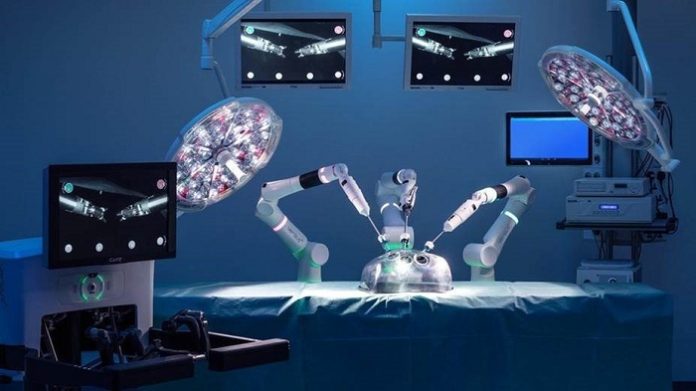
CMR Surgical (CMR) today announced the launch of its Versius® Surgical Robotic System at Argenteuil Hospital, a leading public health centre based near Paris, France. The announcement follows a competitive tender win for Versius, which has now been selected as a preferred surgical robotic system for minimal access surgery (MAS) by Resah – one of the largest public purchasing centres in the health sector, which collaborates with more than 700 public and private non-profit hospital, medico-social and social centres. The news today highlights Versius’ value to leading healthcare systems across the world and reinforces its role in driving forward a new era of accessible and adaptable surgical robotics.

Per Vegard Nerseth, Chief Executive Officer of CMR Surgical commented: “It is great to be able to introduce Versius to a reputable, public centre such as Argenteuil Hospital. Argenteuil Hospital has acquired the system after we were selected by Resah, as part of one of the largest tenders in the country, following a competitive process. This means hundreds more hospitals in France now have the option of benefitting from Versius.”

Argenteuil Hospital has acquired its Versius system to support a range of surgical procedures that may benefit significantly from being performed via robotic MAS. These include urological and gynaecological surgery.

Dr Hubert Oro, Urologist at Argenteuil Hospital commented: “We are delighted to announce the introduction of Versius at Argenteuil Hospital. This is ground-breaking technology that offers the precision, versatility and freedom that surgeons need during minimal access procedures. In just one single system we have all the options we need – we can use a single robotic arm, for an emergency case, or have three arms working together to complete a range of complex, lengthy procedures. In short, Versius adapts completely to our needs and will strengthen our surgical capabilities, enabling us to significantly improve patient care.”

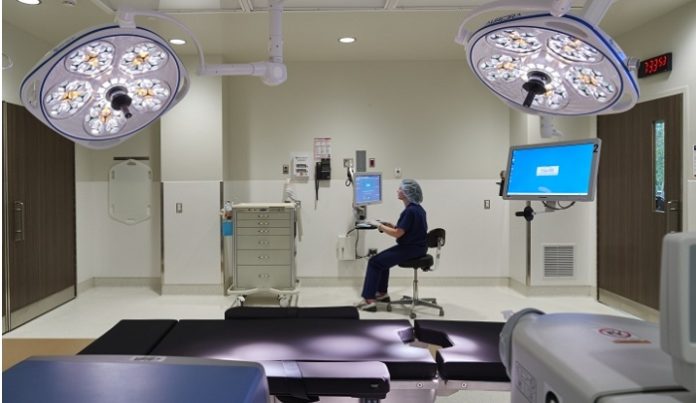
Versius brings next-generation technology to MAS. It can be moved easily and used in virtually any operating room. It also offers a route to making surgical robotics more routinely available, addressing inequity in access to surgical robotics technology. Across France, over 1,500 hospitals currently perform MAS, yet only 6% of medium-sized public hospitals have a robotic surgery department.i Versius aims to offer an innovative solution to this challenge, making MAS far more accessible.

About The Resah Group Tender

The Resah public interest grouping (GIP) has one of the largest public purchasing groups in France, with 10 purchasing channels covering most of the needs of establishments. It has pooled €1.2 billion in purchases in 2019. It works with more than 700 establishments throughout France in the health, medico-social and social sector in the field of pooling and professionalising purchasing.

About Versius at Argenteuil Hospital

Versius aims to ensure that surgeons and hospitals are able to provide patients with the highest quality of surgical care. At Argenteuil Hospital it has been used to perform a range of procedures across numerous disciplines. These include urological surgery and gynaecological surgery. Such procedures are often complex and may last for many hours. Using robotic MAS in these cases can significantly lower physical strain for the surgeon, may reduce recovery time for a patient from weeks to days and can lower the risk of surgical site infections – an issue that is estimated to cost health services across Europe up to €19 billion per annum.ii


Australian and New Zealand scientists use AI to predict heart disease risk

Scientists from the University of Melbourne and University of Otago have jointly developed and trained an artificial intelligence (AI) system to predict a person’s risk of cardiovascular disease (CVD) by looking at the retinas of their eyes.

The research flagged that examining retinal blood vessels to predict a patient’s risk of CVD is not anything new, but the current software used to carry out the procedure is semi-automated and still requires human intervention.

In developing the system, the scientists trained the AI using more than 70,000 digital retinal photographs from 15 diverse multi-ethnic and multi-country datasets.

“Deep learning has the potential to transform clinical care in medical imaging fields … here we developed and validated a deep-learning CNN (SIVA-DLS) that specifically measured retinal-vessel calibre from retinal photographs,” the research said.

According to the research, the results of the findings showed the AI system performed the same or better than experts in predicting a patient’s risk of CVD by measuring common signs such as blood pressure, body-mass index, total cholesterol, and glycated-haemoglobin levels.

The results also revealed how the people who were flagged to be at risk ended up suffering a cardiovascular incident, such as a stroke or death.

“Retinal-vessel calibre is a specific clinical feature of CVD risk that many physicians may appreciate and accept. We showed that such retinal calibre measurements are correlated with CVD risk factors and are associated with incident CVD events,” the scientists said. “This will have immediate value for research application in clinical studies and — ultimately, if proven in future studies — for clinical CVD prediction and risk stratification.”


Elsewhere, researchers from the University of Leeds in the UK have created a robot designed to perform guided colonoscopy procedures, with the belief it could help reduce procedure times and reduce training that would be needed to use a manual endoscope.

The semi-automatic robotic system relies on simple movement commands from the user, and moves using machine intelligence and image analysis to automatically guide itself along the colon.

As part of testing the technology, the researchers tested it in an artificial colon model, as well as in two pigs.

The research, which has been published in the Nature Machine Intelligence, revealed that using the semi-automated robot even by users who had no previous training was much more manageable than non-intelligent methods, such as ones that rely on using magnets outside the body to control how the robotic arm moves inside the body, or more traditional colonoscopy methods where experienced medical practitioners use conventional endoscopes and guide it through the colon.

“The inherent complexity of navigating magnetic endoscopes with a single external permanent magnet can be overcome by the developed intelligent control strategies. These were able to mask the unintuitive nature of interacting magnetic fields and field gradients,” the research said.

In addition to being used for early detection of colon cancer, the technology also has the potential to be used in other procedures such as pancreatic endoscopy, bronchoscopy, and gastroscopy, the researchers said.

Vizient Provides Guidance to Hospitals on New Technologies to Battle COVID-19 Pandemic

Vizient Teams Up with Suppliers to Offer Remote Patient Monitoring Solutions

Vizient, Inc. released three new evidence-based reports providing a comprehensive overview and guidance to hospitals on the appropriate implementation of emerging innovative technologies for helping to care for COVID-19 patients. These reports, targeted at hospitals dealing with the COVID-19 pandemic, address immediate needs for the care of patients during the crisis.

“The COVID-19 pandemic has created an environment where hospitals are being compelled to consider novel technologies that can help them manage their patients more efficiently and improve outcomes,” said Joe Cummings, technology program director at Vizient. “These reports provide insight to help health care providers identify and evaluate new technologies that may be vital in the fight against COVID-19.”

Devices to Assist Ventilator Weaning in COVID-19 Patients

With mechanical ventilation often required in seriously ill COVID-19 patients, weaning patients from ventilators can be a prolonged process complicated by disuse atrophy of the respiratory muscles. Studies have shown that 30% of critically ill patients have difficulty weaning, with the weaning process accounting for up to 40% of the total time on mechanical ventilation.

Three different devices have received FDA emergency use authorization to help rebuild respiratory strength in hard-to-wean patients. These technologies could shorten the time spent on the ventilator, reduce ventilator-associated pneumonia and increase rates of extubation. In addition, these techniques can incrementally help to increase the supply of available ventilators, free up ICU beds and reduce overall hospital resource utilization during the pandemic.

Extracorporeal Blood Filtration Devices for COVID-19 Patients

A hyperactive immune response, sometimes called a “cytokine storm,” is associated with lung injury, acute respiratory distress syndrome and multi-organ failure in some severe cases of COVID-19. Four different blood purification devices that act to filter out excess levels of circulating cytokines, pathogens and other inflammatory mediators have received FDA emergency use authorization for blood purification in COVID-19 patients.

These technologies are not new; they have been used in more than 100,000 patients in Europe and Asia over the past 10 years. Use in COVID-19, however, is a new indication with many unknowns regarding safety and effectiveness. Experience with these devices is growing rapidly, with significant usage reported by investigators in China, Germany and Italy and at research institutions in the U.S.

At-Home Remote Monitoring of COVID-19 Patients

Current data suggests more than 80% of COVID-19 positive patients do not require hospitalization. Prospectively identifying the patients who can be managed at home, however, is a diagnostic challenge. Many hospitals have reported incorporating remote monitoring of physiologic parameters, like temperature and blood oxygenation level, as part of the strategy to keep their emergency department and hospital from being overwhelmed by COVID-19 patients.

Remote monitoring can provide earlier recognition of actionable data using at-home medical devices. The technology has rapidly evolved in recent years in parallel with the dramatic advances in computer, internet and mobile technologies. In particular, at-home devices and platforms developed for chronic disease management can be readily adapted to at-home COVID-19 patient management.

Notably, both the FDA and Centers for Medicare and Medicaid Services have issued policies in effect for the duration of the pandemic that facilitate the use of remote monitoring. The FDA provided flexibility in the marketing of previously approved monitoring devices. Similarly, CMS issued policies that removed restrictions and allowed reimbursement for new patients and home settings.

One big advantage of remote monitoring is that it limits potential exposure to and/or spread of the SARS-CoV-2 virus. The use of RM to manage patients at home for as long as possible is an innovative, high-impact strategy for hospitals to consider.

Vizient TechFlash reports offer a concise summary of the available clinical evidence for a specific product or technology. They also include background information on the technology’s significance, current practices and alternatives, patient selection criteria, financial details and recommendations. COVID-19 related TechFlash reports are available to the public as part of the overall Vizient COVID-19 response.

About Vizient

Vizient, Inc. provides solutions and services that improve the delivery of high-value care by aligning cost, quality and market performance for more than 50% of the nation’s acute care providers, which includes 95% of the nation’s academic medical centers, and more than 20% of ambulatory providers. Vizient provides expertise, analytics and advisory services, as well as a contract portfolio that represents more than $100 billion in annual purchasing volume, to improve patient outcomes and lower costs. Vizient has earned a World’s Most Ethical Company designation from the Ethisphere Institute every year since its inception. Headquartered in Irving, Texas, Vizient has offices throughout the United States.

New platform launches in India to enable paperless hospitals

New platform launches in India to enable paperless hospitals

Digital health venture KareXpert has built a new cloud-based platform with built-in electronic health records (EHR) that will enable hospitals in India to go paperless.

The platform is AI-ready and can perform specialty functions to support doctors, nurses and patients on mobile and desktop devices, including CPOE (computerized physician order entry) and MAR (Medication administration request), telehealth, pharmacy management, and a COVID-19 Outbreak Management Platform.

KareXpert comes with a pre-integrated data lake, where the hospital’s AI data model of choice can be used, enabling it to research by having a single data view of all anonymised patient records. It is hoped this will help with identifying disease patterns and inventing new clinical and treatment procedures, while keeping patient data safe.

It has also been designed to assist hospitals with multiple locations, with an integrated EHR per patient in real-time, and supports pre and post-surgery workflows.

Nidhi Jain, CEO and founder of KareXpert Technologies, said of the technology: “KareXpert’s NDHM ready, AI-ready, and highly secure EMR/EHR solution has brought a new wave of innovations. It is providing doctors, nurses, and healthcare workers a means for high-quality patient care at affordable prices. The hospital will become future-ready for AI/ML technologies using KareXpert’s Healthcare Data Lake.”

India’s first fully paperless hospital was opened in 2019 by the Prime Minister of India Narendra Modhi. Medical staff at the Sardar Vallabhbhai Patel Institute of Medical Science and Research (SVPIMSR), a hi-tech government hospital that offers free treatment to people on low incomes, carry tablets to access information.

The digital integration of EHR meets the aims of the National Digital Health Mission (NDHM) launched by the Government of India, which seeks to improve access to healthcare by digitising the sector.

KareXpert, based in Gurugram, south west of New Delhi, previously partnered with the Indian Government to provide advanced telemedicine services to communities in Uttarakhand, a rural location in the Himalayan region where people are forced to travel long distances to access medical care.

Butterfly Network Launches Mobile, Whole-Body Ultrasound with Integrated Telehealth Platform

Butterfly Network Launches Mobile, Whole-Body Ultrasound with Integrated Telehealth Platform

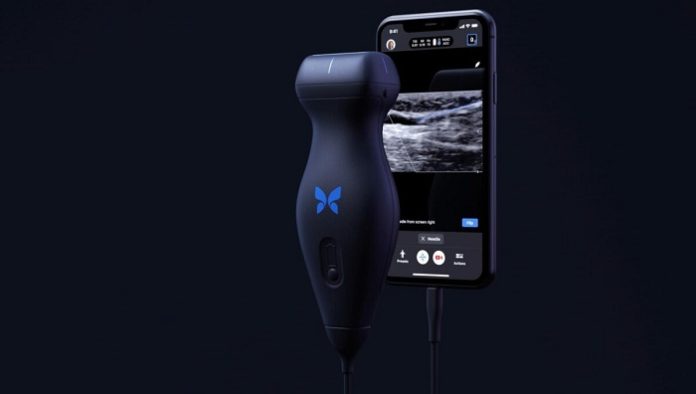
Butterfly Network, Inc., announced the launch of its next-gen ultrasound product, the new Butterfly iQ+, the world’s only single-probe, whole-body ultrasound system that connects to a mobile device and features an integrated telemedicine platform. Butterfly iQ+ offers new capabilities, such as faster frame rates, Needle VizTMtechnology, a longer battery life and industry-leading durability.

Ultrasound reinvented again

Butterfly iQ+ features an optimized manufacturing process in partnership with TSMC, the largest and most advanced dedicated IC foundry in the world. TSMC’s MEMS (microelectromechanical systems) manufacturing technology enables the ultrasound transducer to seamlessly integrate with CMOS (complementary metal-oxide semiconductor) technology. In addition, TSMC possesses manufacturing capacity that can scale to realize Butterfly’s vision of making an ultrasound device as ubiquitous as the stethoscope for the world’s 40 million healthcare providers.

Butterfly’s innovative product has been shown to be a particularly useful tool during the global COVID-19 pandemic due to its lung imaging capabilities, portability and ease of cleaning, as infection control has become increasingly important. Butterfly iQ+ brings a suite of new capabilities that make it even easier to make fast decisions at the bedside.

Faster, sharp imaging

With patented on-chip digital micro-beamforming enabling 15% faster frame rates and 60% faster pulse repetition frequency, healthcare providers can see image details in the heart, lungs and bladder with optimized clarity. High-performance shallow imaging capabilities help support fast, confident interventional decision-making, while deep imaging capabilities in the lung and deep cardiac presets allow for sharp details. The Butterfly iQ+ can help healthcare providers save time in their diagnosis and treatment of patients, improving overall patient outcomes.

State-of-the-art technology for new levels of control

The cutting-edge Needle VizTM technology available on Butterfly iQ+ can provide healthcare professionals with an enhanced ability to see a needle—improving confidence for central line placements, regional nerve blocks and other guided procedures. Additionally, in just four seconds, clinicians can calculate bladder volume automatically using the AI-based Auto Bladder Volume tool, allowing faster decisions at the bedside.

More power and durability

The Butterfly iQ+ extends battery life by 20% and scanning time by 100% to help healthcare providers get through their shift. With its durable, anodized aluminum body and replaceable compression- and stomp-tested cable, the Butterfly iQ+ offers military-grade durability to withstand tough shifts, and has been tested to withstand an industry-leading 4-foot drop. This next-generation device has gone through rigorous testing to ensure shock resistance and protection from dust and water damage.

Pricing & Availability

Putting ultrasound on a chip, Butterfly was able to define a new precedent of affordability by providing a whole-body ultrasound device at $1,999, plus membership. Today, as it reinvents ultrasound again, Butterfly iQ+ will be available for the same affordable price.

Health Records on iPhone Now Available to InterSystems TrakCare Customers in the UK

Health Records on iPhone Now Available to InterSystems TrakCare Customers in the UK

InterSystems, a creative data technology provider dedicated to helping customers solve the most critical scalability, interoperability, and speed problems, announced that UK customers of its InterSystems TrakCare® unified healthcare information system can offer their patients Health Records on iPhone. The feature brings together hospitals, clinics, and the existing Apple Health app to make it easy for patients to see their available medical data from multiple providers whenever they choose.

The Health Records feature is part of the Health app, which also shows activity, heart rate, nutrition, sleep and other health data consolidated from iPhone, Apple Watch and HealthKit-enabled third-party apps.

The InterSystems API is built using InterSystems IRIS for Health™ and will be offered to TrakCare clients initially. However, the technology will also be made available soon for users of the InterSystems HealthShare® suite of connected care solutions and InterSystems IRIS for Health. InterSystems has partnered with several early adopter health systems in the UK to validate the API and is ready to move to production quickly.

Previously, patients’ medical records were held in multiple locations, requiring patients to log into each care provider’s website to piece together the information manually. Health Records creates a direct connection between medical institutions and a patient’s iPhone, allowing them to see a central view of their allergies, conditions, immunizations, lab results, medications, procedures, and vitals. It also notifies patients when their data is updated.

Health Records on iPhone was designed to protect patients’ privacy through utilizing a direct, encrypted connection between the user’s iPhone and the healthcare organization. Downloaded health records data is stored on-device and encrypted with the user’s iPhone passcode, Touch ID or Face ID. Apple worked with the healthcare community to take a consumer-friendly approach, creating Health Records based on FHIR (Fast Healthcare Interoperability Resources), a standard for transferring electronic medical records.

Health institutions, medical professionals and providers can find more information on Health Records, the Health app and more here, and can register to have their healthcare organization listed in the Health Records directory here. Once a health institution is listed in the Health app, patients can download their health records by selecting the institution and authenticating with their patient portal username and password.

“Making data more accessible through interoperability is a core tenant of the InterSystems product strategy,” said Don Woodlock, Head of Healthcare Solutions at InterSystems. “Through this integration with Apple’s Health Records on iPhone feature, we are providing TrakCare users with the capabilities they need to put health and care information directly into the hands of the patients they care for, all with privacy at the center of the experience.”

About InterSystems

Established in 1978, InterSystems is the leading provider of data technology for extremely critical data in the healthcare, finance, and manufacturing and supply chain sectors. Its cloud-first data platforms solve scalability, interoperability, speed, and problems for large organizations around the globe. InterSystems also develops and supports unique managed services for hospital EMRs, unified care records for payers, communities, and nations, and laboratory information management systems. InterSystems is committed to excellence through its award-winning, 24×7 support for customers and partners in more than 80 countries. Privately held and headquartered in Cambridge, Massachusetts, InterSystems has 25 offices worldwide.

Urosurgical Center of Richmond is the First Ambulatory Surgery Center in Virginia

Urosurgical Center of Richmond is the First Ambulatory Surgery Center in Virginia

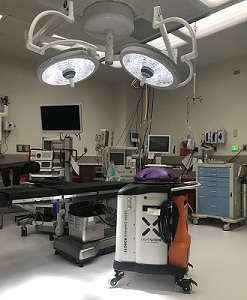
As healthcare facilities look for new and innovative ways to battle multi-drug resistant organisms that can pose a risk to patient safety, Urosurgical Center of Richmond has taken a leap into the future with a LightStrike Germ-Zapping Robot named Rosie that destroys hard-to-kill viruses, bacteria and superbugs in hard-to-clean places. Urosurgical Center of Richmond is the first ambulatory surgery center (ASC) in Virginia to deploy a LightStrike robot from Xenex, a world leader in disinfection technology. The LightStrike robot is proven to deactivate Severe Acute Respiratory Syndrome coronavirus 2 (SARS-CoV-2), the virus that causes COVID-19, on surfaces in two minutes.

Recognizing that superbugs are becoming increasingly resistant to cleaning chemicals, antibiotics and even some hand sanitizers, hospitals are turning to new technology to enhance their existing infection control practices in order to reduce the risk of healthcare-associated infections (HAIs) in their facilities. These infections are caused by microorganisms such as Clostridium difficile (C.diff), methicillin-resistant Staphylococcus aureus (MRSA), and vancomycin-resistant Enterococci (VRE) that often lurk on high-touch surfaces in healthcare facilities. To combat these dangerous pathogens, Xenex bundles LightStrike robots, infection prevention (IP) expertise, customized disinfection protocols, and consulting and account management services into a hospital’s comprehensive infection prevention program.

“Our goal is to provide the safest possible environment for our patients. Urosurgical Center of Richmond already has a comprehensive infection prevention program in place, and we are very excited about adding this robot to our infection prevention protocol. LightStrike operating room disinfection is an additional step we are taking to enhance the safety of our patients, which has always been our top priority,” said Kent Rollins, MD, President of Virginia Urology.

LightStrike Germ-Zapping Robots use pulsed xenon, an environmentally-friendly inert gas, to create intense bursts of ultraviolet (UV) light that quickly destroys bacteria, viruses, and spores on hospital surfaces. The robot works quickly and does not require warm-up or cool-down time, so Urosurgical Center of Richmond is able to disinfect its operating suites quickly after each case. More than 40 peer-reviewed studies have been published validating the efficacy of the LightStrike technology.

Rosie, the portable LightStrike robot, can disinfect the operating suites or procedure rooms in 10-15 minutes without warm-up or cool-down times. Operated by the surgery center staff, it can be used in any area of the ambulatory surgery center including operating suites, pre and post-surgical areas, restrooms and public spaces.

About Xenex

Xenex is a world leader in UV technology-based disinfection strategies and solutions. Xenex’s mission is to save lives and reduce suffering by destroying the deadly microorganisms that cause hospital acquired infections. Xenex is backed by well-known investors that include EW Healthcare Partners, Piper Jaffray, Malin Corporation, Battery Ventures, Targeted Technology Fund II, Tectonic Ventures and RK Ventures.

About Urosurgical Center of Richmond

Urosurgical Center of Richmond (UCR) is a privately owned, AAAHC & CMS accredited ambulatory surgery center operated by Virginia Urology. It is staffed by clinicians dedicated to the field of urology and urogynecology. UCR was the first independent ambulatory surgery center in the Commonwealth of Virginia.

Medtronic Announces Adaptix Interbody System, the First Navigated Titanium Cage with Titan nanoLOCK Surface Technology

Medtronic Announces Adaptix Interbody System, the First Navigated Titanium Cage with Titan nanoLOCK Surface Technology

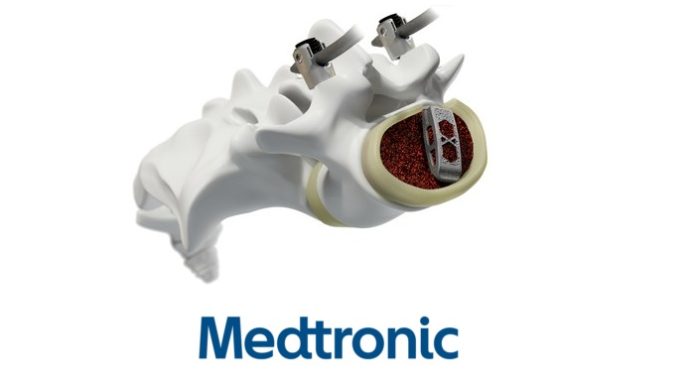
Medtronic plc , the global leader in medical technology, announced the U.S. launch of Adaptix™ Interbody System, the first navigated titanium implant with Titan nanoLOCK™ Surface Technology, a proprietary blend of surface textures on the macro, micro, and nano levels. The Adaptix Interbody System, mirrored after the veteran Capstone™ Spinal System, touts improved features for increased strength,1 subsidence resistance,1,2,3 easy insertion, and data-backed bone growth4,5. The announcement was made during the virtual edition of the North American Spine Society (NASS) annual meeting. Adaptix received U.S. FDA approval in August 2020.

This milestone represents the first 3D printed titanium implant, developed in house by Medtronic engineers, that incorporates the state-of-the-art Titan nanoLOCK Surface Technology.

Titan Spine, acquired in 2019, pioneered this surface technology that is the first to demonstrate the elements to be considered a nanotechnology for spinal devices as outlined in the FDA nanotechnology guidance document. Interbody implants are spacers that surgeons may insert between the vertebrae during spinal fusion surgery to help relieve pressure on nerves and hold the vertebrae in place while fusion occurs.

“Adaptix Interbody System allows me the best chance to meet my patients’ needs by confidently placing the implant under navigation and trusting the Titan nanoLOCK Surface Technology to allow the implant to promote fusion. Surface technology, material type, and implant design all play a role in bone growth process during fusion,” said J. Justin Seale, M.D. of OrthoArkansas Spine Institute. “The unique features and world-class technologies make the Adaptix Interbody System a truly differentiated implant.”

The Adaptix Interbody System addresses surgeons’ universal needs of fusion outcomes and offers:

  • Trusted design with enhanced features.
  • Science-backed nano surface technology.
  • Navigation efficiency and confidence.

Medtronic continues to transform spine care and deliver on its Surgical Synergy strategy by offering solutions that integrate implants, biologics, and enabling technologies. Adaptix Interbody System is compatible with the Medtronic navigation platform (StealthStation™ Navigation and O-arm™ imaging) and the newly released Grafton™ DBF Inject, a unique graft delivery syringe that delivers an osteoinductive6 DBM into the surgical site.

“Adaptix Interbody System is an exciting addition to our portfolio that leads with our Titan nanoLOCK Surface Technology,” said Sharrolyn Josse, vice president and general manager of Medtronic Core Spine and Biologics division, which is part of the Restorative Therapies Group at Medtronic. “It is a fully navigated procedure, leveraging our leadership in navigation.”

About Medtronic
Medtronic plc, headquartered in Dublin, Ireland, is among the world’s largest medical technology, services and solutions companies – alleviating pain, restoring health and extending life for millions of people around the world. Medtronic employs more than 90,000 people worldwide, serving physicians, hospitals and patients in more than 150 countries.

QIAGEN to complement COVID-19 testing portfolio with novel kit that simplifies and accelerates PCR analysis for research applications

QIAGEN to complement COVID-19 testing portfolio with novel kit that simplifies and accelerates PCR analysis for research applications

QIAGEN announced plans to launch a novel straightforward approach to viral RNA epidemiology that will significantly simplify and accelerate PCR analysis and remove key testing bottlenecks for SARS-CoV-2 and other RNA viruses.

QIAGEN’s innovative QIAprep&amp Viral RNA UM Kit combines a liquid-based sample preparation step completed in only two minutes with real-time PCR detection in a streamlined workflow that can be automated with standard lab equipment for any throughput, any assay and any reaction need from single to multiplex testing. The kit, which uses the most common transport media such as Universal Transport Media (UTMTM) as the starting material, includes both sample extraction components and optimized PCR reagents for only one procedure.

The streamlined workflow takes under one hour to deliver a result, compared to approximately three hours for standard extraction-based quantitative PCR processes and can handle up to 2,600 samples per eight-hour shift per cycler. As a result, labs can significantly accelerate the time to result and the frequency of viral testing. With only three small pipette tips needed per sample, the kit keeps plastic usage to a minimum, while providing significant cost savings by reducing reagent use and labor utilization.

Initial studies run by select public health research institutions have shown that the level of detection of the new QIAprep&amp Viral RNA UM Kit, when used with their assay, is similar to or better than regular PCR workflows, and that performance compares to standard public health protocols of the U.S. Centers of Disease Control (CDC), the World Health Organization (WHO) and others that use the gold standard for sample extraction.

“We are excited to launch the first integrated liquid-based sample preparation and amplification method for testing of viral RNA with any assay, including SARS-CoV-2,” said Dr. Thomas Schweins, Senior Vice President of the Life Sciences Business Area at QIAGEN. “Unlike other products, QIAprep&amp does not eliminate the sample preparation step at the expense of performance. Instead, it streamlines the gold standard in sample preparation set by QIAGEN to a process completed in under two minutes to enable an immediate, fast real-time PCR run on any cycler that delivers results in under one hour. We are planning to ramp up the production capacities later in 2020 to levels that ensure a guaranteed supply and address effectively the challenge of long PCR turnaround times that are slowing down the frequency of testing.”

The QIAprep&amp workflow is simple, swift and straightforward, consisting of only three steps: an aliquot is taken from a primary sample (nasopharyngeal, oropharyngeal or nasal swab) in transport media and added to a sample preparation buffer that is optimized to prepare the viral RNA template without degradation. This is next combined with the RT-qPCR reaction mix, which provides reliable and sensitive results for RNA viruses in UTM. The sample then undergoes a routine real-time PCR in a cycler using any assay. The output is finally interpreted, delivering a test result in under one hour from start to finish – including incubation and hands-on time.

“QIAprep&amp makes the most of our expertise in both sample preparation and PCR,” said Thierry Bernard, Chief Executive Officer of QIAGEN. “PCR is the gold standard for detection of SARS-CoV-2 and other RNA viruses, and QIAprep&amp makes it faster – without compromising performance. The launch of this new product will complement our efforts to build the broadest portfolio of COVID-19 testing solutions that addresses the varying needs for clinical and research applications in the fight against the pandemic.”

QIAGEN has been adding PCR tests on the QIAstat-Dx and NeuMoDx systems that differentiate COVID-19 from other respiratory infections, delivering research gene panels integrated with bioinformatics for analysis of the SARS-CoV-2 virus on any sequencer and scaling up production capacity for sample preparation kits and reagents sold to other companies for their own COVID-19 tests. QIAGEN is also developing novel easy-to-use solutions for antibody and antigen testing running on a portable device that provides highly accurate results in less than 15 minutes.

About QIAGEN

QIAGEN N.V., a Netherlands-based holding company, is the leading global provider of Sample to Insight solutions that enable customers to gain valuable molecular insights from samples containing the building blocks of life. Our sample technologies isolate and process DNA, RNA and proteins from blood, tissue and other materials. Assay technologies make these biomolecules visible and ready for analysis. Bioinformatics software and knowledge bases interpret data to report relevant, actionable insights. Automation solutions tie these together in seamless and cost-effective workflows. QIAGEN provides solutions to more than 500,000 customers around the world in Molecular Diagnostics (human healthcare) and Life Sciences (academia, pharma R&D and industrial applications, primarily forensics). As of June 30, 2020, QIAGEN employed more than 5,200 people in over 35 locations worldwide.

Piedmont Healthcare and Alliant Health Plans Sign Contract

Piedmont Healthcare and Alliant Health Plans Sign Contract

Piedmont Healthcare and Alliant Health Plans have signed an agreement, resulting in expanded provider network coverage to individuals in selected counties who purchase their insurance on the Marketplace, also known as HealthCare.gov. This agreement will allow those members to have in-network access to their local Piedmont Healthcare facilities and physicians.

Piedmont treats 2.7 million patients a year and serves communities that comprise 70 percent of Georgia’s population. Alliant Health Plans has been a health insurance provider in Georgia for over 20 years.

“We are continually looking for new payor partners that will provide options to patients in the communities we serve,” said Kevin Brown, president and CEO of Piedmont Healthcare. “We are excited to offer service to Alliant customers in selected markets throughout Georgia and to expand the high-quality, patient-centered care for which we are known to a new group of patients.”

Alliant is licensed and available in 98 Georgia counties, including a number in markets where Piedmont offers access to physician or facility services, including Barrow, Chattahoochee, Clarke, Gilmer, Greene, Harris, Marion, Muscogee, Oconee, Oglethorpe, Madison, Pickens and Walton counties, among others. Patients who live in the respective service areas of the hospitals below will have access to all providers and locations within those areas:

Piedmont Athens Regional Medical Center
Piedmont Columbus Regional-Midtown Campus
Piedmont Columbus Regional-Northside Campus
Piedmont Mountainside Hospital
Piedmont Walton Hospital
Piedmont Atlanta Hospital (patients are eligible for transfer here for services that are not otherwise available at any of the above hospitals)

“This agreement provides great value for members and patients in these communities,” said Mark Mixer, CEO of Alliant Health Plans, Inc. “True to our roots as a provider-founded health plan, we remain committed to expanding our provider network to the benefit of our members.”

Translate »