Close
Digital Health & Ai Innovation summit 2026
Medical Taiwan 2026

Elucid Bio’s vascuCAP enters IBM Imaging AI Marketplace

Elucid Bio's vascuCAP enters IBM Imaging AI Marketplace

Elucid Bioimaging Inc. announced that vascuCAP, Elucid Bio’s AI-enabled software for evaluating atherosclerotic plaque stability from CTA, has been added to the IBM Imaging AI Marketplace, an IBM Watson Health® solution.

The IBM Imaging AI Marketplace provides streamlined access to meaningful AI technologies designed to support leaders working in radiology and cardiology. The marketplace is designed to support healthcare providers with a solution to address the complex problem of finding, purchasing, deploying and managing innovative AI imaging applications.

“We are very excited to work with IBM Watson Health to help improve the diagnosis and treatment of cardiovascular disease by expanding access to our software,” said Blake Richards, CEO of Elucid Bio. vascuCAP is the only histologically-validated tool for objective quantitation of atherosclerotic plaque for the coronary, carotid, aorta, and femoral arteries. Interim results of the CRISP study (NCT04448353) demonstrated vascuCAP’s AI technology significantly outperformed stenosis-based guidelines in predicting risk of major adverse neurological events. The PoSTCARD (NCT04439643) trial demonstrated similar effects for predicting major adverse cardiovascular events.

“We are proud to help support meaningful advancements in the application of AI,” said Mandy Long, Vice President of Product and Strategy for IBM Watson Health Imaging & Oncology. “By partnering with Elucid and offering vascuCAP through the IBM Imaging AI Marketplace, we are demonstrating our continuous commitment to diagnostic imaging in helping clinicians gain critical clinical insights in their delivery of care.

CERENOVUS Launches New Suite of Technologies to Advance Stroke Treatment

CERENOVUS Launches New Suite of Technologies to Advance Stroke Treatment

CERENOVUS, part of Johnson & Johnson Medical Devices Companies announced that it has launched CERENOVUS Stroke Solutions™, which includes a suite of three devices designed to aid physicians in clot removal procedures. The announcement was made during the virtual European Society of Minimally Invasive Neurological Therapy (ESMINT).

Strokes are the second leading cause of death globally, and account for an estimated 140,000 deaths in the United States each year. Over half of stroke survivors become chronically disabled placing an estimated $34 billion economic burden on healthcare systems each year in the United States.

CERENOVUS Stroke Solutions™ were designed with compatibility in mind to help physicians perform mechanical thrombectomy procedures. The suite of technologies includes:

CEREBASE™ DA Guide Sheath, a long guide sheath, designed with more trackability and support to allow physicians to navigate challenging anatomy and secure Distal Access for Geometric Anchoring.[iii]
CERENOVUS Large Bore Catheter is designed for atraumatic vessel wall interaction to balance trackability with more durability and compatibility. Featuring excellent distal kink resistance in a thin wall design, it allows rapid navigation to the middle cerebral artery based on anatomically optimized design.

EMBOTRAP® III Revascularization Device, the latest generation stent retriever, is designed to engage a wide range of clot types, improve procedural confidence and provide more tailored options to achieve the First Pass Effect (FPE).[vii],[viii] FPE is an independent predictor of good functional outcome and has resulted in faster patient recovery times, which may translate to lower healthcare costs.[ix]

“Stroke is a silent killer that can take a life within minutes, and we designed CERENOVUS Stroke Solutions™ to support physicians in successfully treating their patients efficiently and effectively,” said Mark Dickinson, Worldwide President, CERENOVUS. “We are committed to developing differentiated solutions based on physicians’ real-world experiences to change the trajectory of stroke care.”

CERENOVUS at ESMINT

Interim data from the EXCELLENT registry will be presented focused on the composition of the clots collected. This research on clot science continues to provide the foundation used to inform the design of CERENOVUS Stroke Solutions.

“Not all mechanical thrombectomy procedures are equal and the greatest benefits to patients are observed when reperfusion is achieved from the first pass,” said Professor Kyriakos Lobotesis**, Imperial College Healthcare NHS Trust, London, UK, principal investigator in the EXCELLENT study. “The EXCELLENT registry is a unique study that goes beyond reporting patient outcomes and helps to understand more about clot composition, revascularization rates and clinical outcomes.”

CERENOVUS will also host a virtual symposium on Thursday, Sept. 10at 10:45 AM CET., “The quest for a total stroke solution. Now in sight?” moderated by Prof. Kyriakos Lobotesis, Imperial College Healthcare NHS Trust, London, UK, with faculty presenters Dr. Fritz Wodarg, University Medical Center Schleswig-Holstein, Kiel, Germany, and Dr. Hannes Nordmeyer, Radprax Neurocenter Solingen, Germany.

About CERENOVUS
CERENOVUS, part of Johnson & Johnson Medical Devices Companies, is a global leader in neurovascular care. Our commitment to changing the trajectory of stroke is inspired by our long heritage and dedication to helping physicians protect people from a lifetime of hardship. CERENOVUS offers a broad portfolio of devices used in the endovascular treatment of hemorrhagic and ischemic stroke.

About Johnson & Johnson Medical Devices Companies
As the world’s most comprehensive medical devices business, we are building on a century of experience, merging science and technology, to shape the future of health and benefit even more people around the world. With our unparalleled breadth, depth and reach across surgery, orthopedics, vision and interventional solutions, we’re working to profoundly change the way care is delivered. We are in this for life.

Olympus Launches ENDO-AID, an AI-Powered Platform for Its Endoscopy System

Olympus Launches ENDO-AID, an AI-Powered Platform for Its Endoscopy System

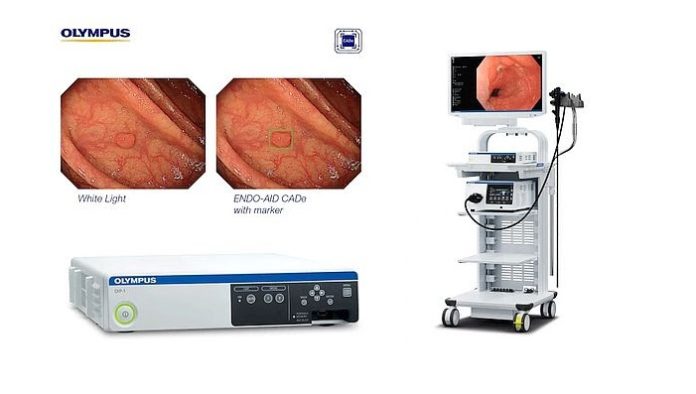
Olympus Corporation announced the launch of ENDO-AID*1, a cutting-edge platform powered by artificial intelligence (AI) that includes the endoscopy application ENDO-AID CADe (computer-aided detection) for the colon. This new AI platform enables real-time display of automatically detected suspicious lesions and works in combination with Olympus’ recently introduced EVIS X1, its most advanced endoscopy system to date.

As a global leader in designing and delivering innovative solutions for medical and surgical procedures, Olympus aims to improve the health and quality of life of patients by providing advanced medical technologies. Its latest endoscopy system, EVIS X1, was developed to set new standards for image detection, characterization, staging, and treatment. With the newly introduced endoscopy CAD (computer-aided detection/diagnosis) platform ENDO-AID, Olympus is now enhancing the capabilities of EVIS X1 through AI technology, aiming to elevate the standard of endoscopy around the world – whether for applications to disorders of the esophagus, stomach, colon or other gastrointestinal organs.

ENDO-AID CADe: real-time computer-aided detection for endoscopy

ENDO-AID CADe is an application for computer-aided detection powered by AI which runs on ENDO-AID. It uses a complex algorithm via a neural network developed and trained by Olympus. With this new application, the system’s sophisticated machine learning can alert the endoscopist in real time when a suspected colonic lesion (such as a polyp, malignant neoplasm or adenoma) appears on the screen.

ENDO-AID CADe was developed toward the following improvements:

– Improved observational performance in adenoma detection: By providing visual support, ENDO-AID CADe aims to improve the observational performance of the endoscopist’s adenoma detection.
– Support of the colonoscopy screening process: The system provides visual support during screening, allowing the endoscopist to focus on any abnormalities indicated by the software regardless of the experience level of the endoscopist.
– Efficient endoscopy operation: Due to the simple and intuitive display of lesions, ENDO-AID CADe has the potential to make endoscopy easier and more efficient for the endoscopist by reducing the need for excessive eye movements.
A first step towards the future of endoscopic diagnosis and therapy

With ENDO-AID, the latest feature of the EVIS X1 endoscopy system, Olympus has created the basis and infrastructure for the installation of future applications supported by AI. “At Olympus we are committed to innovation and driving our research and development with passion,” says Frank Drewalowski, Head of Endoscopic Solutions Division, Olympus Corporation. “Especially in AI, we recognize the power of elevating endoscopic imaging to uncharted levels. Considering ENDO-AID as a first step, we are planning additional AI-powered applications for image detection and characterization – not only for colonoscopy.”

Prevention of colorectal cancer remains our focus

There is a positive impact of an increase in adenoma detection rate (ADR) on the prevention of colorectal cancer (CRC)(2). Supporting the identification of lesions, ENDO-AID CADe is designed to increase ADR(3). We are aiming to increase the quality of CRC screening and its preventive efficacy against CRC. The prevention of CRC is a core element of Olympus’ endeavors in medical endoscopy and beyond.

“With the launch of ENDO-AID, we are not only providing endoscopists across the world with an additional innovative tool,” says Takaharu Yamada, Vice President, GI Endoscopy Business Leader, Endoscopic Solutions Division. “We are also preparing for the future and following our vision of putting CRC in the history books.”

During the virtual UEGW from October 11 to 13, ENDO-AID will be presented to the public for the first time. ENDO-AID is initially and commercially being launched in Europe beginning in November, followed shortly afterwards by some Middle Eastern, African and Asian-Pacific countries. Japan, the Americas and China markets will follow at a later time after complying with laws and regulations in each region. EVIS X1 and ENDO-AID are manufactured by Olympus Medical Systems Corporation. The company and product names specified in this release are the trademarks or registered trademarks of Olympus.

LabCorp and HealthEC Launch Transformative Oncology Care Module

LabCorp Will Perform Antibody Test at No Charge to Accelerate COVID-19 Blood Plasma Donation

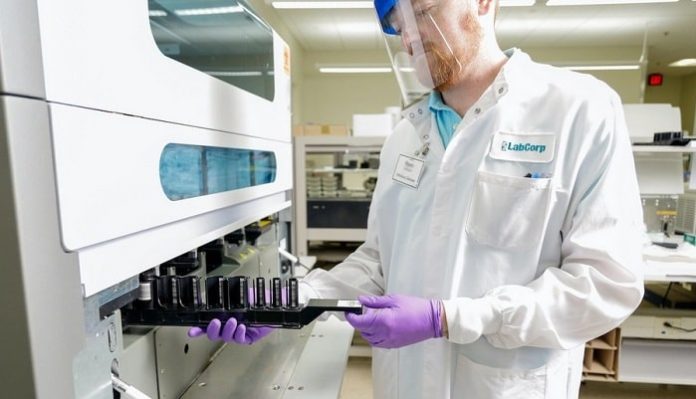
LabCorp, a leading global life sciences company that is focused on advancing health and guiding patient care decisions, and HealthEC, LLC, a leading provider of population health management solutions, announced the launch of LabCorp’s Care Intelligence Oncology Module (Oncology Care Module). LabCorp’s Oncology Care Module is designed to empower oncologists to improve patient outcomes and achieve cost-savings by making it easier to access and compare key data points and performance metrics. Available exclusively through LabCorp, the single-platform solution connects claims and clinical systems using the LabCorp Care Intelligence™ application, powered by HealthEC®.

LabCorp’s Oncology Care Module helps oncology practices measure performance against critical quality and cost benchmarks, including value-based care objectives. The solution consolidates clinically relevant patient and practice data points to provide a more detailed, holistic view of each patient. As part of LabCorp’s Care Intelligence application, the Oncology Care Module integrates securely and seamlessly with electronic health records and other practice management tools and systems. It combines clinical, claims, pharmacogenomics, and staging data; genetic and other clinical laboratory test results; and the patient’s Eastern Cooperative Oncology Group Performance status in a format that is easy-to-use for busy physicians.

LabCorp’s Oncology Care Module provides clinicians with real-time access to critical information that can improve patient outcomes, manage costs, and optimize quality-of-life for patients. The solution also supports patient communications with their care team and allows for patient reported outcomes (ePRO) relevant to their care. Access to this data provides a more comprehensive picture of patient status than information captured through clinical visits alone. Additionally, the tool has the ability to identify patients who may qualify to participate in clinical studies of new treatments through Covance, LabCorp’s drug development business, as well as monitor the progress of patients who are participating in a study.

“LabCorp continues to look for more ways to improve outcomes for cancer patients through the unique combination of our capabilities in diagnostics, drug development, and technology,” said Dr. Brian Caveney, president of LabCorp Diagnostics. “Clinicians, patients, and managed care organizations are increasingly relying on data to identify new treatments, improve patient outcomes, and manage costs. Our Oncology Care Module brings together important information to meet those objectives and helps people make more informed decisions.”

“As new technologies transform cancer care, oncology practices need comprehensive support to run their operations efficiently and ensure patients receive quality care in today’s value-based care environment,” said Arthur Kapoor, chairman and chief executive officer at HealthEC. “We’re pleased to extend our collaboration with LabCorp and look forward to helping oncology providers optimize operations with advanced data aggregation and analytics solutions as the healthcare industry transitions from volume to value.”

About HealthEC

HealthEC, LLC, the 2019 Best in KLAS provider of population health management solutions, is on a mission to help its customers succeed with value-based care. HealthEC®, a single-platform solution, enables personalized healthcare by leveraging the power of connectivity and interoperability: connecting claims and clinical systems, enabling data-driven collaboration between payers and providers, and streamlining care coordination across the healthcare landscape. Organizations are empowered with comprehensive analytics and integrated, role-based tools that translate insights into strategies, address care gaps, and improve quality metrics.

About LabCorp
LabCorp , an S&P 500 company, is a leading global life sciences company that is deeply integrated in guiding patient care, providing comprehensive clinical laboratory and end-to-end drug development services. With a mission to improve health and improve lives, LabCorp delivers world-class diagnostics solutions, brings innovative medicines to patients faster, and uses technology to improve the delivery of care. LabCorp reported revenue of more than $11.5 billion in 2019.

Braidio Partners with Arkos Health to Power Telehealth Patient Engagement Layer

Metabolic health focused telemedicine startup Calibrate launches

Braidio, the creator of the award winning WorkStream platform that threads all critical information, people, and business tools into a single point of productivity, announced its partnership with Arkos Health. Arkos was formed from the merger of University of Pittsburgh Medical Center’s (UPMC) Curavi Health, VIZI Healthcare/Carepointe, and U.S. Health Systems. Arkos Health will utilize the Braidio WorkStreams low-code/no-code platform, powered by the AT&T API Marketplace providing voice, messaging, chat, and video capabilities to create turnkey customer engagement mobile applications. Braidio integrates with Arkos Health’s clinical data warehouse, EPIC, Five9, and other remote patient monitoring service devices to create an intuitive engagement layer. This engagement layer helps empower new access to health services through on-demand virtual care during an unprecedented global pandemic.

The combination of Arkos Health and Braidio will provide virtual care and remote patient management solutions to patients in UPMC’s region-leading hospital network. Together, the partnership will give healthcare professionals the tools to better serve patients, while lowering costs both in UPMC’s extensive patient network, as well as across other regions. UPMC integrates more than 90,000 employees, 40 hospitals, 700 doctor’s offices and outpatient sites, and serves nearly 4 million members in the Pittsburgh region.

“The healthcare industry has been slow to embrace unified digital transformation strategies, resulting in fragmented data management that limits the quality of care a patient receives. In today’s post-pandemic world, we are constantly looking for opportunities to consolidate data and services around patients to improve the quality and access to care, while correspondingly reducing costs. When we are successful, we find our solutions also increase provider revenue while lifting their administrative burden,” said Aaron Duerksen, Executive Vice President and Board Member of Arkos Health. “With Braidio, we are able to provide a new patient engagement experience that consolidates their information and links them to needed concierge health services, whether those services are in-person or virtual. This is the future of healthcare where the power of unified communications, workflow interoperability, and service access can be focused around an integrated patient engagement, as opposed to just delivering services in silos. We are shifting from a static experience to a dynamic, collaborative experience that dramatically enhances care for vulnerable populations and reduces waste.”

“Telehealth solutions have been critical to halting the spread of the COVID-19 virus, and helping providers deliver the care that patients need when walking into clinics isn’t an option. We could be witnessing a shift in expectations for receiving care,” said Rich Shaw, Vice President, Voice and Collaboration for AT&T Business. “By pairing developers like Braidio with capabilities from the AT&T API Marketplace, applications like these can use the power of AT&T’s highly secure network and leading cloud infrastructure to be in a better position to adapt successfully.”

Braidio’s solutions unify data and knowledge silos to create a dynamic and integrated view of patient care. Care providers now gain real-time patient access and insights to create a smarter ecosystem, maintaining a fluid digital journey for patients, and delivering a more agile and tailored concierge approach to patient care. Using Braidio’s My Health Concierge, patients can easily connect with a Care Team professional using live chat, reducing inbound phone calls and providing additional concierge touch points for the patients.

“In this unprecedented time in all of our lives, this pandemic has given all of us a glimpse into the future of healthcare – which will require new tools that are built specifically to enhance patient and revenue automation workflows and embed real time communications that produce results,” said Iain Scholnick, Founder and CEO of Braidio. “Braidio WorkStreams was built with this in mind, eliminating click fatigue and time lost looking for information across data silos, freeing more time to provide better patient care through intuitive experiences that unlock productivity across the entire patient journey. Braidio’s applications are very modular, allowing them to be malleable based on a healthcare partner’s operational needs, and can add other components such as online pharmacy, remote patient monitoring, or be stripped down so it’s very focused on just a few workflows.”

For more information about Braidio, please visit https://braidio.com/.

About Braidio
Braidio’s award winning WorkStreams™ platform is an engine consisting of permissioning, orchestration, and low-code/no-code mobile app building to thread all information, knowledge, people, and business tools into a single point of productivity. The future of work will look very different than it does now. Braidio WorkStreams helps accelerate sales, improve customer satisfaction, and simplify employee on-boarding by efficiently spreading knowledge and insights across any workflow and business unit in real-time. Based in San Francisco, Braidio is surrounded by some of the most innovative and disruptive companies in the world. Braidio WorkStreams simplifies success. For more information, please visit braidio.com or follow us on Facebook and Twitter.

About Arkos Health
Arkos Health delivers care in the community so people can live healthier and more independent lives. They serve health plan and provider organizations by managing their highest-risk and highest cost populations within an integrated system-of-care, comprised of clinical and social services backed by a robust technology platform. By engaging individuals with virtual, in-home, in-clinic, and in-facility care options, Arkos Health delivers advanced community-based health services that allow our clients to improve quality care and reduce unnecessary costs for their members.


Epic-integrated telehealth at Johns Hopkins boosts quality and safety during pandemic

Prior to COVID-19 hitting early this year, telemedicine at Baltimore-based Johns Hopkins Medicine was low in volume, representing less than 0.1% of total ambulatory care.

THE PROBLEM

During the peak of the pandemic, more than 50% of ambulatory care was delivered through telemedicine, reaching a peak of nearly 100,000 encounters in May 2020. This virtual care is delivered through an integrated video platform through the organization’s Epic EHR.

This rapid increase in telemedicine capabilities created unique challenges, including: 1) Scaling the existing platform to handle new, COVID-19-driven volume, 2) Improving patient access and technical support structures, and 3) The need to monitor larger numbers of patients and different vital signs remotely.

“In addition to the need to scale our video-visit capabilities, the pandemic highlighted a myriad of other new issues to be solved,” noted Dr. Brian Hasselfeld, a pediatrician and medical director for digital health and telemedicine in the office of Johns Hopkins Physicians. “In managing our own workforce, we identified the need to screen and monitor employees for concerning infectious symptoms daily.”

As post-acute discharge options became limited due to bed capacity and medical staff learned more about pulmonary complications of COVID-19, the organization needed ways to more safely discharge to their homes patients who had been admitted with COVID-19. Further, with new infectious risks and with limitations of personal protective equipment, there were new needs around video and remote monitoring of patients admitted in the hospital.

PROPOSAL

Earlier this year, the U.S. Federal Communications Commission awarded the Johns Hopkins Health System $1,000,000 for a remote intensive care unit, a medical kiosk, tablets and other connected devices, cameras, and other telehealth equipment.

This included patient-monitoring equipment to provide routine and complex care for patients with COVID-19, including a COVID-19 ambulatory response team and a regional public-private partnership to serve patients in the surrounding community, all using telehealth. Most of the vendor functionality is tied directly to Epic EHR integration.

“Our FCC application was focused on multiple areas, to address each of these problems,” Hasselfeld said. “As our video-visit volume expanded by up to 1,000 times in areas of our health system, basic IT infrastructure to improve video/audio performance was critical. This was work directly with our integrated video vendor inside of our Epic EHR, which also included improved IT support pathways.”

“As our video visit volume expanded by up to 1,000 times in areas of our health system, basic IT infrastructure to improve video/audio performance was critical. This was work directly with our integrated video vendor inside of our Epic EHR, which also included improved IT support pathways.”

“In coordination with our home care group and pulmonology clinical teams, we expanded our home pulse-oximetry remote-monitoring capability and, in coordination with home care nursing teams and pulmonary provider teams, paired home pulse-oximetry data with virtual pulmonology follow-up for patients leaving the hospital after admissions for COVID-19 for safer care in the home.”

Inside the hospital, staff acquired a wide variety of IT equipment, ranging from mobile phones to tablets, to multifunctional camera kiosks, in order to ensure patients in a wide variety of inpatient venues could engage virtually with providers and outside friends and family, he added.

In critical care areas, which fluctuated and often expanded into previously noncritical care space in the hospitals, the organization began work with a software vendor for improved remote vital sign monitoring, he said.

MARKETPLACE

There are many vendors of telemedicine technology and services on the health IT market today. Healthcare IT News recently compiled a comprehensive list of these vendors with detailed descriptions. To read this special report, click here.

MEETING THE CHALLENGE

“The aforementioned solutions, which are multiple solutions addressing multiple new problems across the various care settings in Johns Hopkins Medicine, were used broadly,” Hasselfeld said. “Improved video-visit platforms touched all ambulatory providers and staff. Enhanced home monitoring engaged a multidisciplinary team ranging from discharge case managers/care coordinators, home care nursing, and pulmonology specialists.”

Improved inpatient video monitoring and data aggregation was leveraged by all types of providers and staff in the hospital setting, and also improved patient connectivity to family and friends during inpatient stays where visitor restrictions were in place due to the pandemic, he added. Each of these solutions was integrated into the Epic EHR infrastructure to limit workflow disruptions and maintain source-of-truth integrity for the medical record, he explained.

RESULTS

In the ambulatory space, Johns Hopkins Medicine has completed more than 400,000 virtual visits, touching nearly 200,000 unique patients.

“Our expanded home-monitoring platform enrolled 270 patients upon discharge from our hospitals, with approximately 20 nursing virtual touchpoints – calls, messages or clinical interventions – per enrolled patient, creating a safer environment after acute illness,” Hasselfeld reported. “With these intensive services, only around 2% of the patients in the home pulse oximetry program required readmission to date.”

Thousands of patients in the Johns Hopkins hospitals, he concluded, were monitored remotely or experienced virtual subspecialty consultation to keep patients safe from unnecessary infectious exposure when clinically appropriate.

Johnson & Johnson Pauses Covid Vaccine Trial As Participant Falls Ill

Johnson & Johnson Pauses Covid Vaccine Trial As Participant Falls Ill

“At Johnson & Johnson, there is no greater priority than the safety and well being of the people we serve every day around the world. We are committed to providing transparent updates throughout the clinical development process of our vaccine candidate, in compliance with regulatory standards and our own high ethical and scientific principles.

We have temporarily paused further dosing in all our COVID-19 vaccine candidate clinical trials, including the Phase 3 ENSEMBLE trial, due to an unexplained illness in a study participant. Following our guidelines, the participant’s illness is being reviewed and evaluated by the ENSEMBLE independent Data Safety Monitoring Board (DSMB) as well as our internal clinical and safety physicians.

Adverse events – illnesses, accidents, etc. – even those that are serious, are an expected part of any clinical study, especially large studies. Based on our strong commitment to safety, all clinical studies conducted by the Janssen Pharmaceutical Companies of Johnson & Johnson have prespecified guidelines. These ensure our studies may be paused if an unexpected serious adverse event (SAE) that might be related to a vaccine or study drug is reported, so there can be a careful review of all of the medical information before deciding whether to restart the study.

We must respect this participant’s privacy. We’re also learning more about this participant’s illness, and it’s important to have all the facts before we share additional information.

SAEs are not uncommon in clinical trials, and the number of SAEs can reasonably be expected to increase in trials involving large numbers of participants. Further, as many trials are placebo-controlled, it is not always immediately apparent whether a participant received a study treatment or a placebo.

UK hospitals launch iPhone app for medical records

UK hospitals launch iPhone app for medical records

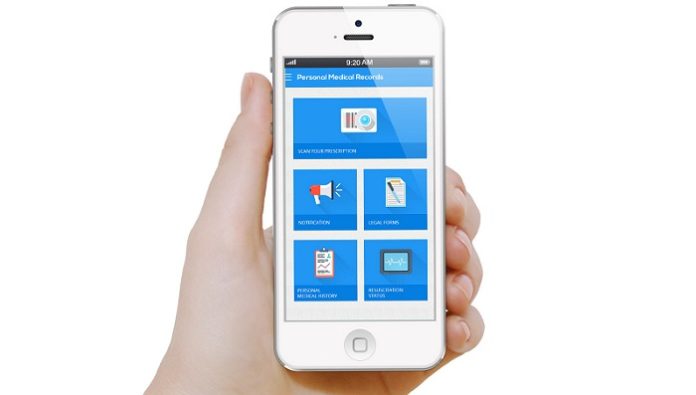
Patients at two UK hospitals are able to view their medical records on their iPhone from October 7. Milton Keynes University Hospital (MKUH) and Oxford University Hospital are the first British hospitals to enable patients to view their health care records via the Health app on their iPhone.

The Health Records feature on the app means patients can get a central view of their medical records including lab results, medications, procedures, allergies, conditions, vital signs and immunizations. It also notifies patients when their data is being updated.

The Health app also shows activity, heart rate, nutrition and other health data consolidated from the user’s iPhone or Apple Watch, for instance.

More than 70,000 patients at MKUH are already registered to the hospital’s MyCARE app, which lets them book and change appointments, access hospital correspondence and other information directly from their smartphone. Health Records on the iPhone provides another option to ensure patients have access to available hospital data from within their electronic patient record (EPR).

Patients can can download their health records by selecting Milton Keynes University Hospital and authenticating with their existing MyCARE credentials. They are then invited to register with MKUH’s MyCARE patient portal once they come into the care of specific hospital services.

The feature has been designed to protect patients’ privacy via a direct, encrypted connection between the user’s iPhone and the healthcare organisation. Downloaded health records data is stored on the device and encrypted with the user’s iPhone password, Touch ID or Face ID.

The hospital refers some of its patients to specialist services at Oxford University Hospitals, who also launch the iPhone app today, so that patients can view their records from both hospitals in one place.

MKUH Chief Executive, Professor Joe Harrison said: “This is a really exciting step for the hospital and our patients. We continually hear from our patients that they want more autonomy over their health care – having access to their health records is the key part of this, so this is a momentous step forward.

“Accessing their health records via the Health app on iPhone provides another great option for patients to view their health data. Clinicians will still contact patients to discuss their care and any test results. It just means patients have the additional opportunity to view this information on their iPhone.

“We are living in a modern world, in which people organise every aspect of their lives online. At MKUH, we want to be at the forefront of making sure the NHS allows patients to do the same.”

ZEISS partners with Microsoft for better patient care through data-driven healthcare and to enhance quality and efficiency in manufacturing

 ZEISS partners with Microsoft for better patient care through data-driven healthcare and to enhance quality and efficiency in manufacturing

ZEISS Group and Microsoft Corp. announced a multi-year strategic partnership to accelerate ZEISS’ transformation into a digital services provider that is embracing a cloud-first approach. By standardizing its equipment and processes on Microsoft Azure as its preferred cloud platform, ZEISS will be able to provide its customers with enhanced digital experiences, address changing market needs more quickly and increase its productivity.

Leveraging Azure high-performance compute, AI, and IoT services, ZEISS will work with Microsoft to provide original equipment manufacturers (OEMs) with new quality management solutions, enable microchip manufacturers to build more powerful, energy-efficient microchips, and deliver new digital healthcare solutions for improved clinical workflows, enhanced treatments, and device maintenance. Furthermore, ZEISS will create a seamless experience for its customers through one digital platform and manage all digital ZEISS products through one cloud-native platform to enhance continuous and agile product development.

Microsoft’s datacenter regions around the globe help meet the regional needs of ZEISS’ customers while delivering against highest security, privacy and resiliency standards. ZEISS will build on Microsoft’s experience in software development to grow its own digital capabilities while helping Microsoft enhance its customer-driven product innovation through deep industry insights.

Connected quality platform drives industrial efficiency

Initially, ZEISS will enable its solutions in the Industrial Quality & Research segment to be run on a connected quality platform built on Azure, allowing direct integration into the customer’s production process. The platform will help gain business insights and foster collaboration across domains, assets and processes that have traditionally been managed in siloed, proprietary systems.

ZEISS provides metrology and quality assurance solutions delivering meaningful information on parts dimensions, component behavior and defect detection. Real-time and large-scale analysis of data that is collected at all stages of the manufacturing process is key to efficient and effective quality assurance, tightly integrated with today’s and tomorrow’s IoT-enabled production processes.

Quality is also a key objective of a new ZEISS audit trail solution, initially focused on highly regulated manufacturing industries, such as medical technology which is particularly sensitive to quality assurance. The solution will allow customers to identify root causes and react quickly on quality issues to reduce down-time and keep productivity up. The software will allow customers to track, trace, visualize and analyze process and product data with the help of Azure AI services to identify failure root causes more quickly.

High-performance computing enables more powerful, energy-efficient microchips

The ZEISS Semiconductor Manufacturing Technology segment (SMT) enables chip manufacturers worldwide to produce smaller, more powerful, more affordable and more energy-efficient microchips which are used in essentially every technical device today. Optical lithography applying deep ultra violet (DUV) and even extreme ultra violet (EUV) light allows to manufacture chips at structure sizes 4,000 times thinner than a human hair or, more scientifically, at single-digit nanometer sizes. Lithography systems include extremely complex and ultra-precisely shaped aspherical lenses (DUV) and mirrors (EUV). ZEISS SMT is a technological leader in this field of the semiconductor industry. Especially the development of next-generation, so-called High-NA EUV systems requires the most complex optical calculations calling for massive compute power.

Using Azure high-performance compute capabilities, ZEISS is now able to dynamically burst to the cloud to complement its sophisticated on-premises high-performance computing cluster and handle peaks more efficiently. Such capabilities enable the development of future leading-edge EUV lithography tools. Optical lithography and especially EUV technology advancements are driving digitalization and are keeping Moore’s Law alive for many years to come.

Data-driven healthcare solutions improve patient care

ZEISS Medical Technology provides comprehensive solutions for ophthalmic professionals and microsurgeons, consisting of devices, implants, consumables and services. Through the partnership, ZEISS will connect its medical technology to Microsoft’s cloud and leverage Azure AI and IoT technologies for new digital services such as improved clinical workflows, enhanced treatments, and device maintenance in a secure environment that enables compliance with regulatory requirements in the health industry. These solutions will help improve the quality of life of patients and drive progress, efficiency and access to healthcare.

Cloud-native ZEISS platforms enhance customer experience and boost internal productivity

ZEISS Digital Innovation Partners and ZEISS Corporate IT already partner very closely with Microsoft and will further intensify and scale this partnership going forward. Together with Microsoft, ZEISS Corporate IT has developed a cloud-native digital integration platform running on Azure to integrate all customer-facing digital ZEISS products into ZEISS Enterprise IT. ZEISS can apply the latest technology developments and share its manufacturing and medical technology insights at the same time to support Microsoft’s customer-driven product innovations.

ZEISS Digital Innovation Partners builds on these integration capabilities and uses Azure cloud and DevOps services to enable a seamless and coherent end-to-end digital journey for ZEISS customers, for example quality experts and eyecare professionals. The digital customer interaction platform MY ZEISS will integrate various customer-facing solutions into one platform so that customers can easily manage their Zeiss touchpoints through one central web application.

“As a global leader in optics and optoelectronics, ZEISS is committed to digitally enable its customers’ business models, products, and services. We are proud to join forces with Microsoft in our quest to apply precision optics, IoT capabilities, artificial intelligence and machine learning to the most demanding processes in healthcare and manufacturing,” says Dr. Karl Lamprecht, ZEISS President and CEO. “Improving the patient’s life and doctor’s work and driving industrial quality assurance in the production process have always been top of mind for us. We are taking our expertise to the next digital level together with Microsoft, a leading innovator and provider of digital technologies.”

“Zeiss is driving innovations across industries to improve the quality of individual lives and create industrial efficiencies by overcoming data silos and integrating digital experiences,” said Scott Guthrie, Executive Vice President Cloud + AI at Microsoft. “Harnessing the power of Microsoft’s cloud, AI and IoT services, ZEISS is transforming into a leading digital services provider.”

ZEISS and Microsoft will also explore opportunities to collaborate and co-innovate across other ZEISS segments and units including Consumer Markets, ZEISS Ventures and Corporate Research and Technology.

About ZEISS

ZEISS is an internationally leading technology enterprise operating in the fields of optics and optoelectronics. In the previous fiscal year, the ZEISS Group generated annual revenue totaling more than 6.4 billion euros in its four segments Semiconductor Manufacturing Technology, Industrial Quality & Research, Medical Technology and Consumer Markets (status: 30 September 2019).

For its customers, ZEISS develops, produces and distributes highly innovative solutions for industrial metrology and quality assurance, microscopy solutions for the life sciences and materials research, and medical technology solutions for diagnostics and treatment in ophthalmology and microsurgery. The name ZEISS is also synonymous with the world’s leading lithography optics, which are used by the chip industry to manufacture semiconductor components. There is global demand for trendsetting ZEISS brand products such as eyeglass lenses, camera lenses and binoculars.

With a portfolio aligned with future growth areas like digitalization, healthcare and Smart Production and a strong brand, ZEISS is shaping the future of technology and constantly advancing the world of optics and related fields with its solutions. The company’s significant, sustainable investments in research and development lay the foundation for the success and continued expansion of ZEISS’ technology and market leadership.

With over 31,000 employees, ZEISS is active globally in almost 50 countries with around 60 sales and service companies, 30 production sites and 25 development sites. Founded in 1846 in Jena, the company is headquartered in Oberkochen, Germany. The Carl Zeiss Foundation, one of the largest foundations in Germany committed to the promotion of science, is the sole owner of the holding company, Carl Zeiss AG.

About Microsoft

Microsoft  enables digital transformation for the era of an intelligent cloud and intelligent edge. Its mission is to empower every person and every organization on the planet to achieve more.


CLEAR Partners with LabCorp to Deliver COVID-19 Immunity Credentials

CLEAR has partnered with LabCorp to improve the utility of its Health Pass application. Thanks to the partnership, Health Pass users can now link the app directly to their LabCorp Patient account to share their health status without disclosing any other personal information.

CLEAR Partners with LabCorp to Deliver COVID-19 Immunity Credentials

The two companies are hoping that their alliance will make it safer to return to public spaces during the pandemic. It will also allow CLEAR to unlock the full potential of its application, which debuted in May. In that regard, Health Pass was originally designed to be an immunity credential, but it initially relied on self-reported survey results to determine COVID-19 status, with few countermeasures to prevent misleading responses.

However, CLEAR was aware of those limitations, and indicated that it would be searching for a partner that would allow it to share official COVID-19 test results. That process has come to an end with the LabCorp partnership. Health Pass users will now be able to share genuine lab results that have been corroborated by an independent testing source, making the app far more reliable as a COVID-19 screening solution.

Health Pass leverages face and document recognition to verify the identities of its users. Those users can access their LabCorp account through the Health Pass app itself, and their test results will be displayed as either a red or green signal to support public safety measures while still protecting the privacy of individual civilians.

The Health Pass app is available for iOS and Android devices. The test and survey results can be synced with a temperature scan performed with CLEAR hardware, or paired with facial recognition to enable touchless access control at points of entry.

“This partnership will advance users’ safety by creating a discreet, secure way to share their test results when they enter public settings and workplaces,” said CLEAR CEO Caryn Seidman-Becker.

The restaurant group Founders Table carried out a pilot of the Health Pass system at two of its locations in July. The NHL would later use the technology to monitor the health of its players during the 2020 Stanley Cup playoffs.

LabCorp, meanwhile, has performed 15 million COVID-19 tests thus far. The relationship between LabCorp and CLEAR is similar to the one between Yoti and GeneMe, which also links COVID-19 results to a secure digital credential.

Translate »