Close
Digital Health & Ai Innovation summit 2026
LiGHT26

Cleveland Clinic London Cancer Centre Expansion Announced

Cleveland Clinic London Cancer Centre Expansion Announced

Cleveland Clinic London Cancer Centre willย  expand an 81,000-square-foot at 40 Grosvenor Place in Belgravia, London, to provide medical oncology and haematology care, as well as systemic cancer therapies such as immunotherapy, chemotherapy, targeted therapies, and radiotherapy.

Construction is scheduled to commence in the fourth quarter of 2025, with completion expected by the end of 2027.

The Cleveland Clinic London Cancer Centreย  site, which offers one of the most extensive cancer programs in the UK Independent market, will provide the most advanced treatments.ย  Multidisciplinary cancer care will comprise surgical oncology, medical oncology, and haematology, as well as systemic cancer medicines like immunotherapy, chemotherapy, targeted therapies, and radiotherapy that are personalised to each patient.ย  In addition to cancer care, Cleveland Clinic London wants to expand its clinical offerings in the future.

โ€œOur mission is rooted in providing patients with the highest quality care, wherever they live,โ€ said Tom Mihaljevic, M.D., Cleveland Clinic CEO and President and holder of the Morton L. Mandel CEO Chair. โ€œBy expanding our services in London, we are addressing the growing demand for advanced cancer care and meeting the needs of patients closer to home.โ€

According to Cancer Research UK, over 375,000 new cancer cases are diagnosed each year in the UK, and this figure is likely to climb as the population ages.ย  The most common cancers diagnosed are breast, lung, prostate, and colorectal cancer.

Cleveland Clinic’s foreign sites provide comprehensive cancer care and cutting-edge treatments, backed up by breakthrough basic, clinical, and translational research.ย  The health system’s worldwide cancer team consists of over 800 physicians, researchers, nurses, and technicians who care for thousands of patients each year and offer access to a variety of clinical trials.ย  Consultants at Cleveland Clinic London Cancer Centreย  will work closely with colleagues from the Cleveland Clinic’s renowned cancer programs in the United States and Abu Dhabi to provide multidisciplinary care, precision medicine, research, and the most advanced cancer medicines to patients in the United Kingdom.

โ€œOur vision is for anyone diagnosed with cancer to have access to the most advanced care in a way that is accessible for them and now we are bringing that to London,โ€ says Alex A. Adjei, M.D., Ph.D., chief of Cleveland Clinic Cancer Institute. โ€œOur focus is on delivering the most effective treatments to achieve long-term survival and improve patientsโ€™ quality of life.โ€

Cleveland Clinic is dedicated to expanding access to clinical trials, creating novel therapeutics, and focussing on underserved areas of study, such as understanding the causes and management of cancer treatment side effects, as well as preventing and treating young-onset cancer.

Cleveland Clinic London Cancer Centreย  now provides modern surgical treatment for a variety of cancers, with a multidisciplinary team to personalise each patient’s care and cutting-edge imaging technology such as MRI, CT, and ultrasound scanners.ย  Cancer-related offerings currently include treatment for adrenal, thyroid, head and neck, colorectal, liver, oesophageal, pancreatic, peritoneal, stomach, gynaecologic, lung, sarcoma, brain and spinal tumours, and urologic cancer.


Evolving the CPT Code Set to Avail Value-Based Care

Evolving the CPT Code Set to Avail Value Based Care

As the US healthcare system speeds up its pivot from volume to value, one crucial tool, which is often overlooked in mainstream discourse, is slowly but surely going through a necessary shiftโ€”the current procedure terminology, CPT code set. Developed as well as maintained by the American Medical Association (AMA), the CPT code set has long been the lingua franca when it comes to healthcare billing, enabling communication between payers, providers, and patients. However, as the sector moves towards value-based care models, this vulnerableย classification system has to evolve not only to track services that are rendered but also to become a dynamic enabler when it comes to quality healthcare thatโ€™s outcome-driven.

In a spectrum that is increasingly driven by data outcomes as well as coordinated care delivery, evolving the CPT code set in order to empower value-based care initiatives is no longer a choice. It is foundational. The present system, which is rooted in a fee-for-service mindset, has to now mature into a tool that goes on to reflect not only what care was provided but also how well that care affected the journey of the patient. Let us delve into how this evolution is unfolding, why it actually matters, and what barriers as well as opportunities lie in front of the stakeholders throughout the healthcare landscape.

It is well to be noted that a shift from volume- to value-based codes, which capture quality, patient-centric metrics, and efficiency, has become quite a norm. Traditional CPT codes, which were designed for transaction billing, often fall short in measuring outcomes, such as reduced readmissions, enhanced chronic disease management, or even patient-reported quality of life. For instance, a code for diabetes management today might as well bill for an office visit but fail to account for whether the patient’s HbA1c improved โ€“ a critical gap when it comes to value-based models.

What are the opportunities ahead?

Innovations such as a driven court as well as real-world data (RWD) integration could as well automate the outcome tracking. Pilot programs when it comes to episode-based coding also happened to show a lot of promise. The path forward happens to hinge on collaboration along with clinicians, finding meaningful matrix, technology helping with scalable tools, and policymakers going ahead and incentivizing the adoption.

Transitioning to value-based care models

The healthcare sector shift from traditional fee-for-service (FFS) to value-based care (VBC) models happens to represent more than just a change when it comes to reimbursement โ€“ it actually signifies a systemic overhaul of how the care gets delivered, measured, and even rewarded. In the FFS systems, volume happens to be the king – the more procedures, appointments, and tests conducted, the more a provider goes on to earn. However, this model has long incentivizedย quantity before quality, thereby driving up the expenditures while at the same time often neglecting the long-term outcomes or the satisfaction of patients.

That is where value-based care enters, which is a framework that happens to tie the payments to performance, rewarding the healthcare providers to enhance health outcomes, decreasing the hospital admissions, and also delivering more coordinated as well as preventive care. However, this kind of transition isnโ€™t just philosophical. It also demands an infrastructure that can actually quantify the value. This is where the CPT code set happens to become a very important player.

In order to support value-based care, providers are required to document not just what services were offered, but how the services contributed to a wider care plan. For instance, did a remote patient monitoring session help in reducing the emergency visits for a patient having congestive heart failure, or did a virtual nutrition counseling follow-up enhance the blood sugar levels in a diabetic patient? Under the VBC models, these touchpoints do matter, and the coding system has to evolve in order to reflect them precisely.

It is well to be noted that technologies like remote patient monitoring (RPM), AI tools, as well as digital front door strategies are now at the forefront when it comes to elevating patient engagement along with the outcomes. Still, many of these innovations function in a grey area when it comes to billing as well as reimbursement, mostly because the existing CPT codes were not designed with such kinds of modalities in mind. If these services go underreported or even unreimbursed, the momentum toward VBC risks stalling because of outdated coding frameworks.

Driving population health along with quality management

At the heart of value-based care happens to lie a commitment to population health โ€“ managing the health of defined groups in a proactive way and not reactively. This kind of approach happens to demand a departure from the isolated view in terms of care that traditional CPT codes often go on to reflect. Rather, what is needed is a coding language that captures the interconnected care journeys when it comes to patients managing chronic diseases, behavioral health requirements, and preventive care strategies.

It is well to be noted that the present CPT code set, which has more than 10,000 codes, happens to be excellent in terms of describing discrete procedures. It often fragments intricate, coordinated efforts into isolated billable events. For instance, a diabetic patient may get nutritional counseling, glucose monitoring, ophthalmic exams, and podiatric care, all as part of the coordinator strategies so as to avoid any kind of complications. Still under the legacy coding models, these appear as certain separate episodes and not a unified, quality-driven intervention.

Interestingly, evolving the CPT code set, which is set to empower value-based care initiatives, happens to mean embedding the principles in terms of team-based care, patient-reported outcomes, and longitudinal tracking within the structure of the codebook. This also happens to include accommodating the rising recognition of social determinants of health โ€“ SDoH โ€“ with factors such as transportation, housing, and food access, which deeply influence outcomes but are still difficult to track or reimburse under the present frameworks.

The fact is that the CPT code set must also sync with the quality metrics, which are used in pay-for-performance contracts as well as federal reporting. Codes that reflect why care was getting delivered, not just what was done, will enable the providers as well as players to better evaluate effectiveness in terms of interventions, especially when we are talking about high-risk populations.

Decreasing the costs and also embracing alternative payment models

The rising cost of healthcare in the US has actually necessitated a move away from the open-ended reimbursement structure to alternative payment models (APMs), which prioritize accountability, transparency, and outcome-based financing. Models like accountable care organizations (ACOs) as well as bundled payments along with global budgets are gaining a lot of traction and all require consistent, granular, and also value-aligned data in order to function properly.

It is well to be noted that CPT codes, when optimized, can go on to serve as a data backbone for these arrangements. However, as it stands, there are many modern interventions like AI-supported triage systems or even digital mental health platforms, which are not adequately represented in the present codebase. This kind of disconnect slows down the innovation adoption, disincentivizes the providers, and, at the end of the day, undermines the cost-saving potential of such kinds of models.

According to one of the target reports, digital health tools are among the top technologies that happen to be affecting the outcome in patients as well as their satisfaction. But when these services lack recognition within CPT, they remain outside the standard reimbursement pathway. Hence, evolving the CPT code, which is set to empower value-based care initiatives, directly happens to contribute to a decrease in cost by helping coverage for evidence-based, tech-enabled services, which actually prevent high-cost interventions at the later part.

Besides this, evolving the code set helps with care coordination, which happens to be a known driver of expenditure containment. When there are multiple providers who can be reimbursed for shared care plans, specifically imposed for acute or higher-utilizer populations, the system moves much closer to both clinical and financial sustainability.

Regulatory momentum along with standards alignment

Policy support is necessary in order to sustain the pace when it comes to coding evolution. There are federal bodies like the Centers for Medicare & Medicaid Services (CMS) that have signaled a very desirable interest in updating data standards in order to support quality-based reimbursement along with interoperability. Evolving the CPT code set has to align with these broad steps in order to avoid any kind of fragmentation as well as foster spectrum-wide adoption.

The American Medical Association (AMA) has already started expanding the code set along with category III codes for certain emerging technologies and services, which happen to reflect innovations – not yet mainstream but critical value-based models. The addition of codes when it comes to digital therapeutics, remote physiological monitoring, and even caregiver support services happen to illustrate this kind of intent.

At the same time, collaboration with EHR vendors as well as standard bodies like HL7 makes sure that CPT codes can get embedded in a meaningful way within the clinical workflow along with documentation. Without such kind of an alignment, even well-designed codesย can lead to certain failure because of lack of integration at the care point.

Overcoming the barriers ahead and continuing to evolve

In spite of the clear momentum, evolving the CPT code set so as to empowerย the value-based care initiative is a journey that is continuous and not a one-time reform. This kind of development of new codesย happens to be inherently intricate and requires rigorous review, consistency of the stakeholders, and real-world validation. The risk is that innovation in care delivery may as well continue to outpace the rate of development of the code.

Moreover, as the CPT code that happens to become more granular, its usability has to remain a priority. Overly intricate or ambiguous codes can also hinder adoption, thereby leading to errors and creating administrative burdens that even frustrate providers along with coders. Education, along with training, will also be critical. Clinical staff, billing teams, and coding professionals should be equipped in order to navigate fresh codes in a confident way, understand the value implications, and also document in a precise way. If the workforce is not prepared, even the most forward-thinking code updates may go ahead and struggle in order to deliver the kind of impact that is intended. And lastly, it is critical to make sure that patients whose lives as well as outcomes are at stake in the transformation remain visible throughout the process. Codes must reflect the real-world experiences, and reimbursement systems must incentivize empathy, consistency, and also shared decision-making in addition to technical excellence.

Conclusion โ€“ evolving language so as to get a value-driven future

The shift to value-based care happens to be no longer a theoretical objective. However, it is a defining transition of modern healthcare. And for this shift to succeed, the systems that measure as well as reward care have to evolve with it. The most prominentย among them is the CPT codeย set, which has to mature from a fee-for-service relic into a much more modern engine for value-driven reimbursement, innovation adoption, and also care coordination.

Evolving the CPT code set in order to empower our value-based care initiatives is not just a backend coding project at all. It happens to be a strategic, operational, and cultural necessity. When the CPT codesย get reimagined in order to capture relationships, outcomes, technology-driven interventions, and quality-focused workflows, they happen to cease to be administrative artifacts. They go on to become enablers of a smarter, better, and more equitable health system. In a scenario where healthcare isย not just how much is done, but how well it is done, the language when it comes to care, which is our code, has to rise to the occasion.


Hospitals Hyper-Personalized AI Care Empowers Patients

Hyper Personalized AI Care

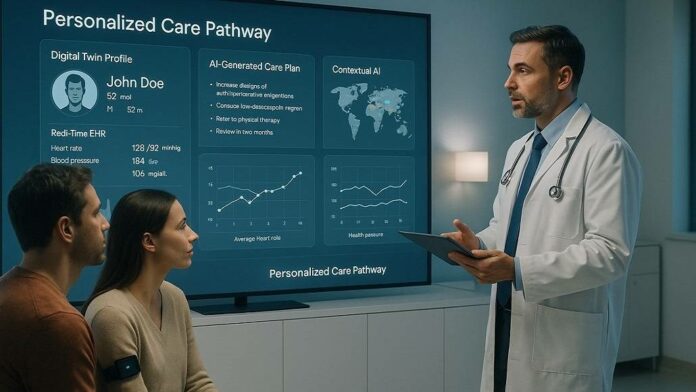
In a world where customized digital experiences shape modern expectations, healthcare stands at the threshold of the next frontier: hyper-personalized AI care pathways enable hospitals to craft their distinct engagement journeys for patients. Much like what Netflix does in curating your next binge-watch, hospitals are starting to customize care plans and follow-ups and track journeys to the individuals, drawing on a mix of digital twins, contextual as well as real-time electronic health records, and analytics. This kind of transformational shift happens to promise monumental gains โ€“ enhanced clinical outcomes and functional excellence. Let us look into how B2B dynamics and hospital IT are embracing this kind of evolution and why the ripple effects are going to be experienced throughout the entire healthcare continuum.

Right from static portals to dynamic experiences

Historically, patient engagement has long been relegated to generic portals as well as static dashboards. These platforms, while being functional, treat the patients like faceless entities โ€“ same reminders, same check-in forms, and same educational content. However, patients are not homogeneous โ€“ they come with distinct medical histories, social context preferences, and risk profiles. The paradigm of hyper-personalized AI care pathways helps hospitals to craft their own unique engagement journeys. As patients reject the one-size-fits-all mentality. Rather, it embraces the individuality of every patient, creating engagement flows, which go on to adapt in real time as the new data streams in.

These dynamic pathways start with creating a digital twin โ€“ a virtual mirror of a clinical and behavioral profile of a patient. Helped by AI as well as machine learning, this twin happens to be the foundation for predicting disease progression, identifying any sort of care gaps if any, and anticipating the intervention requirements. When teamed with contextual AI algorithms that comprehend who the patient is, what time it is, and what the circumstances are, they guide at every touchpointโ€”be it the educational material, medication reminders, remote check-ins, or even emotional support elements.

The digital twins and contextual AI role

At the heart of this kind of revolution happens to be the convergence of digital twins along with contextual AI. A digital twin happens to be a continuously updated, multidimensional representation when it comes to a health journey of a patient โ€“ drawing from past experiences, diagnoses, vital trends,ย results of images, and lifestyle patterns to even the genomic data. When AI algorithms process this kind of information, they unleash patterns as well as trajectoriesย that would in the past have eluded human analysis, such as the early signs of deterioration or even wellness opportunities that might be there.

Apparently, contextual AI layers in real-world influences. There are certain questions which arise โ€“ is the patient a full-time caregiver? Do the patients live in a food desert? What happens to be their emotional well-being score? An algorithm evaluating time-stamped data might go on to notice that due to caregiving duties, evening telehealth sessions happen to perform poorly. Due to this, the system recognizes the care pathway, perhaps offering a check-in in the morning instead. This kind of level of customization would be unmanageable at scale along with human effort alone. However, AI transforms it from a pipe dream into something very realistic.

Through combining these technologies, the concept of hyper-personalized AI Care pathways enabling hospitals to craft unique engagement journeys for patients goes on to become more than just a slogan. It is emerging as a systemic transition in how hospitals go on to deliver, measure, and even refine the care part. The result is a fluid and evolving care journey, which resonates with every patient โ€“ especially improving engagement and adherence.

Real-time EHR analytics โ€“ the foundation of personalization

Any effective customization system happens to depend on data. Real-time EHR analytics go on to serve as the backbone for these hyper-personalized AI care pathways. Every lab result, vital sign, clinical note, medication, refill, and even consent form happens to be converted into actionable insights. For instance, AI may as well detect that the HbA1c of a patient has plateaued for two readings. The pathways alter accordingly โ€“ triggering targeted nutritional counselling, glucose tracking reminders, and also virtual touchpoints so as to reinforce the adherence. This is not hypothetical at all. Early adopters go on to report that integrating EHR intelligence along with AI-powered messaging as well as remote monitoring happens to reduce the admissions by pre-empting the complications and making sure that there is a timely intervention that takes place. The narrative often underscores how such systems happen to identify patients who are veering off the care plans and quickly roll out proactive nudges, thereby reducing the expensive post-acute care scenarios.

Critical to this kind of success is seamless interoperability. The AI platforms must integrate in a very effortless way with EHRs, patient-reported outcomes, wearables, and also social determinants data. The ecosystem itself happens to become the protagonist within the hyper personalisation story โ€“ thereby fueling every interaction with context, clinical relevance, as well as continuity.

B2B advantages โ€“ hospitals and their ecosystem

The transformation into AI-driven care pathways is not just purely patient centric โ€“ it happens to deliver strategic gains for hospital executives, vendor partners, and even payers. For hospitals, the primary payoff happens to be the clinical efficiency. Hyper-personalized AI-care pathways help the clinicians to focus on high-value interventions, while the AI takes care of low-risk monitoring, freeing the staff in order to deal with complex cases. This kind of transition boosts the staff satisfaction and also, at the same time, reduces burnout along with improving throughput.

If we talk from a financial perspective, there is a triple bottom line impact โ€“ decreased readmission, shorter hospital stays, and even better chronic disease management – all at lower costs of care. For payers as well as risk-bearing providers, such pathways happen to support value-based contracting as well as shared savings models. Vendors who happen to be specializing in AI platforms, remote monitoring suits,ย or even contextual messaging engines findย a fast-growing market as hospitals look to integrate their capabilities into clinical workflows.

Besides this, hospitals are building long-term engagement by way of establishing loyalty. When patients happen to feel that their care journey is completely customized, their retention, dependence, and advocacy grow. This elevates the brand reputation along with supporting future service line growth like virtual care subscriptions or even post-discharge wellness programs.

Netflix-style recommendation when it comes to care plans

It is well to be noted that one of the most compellingย dimensions of this kind of evolution happen to be parallel to modern entertainment recommendation engines.

Imagine opening a hospital portal and witnessing not a static dashboard but a prioritized feed customized to your specific requirements. Just like Netflix, which suggests shows to you based on your past history, in a hyper-personalized care pathway, recommendations might include suggestions for nutritional alterations, the next education module, or even alarmingly early triggers in order to look out for medical attention.

A patient who happens to be recovering from orthopedic surgery might receive messages like, Your activity happens to be below expectations โ€“ would you like to start again with a gentle stretching guided exercise now? Or a person having congestive heart failure might be nudged towards a hydration check-in when experiencing a heat wave. These subtle yet timely personalization scenarios happen to infuse complex care routinesย along with human touch and are driven entirely by AI as well as analytics.

Making sure of ethical use as well as patient trust

Any transition towards hyper-personalization happens to bring critical consideration with regard to consent, privacy, and ethical design. Setups that are executing AI-driven, hyper-personalized care pathways help hospitals to craft their unique engagement journeys for patients and must do so in a very transparent way. Policies should clarify what data has been gathered and how it is being used and who has access to it. Opt-in models, granular consent flows, and even patient-friendly controls are necessary in order to build that level of trust.

Besides this, one should not wander into behavioral manipulation. The idea is to remain in sync with ethical frameworks โ€“ supporting the empowerment and not coercing anyone. Regular algorithmic audits are indeed very necessary so as to detect bias, make sure of equity, and also uphold the highest standards of clinical integrity. Patients should also understand that the system is indeed adapting for their own benefit and not creeping into them and that human oversight still happens to remain central to the entire process.

So, what is the road ahead โ€“ scaling the hyper-personalization pathways?ย 

Although the technology happens to be launching quite rapidly, widespread execution needs thoughtful planning. Hospitals have to invest in interoperable platforms, clinical governance models, and dynamic consent frameworks for AI usage. Staff training, not only for technological usage but also to trust as well as collaborate with algorithmic decisions, happens to be very critical.

Collaboration models are indeed emerging as effective thrust-givers. Hospitals happen to be teaming up with AI vendors, payer organizations, and even academic institutions in order to develop pathway frameworks as well as proof-of-concept rollouts. Regulatory bodies are starting to offer guardrails, which include guidance in terms of algorithmic validation as well as real-world evidence requirements. With time, these Pathways will add the self-learning trait. As patients move across the system, feedback loops are going to refine their journey. Success is indeed going to be measured not in terms of premium billing, but in terms of the enhanced health markers, decreased variability, adherence that is higher, and also measurable patient satisfaction improvements that are reinforced due to long-term loyalty.

Passive Patient Engagement by Way of Zero-Click Care

Passive Patient Engagement

It is well to be noted that zero-click care is rapidly shifting from being a future concept to an imminent benchmark. This kind of model of Care leverages the power of ambient sensors along with wearable devices and also room-based IoT infrastructure in order to transform hospital environment into intelligent and responsive spectrums, which engage patients without having any kind of active input.

By way of automating everything right from real-time vitals tracking to behavior-driven clinical nudges, zero-click care helps providers to go ahead and connect with patients in a very seamless way. The result is a reimagined patient experience, which is more comfortable, far more efficient, and, of course, more responsive. As hospitals go on to face a very mounting pressure in order to enhance their outcomes, optimize the workflow, and even elevate the satisfaction in patients, this kind of new paradigm of passive engagement will be the key whenit comes to unlocking the sustainable digital transformation.

Reimagining engagement in an age that is all about invisible technology

Historically, patient engagement is quite synonymous with active participation โ€“ logging into the portals, responding to the reminders, and even completing the questionnaires. However, as care delivery goes on to become more connected as well as customized, hospitals are looking out for a more frictionless model. Zero-click care โ€“ passive patient engagement by way of ambient sensing as well as IoT in hospitalsโ€”eradicates the requirement for patients to go ahead and initiate interactions completely. Rather, environmental sensors and biometric wearables, along with intelligence systems, gather, evaluate, and even respond to the patient data, and that too in real time.

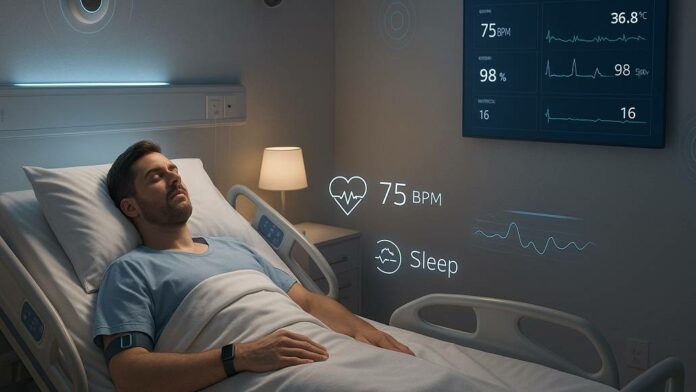
It is well to be noted that in this emerging spectrum, the very walls of the hospital room have become instruments of care. Pressure sensors, which are embedded in the bed, track restlessness or even detect fall risks. Thermal imaging as well as motion sensors evaluate movement patterns, the quality of sleep, and even possible distress. Wearable trackers of heart rate variability, temperature, and oxygen saturation consistently feed the data to the clinicians without disrupting the rest of the patient.

As per a TechTarget articleย concerning health IT’s influence when it comes to outcomes, patient engagement strategies that utilize ambient monitoring, digital nudges, and also remote patient data happen to play a very critical role when it comes to enhancing not just the care delivery but also the overall experience of healthcare. This supports the foundation argument in terms of zero-click careโ€”that when engagement becomes more ambient as well as automated, it elevates the responsiveness without causing any kind of overburdening to the patient or even the providers.

The passive engagement infrastructure

The backbone of zero-click care โ€“ passive patient engagement by way of ambient sensing and also IoT in hospitalsโ€”happens to be a sophisticated network of interoperable devices as well as systems. Hospitals happen to be investing in smart patient rooms, which are equipped with IOT-enabled lighting, temperature control, and even voice-responsive systems. These kinds of smart environments attached to a patient’s behavior and conditions go on to create a therapeutic experience, which is customized down to the ambianceย of the room. The fusion of ambient sensingย along with the Internet of Things (IoT) infrastructure enables hospitals to not just collect the biometric as well as behavioral data, but it also helps to contextualize it. For example, if a sensor happens to detect unusual nighttime movement, it can as well trigger a silent alarm. To the nurse station, or if a wearable happens to flag abnormal vitals, it can go ahead and prompt a preemptive clinical intervention.

Interestingly, the true power of AI in enabling zero-click care happens to lie in its capacity to transform raw data into contextual, real-time intelligence. By way of consistently evaluating patterns in vital signs, lab results, and even non-traditional metrics such as mobility or sleep data from wearable devices, AI models can go ahead and detect deviations, which might escape human observations. For example, a gradual decline in the respiratory rate variability, which is a subtle but critical marker, could as well signal early sepsis risk long before it actually occurs. These systems donโ€™t just flag the anomalies; they happen to prioritize as well as contextualize alerts by weighing factors such as the patient history, comorbidities, and even protocols in treatment. This makes sure that care teams get hyper-relevant, decision-ready insights, like automated suggestions, in terms of fluid resuscitation or antibiotic adjustment by reducing the cognitive load while at the same time speeding up the life-saving interventions.

It is worth noting that what actually makes this model transformative is its non-invasive nature. Unlike traditional health technology, which requires interaction such as going ahead and pressing a button, wearing a monitor, or even logging symptoms, ambient sensors function quietly in the background. This is especially valuable for populations that are vulnerable, like elderly patients or those with cognitive impairment or even individuals in postoperative recovery. Engagement happens to become continuous as well as effortless, thereby decreasing the risk of the symptoms or even delayed alerts.

AI, data integration along with smart alerts

A crucial enabler of zero-click care happens to be the integration of artificial intelligence as well as predictive analytics into the hospital IT ecosystem. By way of evaluating trends within sensor-derived data, AI engines can go ahead and identify very subtle deterioration within the conditions in the patient before they actually escalate into certain clinical emergencies. These kinds of insights then go ahead and trigger smart nudges, which are actionable alerts that are sent to care teams at exactly the right moment.

Apparently, these nudges may as well take the form of real-time care suggestions, early warnings in terms of potential complications, or even non-clinical cues, like encouraging movement, hydration, or even rest. Because they happen to be derived from the passive data collection, they do not go on and depend on the ability of the patient or the willingness to report the symptoms. In effect, hospitals can go ahead and engage patients as well as manage care in a proactive way, without waiting for alarms to sound or even for the patient to speak up.

This article from TechTarget reinforcesย the point by way of underscoring the role of AI-driven patient engagements when it comes to elevating care responsiveness along with satisfaction. The usage of predictive algorithms when it comes to conjunction with patient monitoring systems not only improves the speed and quality of critical decision-making, but it also reinforces the trust of the patient by demonstrating attentiveness and alertness even at a timeย when there is no explicit communication that occurs.

Elevating the patient experience without any kind of interaction fatigue

One of the hidden challenges when it comes to digital health tools happens to be what some experts refer to as engagement fatigue. When the patients are asked to consistently input data, respond to messages, or even navigate certain portals, it can lead to cognitive overload, especially in high-stress environments, such as hospitals. Zero-click care resolves this issue by way of removing the burden of interaction altogether.

In this scenario, patients no longer need to remember to press call buttons, wear any sort of cumbersome devices, or even participate in routine check-ins. Rather, technology anticipates their requirements. For example, if a patient is lying in bed for too long, a passive sensor might as well prompt the staff to assist with mobilization, thereby preventing any pressure ulcers. If sensorsย go on to detect unusual restlessness, clinicians might intervene in order to manage pain or even anxiety. Significantly, this kind of engagement model does not replace the human interaction. However, it enhances it. By way of handling routine data collection along with initial triaging, it frees up the clinical staff to focus on more empathetic and high-touch care. This results in an environment in which patients feel seen as well as supported without getting overwhelmed by the consistent digital prompts.

Operational efficiency along with clinical advantages

Advantage of zero-click care: passive patient engagement through ambient sensing in IoT and hospitals goes beyond the patient experience. Hospitals also stand to get all the advantages quite significantly from operational gains as well as clinical efficiency. With consistent data streams feeding into centralized dashboards, clinicians happen to gain a holistic view of patient status throughout the entire floor or facility. This happens to enhance prioritization, decrease response times, and also support better allocation in terms of staff as well as resources.

It is well to be noted that automated data capture also reduces documentation errors and, at the same time, decreases the administrative workload. Nurses, along with clinicians, happen to spend less time logging the vitals or observations and more time when it comes to direct patient care.

Besides this, the data generated by way of a passive system also supports population-level insights, which can also inform quality improvement initiatives along with infection control as well as post-discharge planning.

These efficiencies happen to translate directly into enhanced outcomes. Early detection of sepsis, proactive pain management, and fall prevention are just a few instances of how ambient IoT systems can actually materially influence clinical trajectory. As zero-click engagement matures, it promises to become the cornerstone of highly dependable hospital operations.

Security, ethics, as well as the human element

It is said that with great automation happens to come great responsibility. One of the most critical considerations in rolling out ambient IOT systems happens to be making sure that patient privacy, data security, and ethical usage of passive monitoring are protected. Patients must be informed of what kind of data is getting collected, how it is being used, and who happens to have the access to it. Transparency, along with consent, is especially very important when dealing with sensors, which capture behavior, biometric data, and location continuously. Hospitals must also execute robust cybersecurity measures, anonymization protocols, and even compliance frameworks in order to make sure that passive data does not become a kind of liability.

Ethically, it is very important to balance automation along with compassion. Zero-click care must never reduce patients to certain data points โ€“ it should rather amplify human-centered care and not replace it. The best executions of passive engagement are those that make use of technology in order to support dignity, empathy, and even autonomy.

Let us look into the future

Although there are some components of zero-click care that are already being trialed or even adopted across advanced facilities, its full potential is still getting unleashed. In the near future, one might see hospitals with intelligent ambient systems that alter care plans dynamically based upon the behavior, sentiment analysis, and even environmental context. Rooms may as well communicate with clinicians in an autonomous way. Discharges may be optimized on the basis of sensor-verified mobility data, and infrastructure may as well become as responsive as the staff who actually walk in its halls.

Zero-click care โ€“ passive patient engagement by way of ambient sensing as well as IoT inย hospitalsโ€”goes on to represent the next frontier of intelligent healthcare. It actually happens to be the future where engagement is not just an added task, but it is an embedded experience. It is that kind of healthcare that listens, watches, and even responds without needing permission or even prompting.

The power of being passive

In an age where customization is prized as well as friction is the enemy of efficiency, zero-click care โ€“ passive patient engagement by way of ambient sensing and IoT in hospitalsโ€”goes on to offer a powerful new vision for healthcare. By eradicating barriers between patients as well as their care teams, this model happens to deliver on the core promise of digital transformation โ€“ to make healthcare more responsive, more effective, and more humane.

It is well to be noted that hospitals that actually invest in ambient intelligence along with passive engagement are not just rolling out new technology but rewriting the rules of care delivery. By way of doing so, they are making patient engagement not only easier but also smarter, more intuitive, and deeply ingrained within the healing rhythms.

EHR Health IT Solutions Among Others Impacting Patient Fate

Doctor Examining Electronic Health

EHR Health IT solutions and also telehealth platforms, patient portals, and practice management software-all are having the biggest impact when it comes to patient outcomes, stressing the importance of patient engagement technologies, as per a new AdvancedMD report that has been obtained recently.

It is well to be noted that of the 206 medical practice leaders who were surveyed for the report, 167 have already executed an EHR, 110 make use of practice management software, and 107 offer patient portal access. Theseย technologies also happen to be among the most useful as well as impactful elements when it comes to improving patient outcomes, although telehealth also happens to be in the mix.

Apparently, while the EHR has had an overwhelmingly big effect on patient outcomes, wherein 87 respondents went on to confirm the same, and that the report authors said that telehealth happened to come in second place, with 35 respondents confirming it. Of note, respondents could not select multiple technologies as having the most impact on the outcomes.

Interestingly, this finding happens to be quite notable, considering that telehealth does not crack the top three most executed patient care technologies. But the AdvancedMD researchers went on to indicate that this finding could be indicative of what lies forward when it comes to telehealth utilization, as there are more healthcare organizations that are looking to meet consumer demands.

According to the CEO of AdvancedMD, Amanda Sharp, these survey findings reinforce what they have seen unleashed within the ambulatory care space in the last five years โ€“ telehealth not only offers flexibility as well as convenience for patients, but it is also a fundamental component when it comes to a patient experience that happens to have a significant effect on the patientsโ€™ outcomes.

Sharp went on to continue that it is indeed clear that providers are favoring care delivery models in order to meet the growing patient expectations. As the demands of patients evolve and become more driven with a consumer-centric mindset, the practice leaders who happen to invest in integrated technology solutions are going to be better positioned in order to thrive with tools that can actually deliver customized, accessible care to patients – come who they are or where they live.

Apparently, two-thirds of the respondents went on to say that patient anticipations when it comes to experiences have risen in the past year. Tapping technologies like telehealth can as well be a key response when it comes to growing consumer demand, indicated the data.

EHRs lend themselves to customized patient care

As mentioned above, EHRs happened to be regarded as among the most effective EHR health IT solutions for patient outcomes because they helped with more customized care. It is well to be noted that a total of 69% of the respondents went on to say that they use the EHR to customize the patient care plans or even offer just-in-time care capabilities. There are another 6% who said that they plan to do so in the near future.

Sharp went on to remark that the fact that an overwhelming majority when it comes to healthcare professionals they surveyed are making use of their EHRs to develop customized just-in-time treatments goes on to demonstrate how effective and efficient these solutions are.

Interestingly, for 39% of the respondents, patient health histories happened to be the most important when it comes to informing personalized care plans. It is followed by patient-reported outcomes, which are at 34%. Besides, just under a fifth, which is 17% of the respondents, said that they may use of the social determinants in terms of health data for customized care, while there were 10% who said that they make use of genomic data.

Moreover, 60% of healthcare professionals said that they make use of data analytics in order to identify trends in patient care.

Updated technology stacks are indeed key to patient outcomes

Although the respondents went on to indicate that some technologies are better as compared to others when it comes to boosting patient outcomes, the report authors went on to stress that a complete technology stack happens to be integral to practice success.

As per the survey, 70% of medical practice leaders happen to think that their present stack happens to have a positive influence on patient outcomes, with over half, which is around 53% of the respondents, saying that technology mostly goes on to improve the mental health outcomes.

Although still, there are certain areas for healthcare organisations in order to improve.

As noted above, two-thirdsย of the practice leaders opined that their patients are demanding more when it comes to communication, care delivery, and bill pay models.

This might as well indicate a requirement for a more digitized and self-service options. However, organizations are not completely all-in on those as yet.

For instance, 66% of the practice leaders went on to say that their patients primarily went on to book appointments by calling the clinic. There were only 16% who said that the patient made use of self-scheduling options available on the patient portal, and even fewer which was around 12%, said that their patients could send a text to their provider in order to book an appointment. Apparently, thereย were around 6% of the respondents who said that their parents made use of an online appointment scheduling tool.

As per the report authors, while the phone calls still happen to remain the dominant scheduling methods in most of the private practices, modern healthcare demands the providers to offer numerous communication channels in order to meet the varied patient needs, which include the likes of patient portals, self-scheduling tools, and even online platforms. Practices, apparently, that blend traditional phone availability along with digital capabilities can go on to accommodate unique patient preferences and also enhance the functional efficiency by making sure that the patient satisfaction happens to stay high for all the patients.

High-Purity Calcium Carbonate: Essential for Modern Industry

High Purity Calcium Carbonate

Calcium carbonate is one of the most widely used mineral compounds in industry, prized for its purity, versatility, and cost-efficiency. From pharmaceuticals to plastics, coatings to agriculture, its applications span a wide range of sectors. Choosing the right calcium carbonate manufacturer is therefore essential to ensure both performance and compliance with strict industry standards.

What Makes Calcium Carbonate So Valuable?

Chemically represented as CaCOโ‚ƒ, calcium carbonate is a naturally occurring mineral known for its whiteness, low reactivity, and excellent binding and buffering properties. It plays a central role in:

  • Plastic and rubber production, where it acts as a filler to improve strength and reduce material costs
  • Pharmaceutical and food industries, as an active ingredient or dietary supplement
  • Paints, coatings, and adhesives, enhancing opacity and durability
  • Environmental applications, including flue gas treatment and water purification

The key to unlocking these benefits lies in the purity and consistency of the raw material โ€” two qualities that only a trusted manufacturer can guarantee.

ICL: A Trusted Calcium Carbonate Manufacturer

ICL Industrial Products is a leading calcium carbonate manufacturer offering Scoralite, a high-purity CaCOโ‚ƒ designed to meet the stringent demands of advanced industrial applications. Extracted from premium natural sources and refined with precision, Scoralite delivers:

  • Exceptional chemical purity, ideal for food-grade, pharmaceutical, and technical uses
  • Reliable particle size distribution, ensuring consistent performance in processing and formulation
  • Low heavy metal content, making it safe for sensitive environments and regulatory compliance

ICLโ€™s commitment to quality and innovation positions Scoralite as a benchmark in the calcium carbonate market.

Tailored Solutions for Critical Industries

Whether you operate in healthcare, polymers, or chemical processing, ICL offers a solution adapted to your sector’s specific needs. Scoralite calcium carbonate is available in multiple grades to support:

  • Pharmaceutical and nutraceutical applications, as a calcium source or excipient
  • Plastic compounding, improving mechanical properties and processability
  • Specialty coatings and sealants, where uniform texture and whiteness are essential
    Thanks to ICLโ€™s advanced production processes and global supply capabilities, manufacturers worldwide can depend on a steady, high-quality supply of calcium carbonate.

Conclusion: Purity, Reliability, and Performance

In industries where quality and consistency are non-negotiable, partnering with a reputable calcium carbonate manufacturer is a strategic advantage. With Scoralite, ICL provides a high-purity calcium carbonate that meets the highest standards of industrial and regulatory performance โ€” ensuring your products are as effective and safe as they are competitive.

What to Do If You Suspect Your Loved One Is Neglected in a Nursing Home

What to Do If You Suspect

When you entrust your loved one to be cared for in a nursing home, you expect it to be a place of comfort and safety. However, in some situations, you might notice red flags when your parents and grandparents live in one of these facilities. A bruise here, another medication mix-up there. If something feels off, itโ€™s important to trust your instincts and look into it further.

If youโ€™re seeing signs you canโ€™t ignore in your loved oneโ€™s physical and emotional health during their time in a facility, hold the system accountable. In this guide, weโ€™ll share five actionable steps to take if you suspect nursing home neglect or abuse.

1.ย ย  Talk Privately with Your Loved One

Some signs of elder abuse can be subtle, but it doesnโ€™t mean they arenโ€™t there. If you have a gut feeling that something isnโ€™t right, ask your loved one about it privately, away from staff or other residents. They might feel scared or ashamed to bring it up without being asked directly, so be the first one to bring it up.

Ask gentle but direct questions about how theyโ€™re being treated and taken care of. If they seem hesitant to share, assure them that youโ€™re here to protect them and take all their stories seriously.

2.ย ย  Document Everything

Solid documentation can protect your loved one later if you choose to pursue legal action against the nursing home. So, keep detailed records of any signs of neglect or abuse. These include photos of bruises, unchanged bedding, dirty clothes, or journals where your loved one recounts stories of neglect.

3.ย ย  Speak Directly with the Staff

Ask your loved oneโ€™s nurse or caregiver about any issues youโ€™ve noticed. This gives the facility a chance to explain or correct how they treat your loved one. If you see no change even after calling them out, follow up in writing.

You never know. Maybe itโ€™s not so much an issue of neglect or abuse but a miscommunication or staffing problem. When you bring your concerns up with the nursing home staff, at the very least, youโ€™ll gain peace of mind knowing you didnโ€™t stay silent.

4.ย ย  File a Formal Complaint

If you donโ€™t see a meaningful change even after talking to staff, file a formal complaint to trigger a full investigation from the authorities. Check which agencies in your state are responsible for investigating nursing home conditions. Then, gather your documentation and submit your complaint with as many details as you can provide to build a stronger case.

5.ย ย  Consult a Lawyer Who Handles Elder Neglect Cases

In serious cases of nursing home neglect, your loved one might suffer from injuries or illness. In these situations, legal action may be the only way to get justice for them. Seeking help from a nursing home abuse law firm gets you the help you need to determine if your loved oneโ€™s rights were violated and pursue compensation owed to them because of it.

Look for attorneys experienced in elder care cases. These lawyers will explain all your legal options, nursing home settlement amounts, and other important details about your unique situation.

Endnote

Your parents and grandparents deserve to be cared for with the utmost dignity and respect. If you feel as though the staff at their nursing home isnโ€™t giving them that, you have every right to speak up and demand better. When you raise your concerns the right way, youโ€™re standing up for your senior loved ones who might not be able to do it for themselves. Taking action might feel overwhelming, but itโ€™s a powerful way to ensure your loved ones receive the compassionate care they deserve.

EHRA asks HHS to Modernizing the Regulatory Approach to RFI

EHRA asks HHS to Modernizing the Regulatory Approach to RFI

The HIMSS Electronic Health Record Association in the US has gone to respond to a new request pertaining to the information from the US Department of Health and Human Services by seeing it as a very crucial opportunity in order to examine regulations that donโ€™t reflect the present technology or market realities and also go ahead and make corrections to the misaligned approaches when it comes to rulemaking.

It is well to be noted that EHRA submitted the comments pertaining to its reform as well as regulatory priorities to the HHS. This was in response to its request for information (RFI) ensuring lawful regulation and unleashing innovation to make America healthy again request for information. Apparently, the EHR has asked the HHS to modernizing the regulatory approach to RFI.

In its comprehensive response, EHRA went ahead and stressed the critical requirement for regulatory modernization in order to keep paceย with the rapid technological advancements within digital health. The association specifically called for updates to the present regulatory approach that surrounds the RFIs and other policymaking processes, arguing that the outdated frameworks go on to create unnecessary barriers to innovation within electronic health records and related health IT solutions. The recommendation of EHRA happens to focus on creating a more flexible, responsible regulatory environment that can go ahead and adapt to the emerging technologies such as AI, interoperable systems, and also patient-centered care models and, at the same time, make sure that compliance with the present laws takes place.

Through submitting these recommendations, EHRA looks forward to supporting HHS in developing regulations that both protect the patients and also empower the healthcare organizations to leverage cutting-edge technologies in an effective way. The association emphasized that the modernized regulations are going to be very critical for achieving nationwide interoperability, thereby ultimately enhancing the health outcomes throughout the care continuum.

Why all this makes a difference?

The coalition of health technology vendors has long held the fact that an expansion of Food and Drug Administration oversight of medical device regulation to technology that is subject to oversight already by way of the Office of the National Coordinator for Health Information Technology Certification Program happens to go beyond the statutory boundaries of the 21st Century Cures Act.

The EHR Association, in a comment letter on July 14, 2025, said that as the federal government looks forward to modernizing its regulatory approach and also supporting innovation throughout healthcare, it hence urges HHS to focus on clarity, alignment with statutory intent, and at the same time, elimination of low-value or duplicativeย regulatory needs.

It is worth noting that the organization’s position is that EHR systems should not get regulated as medical devices, and there is in place a guidance issued in 2022, which is having a chilling effect on developers willingness to invest in tools that are required to support public health along with value-based care programs. The organization said that the EHR association goes on to urge the EHS to revoke the final guidance on clinical decision support software from the FDA, which nearly conflicts with the seven principles that are already outlined in the executive order 14219.

Notably, the guidance lacks the statutory grounding and introduces legal ambiguity and at the same time also imposes excessive costs along with deterring innovation. Rather, the EHR Association went on to say that the FDA should reinstate or even revise the 2019 draft guidance to explicitly go ahead and exclude CDS functionality, which is embedded within the certified EHRs, and also eradicate new regulatory constructs, which include time-critical decision-making along with automation bias that was introduced in the latest guidance.

According to the trade organization, other HHS regulations along with policies also happen to fall within the deregulatory scope that has been outlined in theย executive order 14212 by the Trump administration.

These happen to include clarifying predetermined change control plan requirements, which address the bias when it comes to classifying products as devices that happen to impose user fees. Altering outdated HIT certification testing tools and, at the same time, better defining certain aspects of interoperability requirements.

It is well to be noted that the organization also went on to urge HHS to go ahead and clarify electronic case reporting requirements, which include automated reporting of public health conditions along with chronic disease indicators, and also offer adequate funding as well as technical support for the Centers for Disease Control and state, tribal, and local as well as territorial authorities.

The EHR Association said that rather than deregulation in this case, success happens to depend on stability, coordination, as well as capacity building.

Whatโ€™s the larger trend?

In January 2025, the FDA said that while it happens to be committed to rolling out new medical devices at a much faster pace, it is going to take a science-based approach when it comes to requirements for medical devices that are powered by artificial intelligence as well as machine learning.

Thereafter, in April 2025, the assistant secretary for technology policy went on to update the guidance that healthcare organizations use to assess and optimize the safety of their EHRs. The 2025 safety assurance factors when it comes to EHR resilience guides happen to contain CURES Act revisions, which also include the use of AI for clinical care, integration of FDA-approved medical device data into EHRs, and cybersecurity.

The EHRA said in its letter that as the federal government looks forward to modernizing the regulatory approach to RFI and supporting innovation through healthcare, they urge the HHS to focus on clarity, alignment with statutory intent, and also eradication of low-value or duplicative regulatory needs. The letter further added that the recommendations with regard to this response happen to reflect the practical realities that their member companies face when it comes to delivering high-quality, patient-centered, and interoperable digital health tools.

AI in Patient Engagement Clocking Around 22% CAGR by 2029

AI in Patient Engagement Clocking

AI in patient engagement โ€“ market size in 2029

Let us look at the recent changes and trends in this domain.

In the past few years, there has been a prominent rise when it comes to the market size in terms of AI in patient engagement. The market, which happened to be valued at almost $7.70 billion in 2024, is anticipated to touch somewhere around $9.35 billion in 2025, thereby reflecting a CAGR of around 22%. This kind of market expansion during the historical period can be traced back to elements like elevated patient interaction, growth in terms of demand for custom-made healthcare, growing utilization when it comes to wearable technology, more stress on patient-centric care, data protection protocols that are enhanced, and a surge in terms of chronic disease cases.

It is well to be noted that the market size for AI in patient engagement is anticipated to go through phenomenal increase in the years to come. It is expected to rise to $20.6 billion in 2029 at a CAGR of 22%. This kind of projected growth in the forecast period can be attributed to the speeding up of integration of AI in healthcare systems, the rapid expansion when it comes to telehealth services, more focus on remote patient tracking, consistent progression of chatbots related to AI, and a boom within health data analytics.

Some of the major trends that further throttle this growth encompass the usage of AI for predictiveย analytics within patient care, incorporation of AI within electronic health record (EHR) systems, consistent technological advancements within AI, healthcare solutions that are personalized, and growth in natural language processing (NLP).

AI in the patient engagement market –ย what are the co-factors that are driving the expansion?

The growth and demand when it comes to personalized healthcare options is also set to drive the expansion when it comes to AI in patient engagement. These kinds of customized treatments, which are otherwise called personalized medicine, happen to factor in a personโ€™s prior medical history, certain given situations, diagnostic tests, as well as genetic data. AI, apparently, gets utilized within the patient engagement so as to refine these healthcare solutions by making use of data evaluation and machine learning in order to customize the healthcare strategies and, at the same time, forecast the results of the patient and even fine-tune the care plans, which are in line with the genetics of the individual, the lifestyle, and also certain clinical aspects.

It is well to be noted that in 2022, the Personalized Medicine Coalition, which happens to be a US group that advocates for innovators, patients, and scientists, went on to report that the FDAโ€™s Center for Drug Evaluation and Research (CDER) gave the green light to 37 novel molecular entities (NMEs).

Notably, out of 37, 35 were therapeutic, and 12 of them were classified as customized medicine as per the personalized medicine collection (PMC). Because of this, there was an increased demand for customized medical services, which has been fueling the growth of AI in patient engagement sector.

AI in patient engagement – How is the market structured across segments?

The AI in patient engagement market, which has been covered in the report, happens to be segmented by way of –

– Technology, which is chatbot, computer vision, and natural language processing (NLP).

– Delivery type, which is cloud-based or on-premise.

– Therapeutic area, which includes health and wellness, as well as chronic disease management.

– In terms of applications, which include outpatient health management, population health management, inpatient health management, as well as other applications.

– End use that includes the likes of providers, players, as well as certain other end uses.

What would be the subsegments of it?

  • By chatbot, it would include virtual health assistance, symptom checkers, as well as appointment scheduling bots.
  • By natural language processing, it will have sentiment analysis, applications, voice recognition systems, and text analysis tools.
  • By computer vision, itโ€™ll include patient monitoring systems, image evaluation for diagnostics, and augmented reality for medical training.

What are the innovation trends that are going to redefine the AI in patient engagement market spectrum?

It is well to be noted that top firms in the AI patient engagement market are indeed going ahead and creating cutting-edge products by way of using advanced technologies such as AI patient engagement tools in order to stay ahead of the curve. These innovations are transforming healthcare by way of helping with customized treatment recommendations, automated patient tracking, and intelligent virtual health assistance, which offer improved clinical outcomes along with patient satisfaction.

These kinds of tools are AI-assisted patient engagement features, which elevate communication, deliver customized care, and, at the same time, engage patients in a very active way so as to manage their health. For instance, in October 2023, ZS Associates, which happens to be a management consulting firm based out of the US, went on to introduce the ZAIDYN connected health solution, which was an all-inclusive patient engagement platform that incorporated AI-powered virtual assistance, customized messaging, and also actionable intelligence in order to elevate the care and experience of patients. This kind of platform was developed in order to help healthcare institutions to scale their personal support throughout all care points and make sure that patients get relevant information and even resources in no time.

What are the locations where the AI in patient engagement market happens to be experiencing the fastest regional growth?

In 2024, North America happened to be the largest region in the AI in patient engagement market. There is no shred of doubt when we say that Asia Pacific is anticipated to be the fastest-growing region within the forecast period. The regions that are covered in the AI in patient engagement report are Western Europe, Asia Pacific, Eastern Europe, North America, the Middle East, South America, and Africa.

Omega Healthcare Expands Collaboration with Microsoft to Accelerate Generative and Agentic AI Capabilities, Leading RCM Innovation

Omega Healthcare Expands

Omega Healthcare, a leading provider of technology-enabled RCM services, announced today an expanded collaboration with Microsoft to further enhance its advanced AI capabilities across the revenue cycle. Through the integration of Microsoft Azure cutting-edge AI models through Azure AI Foundry, and the companyโ€™s proprietary Omega Digital Platform (ODP), Omega Healthcare launched more than 20 generative and agentic AI solutions to help healthcare organizations enhance revenue cycle operations and improve financial performance.

Since establishing the relationship with Microsoft in 2023, Omega Healthcare has rapidly deployed these solutions leveraging intelligent automation within its ODP framework helping healthcare organizations automate complex workflows, such as correspondence processing, appeal filing, denial management, and call center supportโ€”while increasing accuracy, compliance, and profitability for its customers.

โ€œBy combining the strength of our RCM and healthcare expertise with Microsoftโ€™s advanced large language models, we are unlocking new efficiencies, previously considered by the market as too complex to automate,โ€ said Anurag Mehta, CEO and Co-Founder, Omega Healthcare. โ€œWe are bringing scalable, tech-enabled services without requiring healthcare leaders to take on large, risky technology investments, freeing them up to focus on what matters most โ€“ delivering exceptional patient care.โ€

โ€œOmega Healthcare is one of the most innovative partners weโ€™ve worked with in applying Microsoft Azure AI Foundry capabilities โ€“ including Azure OpenAI in Foundry Models โ€“ to revenue cycle management and other real-world healthcare challenges,โ€ said Elena Bonfiglioli, General Manager, Worldwide Healthcare at Microsoft. โ€œTheir ability to translate AI innovation into practical, high-impact solutions across the entire revenue cycle and beyond, has positioned them as a clear leader in tech-enabled RCM transformation.โ€

The AI solutions incorporate Microsoft Azureโ€™s intelligent automation engines that are seamlessly integrated across the ODP, supporting the full revenue cycle: patient access, mid-cycle operations, and back-end processes. These modules combine advanced AI models in Azure AI Foundry with Omega Healthcareโ€™s deep domain expertise to automate routine processes, such as medical coding and integrate with ODPโ€™s AI/ML models to support key services for customers, such as clinical documentation improvement (CDI), denials management and prevention. For example, ODP can automate routine tasks across the revenue cycle, including standard denial processes, evidence retrieval, and appeal submission. Key outcomes include up to 75% reductions in AR follow-up days, faster resolution times, and improved compliance.

Omega Healthcare has also launched additional solutions for payers unleashing new potential for retrospective HCC coding automation and has deployed solutions for areas like data curation for life sciences.

โ€œThe possibilities are endless as we continue building new AI-powered capabilities across the healthcare ecosystem in collaboration with Microsoft and our customers,โ€ added Mehta.

Highlighting the additional promise for the future of AI innovation in healthcare, a recentย Everest Group survey, concluded an overwhelming majority (85%) of senior healthcare executives surveyed believe AI will improve efficiencies in RCM operations over the next five years.

โ€œWe are thrilled to be a pioneer in driving RCM transformation,โ€ emphasized Mehta. โ€œOur customers are already experiencing the benefits of generative and agentic AI and are excited about future developments as we work together and continue to innovate.โ€

Translate ยป