Close
Digital Health & Ai Innovation summit 2026
LiGHT26

Medical Device Manufacturers to Boost in Saudi Arabia

The Ministry of Industry and Mineral Resources of Saudi Arabia went on to announce on July 8, 2025, the establishment of the non-profit Association of Medical Device Manufacturers, which is aimed at supporting the development as well as growth pertaining to the medical device industry. This initiative syncs with the efforts of the ministry to empower non-profit organisations within the industrial as well as mining sectors, thereby reflecting its faith in their role when it comes to the advancement of the economic and social development of the Kingdom. As per a ministry statement, the association looks forward to encouraging high-quality investments within medical device manufacturers in Saudi Arabia, giving its support to factoriesโ€™ compliance with the highest benchmarks in quality as well as safety, raising awareness in terms of locally produced devices as well as their benefits, and also elevating export efficiency when it comes to Saudi medical products.

It is well to be noted that the association is also going to offer specialized advisory services, accelerate the likelihood and pace of innovation, and also help in developing the skills of the workforce within the sector in order to make the regional as well as global competitiveness of the Kingdom more robust.

Interestingly, the establishment of the non-profit Association of Medical Device Manufacturers in Saudi Arabia happens to form part of the broader efforts by the ministry to help the non-profit sector and, at the same time, elevate its role when it comes to industry as well as mining. This initiative looks forward to increasing its contribution and also the direct impact on the GDP of the Kingdom, which is in line with the objectives of Saudi Vision 2030.

China Puts Curbs on Medical Devices Imported from the EU

China Puts Curbs on Medical Devices Imported from the EU

The Ministry of Finance in China on July 10 detailed out the measures that the country has taken against medical devices imported from the EU by way of government procurement projects. The ministry said in a notice on July 6 that when a purchaser happens to buy medical devices with a budget of more than 45 million yuan, which is about $6.2 million, if it is deemed necessary to purchase imported products by going through relevant legal procedures, the participation of EU enterprises, which excludes funded enterprises within China, should be excluded.

It is well to be noted that on July 10, when answering a question pertaining to the budget threshold of 45 million yuan,ย the ministry went on to say that if a budget reaches 45 million yuan or even more, the measures stipulated within the notice are going to be implemented in spite of whether the procurement happens to involve single-unit purchases of a specific product type, purchases of a specific type related to any sort of bulk buying, or the obtaining of varied kinds of products.

Interestingly, the EU-funded enterprises in China can very well participate in the government procurement projects that involve the purchase of medical devices that exceed a cost of more than 45 million yuan. However, if these products that they provide include medical devices imported from the EU, the value of the medical devices that are imported from the EU should not exceed half of the total contract value, as per the ministry.

The state-owned enterprise procurement in China is not categorised under the government procurement, and this notice does not apply, the ministry added.

Apparently, Chinaโ€™s commerce ministry spokesperson on July 6 had said that the European Commission had introduced measures on June 20, 2025, in order to restrict the Chinese enterprises as well as products from participating in the public procurement of medical devices in the EU, and the barriers continue to grow for the Chinese firms when it comes to public procurement.

The spokesperson added that China had repeatedly expressed, by way of bilateral dialogue, its willingness to go ahead and resolve the differences with the EU through dialogue and also via consultation as well as bilateral government procurement arrangements. However, in spite of the goodwill and sincerity by China, the EU has insisted on taking measures that are restrictive in order to build new protectionist barriers.

Hence, China has no choice but to go ahead and take reciprocal restrictive measures in order to safeguard the legitimate rights as well as interests of the enterprises in China and to maintain a fair competition scenario, said the spokesperson.

The New Tariffs Lead To US Medical Device Costs Surge

The New Tariffs Lead To US Medical Device Costs Surge

The new round of tariffs by President Donald Trump, this time targeting copper, has gone on to intensify concerns with regard to rising costs through major sectors, including healthcare.

However, in spite of the significant price pressure on aluminum, steel, and copper, all of which happen to be very vital to medical device production, there is no indication that US hospitals are stockpiling the equipment ahead of the anticipated price hike, as per the recent findings from GlobalData.

It is well to be noted that the recently announced Trumpโ€™s 50% tariff when it comes to copper imports happens to match the doubled rates that are already in effect when it comes to steel as well as aluminum. This could mean that the US medical device costs may as well bloat-up. As expected, the White House has already defended these actions, which are imposed under Section 232 of the Trade Expansion Act of 1962, as a necessary requirement in order to protect the US national security and, at the same time, revive the domestic manufacturing. However, with these kinds of tariffs, which are applied indiscriminately throughout all the import sources, which exclude only the United Kingdom on certain sets of metals, concerns are even mounting over the downstream impact, specifically for those industries that are dependent on foreign raw materials.

As per medical analyst at GlobalData, Amy Paterson, although these tariffs are most likely to impact distribution and at the same time increase the consumer costs, there are some facilities that may not have the financial resources in order to buy the devices well in advance. She added that while there are some markets that have already seen a growth in spending, it does not appear that the healthcare facilities are indeed stocking up when it comes to medical devices in order to prepare themselves for a potential price increase or even supply chain disruptions for that matter.

The increased tariffs when it comes to these essential metals will inevitably lead to growing healthcare costs, as manufacturers will pass on additional expenses to the hospitals and the medical facilities. This comes at a particularly challenging time for the healthcare sector, which is still recovering from the pandemic-related financial stress and now happens to face inflationary pressure across all operational elements. This kind of cost escalation could as well potentially delay the critical equipment upgrades and, at the same time, infrastructure improvements, especially when we talk of budget-conscious public health systems and developing nations where medical resources are already stretched thin.

Besides this, these materials happen to play a very specialised role in medical applications, which are difficult to substitute. Surgical-grade stainless steel, for example, offers unique corrosion resistance and durability, which is required for repeated sterilization. Medical-grade aluminum offers the ideal combination when it comes to lightness and strength for portable diagnostic equipment. The superiority of copper conductivity as well as anti-microbial properties makes it indispensable across sensitive medical electronics and, at the same time, infection control applications. The limited alternatives happen to mean that healthcare providers may have no choice but to absorb the rising costs, potentially compromising the other areas of patient care or, even for that matter, medical research funding. US medical device costs are indeed going to feel the pressure of such scenarios.

This kind of situation highlights the delicate balance between trade policy and healthcare accessibility. While the tariff may serve important economic objectives, however, its effects on medical technology costs can inadvertently affect the patient outcomes as well as healthcare affordability. This kind of development warrants very careful consideration coming from policymakers in order to make sure that the public health priorities are adequately safeguarded when it comes to trade decision-making processes.

Apparently, the US healthcare facility invoicing database of GlobalData, which happens to track procurement activity throughout 56 medical device categories, happens to show no significant signs of any kind of an increase when it comes to healthcare expenditures between January and May 2025.

Even when we see the May as well as the June data, as they continue to roll in, early signs happen to suggest that the healthcare purchasing behavior is still consistent and balanced, and there is no preemptive action that has been seen.

It is worth noting that this kind of spending inertia comes in spite of the broad signals that the cost pressures when it comes to the US healthcare providers may even worsen. Unlike certain exemptions, which are already applied to pharmaceuticals or even food products, the latest tariffs happen to make no carve-outs in terms of medical equipment or, for that matter, life-saving devices.

All of this goes on to mean that hospitals, which are already facing very tight budgets as well as post-pandemic financial issues, may as well have to absorb the cost of equipment, which is much higher, or may as well pass it on to the patients.

All put together, the policy shift along with the trade actions happens to illustrate a very broad Trump administration approach, which happens to be centred on cutting international dependencies in spite of the sector in question.

When it comes to the metals, the administration goes on to argue that cheap imports coming from China and also elsewhere have flooded the worldwide markets, thereby putting the US producers out of business and even threatening industrial self-sufficiency. The move to go ahead and double the tariffs on steel and aluminum reflects this ambition. Copper, which has been added to this list, goes on to signal a consistent and continued hard line that the administration has taken that could affect everything right from consumer electronics to defence manufacturing.

It is worth noting that the US apparently happens to import more than 50% of its aluminum and about one-third of its copper, most of it from countries such as Chile and Canada. By way of raising the costs when it comes to these metals, the administration looks forward to encouraging domestic mining as well as refining. But when it comes to the short term, there is no shred of doubt that the US industries are actually bleeding, and this has to be addressed.

Philips Powers Smart Healing Environment via Partnerships

Philips Powers Smart Healing Environment via Partnerships

Phillips went ahead and announced its collaborations with four leading critical care companies โ€“ Hamilton Medical, Getinge, Drager, and a leading infusion pump company, B. Braun Melsungen AG, in order to drive the operational enhancement and improve the hospital experience when it comes to patients as well as clinicians.

It is well to be noted that these collaborations happen to be centred around service-orientated device connectivity โ€“ SDC benchmarks, which help with interoperability throughout medical devices as well as platforms. SDC happens to support a common language between SDC-certified medical devices so that the clinicians can seamlessly see as well as act upon data derived from these technologies, in spite of their device manufacturer.

The open patient monitoring ecosystem of Philips helps partnerships along with outside device manufacturers, thereby enabling the future of enhanced connectivity throughout the hospital. This is a prominent step towards what Phillips calls a smart healing environment, wherein the facilities will be able to consolidate alarms and, at the same time, feed them into management workflows, which go on to meet the clinicians wherever they are.

This is going to definitely support a future system of integrated third-party devices that will enable a holistic view of patient information in one place, thereby helping the clinicians to track patients remotely and at the same time inform quicker care decision-making. The impact of these partnerships is immense, and they do sync in with the philosophy of improving care.

Alarm management when it comes to enhanced patient care

It is worth noting that alarms happen to play a very important role when it comes to hospitals by way of helping the cliniciansย to go ahead and respond to the needs of the patients.

The pervasive issue of alarm fatigue within hospitals goes on to represent a very crucial patient safety concern that happens to demand immediateย attention. With clinicians being bombarded by hundreds of daily alarms per patient, the majority of which are either non-urgent or false, healthcare providers are faced withย an unsustainable situation that compromises care quality. This kind of constant auditory assault not just desensitizes the medical staff to certain potentially critical alerts, but at the same time, it also goes on to create a very chaotic environment that negatively affects the recovery of patients. Studies happened to show that the stress from incessant alarms can elevate the blood pressure and also the heart rate in patients, thereby, ironically, triggering more monitor alerts when it comes to this vicious cycle.

It is well to be noted that Phillips does recognise that this kind of multifaceted challenge needs a systematic and collaborative approach. Through working with technology partners, they are developing integrated solutions that apply intelligent algorithms in order to prioritise as well as suppress non-critical alarms, while at the same time ensuring that genuine alerts go on to receive appropriate care and attention. Their approach happens to focus on three major areas: first, going ahead and implementing smart thresholds, which comprise individual patient baselines and not the generic parameters.

Second, coming up with unified alarm management platforms that aggregate as well as prioritise alerts throughout different tracking systems. And third, introducing a visual alarm notification system, which decreases the auditory overload while at the same time maintaining the clinical awareness.

Apparently, these technological advancements happen to be complemented by work designs that helped the clinicians to better manage responses without compromising on the vigilance. The objective is to transform hospitals from environments of constant noise to spaces of healing where the technologies support and not disrupt the care process. By way of these innovations, Phillips aims to reduce the false alarms and, at the same time, make sure that critical patient events never go unnoticed.

This is going to be made possible due to the following key actions that must be taken:

  1. Consolidating the alarm notifications – Since the clinicians will be able to get as well as act upon alarm notifications coming from multiple devices, they will be able to review as well as manage alarms from anywhere within the hospital, thereby streamlining the clinical work workflows.
  2. Creating the capacity in order to treat more patients – As hospitals continue to grapple because of staffing shortages, alarm management enables Freeing up clinical capacity by allowing the clinicians to track as well as address patient alarms while at the same time treating other patients where they are.
  3. Reduction of noise in patient rooms – Enhancing connectivity will also help devices to share data bi-directionally so that the clinicians can view as well as manage alarms from anywhere they are, which may also help in reducing the noise within patient rooms.
  4. Enhancing the response times – SDC will also enable timely intervention since the clinicians will be able to raise alarms as required from their mobile devices, thereby helping them to deliver prompt care across patients.

Powering smart healing environment by way of open and connected systems

Clinicians happen to make critical decisions every day that are based on data coming from a wide array of medical devices. Many of these devices donโ€™t talk to each other, however, it is indeed now the time to simplify that reality. Through making data more accessible by way of SDC, a smart healing environment is created by Philips that happens to work better for both patients as well as clinicians.

The fact is that the challenges that the patients as well as the clinicians face are indeed very real, and Phillips is on the cusp of making a very meaningful as well as lasting effect. These collaborations mark a key landmark when it comes to the advancement of medical device connectivity, thereby making the open ecosystem a benchmark within the healthcare spectrum in order to enhance the experience pertaining to hospitals when it comes to one and all.

FDA Publishes Updated AI-Enabled Medical Devices List

FDA Publishes Updated AI-Enabled Medical Devices List

FDA Publishes Updated AI-Enabled Medical Devices List

The U.S. Food and Drug Administration (FDA) announced its extended public list of AI-enabled medical devices, increasing transparency and awareness.

To increase openness and understanding regarding regulated artificial intelligence (AI) technology in healthcare, the U.S. Food and Drug Administration (FDA) published an enlarged public list of AI-enabled medical devices on July 10, 2025.

The FDA defines AI-enabled devices as those leveraging artificial intelligence or machine learning (AI/ML) for one or more functions integral to clinical care. These devices are either classified as software intended to operate as a medical device (Software as a Medical Device, or SaMD) or are embedded within broader systems.

The AI-Enabled Medical Device List is not merely a catalogueโ€”it is a strategic tool developed to serve multiple stakeholders:

  • For developers and digital health innovators: The list offers visibility into how the FDA is evaluating AI technologies, helping shape future innovations and regulatory submissions.
  • For hospitals and healthcare providers: It enhances transparency in medical AI, enabling better-informed decisions when adopting new technologies.
  • For patients and the public: It clearly signals when medical devices incorporate AI, fostering trust in safety, accuracy, and oversight.

Emphasis on Transparency, Lifecycle, and Foundation Models

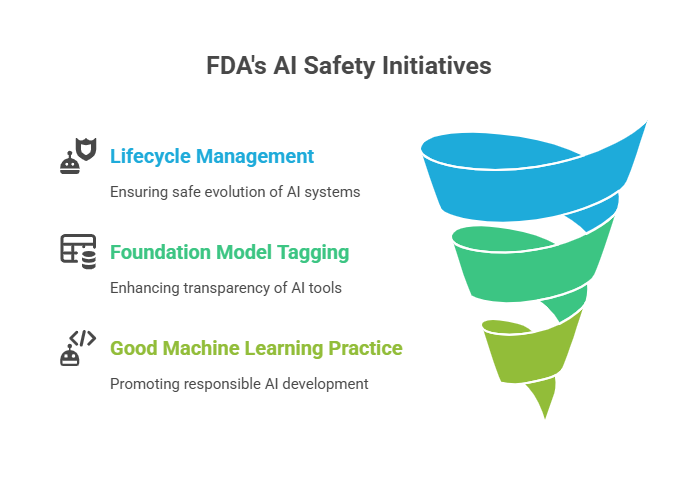
In parallel with device authorisations, the FDA is pushing forward several initiatives designed to safeguard patient safety and promote responsible AI development.

1. Lifecycle Management via PCCPs

The final guidance on Predetermined Change Control Plans (PCCPs) supports the safe and predictable evolution of AI systems over time. It allows manufacturers to update algorithms (e.g., via retraining or threshold adjustments) without needing full resubmissionโ€”as long as predefined plans and monitoring criteria are approved.

2. Foundation Model Tagging (LLMs)

The FDA also plans to label or flag devices that utilise large language models (LLMs) or multimodal AI architectures, enhancing transparency on how AI tools operate, especially those that process free text, voice, or diverse inputs.

3. Good Machine Learning Practice (GMLP)

The agency continues to encourage adherence to GMLP principles, covering everything from dataset diversity to clinical evaluation and post-market monitoring.

What Hospital Leaders Need to Know

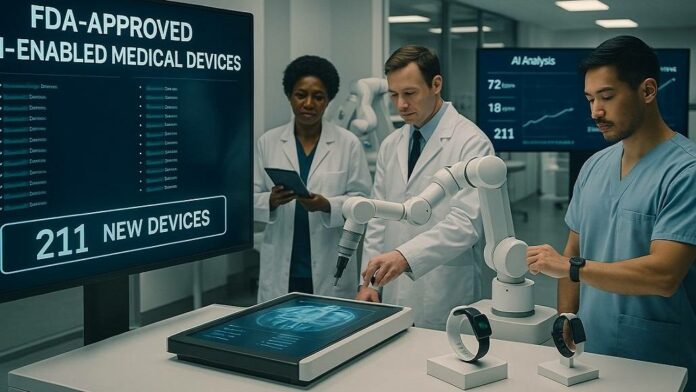
The explosion in FDA-cleared AI devicesโ€”211 in under 10 monthsโ€”isnโ€™t just a regulatory milestone. Itโ€™s a call to action for hospital management teams, clinical engineers, and CIOs.

Key Strategic Considerations:

  • Procurement & Integration: AI tools must fit into existing EHR/PACS and IT infrastructures, minimising clinician friction.
  • Clinical Oversight: Institutions should form AI governance committees to vet tools, review efficacy, and track real-world performance.
  • Compliance Monitoring: With PCCPs and evolving guidance, hospitals must track AI system updates and ensure regulatory alignment.

Education & Trust: Staff training and patient communication are critical to the successful adoption of AI-driven care protocols.

Whatโ€™s New: 211 Devices Cleared Since Sept 2024

Since September 28 2024, the FDA has certified or approved 211 AI-enabled medical devices, demonstrating the rapid adoption of algorithmic intelligence in clinical operations.

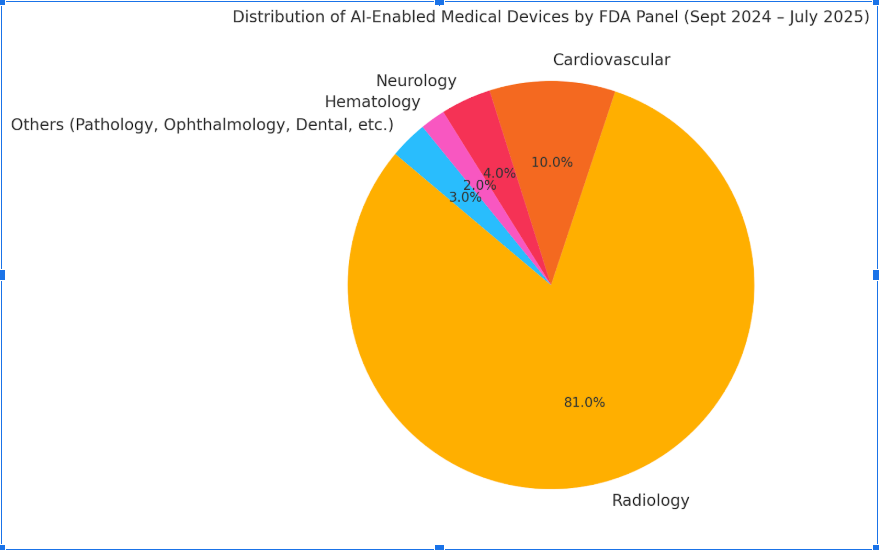
According to multiple independent analyses, the radiology panel continues to dominate these new clearances, reflecting both market demand and technological maturity in medical imaging.

Breakdown by Medical Speciality Panel (July 2025 update):

Specialty Panel % of AI Devices
Radiology 81%
Cardiovascular 10%
Neurology ย  4%
Hematology ย  2%
Pathology, Ophthalmology, Others ย  3% combined


Radiology at the Forefront

The sheer volume of AI devices in radiology is no surprise. Deep learningโ€™s exceptional performance in image classification, anomaly detection, and pattern recognition has made it ideal for applications such as:

  • Mammography and breast cancer risk prediction
  • Lung nodule detection on CT scans
  • Fracture identification in X-rays
  • Workflow triage and flagging of critical cases

One standout addition is Clairityโ€™s Allix5 systemโ€”a breast cancer risk assessment AI that was granted De Novo authorisation under the newly assigned SEZ product code, marking a significant innovation in preventive oncology.

Other Panels Gaining Ground

Cardiovascular Devices

AI tools in cardiology are emerging in rhythm analysis, echocardiographic image assessment, and heart failure risk scoring. Roughly 10% of the new approvals belong to this category.

Neurology & Hematology

Neurological devices include stroke-detection and seizure-prediction systems, while haematology sees applications in automated cell counting and blood film analysis.

Dental, Ophthalmology & Other Panels

These fields are early adopters of AI-enabled detection toolsโ€”e.g., automated caries detection, retinal disease screening, and pathology slide analysis.

Full FDA list is available here: FDA AI-Enabled Medical Devices

Final Takeaway

With this July 10 update, the FDAโ€™s running tally of AI-enabled devices exceeds 840 listings, out of which 211 were added in just the past nine months. While radiology remains the epicentre, a broader shift is underwayโ€”signalling that AIโ€™s role in medicine is maturing from niche to necessity.

Hospital leaders must now pivot from exploration to executionโ€”developing robust frameworks to harness this next generation of intelligent healthcare tools for both patient care and operational efficiency.

Optimizing Recruitment for Clinical and Healthcare Research

Optimizing Recruitment for Clinical

Finding the right people is key to successful study. In clinical and healthcare research, this can be a major challenge. Delays in hiring can slow down progress and raise costs. That’s why optimizing recruitment for clinical research is so important.

It helps bring the best talent on board quickly. With better hiring strategies, your research team can stay on track and reach goals faster. Let’s explore how to make it work.

Understanding Recruitment Challenges in Clinical Research

Clinical research faces numerous recruitment issues. Challenges include finding qualified patients, acquiring trained staff, and adhering to deadlines. Poor planning can lead to delays and increased costs.

Recruitment professionals also face strict regulations and patient privacy laws. These can make the process slower and harder. Knowing these challenges is the first step to finding better solutions.

Using Technology to Improve Recruitment

Technology helps speed up the hiring and enrolment process. Tools like databases and online forms save time and reduce errors. They also help reach more people in less time.

Social media and mobile apps can also support recruitment. These tools help share study information quickly. They also allow researchers to connect with a broader audience.

Building Strong Healthcare Research Teams

Strong teams are the core of any research project. Hiring experienced and trained staff ensures smoother work and better results. Healthcare research staffing should focus on both skills and teamwork.

It’s also important to support the staff after hiring. Training and clear communication help them do their jobs well. A strong team leads to faster, better research outcomes.

Engaging Patient and Caregiver Panels

Involving the right patients is key to research success. Patient and caregiver panels for market research can revolutionize recruitment strategies. They provide access to real people with real experiences.

These panels help researchers find suitable participants faster. They also offer insights into what patients want and need. This makes studies more accurate and meaningful.

Effective Clinical Trial Recruitment Strategies

Smart strategies save time and money. One method is pre-screening patients to see if they qualify. This helps avoid delays later on.

Working with doctors and clinics can also help. They already know patients who may be good for trials. This builds trust and improves results.

Best Practices for Patient Recruitment in Healthcare

Simple and effective communication is key when reaching out to patients. They need to know what the study is about and why it matters. This helps build trust and boosts sign-ups.

Offering support during the study also helps. Transportation or reminders can keep patients involved. These small steps lead to big improvements in recruitment.

Clinical Research Hiring Solutions for Success

Hiring the right staff is just as important as finding the right patients. Clinical research hiring solutions should focus on skill, speed, and long-term fit. Quick hiring without cutting corners keeps projects on schedule.

It’s also good to have a backup plan. If someone leaves, the project shouldn’t stop. A good hiring system keeps your team strong and steady.

Building Success Through Better Recruitment for Clinical Research

Recruitment for clinical healthcare research needs careful planning and the right tools. With better strategies, you can find patients and staff faster. This saves time and helps your study stay on track. Clear communication and strong support also make a big difference.

Using new technology can make the process easier. Patient panels and smart hiring help improve results. Every part of the plan matters. When done right, recruitment for clinical research leads to better outcomes and faster progress.

Did you find this article helpful? Visit more of our blogs.

InterSystems and MyCLNQ Health Partner to Advance Patient Engagement Across Asia

Modern Healthcare facilities

Partnership helps hospitals to extend reach beyond existing facilities while providing seamless patient care

Singapore, 15th July 2025ย โ€“ InterSystems, a creative data technology provider managing over one billion healthcare records globally, and MyCLNQ Health, a digital health solutions leader, have announced a regional strategic partnership to help hospitals enhance patient engagement and increase service offerings across Asia. As part of the collaboration MyCLNQ will embed the InterSystems IRIS for Healthโ„ข data platform into its customizable, white-label mobile technologies to provide interoperability between MyCLNQ and other hospital systems for seamless patient care.

At the core of this partnership is a shared vision to create seamless, real-time engagement between hospitals and their patients. By combining InterSystemsโ€™ robust interoperability capabilities with MyCLNQโ€™s flexible mobile health solutions, hospitals across the region can now enhance care delivery, reduce integration complexity, and elevate patient satisfaction without needing to build their own patient-facing apps or expand IT teams.

โ€œThis partnership addresses a very real need for hospitals navigating digital transformation,โ€ saidย Luciano Brustia,ย Regional Managing Director, Asia Pacific at InterSystems. โ€œHealthcare institutions are under pressure to expand service offerings and to meet patientsโ€™ growing expectations of the care experience that should be convenient without compromising continuity of care. In partnership with MyCLNQ we are helping hospitals go beyond their traditional boundaries and deliver better care through real-time digital engagement.โ€

MyCLNQ Health currently operates in over eight countries, including Singapore, Indonesia, Malaysia, Vietnam, and Cambodia, offering a customizable and multilingual platform that allows hospitals to personalize features based on patient demographics and institutional needs. The white-label nature of MyCLNQโ€™s solution means hospitals can deploy a branded, patient-facing app rapidly while maintaining full visibility over the patient journey.

Comprehensive Patient Engagement Features

The partnership unlocks a range of tools for hospitals, such as real-time notifications and reminders, live reporting, ambulance bookings, satisfaction tracking, teleconsultation, and access to medical history. MyCLNQ enables providers to manage both patient and healthcare provider engagement on one unified platform, streamlining workflows and improving outcomes.

โ€œWe built MyCLNQ with the goal of empowering patients through convenient, technology-driven access to healthcare,โ€ saidย Anwar Rafique,ย Co-Founder and CEO of MyCLNQ Health. โ€œOur mobile app helps users book appointments, consult with doctors, and receive medication at home. With InterSystems IRIS for Health as the data platform, we can scale this experience across more hospitals, faster and more efficiently.โ€

InterSystems IRIS for Health is purpose-built to facilitate healthcare application development and interoperability at scale. Hospitals already using InterSystems platforms can integrate MyCLNQ Health with minimal time and cost, enabling rapid adoption without disrupting existing systems.ย For healthcare providers not yet on InterSystems, MyCLNQ Health can still be adopted seamlessly, thanks to InterSystemsโ€™ robust interoperability with healthcare standards and its scalable architecture, ensuring smooth integration with existing systems.

Empowering Hospitals with End-to-End Digital Solutions

MyCLNQ Health enables users to stay connected to their preferred healthcare providers while traveling, through a cross-border model supported by integrated payment systems and access to international medical professionals. Hospitals benefit from an end-to-end digital solution that can be launched without investing in new infrastructure or additional human resources.

The collaboration is driven by three key goals: increasing patient engagement, improving satisfaction, and empowering hospitals to extend their reach beyond their physical facilities. In a region where national blueprints are pushing for digital-first healthcare, the InterSystemsโ€“MyCLNQ partnership offers a tangible and scalable way to meet government mandates and patient expectations alike.

Looking ahead, both companies are committed to continuing innovation that supports connected care ecosystems, from primary care to diagnostics, insurance, and home health. Data captured via the MyCLNQ app, such as consultations, prescriptions, and patient feedback, can be securely fed back into the hospitalโ€™s system via InterSystems IRIS for Health, providing clinicians and administrators with a single, real-time view of each patient.

With hospitals seeking smarter, faster, and more cost-effective ways to modernize, this partnership delivers a future-ready model for patient-centric care, secure, scalable, and built for Asiaโ€™s dynamic healthcare landscape.

Medical Supplierz Links Healthcare Buyers and Manufacturers

Medical Supplierz Links Healthcare Buyers and Manufacturers

Medicalย Supplierz,ย which happens to be a digital B2B procurement platform, has gone on to launch certain new initiatives in order to make its global connectivity between verified healthcare buyers and manufacturers of medical stronger. The platform now goes on to serve as a centralized point of access when it comes to hospitals, healthcare institutions, and clinics, looking out for high-quality medical equipment, which is vetted from suppliers across the world.

This kind of expansion goes on to address a rising demand for dependable sourcing channels within the healthcare sector. As the medical systems face elevated pressure in order to equip their facilities in a very fast and efficient way, there are many buyers who are turning to digital solutions so as to access a wider supply network. Medical Supplierz goes on to bridge this gap by way of offering a marketplace that is exclusively built to elevate the verified healthcare buyers and manufacturers in the medical spectrum. With this platform, buyers can discover product catalogs from a broad range of manufacturers and also submit direct inquiries without depending too much on third-party intermediaries. This kind of approach happens to simplify the procurement process, lessen the cycles of negotiations, and also decrease the associated expenditures. Buyers also go on to benefit when it comes to access to verified manufacturer profiles, thereby helping them to make informed decisions that are based on compliance benchmarks, product data, and also certifications.

It is well to be noted that when it comes to the manufacturers, the platform happens to open doors to worldwide markets, which were in the past difficult to enter because of regulatory as well as logistical barriers. Medical suppliers help the cross-border trade by way of supporting language compatibility, transparency, and also verification of documents. This kind of environment enables the manufacturers to build a sort of trust along with procurement teams throughout multiple regions of the world. The features of the platform include searchable product listings, tools when it comes to managing communications between buyers as well as suppliers, and also region-specific demand insights. These functions go on to contribute to a much faster response time as well as more efficient sourcing, specifically for those healthcare institutions that are in need of timely access to medical equipment.

It is worth noting that with buyers from more than 40 countries who are already active on this platform, Medical Supplierz continues to upscale its efforts in order to connect demand with supply throughout continents. Through offering a very transparent, safe, and healthcare-focused spectrum, the platform goes on to support improved procurement practices and also makes sure that the resilience in the medical supply chain remains strong.

AI-Led Warning System Prompts To Trigger CQC Inspection

AI-Led-Warning-System Prompts To Trigger CQC Inspection

The CQC is going to carry out rapid response inspections of healthcare providers on the basis of the prompts from a new AI-led warning system. This happens to form part of the 10-year NHS Plan by the government, which was published on July 3, 2025, and said CQC is going to move to a more data-centric regulatory model.

It is well to be noted that the new AI-powered early warning system is going to track real-time data in order to flag any kind of safety issues. Where problems happen to be detected, inspection teams comprising highly qualified staff are going to be deployed quickly in order to evaluate service quality.

The plan remarks that in order to support this, they will establish a national AI-led warning system building based on the capabilities in the Federated Data Platform (FDP). All this is going to mean that they are able to evaluate the data in order to identify whether the quality issues occur in parts of the NHS. The fact is that where the AI system goes ahead and flags a concern, it could as well trigger a CQC inspection.

Interestingly, these changes will mean that in the future, the CQC is going to have to use two Inspection models โ€“

Rapid response inspections in which concerns get identified and inspectors are rolled out in order to understand the nature as well as significance of the issues

Routine inspections are where the services are independently getting inspected by the experts, mostly on a 3- to 5-year cycle depending upon the risk level.

The government is also goingย to take strict action wherein the benchmarks are not met by the healthcare providers, which includes the likes of GPs.

The CQC inspection will ensure persistent poor-quality care results when it comes to the decommissioning or contract termination of providers or services, no matter what the setting is or no matter if the provider happens to be in the NHS or from the independent sector, and even no matter whether they are an individual or a GP practice, said the plan.

There are certain other planned changes, which include extending the legal powers of the regulator and also expanding its inspection. The present three-year time limit when it comes to the CQC so as to bring legal action against healthcare providers is going to be extended.

Apparently, the CQC is also going to take over the function of checking whether every provider has effective freedom in order to speak up, functioning as per the plan. In 2023, notably, NHS in England told ICBs to make it pretty easy for primary care workers in order to have freedom to speak up to guardians in the middle of extremely low levels of whistleblowing.

As part of the plans in order to reduce the number of NHS quangos, the CQC is going to absorb organizations such as the Health Services Safety Investigations Body (HSSIB) in order to counter and also simplify the regulatory avalanche that is overwhelming the system but has not led to certain sustained enhancements in safety, said the plan.

All this happens to follow the Dash review from 2024 of the CQQ’s effectiveness, which went on to find that it had lost credibility, including a marked growth in the time it took in order to reinspect the healthcare services.

It is well to be noted that the average re-inspection times went on to increase from 87 days in 2015 to around 136 days in 2024 because of inadequate ratings and from 142 days to 360 days in the same period in terms of โ€˜requires enhancementโ€™ ratings.

Besides this, the CQC happened to be plagued due to IT system failures, which went on to lead to the temporary loss of massive amounts of inspection reports, thereby leading to deferral in terms of GP practices receiving the inspection outcomes.

Sir Julian Hartley, the CQC chief executive, has said that they do welcome this ambitious plan, which is future-focused for a world-class NHS that truly goes on to deliver for the patients as well as the public.

He added that they are already developing their new, clearer, simpler evaluation approach and ensuring that their experienced teams of inspectors, which are led by their newly appointed chief inspectors, are going to be able to conduct certain inspections as well as, at the same time, share feedback on the findings in a quicker way.

Rural Healthcare Access Across Southeast Asia with AI Hubs

Rural Healthcare

In the ever-growing healthcare landscape, the integration of technology has gone on to prove to be a game changer, especially when we talk about underserved as well as remote regions. One of the most prominent advancements in this spectrum happens to be the emergence of AI-powered diagnostic hubs. These innovative stations are indeed transforming rural healthcare access across Southeast Asia by way of bringing city-gradeย medical decision support to populations that in the past lacked such resources. This report goes on to delve into the effect of AI diagnostic stations on rural healthcare, thereby exploring their capacities, challenges, benefits, and also their future when it comes to medical care across these regions.

When we talk of access to quality healthcare, it happens to remain a pressing challenge across many rural areas, especially in Southeast Asia. The disparity when it comes to rural as well as urban healthcare services has led to a rising recognition of the requirement for innovative solutions in order to bridge this kind of gap. AI-powered diagnostic hubs happen to represent a very promising approach in order to overcome these barriers, thereby offering advanced medical support tools, which elevate the precision of diagnostics and at the same time enhance the outcomes for patients.

By way of leveraging artificial intelligence, these diagnostic stations can evaluate the data of patients, provide clinical insights, and also help with timely interventions, therefore transforming the healthcare delivery in remote locations. Due to the potential when it comes to revolutionizing rural healthcare access, AI-powered diagnostic hubs are all set to play a very critical role in elevating health equity and, at the same time, enhancing the quality of life for the populations that are, till now, underserved.

The requirement for AI-powered diagnostic hubs

It is well to be noted that the healthcare disparities between urban and rural populations remain stark. As per the World Health Organization, almost 80% of the worldwide burden of disease happens to occur in low- and middle-income countries in which healthcare resources are often very scarce. Across Southeast Asia, rural communities often face prominent challenges while accessing the required health services, leading to diagnosis delays as well as treatment options that remain inadequate.

Elevating the precision in diagnostics

One of the primary benefits of AI-powered diagnostic hubs happens to be their capacity to elevate diagnostic precision. Traditional diagnostic methodology often needs extensive training as well as experience, making it less effective across areas where specialist physicians happen to be in short supply. Algorithms can evaluate massive amounts of medical data, pinpoint the patterns, and also generate insights, which may not be easily available to human practitioners. For example, studies have gone on to show that AI systems can outperform the human doctors in certain specific diagnostic areas like interpreting the medical images along with identifying the diseases. A prominent example happens to be the usage of AI within radiology, in which algorithms have gone on to demonstrate a very high rate of precision when it comes to detecting conditions such as breast cancer and pneumonia as compared to experienced radiologists. By way of integrating such kind of technology into rural healthcare settings, AI-powered diagnostic hubs can prominently decrease the diagnostic challenges and enhance the outcomes in patients.

Expansion of healthcare services access

It is worth noting that AI-powered diagnostic hubs play a very critical role when it comes to expanding access to healthcare services across rural communities. There are many rural areas that struggle with the shortage of healthcare professionals, thereby making it very challenging for residents to receive timely attention within the medical space. AI diagnostics happen to offer a very practical solution by way of giving remote access to medical expertise.

By way of telemedicine capacities, healthcare providers can connect with patients across locations, thereby helping them with virtual consultations as well as assessmentย of diagnostics. This kind of approach not just saves time and even the travel expenditure of patients but also helps the healthcare professionals to reach a wider population without having constraints related to geographical barriers.

Supporting the healthcare workers

Let us be clear, then: integration of AI-powered diagnostic hubs within rural healthcare settings does not replace the healthcare workers at all; rather, it elevates their capabilities. By way of offering decision support tools, these hubs help healthcare providers with the information that they require in order to make informed decisions in a very quick way. This kind of support is especially crucial in areas wherein the healthcare workers may come across a very diverse range of medical conditions without having major assistance when it comes to specialists.

For example, AI diagnostic stations can provide real-time guidance when it comes to treatment protocols, recommended tests, and also follow-up care, thereby helping the healthcare workers to offer more effective as well as efficient patient management. This kind of elevated support at the end of the day leads to better healthcare quality along with improved patient satisfaction.

What are the various challenges along with considerations?

While AI-powered diagnostic hubs happen to have immense promise when it comes to revolutionizing rural healthcare access, there are numerous challenges and considerations that have to be looked into. One of the primary challenges happens to be the requirement for robust infrastructure in order to support theseย technologies. Rural areas, as we all know, often lack dependable internet connectivity, which is very critical for the effective functioning of AI diagnostic hubs. Addressing these kinds of connectivity issues is primary in order to make sure that the advantages of AI technologies become accessible to all.

Moreover, execution of AI-powered diagnostic hubs often raises questions with regard to data privacy as well as security. Protecting the patient information has to be right at the forefront, and stakeholders must make sure that there are appropriate safeguards in place in order to protect against data breaches as well as unauthorized access. Developing a very clear guideline when it comes to data management and making sure of compliance along with regulations is going to be vital in order to maintain patient trust and at the same time also ensure that there is a successful adoption of these technologies.

Apart from this, the AI diagnostic hub integration within existing healthcare systems needs effective training along with education for healthcare workers. Helping the providers to get familiarized with the AI technologies and their capabilities is going to be essential in order to maximize their potential and, at the same time, make sure that healthcare workers can make utmost use of these tools in a very effective way.

AI-powered diagnostic hub โ€“ their future

As the demand when it comes to innovative healthcare solutions continues to grow, the future of AI-powered diagnostic hubs looks very, very promising. The worldwide market, when it comes to AI in healthcare, is anticipated to reach almost $45.2 billion by 2026, which is going to be driven by advancements in technology along with rising awareness in terms of the advantages of AI applications within medical settings. Across Southeast Asia, the adoption when it comes to AI diagnostic hubs happens to represent a very prominent opportunity in order to address healthcare disparities and also elevate health outcomes across underserved populations. There are ongoing research and development efforts that will continue to refine the capacities of AI diagnostic hubs by leading to more sophisticated algorithms along with enhanced decision-making and diagnostics. Moreover, partnerships between technology companies, government agencies, and healthcare providers are going to be very critical for driving the broad execution of these hubs across healthcare systems.

Successful execution โ€“ a look at some case studies

There are several pilot projects as well as case studies throughout Southeast Asia that illustrate the transformative effect of AI-powered diagnostic hubs when it comes to rural healthcare access.

For example, in Indonesia, there is a collaborative initiative between local health authorities and an AI tech start-up, which has gone on to introduce AI diagnostic stations across remote villages. These hubs help the healthcare workers to perform quick diagnostics in terms of infectiousย diseases like malaria and tuberculosis, hence significantly decreasing the time taken to initiate any kind of treatment.

In rural Thailand, similarly, AI-powered diagnostic hubs have been rolled out in order to assist health workers in pinpointing as well as managing chronic diseases like hypertension and diabetes. By way of making utmost use of AI-driven insights, providers can offer customized interventions and, at the same time, follow-up care to patients, thereby leading to enhanced health outcomes and also reduced healthcare expenditures.

Conclusion

It is well to be noted that AI-powered diagnostic hubs are all set to revolutionize rural healthcare accessย across Southeast Asia and hence bridge the gap between quality medical care and underserved populations. By way of elevating diagnostic precision, broadening healthcare services access, and also supporting healthcare workers, these innovative stations are indeed transforming the rural healthcare spectrum. However, addressing the kind of challenges that are related to infrastructure, data privacy, and training is necessary in order to make sure of a successful execution of such technologies.

As the global demand when it comes to healthcare innovation continues to grow, AI diagnostic hubs happen to represent a very prominent opportunity to enhance health equity and at the same time improve the quality of life among individuals who are living in rural areas. By way of investing in these technologies and fostering partnerships between stakeholders, Southeast Asia can as well position itself at the forefront of healthcare advancement by making sure that all populations have an equal access to the medical services that they require.


Translate ยป