





Close
Digital Health & Ai Innovation summit 2026
Medical Taiwan 2026

Boston Scientific Receives FDA Approval for Next-Generation WATCHMAN FLX Left Atrial Appendage Closure Device

Boston Scientific Receives FDA Approval for Next-Generation WATCHMAN FLX Left Atrial Appendage Closure Device

Boston Scientific Corporation announced it has received U.S. FDA approval for the WATCHMAN FLX Left Atrial Appendage Closure (LAAC) Device.

Theย next-generation WATCHMAN FLX device is indicated to reduce the risk of stroke in patients with non-valvular atrial fibrillation (NVAF) who need an alternative to oral anticoagulation therapy by permanently closing off the left atrial appendage โ€“ the area of the heart where stroke-causing blood clots commonly form in NVAF. This technology, which is built upon the most studied and implanted LAAC device in the world, features a new, fully rounded design that offers physicians the ability to safely enter, and maneuver within, the left atrial appendage. It is the first LAAC device that can be fully recaptured, repositioned and redeployed for precise placement, and the new frame design allows for optimal device engagement with the tissue for long-term stability and a faster, more complete seal. The WATCHMAN FLX device is available in broader size options than the previous generation device and can treat a wider range of patient anatomies.

“We’ve been very pleased with the real-world clinical outcomes and positive physician feedback for the WATCHMAN FLX device in Europe and are excited to extend availability of this next-generation technology to patients and clinicians throughout the U.S.,” said Joe Fitzgerald, president, Interventional Cardiology, Boston Scientific. “Our WATCHMAN technology was the first FDA-approved LAAC device on the market and has been implanted in more than 100,000 patients worldwide, and now with the WATCHMAN FLX device, we are taking the clinical benefits of the technology to the next level for more patients while further differentiating our structural heart portfolio in the U.S.”

Positive 12-month resultsย from the pivotal PINNACLE FLX study, which evaluated the performance of the WATCHMAN FLX device as an alternative to long-term non-vitamin K antagonist oral anticoagulants (NOACs) and other OAC medications, were recently presented as a late-breaking clinical trial at Heart Rhythm Society 2020 Science. The study met its primary safety and efficacy endpoints with data demonstrating a low rate of major procedure-related safety events (0.5% at 7 days post procedure) and high rate of effective LAAC (100% with peri-device flow < 5mmย at 12 months post procedure). Data also demonstrated a high implant success rate of 98.8%.

“Built upon the success of the WATCHMAN platform and thousands of patient-years of clinical research, the next-generation WATCHMAN FLX device is designed to offer increased ease of use for physicians and improved procedural outcomes for patients, including reduced complication risk and healing time,” said Dr. Ian Meredith, AM, global chief medical officer, Boston Scientific. “We’ve set the bar high and look forward to bringing these benefits to a wider range of U.S. patients with NVAF who need an alternative to the bleeding risk and lifestyle challenges associated with long-term use of blood thinners.”

Additional clinical research using the WATCHMAN FLX device for patients with NVAF will continue via enrollment in the OPTION trial โ€“ comparing the device to oral anticoagulants in patients who also undergo a cardiac ablation procedure โ€“ as well as in the CHAMPION-AF trial, which will study a broader OAC-eligible patient population in a head-to-head fashion to compare the device against NOACs.

The company announced CE Mark for the next-generation WATCHMAN FLX device in March 2019 and will immediately commence a limited launch of the device in the U.S.

About Boston Scientific
Boston Scientific transforms lives through innovative medical solutions that improve the health of patients around the world. As a global medical technology leader for 40 years, we advance science for life by providing a broad range of high performance solutions that address unmet patient needs and reduce the cost of healthcare.


Top Tips for Training Your Clinic Staff in NextGen System Workflow

Top Tips for Training Your Clinic Staff in NextGen System Workflow

In the past decade, private medical practices and clinics evolved thanks to a surge in workflow design software, such as NextGen. If you are utilizing NextGen programs, such as electronic health record software or practice management systems, you are benefiting from this advanced technology.

NextGen software solutions have simplified tasks for doctors and staff alike, yet these systems are often challenging to master. Many administrative and medical staff members can become confused or overwhelmed while learning to use NextGen EMR software. As a result, learning to use the tool is taking up time instead of saving time.

This is counterproductive, and fortunately, yet your practice can avoid this pitfall by using a few simple training tips for you and your staff if you happen to be having trouble mastering EMR implementation in your practice. If not, following these suggested best practices will still pay off if you decide to implement it in the future.

Ideal Efficiency

If you don’t know what NextGen EMR software is, then here’s a quick rundown. EMR is the abbreviation for Electronic Medical Records, and what EMR software does is condense and manage all patient and administrative data and systematically categorize them. This allows healthcare facilities to run more efficiently.

This also allows for enhanced interoperability and coordination among all involved in the clinic’s administrative and medical operations.

Top Tips for Employee Training

Here are some of the best tips to successfully train your staff in NextGen System Workflow with little to no difficulties:

  • Get Everyone On Board:

    Make sure everyone on the team understands the importance of using EMR, and why they all need to master NextGen EMR to run a more efficient office. Many times staff members accept the new system begrudgingly. Get everyone together and point out the advantages to ensure that everyone is on board. If anyone has any questions, answer them to get on the same page.

  • Incentivize Learning:

    Make the training process engaging, social, and fun. One of the biggest mistakes many private medical practitioners make is implementing the system expecting the staff to use manuals and figure things out on their own. It would help if you made the training process engaging and group-oriented so that no one lags, and the process is fun.

  • Start with the Hardware Basics:

    Before diving into the software and how to use it, you need to start with the basics for using the associated hardware. Staff can become confused due to a lack of training in the requisite hardware, which leads to disruption in the data compilation and distribution.

  • Establish and Emphasize Workflows:

    The primary purpose of implementing a NextGen EMR system in your clinic is to improve the workflow. Make sure you get this point across to your staff, so they understand why it’s essential to operate the system properly. If the system is managed correctly by everyone, you will dramatically increase operational efficiency.

  • Don’t Be Afraid to Hire Help:

    If onboarding NextGen EMR is proving difficult, consider working with outside training consultants. Implementing an EMR system in your practice and using it efficiently are two separate issues. NextGen technical training consultants are the right people to help you do this and provide you with the best results. Hiring them is affordable, and you should hire one if you feel your HER implementation isn’t being productive.

Benefits of Bringing on EMR Consultants

There are a multitude of benefits of hiring professionals for EMR consultation:

  • They’ll help you utilize every feature of NextGen EMR software. EMR consultants can help you, and your staff learn these and unlock the EMR software’s full potential.
  • They’ll provide an outside perspective on your office and identify room for improvement: Sometimes you need a fresh pair of eyes to assess how you’re running things. Aside from not using the software properly, there are many areas with a scope of improvement not related to EMR that the consultants can help you identify.
  • It will save you money in the long run: Having all staff members proficient;y using the software will save a lot of time and money.

All Things Considered

Training your staff in the use of EMR is just as important as implementing it. Operating it successfully is a group effort, so you should ensure everyone knows the basics. If you’re still facing issues, even after that, you might want to consider outside help.

The Most Common Injuries in Nursing Homes

The Most Common Injuries in Nursing Homes

When you put your loved one in a nursing home, you do so with the trust that they will be adequately taken care of and that their risk for slip and fall injuries will be minimized. But not all are very keen on leaving their parents to the care of other people because of the many horror stories they have heard about nursing homes. For those who have no other choice but to leave their elderly parent in senior care, according to a Florida Personal Injury Lawyer Slip and Fall, here is a list of the most common injuries of older adults living in senior care:

Bed Rail Injuries

Seniors are prone to falls. This is the reason why nursing homes often use bed rails to keep them from falling out of the bed. However, there may be instances when these bed rails malfunction and put the elderly in greater danger. Some of the common injuries associated with bedrail malfunction include suffocation, breathing problems, or worse, cardiac arrest. As such, nursing care staff must carefully monitor and assist the elderly when they need to get out of bed.

Bedsores

Seniors who often spend long periods lying down on their beds can suffer from skin damage. When prolonged, this can result in necrosis and infections. Some elderly people are prone to suffer from bedsores when they have diabetes. For those with worse symptoms, they will need to undergo surgical debridement to prevent the spread of the infection.

Fractures

Seniors have weak bones, and because of this, they have an increased risk of developing hip and neck fractures. These fractures are pretty common, and many of them have to undergo surgery for broken hips. Sadly, more of those aged 50 and above die from complications of their injuries. Some common complications include abnormalities in cardiac and pulmonary functions.

Concussions

Many elderly people suffer from brain injuries when they slip and fall, and often it will result in concussions. While these are not life-threatening, they can become problematic when they happen in patients with longstanding health problems.

Infections

The elderly have a weak immune system, and this predisposes them to suffer from diseases. In nursing homes, the spread is more pronounced because of the confined space. Seniors commonly suffer from pneumonia, skin infections, urinary tract infections (UTI), and influenza. For those with concomitant diseases like chronic obstructive pulmonary disease (COPD), emphysema, diabetes mellitus (DM), and cardiovascular disease (CVD), these uncomplicated infections can have significant health risks.

Spinal Injuries

Another common complication of a fall is a spinal injury. When they suffer a terrible fall, they can damage their spinal cord, which can cause limitations in mobility and paralysis. When a senior gets paralyzed, they can suffer from bedsores and pneumonia, which could complicate their health status. Depending on the level of spinal cord injury, patients can have limb paralysis, bowel incontinence, or difficulty breathing. The higher the injury, the more body parts will be affected, and this can pose serious health issues.

Slip and Fall

As people age, the tendency to lose balance is pretty common, and this is one of the major reasons that adult children decide their parents should be in a nursing home. Unfortunately, being in a care home does not mean a slip and fall accident wonโ€™t happen there. While nursing homes usually have handrails and non-skid flooring to prevent slips and falls; accidents can still happen, especially when the nursing home staff is not paying much attention to their patients.

Knowing these common injuries in nursing homes can help you assess whether the senior home of your choice has the necessary safety and precautionary measures in place to prevent these kinds of accidents.

Natural Ways to Deal With Stress

Natural Ways to Deal With Stress

Whatever youโ€™re working, one thing is sure — the amount of stress youโ€™re dealing with is probably higher than it should be. Three out of four people feel stressed out once or more per month.

This is due to many factors, but our modern day-to-day is definitely the main culprit. Yet, we have to learn how to cope with stress, and itโ€™s actually possible to co-live with it, as long as you put the work to build a mental barrier.

And of course, there are tactics and different tools that can help you feel calmer during the day. Things like essential oil diffuser bracelets like those from Kumi can help you keep calm when on the move, while a calendar app like Google Calendar can help you structure your day.

But there are also other things that you have to think about. Things like your health, the liquids youโ€™re consuming, and the time you spend using technology all play a role in how stressed you feel.

Schedule regular exercise in your calendar.

Exercise is a must, especially if youโ€™re spending the larger part of your day in a sitting position. More and more of us are working in an office, or even at home, and thatโ€™s bad for our physical and mental health.

Thatโ€™s why itโ€™s important to block time in your day to do some sort of exercise. It can be walking with a pace around your neighborhood, or even going for a one-hour gym session — it all depends on what you enjoy doing.

Itโ€™s best to schedule the time in the afternoon after work is done. It just acts like a buffer zone that you can use to let everything out that has built up during the day. Of course, if afternoons are busy, go for a morning session instead.

Cut down on the cups of coffee or green tea, as caffeine can make you more stressed.

How many cups of coffee are you gulping per day? Now that a coffee shop franchise can be found on any corner, itโ€™s more tempting than ever to consume more caffeine than we need.

And thatโ€™s pretty bad. If youโ€™re drinking more caffeine than you should, more often than not, youโ€™re going to feel more tired during the day, youโ€™ll be less productive, and youโ€™ll certainly be more stressed.

Caffeine consumption should be moderated, and ideally, you should stick to one coffee in the morning. Best case scenario you should quit drinking coffee altogether. Allowing your body to return to its natural energy levels is the best way to stay productive and feel calm during the day.

Go out more often without your phone on you.

Technology is one of the passive stressors that we donโ€™t realize, but are making us more stressed just by having them around us.

If you have your phone in you, youโ€™ll be sure to check your emails, answer Slack messages, or just scroll mindlessly on Facebook or Instagram.

So, turn off your phone and go on a walk with a friend, or a family member and enjoy some time together. If you donโ€™t feel like going out, just turn it off after work hours.

7 Tips on Getting Medical Insurance for International Students in the USA

Being an international student in the U.S. has never been more challenging โ€“ the pandemic has definitely changed things around. As of June 22nd, President Trump has suspended work visas so students would have less of an incentive to travel to the States in this scenario. However, if you do choose to pursue your โ€œAmerican dreamโ€ and travel abroad, there are some things that you have to consider regarding your safety. The first thing, and todayโ€™s topic, is health โ€“ you must make sure that you are covered and that your plan supports your needs. You never know what could happen, especially nowadays, so ensuring that your health insurance plan keeps up with your demands is crucial. Here are some of the most important tips to consider on getting medical insurance in the States.

  1. Understand the WHY

First and foremost, you must understand why you need health insurance in the U.S. Hereโ€™s a brief explanation. American healthcare can get extremely expensive (and when I mean extremely, I mean it). One trip to the doctor could cost you $1,000, if not more. An average of three days spent in the hospital could cost you up to $10,000. Most students do not afford to pay this out of the pocket, so health insurance offers an alternative โ€“ paying the provider a monthly sum for getting a reduced healthcare cost in exchange. So, for instance, one trip to the doctor might now cost you $100 as long as you make the monthly payments, depending on your type of insurance and what it covers.

  1. Understand what the terms mean

Just as writing an anxiety essay for college students is difficult when youโ€™re an international, so can understanding medical terms in English be anxiety-provoking. However, to stay informed, it is crucial to understand these terms, so here is a quick dictionary help.

  • Claim: whatโ€™s sent to the provider when an accident takes place.
  • Premium: monthly payment.
  • Deductible: the money you pay (in our example, $100) if you have a problem. The higher your deductible is, the more money youโ€™ll pay monthly.
  • Co-insurance: a percentage that youโ€™ll be charged if your deductible is exceeded.
  • Co-pay: payment to the doctor for his or her services.
  1. Make sure the requirements are fulfilled

Depending on your type of visa, your requirements might differ. However, most international students are F-1 visa holders, so they donโ€™t have to have health insurance. The insurance is notmandatory and cannot be required by the Government, but it can definitely be required by the school. Your best bet would be checking with your school advisor to see if they expect you to purchase one or not. Some universities pay for the studentโ€™s health insurance, so you might want to check that too.

  1. Acknowledge what your insurance covers

Your healthcare in the U.S. will be supported by private companies, so you must ensure that youโ€™re getting the best deal. Typically, students in the U.S. opt for insurance that covers illness and injuries, so wellness doesnโ€™t usually get covered. You want to check those providers that offer emergency doctor visits and surgeries but not routine checkups.

  1. Budget accordingly

To make sure youโ€™re safe and sound, youโ€™ll have to budget accordingly. What you want to aim for is having at least $2,000 in your bank account for unplanned medical emergencies. This will make any challenging situation less stressful and might provide a safety blanket, were something terrible to happen. You should also plan ahead your monthly payment, the premium, to ensure that youโ€™re able to support the costs. For this, save about $100 per month. Some plans are more expensive than others, depending on what your insurance covers, so stay mindful of that.

  1. Select a trustworthy provider

Healthcare providers for international students can be tricky, but with the right mindset and will to figure out, you can determine which one is best for you. Not all insurance types are efficient; here are some of the ones that are:

  • AETNA International Student Health Insurance โ€“ available in many universities
  • ISO โ€“ International Student Insurance for J-1, F-1, OPT
  • Compass Student Insurance โ€“ offers really good package deals with a monthly premium of $40 or less
  1. Other important tips

Besides what we already covered, here are some of the other important tips to keep in mind:

  • Do not delay your payments โ€“ whatever you do, make your monthly payments on time. Staying safe is vital.
  • Check your schoolโ€™s requirements โ€“ if they have additional requirements, make sure you meet those too.
  • Remain eligible for your provider โ€“ some of them will want you to be enrolled in a number of classes per semester, for example.
  • Check the cancellation policy and what follows along with it.
Conclusion

As an international student, you must ensure that youโ€™re able to take care of yourself accordingly, worst comes to worst. Paying for health insurance becomes, thus, the smartest thing to do. Pick one that fits your needs and enjoy the fun!

About Kayla McMullen
Kayla McMullen is an international student and traveler working for a freelance company in Manhattan. Her daily job is to write blog posts for a famous magazine.

The 6 Benefits of Outsourcing Medical Records Retrieval

The 6 Benefits of Outsourcing Medical Records Retrieval

Retrieving medical records is an involved process. It often involves a lot of communication between different parties, as well as time and money. Because they often have a lot to take care of, lawyers will often outsource records retrieval. This lets them focus on the cataloguing and analysis of these documents once they get them. Here are some of the benefits of outsourcing medical records retrieval.

Outsourcing Boosts Productivity

Lawyers often have a lot to do, which means they do not have enough time to do everything they need to. Outsourcing the retrieval of medical records frees up some time and mental energy to focus on the most important thing – winning the case.

Outsourcing Provides More Complete Records

One of the biggest challenges to records retrieval is ensuring the records are as complete as possible. To make this happen, lawyers have to talk to a lot of people, follow up on records, and do so much more. Because there is so much to be done, a busy lawyer can miss one or two documents they need for their case.

The firms they outsource to hire a lot of people with one primary task. These people have a lot more time to follow up on different records and documents as well as talk to relevant people to find ones that are not easy to find. Because the people handling this task have a lot more time, they will often provide more complete records.

Outsourcing is Faster

Rather than tasking records retrieval to someone with hundreds of things to do, why not give the task to someone focused on only one thing? Waiting for a lawyer or paralegal to complete the tasks they have so they can focus on records retrieval wastes time. The firms you outsource to will usually do it faster than your law firm could.

It Minimizes Errors

A common mistake that occurs is where a document is deemed inadmissible because it was not retrieved following the right procedure. Such an error can be costly to both you and your client. Records retrieval firms have the resources to ensure no errors are made during the retrieval process and that you have the documents you need for your case in time. Remember that documents that do not arrive in time can impact your case significantly.

Outsourcing Saves Money

When you need a specific document found, you can task your paralegal and they will likely find it. But when you calculate the cost of that retrieval and the time spent on it, you might find the process too expensive. Outsourcing saves you money by ensuring it is done quickly and right the first time around.

Updates

When you task a paralegal who has lots of other things to do to retrieve a document, you have to call them regularly to find out if they have found it. A records retrieval company can provide you with regular updates via email or text so you know where they are on finding the documents you need.

In many cases, you want records retrieval to go faster, follow the right procedures, save you money and provide you with accurate documents. Outsourcing this process guarantees all this and more.

Healthcare: Why Focus On Digitalization?

Healthcare: Why Focus On Digitalization?

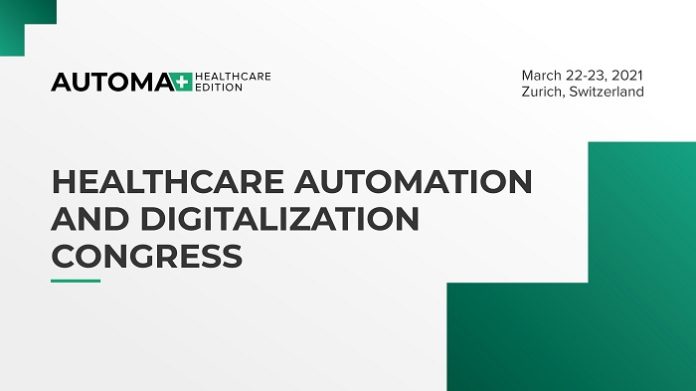
Health industry digitalization is one of the highest priorities in the healthcare sector these times. In perspective, it improves current living standards with quicker and easier access to help. The Healthcare Automation and Digitalization Congress business program will cover digital trends in the healthcare industry. The Congress will take place in Zurich, Switzerland on the 22nd – 23rd of March, 2021.

Growth of pharmaceutical costs, poorly integrated doctor-patient interaction, defects of medical devices delivery system, and patients data safety issues are among the problems that healthcare industry faces every day. Nowadays developing technologies and solutions is intended to minimize input resources, so the accessible and qualified medical care can be provided to anyone. Among the companies interested in the industry developments and participating in the AUTOMA Congresses series are Siemens, Microsoft, IBM, Schneider Electric DMS NS, DNV GL, European Commission.

Get more information: https://bit.ly/2AN3RNu

The healthcare industry continues to automatize and digitalize processes because it allows to improve the current ways of treatment and prophylaxis. Specifically, the digital transformation can help with laboratory researches by automation of routine processes, rapid response by improving the remote diagnostics, and disease prevention by self-care of the technology users. To reflect cutting-edge technologies, the business program of AUTOMA+ Healthcare will be presented by the following topics:

  • Digital strategy for healthcare business transformation
  • Data advanced management and cyber security in healthcare
  • Personalized medicine developments
  • Healthcare devices: Telehealth and mHealth
  • AI and robotics in the healthcare industry
  • Pharmacology role in digital health
  • Software for clinical and laboratory settings

Healthcare Automation and Digitalization Congress is the networking platform for top-management from healthcare providers and pharmaceutical companies, healthcare professionals, IT and project managers, and heads from technology companies. It is a place for experts to share their cases, exhibitors to showcase their solutions, and industry representatives to discuss healthcare trends at the same venue.

Request a full business program: https://bit.ly/31ZYNQM

KT Corp Joins Hands with Local Partners for Smart Hospital Solutions

KT Corp Joins Hands with Local Partners for Smart Hospital Solutions

KT Corp., South Koreaโ€™s No. 2 mobile carrier, said Wednesday it has teamed up with the countryโ€™s top industrial robot maker and a major general hospital to develop advanced medical solutions.

Under the partnership with Asan Medical Center and Hyundai Robotics Co., KT will develop contactless medical services, such as remote diagnosis and real-time health care tracking using wearables.

KT will be responsible for developing the software for the services, which will incorporate fifth-generation (5G) networks and artificial intelligence, while Hyundai Robotics will focus on developing automated infrastructure with robots.

The collaboration comes a month after KT acquired a 10 percent stake in Hyundai Robotics, an affiliate of shipbuilding titan Hyundai Heavy Industries, to boost its presence in smart factory and service robot sectors.

Local carriers have recently been trying to expand their businesses into the health care industry.

SK Telecom Co., the countryโ€™s largest mobile carrier, established digital health care firm Invites Healthcare in March with local private equity firm Newlake Alliance Management.

The joint venture is currently developing ICT-based chronic disease management services that monitor patient data in real time.

LG Uplus Corp. signed an agreement last year with Eulji Foundation, which operates local hospitals, to develop hospital services that incorporate 5G technology.

American Multinational Abbot Laboratories faces multimillion-dollar lawsuit over contract compliance with African Covid-19 Test Kits

PharmaCyte Biotech Enters into License Agreement for COVID-19 Diagnostic Kits

Centurion Law Group has been engaged to institute legal action against American multinational health care company Abbott Laboratories for willfully undersupplying African suppliers of COVID-19 test kits. Even when the African parties made orders first, delivery was effected last or not at all.

โ€œAbbott Laboratories should have known better and their handling of orders of COVID-19 test kits have caused serious health and financial damages to many Africans,โ€ stated NJ Ayuk, CEO of Centurion Law Group.

โ€œWe do not take this case lightly. These are trying times, and though a corporation is big and powerful, it does not give it the right to undermine the rights of African companies and governments who placed orders of COVID-19 test products,โ€ added Mr. Ayuk.

Abbott Laboratories has been expanding on the continent and pushing for a lot of new business. Many African suppliers and governments were proactive in their response to the pandemic and placed timely orders with Abbott Laboratories. The inability of Abbott Laboratories to execute orders and to deliver came at the expense of African companies causing financial loss and damage to their reputations.

Distributed by APO Group on behalf of Centurion Law Group.

Turner Imaging Systems and Siemens Healthineers Announce New Business Relationship Agreement

Turner Imaging Systems and Siemens Healthineers Announce New Business Relationship Agreement

Turner Imaging Systems has entered into a Master Resellers agreement which will add the Smart-Cยฎ Mini C-Arm to the Siemens Healthineers portfolio of radiology and imaging products. With this agreement, Siemens Healthineers becomes the premium partner reseller to the hospital market and will focus on delivering the Smart-C to their hospital, IDN, GPO and military customers in the United States. International expansion will align with regulatory clearance to sell the Smart-C globally.

The Smart-Cยฎ Mini C-Arm, developed by Turner Imaging Systems, is a fully functional mini-C-arm system that is battery operated and hand-transportable, improving the way fluoroscopy is performed. The unique features of this device are its true flexibility to meet the needs of the operating room and field applications. Weighing only 16 pounds, the Smart-Cยฎ Mini C-Arm can be hand-carried to the point-of-care and is battery powered for a completely wireless imaging procedure. With the high-quality imaging, system flexibility and no cords this device is revolutionary for todayโ€™s surgical settings.

Siemens Healthineers, a global pioneer in medical and diagnostic technology, is a leader in the healthcare industry. Siemens Healthineersโ€™ overall corporate commitment to support operational efficiencies and clinical effectiveness will bring a wealth of experience and access to hospital providers throughout the United States for Turner Imagingโ€™s portable fluoroscopy X-ray device. The agreement spans five years and provides Siemens Healthineersโ€™ new and existing customers the opportunity to purchase this revolutionary technology through one of the worldโ€™s most respected diagnostic imaging companies.

โ€œWith this agreement, one of the broadest portfolios in portable fluoroscopy X-ray imaging just grew deeper,โ€ said Niral Patel, vice president of X-ray products at Siemens Healthineers. โ€œThe Smart-C Mini C-Arm gives healthcare providers access to new advanced technology that advances how point-of-care fluoroscopic imaging procedures are performed. Itโ€™s offered at a highly competitive price, so more facilities can deliver high-quality results and strengthen their reputation as a reliable imaging partner.โ€

Turner Imaging Systems, based in Orem, Utah, recently received FDA 510(k) clearance of the Smart-Cยฎ Mini C-Arm portable fluoroscopy X-ray imaging device. As a developer of advanced X-ray imaging systems, the inclusion of the Smart-Cยฎ Mini C-Arm in the Siemens portfolio represents a significant milestone, not only for Turner Imaging Systems but also for the imaging communityโ€”patients and clinicians.

According to D. Clark Turner, Ph.D., founder and CEO of Turner Imaging Systems, โ€œThe Smart-C will revolutionize how and where doctors use X-rays โ€ฆ being particularly useful where patients can benefit from mobile radiology applications. This partnership with Siemens Healthineers is a significant step in the commercialization of the Smart-C and will greatly speed our reach to those customers who benefit most from the tremendous digital images captured with this unique point-of-care portable imaging device.โ€

Translate ยป