






Close
Digital Health & Ai Innovation summit 2026
Medical Taiwan 2026

Accuray Launches New CyberKnife S7 System

Accuray Launches New CyberKnife S7 System

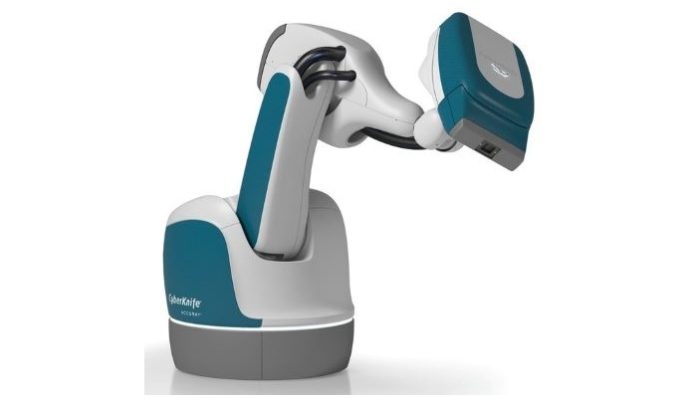
Accuray Incorporated announced the company has launched the CyberKnifeยฎ S7โ„ข System, an innovative device combining speed, advanced precision, and real-time artificial intelligence (AI)-driven motion tracking and synchronization treatment delivery for all stereotactic radiosurgery (SRS) and stereotactic body radiation therapy (SBRT) treatments โ€” in as little as 15 minutes.

The CyberKnife S7 System is the next-generation CyberKnife platform, a robotic, non-invasive radiation therapy device capable of treating cancerous and benign tumors throughout the body, as well as neurologic disorders. The new CyberKnife technology is the most recent illustration of Accuray innovation in radiation therapy that empowers healthcare providers through new capabilities to provide the best possible care to their patients.

Many changes can happen during treatment: the patient shifts position, breathes, or coughs, muscles tense and relax, fluids and gasses displace internal organs. This movement can impact the location of the tumor target when the radiation beam is delivered. The CyberKnife System’s Synchronyยฎ motion synchronization technology uses AI to adapt radiation delivery in real-time to patient and/or tumor movement throughout the course of treatment. The system’s robotic design facilitates the delivery of radiation from potentially thousands of unique angles, significantly expanding the possible positions from which radiation beams can be delivered. The more angles and points in space from which to approach the tumor, the better a physician will be able to maximize radiation dose delivered to the tumor and minimize dose to surrounding healthy tissues. The CyberKnife System is the only device capable of delivering sub-millimetric stereotactic treatments anywhere in the body with speed, efficiency and accuracy โ€” all without the need for human intervention.

Geisinger is dedicated to making exceptional cancer care available to residents of northeastern Pennsylvania, within their community,” said chairman of radiation oncology at Geisinger Cancer Institute, Dr. Anand Mahadevan. “We are proud to be the first center in the world to treat patients with the CyberKnife S7 System, an advanced device that will expand the scope of tumors we can treat. Knowing that the system will automatically adapt treatment delivery for patient or tumor movement gives us the confidence to use SRS and SBRT for intra- and extra-cranial disease sites throughout the body, providing meaningful benefits to our patients during and after treatment.”

The CyberKnife S7 is built for the speed clinicians need for operational efficiency. Accurate, sub-millimetric, motion synchronized, (ultra) hypofractionated treatments can be delivered in as little as 15 minutes with Synchrony and the VOLOโ„ข Optimizer, providing the patient throughput necessary to be successful in today’s clinical environment. SRS and SBRT use advanced techniques to deliver precise, hypofractionated radiation therapy โ€” which allows patients to be treated with very high doses of accurately targeted radiation administered in a few days versus conventional fractionation where treatments often require up to 35 visits. Patient benefits can include a shorter overall course of treatment and a significant reduction in the risk of side effects that can significantly impact patients’ lives.

Changes to the proposed Medicare & Medicaid Radiation Oncology โ€“ Alternative Payment Model favor the delivery of hypofractionated radiotherapy whenever clinically appropriate. Radiotherapy devices like the CyberKnife platform provide a resource for hospitals to achieve both their clinical efficacy and ROI goals.

“We are gratified to have achieved this important CyberKnife System milestone with the support from Dr. Mahadevan and his team. The CyberKnife system has continued to evolve since the first patient was treated more than 25 years ago and it remains the ‘go to’ device for clinicians who want to confidently deliver precise and accurate stereotactic treatments on a day-in, day-out basis,” said Joshua H. Levine, president and CEO at Accuray. “With the introduction of the CyberKnife S7 System, Accuray is continuing its legacy of innovation. We believe this new system will make it easier for Geisinger clinicians to successfully deliver SRS and SBRT and achieve their patient-first treatment objectives, a priority for their team and ours.”

About Accuray Inc
Accuray Incorporated develops, manufactures and sells radiotherapy systems that are intended to make cancer treatments shorter, safer, personalized and more effective, ultimately enabling patients to live longer, better lives. Our radiation treatment delivery systems in combination with fully-integrated software solutions set the industry standard for precision and cover the full range of radiation therapy and radiosurgery procedures.
AI-Powered Diagnostic Solution from QuEST Global to Accelerate Covid-19 Screening

AI-Powered Diagnostic Solution from QuEST Global to Accelerate Covid-19 Screening

QuEST Global, a global product engineering and lifecycle services company, announced that it has developed a robust AI-powered solution that will enable healthcare professionals to accelerate the screening of COVID-19 patients with pneumonia symptoms. Using advanced deep learning models, the AI-powered diagnostic solution can sort and identify chest X-rays of patients with COVID-19. With an accuracy of more than 95%, the solution can be deployed on the cloud as a service, making it easily accessible on edge for healthcare professionals and end-users. The solution is backed by Microsoft Azure Machine Learning, which helps accelerate the development and deployment on machine learning models in a highly secure and trusted fashion.

The Medical Devices engineering team at QuEST developed this technology demonstrator using chest X-rays of healthy individuals, patients with symptoms of pneumonia and COVID-19. These X-rays were used to train and build a deep neural network model that could discriminate the radiological patterns of pneumonia related to COVID-19 and highlight the suspicious ones, thus leading to a faster screening of the disease.

Elaborating further on QuESTโ€™s AI solution, Krish Kupathil, Global Head, Hi-Tech and Digital, QuEST Global said, โ€œAs the pandemic continues to rage, our focus has been to deliver a solution that can support the healthcare professionals effectively. Since the fight against COVID-19 is all about faster screening and immediate isolation of maximum number of people, we aim to accelerate the screening time as much as possible. The AI-based solution will make radiography examinations much faster by leveraging modern image diagnostic systems. As we continue to add more features, we aim to reduce the screening time to less than a minuteโ€.

Michael Kuptz, General Manager โ€“ Americas IoT & Mixed Reality Sales, Microsoft, said, โ€œIn these unprecedented times, saving human lives is the ultimate goal, and technology can help. Microsoftโ€™s collaborations with product engineering leaders like QuEST can go a long way to driving a more positive outcome. For example, QuESTโ€™s AI-driven diagnostic solution, built on Microsoft Azure, empowers healthcare personnel in the fight against COVID-19 by reducing screening time, thereby enabling more testing capacity.โ€

Over the years, QuEST has been working as a trusted thinking partner with the worldโ€™s most recognized companies in the medical devices industry. The company is committed to enabling its customers Create The Frontier by enhancing healthcare experience to improve the lives of millions of people around the world. With its expertise in new-age technologies like deep learning, AI, IoT and machine learning, the company has been developing comprehensive engineering solutions by using Azure IoT and Azure AI solutions. These solutions have been helping OEMs, and tier-one suppliers seamlessly take a giant leap in their digital transformation journey and make products safer and more reliable.
About QuEST Global

For more than 20 years, QuEST Global has aimed to be a trusted global product engineering and lifecycle services partner to many of the worldโ€™s most recognized companies in the Aero Engines, Hi-Tech, Aerospace & Defense, Transportation (Auto and Rail), Power and Industrial, Oil & Gas and Medical Devices industries. With a global presence in 15 countries, 68 global centers and 12,300+ personnel, QuEST Global believes that it is at the forefront of the convergence of the mechanical, electronics, software and digital engineering innovations to engineer solutions for a safer, cleaner world. QuEST Globalโ€™s deep domain knowledge and digital expertise aim to help its clients accelerate product development and innovation cycles, create alternate revenue streams, enhance consumer experience and make manufacturing processes and operations more efficient.

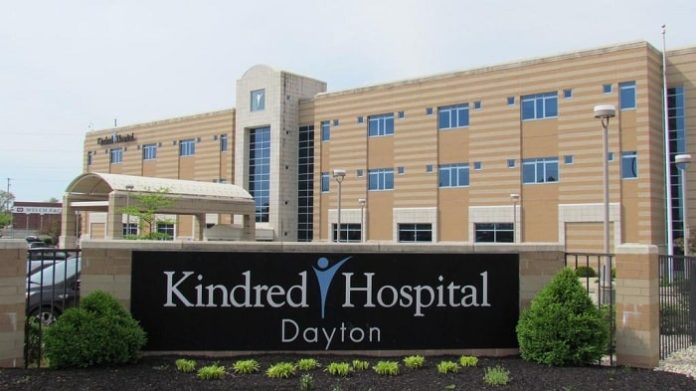
Kindred Healthcare expands rehabilitation services in its long-term acute care hospitals

Kindred Healthcare to Expand Behavioral Health Services with Acquisition of Two Hospitals in Texas

Kindred Healthcare, LLC announced it is adding acute inpatient rehabilitation units (ARUs) within five of the companyโ€™s long-term acute care (LTAC) hospitals. The LTACs adding ARUs are located in the Houston metro area and in Fort Lauderdale, St. Petersburg and Green Cove Springs, Florida. The ARUs, with a total of 60 beds, will begin serving patients in September 2020.

Inpatient rehabilitation helps patients recover from conditions that include stroke, brain injury, spinal cord injury, orthopedic injury, neurological conditions, amputation and trauma. The new ARUs will provide the intensive, interdisciplinary clinical and rehabilitation services necessary for improved function and independence, facilitating patientsโ€™ recovery so they can be discharged and return to their homes.

Patients will receive a minimum of three hours of therapy each day for at least five days a week under the direction of a physiatrist, a doctor specialized in rehabilitation and physical medicine, and 24/7 nursing care. The Kindred ARUs will provide services to both Kindred LTAC patients as well as patients from other healthcare providers in their communities.

The new units will be managed and staffed by Kindred Hospital Rehabilitation Services (KHRS), which delivers clinical success and outstanding patient outcomes for hospital-based programs nationwide. KHRS treats more than 45,000 patients each year and is the largest contract manager of hospital-based acute rehabilitation programs in the nation. Approximately 100 hospitals in 27 states partner with KHRS to manage ARUs within their facilities.

โ€œAdding dedicated acute-level rehabilitation units in our LTAC hospitals sets Kindred apart,โ€ said Pete Kalmey, Executive Vice President and President of Kindredโ€™s Hospital Division. โ€œThese ARUs will enable Kindred to provide a broader range of acute-level, physician-led rehabilitation expertise while avoiding the disruption of transferring a patient to a separate facility. With enhanced capabilities, expertise and clinical integration โ€“ all under one roof โ€“ we will be positioned to deliver superior outcomes for our most clinically complex patients.โ€

Continued Kalmey, โ€œIn this time of pandemic, it is important to note that a growing body of evidence demonstrates that the specialized services delivered in LTAC hospitals and inpatient rehabilitation play a unique and positive role in treating patients suffering with, and recovering from, COVID-19. LTAC hospitals have particular expertise in pulmonary care and success in weaning ventilator-dependent patients.โ€


Recordati: ISTURISA Phase III LINC-4 Trial Meets Its Primary Endpoint in Cushing’s Disease

Recordati: ISTURISA Phase III LINC-4 Trial Meets Its Primary Endpoint in Cushing's Disease

Recordati Rare Diseases Inc. announces positive results from the large Phase III LINC-4 study of ISTURISAยฎ (osilodrostat) for the treatment of patients with Cushingโ€™s disease for whom pituitary surgery is not an option or has not been curative. Data from the LINC-4 study demonstrate that a significantly higher proportion of patients receiving ISTURISA achieve normal mUFC, the primary treatment goal for Cushingโ€™s disease, after 12 weeks of treatment versus placebo (77% vs 8%; P<0.0001).

Improvements in mUFC levels are sustained over 36 weeks of treatment (81% of patients). ISTURISA is well tolerated and has a manageable safety profile, with the most common adverse events in LINC-4 being arthralgia, decreased appetite, fatigue, and nausea. The findings from LINC-4, the first Phase III study of a medical therapy in Cushingโ€™s disease to contain an upfront placebo-controlled phase, builds upon existing clinical evidence and affirms the effectiveness of ISTURISA in this hard-to-treat patient population.

โ€œCushingโ€™s disease is a chronic and debilitating condition that can be extremely challenging to manage and, if left inadequately treated, can have a significant impact on patientsโ€™ quality of life and increase the risk of mortalityโ€, said Richard Feelders, MD, Professor of Endocrinology at the Erasmus University Medical Center, Rotterdam. โ€œData from this important Phase III study show that ISTURISAยฎ (osilodrostat) is an effective and well-tolerated therapy for Cushingโ€™s disease, which significantly reduces and normalizes mUFC levels in most patients. These data are encouraging given the high unmet medical need for patients with this rare disorderโ€.

โ€œThe compelling topline LINC-4 data confirm the effectiveness of ISTURISA for the treatment of this rare, potentially life-threatening diseaseโ€, stated Andrea Recordati, CEO. โ€œWe are deeply grateful to the patients, investigators, clinicians and study staff whose ongoing participation in the clinical development of ISTURISA has helped bring this therapy to patients in needโ€.

Data from the LINC-4 study reinforce the clinical benefits of ISTURISA as an effective and generally well-tolerated oral treatment option for patients with Cushingโ€™s disease. ISTURISA has recently received marketing authorization in the United States (March 2020) for the treatment of Cushingโ€™s disease.

About Cushingโ€™s disease
Cushingโ€™s disease is a form of Cushingโ€™s syndrome, in which chronically elevated cortisol levels is triggered by a pituitary adenoma secreting excess adrenocorticotropic hormone (ACTH).4 It is a rare, serious and difficult-to-treat disease that affects approximately one to two patients per million per year. Prolonged exposure to elevated cortisol levels is associated with considerable morbidity, mortality and impaired quality of life as a result of complications and comorbidities.5 Normalization of cortisol levels is therefore a primary objective in the treatment of Cushingโ€™s disease.

About LINC-4
LINC-4 is a large randomized, double-blinded, multicenter, 48-week trial with an initial 12-week placebo-controlled period to evaluate the safety and efficacy of osilodrostat in patients with Cushingโ€™s disease. The primary endpoint in the LINC-4 trial is the proportion of patients randomized to ISTURISAยฎ and placebo, separately, with a mUFC โ‰คULN at the end of the 12-week placebo-controlled period. The key secondary endpoint is the proportion of patients in both arms combined with a mUFC โ‰คULN after 36 weeks. LINC-4 involved 73 patients with persistent or recurrent Cushingโ€™s disease or those with de novo disease who were not candidates for surgery.

About ISTURISAยฎ
ISTURISA is a cortisol synthesis inhibitor that works by preventing 11-betahydroxylase, an enzyme responsible for the final step of cortisol biosynthesis in the adrenal gland, from being created. ISTURISA is available as 1 mg, 5 mg and 10 mg film-coated tablets. Please see prescribing information for detailed recommendations for the use of this product.7 In March 2020, the FDA granted marketing authorization for ISTURISA in the United States. For more information visit

About Recordati Rare Diseases Inc.
Recordati Rare Diseases Inc. is a biopharmaceutical company committed to providing often-overlooked orphan therapies to the underserved rare disease communities of the United States. Recordati Rare Diseases is a part of the Recordati Group, a public international specialty pharmaceutical company committed to the research and development of new specialties with a focus on treatments for rare diseases.

Recordati Rare Diseasesโ€™ mission is to reduce the impact of extremely rare and devastating diseases by providing urgently needed therapies. We work side-by-side with rare disease communities to increase awareness, improve diagnosis and expand availability of treatments for people with rare diseases. The companyโ€™s U.S. corporate headquarters is located in Lebanon, NJ, with global headquarter offices located in Milan, Italy.

GE Healthcare to collaborate with University of Oxford, NCIMI on AI algorithms to help predict COVID-19 severity, complications and long-term impact

GE Healthcare to collaborate with University of Oxford, NCIMI on AI algorithms to help predict COVID-19 severity, complications and long-term impact

GE Healthcare is working with the University of Oxford-led National Consortium of Intelligent Medical Imaging (NCIMI) in the UK to develop and test algorithms to aid in the diagnosis and management of COVID-19 pneumonia. The program will focus on developing, enhancing and testing potential algorithms to help diagnose COVID-19 pneumonia, predict which patients will develop severe respiratory distress – a key cause of mortality in patients who develop COVID-19 pneumonia – and which patients might develop longer term lung function problems, even when they recover from respiratory distress.

At present, clinicians cannot easily predict which patients who test positive for COVID-19 will deteriorate and require hospital admission for oxygen and possible ventilation. Nor is it clear which patients will suffer long-term consequences from the lung damage from COVID-19 pneumonia.[1] The teams aim to develop algorithms incorporating data from thousands of patients medical imaging, laboratory and clinical observations to provide both a quicker diagnosis and a prediction of how a patient may progress and recover.

Currently, some patients admitted to hospital do not see a worsening of their symptoms, while others who appear stable can deteriorate rapidly. [2]Identification of those patients at highest risk of deterioration and long-term lung function problems may help physicians and caregivers to accelerate intensive support. It may also allow those with lower risk to be monitored in a suitably safe environment, potentially including the patientโ€™s home. GE Healthcare and NCIMI aim to develop tools to help in the management of these COVID-19 patients from triage to acute monitoring, interventions, to discharge and those requiring follow-up after recovery.

โ€œIt would be extremely valuable to predict at a relatively early stage in the disease which patients will do well, which are at risk of imminent deterioration and should be admitted to ICU as they will need more intensive support, and which are at higher risk of delayed deterioration and need to be actively monitored.โ€ says Professor Fergus Gleeson, Consultant Radiologist, Professor of Radiology at the University of Oxford, and the 2020 president of the European Society of Thoracic Imaging. โ€œThese distinctions would allow hospital resources to be targeted to those that will need them whilst in hospital and following discharge.โ€

โ€œAs health systems manage COVID-19 cases, clinicians can benefit from new technologies to help triage and determine which patients are likely to develop respiratory distress and longer-term complications,โ€™โ€™ said Kieran Murphy, President and CEO of GE Healthcare. โ€œIf we can ensure patients are quickly placed in the right care setting, this may help to improve outcomes.โ€

The development of robust algorithms and models requires large data sets comprising thousands of patients. The Oxford and NCIMI teams will have access to data from NCIMI NHS partner hospitals as well as working with the National COVID-19 Chest Imaging Database (NCCID) led by NHSX in England and the British Society of Thoracic Imaging. GE Healthcare is developing various imaging and vitals-sign algorithms for use in conducting research for better understanding of the COVID-19 disease progression. The team at Oxford will assess and test various approaches to determine if these can be used to help patients who have or have had COVID-19 pneumonia.

The trial – AI-enhanced Covid 19 Prognostic Algorithm (HOST) is approved by the UKโ€™s Health Research Authority.

About NCIMI:

The National Consortium of Intelligent Medical Imaging is a network of NHS hospitals across 15 NHS trusts, clinical leaders, industry experts in the fields of AI and medical imaging, world-leading academic researchers plus patient groups and charities. NCIMI brings together world-leading clinicians, NHS hospitals, industry experts in clinical imaging and artificial intelligence, charities and patient group.

About the University of Oxford

Oxford University has been placed number 1 in the Times Higher Education World University Rankings for the fourth year running, and at the heart of this success is our ground-breaking research and innovation. Oxford is world-famous for research excellence and home to some of the most talented people from across the globe. Our work helps the lives of millions, solving real-world problems through a huge network of partnerships and collaborations. The breadth and interdisciplinary nature of our research sparks imaginative and inventive insights and solutions.

About GE Healthcare

GE Healthcare is the $16.7 billion healthcare business of GE. As a leading global medical technology and digital solutions innovator, GE Healthcare enables clinicians to make faster, more informed decisions through intelligent devices, data analytics, applications and services, supported by its Edison intelligence platform. With over 100 years of healthcare industry experience and around 50,000 employees globally, the company operates at the center of an ecosystem working toward precision health, digitizing healthcare, helping to drive productivity and improve outcomes for patients, providers, health systems and researchers around the world.

How To Ease Restrictions In An Assisted Living Facility After The Pandemic

How To Ease Restrictions In An Assisted Living Facility After The Pandemic

The retail and corporate worlds are slowly returning to something that resembles normal after the Coronavirus pandemic, but in the healthcare world, even more caution needs to be exercised.

As such, many healthcare establishments, care homes, hospices and assisted living establishments remain in almost full lockdown.ย Throughout the pandemic, there has been criticism of this approach, but with so many vulnerable people in their care, itโ€™s understandable that establishments would be wary of reopening too soon.

If you manage an assisted living establishment, be it for the elderly or the differently-abled, then weโ€™ve put together some advice to help you ease your restrictions safely and keep your team and residents safe.

Remain Vigilant

The Coronavirus is still a serious threat to your residents, particularly as no vaccine is available. As such, you still need to be focused on keeping your facility clean and reducing any chance of contamination. If youโ€™re concerned about cleanliness now that the country is reopening, then consider working with a professional healthcare cleaning service. Ideal Cleaning has experience in the healthcare market, and they offer clinical cleans to help you ensure the safety of your residents and staff. As such, theyโ€™re the perfect partner for any assisted living establishment looking to keep everyone safe and slowly ease restrictions.

Consider Social Distanced Visits

As the country reopens and more establishments start welcoming visitors again, many relatives and friends of your residents might start asking about visiting your facility. Instead of allowing them to enter, consider compromising by offering them the chance to see their loved ones at a distance. You could set up a specific area on your property that clearly marks where visitors need to stand to keep residents safe, while still having a conversation with them.

Upgrade Your Communication Technology

Another great way for your establishment to reduce visitors and still allow family members and friends to communicate with your residents is to upgrade your communication technology. Consider adding additional phone lines, or providing residents with access to mobile devices so that they can video conference with their loved ones. This approach will help you to reduce the number of visitors who want to enter your premises while still allowing your residents the chance to interact with the people they love and cherish.

Communicate With Your Staff

When enforcing rules, especially ones that arenโ€™t palatable for everyone, continuity is essential. As such, you need to make sure that every member of your staff understands your rules and is able to implement them. Host regular team meetings where you debrief your teams and send out emails or messages with any urgent developments to ensure that everyone is always up to date.

Keep Up To Date With The Latest Regulations

The UK Government is constantly updating its guidelines and regulations around the latest scientific discoveries and the countryโ€™s infection rate. As such, itโ€™s essential that you stay up to date so that your facility is always compliant and safe. Follow healthcare blogs and organisations to keep informed and make sure that you fully understand whatโ€™s happening and how it applies to your establishment.

Beckman Coulter’s SARS-CoV-2 IgG antibody test now available in markets accepting the CE Mark

SARS-CoV-2 IgG antibody test

Beckman Coulter announced that its Access SARS-CoV-2 IgG assay is now available in markets accepting the CE Mark. The company has already shipped tests to more than 400 hospitals, clinics and diagnostics laboratories in the U.S. and has begun shipping to customers globally. Beckman Coulter has more than 16,000 immunoassay analysers worldwide and has ramped its manufacturing to deliver more than 30 million tests a month.

Henry Ford Health System was one of the first health systems to receive Beckman Coulterโ€™s test and independently validate its performance. โ€œWe selected the Beckman Coulter Access SARS-CoV-2 IgG antibody assay to be the backbone of Henry Fordโ€™s COVID-19 serology testing program because of its outstanding performance in our rigorous independent evaluation,โ€ said Dr Bernard C Cook, Division Head of Chemistry-Pathology, Henry Ford Health System. โ€œHenry Ford found when running the Beckman Coulter SARS-CoV-2 assay on 204 PCR-confirmed COVID-19 patient samples, a test sensitivity of 100% at 14 days post-PCR and testing of 80 patient samples from the pre-COVID era yielded a specificity of 100%.โ€

The Beckman Coulter Access SARS-CoV-2 IgG assay detects immunoglobulin G (IgG), and targets antibodies that recognize the receptor-binding domain (RBD) of the spike protein which SARS-CoV-2 uses to bind to a human cell receptor. This is significant as antibodies that target the RBD have the potential to be neutralizing and thus prevent future infection by blocking the virus from entering the cell. It is for this reason many vaccine developers are also targeting the RBD of the spike protein in their vaccine development.1

โ€œOur assay has the potential to identify individuals who have already mounted an immune response to the novel coronavirus and could donate convalescent plasma for use in combating the disease in seriously ill patients,โ€ said Julie Sawyer Montgomery, President of Beckman Coulter. โ€œConvalescent plasma therapy will be a critical tool in our treatment arsenal in the absence of an effective vaccine as we look toward the fall and winter when many epidemiologists anticipate a second large wave of infections.โ€

Many of Beckman Coulterโ€™s analysers can deliver up to 400 routine tests an hour. A large number of analysers are connected to hospital information systems, enabling laboratories to automate the reporting of serology test results. The Access SARS-CoV-2 IgG test can also be run on Beckman Coulterโ€™s Access 2 analyser, a compact table-top analyser enabling high-quality serology testing to be carried out in small hospitals and clinics. This test seamlessly integrates into laboratory workflows making it easy to add serology testing to routine blood tests performed during inpatient and wellness testing, so health systems can begin to comprehensively determine the immune status of their communities.

โ€œAn IgG antibody assay such as the test Beckman Coulter has developed can provide valuable information regarding community levels of immunity that will inform public health decision making and rollout of a vaccine when one does become available,โ€ said Shamiram R. Feinglass, M.D., MPH, Chief Medical Officer Beckman Coulter. โ€œThe very high sensitivity and specificity of this assay provides a high positive predictive value, even when the overall incidence of disease is low. Additionally, since our assay can be run on multiple different types of analysers, it can be adapted to a variety of healthcare settings to best meet the needs of each community.โ€

Beckman Coulter will continue to focus on bringing innovative tests to market, and will be seeking CE Mark for its Access SARS-CoV-2 IgM assay in the near future. For the latest information on the Access SARS-CoV-2 IgG assay, or for more information about Beckman Coulterโ€™s commitment to fight against COVID-19, visit: www.BeckmanCoulter.com/Coronavirus.

About the Access SARS-CoV-2 IgG Assay
The Access SARS-CoV-2 IgG Assay is a qualitative immunoassay that detects IgG antibodies directed to the receptor-binding domain of the spike protein of the novel coronavirus that is driving the ongoing global pandemic. It is believed that these antibodies have the potential to be neutralizing antibodies and may play a role in lasting immunity. The test has a confirmed 99.8% specificity and 100% sensitivity at 18 days post PCR confirmed positive test. The assay uses immobilized virus antigens on magnetic particles to capture IgG antibodies from patient serum or plasma samples and reveals them using labelled anti-IgG antibodies. The Access SARS-CoV-2 IgG assay can be used with a variety of Beckman Coulter analysers, including the high-throughput DxI 800 designed for large labs, to the DxI 600 for mid-sized labs and the DxCi and Access 2 analysers for smaller labs and healthcare clinics. The assay can be seamlessly integrated into existing workflows without batch processing.

About Beckman Coulter
Beckman Coulter is committed to advancing healthcare for every person by applying the power of science, technology and the passion and creativity of our teams to enhance the diagnostic laboratoryโ€™s role in improving healthcare outcomes. Our diagnostic systems are used in complex biomedical testing, and are found in hospitals, reference laboratories and physician office settings around the globe. Beckman Coulter offers a unique combination of people, processes and solutions designed to elevate the performance of clinical laboratories and healthcare networks. We do this by accelerating care with a menu that matters, bringing the benefit of automation to all, delivering greater insights through clinical informatics and unlocking hidden value through performance partnership. An operating company of Danaher Corporation (NYSE: DHR) since 2011, Beckman Coulter is headquartered in Brea, California, and has more than 11,000 global associates working diligently to make the world a healthier place.

Bimini Health Tech Acquires Healeon Medical, Inc

Bimini Health Tech announced it has acquired Healeon Medical, Inc. Healeon represents an excellent addition to Bimini’s family of autologous products, continuing its mission of discovering, developing, and acquiring technologies and therapies to unlock the power of the human body.

Healeon designs, develops, manufactures, and markets medical devices for extracting, processing, concentrating, and sizing various living human tissues and cellular composites for aesthetic and therapeutic applications. The company emphasizes preserving cellular activity to assist in restoring or enhancing function at the tissue-specific level. Healeon’s products include: the signature HD PRP system, optimizing the capture of platelet concentrates at the point-of-care; Healeon LTM System, a sterile, closed-loop platform for micro-fragmenting adipose tissueโ€”including the Evulse Adipose Micronizer to precisely fragment and maintain the viability of the cell and tissue structure; and the SURE-Loc disposable cannula, for consistent removal and injection of fat tissue. Healeon’s future pipeline includes of a family of products focused on enhancing and simplifying PRP and adipose-based processing.

“The acquisition of Healeon brings tremendous value to Bimini’s current product portfolio. Healeon’s commercially available PRP products and adipose product pipeline allows Bimini to offer a comprehensive set of autologous (cells or tissues obtained from the same individual) therapies to physicians globally,” said Brad Conlan, CEO of Bimini Health Tech. “The Healeon technology is complemented by a team bringing years of medical device sales and marketing experience to Bimini. The combination of our two companies further establishes Bimini as a global leader in the regenerative medicine market.”

“Healeon is thrilled to become part of the Bimini portfolio, continuing our mission of bringing novel technologies to the global regenerative medicine marketplace. The combined experience coupled with the breadth of products, positions Bimini Health Tech to be a formidable leader for years to come.” said Jeff Greiner, CEO of Healeon Medical, Inc.

ABOUT BIMINI HEALTH TECH

Bimini Health Tech is a global leader in the regenerative product and therapy market. The company develops and commercializes products that are elegant in their simplicity, yet impactful and proven in their aesthetic and therapeutic benefit. Since 2013, they have been developing innovative products to provide premium aesthetic care options to consumers and physicians alike. The Bimini Health Tech portfolio includes the brands Healeonยฎ, Puregraftยฎ, Dermaposeยฎ, and Kerastemยฎ.

ABOUT HEALEON MEDICAL, INC.

Healeon Medical, Inc. (HMI) is a CA-based corporation dedicated to paving the way for regenerative solutions by providing innovative medical devices, clinical expertise, and support for autologous, point-of-care treatments. Healeon Medical has rapidly emerged as a major player in the regenerative medicine market with a vertically integrated platform for regenerative medicine therapy. Healeon actively innovates new technologies for tissue acquisition and isolation with the intent to further simplify the point-of-care process for the clinician interested in providing regenerative medicine therapy. Healeon’s technologies and techniques offer easier and safer solutions that isolate unparalleled cell and protein concentrates designed to meet individual practice and patients’ needs.

Venus Medtech Announces Agreement to Acquire Keystone Heart, LTD

Venus Medtech Announces Agreement to Acquire Keystone Heart, LTD

Venus Medtech Inc., the preeminent Chinese transcatheter heart valve company, announced it has signed an agreement to acquire Keystone Heart Ltd., a privately-held medical device company and makers of TriGUARD 3โ„ข. The acquisition gives Venus Medtech international rights to TriGUARD 3, the first Cerebral Embolic Protection Device designed to provide complete coverage to all brain regions for patients undergoing cardiac procedures.

โ€œIt is of utmost importance to us that our devices improve the quality life of the patients whom receive them,โ€ said EricZi, co-founder and CEO of Venus Medtech. โ€œOur transcatheter heart valve systems offer patients life-saving support โ€“ acquiring Keystone Heart allows us the opportunity not only to reduce the risk of brain injury during cardiac procedures but establishes our presence in the US and EMEA through which we can introduce our entire portfolio of products.โ€

Keystone Heart is focused on protecting the brain from emboli to reduce the risk of brain infarcts during TAVR, surgical valve replacement, atrial fibrillation ablation and other structural heart procedures. The company is currently enrolling patients in the REFLECT trial in the US to evaluate TriGUARD 3, anticipating enrollment completion in the early part of the first quarter of 2019 and FDA review in the first half of 2019. CE mark approval for Europe is anticipated by the end of this year.

โ€œWe are excited to be joining a truly entrepreneurial company like Venus,โ€ said Chris Richardson, president and CEO, Keystone Heart, LTD. โ€œProviding brain protection for every TAVR patient will differentiate Venus Medtech and position them as a leader in structural heart therapies โ€“ underscoring its dedication to excellence, determination to provide a total solution for patients undergoing TAVR procedures and focus on patient safety. This partnership provides us the unique opportunity to improve the lives of patients undergoing structural heart procedures with cerebral embolic protection and the ability of bringing new cutting-edge therapies into the US & EMEA.โ€

The merger is expected to close in the fourth quarter of 2018, subject to customary closing conditions.

How TriGUARD 3โ„ข Works
TriGUARD 3โ„ข is designed to help interventional cardiologists and electrophysiologists protect the brain during cardiovascular procedures. During these cardiovascular procedures, debris from the aortic valve, ascending aorta and other sources may embolize and cause cerebral infarction. Embolic brain lesions resulting from these procedures may lead to potentially devastating outcomes โ€” stroke, dementia and cognitive decline. Moderate to mild brain injuries, which are caused by new lesions in the brain, can affect the patientโ€™s processing speed, executive function, and fundamental skills such as memory, language, and balance.i These lesions may be related to changes in the way your brain functions or processes information, and lesions in the brain stem can impact basic body functions such as breathing, swallowing, heart rate, blood pressure, consciousness, and whether one is awake or fatigued.ii The location of these lesions determines the damage and clinical symptoms, and where a lesion may occur is unpredictable. The TriGUARD 3 Cerebral Embolic Protection Device is designed to cover all three major cerebral branches to minimize the risk of brain damage during cardiovascular procedures.

Highlighting this issue, the number of TAVR procedures conducted annually worldwide has increased exponentially over the past 6 years.iii A total of 13 studies conducted in the US and Europe have shown that a median of 80% of patients have new brain lesions following TAVR. In recent research from leading US institutions, the NeuroTAVR study demonstrated that 94% of patients had new lesions in the brain following the TAVR procedure, one out of four have some neurologic impairment after TAVR, and four out of 10 have some neurocognitive worsening one month after TAVR when compared to pre-TAVR scores.

About Transcatheter Aortic Valve Replacement (TAVR)
TAVR, which is also referred to as transcatheter aortic valve implantation (TAVI), is a minimally invasive surgical procedure conducted to repair a damaged aortic valve. A damaged aortic valve obstructs blood flow from the heart into the aorta and onward to the rest of the body, and if left untreated, may lead to death. There will be approximately 125,000 TAVR procedures conducted this year worldwide.

About Venus Medtech (HangZhou) Inc.
Venus Medtech (HangZhou) Inc. is a leading heart valve developer in China. Its transcatheter aortic valve was the first CFDA (China Food and Drug Administration) approved technology. Its transcatheter pulmonic valves are currently completing clinical trials. They are also developing the next-generation structural heart technologies designed for increased safety, long term durability and healthcare economics. Venus Medtechโ€™s goal is to be a worldwide transcatheter heart valve company.

About Keystone Heart
Keystone Heart Ltd. is a medical device company developing and manufacturing cerebral embolic protection devices intended to reduce the risk of brain embolization associated with cardiovascular procedures. The company is focused on protecting the brain from emboli to reduce the risk of brain infarcts during TAVR, atrial fibrillation ablation and other cardiovascular procedures. The TriGUARD 3 product pipeline is designed to help interventional cardiologists, electrophysiologists and cardiac surgeons preserve brain reserve while performing these procedures.

Headquartered in Israel with US operations in Tampa, FL, Keystone Heart is dedicated to advancing patient care through innovative technology and clinical research. The companyโ€™s management has extensive experience in the fields of interventional cardiology and medical devices.

Emotional Support Available to New Jerseyans Via Phone and New Texting Feature

Emotional Support Available to New Jerseyans Via Phone and New Texting Feature

The Mental Health Association in New Jersey (MHANJ) has launched a new text application through GoMo Health, enabling New Jerseyans to gain access to emotional support through a simple text as a new alternative, in addition to calling the NJ MentalHealthCares Helpline. These services are available through by/through the New Jersey Hope and Healing Crisis Counseling program (CCP). The Mental Health Association in New Jersey in collaboration?with the New Jersey Department of Human Servicesโ€™ Division?of?Mental Health and Addiction Services, is offering the CCP through a (FEMA/SAMHSA) grant.

The CCP provides free access to emotional support from trained specialists. Referrals and expedient phone access to crisis counselors and a variety virtual support groups are readily available.

Getting help is easy. New Jerseyans can simply text NJHOPE to 51684 or call 866-202-HELP (4357) for access to emotional support and information, daily, from 8 a.m. to 8 p.m. Texts and messages received during off-hours will be answered the following day. People may also opt in for comforting and nurturing care messages delivered via mobile to help them cope and deal with anxiety and stress.

โ€œCOVID-19 continues to impact the mental health of people throughout our state, exacerbating existing issues and adding to them with the social, financial and lifestyle human factors affected by the virus. This has caused tremendous emotional distress for many people in New Jersey. Combining the NJ MentalHealthCares Helpline service along with the new texting feature enables us to personally address thousands of peopleโ€™s emotional and coping needs,โ€ says Carolyn Beauchamp, President and CEO of the MHANJ.

โ€œThe lighter touch mobile engagement and consistent supportive messaging afford both immediate response and longer-term ongoing support. This approach helps to develop improved mental outlook and resiliency as people navigate our current challenging environment,โ€ says Bob Gold, Chief Behavioral Technologist, GoMo Health.

About GoMo Health:

GoMo Healthยฎ delivers digital therapeutic solutions that integrate psycho-social care and resources to create a more precise and personalized physical and behavioral care plan. These population health management programs reduce costs, improve outcomes, increase satisfaction, and collect evidence-based e-PRO data necessary to maximize value-based reimbursements. GoMo Health uses a proprietary science, BehavioralRxยฎ, The Science of Precision Health, to build trust and credibility to motivate higher levels of reciprocity and actions that result in increased human resiliency. In partnership with health care organizations worldwide, GoMo Health delivers this highly scalable solution, Concierge Careยฎ for the management of high-risk, chronic, and complex conditions, enabling better self-management and healthy decision making.

About MHANJ:

The Mental Health Association in New Jersey is a statewide non-profit organization that strives for children and adults to achieve victory over mental health and substance use disorders through advocacy, education, training, and services.

Translate ยป