

















The shift toward specialized outsourcing in the healthcare sector has placed a significant burden on administrators to maintain high quality standards across a diverse range of providers. To manage this complexity, hospitals rely on service-level agreements to establish the technical and clinical expectations for every external partnership. These documents serve as the foundational contract between the medical facility and its service providers, outlining the specific metrics that define success. In a hospital setting, where service delays can have direct consequences for patient health, these benchmarks must be more than just financial targets: they must reflect the urgency and precision required in clinical care. By articulating clear goals for uptime, response time, and quality of output, administrators can create a predictable environment for both staff and patients.
The process of defining these benchmarks requires a collaborative effort between procurement teams and clinical department heads. It is not sufficient for a contract to specify that an IT system should be “available”: it must define what constitutes a failure and the maximum allowable duration of any outage. Within the framework of service-level agreements, these details are meticulously documented to prevent ambiguity during performance reviews. For example, in the context of diagnostic imaging maintenance, an agreement might specify that a critical MRI machine must have 99 percent availability during peak surgical hours. This level of specificity ensures that the vendor understands the clinical priority of their work and allocates resources accordingly. This structured approach to goal-setting is the first step in driving high performance from outsourced partners.
Moreover, the creation of these benchmarks allows hospitals to standardize their expectations across different types of vendors. Whether the provider is managing the hospital’s linen services or its specialized laboratory testing, the use of service-level agreements provides a consistent language for performance. This consistency is vital for the hospital’s overall operational harmony, as it allows different departments to rely on a baseline level of support. When every vendor is held to a clearly defined standard, the risk of a “weak link” in the hospital’s service chain is significantly reduced. This systematic definition of quality helps the organization maintain its reputation for reliability and patient safety.
Linking Financial Incentives to Clinical Outcomes
One of the most effective ways to improve the performance of outsourced services is to align the vendor’s financial success with the hospital’s operational goals. Service-level agreements often include performance-based incentives and penalties that encourage providers to exceed the minimum requirements. In the healthcare industry, this alignment is particularly important because the “customer” is often a patient whose well-being depends on the vendor’s efficiency. For instance, a food service provider might receive a bonus for achieving high patient satisfaction scores, or a cleaning service might face penalties if infection rates in their assigned zones exceed a certain threshold. These financial mechanisms ensure that the vendor remains focused on the outcomes that matter most to the hospital.
The implementation of these financial structures requires a sophisticated approach to data collection and reporting. The hospital must be able to verify the vendor’s performance through objective evidence rather than anecdotal feedback. This is where the integration of vendor performance analytics becomes essential, as it provides the raw data needed to calculate incentives or apply penalties accurately. Without this data-driven approach, financial discussions between hospitals and vendors can become contentious and unproductive. By basing financial rewards on verifiable facts, the hospital fosters a culture of transparency and fairness. The vendor understands exactly what they need to do to maximize their revenue, and the hospital ensures it is only paying for the level of service it actually receives.
Furthermore, these financial links encourage vendors to invest in their own operational improvements. When a provider knows that their profit margin is directly tied to their performance, they have a strong incentive to adopt more efficient technologies or better training programs for their staff. This creates a virtuous cycle where the hospital benefits from the vendor’s self-driven innovation. Over time, this results in a more resilient and capable service ecosystem. The use of service-level agreements thus transforms the relationship from a simple transaction into a strategic partnership where both parties are invested in the same clinical and operational success.
Ensuring Operational Continuity and Risk Mitigation
In the high-stakes environment of a hospital, any interruption in service can lead to a cascade of problems that affect everything from surgical schedules to emergency room capacity. Service-level agreements are designed to mitigate these risks by outlining clear contingency plans and recovery objectives. These agreements specify exactly what a vendor must do in the event of a disaster, a technical failure, or a staffing shortage. By mandating that providers maintain their own business continuity plans, the hospital ensures that its outsourced functions are as resilient as its internal ones. This proactive risk management is a key component of modern healthcare administration.
The risk mitigation aspects of these agreements typically cover several critical areas:
- Redundancy requirements for critical IT and communication systems to ensure that patient records remain accessible during network failures.
- Minimum staffing levels for essential services like security, environmental services, and patient transport to prevent bottlenecks during surges.
- Maximum response times for emergency repairs on life-sustaining medical equipment.
- Data security protocols that define how patient information is protected and the steps to be taken in the event of a breach.
- Protocols for the transition of services if the vendor relationship is terminated, ensuring that patient care is never interrupted during a change in providers.
By documenting these requirements, the hospital protects itself from the “single point of failure” risk that can occur when relying heavily on third parties. The service-level agreements act as a safety net, ensuring that the hospital can maintain its essential functions even when its partners face challenges. This level of preparation is necessary to meet the rigorous standards of healthcare accreditation bodies and to maintain the trust of the community. Administrators who prioritize these risk-focused clauses are better equipped to handle the unexpected, ensuring that the hospital remains a safe haven for patients at all times.
Facilitating Transparent Performance Reviews and Communication
Effective communication is the cornerstone of any successful partnership, and this is especially true in the complex world of hospital outsourcing. Service-level agreements provide the agenda for regular performance reviews between the hospital management and the vendor’s leadership. These meetings are not meant to be punitive but rather to serve as a platform for open dialogue about challenges and opportunities for improvement. By reviewing the agreed-upon metrics together, both parties can identify trends, celebrate successes, and address issues before they become crises. This transparency builds trust and ensures that everyone is moving in the same direction.
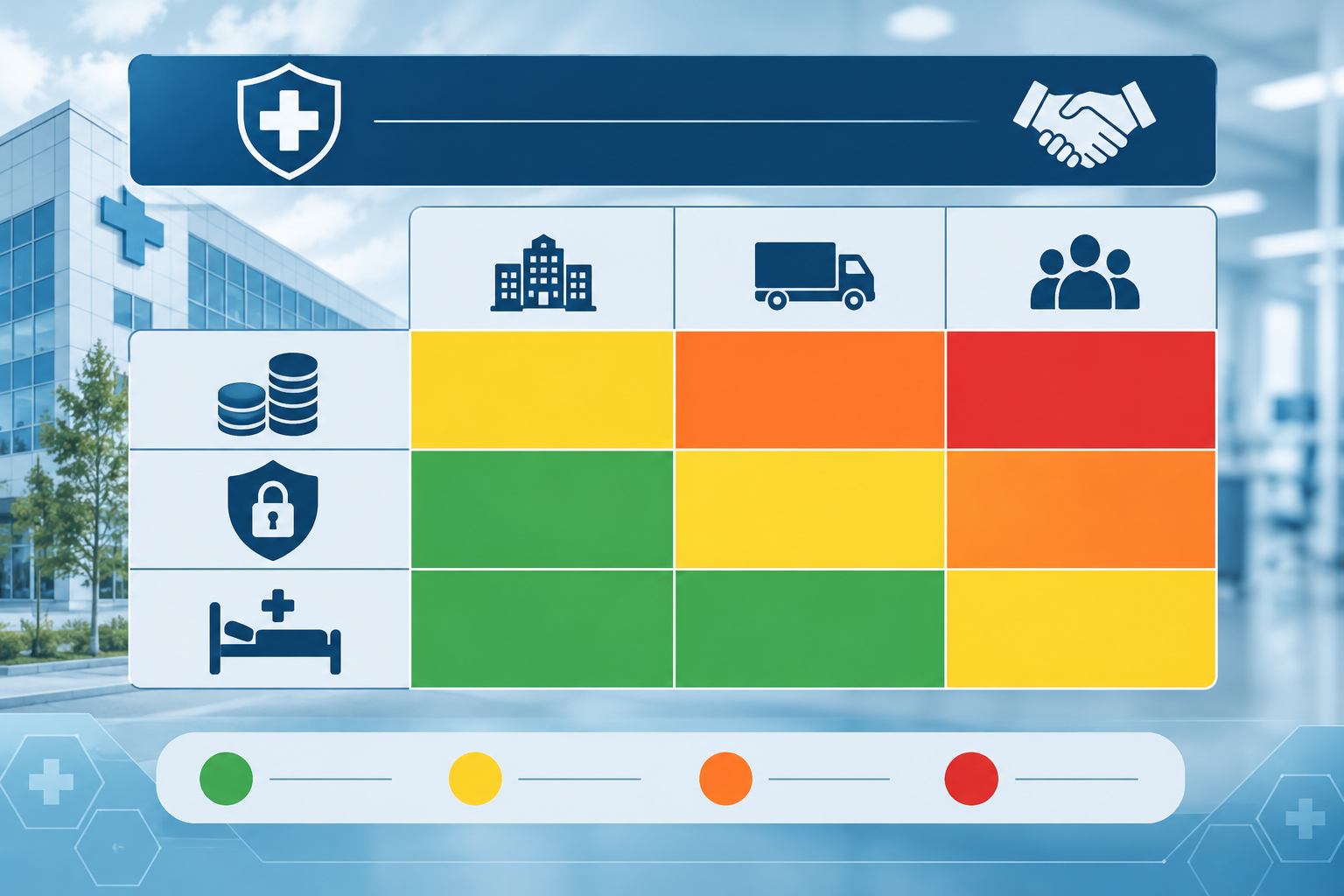
The structure provided by these agreements helps to remove the emotion from performance discussions. Instead of debating vague perceptions of service quality, the hospital and the vendor can focus on the hard numbers. If a vendor is consistently failing to meet a specific target, the conversation can center on the root causes and the necessary corrective actions. This objective approach is more productive and less adversarial, fostering a collaborative spirit that is vital in a healthcare setting. It also allows the hospital to document the vendor’s improvement over time, providing a clear record of the partnership’s value to the institution. Furthermore, these regular touchpoints provide an opportunity for hospital leadership to reiterate the clinical context of the work, ensuring that vendor staff understand the high stakes involved in their daily tasks. By maintaining this constant alignment, administrators can prevent the gradual drift in service quality that often occurs in long-term contracts. This disciplined approach to communication ensures that the vendor remains an active and engaged participant in the hospital’s quest for clinical excellence. When both parties are committed to this level of transparency, the outsourcing relationship can achieve a level of performance that exceeds traditional expectations, providing a more stable and high-quality environment for patient care.
Finally, the use of service-level agreements ensures that the vendor remains accountable to the hospital’s shifting priorities. As medical technology advances and patient needs change, the hospital can update the metrics in the agreement to reflect new goals. This flexibility ensures that the outsourcing relationship remains relevant and effective over the long term. By maintaining a rigorous and transparent review process, healthcare leaders can ensure that their external partners are constantly evolving alongside the hospital. This commitment to transparency and communication is what allows service-level agreements to truly improve the performance of outsourced hospital services, ultimately leading to better outcomes for the patients they serve. The discipline required to manage these agreements is an investment in the hospital’s future, providing a framework for excellence that extends beyond the walls of the institution and into the entire network of support providers.