












The pharmaceutical industry is currently witnessing a historic shift as the era of “blockbuster” small-molecule drugs gives way to a more sophisticated age of biological complexity. Biotech innovation strengthening clinical pipelines is the primary force behind this transition, turning what were once theoretical biological concepts into tangible, life-saving therapies. This evolution is characterized by a move toward highly targeted interventions that work in harmony with the body’s own systems. From gene editing to cellular reprogramming, the innovations emerging from today’s labs are redefining the boundaries of what can be cured.
This surge in innovation is not occurring in a vacuum. It is the result of decades of foundational research in genomics and proteomics, coupled with a more collaborative approach to translational research. The clinical pipeline of the modern era is no longer a linear path but a dynamic ecosystem where data from the clinic informs the lab, and breakthroughs in the lab are rapidly accelerated toward patient trials. This synergy is ensuring that the global medical community is prepared to address the most pressing health challenges of our time, from rare genetic disorders to the complexities of aging.
Advanced Biologics and the Precision Medicine Revolution
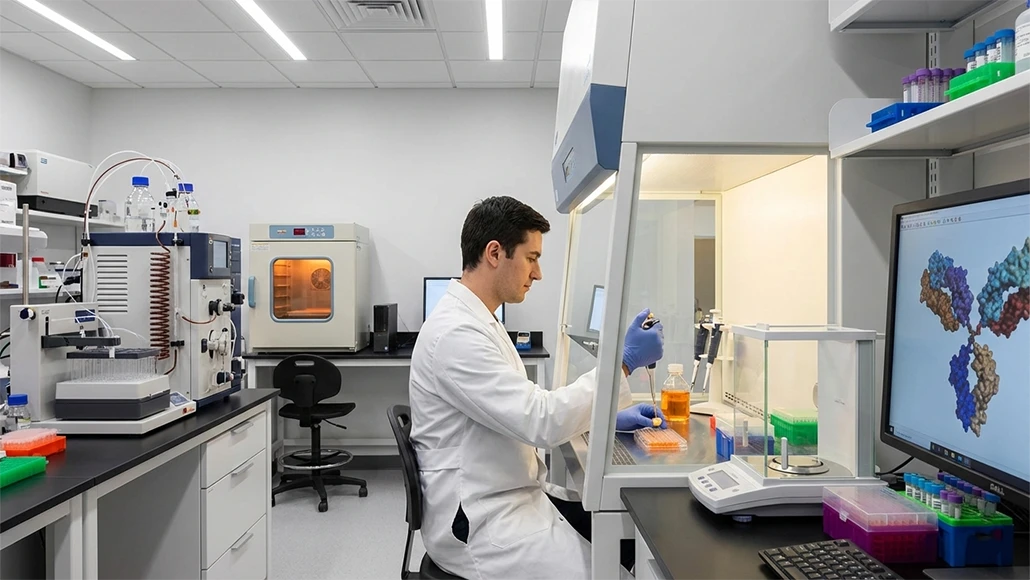
At the forefront of biotech innovation strengthening clinical pipelines is the development of advanced biologics. Unlike traditional drugs, which are chemically synthesized, biologics are complex molecules derived from living organisms. This allow them to interact with the body with a level of specificity that was previously impossible. Monoclonal antibodies, for example, can be designed to seek out and attach to specific proteins on the surface of cancer cells, flagging them for destruction by the immune system while leaving healthy cells untouched.
The clinical pipeline development for these therapies is increasingly focused on “precision therapies” that are tailored to the specific molecular profile of a disease. In oncology, this means moving away from a “one-size-fits-all” chemotherapy toward treatments that are selected based on the genetic mutations of the patient’s tumor. This targeted approach significantly improves the efficacy of the treatment while drastically reducing the side effects, leading to a much higher quality of life for the patient. As our ability to engineer these complex molecules grows, the range of conditions that can be addressed by biologics will only continue to expand.
Regenerative Medicine: Healing from Within
Perhaps the most ambitious frontier of biotech innovation strengthening clinical pipelines is regenerative medicine. This field seeks to replace or “reboot” damaged tissues and organs through the use of stem cell therapies, tissue engineering, and gene therapy. We are moving toward a future where a failing heart or a damaged spinal cord could potentially be repaired using the patient’s own biological material.
Gene therapy, in particular, is proving to be a game-changer for rare, inherited disorders. By delivering a functional copy of a gene directly into a patient’s cells, clinicians can address the root cause of a disease rather than just managing its symptoms. Several such therapies are already in clinical trials for conditions like hemophilia and muscular dystrophy, showing promise for what could essentially be a one-time cure. This shift from chronic management to curative intervention is a fundamental change in the medical philosophy, made possible by the relentless pace of biotech innovation.
Translational Research: Bridging the Bench and the Bedside
The journey from a laboratory discovery to a bedside treatment is notoriously long and expensive. However, biotech innovation strengthening clinical pipelines is being accelerated by new models of translational research. This approach prioritizes the “real-world” applicability of research from the very beginning, ensuring that scientific discoveries are developed with the clinical end-goal in mind.
Modern translational research utilizes “in silico” modeling using powerful computers to simulate how a drug will interact with the human body before it ever enters a clinical trial. This allows researchers to identify potential safety issues or efficacy problems early in the process, saving years of time and millions of dollars. Furthermore, the rise of adaptive clinical trial designs allows for the modification of a trial in real-time based on the incoming data, ensuring that the most promising therapies are moved forward as quickly as possible. This agility is essential for maintaining a healthy and productive clinical pipeline in a rapidly changing medical landscape.
Strategic Collaboration and the Global Biotech Ecosystem
Innovation in biotech is increasingly a team sport. Small, agile biotech startups are often the source of the most radical new ideas, while large pharmaceutical companies provide the resources and expertise necessary to navigate the complex regulatory and manufacturing challenges. This collaborative ecosystem is vital for biotech innovation strengthening clinical pipelines, as it allows for the efficient sharing of risk and reward.
We are also seeing an increase in public-private partnerships, where academic institutions, government agencies, and private industry work together to address unmet medical needs. This is particularly important for the development of “orphan drugs” for rare diseases that might not be commercially viable for a single company to pursue alone. By pooling resources and expertise, these global networks are ensuring that the most innovative therapies are not left on the lab bench due to a lack of funding or infrastructure.
The Role of Digital Health in Clinical Development
The digitization of healthcare is also playing a significant role in clinical pipeline development. Real-world evidence (RWE) data collected from electronic health records, insurance claims, and even wearable devices is increasingly being used to supplement traditional clinical trial data. This provide researchers with a clearer understanding of how a therapy performs in a diverse, real-world population, beyond the controlled environment of a trial.
AI is also being used to identify new drug targets by analyzing vast datasets of genetic and clinical information. By identifying hidden correlations between specific biological markers and disease outcomes, AI can point researchers toward new avenues for therapy that they might never have considered. This data-driven approach to discovery is significantly shortening the “discovery-to-pipeline” phase, ensuring a constant stream of new candidates for clinical testing.
Ethical Considerations and the Future of Biotech
As we push the boundaries of what is biologically possible, we must also grapple with the ethical implications. Technologies like CRISPR-based gene editing offer immense promise but also raise significant questions about the long-term impacts on the human genome and the potential for misuse. Biotech innovation strengthening clinical pipelines must be guided by a robust ethical framework and transparent regulatory oversight to ensure that the benefits are realized safely and equitably.
Access to these cutting-edge therapies is another critical issue. Many of the most innovative biologics and gene therapies are incredibly expensive to produce, leading to concerns about who will be able to afford them. The industry must work with healthcare systems and policymakers to develop new pricing and reimbursement models that balance the need for innovation with the need for broad patient access. The ultimate goal of biotech is to improve human health, and that goal is only fully realized when these breakthroughs reach everyone who needs them.
A Vision for a Curative Future
The future of biotech is one of boundless potential. We are entering an era where we no longer just treat disease, but we edit it, reprogram it, and regenerate the damage it leaves behind. Through the continued strength of the clinical pipeline, we are building a toolkit of precision therapies that will transform the human experience of illness.
Biotech innovation is more than just a business; it is a profound expression of our collective ingenuity and our commitment to relieving human suffering. As we continue to unlock the secrets of life at the molecular level, we are not just strengthening a pipeline; we are strengthening our hope for a healthier and more resilient future for all. The vanguard of therapy is here, and it is leading us toward a new horizon of healing.