
















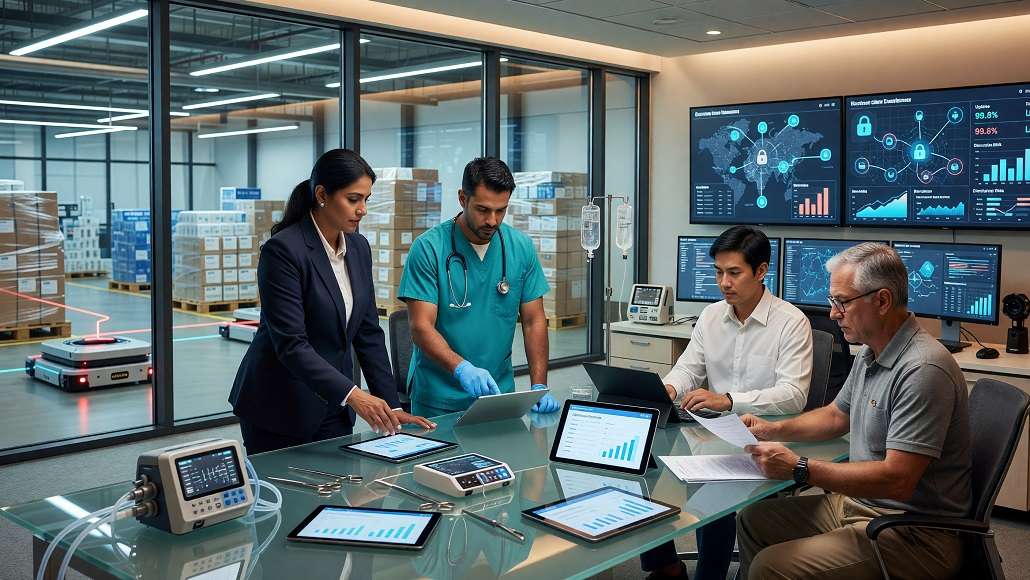

The procurement of medical devices in a modern hospital setting has evolved from a simple purchasing function into a complex, strategic operation that directly impacts patient outcomes and the financial viability of the institution. As healthcare costs continue to rise and the technological complexity of medical equipment increases, the need for robust hospital procurement strategies for medical devices has never been greater. These strategies must balance the immediate need for high-quality, life-saving devices with the long-term goal of cost optimization and supply chain resilience. This requires a multi-disciplinary approach that involves clinical stakeholders, financial analysts, and supply chain professionals working in unison to ensure that every purchasing decision is backed by data and aligned with the hospital’s clinical mission.
The Foundation of Effective Vendor Management and Sourcing
At the core of successful hospital procurement strategies for medical devices is a rigorous vendor evaluation process. It is no longer enough to simply select the vendor with the lowest price; hospitals must now consider a range of factors, including the vendor’s track record for reliability, the quality of their clinical support, and their commitment to ongoing product innovation. By building long-term, strategic partnerships with key suppliers, hospitals can gain access to the latest technologies and negotiate better pricing and service agreements. This move away from transactional purchasing toward relationship-based sourcing is a key component of modern medical device sourcing and ensures that the hospital has a stable and predictable supply of critical equipment.
Standardization as a Tool for Cost Optimization
One of the most effective ways to achieve cost optimization is through product standardization. Many hospitals suffer from “brand bloat,” where different departments use similar devices from multiple manufacturers. This fragmentation leads to higher costs, increased training requirements for clinical staff, and a more complex inventory management system. By implementing hospital procurement strategies for medical devices that focus on standardizing key product categories, such as infusion pumps or surgical instruments, institutions can leverage their volume to negotiate significantly lower prices. Furthermore, standardization simplifies the supply chain and reduces the risk of clinical errors that can occur when staff are required to switch between different types of equipment.
Enhancing Healthcare Supply Chain Resilience
The global disruptions of the past several years have highlighted the vulnerability of the healthcare supply chain. In response, hospital procurement strategies for medical devices are increasingly focused on building greater resilience and ensuring supply continuity. This involves moving away from a “just-in-time” inventory model toward a more robust “just-in-case” approach for critical supplies. Hospitals are now diversifying their supplier base to reduce dependence on any single source and are investing in advanced inventory management systems that provide real-time visibility into stock levels and lead times. This proactive approach ensures that the hospital can respond quickly to supply chain shocks and that patient care is not compromised by equipment shortages.
The Role of Group Purchasing Organizations (GPOs)
Many hospitals utilize Group Purchasing Organizations (GPOs) as a central part of their hospital procurement strategies for medical devices. GPOs aggregate the purchasing power of their members to negotiate favorable contracts with manufacturers, providing smaller hospitals with access to the same pricing as large academic medical centers. However, the role of GPOs is changing; they are now providing more than just contract management. Many GPOs now offer advanced data analytics and clinical benchmarking services that help hospitals identify opportunities for cost savings and quality improvement. By integrating GPO data into their own procurement systems, hospitals can gain a more comprehensive view of the market and make more informed purchasing decisions.
Healthcare Compliance and Regulatory Assurance in Procurement
The procurement process is subject to a complex web of regulations designed to ensure transparency, fairness, and patient safety. Hospital procurement strategies for medical devices must include robust compliance protocols to manage risks related to vendor conflicts of interest, anti-kickback statutes, and data privacy. This involves implementing clear policies for vendor interactions and ensuring that all purchasing decisions are documented and defensible. Furthermore, the procurement team must work closely with the hospital’s clinical engineering and risk management departments to ensure that every device purchased meets the necessary regulatory standards and that a plan is in place for ongoing maintenance and safety monitoring throughout the device’s lifecycle.
Value-Based Procurement and Total Cost of Ownership (TCO)
A significant shift in hospital procurement strategies for medical devices is the move toward value-based procurement. This approach looks beyond the initial purchase price and considers the total cost of ownership (TCO) over the entire life of the device. TCO includes not only the acquisition cost but also the costs associated with training, maintenance, consumables, and eventual disposal. Furthermore, value-based procurement considers the impact of the device on clinical outcomes and patient experience. For example, a more expensive surgical tool that reduces the length of stay or the risk of complications may ultimately be more cost-effective than a cheaper alternative. By focusing on value rather than just price, hospitals can ensure that their procurement decisions support their broader goals of providing high-quality, efficient care.
Digital Transformation of the Procurement Workflow
The integration of advanced technology is a critical component of modern hospital procurement strategies for medical devices. Many hospitals are replacing their legacy ERP systems with cloud-based platforms that offer greater flexibility and real-time data analysis. These systems can automate many of the manual tasks associated with procurement, such as purchase order generation and invoice reconciliation, allowing the procurement team to focus on more strategic activities. Furthermore, the use of blockchain technology is being explored for its potential to improve supply chain transparency and traceability. By creating a secure, immutable record of every transaction, blockchain can help hospitals verify the authenticity of medical devices and ensure that they have not been tampered with during transit.
Data Analytics and Predictive Modeling in Inventory Management
Advanced data analytics is also playing a major role in optimizing inventory levels and reducing waste. By analyzing historical usage patterns and identifying seasonal trends, hospitals can use predictive modeling to forecast their future needs for medical devices more accurately. This allows for more precise ordering and reduces the risk of overstocking or stockouts. In addition, many hospitals are implementing real-time location systems (RTLS) to track the movement of mobile medical equipment, such as ventilators and infusion pumps. This visibility ensures that equipment is always available when and where it is needed and reduces the need for “safety stock” that can tie up significant amounts of capital.
The procurement of medical devices is a complex and high-stakes process that requires a strategic, data-driven approach. By implementing robust hospital procurement strategies for medical devices that focus on vendor management, cost optimization, and supply chain resilience, institutions can ensure that they have the equipment they need to provide high-quality care while maintaining financial sustainability. As the healthcare landscape continues to evolve, the role of the procurement professional will only become more critical. By embracing digital transformation and focusing on value-based purchasing, hospitals can navigate the challenges of the modern marketplace and ultimately improve the health and well-being of the patients they serve.