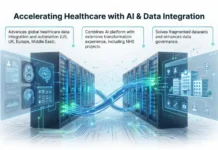








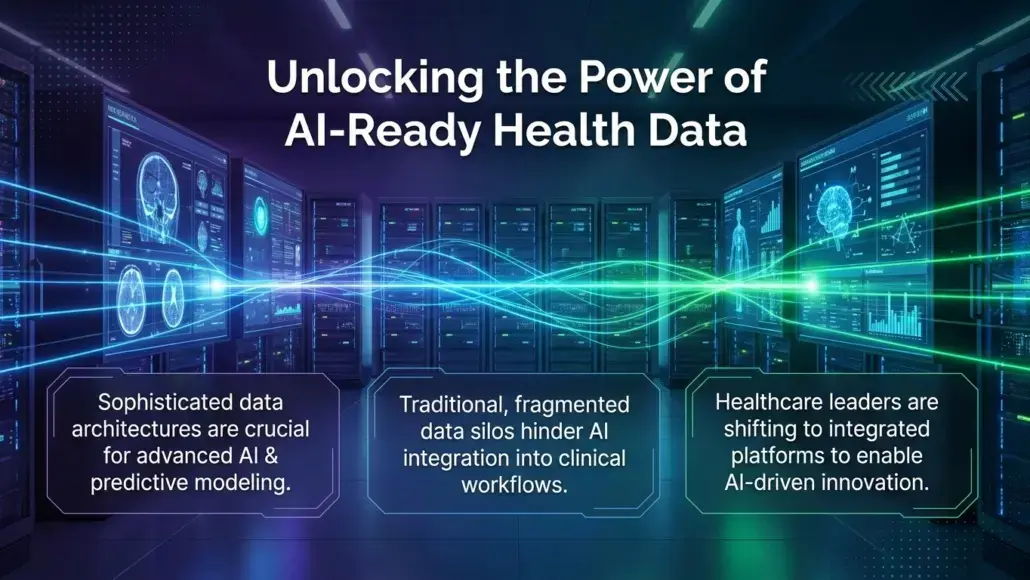
The rapid advancement of artificial intelligence in the medical field has created a significant demand for sophisticated data architectures that can support the intensive requirements of machine learning and predictive modeling. Traditional data repositories, often characterized by fragmented silos and inconsistent formatting, are no longer sufficient for organizations seeking to integrate artificial intelligence into their clinical workflows. To address this challenge, healthcare leaders are increasingly turning to AI-ready health data platforms, which are designed from the ground up to facilitate the rapid ingestion, curation, and analysis of vast datasets. These platforms serve as the essential foundation for clinical innovation, providing the high quality data needed to train algorithms that can identify diseases earlier, predict patient outcomes more accurately, and optimize treatment protocols. By centralizing data management and ensuring its readiness for analysis, these systems allow researchers and clinicians to focus on generating insights rather than struggling with data preparation.
The shift toward these advanced platforms is driven by the recognition that the success of any artificial intelligence initiative is directly dependent on the quality and accessibility of the underlying data. In many healthcare settings, valuable information is locked in unstructured formats, such as clinical notes, imaging reports, and patient surveys. AI-ready health data platforms utilize natural language processing and other advanced ingestion techniques to transform this unstructured information into structured, machine readable formats. This process of data enrichment is critical for creating a comprehensive view of the patient, which in turn enables more nuanced and effective clinical applications. As the industry moves toward a future defined by precision medicine and personalized care, the ability to rapidly process and analyze complex datasets will be the primary differentiator for successful healthcare organizations.
Accelerating Model Development Through Automated Data Curation
One of the most significant bottlenecks in clinical research is the time consuming process of data cleaning and normalization. Researchers often spend a majority of their time preparing data for analysis rather than conducting the analysis itself. AI-ready health data platforms mitigate this issue by automating the curation process. These platforms use intelligent algorithms to identify and correct inconsistencies in the data, such as duplicate records, missing values, and variations in clinical terminology. By ensuring that the data is standardized and high quality from the moment it is ingested, these systems drastically reduce the time required to develop and validate new clinical models. This acceleration is particularly important in fast moving fields like oncology and genomics, where the ability to quickly test and refine hypotheses can lead to life saving breakthroughs.
additionally, the automation of data curation improves the reproducibility of clinical research. When data preparation is performed manually, it is often difficult to document every step and ensure that the process is consistent across different studies. By using a standardized platform for data curation, organizations can create a transparent and repeatable workflow for model development. This not only enhances the credibility of the research but also simplifies the process of gaining regulatory approval for new AI-based clinical tools. The integration of automated quality checks also ensures that models are trained on the most accurate data available, reducing the risk of bias and improving the generalizability of the results. As healthcare organizations continue to scale their AI initiatives, the ability to automate data curation will be essential for maintaining a high pace of innovation while ensuring the integrity of the clinical insights generated.
Enhancing Predictive Analytics for Proactive Patient Management
The primary goal of integrating artificial intelligence into clinical practice is to move from a reactive to a proactive model of care. AI-ready health data platforms enable this transition by providing the real time data access needed for advanced predictive analytics. By analyzing historical patient data alongside real time clinical observations, these platforms can identify patients who are at high risk for complications such as sepsis, readmission, or chronic disease progression. These insights allow clinicians to intervene earlier, potentially preventing adverse events and improving overall patient outcomes. For example, a predictive model integrated into an AI-ready platform could alert a nursing team to subtle changes in a patient’s vital signs that indicate the onset of clinical deterioration, even before those changes are obvious to a human observer.
The effectiveness of these predictive models is further enhanced by the ability of these specialized systems to integrate data from diverse sources, including wearable devices, social determinants of health, and genomic profiles. This holistic view of the patient allows for more accurate risk stratification and more personalized intervention strategies. By understanding the unique factors that contribute to an individual’s health status, clinicians can tailor their care plans to address specific needs and preferences. This level of personalization is at the core of clinical innovation and is made possible by the powerful data infrastructure provided by these specialized systems. As these systems become more integrated into daily clinical workflows, they will play an increasingly vital role in helping healthcare organizations manage complex patient populations more effectively and efficiently.
Strengthening Data Governance and Ethical AI Implementation
As healthcare organizations rely more heavily on artificial intelligence, the importance of powerful data governance and ethical considerations cannot be overstated. these specialized systems provide a centralized framework for managing data access, privacy, and security, ensuring that all AI initiatives comply with regulatory standards and ethical guidelines. These platforms enable organizations to implement granular access controls, ensuring that only authorized personnel can access sensitive patient information for specific research or clinical purposes. This is particularly important in the context of large scale collaborations, where data may be shared across multiple institutions. By providing a secure environment for data analysis, these platforms help build trust among patients, providers, and researchers, which is essential for the long term success of clinical innovation.
In addition to security, these specialized systems also support the ethical implementation of artificial intelligence by providing tools for monitoring and mitigating algorithmic bias. Bias can enter an AI model at various stages, from the selection of the training data to the design of the algorithm itself. By providing a transparent view of the data used for model training, these platforms allow researchers to identify potential sources of bias and take steps to correct them. For example, if a model is trained on a dataset that is not representative of the broader patient population, the platform can help researchers identify this gap and incorporate more diverse data. This proactive approach to addressing bias is critical for ensuring that AI-based clinical tools are fair, accurate, and effective for all patients. As the use of AI in healthcare continues to grow, the ability to manage data ethically and responsibly will be a key factor in an organization’s reputation and clinical success.
Optimizing Operational Efficiency and Resource Allocation
Beyond their impact on clinical care, these specialized systems also offer significant benefits for the operational efficiency of healthcare organizations. By automating routine data management tasks and providing real time insights into hospital operations, these systems help administrators optimize resource allocation and improve the overall delivery of care. For example, an AI-ready platform can analyze data on patient flow, staffing levels, and equipment utilization to identify bottlenecks and suggest improvements. This can lead to shorter wait times for patients, more efficient use of clinical staff, and reduced operational costs. The ability to make data driven decisions in real time allows healthcare organizations to respond more effectively to changing demands and ensure that resources are directed to where they are needed most.
The integration of these specialized systems also facilitates the development of automated administrative tools, such as intelligent scheduling systems and automated billing processes. These tools reduce the administrative burden on clinical staff, allowing them to spend more time on direct patient care. By streamlining these back office functions, healthcare organizations can improve both staff satisfaction and the overall patient experience. additionally, the insights generated by these platforms can help organizations identify opportunities for cost savings and revenue growth, contributing to their long term financial sustainability. As the healthcare industry faces increasing economic pressures, the ability to use data and AI to improve operational efficiency will be a critical competitive advantage. these specialized systems provide the foundation for this transformation, enabling organizations to build a more resilient and efficient healthcare system for the future.
Facilitating Cross Institutional Collaboration and Knowledge Sharing
The complexity of modern clinical challenges often requires collaboration across multiple institutions and disciplines. these specialized systems are uniquely positioned to facilitate this collaboration by providing a standardized environment for data sharing and analysis. By using common data models and standardized APIs, these platforms allow researchers from different organizations to pool their data and expertise, leading to more powerful and generalizable findings. This is especially important for the study of rare diseases, where no single institution may have enough patients to conduct a statistically significant study. By connecting diverse datasets through a secure and interoperable platform, researchers can gain new insights into these conditions and develop more effective treatments.
AI-native architectures encourage a culture of knowledge sharing and continuous learning within the healthcare community. As new clinical models are developed and validated on these platforms, they can be more easily shared and implemented across other organizations. This allows for the rapid dissemination of best practices and ensures that clinical innovations can benefit a wider range of patients. The ability to learn from a broad set of data and experiences is essential for the ongoing advancement of medical science and the improvement of public health. By providing the technical infrastructure needed for large scale collaboration, these specialized systems are accelerating the pace of clinical innovation and helping to create a more connected and informed healthcare ecosystem. This collaborative approach is vital for addressing the global health challenges of the 21st century and ensuring that all patients have access to the most advanced and effective care available.