







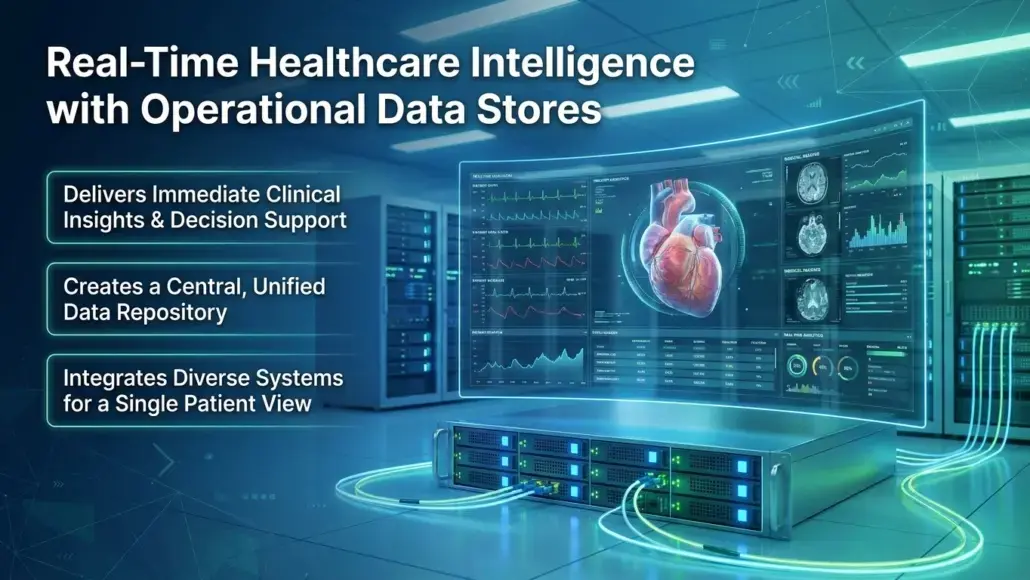
The environment of healthcare information technology is undergoing a fundamental shift as organizations move away from batch processing and toward real time clinical intelligence. To support this transition, enterprise healthcare systems are increasingly relying on operational data stores as a critical component of their data architecture. An operational data store serves as a central repository that integrates data from multiple source systems in real time or near real time, providing a unified view of the current state of clinical and administrative operations. Unlike traditional data warehouses, which are optimized for historical analysis and long term reporting, these systems are designed to support tactical decision making and immediate operational needs. By consolidating data from electronic health records, laboratory information systems, and administrative databases, organizations can gain a more accurate and timely understanding of patient flow, resource utilization, and clinical performance.
The adoption of operational data stores is driven by the need for greater agility in an increasingly complex and fast paced healthcare environment. Clinicians and administrators require access to up to date information to make informed decisions that impact patient safety and organizational efficiency. For example, a hospital leader needs to know the current occupancy levels across different departments to manage patient admissions effectively. Similarly, a clinical team needs to be aware of any critical lab results that have been reported across various facilities. By providing a single source of truth for current operational data, these platforms eliminate the need for time consuming manual data reconciliation and reduce the risk of decisions being made based on outdated or inconsistent information. As healthcare organizations continue to scale their digital initiatives, the role of these stores in supporting real time analytics will become even more vital.
Bridging the Gap Between Transactional Systems and Enterprise Analytics
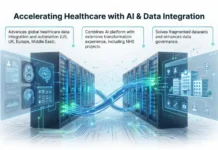
In a typical healthcare enterprise, data is generated across a vast array of transactional systems, each with its own unique data model and storage format. These silos make it difficult to achieve a comprehensive view of the organization’s operations and performance. Operational data stores act as a bridge between these disparate transactional systems and the broader enterprise analytics ecosystem. By ingesting data from these sources and applying a consistent data model, these platforms create a unified dataset that is optimized for real time analysis. This integration process involves not only data movement but also data normalization and validation, ensuring that the information is accurate and ready for use by analytical applications. This approach allows organizations to utilize their existing investments in transactional systems while gaining the benefits of centralized, real time data access.
The integration provided by operational data stores also simplifies the development of complex analytical models that require data from multiple domains. For example, a model designed to predict patient readmission risk may need to incorporate data from clinical records, social determinants of health databases, and previous administrative encounters. By providing a consolidated view of this information, these platforms enable researchers and data scientists to build and refine their models more efficiently. This speed to insight is critical for organizations looking to implement proactive clinical interventions and improve patient outcomes. additionally, the use of a standardized data store reduces the burden on IT teams, as they no longer need to build and maintain custom integrations for every new analytical application. This centralized approach to data management fosters a more collaborative and innovative environment for enterprise healthcare analytics.
Supporting Real Time Clinical Surveillance and Safety Initiatives
Patient safety is a top priority for every healthcare organization, and real time clinical surveillance is a key tool for identifying and preventing adverse events. these specialized systems provide the high frequency data updates needed to support these surveillance activities. By monitoring clinical data as it is generated, these platforms can trigger alerts for critical conditions such as sepsis, acute kidney injury, or medication errors. These automated alerts allow clinical teams to intervene earlier, potentially saving lives and reducing the severity of complications. The ability to perform this surveillance across the entire enterprise, rather than within a single department, ensures that no patient falls through the cracks, regardless of where they are receiving care.
In addition to individual patient safety, these specialized systems also support broader population health surveillance. For example, during a public health crisis, organizations can use these platforms to monitor the spread of infections and identify hotspots in real time. This information is invaluable for coordinating a response and ensuring that resources are allocated to the areas of greatest need. The real time nature of the data also allows for more effective monitoring of clinical quality measures and compliance with regulatory standards. By identifying gaps in care as they occur, organizations can take immediate corrective action, ensuring that they are delivering the highest standard of care to every patient. The integration of clinical surveillance into the core operational workflow is a powerful example of how enterprise analytics can be used to drive tangible improvements in patient safety and clinical quality.
Enhancing Resource Management and Operational Efficiency
The efficient management of resources is essential for the financial sustainability and operational success of healthcare organizations. these specialized systems play a crucial role in this area by providing detailed insights into how resources such as beds, staff, and equipment are being utilized in real time. For example, an administrator can use an ODS-powered dashboard to monitor the status of every bed in the hospital, including those that are occupied, those that are being cleaned, and those that are available for new admissions. This visibility allows for more effective patient placement and reduces the time patients spend waiting in the emergency department or other transition areas. By optimizing patient flow, organizations can increase their capacity and improve the overall patient experience.
Beyond bed management, these specialized systems also help organizations optimize their staffing levels based on real time patient demand. By analyzing current patient volumes and acuity levels, administrators can ensure that each department has the appropriate number of clinical staff to provide safe and effective care. This data driven approach to staffing reduces the reliance on expensive contract labor and helps prevent staff burnout by ensuring that workloads are balanced across the organization. The use of real time data also enables more effective management of medical supplies and equipment, reducing waste and ensuring that clinicians have the tools they need when they need them. The improvements in operational efficiency delivered by these platforms not only reduce costs but also allow organizations to reinvest those savings into clinical innovation and patient care.
Facilitating Seamless Data Access for Modern Clinical Applications
As healthcare organizations adopt more specialized clinical applications, the need for seamless data access becomes increasingly important. these specialized systems provide a centralized data hub that can power a wide range of modern applications, from clinician mobile apps to patient engagement portals. By providing a set of standardized APIs, these platforms allow developers to easily access the data they need without having to understand the complexities of the underlying transactional systems. This standardization accelerates the development of new tools and ensures that they are working with the most current information available. For example, a mobile app for nurses can use the ODS to provide real time updates on patient vital signs, medications, and lab results, allowing them to spend more time at the bedside and less time searching for information in the EHR.
The use of an operational data store also improves the scalability and performance of clinical applications. By offloading the analytical and reporting workloads from the primary transactional systems, these platforms ensure that those systems remain responsive for their core clinical tasks. This separation of duties is essential for maintaining the performance of mission critical systems, especially as the volume of data and the number of concurrent users continue to grow. additionally, the centralized nature of the ODS simplifies the management of data security and privacy, as access controls can be applied at the data layer rather than within each individual application. This consistent approach to data governance is vital for protecting sensitive patient information and maintaining regulatory compliance in a complex digital environment. By providing a powerful and flexible foundation for data access, these specialized systems are enabling the next generation of clinical applications that will transform the delivery of healthcare.
Navigating the Technical Architecture of Operational Data Integration
Building a successful operational data store requires a sophisticated technical architecture that can handle high volume, high velocity data streams from a variety of sources. Healthcare organizations must carefully consider their data ingestion strategies, choosing between change data capture, message based integration, or API driven approaches based on the capabilities of their source systems. The design of the data model is also critical, as it must be flexible enough to support a wide range of use cases while maintaining the performance needed for real time analysis. Many modern ODS implementations utilize cloud native technologies and distributed computing frameworks to achieve the necessary scalability and resilience. These technologies allow the platform to grow alongside the organization’s data needs and ensure that it remains available even during periods of high demand or system failure.
Success in implementing an ODS also depends on strong data governance and a clear understanding of the organization’s analytical goals. Healthcare leaders must work closely with clinical and operational stakeholders to identify the most impactful use cases and ensure that the data being integrated is accurate and meaningful. This collaboration is essential for building trust in the data and ensuring that the insights generated are used to drive real change. As organizations continue to evolve their data strategies, the integration of the ODS with other components of the data ecosystem, such as data lakes and advanced AI platforms, will become increasingly important. By creating a cohesive and integrated data architecture, healthcare organizations can maximize the value of their data assets and build a more responsive and effective healthcare system. The investment in these specialized systems represents a commitment to a data driven future where real time information is at the heart of every clinical and operational decision.