







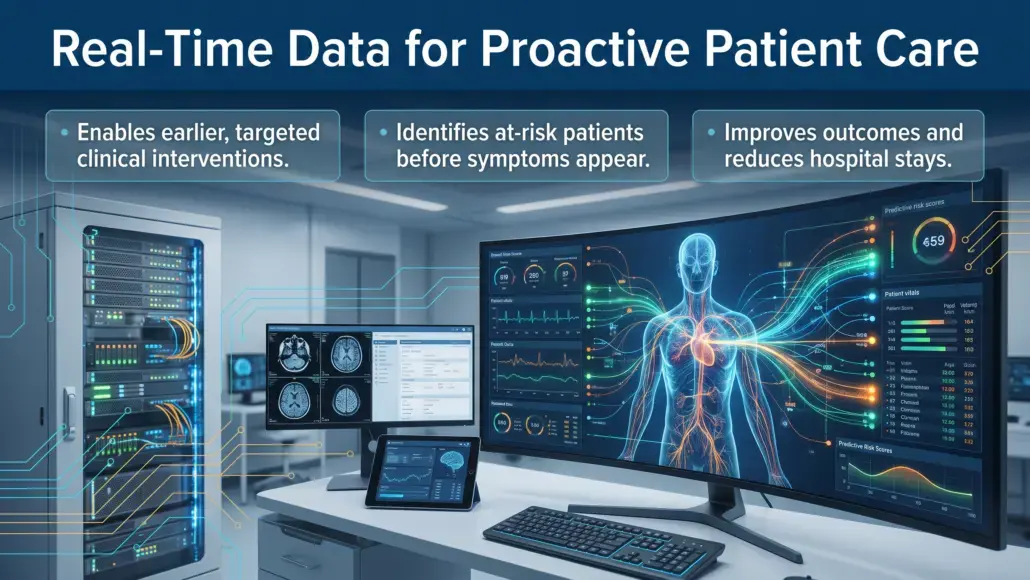
The integration of real-time data analytics is fundamentally altering the trajectory of patient care as predictive health platforms enable a more proactive approach to clinical management. By identifying patients at high risk of deterioration before physiological signs become clinically apparent, these systems allow for targeted interventions that can significantly improve outcomes and reduce the length of hospital stays. The transition from reactive to predictive medicine is being driven by the availability of high-frequency data from electronic health records, wearable devices, and bedside monitors, combined with advanced machine learning algorithms. These platforms provide a layer of intelligence that supports clinicians in making more informed decisions, ensuring that medical resources are directed toward the patients who need them most urgently.
The Algorithmic Basis of Patient Risk Stratification
The technical foundation of predictive health platforms is built upon complex mathematical models that analyze hundreds of clinical variables simultaneously. These models are designed to identify the subtle patterns associated with specific adverse events, such as sepsis, acute kidney injury, or cardiac arrest. Unlike traditional clinical scores that rely on a small number of static parameters, predictive algorithms can process dynamic data streams in real-time, providing a continuous assessment of a patient’s risk profile. The use of deep learning and neural networks allows these systems to capture non-linear relationships between variables, identifying risks that might be invisible to the human eye. For instance, a small but persistent increase in respiratory rate combined with a subtle change in heart rate variability might trigger an alert for sepsis hours before a patient’s temperature begins to rise.
To ensure the reliability of these risk scores, predictive health platforms must undergo rigorous validation using large, diverse clinical datasets. This process involves testing the algorithm’s performance across different patient populations and clinical settings to ensure that it maintains a high degree of sensitivity and specificity. The goal is to provide alerts that are clinically meaningful while minimizing the incidence of false positives, which can lead to alarm fatigue among hospital staff. Many platforms also incorporate “explainable AI” features, which provide clinicians with information on the specific factors that contributed to a high-risk score. This transparency is critical for building trust in the system and allowing clinicians to verify the findings based on their own professional judgment. The focus remains on the augmentation of human expertise with data-driven insights.
Transforming Sepsis Management and Acute Care Outcomes
Sepsis is one of the leading causes of death in hospitals worldwide, and early detection is the single most important factor in improving survival rates. Predictive health platforms have demonstrated significant success in this area, providing clinicians with the early warning needed to initiate life-saving treatments, such as fluids and antibiotics, much sooner than would otherwise be possible. Clinical studies have shown that the implementation of these platforms can lead to a substantial reduction in sepsis-related mortality and a decrease in the overall cost of care for these patients. By automating the screening process, these systems ensure that no patient is overlooked, regardless of the workload or staffing levels on the unit. This constant vigilance is a key advantage of predictive technology in the high-stakes environment of acute care.
The impact of predictive health platforms extends to other areas of acute care as well, including the management of patients in the intensive care unit and the emergency department. In the ICU, these platforms can assist in predicting which patients are ready for weaning from mechanical ventilation, reducing the risk of complications associated with prolonged intubation. In the emergency department, predictive models can help to prioritize patients based on their risk of admission or clinical deterioration, improving the efficiency of the triage process. The ability to forecast patient needs allows hospital administrators to optimize the allocation of beds and staff, ensuring that the facility operates at peak efficiency even during periods of high demand. The integration of these insights into the clinical workflow is essential for achieving the full benefits of predictive health technology.
Remote Monitoring and Chronic Disease Prevention
Beyond the acute care setting, predictive health platforms are playing an increasingly important role in the management of chronic conditions and the prevention of hospital readmissions. Through the use of remote patient monitoring devices, these platforms can collect continuous physiological data from patients in their own homes, providing a real-time window into their health status. Machine learning algorithms can analyze this data to identify early signs of exacerbation in conditions such as heart failure, chronic obstructive pulmonary disease (COPD), or diabetes. By alerting the care team to these changes, the platform allows for early interventions, such as medication adjustments or telehealth consultations, which can prevent the need for an emergency hospital visit.
This proactive approach to chronic disease management is a cornerstone of the transition to a value-based healthcare model, where the focus is on maintaining health and reducing the overall cost of care. Predictive health platforms provide the data-driven foundation needed to manage large patient populations effectively, identifying the individuals who require the most intensive support. This allows healthcare organizations to focus their resources on the patients at highest risk, improving the efficiency and impact of their population health programs. The data collected through remote monitoring also provides valuable insights into the long-term effectiveness of different treatments and lifestyle interventions, supporting a culture of evidence-based practice. The focus remains on the patient, providing them with the support and information they need to manage their health more effectively and avoid unnecessary hospitalizations.
Ethical Considerations and the Prevention of Algorithmic Bias
As predictive health platforms become more integrated into clinical practice, it is essential to address the ethical and regulatory questions that arise from the use of automated risk assessment. One of the primary concerns is the potential for algorithmic bias, where the data used to train the model does not accurately represent the diversity of the patient population. This can lead to disparities in the quality of care provided to different demographic groups, particularly those who are already underserved by the healthcare system. To mitigate this risk, developers and clinicians must work together to ensure that training datasets are inclusive and that the performance of the algorithm is monitored across all patient subgroups. The use of fairness audits and other validation techniques is critical for ensuring that predictive technology promotes equity in healthcare.
Another important consideration is the impact of predictive health platforms on the patient-provider relationship. While these tools provide valuable insights, they should not replace the clinical judgment or the human connection that is at the heart of medical practice. Clinicians must be trained to use these platforms as a supplement to their own expertise, maintaining an active role in the decision-making process. The communication of risk scores to patients also requires a thoughtful and sensitive approach, ensuring that they understand the implications of the information and are not overwhelmed by anxiety. Patient privacy and data security are also paramount, requiring the highest levels of protection for the sensitive health information used by these platforms. By addressing these ethical challenges proactively, the healthcare industry can build the trust and transparency needed for the successful adoption of predictive technology.
The Future of Predictive Analytics in Global Health
The future of healthcare will be shaped by the continued advancement of predictive health platforms and their integration into every aspect of care delivery. As computational power continues to increase and the cost of data acquisition declines, we can expect to see even more sophisticated models that incorporate a wider range of data types, including genomic, environmental, and behavioral information. This holistic approach will provide a truly personalized view of patient risk, allowing for interventions that are tailored to the unique needs of every individual. The expansion of these platforms into global health initiatives also holds great promise, providing the tools needed to manage infectious disease outbreaks and improve health outcomes in resource-limited settings.
The success of this transition will depend on the ongoing collaboration between technology innovators, healthcare providers, and regulatory agencies. Establishing clear standards for the development and validation of predictive models is essential for ensuring their safety and efficacy. The training of clinicians in the use of these tools will also be a critical factor, ensuring that they have the skills needed to interpret and act on the complex information provided by the platform. By embracing the power of predictive analytics, the healthcare industry can move toward a more proactive, efficient, and effective model of care that prioritizes the health and well-being of all patients. The journey toward predictive healthcare is just beginning, and the potential for these platforms to transform the lives of individuals and the performance of entire healthcare systems is immense. Through a commitment to rigorous science and ethical practice, the industry can realize the full potential of this advanced technology.