












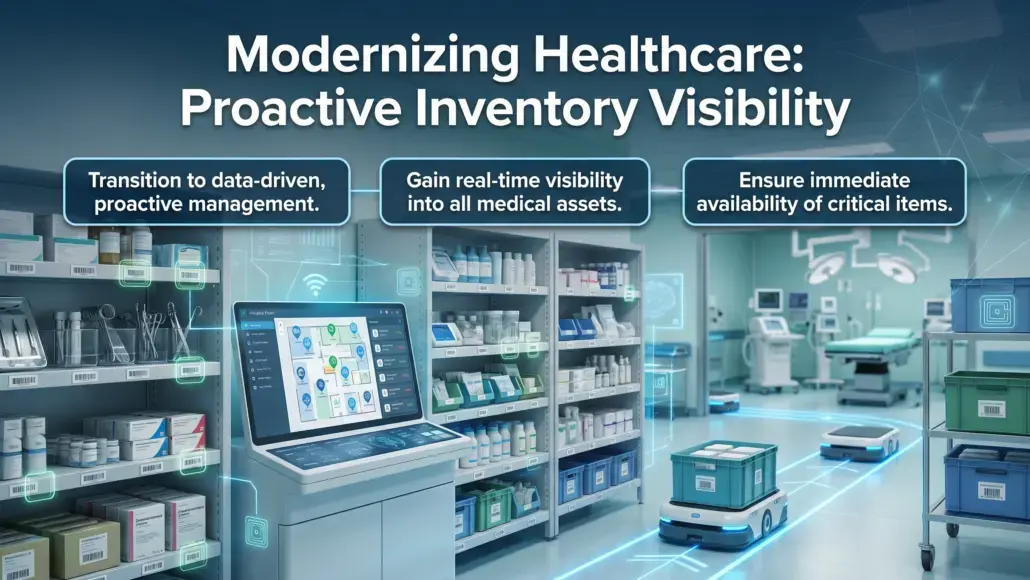

The modernization of the healthcare supply chain is fundamentally dependent on the transition from manual, reactive processes to data-driven, proactive management. Central to this evolution is the implementation of sophisticated supply chain tracking systems that provide unprecedented visibility into the location and status of every medical asset within the institution. In an environment where the availability of a single instrument or medication can be the difference between a successful procedure and a critical delay, the ability to track inventory in real time is a foundational requirement for clinical excellence. These systems utilize a combination of hardware sensors and cloud-based software to create a continuous digital registry of all material movements, ensuring that administrators and clinicians have access to the same accurate information. By eliminating the blind spots that often plague traditional logistics, healthcare organizations can achieve a higher level of operational maturity and financial accountability.
The strategic value of enhanced visibility extends across the entire healthcare enterprise, from the receiving dock to the financial office. Supply chain tracking systems allow for the optimization of procurement strategies by providing a clear view of actual consumption patterns and historical trends. This data-driven approach reduces the reliance on anecdotal evidence and allows for the implementation of more precise reordering cycles, minimizing the financial burden of overstocking and the clinical risk of expired materials. Additionally, the transparency provided by these systems facilitates more accurate billing and insurance reconciliation, ensuring that the institution captures the full value of its clinical assets. This analytical examination focuses on the technological frameworks and operational benefits of advanced inventory tracking, highlighting the intersection of digital infrastructure, clinical safety, and long-term institutional sustainability.
Technological Frameworks for Real-Time Asset Visibility
The effectiveness of modern supply chain tracking systems is rooted in the integration of various sensor-based technologies that automate the data collection process. Radio frequency identification (RFID) is one of the most powerful tools in this regard, allowing for the tracking of multiple items simultaneously without the need for a direct line of sight. By equipping surgical trays, high-value implants, and mobile diagnostic equipment with RFID tags, hospitals can monitor their movement through the facility with minimal manual intervention. Strategically placed sensors at doorways and in storage areas automatically log every transition, providing a real-time update to the central inventory registry. This automated approach reduces the likelihood of human error and ensures that the tracking data is always aligned with the physical reality of the hospital’s assets.
In addition to RFID, advanced barcode scanning and Bluetooth Low Energy (BLE) technology are often utilized to provide a multi-layered tracking solution. BLE beacons are particularly effective for tracking large mobile assets, such as ventilators or infusion pumps, across vast hospital wings. These systems provide location data with high precision, allowing staff to quickly locate the equipment they need without departing from their clinical duties. The integration of these diverse technologies into a single, unified supply chain tracking systems platform ensures that every type of asset is managed with the appropriate level of detail. The data generated by these sensors is transmitted to a cloud-based dashboard that provides a granular view of inventory health, including stock levels, location history, and environmental status for sensitive items. This comprehensive digital overlay is the hallmark of a modern, high-performing healthcare logistics operation.
Enhancing Clinical Safety through Precise Inventory Tracking
The primary goal of any healthcare technology is the improvement of patient safety, and supply chain tracking systems play a vital role in this effort. By providing a clear chain of custody for every medical item, these systems ensure that only viable, high-quality materials reach the patient. For example, in the event of a manufacturer recall, the tracking system can immediately identify the exact location of the affected lot numbers, allowing for rapid quarantine and removal from the clinical environment. This level of responsiveness is essential for mitigating the risks associated with defective medical devices or contaminated pharmaceuticals. Without a sophisticated tracking system, identifying and locating recalled items can be a slow and error-prone process that puts patients at unnecessary risk.
Precise tracking also supports clinical safety by ensuring that the right supplies are always available for critical procedures. By monitoring the usage patterns of surgical kits and specialized equipment, the tracking system can automatically trigger replenishment orders to ensure that stock levels never fall below a safe minimum. This prevents the “just-in-case” hoarding of supplies by clinical staff, which can lead to disorganized storage and the use of expired materials. When clinicians have confidence in the supply chain tracking systems, they can focus more of their attention on the patient, knowing that the resources they need will be available exactly when they are required. The integration of tracking data with the patient’s Electronic Health Record (EHR) further enhances safety by providing a detailed record of every item used during a procedure, facilitating more accurate follow-up and long-term outcomes analysis.
Operational Efficiency and the Optimization of Human Resources
The automation provided by advanced tracking systems significantly reduces the administrative burden on both clinical and logistics staff. Manual inventory counting is a time-consuming and labor-intensive task that is prone to significant variability and error. By automating these processes through supply chain tracking systems, hospitals can free up hundreds of hours of staff time every month, allowing clinical professionals to remain at the bedside and logistics personnel to focus on more complex tasks. This improvement in resource allocation is a key factor in improving the overall efficiency of the institution and reducing the stress associated with supply shortages or disorganized storage.
Operational efficiency is also enhanced by the data-driven insights provided by the tracking software. By analyzing the flow of materials through the facility, administrators can identify bottlenecks and optimize the physical layout of storage areas to reduce travel times. For example, if the data shows that a specific type of medication is frequently used in a particular ward, the logistics team can move the stock closer to the point of use to improve responsiveness. This continuous process improvement is only possible when the institution has access to the high-fidelity data generated by supply chain tracking systems. The focus remains on creating a lean, responsive supply chain that supports the dynamic needs of the healthcare facility while minimizing waste and maximizing the impact of every available resource. This commitment to efficiency is essential for the long-term financial health of the organization.
Financial Accountability and the Reduction of Waste
The financial implications of poor inventory visibility are substantial, often amounting to millions of dollars in lost or wasted assets every year. Supply chain tracking systems provide the transparency required to eliminate these losses and ensure that resources are used responsibly. By providing a real-time view of inventory age, the system helps to ensure that the oldest stock is used first, a principle known as First-In, First-Out (FIFO). This significantly reduces the financial burden of expired materials, which is a major contributor to waste in the medical supply chain. Additionally, the ability to track high-value items with precision prevents loss through theft or misplacement, protecting the institution’s capital investments.
Accurate tracking also facilitates more precise financial auditing and insurance reconciliation. When every item used in a clinical procedure is digitally logged and linked to the patient’s account, the billing process becomes more accurate and transparent. This reduces the number of disputed claims and ensures that the institution captures the full value of the care it provides. Additionally, the data generated by supply chain tracking systems allows for more effective negotiation with vendors, as the hospital can demonstrate its actual usage patterns and stock requirements with high confidence. This level of financial accountability is a fundamental requirement for modern healthcare administrators, providing a solid foundation for long-term sustainability and growth. The investment in advanced tracking technology is a strategic decision that pays dividends in the form of reduced waste and improved financial performance.
Future-Proofing the Healthcare Supply Chain with Advanced Analytics
As the volume of healthcare data continues to grow, the role of analytics in the supply chain will become even more critical. Future supply chain tracking systems will likely incorporate more advanced artificial intelligence and machine learning to predict demand and optimize inventory levels with unprecedented precision. We can expect to see more integration between the supply chain data and other hospital information systems, such as patient scheduling and predictive staffing models. This will create a truly integrated operational framework where every aspect of the hospital’s resources is aligned with the needs of the patient in real time. The ability to anticipate a surge in patient volume and automatically adjust the supply chain to meet that demand is the ultimate goal of a data-driven logistics operation.
Future-proofing also requires a commitment to interoperability and data standards. As more sensors and devices are added to the hospital network, they must be able to communicate with each other and with the broader IT infrastructure. This requires the adoption of open protocols and standardized data formats to ensure that the tracking systems remain flexible and scalable over the long term. By building a connected and intelligent logistics framework, healthcare organizations can ensure that they are prepared for the next generation of clinical and technological innovation. The proactive management of these supply chain tracking systems is essential for maintaining a competitive and efficient clinical environment that prioritizes patient safety and operational excellence. The ultimate goal is to create a logistics system that is so intelligent and reliable that it becomes an invisible but indispensable support for the life-saving work performed by clinical teams every day.