










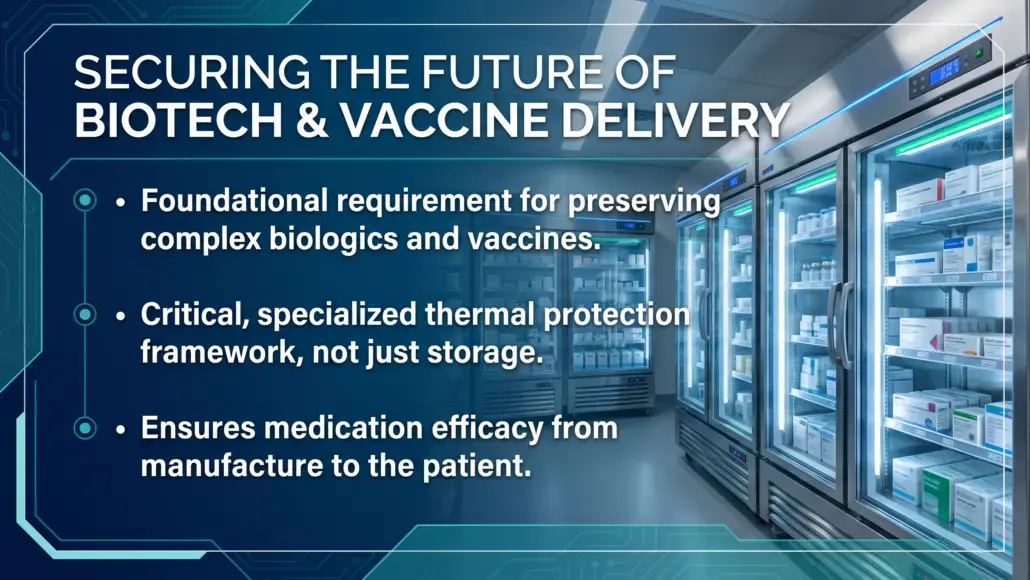

The preservation of temperature-sensitive medical assets is a foundational requirement for modern healthcare delivery. As clinical practices evolve toward more complex biologics, vaccines, and specialized pharmaceuticals, the reliance on specialized cold storage infrastructure has intensified. These systems are not merely storage units but critical components of a broader thermal protection framework that ensures the efficacy of life-saving medications from the point of manufacture to the patient’s bedside. Any breach in this cold chain can result in the loss of high-value inventory and, more importantly, a compromise in patient safety. Therefore, the architectural and technological integration of refrigeration and freezing capabilities within the hospital supply chain is a strategic priority for healthcare administrators. The complexity of managing multiple temperature zones, ranging from standard refrigeration to ultra-low temperature freezing, requires a sophisticated approach to both hardware and operational protocols. Ensuring the stability of these environments is a continuous challenge that demands high-precision engineering and a commitment to rigorous quality standards.
The financial implications of inadequate thermal management are substantial. Medical supplies that require refrigeration are often among the most expensive items in a hospital’s inventory. A single excursion outside the mandated temperature range can necessitate the disposal of entire lots of vaccines or biological reagents, leading to significant budgetary strain for the organization. By investing in professional cold storage infrastructure, facilities can mitigate these risks and ensure the long-term viability of their pharmaceutical assets. This analytical examination focuses on the critical elements of hospital-based cold chain management, highlighting the intersection of industrial engineering, digital monitoring, and clinical safety. The goal is to create a resilient infrastructure that protects the physical and chemical integrity of medical goods throughout their entire lifecycle within the institution. The strategic management of cold chain assets is a vital part of a modern hospital’s risk management strategy.
Architectural Integration and Redundancy in Thermal Management
The physical placement and configuration of refrigeration units within a healthcare facility are critical to operational success. Efficient cold storage infrastructure requires a layout that minimizes the travel time for temperature-sensitive goods during receiving and distribution. This involves the creation of dedicated “cold zones” within the central warehouse and hospital pharmacies, equipped with specialized insulation and high-performance cooling units. These areas must be designed to maintain stable temperatures even during high-traffic periods when doors are frequently opened. The use of air curtains and double-entry systems can help to minimize thermal loss and reduce the energy load on the refrigeration equipment. Additionally, the floor plan must allow for the easy movement of specialized transport containers without exposing the contents to ambient temperatures for extended periods.
Redundancy is a core principle of hospital-based cold chain infrastructure. Every critical storage unit must be connected to the facility’s emergency power system to ensure continuous operation during utility failures. Many high-stakes storage zones are equipped with backup cooling systems that can take over if the primary unit fails. This multi-layered approach to security is essential for protecting ultra-low temperature freezers that house expensive cell therapies or specialized vaccines. The physical cold storage infrastructure must also be designed for ease of maintenance, with accessible components that allow for rapid repairs without disrupting the thermal stability of the stored goods. By prioritizing redundancy and accessibility in the design phase, hospitals can build a more resilient and reliable supply chain that is capable of withstanding unexpected environmental challenges or mechanical failures. The integration of independent backup power for the monitoring systems themselves ensures that data collection continues even during a total site power incident.
Advanced Monitoring and Digital Visibility in the Cold Chain
The effectiveness of any physical storage unit is dependent on the quality of the data it generates. Modern cold storage infrastructure utilizes a network of wireless sensors and data loggers to provide real-time visibility into the temperature and humidity levels of every storage zone. These digital tools are integrated into a centralized management platform that provides continuous monitoring and automated alerting. If a unit’s temperature begins to drift outside the predefined safety range, the system immediately notifies the relevant personnel via mobile applications or desktop dashboards. This allows for proactive intervention before an excursion becomes a critical event, saving both inventory and financial resources. The use of cloud-based storage for this data ensures that records are accessible to stakeholders across the organization, regardless of their physical location within the facility.
Digital visibility also facilitates more accurate regulatory reporting and compliance. Organizations such as the Centers for Disease Control and Prevention (CDC) and various healthcare accrediting bodies require detailed records of temperature stability for vaccines and pharmaceuticals. Automated monitoring systems eliminate the need for manual temperature checks, which are prone to error and consume valuable clinical time. The data generated by these systems provides a verifiable and immutable record of compliance, ensuring that the hospital can demonstrate the integrity of its cold chain during audits. When digital tracking is deeply integrated with the physical cold storage infrastructure, the result is a higher standard of accuracy and a more transparent approach to asset management. This synergy between hardware and software is essential for maintaining the high levels of precision required in modern healthcare logistics. The implementation of predictive analytics can also help to identify units that are showing signs of impending failure, allowing for maintenance before a breakdown occurs.
Specialized Requirements for Ultra-Low and Biological Storage
The rise of personalized medicine and advanced genomic therapies has introduced new challenges to the hospital supply chain. Many of these treatments require ultra-low temperature (ULT) storage, often as low as negative eighty degrees Celsius. Maintaining these extreme environments requires specialized cold storage infrastructure that utilizes advanced compressors and vacuum-insulated panels. These ULT units are significantly more complex and energy-intensive than standard medical refrigerators, requiring dedicated ventilation and power circuits within the pharmacy or laboratory space. The management of these assets also involves specialized handling protocols, including the use of cryogenic gloves and rapid transfer techniques to minimize exposure to ambient air. The physical room housing these units must be designed to dissipate the high levels of heat generated by the specialized cooling systems.
Biological samples and blood products also have unique storage requirements that must be addressed within the facility’s infrastructure. Blood banks require specialized refrigerators with continuous agitation or specific shelving to ensure the viability of platelets and red blood cells. These units must be equipped with independent monitoring systems that are separate from the general pharmacy storage to meet strict regulatory standards for blood product safety. The integration of these specialized units into the broader cold storage infrastructure requires a deep understanding of clinical workflows and the unique chemical properties of biological assets. By providing a diverse range of temperature-controlled environments, hospitals can support a wider variety of clinical services and research activities, ultimately improving the range of treatments available to their patients. This specialized capacity is a key indicator of a hospital’s ability to participate in high-end clinical trials and advanced therapy research.
Logistics Protocols and the Last-Mile Thermal Integrity
The most vulnerable point in the medical cold chain is the movement of goods between storage zones or from the pharmacy to the clinical floor or operating room. Maintaining thermal integrity during this “last mile” requires a combination of specialized transport equipment and rigorous operational protocols. Efficient cold storage infrastructure includes the use of validated thermal shippers, Phase Change Materials (PCMs), and specialized insulated carts. These tools are designed to maintain the required temperature range for several hours, providing a safety buffer during transport or in the event of unexpected delays. The selection of the appropriate transport medium is contingent upon the specific temperature requirements of the goods and the anticipated duration of the transit.
Operational discipline is equally important in maintaining last-mile integrity. Staff must be trained in the rapid loading and unloading of thermal containers and the proper use of temperature indicators. These small, single-use devices change color if a package has been exposed to temperatures outside its safety range, providing immediate feedback to clinical staff at the point of use. If a temperature excursion is detected, the supplies must be quarantined and assessed by pharmacy experts before they are used for patient care. When these logistics protocols are supported by a high-quality physical cold storage infrastructure, the risk of thermal failure is significantly reduced. The focus remains on creating a seamless, protected environment that spans the entire distance from the receiving dock to the patient’s bedside, ensuring that every dose of medication remains safe and effective. This continuous chain of custody and thermal protection is a fundamental requirement for modern healthcare operations.
Future-Proofing Thermal Infrastructure for Emerging Medical Trends
The environment of healthcare is constantly changing, with new treatments and storage requirements emerging every year with the advancement of medical science. A successful cold storage infrastructure must be flexible enough to adapt to these changes without the need for major structural renovations to the facility. This involves the use of modular storage units and a commitment to scalable technology platforms that can integrate new types of sensors. As the volume of temperature-sensitive goods increases, facilities must be able to expand their cooling capacity quickly and efficiently to meet demand. Planning for this scalability in the initial design phase ensures that the institution’s thermal infrastructure remains a strategic asset rather than a limiting factor in clinical or research growth.
Innovation in cooling technology is also driving changes in hospital-based storage across the industry. The development of solid-state cooling and more environmentally friendly refrigerants is reducing the energy footprint and maintenance requirements of medical storage units. Future cold storage infrastructure will likely incorporate more advanced automation, such as robotic retrieval systems that operate entirely within a temperature-controlled environment to minimize heat transfer. These systems minimize the human interaction with cold zones, further reducing thermal loss and improving picking accuracy for high-value medications. By remaining at the forefront of these technological advancements, healthcare organizations can ensure that their supply chains are both efficient and sustainable over the long term. The proactive management of these critical thermal assets is essential for supporting the next generation of medical treatments and maintaining the highest standards of patient care in an increasingly complex and demanding clinical environment. This commitment to infrastructure excellence is a hallmark of leading healthcare institutions worldwide.