











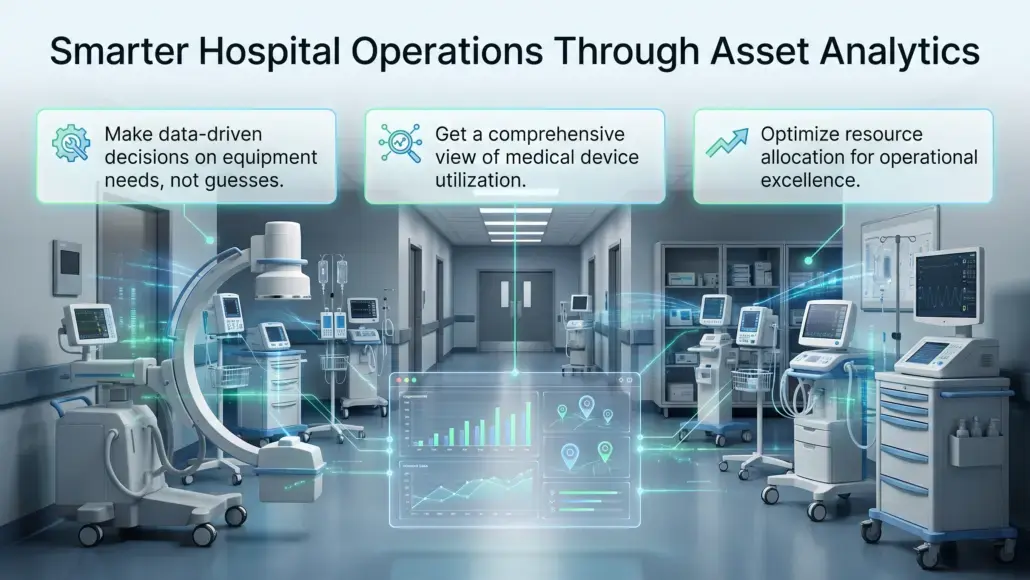

In the modern healthcare environment, the ability to accurately measure and analyze the usage of physical resources is a cornerstone of operational excellence. The deployment of asset analytics allows hospital administrators to move beyond anecdotal evidence and subjective assessments of equipment needs. By collecting and processing data from various tracking systems and clinical databases, management can gain a comprehensive understanding of how medical devices are being utilized across different departments and shifts. This quantitative approach is essential for identifying inefficiencies that often remain hidden in a traditional, manual management system. For example, the data might reveal that certain high-value assets, such as portable X-ray machines, are sitting idle for long periods in one department while clinicians in another area are frequently requesting additional units. This visibility enables a more rational and evidence-based approach to resource distribution.
The technical process of asset analytics involves the aggregation of data from multiple sources, including real-time location systems, electronic health records, and computerized maintenance management systems. Sophisticated algorithms are then used to correlate this data, providing a multi-dimensional view of equipment utilization. It is not enough to know where a device is, administrators must also understand how it is being used and for how long. By analyzing patterns over time, the system can identify peak usage periods and forecast future demand. This predictive capability is a significant advancement over reactive management styles, allowing for the proactive redistribution of equipment before shortages occur. The focus is on creating a balanced ecosystem where every department has access to the tools it needs without maintaining unnecessary and costly surpluses. This level of oversight is particularly critical in large, multi-facility hospital systems where the scale of operations makes manual tracking impossible.
Optimizing Departmental Workflows Through Targeted Allocation
The primary goal of equipment allocation is to ensure that clinical staff have the right tools available at the right time to provide optimal patient care. When equipment is poorly distributed, it leads to significant workflow disruptions and increased stress for the nursing staff. By leveraging the insights provided by asset analytics, hospital leaders can design more efficient allocation strategies that align with the actual clinical needs of each department. For instance, if the data shows a high frequency of infusion pump usage in the oncology ward but lower usage in the surgical recovery area, the management can adjust the baseline allocation accordingly. This dynamic approach to resource management ensures that high-demand areas are always well-equipped, reducing the time clinicians spend searching for or borrowing items from other floors.
additionally, the implementation of data-driven allocation policies fosters a more collaborative environment between departments. When staff understand that equipment is distributed based on objective data rather than departmental lobbying, it reduces friction and improves institutional trust. The system can also be used to identify “hoarding” behaviors, where departments keep equipment in reserve just in case of a future shortage. By providing a transparent view of the entire hospital’s inventory, the analytics platform reassures staff that they can access equipment when they need it, reducing the perceived need to hoard resources. This cultural shift is essential for achieving true operational efficiency. The resulting improvements in workflow allow nurses and doctors to spend more of their time on direct patient care, which is the ultimate metric of success for any hospital.
Financial Impacts of Data-Driven Procurement and Management
From a financial perspective, the benefits of asset analytics are clear and substantial. One of the largest capital expenditures for any hospital is the purchase of medical equipment. Without accurate utilization data, hospitals often fall into the trap of over-purchasing to compensate for perceived shortages. By providing a clear picture of actual usage, analytics systems allow for a much more strategic approach to procurement. If the data shows that the current fleet of ventilators is only being used to sixty percent of its capacity, the hospital can defer new purchases and instead focus on improving the mobilization of existing units. This can result in the saving of millions of dollars over a multi-year budget cycle. These funds can then be reinvested in other critical areas, such as staff development or the implementation of new clinical programs.
In addition to optimizing capital expenditure, data evaluation also helps in reducing the operational costs associated with equipment maintenance and rentals. By understanding the exact duty cycle of each device, the clinical engineering department can move from a fixed-period maintenance schedule to a more efficient, usage-based model. This ensures that equipment is serviced when it actually needs it, reducing the wear and tear on the fleet and minimizing the time devices are out of service. additionally, during peak periods of demand, the hospital can use its historical data to determine if a temporary rental is truly necessary or if the surge can be managed through the better distribution of internal resources. The ability to make these decisions based on hard data rather than intuition is a key differentiator for high-performing healthcare organizations. The cumulative effect of these financial optimizations is a more sustainable and resilient hospital operation.
Enhancing Safety and Compliance Through Systematic Oversight
In the highly regulated world of healthcare, maintaining strict compliance with safety standards and operational protocols is non-negotiable. Systematic data evaluation contributes to this objective by providing a detailed and verifiable record of how medical equipment is used and maintained. This data is invaluable during accreditation surveys and regulatory inspections, as it demonstrates a proactive and systematic approach to resource management. For example, the system can track if certain pieces of equipment are being used past their recommended service life or if they are being utilized in environments for which they were not designed. This level of oversight is critical for mitigating risks to patient safety and ensuring that the hospital operates within the bounds of its professional and legal obligations.
also, the system can be configured to trigger alerts when usage patterns deviate from established safety protocols. If a device that requires frequent sterilization is being used continuously across multiple patients without a recorded cleaning cycle, the system can flag this as a potential infection control risk. This real-time monitoring of clinical compliance allows management to intervene before a serious incident occurs. The data can also be used to identify training needs among the staff. If the analytics show that certain types of equipment are frequently prone to user error or accidental damage in a specific department, the hospital can target its educational resources more effectively. By integrating safety metrics into the broader asset management strategy, hospitals can create a culture of continuous improvement and patient-centered excellence. This holistic view of compliance is a powerful tool for protecting the reputation and financial stability of the institution.
The Future of Predictive Analytics in Hospital Operations
As the field of data science continues to advance, the role of data evaluation in hospital management will become even more sophisticated. The next generation of systems will likely incorporate advanced machine learning models that can predict equipment needs with a high degree of granularity. For instance, the system could analyze real-time patient admission data and surgical schedules to anticipate the exact number of monitors and pumps required in each wing for the next twenty-four hours. This level of precision would allow for a truly “just-in-time” approach to equipment allocation, virtually eliminating both shortages and surpluses. The goal is to create a self-regulating resource management system that operates with minimal human intervention, allowing administrators to focus on higher-level strategic challenges.
The integration of data evaluation with other organizational data streams, such as staffing levels and patient outcomes, will also provide new opportunities for optimization. By understanding the complex interdependencies between physical resources, human capital, and clinical results, hospitals can develop more holistic and effective management strategies. For example, the system could identify the optimal ratio of equipment to staff for different types of patient care, ensuring that neither the clinicians nor the machines are underutilized. As the cost of data storage and processing continues to fall, even smaller community hospitals will be able to access these powerful analytical tools. The democratization of data-driven management will be a key driver of efficiency and quality across the entire healthcare sector. Hospital leaders who invest in building their analytical capabilities today will be well-positioned to lead the transition to the intelligent healthcare systems of the future. The commitment to understanding and optimizing every aspect of the facility’s operations is the surest path to long-term success and clinical excellence.
The ongoing transformation of hospital management through advanced data science is a testament to the industry’s commitment to efficiency and patient care. By embracing a more analytical approach to resource distribution, healthcare leaders can ensure that their institutions remain viable in an increasingly competitive and demanding environment. The ability to translate complex data into actionable strategies is the hallmark of a modern, high-performing organization. As the volume of data generated by hospital systems continues to grow, the importance of maintaining a clear and consistent focus on asset optimization will only increase. This focus is not just about saving money, it is about creating a more responsive and effective clinical environment that serves the needs of every patient. The journey toward a fully optimized healthcare system is a marathon, not a sprint, and the steady application of data-driven insights is the key to achieving long-term success. By building a solid foundation of operational visibility today, hospitals can ensure they are well-prepared for the challenges and opportunities of the future. The ultimate vision is a healthcare system that is as efficient as it is compassionate, where every resource is utilized to its fullest potential in the service of human health. The pursuit of this vision is a shared responsibility that requires the collaboration of administrators, clinicians, and technical staff alike.