












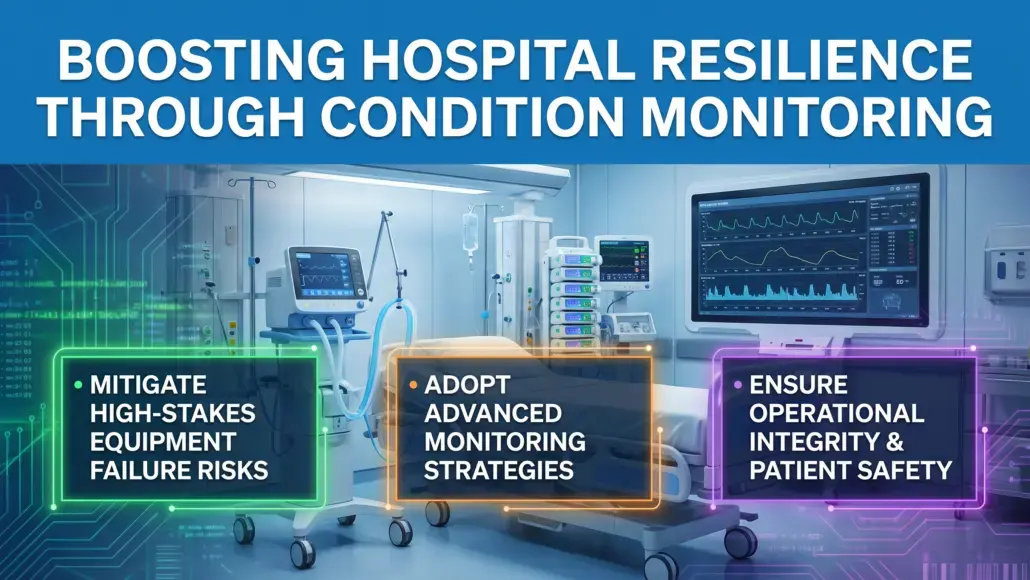

The operational integrity of a contemporary hospital is inextricably linked to the reliability of its medical equipment fleet. In high-stakes clinical environments, the sudden failure of a ventilator, an infusion pump, or a diagnostic imaging system can have immediate and severe consequences for patient safety. To mitigate these risks, forward-thinking hospital administrators are increasingly adopting condition monitoring as a primary strategy for asset management. This approach involves the continuous or periodic assessment of the physical state of a device using various sensors and diagnostic tools. Unlike traditional preventive maintenance, which relies on fixed time intervals regardless of the actual health of the equipment, monitoring provides real-time data on the onset of wear or potential failure. This visibility allows the clinical engineering department to intervene before a breakdown occurs, ensuring that critical tools are always available and functioning correctly.
The technical foundation of this strategy relies on the integration of smart sensors into medical devices. these sensors can track a wide range of parameters, including vibration, temperature, power consumption, and acoustic signatures. For example, an unusual vibration pattern in a centrifugal pump or a subtle rise in the operating temperature of a laser system can be early indicators of mechanical fatigue or component degradation. By analyzing these data points through a centralized management platform, technicians can identify the specific parts that require attention. This transition from reactive repair to proactive maintenance is essential for maintaining a high-performance clinical environment. The goal is to create a “transparent” fleet where the health of every asset is known at all times, reducing the uncertainty and risk associated with equipment failure. This engineering-led approach to reliability is a critical component of modern hospital management.
Improving Patient Outcomes Through Uninterrupted Care
The most direct benefit of enhanced equipment reliability is the improvement in patient care quality. When medical devices function consistently as intended, clinicians can focus entirely on the patient without the distraction of equipment malfunctions. In an intensive care unit, where patients are often dependent on multiple life-support systems, the reliability of these devices is a matter of life and death. By utilizing condition monitoring, the hospital can virtually eliminate the occurrence of “dead on arrival” equipment, where a device is brought to a bedside only to be found non-functional. This assurance of availability reduces the delays in treatment and enhances the overall efficiency of the clinical team. A reliable environment also fosters a sense of security among patients and their families, who can trust that the technology supporting their care is being managed with the highest level of professional rigor.
additionally, the data collected through health monitoring can be used to improve the clinical use of the equipment. If the system identifies that certain devices are frequently operating at the edge of their designed parameters, the administration can investigate if these units are being used correctly or if they are being overworked due to staffing shortages or patient surges. This insight allows for a more holistic approach to patient safety, where the health of the machine and the quality of the care are seen as two sides of the same coin. The reduction in unexpected failures also minimizes the need for emergency repairs, which are often rushed and can lead to further issues. By ensuring that all maintenance is performed under controlled conditions, the hospital can maintain the highest standards of safety and functional excellence. The commitment to reliability is, at its core, a commitment to the patient.
Economic Advantages of Proactive Maintenance Strategies
From a financial perspective, the shift toward condition monitoring offers a significant return on investment. The cost of a major equipment failure in a hospital extends far beyond the price of the replacement parts. It includes the lost revenue from cancelled procedures, the cost of emergency technician labor, and the potential legal liabilities associated with patient harm. By identifying and resolving issues in their infancy, hospitals can avoid these catastrophic costs. For instance, replacing a bearing in a diagnostic imaging system before it fails can save tens of thousands of dollars in emergency repair fees and prevent days of lost imaging revenue. This proactive approach to capital management allows hospitals to stretch their maintenance budgets further and achieve a lower total cost of ownership for their equipment fleet.
In addition to reducing repair costs, monitoring also helps in optimizing the procurement cycle. By having a clear understanding of the actual health and wear patterns of the equipment, administrators can make more informed decisions about when to decommission an asset and when to invest in a replacement. This prevents the premature replacement of healthy equipment and ensures that funds are targeted toward the units that pose the greatest risk of failure. additionally, the detailed health records generated by the monitoring system can be used to negotiate better terms with manufacturers and service providers. When a hospital can prove that it is maintaining its equipment to a high standard, it can often secure lower insurance premiums and better resale values for its assets. The cumulative effect of these financial benefits is a more stable and predictable operating budget, which is essential for the long-term sustainability of any healthcare institution.
Strengthening Regulatory Compliance and Risk Management
In the highly regulated healthcare sector, maintaining strict compliance with safety standards and manufacturer guidelines is a primary responsibility for hospital management. Condition monitoring provides a strong and verifiable framework for meeting these requirements. By maintaining a continuous record of the health and maintenance history of every device, the hospital can easily demonstrate its adherence to regulatory mandates during inspections and audits. This level of documentation is much more reliable than manual logs, which are prone to human error and omissions. For example, if a specific model of an infusion pump is subject to a safety alert, the monitoring system can quickly identify which units are exhibiting the symptoms described in the alert, allowing for targeted and rapid intervention.
This systematic approach to risk management also provides a significant layer of protection against litigation. In the event of an adverse clinical outcome involving medical equipment, the hospital can present detailed data proving that the device was functioning within its specified parameters and had been maintained according to the highest industry standards. This evidence is critical for defending the professional reputation of the institution and its staff. also, the system can be configured to automatically lock out or flag devices that do not meet certain health criteria, preventing them from being used on patients until they are cleared by a technician. This automated safety gate is a powerful tool for preventing accidents before they occur. By integrating health monitoring into the broader quality assurance program, hospitals can move from a posture of reactive compliance to one of proactive risk mitigation.
Future Horizons in Predictive Health Management
As sensor technology and data analytics continue to evolve, the capabilities of condition monitoring will become increasingly sophisticated. The future of hospital equipment management lies in predictive analytics, where machine learning algorithms can forecast the exact time of failure for a specific component with high accuracy. Instead of just knowing that a part is wearing out, technicians will receive a notification that a specific power supply is likely to fail in the next forty-eight hours of operation. This level of foresight will allow for a “zero-downtime” environment, where maintenance is performed during naturally occurring gaps in clinical demand. The goal is to make equipment failure a thing of the past, creating a seamless and reliable infrastructure that supports the highest levels of medical innovation.
The integration of equipment health data with other organizational systems, such as the supply chain and human resource management, will also access new efficiencies. For example, the system could automatically order replacement parts as soon as a wear pattern is detected, ensuring that the components are on-site before the technician begins the repair. It could also schedule the maintenance task for a specific staff member who has the most experience with that particular device. As hospitals become more connected and data-driven, the role of the clinical engineer will shift from a repair specialist to a data analyst and system optimizer. Hospital leaders who embrace these technological advancements today are not only improving the reliability of their current fleet but are also building the foundation for the intelligent healthcare delivery systems of tomorrow. The focus remains clear: maximizing the uptime and performance of every medical device to ensure the best possible outcome for every patient.
The transition to a more resilient and predictable infrastructure is a key priority for modern hospital leaders. By investing in the tools and technologies that support equipment reliability, healthcare organizations can create a more stable environment for both staff and patients. The shift away from reactive maintenance is a significant milestone in the evolution of clinical engineering, representing a move toward a more proactive and data-driven profession. As medical technology continues to advance, the complexity of managing these assets will only increase, making the role of systematic health monitoring even more critical. This focus on reliability is not an isolated effort, it is an integral part of a broader commitment to quality and safety that defines the modern hospital. By ensuring that every piece of equipment is in optimal condition, hospitals can minimize the risks associated with device failure and maximize the effectiveness of every clinical intervention. The journey toward total reliability is an ongoing process that requires continuous investment in both technology and people. By fostering a culture of excellence and a commitment to data-driven decision-making, hospitals can ensure they remain at the forefront of medical innovation. The ultimate goal is a healthcare system where technology is a seamless and invisible support for the human connection between the clinician and the patient, providing the foundation for a healthier and more resilient society. Every advancement in equipment management is a step closer to achieving this goal, ensuring that the highest standards of care are maintained for every individual who enters the facility.