













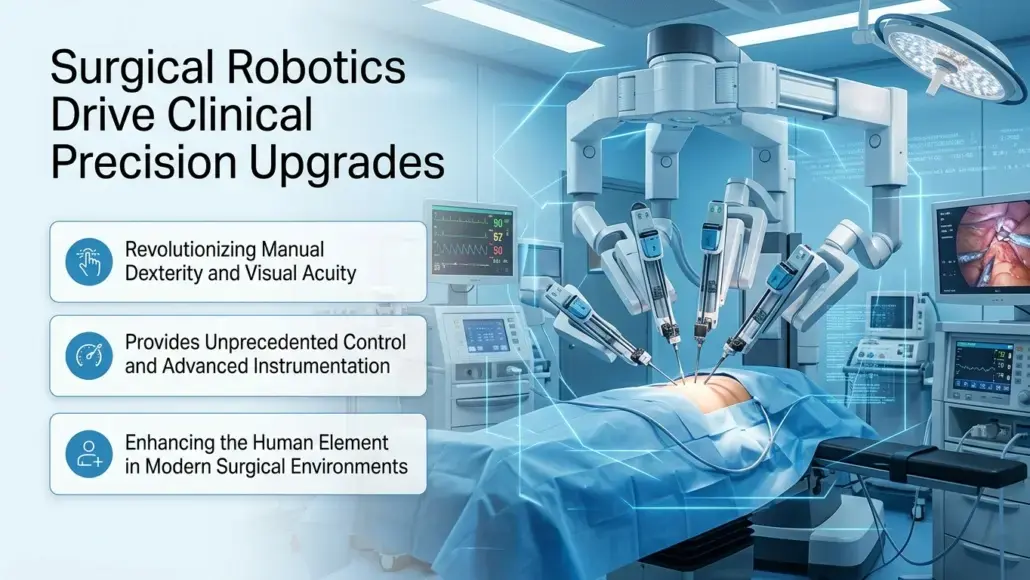

The introduction of mechanical assistance into the surgical suite has fundamentally altered the standards of manual dexterity and visual acuity available to clinicians. Modern systems have moved beyond basic instrumentation to provide a level of control that was previously unthinkable in a traditional surgical environment. This transition is not merely about the presence of a machine; it is about the enhancement of the human element. The reality is that surgical robotics drive clinical precision by filtering out hand tremors and providing a high-definition, three-dimensional view of the internal anatomy that exceeds the capabilities of the naked eye.
For many hospitals, the decision to invest in surgical robotics is driven by the desire to standardize outcomes across a diverse range of procedures. While a highly skilled surgeon can achieve excellent results with traditional methods, the use of robotic platforms introduces a level of reproducibility that is difficult to replicate manually. This consistency is vital for maintaining high clinical standards and reducing the variability in patient outcomes. When every movement is digitized and refined by sophisticated software, the margin for error is significantly reduced, which is a cornerstone of any effort toward hospital technology improvement.
Infrastructure Integration and Operating Room Technology
The impact of robotic surgery on the operating room technology stack is profound. These platforms require a specialized infrastructure, including high-speed data connections and dedicated space for the surgeon’s console and the patient-side cart. This integration of hardware and software represents a significant step forward in healthcare automation. It allows for the real-time tracking of surgical instruments and the overlay of diagnostic images directly onto the surgical field. This augmented reality capability provides the surgeon with a guide for the human body, ensuring that incisions are as accurate as possible.
Beyond the immediate technical benefits, the use of these systems is redefining the physical demands of the profession. Traditional surgery often requires the surgeon to stand in uncomfortable positions for many hours, leading to physical strain and fatigue. Robotic platforms allow the surgeon to sit at an ergonomically designed console, which can help prolong a surgeon’s career and maintain peak performance throughout a long operative day. This focus on the health and longevity of the surgical team is an essential aspect of how surgical robotics drive clinical precision.
Economic Viability and Value-Based Outcomes
The economic considerations of adopting medical robotics are complex. While the initial capital expenditure and the cost of specialized disposables are high, the long-term benefits can be substantial. Patients who undergo robotic procedures often experience less pain, less blood loss, and shorter hospital stays compared to those who have open surgery. This faster recovery allows for a higher turnover of hospital beds and a reduction in the total cost of the patient’s care episode. For administrators, the challenge is to balance these long-term gains against the upfront investment in surgical innovation.
The role of surgical robotics in training and education is also expanding. Modern systems can record every aspect of a procedure, providing a detailed digital record that can be used for post-operative review and instruction. Residents can use simulators that mimic the feel and response of the actual robot, allowing them to build proficiency before they ever touch a patient. This data-driven approach to education ensures that the next generation of clinicians is fully prepared to utilize these advanced tools. The evidence shows that surgical robotics drive clinical precision by providing a structured and measurable path toward surgical mastery.
Specialized Platforms and AI Integration
As the market for these technologies matures, we see the emergence of more specialized and modular robotic systems. While the early market was dominated by a single player, new entrants are introducing platforms designed for specific applications, such as orthopedic joint replacement, endovascular procedures, and neurosurgery. This diversification is driving competition and making surgical robotics more accessible to smaller hospitals and outpatient centers. The result is a broader distribution of high-level clinical precision across the healthcare system, rather than it being concentrated in a few elite institutions.
The integration of artificial intelligence into robotic platforms is the next logical step in this evolution. AI algorithms can analyze the surgical field in real-time, identifying critical structures and providing alerts to the surgeon if they are approaching a high-risk area. This assistant approach is not intended to replace the surgeon’s judgment but to supplement it with the power of extensive data. By learning from thousands of previous cases, these systems can offer suggestions on the best approach for a specific patient’s anatomy. This is another way in which surgical robotics drive clinical precision through the application of advanced computing.
Market Demand and Technical Resilience
Patient perception of robotic surgery has also shifted. Many patients now actively seek out hospitals that offer robotic options, perceiving them as being at the forefront of medical technology. This consumer demand is a powerful force that is driving hospitals to accelerate their adoption of surgical innovation. To maintain their market share and reputation, healthcare providers must be able to offer the latest and most precise treatments. This competitive pressure is a significant factor in the rapid spread of robotic technology across the global healthcare sector.
The maintenance and support of these complex systems require a new breed of hospital technology professionals. Biomedical engineers and IT specialists must work closely with the surgical team to ensure that the equipment is always ready for use. This collaborative environment is essential for the smooth operation of a modern robotic program. Regular software updates and hardware calibration are necessary to maintain the highest levels of performance. This ongoing commitment to excellence is what ensures that the investment in healthcare automation continues to pay dividends for both the hospital and its patients.