












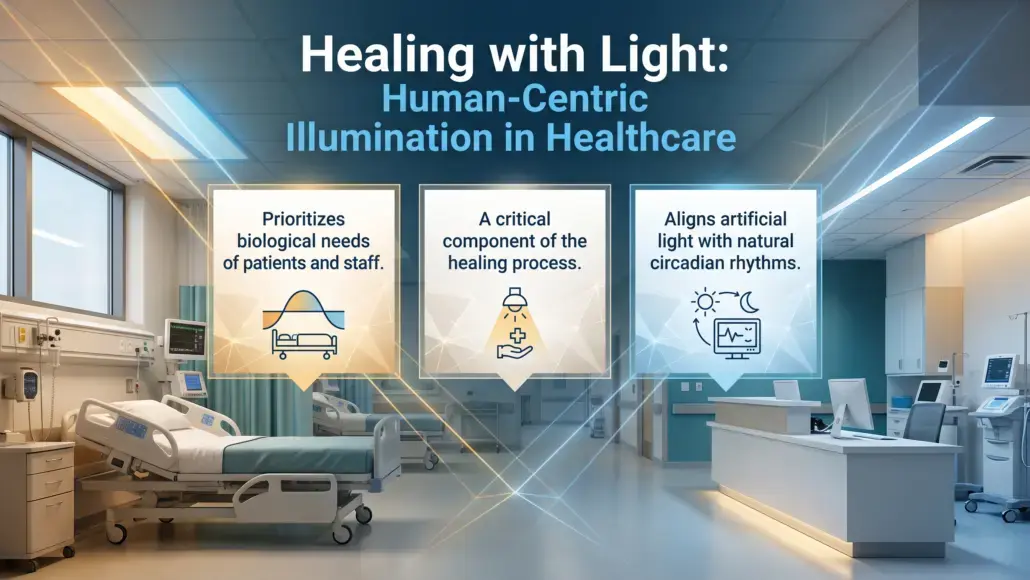
The integration of advanced lighting protocols into medical facilities represents a significant shift toward evidence-based design that prioritizes the biological needs of both patients and practitioners. Modern clinical architecture is increasingly recognizing that illumination is not merely a functional requirement for visibility but a critical component of the healing process itself. By aligning artificial light sources with the natural circadian rhythms of the human body, medical institutions can create environments that actively support physiological stabilization. This approach moves away from static, high-intensity fluorescent systems that have historically dominated hospital wards, replacing them with dynamic solutions that vary in intensity and color temperature throughout the day. The result is a more harmonious atmosphere that reduces the stress associated with clinical stays and improves the overall functionality of the facility.
Effective implementation of these systems requires a deep understanding of the non-visual effects of light, specifically how blue-enriched light suppresses melatonin and promotes alertness, while warmer tones encourage rest. In the context of human-centric lighting healthcare wellbeing, the objective is to replicate the progression of natural daylight within enclosed environments. This is particularly vital in intensive care units or long-term recovery wings where patients may have limited access to windows. By providing the correct stimulus at the appropriate time, facilities can help regulate the sleep-wake cycles of patients who are often prone to delirium or sleep deprivation due to the constant activity inherent in hospital operations. This biological alignment serves as a foundational element in modern healthcare infrastructure, ensuring that the physical environment works in tandem with medical treatments to foster better health outcomes.
Integrating Circadian Synchronization into Clinical Environments
Clinical environments present unique challenges for circadian synchronization due to the necessity of 24-hour operations. The traditional reliance on constant, bright white light has been shown to disrupt the natural hormonal cycles of patients, leading to increased recovery times and psychological distress. To address this, healthcare facilities are adopting lighting systems that utilize sophisticated control algorithms to modulate the spectral output of LED fixtures. During the morning and midday hours, these systems provide a cooler, higher-intensity light that signals the body to be active and alert. As evening approaches, the system transitions to a warmer, dimmed state, allowing the patient’s body to naturally prepare for sleep. This synchronization is crucial for metabolic regulation and immune system support, both of which are vital during the recovery phase of serious illnesses or surgical procedures.
Beyond the patient rooms, these synchronized systems are being deployed in corridors and common areas to maintain a consistent environmental cue throughout the building. The transition between different zones must be carefully managed to avoid visual shock or discomfort. For instance, a patient moving from a warm-lit room into a cool-lit hallway at night may experience a disruption in their physiological state. Therefore, a holistic design approach is required to ensure that the entire facility adheres to a unified circadian plan. This involves coordinating the output of various light sources, from overhead panels to wall-mounted examination lights, to ensure that the biological stimulus remains consistent with the time of day. By maintaining this equilibrium, hospitals can significantly reduce the occurrence of hospital-acquired insomnia and related complications.
The technical execution of circadian synchronization involves the use of tunable white LED technology, which allows for precise control over the correlated color temperature. Engineers and lighting designers work together to program these systems based on the specific needs of the patient population. For example, a neonatal intensive care unit requires a different lighting profile than a geriatric ward or a behavioral health facility. Each of these settings demands a tailored approach to human-centric lighting healthcare wellbeing to ensure that the lighting supports the specific developmental or cognitive needs of the individuals being treated. The ability to customize spectral distribution ensures that the lighting environment is optimized for clinical efficacy rather than just general illumination.
The Physiological Impact of Spectral Tuning on Patient Recovery
Spectral tuning refers to the ability to adjust the specific wavelengths of light emitted by a fixture to elicit a desired biological response. In a healthcare setting, this technique is used to manage the production of cortisol and melatonin, the two primary hormones responsible for the human sleep-wake cycle. Research indicates that exposure to specific blue wavelengths in the morning can help reset the internal clock, which is often disrupted during hospital stays. This early-day stimulation helps patients feel more alert and engaged, which can lead to better participation in physical therapy and other rehabilitative activities. Conversely, the removal of these wavelengths in the evening is essential for allowing the natural rise of melatonin, facilitating the deep, restorative sleep that is necessary for cellular repair and wound healing.
The physiological benefits of spectral tuning extend to the management of pain and anxiety. Studies have suggested that patients in rooms with optimized lighting conditions report lower levels of perceived pain and require fewer analgesics. This may be attributed to the reduction in cortisol levels and the general calming effect of a well-lit environment. Additionally, for patients suffering from seasonal affective disorder or other mood-related conditions, the provision of high-quality, full-spectrum light can be a vital part of their treatment plan. By addressing the psychological state of the patient through environmental design, healthcare providers can create a more supportive atmosphere that enhances the effectiveness of traditional medical interventions.
In addition to hormonal regulation, spectral tuning can improve the visual clarity required for clinical tasks without compromising the patient’s comfort. High-color rendering index lighting allows medical staff to accurately assess skin tone, detect cyanosis, or examine wounds with precision. The challenge lies in providing this high-quality light only when and where it is needed, while maintaining a non-disruptive ambient environment. Modern fixtures often incorporate dual-mode functionality, where the light can instantly switch from a warm, circadian-supportive setting to a high-intensity clinical setting for examinations. This versatility is a key component of human-centric lighting healthcare wellbeing, as it balances the rigorous demands of medical practice with the sensitive needs of the healing patient.
Enhancing Staff Performance and Cognitive Function Through Light
The wellbeing of healthcare professionals is just as critical as that of the patients they serve. Staff members often work long, irregular shifts that include overnight hours, which can lead to chronic fatigue and a higher risk of medical errors. Implementing human-centric lighting in staff areas, such as nursing stations, break rooms, and diagnostic labs, can help mitigate these risks. By providing bright, blue-enriched light during night shifts, facilities can help staff maintain alertness and cognitive focus, even during the early morning hours when the body naturally experiences a dip in energy. This targeted stimulation can improve decision-making accuracy and reduce the likelihood of accidents related to exhaustion.
It is equally important to provide staff with areas where they can rest and recover from the intensity of their duties. Break rooms equipped with adjustable lighting allow employees to choose a setting that helps them decompress. A warmer, lower-intensity environment can help lower heart rates and reduce stress during short breaks, making the return to the floor more manageable. This focus on staff comfort is an essential aspect of human-centric lighting healthcare wellbeing, as it acknowledges the physical and mental toll of healthcare work. Facilities that invest in the environmental quality of staff workspaces often see improvements in employee retention and job satisfaction, which indirectly benefits patient care quality.
The cognitive benefits of optimized lighting are supported by studies showing improved concentration and faster processing speeds in environments with high-quality illumination. In areas like pathology or radiology, where visual precision is paramount, the ability to control the lighting environment is a significant advantage. Reducing glare and flicker, while providing consistent light levels, helps prevent eye strain and mental fatigue. As hospitals move toward more data-intensive practices, the need for an environment that supports sustained mental effort becomes even more apparent. Lighting is a foundational tool in creating such an environment, acting as a passive yet powerful influence on the daily performance of the entire medical team.
Strategic Implementation of Tunable Systems in Critical Care Units
Critical care units represent some of the most demanding environments in a hospital, where every aspect of the room must be optimized for survival and recovery. The implementation of tunable lighting in these zones requires a strategic approach that considers the high density of medical equipment and the frequent need for emergency interventions. Lighting designers must ensure that the overhead fixtures provide uniform coverage while also allowing for localized control. For example, an intensive care unit bed space might feature a primary light that follows a circadian schedule, supplemented by directional task lighting for procedures. This layered approach ensures that the lighting is never an obstacle to care but rather a supportive element of the room’s infrastructure.
In these sensitive areas, the transition between lighting states must be gradual and predictable. Abrupt changes in brightness can startle patients who are already in a fragile state, potentially leading to spikes in blood pressure or heart rate. Sophisticated control systems use fade times to move between morning, afternoon, and evening settings, creating a smooth and natural progression. This attention to detail is a hallmark of human-centric lighting healthcare wellbeing in high-acuity settings. Additionally, integrating the lighting controls with the hospital’s patient monitoring systems can allow for automated adjustments based on the time of day or the patient’s status, further reducing the burden on nursing staff.
The use of tunable systems also allows for the creation of “virtual windows” in windowless rooms. By using high-resolution LED panels that mimic the appearance and color temperature of the sky, designers can provide a sense of connection to the outside world. This visual cue can be incredibly beneficial for patients who spend days or weeks in an enclosed environment, helping to prevent the onset of ICU psychosis or delirium. These systems can even be programmed to reflect the actual weather conditions outside, providing a realistic and grounding experience for the patient. This level of environmental control is a testament to the sophistication of modern healthcare lighting and its role in comprehensive patient management.
Evaluating the Long-Term ROI of Human-Centric Lighting Healthcare Wellbeing
Investing in advanced lighting systems involves significant capital expenditure, but the long-term return on investment is found in improved clinical outcomes and operational efficiencies. Reduced patient stays, even by a small margin, can lead to substantial savings for a healthcare facility and increase the throughput of the wards. When patients recover faster due to better sleep and lower stress levels, the overall cost of care per episode decreases. Additionally, the reduction in medication errors and staff turnover provides further financial benefits that contribute to the sustainability of the institution. A high-quality lighting environment is therefore not just a luxury but a strategic asset that supports the core mission of the hospital.
Energy efficiency also plays a role in the financial evaluation of these systems. While the primary focus is on wellbeing, modern LED-based tunable systems are inherently more efficient than the legacy systems they replace. The ability to dim lights when not needed or to harvest natural daylight through sensors leads to lower utility bills and a smaller carbon footprint. Over the lifespan of the installation, these savings can offset the initial premium paid for tunable technology. When combined with the maintenance benefits of long-lasting LED components, the case for human-centric lighting healthcare wellbeing becomes even more compelling from a facilities management perspective.
Finally, the reputation of a healthcare facility is increasingly tied to the patient experience. In a competitive market, providing an environment that feels modern, comfortable, and supportive can be a key differentiator. Patients and their families are more likely to recommend a hospital that prioritizes holistic wellbeing, including environmental factors like lighting and acoustics. By adopting a forward-thinking approach to lighting design, healthcare providers demonstrate a commitment to the highest standards of care. This commitment translates into long-term trust and stability for the organization, ensuring that it remains at the forefront of the industry for years to come. The evolution of lighting from a simple utility to a sophisticated clinical tool is a defining feature of the next generation of healthcare facilities.