














The optimization of clinical workflows and the prioritization of staff well-being through intelligent digital systems represent a critical turning point in the management of the medical workforce. In an era marked by increasing patient complexity and a growing scarcity of skilled clinicians, the role of administrative technology has shifted from a back-office function to a frontline necessity. By implementing advanced scheduling algorithms, data-driven workforce analytics, and intuitive productivity tools, healthcare institutions are addressing the root causes of burnout and professional dissatisfaction. This digital infrastructure is not merely about managing hours; it is about creating a supportive ecosystem that empowers care teams to focus on their primary vocation: the compassionate and effective treatment of their patients.
Addressing the Human Crisis in Modern Medicine
The healthcare sector is currently facing a human resources crisis of unprecedented scale, where the implementation of healthcare workforce technology supporting care teams has become a moral and operational imperative. For years, clinicians have been overburdened by manual administrative tasks, fragmented communication, and rigid scheduling practices that lead to chronic fatigue and a loss of professional autonomy. This pervasive burnout not only threatens the mental health of individual practitioners but also directly impacts patient safety and the overall quality of care. A clinical team that is exhausted and disconnected is far more likely to make errors and less able to provide the emotional presence that is essential for a positive patient experience.
The transition toward modern healthcare workforce management begins with a fundamental recognition that the clinician is the hospital’s most valuable asset. Digital tools are now being used to strip away the “administrative friction” that clogs the daily routine of doctors and nurses. By automating the more mundane aspects of hospital operations such as shift bidding, leave management, and credential tracking these systems return valuable time to the care team. This time can then be reinvested in direct patient interaction, leading to higher levels of clinical excellence and professional fulfillment. When the technology works to serve the human staff, the entire institution benefits from a more engaged, resilient, and effective workforce.
The Power of Predictive Workforce Analytics
One of the most transformative aspects of modern hospital staffing technology is the move from reactive to proactive resource management. Workforce analytics healthcare platforms leverage the power of big data to predict future staffing needs with remarkable accuracy. By analyzing variables such as historical patient census data, local public health trends, and even the complexity of the current patient population, these systems can forecast the required clinical capacity several weeks in advance. This allows administrators to adjust staffing levels in a way that ensures every unit is adequately supported without the need for last-minute, high-stress call-outs or the use of expensive agency staff. This predictive capability is a cornerstone of healthcare workforce technology supporting care teams, as it provides a stable and predictable environment for everyone.
Furthermore, these analytics platforms provide deep insights into the well-being of the staff themselves. They can track patterns that correlate with burnout, such as high rates of overtime, frequent shift changes, or a high volume of missed breaks. By identifying these “red flags” early, hospital leadership can intervene with targeted support, whether through adjusting the workload, offering additional resources, or simply providing a much-needed break. This data-driven approach to staff welfare ensures that the institution is as focused on the health of its employees as it is on the health of its patients. In the long run, this proactive care for the clinician is the best way to ensure the long-term sustainability of the medical profession and the safety of the community it serves.
Digital Scheduling and the Rise of Professional Autonomy
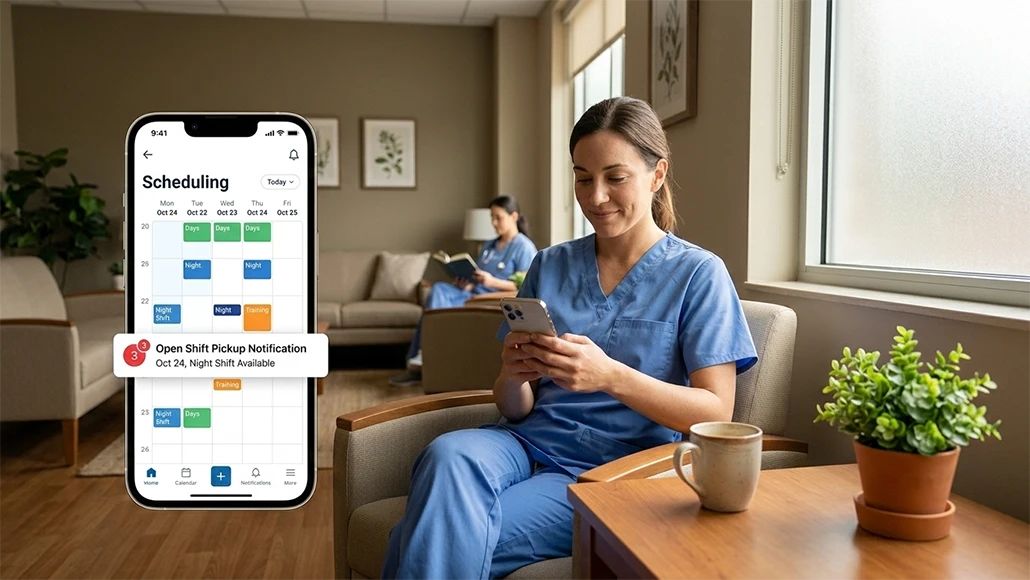
A significant driver of professional dissatisfaction in healthcare has historically been the lack of control that clinicians have over their own schedules. Modern digital workforce solutions are changing this by introducing self-service scheduling platforms that prioritize flexibility and autonomy. Through mobile-first applications, staff members can view their schedules, request changes, and pick up additional shifts from anywhere, at any time. These platforms use intelligent algorithms to ensure that every shift is covered by the appropriate mix of skills and experience, while also honoring the personal preferences and work-life balance of the individual. This shift toward a more collaborative and transparent scheduling process is a vital part of healthcare workforce technology supporting care teams.
When clinicians have a voice in when and where they work, they feel more respected and valued by their employer. This increased sense of agency leads to higher levels of job satisfaction and a significant reduction in turnover rates. Furthermore, these platforms can be used to manage “flexible pools” of staff who are willing to work across different departments or locations as needed. This fluidity allows the hospital to be more responsive to sudden changes in patient demand without placing an undue burden on any single team. By utilizing the power of digital connectivity to create a more agile and human-centered scheduling system, healthcare organizations are building a workforce that is ready for the challenges of the 21st century.
Digital Training and Continuous Professional Growth
In the rapidly evolving world of medicine, continuous learning is not just a requirement; it is a necessity for clinical excellence. However, the time required for traditional training can be difficult to find in an already overextended schedule. Modern healthcare workforce technology supporting care teams addresses this by providing on-demand, digital training platforms that deliver bite-sized educational content directly to the clinician’s device. These modules can be completed during quiet moments in a shift or even from home, allowing for a more flexible and personalized approach to professional development. This accessibility ensures that the entire team is always up to date with the latest evidence-based practices and regulatory requirements.
Beyond compliance, these platforms also offer opportunities for career advancement and specialized certification. By tracking the skills and interests of every staff member, the system can suggest training paths that align with their personal professional goals. This commitment to the long-term growth of the individual is a powerful tool for retention and ensures that the institution is constantly building a deeper and more capable talent pool. When a healthcare organization invests in the intellectual and professional development of its staff, it sends a clear signal that it is committed to their long-term success. This culture of learning is essential for maintaining the high standards of care that patients expect and deserve.
Communication, Collaboration and Productivity Tools
Effective communication is the lifeblood of any high-performing care team, yet fragmented and outdated communication methods continue to be a source of frustration and delay in many hospitals. Staff productivity tools are now being used to bridge these gaps, providing a unified and secure platform for real-time collaboration. These tools integrate secure messaging, clinical alerts, and patient data into a single interface, allowing for seamless communication between different departments and specialties. When a nurse can instantly securely message a physician with a clinical concern, or a physical therapist can view the latest surgical notes on their own device, the entire care process becomes more efficient and safer for the patient.
Furthermore, these tools can be used to automate many of the routine communication tasks that currently consume a significant portion of a clinician’s time. For example, the system can automatically send alerts to the appropriate team members when a lab result is ready or when a patient’s vital signs fall outside of a specific range. This “closed-loop” communication ensures that nothing falls through the cracks and that every member of the team has the information they need to provide the best possible care. By reducing the noise and clutter of traditional communication, healthcare workforce technology supporting care teams allows clinicians to focus their attention where it matters most: on the person in the bed. The result is a more calm, organized, and focused clinical environment that is conducive to both healing and professional excellence.
The Impact on Patient Outcomes and Clinical Safety
While the immediate goal of workforce technology is to support the staff, the ultimate beneficiary is always the patient. A well-supported, properly staffed, and highly informed clinical team is far more capable of delivering the high-quality care that leads to positive outcomes. By utilizing digital workforce solutions to optimize staffing levels and reduce burnout, hospitals are directly improving the safety of their patients. The data is clear: institutions with high levels of staff engagement and adequate staffing ratios have lower rates of medical errors, fewer patient falls, and better patient satisfaction scores. The health of the workforce is the single most important predictor of the health of the institution.
Furthermore, the use of workforce technology allows for a more personalized and patient-centered approach to care. When scheduling systems ensure that the right mix of expertise is available on every shift, the hospital can offer more comprehensive and multidisciplinary care for patients with complex needs. This coordinated approach ensures that every aspect of the patient’s health is addressed by a specialist who is well-rested and fully informed. By treating the clinical workforce as a vital and integrated part of the patient care journey, healthcare organizations are ensuring that they can provide the highest standard of medicine for every person who walks through their doors. This is the true power of healthcare workforce technology supporting care teams: it creates a foundation of stability and excellence that supports everything else the hospital does.
Conclusion: The Resilient Future of the Medical Workforce
The ongoing journey of healthcare workforce technology supporting care teams is an investment in the future of medicine itself. We are moving toward a more humanized and sustainable model of healthcare management, where technology acts as a supportive partner rather than an administrative burden. By prioritizing the well-being and professional growth of our clinicians, we are ensuring that the medical profession remains a vibrant and rewarding calling for the next generation. The challenges of the future are significant, but with the right tools and a commitment to our people, we are more than capable of meeting them.
In the end, the success of any healthcare system is measured by the lives it heals and the comfort it provides. This work is only possible through the dedication and skill of the human beings who make up the care team. By building a digital infrastructure that protects, empowers, and supports these individuals, we are ensuring that they have the resources they need to continue their vital mission. This is the promise of modern healthcare workforce management: a future where the clinician is respected, the team is supported, and every patient receives the best possible care from a team that is ready and able to provide it. This is a future we are building one digital tool and one supported shift at a time.