






Techno Trends
Healthcare IT
Microsoft Copilot Wins NHS Rollout Following Major AI Trial
NHS England has confirmed plans to deploy Microsoft Copilot to 505,000 clinicians and support staff after completing what Microsoft UK described as the largest healthcare...
Equipment & Devices
Philips Elevate Plus Gains FDA Clearance for AI Ultrasound
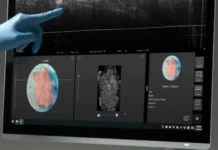
Philips announced that it has obtained FDA clearance for Elevate Plus, an expanded suite of advanced imaging, artificial intelligence and automation capabilities designed for its...
Equipment & Devices
Smith+Nephew Launches Next-Generation LEAF Platform for Remote Patient Monitoring
Smith+Nephew has announced the launch of its next-generation LEAF Platform, a wearable sensor-based remote patient monitoring system designed to support postoperative recovery and improve care...
Healthcare IT
Multimodal AI Advancing Next Generation Clinical Workflows
Multimodal AI is advancing next-generation clinical workflows by combining data from medical imaging, electronic health records, and genomic profiles into a unified decision-making framework. This enables more accurate diagnoses, personalized treatments, and streamlined clinical operations, improving both healthcare efficiency and patient outcomes.
Healthcare IT
Digital Biomarkers Enhancing Continuous Health Assessment
Digital biomarkers are enhancing continuous health assessment by using data from wearables, smartphones, and connected devices to monitor patients in real time. This approach provides deeper insights into health trends, supports earlier interventions, and improves preventive care and chronic disease management beyond traditional clinical visits.
Healthcare IT
Hybrid Care Models: Transforming Healthcare Delivery Flow
Hybrid care models are transforming healthcare delivery by seamlessly integrating in-person care with telehealth and remote monitoring. This connected approach improves accessibility, clinical coordination, and patient outcomes by ensuring care is delivered in the most appropriate setting, whether at home or in a healthcare facility.
Healthcare IT
Healthcare Consumerization Redefining Service Delivery
Healthcare is shifting toward a consumer-centric model that prioritizes personalized experiences, digital convenience, and patient-driven engagement. As healthcare consumerization redefines service delivery, providers are focusing on delivering accessible, intuitive, and responsive care that enhances both patient satisfaction and loyalty.
Subscribe
- Never miss a story with notifications
- Gain full access to our premium content
- Browse free from any location or device.