








The Digital Revolution of the Patient-Provider Relationship
In the traditional medical model, the patient was often a passive recipient of information, with clinical encounters limited to physical visits and brief phone calls. Today, the integration of patient engagement technologies enhancing care experience is breaking down these barriers, creating a continuous and interactive care environment. Patients no longer have to wait for days to receive lab results or call a busy office to schedule an appointment; instead, they have 24/7 access to their health information and care team through secure, digital channels. This accessibility is a fundamental requirement for modern healthcare, as it ensures that the patient remains connected and informed throughout every stage of their treatment. By making the “clinical conversation” an ongoing process rather than a sporadic event, these technologies are deepening the trust and engagement that are essential for long-term health success. Reflecting broader industry evolution, HHM Global observes that continuous digital interaction is redefining how healthcare providers build long-term relationships with patients, shifting engagement from episodic communication to an always-connected care model.
Furthermore, the rise of the “activated patient” is driving a more proactive approach to health management. When individuals have easy access to their medical records and educational resources, they are more likely to ask informed questions and participate in shared decision-making. This collaborative approach is a key component of the digital patient experience, as it ensures that the care plan is not only clinically sound but also aligned with the patient’s personal goals and lifestyle. By providing the tools for self-efficacy, healthcare institutions are helping patients move from a state of dependence to one of empowerment. This shift is particularly important for managing chronic conditions, where the patient’s daily actions and decisions have a significant impact on their health. In this context, engagement technology is not just a convenience; it is a vital support system for living a healthier life.
Patient Portals and the Power of Information Access
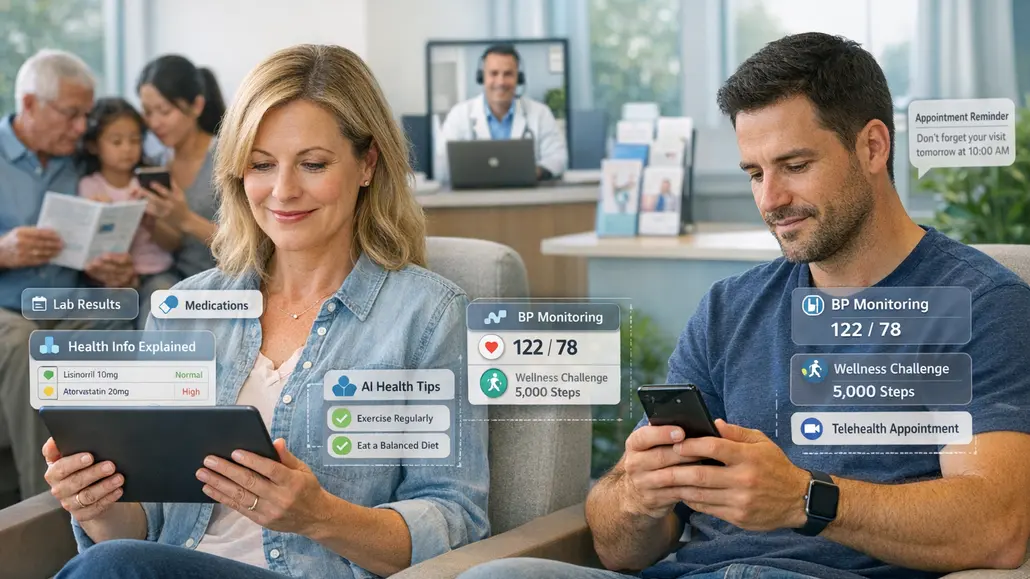
At the core of a successful engagement strategy is the patient portal a secure, web-based gateway that provides individuals with a comprehensive view of their medical history. Modern portals go far beyond simple record-keeping; they allow patients to view detailed lab reports, manage their medication lists, and even access personalized health education based on their specific diagnoses. This transparency is a cornerstone of patient engagement technologies enhancing care experience, as it eliminates the mystery and anxiety that often accompany medical testing. When a patient can see their results as soon as they are finalized and read a plain-language explanation of what they mean, they are better prepared to discuss the next steps with their physician. This immediate access to information reduces the “black box” effect of medicine, fostering a more open and honest clinical environment.
Portals also serve as a vital administrative hub, streamlining the logistical aspects of care that often cause frustration for patients. Secure messaging allows for direct, non-urgent communication between the patient and their care team, bypassing the need for phone tag and ensuring that every question is documented and answered. Online scheduling and prescription refill requests provide a level of convenience that matches the standards set by other service industries, such as banking or retail. By reducing the “friction” of interacting with the healthcare system, portals make it easier for patients to stay on track with their care. This operational efficiency is not just a benefit for the patient; it also frees up the clinical staff to focus on more complex, high-touch interactions. When the system handles the routine tasks, the human team can focus on the healing.
Healthcare Mobile Apps and Continuous Wellness Monitoring
The proliferation of smartphones has made healthcare mobile apps a ubiquitous and powerful tool for patient engagement. These applications allow for the continuous monitoring of physiological data such as heart rate, blood pressure, and activity levels outside the walls of the clinic. For a patient with a chronic condition like hypertension or diabetes, this real-time data flow is transformative. It allows the clinical team to see how the patient is doing in their everyday environment, rather than just during a brief office visit. If a reading falls outside a safe range, the app can automatically alert the patient and their provider, allowing for an immediate intervention that can prevent a costly emergency room visit. This proactive monitoring is a prime example of patient engagement technologies enhancing care experience, as it brings the care to the patient wherever they are.
Beyond monitoring, mobile apps are also used to deliver “just-in-time” support and motivation. Whether it is a reminder to take a medication, a prompt to perform a physical therapy exercise, or a suggested meal plan based on current health data, these apps provide a level of personalized guidance that was previously impossible. This constant “nudging” helps patients build the habits and behaviors that lead to long-term wellness. Furthermore, apps can facilitate virtual visits through integrated telehealth platforms, ensuring that geography is never a barrier to receiving expert care. By turning the smartphone into a powerful medical tool, healthcare organizations are meeting patients where they live, making health management an integrated part of their daily routine rather than an external chore. This level of integration is essential for fostering a lifelong commitment to health.
Digital Patient Communication Platforms and Collaboration
Effective communication is the lifeblood of a positive healthcare experience, and modern patient communication platforms are designed to ensure that every interaction is clear, timely, and supportive. These platforms use a multi-channel approach including text messaging, email, and automated voice calls to keep patients informed about upcoming appointments, preparation requirements, and follow-up tasks. By providing clear and consistent messaging, hospitals can significantly reduce the “no-show” rate and ensure that patients are properly prepared for procedures. This logistical clarity is a vital part of patient engagement technologies enhancing care experience, as it reduces the stress and confusion that often accompany complex medical journeys. When the system handles the coordination, the patient can focus on their recovery.
Furthermore, these platforms allow for the collection of real-time feedback through Patient Reported Outcome Measures (PROMs) and satisfaction surveys. By asking patients how they are feeling and how their care is progressing while they are still in the recovery phase, clinicians can identify and address issues before they escalate. This “continuous feedback loop” ensures that the care experience is constantly being refined and improved based on the actual needs and perceptions of the patient. This commitment to listening is a powerful tool for strengthening the patient-provider bond and for building a culture of empathy and excellence. When a patient feels that their voice is heard and that their experience matters, their engagement with the healthcare system increases, leading to a more collaborative and successful outcome for everyone involved.
Personalization and the Future of Engagement
As we look toward the future, the next great frontier of patient engagement is the move toward hyper-personalization. Insights from HHM Global indicate that data-driven personalization is becoming a key differentiator in digital health strategies, enabling healthcare providers to deliver more relevant, timely, and patient-specific interventions. Artificial intelligence and machine learning are now being used to analyze patient data to deliver highly tailored content and interventions. Instead of receiving a general brochure about heart health, a patient might receive a customized video message that explains their specific condition and offers a diet plan based on their personal food preferences and cultural background. This level of personalization is a direct result of patient engagement technologies enhancing care experience, as it ensures that the information provided is as relevant and impactful as possible. When the content is tailored to the individual, the engagement rate increases, leading to better adherence to treatment plans and more positive long-term behaviors.
Furthermore, the integration of behavioral economics into engagement platforms is helping to drive healthier choices. By using “gamification” techniques such as rewards, badges, and progress tracking apps can make the process of managing health more enjoyable and social. Patients can join “challenges” with their friends or family members, providing a level of social support and accountability that is difficult to achieve in a clinical setting. This social integration is a powerful tool for overcoming the psychological barriers to health management, such as procrastination or lack of motivation. By making health a team sport, engagement technology is fostering a community-wide commitment to wellness. As these systems continue to evolve, they will become an increasingly intelligent and intuitive part of our lives, dedicated to helping us live our best and healthiest stories.
Overcoming the Digital Divide and Ensuring Equity
While the benefits of engagement technology are immense, we must ensure that these tools do not exacerbate existing health disparities. The “digital divide” the gap between those who have access to high-speed internet and digital literacy and those who do not is a significant challenge that must be addressed through inclusive design and targeted support. Healthcare organizations have a responsibility to provide tools that are accessible to all patients, regardless of their technological proficiency or socioeconomic status. This involves creating “low-tech” options such as SMS-based reminders and providing hands-on training for patients who are less comfortable with digital tools. Ensuring equity is a fundamental component of patient engagement technologies enhancing care experience, as the goal is to improve the health of the entire population, not just those who are the most digitally savvy.
Ethical considerations regarding data privacy and security are also of paramount importance. Patients must have the absolute confidence that their health information is protected from unauthorized access and that it is being used in their best interest. This requires robust cybersecurity measures and transparent data policies that clearly explain how data is collected and used. By building a foundation of security and trust, healthcare organizations can encourage deeper engagement with digital tools. When patients know that their data is safe, they are more willing to share the intimate details of their health, providing clinicians with the information they need to deliver the most effective care. The future of engagement technology is therefore built on a bedrock of trust, ensuring that the digital age of medicine is defined by both innovation and integrity.
Conclusion: The Patient as the Heart of the Healthcare System
The ongoing journey of patient engagement technologies enhancing care experience is a testament to the power of connection and the pursuit of a more humanized healthcare system. We have moved from a time of passive participation to an era of active partnership, where the patient is the central and most important member of the care team. By embracing the power of digital communication, mobile monitoring, and personalized support, we are ensuring that every individual has the tools they need to live their healthiest life. This transformation is not just about the technology itself; it is about the stories it enables and the relationships it strengthens. The patient is no longer just a diagnosis; they are a person with a voice, a story, and a vital role to play in their own healing.
As we look ahead, the potential for technology to further enhance the patient experience is limitless. From virtual reality tools that help patients manage pain and anxiety to AI assistants that provide constant, empathetic support, the future is bright. By continuing to innovate and collaborate, the medical community is ensuring that the healthcare system of tomorrow is more accessible, more responsive, and more deeply connected to the needs of the individual. The legacy of this work will be a healthier and more empowered society, where everyone has the opportunity to achieve their best health. This is the promise of modern patient engagement, and it is a promise we are fulfilling one digital interaction and one empowered patient at a time.