








Close
Digital Health & Ai Innovation summit 2026
LiGHT26

AI Powered Diagnostics Improving Clinical Accuracy in Healthcare

AI powered diagnostics improving clinical accuracy

Key Takeaways:

  • AI significantly enhances clinical accuracy in diagnostics by leveraging advanced algorithms for image analysis and pattern recognition.
  • AI powered diagnostics lead to earlier and more precise disease detection, enabling timely interventions and improved patient outcomes.
  • These tools augment, rather than replace, human expertise, providing clinicians with robust data-driven clinical decisions and reducing diagnostic variability.
  • The integration of diagnostic AI tools across various medical specialties is streamlining workflows and optimizing resource allocation.
  • While challenges like data privacy and bias exist, the continuous evolution of healthcare machine learning promises a future of increasingly personalized and predictive diagnostics.

In the intricate world of medicine, diagnostic precision stands as the bedrock of effective treatment and positive patient outcomes. For generations, this precision has relied heavily on the acute observation, extensive training, and cumulative experience of medical professionals. However, a profound transformation is underway, ushering in an era where AI powered diagnostics improving clinical accuracy is not just a concept, but a tangible reality reshaping the healthcare landscape. This technological revolution, driven by sophisticated algorithms and vast datasets, promises a future where diseases are identified earlier, diagnoses are more reliable, and patient care becomes inherently more personalized and effective. The integration of artificial intelligence into diagnostic pathways represents a monumental leap, addressing historical challenges and setting new benchmarks for efficiency and reliability in clinical practice. At HHM Global, we observe that AI-powered diagnostics are rapidly redefining the standards of clinical accuracy and operational efficiency across healthcare systems. As providers increasingly embrace data-driven innovation, AI is becoming central to enabling faster, more reliable, and patient-centric diagnostic pathways.

The Paradigm Shift: From Human Interpretation to Augmented Intelligence

For centuries, diagnostic medicine has evolved through incremental advancements, from the rudimentary examination of symptoms to sophisticated imaging techniques. Yet, even with these advancements, human interpretation, with its inherent subjectivity and susceptibility to fatigue, has remained a critical variable. The introduction of AI in healthcare, particularly in diagnostics, signifies a fundamental paradigm shift. It’s not about replacing human intellect but augmenting it, providing clinicians with an intelligent assistant capable of processing information at speeds and scales previously unimaginable. This augmentation leads directly to enhanced clinical accuracy, providing a safety net and a powerful magnifying glass for practitioners.

The Role of Medical Image Analysis with AI

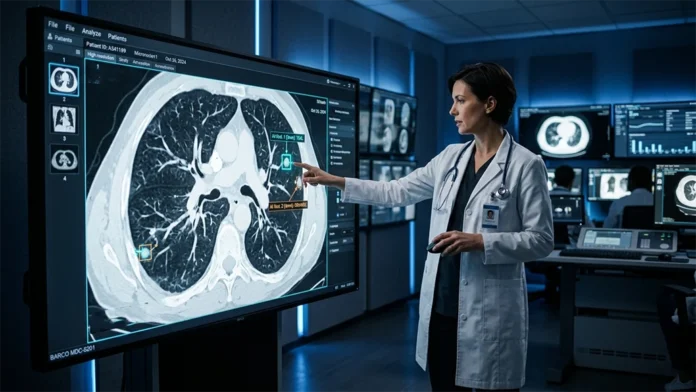
One of the most immediate and impactful applications of AI in diagnostics is in medical image analysis. From X-rays and CT scans to MRIs and microscopic pathology slides, medical imaging generates colossal volumes of data. Traditionally, radiologists and pathologists meticulously scrutinize these images for subtle anomalies. This process is highly demanding and time-consuming. AI algorithms, particularly those leveraging deep learning, are trained on millions of annotated images, enabling them to identify patterns, classify lesions, and even quantify disease progression with astonishing precision. They can detect minute changes that might escape the human eye, or process an entire study in a fraction of the time it would take a human, thereby dramatically enhancing the efficiency and reliability of diagnosis. For example, AI can rapidly screen for early signs of diabetic retinopathy in retinal scans or detect nascent tumors in mammograms, significantly improving the chances of successful intervention.

Precision and Speed: The Hallmarks of AI-Driven Diagnostics

The transformative power of AI powered diagnostics is perhaps best encapsulated by its ability to deliver both unparalleled precision and remarkable speed. These two factors are critically important in clinical settings, where every minute can count and the smallest diagnostic error can have significant consequences for patient health. The relentless processing power of AI systems, combined with their capacity for continuous learning, ensures that diagnostic conclusions are not only swift but also consistently accurate.

Early Disease Detection Through Predictive Analytics

One of the most compelling advantages of AI powered diagnostics improving clinical accuracy lies in its capacity for early disease detection. AI models can analyze a myriad of patient data โ€“ from genetic markers and lifestyle information to subtle physiological changes and routine lab results โ€“ to identify individuals at high risk for developing certain conditions long before symptoms manifest. This predictive capability extends to analyzing complex patterns in medical images that might indicate the earliest stages of diseases like cancer, Alzheimer’s, or cardiovascular conditions. By identifying these preclinical indicators, AI facilitates proactive intervention strategies, allowing for treatments to begin when they are most effective, often leading to better prognoses and significantly improved quality of life for patients. This shift from reactive to proactive care is a monumental step forward in preventive medicine.

Overcoming Human Limitations and Reducing Variability

Human experts, despite their vast knowledge and experience, are subject to inherent limitations such as fatigue, cognitive biases, and variations in expertise. These factors can lead to inconsistencies in diagnosis. AI, however, operates with unwavering objectivity and consistency. Once trained, a diagnostic AI tool will apply the same rigorous analytical framework to every case, eliminating subjective interpretation and significantly reducing diagnostic variability across different practitioners or institutions. This standardization of diagnostic quality ensures that all patients receive the same high level of scrutiny, regardless of where or by whom their diagnosis is performed, bolstering confidence in the overall healthcare system.

How AI Powered Diagnostics Improving Clinical Accuracy Works: A Technical Glimpse

Understanding the mechanisms behind AI powered diagnostics improving clinical accuracy offers insight into its robustness. At its core, AI in diagnostics leverages sophisticated computational models to identify patterns and make predictions from vast, complex datasets. These models are not simply programmed with rules but learn from examples, much like the human brain, but on an exponentially larger scale.

Machine Learning and Deep Learning in Healthcare

The backbone of modern diagnostic AI lies in healthcare machine learning, particularly deep learning. Deep learning models, often structured as artificial neural networks, are capable of learning complex representations from raw data. For instance, in radiology, a deep learning algorithm might be fed millions of chest X-rays, some labeled as “normal” and others as containing specific pathologies like pneumonia or lung nodules. Through iterative training, the network learns to identify the intricate visual features associated with each diagnosis. This process allows the AI to discover subtle correlations and patterns that might not be immediately obvious to a human observer, making it exceptionally powerful for tasks like image classification, object detection, and segmentation within medical scans.

Integrating Diagnostic AI Tools into Existing Workflows

The practical utility of AI powered diagnostics hinges on its seamless integration into existing clinical workflows. Hospitals and clinics are already equipped with Picture Archiving and Communication Systems (PACS) for images and Electronic Health Record (EHR) systems for patient data. Modern diagnostic AI tools are designed to integrate directly with these platforms. For example, an AI algorithm analyzing a CT scan for a suspected stroke can automatically flag critical findings and highlight areas of concern directly on the image, notifying the radiologist immediately. This integration not only streamlines the diagnostic process but also ensures that AI-derived insights are readily available to clinicians at the point of care, becoming an indispensable part of the decision-making process without requiring disruptive changes to established routines.

Impact Across Specialties: Diverse Applications of AI in Healthcare Diagnostics

The versatility of AI powered diagnostics improving clinical accuracy means its impact is not confined to a single medical discipline but extends across a broad spectrum of specialties, enhancing diagnostic capabilities in myriad ways.

Radiology and Pathology: The Forefront of AI Adoption

Radiology and pathology are arguably the trailblazers in adopting AI for diagnostics. In radiology, AI assists in detecting subtle lesions in mammograms that could indicate early-stage breast cancer, identifying small polyps in colonoscopies, or flagging acute abnormalities like intracranial hemorrhages in emergency scans. For pathologists, AI can analyze vast tissue samples, automating cell counting, identifying cancerous cells, and even predicting tumor aggressiveness from microscopic images. This not only expedites the diagnostic process but also provides a second, highly reliable opinion, significantly boosting the confidence in the final diagnosis. The integration of these diagnostic AI tools allows specialists to focus their expertise on the most complex cases, optimizing their time and reducing burnout.

Cardiology, Oncology, and Beyond

Beyond imaging, AI is making significant strides in other critical areas. In cardiology, AI algorithms analyze ECGs to detect arrhythmias and predict cardiac events, often with greater sensitivity than traditional methods. In oncology, AI assists in tumor classification, staging, and even predicting treatment response based on genomic data and patient characteristics, paving the way for truly personalized cancer therapy. Furthermore, AI is being applied in ophthalmology for glaucoma detection, in dermatology for skin lesion analysis, and in gastroenterology for endoscopy video review. The widespread adoption across these diverse fields underscores the universal applicability and profound benefits of AI powered diagnostics improving clinical accuracy.

The Imperative of Data-Driven Clinical Decisions

Ultimately, the goal of incorporating AI into diagnostics is to empower clinicians with the most comprehensive and reliable information possible, facilitating data-driven clinical decisions. This means transforming raw data into actionable intelligence that directly informs patient management.

From Raw Data to Actionable Intelligence

Medical data is notoriously complex and often fragmented. AI excels at synthesizing vast amounts of disparate information from genetic sequences and imaging results to lab values and patient history and identifying meaningful correlations that might be invisible to human analysis. This capability allows AI to generate clear, concise insights and even suggest potential diagnoses or treatment pathways. Instead of presenting clinicians with a deluge of raw numbers, AI delivers refined, actionable intelligence, supporting more informed and confident decisions. This crucial function helps reduce diagnostic errors and ensures that therapeutic strategies are optimally tailored to each patient’s unique profile.

Enhancing Physician Capabilities, Not Replacing Them

It is crucial to emphasize that AI powered diagnostics are designed to enhance, not replace, the irreplaceable judgment and empathy of healthcare professionals. AI serves as a powerful assistive technology, handling repetitive, high-volume tasks and highlighting critical findings. This allows physicians to dedicate more time to complex problem-solving, patient communication, and delivering compassionate care. The synergy between human intelligence and artificial intelligence creates a superior diagnostic ecosystem, one where the strengths of both are leveraged to their maximum potential. The doctor remains the ultimate decision-maker, but now armed with an unprecedented level of support and insight.

Challenges and Ethical Considerations

While the benefits of AI powered diagnostics improving clinical accuracy are undeniable, the journey is not without its challenges. Addressing these hurdles is vital for the responsible and effective deployment of these powerful technologies. Data privacy, given the sensitive nature of health information, is paramount, requiring robust security protocols and anonymization techniques. Bias in AI models, arising from skewed training data that may not adequately represent diverse populations, is another significant concern that could lead to diagnostic disparities. Furthermore, establishing clear regulatory frameworks for the validation and deployment of medical AI is essential to ensure patient safety and build trust.

The Need for Explainable AI

A key ethical consideration is the “black box” problem, where deep learning models can produce accurate results without transparently showing how they arrived at their conclusions. The medical community requires explainable AI โ€“ systems that can provide clear, interpretable reasons for their diagnostic suggestions. This transparency is crucial for clinician trust, for legal accountability, and for continuous learning and refinement of the AI models themselves.

The Future Landscape of Diagnostics with AI

From HHM Globalโ€™s perspective, the future of diagnostics is being shaped by the convergence of artificial intelligence, predictive analytics and personalized care models. Healthcare leaders are now focused on scaling AI-driven solutions that not only enhance clinical accuracy but also deliver measurable improvements in patient outcomes and system efficiency. Looking ahead, the trajectory of AI powered diagnostics improving clinical accuracy points towards an increasingly integrated, personalized and predictive healthcare future. The current advancements are merely a prelude to what is yet to come.

Personalized Medicine and Predictive Health

The continued evolution of healthcare machine learning will propel us further into the realm of personalized medicine. AI will enable clinicians to synthesize an individual’s unique genetic makeup, lifestyle data, environmental factors, and real-time physiological monitoring to create highly individualized diagnostic and treatment plans. This level of personalization will move healthcare beyond broad statistical averages to treatments precisely tailored for each patient, maximizing efficacy and minimizing side effects. Moreover, the predictive capabilities of AI will become even more sophisticated, allowing for continuous risk assessment and proactive health management throughout an individual’s lifespan.

Continuous Learning and Evolution of Healthcare Machine Learning Models

Unlike static software, AI models, particularly those leveraging machine learning, are designed to continuously learn and improve. As more data becomes available, and as clinicians provide feedback on AI-generated diagnoses, these models will refine their algorithms, becoming ever more accurate and nuanced. This iterative improvement ensures that AI powered diagnostics will remain at the cutting edge, adapting to new medical knowledge and emerging disease patterns. The future will see these systems not just assisting in diagnosis but also contributing to medical research, identifying new biomarkers, and accelerating drug discovery, further cementing their role as an indispensable component of modern healthcare.

In conclusion, the advent of AI powered diagnostics improving clinical accuracy marks a pivotal moment in healthcare history. By harnessing the immense capabilities of artificial intelligence for tasks like advanced medical image analysis, early disease detection, and facilitating robust data-driven clinical decisions, we are moving towards a future of unprecedented diagnostic precision. While the journey requires careful navigation of ethical and technical challenges, the undeniable benefits ranging from enhanced patient outcomes to more efficient clinical workflows position AI as a foundational technology in shaping a healthier, more reliable, and more equitable healthcare system for generations to come.

Telehealth Licensure Reform Initiative by Johns Hopkins, ATA

Telehealth Licensure Reform

Johns Hopkins Medicine and American Telemedicine Association have unveiled a joint three-year effort aimed at addressing regulatory barriers that limit telehealth expansion across state lines. The initiative, titled the Licensure Innovation for Telehealth Transformation (LIFTT), is designed to accelerate telehealth licensure reform by advocating for legislative action at the federal level. Announced Wednesday, the program will focus on building awareness among policymakers and the public regarding the need for broader access to virtual care, while advancing practical federal solutions to close existing gaps in care delivery.

Through the LIFTT Initiative, both organizations intend to highlight challenges tied to continuity of care and access to specialized expertise, particularly for underserved patient groups. LIFTT will mobilize supporters, inform policymakers, and engage health systems to enhance our national strategy for interstate telehealth on behalf of patients nationwide, said Helen Hughes, M.D., medical director of Johns Hopkins Medicineโ€™s Office of Telemedicine, in the announcement. The ATA has been a driving force in promoting telehealth at both the federal and state levels. We are thrilled to partner to transform telehealth through targeted federal licensure solutions. The program positions telehealth licensure reform as a critical step toward enabling seamless healthcare delivery beyond geographic boundaries.

Despite what has been described as incremental progress over the past decade, regulatory change remains fragmented due to state-by-state licensure requirements, according to Johns Hopkins Telemedicine resources. Temporary policy relaxations introduced during the COVID-19 pandemic helped expand virtual care access, but many states have since reinstated stricter frameworks, complicating cross-state treatment. These constraints disproportionately affect patients requiring specialized care, including those with rare diseases, cancer, transplant needs, and individuals in rural communities.

The initiative aims to establish federal mechanisms that complement, rather than override, state-level governance. State-specific licensure rules restrict patients from accessing essential healthcare services, especially specialized care, and create unnecessary obstacles to cross-state collaboration, said Kyle Zebley, ATA CEO, in the announcement. Federal oversight can establish a cohesive strategy for telehealth access nationwide, while respecting local governance structures. Zebley also indicated that a complementary effort aligned with the initiative is in development, with further details expected in the near future.

Merit Medical Acquires View Point Medical in $140m Deal

View Point Medical

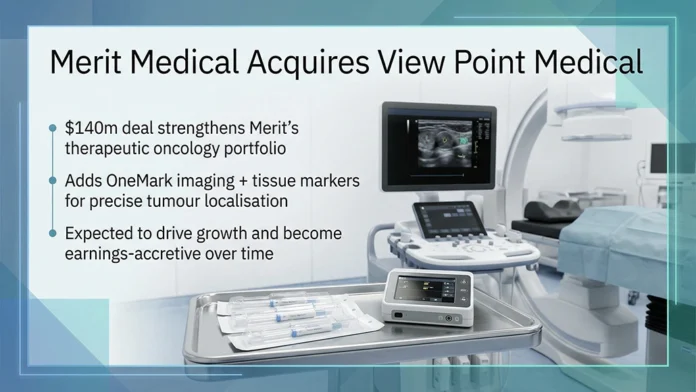
Merit Medical Systems has completed the acquisition of View Point Medical through a merger, bringing the US-based firm fully under its ownership. The Merit Medical acquisition strengthens the companyโ€™s position in therapeutic oncology by adding specialised imaging and tissue marker technologies to its portfolio.

The transaction carries a total value of approximately $140m, including assumed liabilities. Merit paid $90m in cash at closing, while the remaining $50m will be disbursed in two deferred payments of $25m each, scheduled no later than the first and second anniversaries of the closing date. With the integration of View Pointโ€™s capabilities, Merit is broadening its offering in oncology procedures that require precise tumour localisation and imaging support.

View Point Medical is known for manufacturing the OneMark detection imaging system along with OneMark tissue markers. Cleared by the US Food and Drug Administration, the OneMark platform combines a surgical detection console with ultrasound-enhanced tissue markers. These markers are designed to remain visible across standard imaging modalities after placement, while also minimising interference during imaging procedures. When used alongside Meritโ€™s SCOUT platform, the system may reduce the need for additional pre-surgical procedures to identify tumour locations.

From 1 April 2026 through 31 December 2026, Merit expects the acquisition to generate between $2m and $4m in revenue, while reducing previously forecast non-GAAP earnings per share by $0.05. Over the 12 months ending 31 December 2027, revenue contribution is projected to reach between $14m and $16m, with the deal anticipated to become accretive to non-GAAP earnings per share.

Merit Medical Systems president and CEO Martha Aronson said: โ€œThis acquisition expands Meritโ€™s portfolio of therapeutic oncology products dedicated to the accurate diagnosis and localisation of breast and soft tissue tumours.

โ€œView Pointโ€™s unique ultrasound-enhanced technology offers a highly innovative solution to localise more lesions at the time of biopsy โ€“ representing an estimated 1.3 million procedures annually in the US alone.โ€

Financial advisory services for the deal were provided by Piper Sandler, while legal counsel was handled by Baker & McKenzie.

Advanced Rehabilitation Technologies Supporting Faster Recovery

advanced rehabilitation technologies supporting recovery

Key Takeaways:

  • Advanced rehabilitation technologies are revolutionizing patient recovery by offering precision, personalization, and enhanced engagement.
  • Robotic rehabilitation provides high-intensity, repetitive therapy crucial for motor recovery and strength building.
  • Virtual reality solutions create immersive and motivating environments for cognitive, motor, and balance training.
  • Wearable sensors and mobility tracking tools offer objective, real-time data for personalized therapy adjustments and remote monitoring.
  • AI and machine learning personalize treatment plans, optimize therapy progression, and predict outcomes, driving significant rehab innovation.
  • Tele-rehabilitation, enabled by these technologies, expands access to care, ensuring continuity and reducing geographical barriers.
  • These technologies augment, rather than replace, human therapists, fostering a collaborative approach for superior patient outcomes.

The journey to recovery following an injury, stroke, surgery, or chronic condition is often arduous, demanding immense resilience from patients and unwavering dedication from healthcare professionals. For decades, the cornerstone of rehabilitation has been intensive, hands-on physical and occupational therapy, a human-centric approach that remains invaluable. However, we are witnessing a profound transformation in this critical field, propelled by the integration of groundbreaking technological advancements. Today, advanced rehabilitation technologies supporting recovery are not merely augmenting traditional methods; they are reshaping the very paradigm of how individuals regain function, mobility, and independence, paving the way for faster, more effective, and profoundly personalized outcomes. This evolution marks a pivotal moment, promising a future where recovery is not just possible, but optimized with precision and compassion.

The Dawn of a New Era in Recovery Support

Traditional rehabilitation, while effective, often encounters limitations related to therapist fatigue, the need for highly repetitive movements, and the subjective nature of progress assessment. The advent of advanced rehabilitation technologies has stepped in to address these challenges, offering solutions that extend the reach and efficacy of therapy. This new wave of recovery support technology encompasses a diverse array of tools, from sophisticated robotics and immersive virtual environments to intelligent sensors and AI-driven analytics. These innovations are designed to enhance therapeutic intensity, provide objective feedback, increase patient engagement, and ultimately accelerate the recovery trajectory. They are transforming what was once a largely manual process into a data-rich, highly interactive, and often more enjoyable experience for patients.

Robotic Rehabilitation: Precision and Intensity Redefined

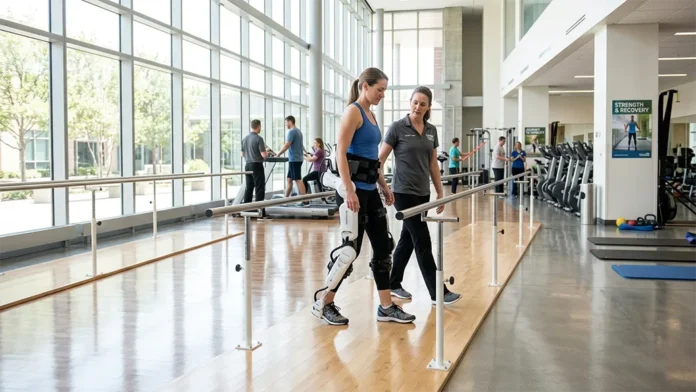
Among the most impactful advanced rehabilitation technologies supporting recovery are robotic systems. These marvels of engineering provide unparalleled precision and the capacity for high-intensity, repetitive movements that are often crucial for neurorehabilitation and motor learning. Consider, for instance, exoskeletons that assist patients with spinal cord injuries or stroke survivors in gait training, enabling them to practice walking patterns with correct biomechanics. These robotic devices provide partial body weight support while guiding limb movements, allowing for thousands of repetitions โ€“ a feat impossible for human therapists alone.

Similarly, robotic arms and hand devices are revolutionizing upper limb therapy. Patients can engage in targeted exercises designed to improve fine motor skills, strength, and range of motion. The beauty of robotic rehabilitation lies not just in its ability to deliver consistent, tireless therapy, but also in its capacity to objectively measure performance. Therapists can track metrics like force output, range of motion, and movement accuracy over time, providing concrete data on progress and allowing for dynamic adjustment of therapy parameters. These devices act as powerful patient recovery tools, offering consistent, quantifiable intervention that can significantly accelerate functional gains.

Immersive Worlds: Virtual Reality in Rehabilitation

The realm of virtual reality (VR) has moved beyond gaming to become a powerful therapeutic modality. Virtual rehab solutions immerse patients in interactive digital environments, turning often monotonous exercises into engaging, goal-oriented tasks. For individuals recovering from stroke, traumatic brain injury, or balance disorders, VR can provide a safe and controlled space to practice movements, cognitive tasks, and balance strategies without the fear of falling or injury.

Imagine a patient practicing reaching for virtual objects to improve upper limb coordination, navigating a virtual supermarket aisle to enhance cognitive planning, or walking on a simulated tightrope to improve balance and proprioception. These scenarios can be customized to match individual patient needs and progress levels, offering immediate feedback and increasing motivation. The engaging nature of VR significantly boosts patient adherence to therapy programs, making it an invaluable recovery support technology that fosters neuroplasticity and skill acquisition in an enjoyable manner. The psychological benefits of feeling a sense of accomplishment within these virtual worlds cannot be overstated, contributing positively to overall well-being during a challenging recovery period.

Wearable Sensors and Mobility Tracking: Quantifying Progress

The proliferation of wearable technology has brought objective data collection directly to the patient, both within and outside the clinical setting. Mobility tracking devices, often in the form of small, discreet sensors worn on the body, can continuously monitor various parameters such as gait speed, stride length, balance sway, activity levels, and even joint angles. This provides a comprehensive, real-time picture of a patient’s functional capabilities and how they evolve over time.

For therapists, this objective data is transformative. Instead of relying solely on observational assessments, they can analyze precise movement patterns, identify subtle improvements, or pinpoint areas requiring more intensive intervention. This data-driven approach allows for highly personalized adjustments to physical therapy technology programs, optimizing efficacy. Furthermore, these wearables facilitate remote monitoring, extending the reach of rehabilitation beyond the clinic walls. Patients can perform exercises at home while their progress is tracked, allowing therapists to provide feedback and adjust protocols remotely, enhancing continuity of care and providing valuable patient recovery tools that empower individuals to take an active role in their healing journey.

Gamification and Interactive Platforms: Engaging the Patient

One of the persistent challenges in rehabilitation is maintaining patient engagement, especially during long-term recovery processes. The repetitive nature of many exercises can lead to boredom and decreased motivation. This is where gamification, integrated into advanced rehabilitation technologies, plays a crucial role. By turning therapeutic exercises into game-like experiences with scores, levels, challenges, and rewards, these platforms make rehabilitation more enjoyable and less like a chore.

Interactive platforms can include apps that guide patients through their home exercise programs, providing visual demonstrations, tracking completion, and offering encouraging feedback. This not only improves adherence but also gives patients a sense of agency and achievement. The personalized feedback loops and adaptive difficulty levels inherent in these systems mean that the therapy evolves with the patient, keeping them challenged but not overwhelmed. Such innovative approaches are fundamental to creating effective patient recovery tools that maintain engagement over the long haul.

AI and Machine Learning: Personalizing the Recovery Journey

The true power of rehab innovation lies in the intelligent processing of the vast amounts of data generated by these technologies. Artificial intelligence (AI) and machine learning algorithms are emerging as game-changers, enabling unparalleled personalization in rehabilitation. By analyzing data from robotic sessions, VR interactions, wearable sensors, and clinical records, AI can identify intricate patterns, predict potential recovery trajectories, and even recommend optimal treatment adjustments.

For example, an AI system might detect subtle inefficiencies in a patient’s gait pattern that are not immediately obvious to the human eye, suggesting specific exercises to correct them. It can adapt the difficulty of a VR game in real-time based on the patient’s performance or predict when a patient might be approaching a plateau, prompting therapists to introduce new challenges. This level of data-driven insight allows for highly dynamic and optimized treatment plans, ensuring that each patient receives the most effective and personalized intervention possible. AI transforms generic protocols into bespoke recovery pathways, making advanced rehabilitation technologies supporting recovery incredibly precise and effective.

Tele-rehabilitation: Expanding Access and Continuity of Care

The integration of advanced rehabilitation technologies has significantly bolstered the capabilities of tele-rehabilitation, making high-quality care accessible to a wider population. Through secure digital platforms, patients can engage in virtual therapy sessions from the comfort of their homes, eliminating geographical barriers and reducing the burden of travel. This is particularly beneficial for individuals in rural areas, those with limited mobility, or those with compromised immune systems.

Tele-rehabilitation combines live video consultations with remote monitoring tools, interactive exercise platforms, and even VR applications. Therapists can guide patients through exercises, assess their form, and provide immediate feedback, much like in an in-person session. The data collected by wearable sensors can be transmitted directly to the therapist, allowing for continuous oversight and adjustment of the home exercise program. This continuity of care, facilitated by advanced rehabilitation technologies supporting recovery, is vital for sustained progress and preventing setbacks, ultimately making rehabilitation more inclusive and efficient.

The Interplay of Technology and Human Touch

It is crucial to understand that advanced rehabilitation technologies are not designed to replace the human element of therapy, but rather to augment and empower it. The compassionate touch, clinical expertise, empathetic understanding, and skilled problem-solving of a human therapist remain irreplaceable. Technology serves as a powerful ally, providing therapists with sophisticated patient recovery tools and data-driven insights that enhance their ability to deliver superior care.

By automating repetitive tasks and providing objective data, these technologies free up therapists to focus on higher-level clinical reasoning, patient motivation, and complex problem-solving. The collaboration between human intuition and technological precision creates a synergistic environment where patients receive the best of both worlds. This symbiotic relationship ensures that the future of rehab innovation will always be centered on the patient, leveraging technology to amplify the effectiveness of human care.

Conclusion

The evolution of rehabilitation is undeniable, and advanced rehabilitation technologies supporting recovery are at the forefront of this revolution. From the precision of robotic systems and the immersive engagement of virtual reality to the data-driven insights of wearable sensors and AI, these innovations are fundamentally transforming the recovery journey. They offer unparalleled personalization, enhance motivation, provide objective progress tracking, and expand access to care, ultimately leading to faster, more complete, and sustainable outcomes for countless individuals. As these technologies continue to advance, the future promises an even more optimistic landscape for recovery, where the path back to independence is guided by intelligent tools, compassionate care, and unwavering hope. The era of empowered rehabilitation is truly upon us, driven by a relentless pursuit of better patient lives through cutting-edge rehab innovation.

Smart Medical Devices for Patient Monitoring Systems

smart medical devices for patient monitoring

Key Takeaways:

  • ย Smart medical devices are fundamentally changing patient monitoring by offering continuous, real-time data.
  • They facilitate remote patient monitoring, expanding care beyond traditional hospital walls to home settings.
  • These devices enhance clinical decision-making through immediate alerts and comprehensive data analytics.
  • Integration of connected medical devices optimizes hospital monitoring technology and workflow efficiency.
  • The shift towards digital patient care empowers individuals and promotes proactive health management.

Smart Medical Devices Transforming Patient Monitoring Systems

The modern healthcare landscape is experiencing a seismic shift, driven by technological advancements that are fundamentally reshaping how patient care is delivered and managed. At the forefront of this transformation is the integration of smart medical devices for patient monitoring, a development that is not merely incremental but truly revolutionary. These innovative technologies are moving beyond traditional, often intermittent, observation methods to establish continuous, real-time data streams that provide an unprecedented depth of insight into a patient’s physiological state. This article delves into how these sophisticated devices are not just enhancing, but actively redefining patient monitoring systems, paving the way for more proactive, personalized, and efficient healthcare.

The Imperative for Evolution in Patient Monitoring

For decades, patient monitoring, particularly in hospital settings, relied heavily on nurses and medical staff performing periodic checks, using often cumbersome equipment, and manually charting vital signs. While effective to a degree, this approach had inherent limitations: delayed detection of critical changes, labor-intensive workflows, and a lack of continuous data context. The demand for more granular, immediate, and accessible health data, coupled with an aging global population and a rising prevalence of chronic diseases, necessitated a paradigm shift. The advent of highly capable smart medical devices presented the perfect answer, promising a future where healthcare is less reactive and more predictive. These devices are crucial for evolving traditional patient care.

Bridging the Gap Between Observation and Intervention

The traditional model often created a gap between the onset of a health event and its detection, leading to potential delays in intervention. Smart medical devices for patient monitoring are designed specifically to bridge this gap. By continuously collecting and transmitting data, they offer an immediate window into a patient’s health trajectory, enabling earlier recognition of deteriorating conditions or subtle improvements. This capability is not just about convenience; it’s about fundamentally improving patient outcomes by facilitating timely and informed clinical decisions. The integration of such devices represents a pivotal advancement in safeguarding patient well-being, both within clinical environments and beyond.

Defining the Core of Smart Medical Devices in Monitoring

At their essence, smart medical devices are sophisticated instruments equipped with sensors, processing capabilities, and connectivity features that allow them to collect, analyze, and transmit health data. Unlike their traditional counterparts, these are connected medical devices that leverage wireless technologies such as Bluetooth, Wi-Fi, and cellular networks to communicate with central systems, cloud platforms, or even directly with healthcare providers. This connectivity is the linchpin that transforms isolated data points into a comprehensive, actionable narrative of a patient’s health. They range from wearable sensors for continuous glucose monitoring to sophisticated implantable cardiac devices, all designed with the overarching goal of enhancing surveillance without increasing the burden on patients or clinicians.

The Ecosystem of Connected Patient Monitoring

The effectiveness of these devices lies not just in their individual capabilities but in their ability to form an interconnected ecosystem. This ecosystem includes the devices themselves, secure data transmission protocols, robust data storage solutions, and advanced analytics platforms that can interpret vast amounts of information. This holistic approach ensures that the data collected by smart medical devices for patient monitoring is not merely raw numbers, but intelligent insights that inform care strategies. The secure and efficient flow of this data is paramount to realizing the full potential of digital patient care.

The Power of Real-Time Health Monitoring and Data Insights

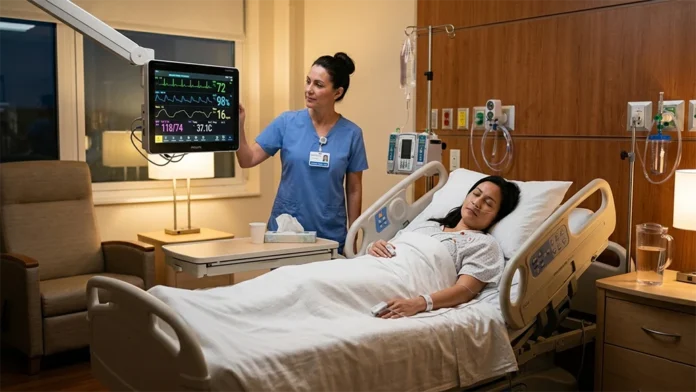
One of the most significant advantages brought by these innovations is the capability for real-time health monitoring. Imagine a patient recovering from surgery, where every fluctuation in heart rate, oxygen saturation, or temperature is instantly captured and analyzed. This continuous stream of data allows clinicians to track trends, identify anomalies, and intervene proactively, often before a critical event escalates. The days of nurses manually checking vitals every few hours are being superseded by systems that offer persistent, immediate updates, dramatically reducing the window of undetected decline.

From Raw Data to Actionable Intelligence

The true value of real-time health monitoring extends beyond mere data collection; it lies in the ability to convert this torrent of information into actionable intelligence. Advanced algorithms and machine learning models can process complex datasets, identify subtle patterns indicative of impending health issues, and even predict potential risks. This intelligent analysis empowers healthcare providers with deeper insights, enabling them to tailor interventions more precisely and to anticipate patient needs, leading to more personalized and effective treatment plans.

The Rise of Remote Patient Monitoring

Perhaps no aspect has been as profoundly impacted as remote patient monitoring. These technologies extend the reach of healthcare far beyond the traditional confines of clinics and hospitals, allowing patients to be monitored in the comfort and familiarity of their own homes. For individuals managing chronic conditions like diabetes, hypertension, or heart failure, home health monitoring devices such as smart blood pressure cuffs, continuous glucose monitors, and wearable ECG patches provide invaluable daily data. This not only reduces the need for frequent in-person visits but also gives patients a greater sense of control and involvement in their own health management.

Empowering Home Health and Reducing Hospital Readmissions

The shift to home health monitoring represents a strategic move towards preventative care and a reduction in healthcare costs. By continuously monitoring patients post-discharge, for example, healthcare systems can detect early warning signs of complications, intervene remotely, and significantly reduce hospital readmissions. This not only improves the patient’s quality of life but also optimizes resource allocation within the healthcare system, demonstrating a clear economic and clinical benefit of smart medical devices for patient monitoring. This trend is reshaping the delivery model for chronic disease management and post-acute care.

Enhancing Clinical Decision-Making and Alert Systems

The integration of smart medical devices for patient monitoring provides clinicians with an unparalleled level of data to inform their decisions. Beyond just continuous data, these systems often incorporate intelligent alert mechanisms. When predefined thresholds are exceeded, or concerning trends are identified, automated alerts are sent to the care team, often prioritized by urgency. This ensures that critical situations are brought to attention swiftly, allowing for rapid assessment and intervention. This capability is a cornerstone of improved safety and efficiency within patient monitoring systems.

Mitigating Alarm Fatigue and Focusing Attention

While alerts are vital, poorly managed alarm systems can lead to “alarm fatigue” among staff. Modern connected medical devices and their accompanying software are designed to be smarter, utilizing algorithms to filter out benign fluctuations and provide contextually relevant alerts. This intelligent filtering helps clinicians focus their attention on truly critical issues, enhancing their decision-making process by providing clearer, more refined information. It ensures that the benefits of continuous monitoring do not come at the cost of overwhelming medical personnel.

Impact on Hospital Monitoring Technology and Workflow Efficiency

Within hospitals, smart medical devices for patient monitoring are revolutionizing existing hospital monitoring technology. Traditional wired setups are giving way to wireless, integrated systems that offer greater flexibility, mobility, and data accessibility. Nurses can check patient vitals from a central station, specialists can review data remotely, and alarms can be configured to reach the appropriate care provider directly. This seamless integration streamlines workflows, reduces the time spent on manual data entry, and allows healthcare professionals to dedicate more time to direct patient care rather than administrative tasks.

Optimizing Resource Allocation and Patient Flow

By providing real-time insights into patient status across an entire unit or even a hospital, these advanced patient monitoring systems enable better resource allocation. For instance, staff can be dispatched more efficiently to patients requiring immediate attention, and bed management can be optimized based on acuity levels. This operational efficiency is a critical factor in managing the increasing demands on healthcare infrastructure, proving that the transformation extends beyond clinical outcomes to core operational aspects.

Empowering Digital Patient Care and Engagement

The advent of smart medical devices for patient monitoring is fundamentally shifting the dynamic of patient care towards a more collaborative model. Patients are no longer passive recipients of care but active participants in their health journey. With accessible dashboards and intuitive apps, individuals can view their own health data, understand trends, and adhere more effectively to treatment plans. This level of engagement fosters greater self-management capabilities and promotes a proactive approach to wellness, a core component of digital patient care.

Fostering Health Literacy and Proactive Wellness

By making health data transparent and comprehensible, these devices enhance health literacy. Patients gain a better understanding of how their lifestyle choices impact their health metrics, empowering them to make informed decisions. This proactive engagement, supported by smart medical devices for patient monitoring, is a cornerstone of modern preventive care strategies, moving healthcare from a reactive illness model to a proactive wellness model. It is a powerful driver for fostering long-term health and well-being.

Navigating the Future of Patient Monitoring

The trajectory for smart medical devices for patient monitoring is one of continuous innovation. We can anticipate even more sophisticated sensors, enhanced AI-driven analytics, and seamless integration with broader digital health platforms. Challenges remain, particularly concerning data security, interoperability across different systems, and ensuring equitable access to these technologies. However, the benefits in terms of improved patient outcomes, enhanced operational efficiency, and a more empowered patient population are undeniable.

The transformative power of smart medical devices for patient monitoring is not a futuristic concept; it is a present-day reality rapidly shaping the healthcare landscape. These devices are more than just gadgets; they are vital tools that enable real-time health monitoring, facilitate remote patient monitoring, optimize hospital monitoring technology, and ultimately foster a future of truly proactive and personalized digital patient care. Their continued evolution promises to deliver ever-greater capabilities, driving healthcare into an era defined by precision, responsiveness, and patient empowerment.

Smart Hospital Solutions Improving Operational Efficiency

smart hospital solutions improving operational efficiency

Key Takeaways:

  • Smart hospitals leverage advanced technologies like AI, IoT, and automation to create highly interconnected and efficient environments.
  • Automation significantly enhances operational efficiency by streamlining administrative tasks, patient services, and even clinical processes, freeing up staff for direct patient care.
  • Intelligent asset tracking and robust data integration are foundational, enabling real-time resource management, predictive analytics, and informed decision-making across the hospital.
  • These solutions not only optimize internal operations but also profoundly improve the patient experience through personalized care, reduced wait times, and seamless communication.
  • The widespread adoption of smart hospital solutions is crucial for building a resilient, cost-effective, and patient-centric healthcare future, despite challenges like initial investment and cybersecurity.

The landscape of healthcare is undergoing a profound metamorphosis, shifting from traditional, often siloed operations to an interconnected, intelligent ecosystem. At the forefront of this evolution are smart hospital solutions, a comprehensive suite of technologies designed to fundamentally redefine how healthcare facilities function. This paradigm shift is not merely about introducing new gadgets it’s about creating an integrated environment where every process, every piece of equipment, and every individual is part of a larger, optimized system. The overarching goal is clear: smart hospital solutions improving operational efficiency across the entire spectrum of care delivery, from the moment a patient steps through the doors to their recovery journey and beyond.

Hospitals, by their very nature, are complex operations, balancing critical patient care with immense administrative and logistical demands. Historically, these demands have often led to bottlenecks, resource wastage, and fragmented data. However, the advent of smart technologies including the Internet of Things (IoT), Artificial intelligence (AI), machine learning, and advanced robotics has unlocked unprecedented opportunities to address these challenges head-on. The transformation into a smart hospital is, therefore, an imperative for any institution aspiring to deliver superior patient outcomes while also ensuring fiscal sustainability in an increasingly competitive and demanding healthcare environment.

The Core of Smart Hospitals: Beyond Digitalization

To truly grasp the essence of smart hospitals, it’s vital to differentiate them from simply โ€˜digitalโ€™ hospitals. While digitalization involves converting information into a digital format and using electronic systems, smart hospitals go several steps further. They are characterized by seamless integration, real-time data exchange, predictive analytics, and autonomous systems. This means that a smart hospital isn’t just using an Electronic Health Record (EHR) system it’s an environment where the EHR communicates instantly with smart beds, medical devices, supply chain logistics, and even the building’s infrastructure.

At its heart, a smart hospital is an intelligent ecosystem built on interconnected technologies. It leverages data from myriad sources patient wearables, diagnostic equipment, facility sensors, and administrative systems to generate actionable insights. These insights then drive automated processes, facilitate quicker, more informed decisions, and proactively address potential issues before they escalate. This holistic approach ensures that resources are allocated optimally, staff operate at peak efficiency, and patients receive more personalized and timely care. It’s about creating a responsive, adaptive, and highly effective healthcare environment.

Leveraging Automation for Enhanced Workflows

One of the most significant contributions of smart hospital solutions improving operational efficiency lies in the realm of automation. Traditional hospital workflows are often burdened by repetitive, manual tasks that consume valuable staff time and are prone to human error. Automation, powered by smart technologies, liberates healthcare professionals from these burdens, allowing them to focus on what they do best: patient care.

Automated Patient Registration and Scheduling

Consider the patient journey, which typically begins with registration and scheduling. In many traditional settings, this process can be slow, error-prone, and frustrating for patients. Smart hospital solutions introduce automated kiosks, online portals, and AI-driven chatbots that streamline appointment scheduling, pre-registration, and even insurance verification. Patients can complete necessary paperwork digitally, reducing wait times upon arrival and ensuring that administrative staff can dedicate their time to more complex inquiries rather than routine data entry. This not only enhances the patient experience but also significantly boosts the efficiency of front-desk operations. The impact on healthcare workflow optimization here is profound, reducing administrative overhead and improving patient flow.

Robotics in Clinical and Non-Clinical Operations

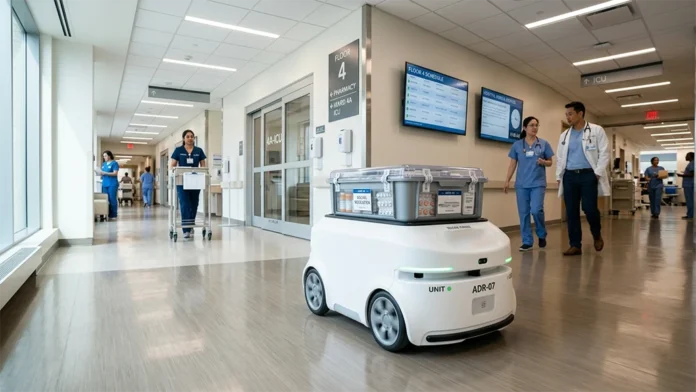
Beyond administrative tasks, robotics is transforming both clinical and non-clinical hospital operations. In the operating room, robotic-assisted surgery offers greater precision, minimally invasive procedures, and faster patient recovery times. But the scope of hospital automation extends far beyond surgical suites. Autonomous robots are increasingly deployed for tasks such as delivering medication, transporting lab samples, sterilizing rooms, and even managing inventory. These robots can navigate complex hospital environments, operate around the clock, and reduce the risk of human error or cross-contamination. This frees nurses, orderlies, and other support staff from arduous logistical duties, enabling them to spend more time directly interacting with patients, thus enhancing the quality of care and increasing overall staff satisfaction.

Intelligent Asset Tracking and Resource Management

Hospitals are veritable treasure troves of high-value equipment, from MRI machines and ventilators to infusion pumps and wheelchairs. Misplacing or inefficiently utilizing these assets can lead to significant financial losses, delays in care, and operational frustrations. Smart hospital solutions improving operational efficiency tackle this challenge head-on through sophisticated asset tracking and resource management systems.

Real-time Location Systems (RTLS) and IoT

The deployment of Real-time Location Systems (RTLS) is a cornerstone of smart asset management. By integrating IoT sensors into equipment and even staff badges, hospitals can track the precise location of every vital asset in real-time. This eliminates the frantic search for available equipment, ensures that critical devices are where they need to be, and optimizes their utilization rates. For instance, if a specific surgical tool is needed urgently, its exact location can be pinpointed instantly, reducing delays in crucial procedures. Furthermore, RTLS can monitor the operational status and maintenance needs of equipment, facilitating proactive servicing and preventing unexpected downtime. This robust hospital asset tracking capability minimizes waste and maximizes the return on investment for expensive medical devices.

Optimizing Inventory and Supply Chain

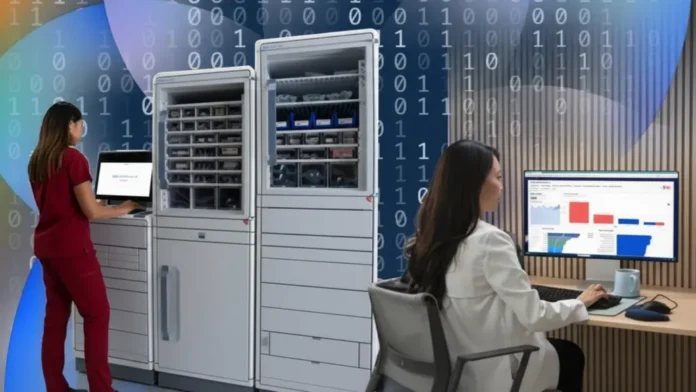
Beyond tracking individual assets, smart hospital solutions extend to the entire supply chain. Predictive analytics, driven by AI, can analyze historical usage data, patient admissions, and upcoming procedure schedules to forecast demand for medical supplies and pharmaceuticals. This allows hospitals to maintain optimal inventory levels, reducing the likelihood of stockouts while simultaneously minimizing excess inventory that ties up capital and expires. Automated dispensing cabinets, integrated with the central supply chain system, ensure that the right medications and supplies are available at the point of care, reducing the time nurses spend retrieving items and enhancing patient safety by minimizing medication errors. This integrated approach to inventory management is a prime example of how smart healthcare systems drive profound efficiency gains.

Data Integration: The Central Nervous System of a Smart Hospital

The sheer volume of data generated within a hospital is immense, yet its true value often remains untapped due to fragmented systems and disparate data sources. A hallmark of smart hospital solutions improving operational efficiency is their ability to seamlessly integrate this vast sea of information, transforming raw data into actionable intelligence.

Unified Data Platforms

At the core of a smart hospital lies a unified data platform that acts as its central nervous system. This platform brings together data from EHRs, laboratory information systems, radiology systems, IoT sensors on medical devices, building management systems, and even patient feedback mechanisms. By breaking down data silos, a comprehensive, real-time view of every aspect of hospital operations becomes available. Clinicians can access a patientโ€™s complete medical history, real-time vital signs from monitoring devices, and even environmental data from their room, all from a single interface. This holistic perspective enables more accurate diagnoses, personalized treatment plans, and better-coordinated care. The robust data integration in hospitals is not just a technical feature it’s a foundational enabler for superior clinical and operational decision-making.

Predictive Analytics for Proactive Management

With integrated data, hospitals can move beyond reactive problem-solving to proactive management. Predictive analytics tools, powered by machine learning, can analyze historical and real-time data patterns to forecast future events. For instance, they can predict surges in patient admissions, identify patients at high risk of readmission, or even forecast equipment failures. This foresight allows hospital management to optimize staffing levels, allocate resources more effectively, and intervene early in patient care pathways, preventing adverse events. Such capabilities transform hospital management from a reactive exercise into a strategic, forward-looking discipline, greatly enhancing overall operational efficiency in healthcare.

Enhancing Patient Experience Through Smart Solutions

While operational efficiency is a primary driver, smart hospital solutions concurrently elevate the patient experience. A more efficient hospital environment naturally translates to better, more responsive, and more personalized care.

Personalized Care Pathways

With comprehensive data integration and predictive analytics, healthcare providers can craft highly personalized care pathways. This means tailoring treatment plans, medication schedules, and follow-up care based on an individual patient’s unique health profile, risk factors, and even preferences. Smart beds can monitor vital signs and automatically adjust position for comfort or to prevent bedsores. Interactive patient portals allow individuals to access their health records, communicate with their care team, and participate more actively in their own recovery, fostering a sense of empowerment.

Seamless Navigation and Communication

For patients and visitors, navigating large hospital campuses can be a source of stress. Smart hospital solutions often include indoor navigation apps that guide individuals to their appointments, labs, or loved ones’ rooms. Digital signage and personalized alerts keep patients informed about wait times, appointment changes, and care instructions. Moreover, integrated communication platforms facilitate seamless interaction between patients and their care team, allowing for quick questions and reassurance without the need for physical presence, enhancing comfort and reducing anxiety.

The Broader Impact: Towards Sustainable Healthcare Operations

The collective impact of smart hospital solutions improving operational efficiency extends far beyond individual departments. These technologies lay the groundwork for a more sustainable, resilient, and patient-centric healthcare system. By reducing waste, optimizing resource utilization, and streamlining workflows, smart hospitals can significantly lower operational costs while simultaneously improving the quality and accessibility of care. This leads to better financial health for the institution, allowing for reinvestment in advanced technologies and staff development.

Furthermore, by reducing the burden of manual tasks and providing staff with better tools and information, smart hospital solutions contribute to improved staff satisfaction and retention. This is crucial in an industry often plagued by burnout and staffing shortages. Ultimately, these integrated solutions fortify the entire framework of hospital management technology, making healthcare delivery more robust, responsive, and ready for future challenges.

Challenges and the Road Ahead

While the benefits are compelling, the journey to becoming a truly smart hospital is not without its challenges. Significant initial investment is required for infrastructure upgrades, new technologies, and staff training. Cybersecurity is another paramount concern, given the sensitive nature of patient data and the interconnectedness of systems. Ensuring interoperability between diverse systems from different vendors also demands careful planning and execution.

Despite these hurdles, the trajectory towards smart hospitals is irreversible. As technologies mature and become more cost-effective, and as the imperative for efficiency and superior patient outcomes grows, the adoption of these solutions will only accelerate. The future of healthcare resides in intelligent, integrated environments where technology empowers human expertise, creating a system that is not only efficient but also profoundly compassionate.

In conclusion, the strategic implementation of smart hospital solutions improving operational efficiency represents a pivotal moment in healthcare evolution. By leveraging automation, intelligent asset tracking, and comprehensive data integration, hospitals can transform their operations, delivering higher quality care more effectively and sustainably. This is not merely an upgrade it is a fundamental reimagining of what a hospital can be, paving the way for a healthier, more efficient future for all.

BD Launches AI Medication Dispensing System Across Europe

AI Medication Dispensing System

BD (Becton, Dickinson and Company) has introduced its latest AI medication dispensing system to the European market, marking a strategic expansion of its connected healthcare solutions. The rollout includes the BDยฎ Pyxisโ„ข Pro Dispensing Solution alongside the BDยฎ Incadaโ„ข Connected Care Platform. Together, these technologies are designed to modernize medication management by combining automation with AI-driven insights, enabling healthcare providers to streamline workflows while maintaining a stronger focus on patient care.

At the operational level, the BDยฎ Pyxisโ„ข Pro Dispensing Solution is engineered to improve how medications are stored, accessed, and managed within hospital environments. Its modular, stackable design allows for increased storage capacity within the same physical footprint, accommodating both refrigerated and ambient medications. This approach supports healthcare systems in adapting to shifting patient needs while maintaining consistent medication availability. Enhanced security features such as RFID badge scanning, wireless barcode scanners, and illuminated bins aim to strengthen controlled substance management and simplify medication retrieval processes. In this context, the AI medication dispensing system is positioned as a tool to reduce inefficiencies and disruptions across clinical workflows.

The expansion also includes plans to extend the AI-enabled BD Incadaโ„ข Analytics platform already established in the United States to European hospitals and health systems next year. Built on Amazon Web Services’ (AWS) on-demand cloud computing infrastructure, the BD Incadaโ„ข Platform integrates advanced AI capabilities, including natural language search in analytics. The system is designed to scale alongside the data generated by nearly three million connected BD devices, offering clinicians enterprise-wide visibility into medication inventory through customizable dashboards. These capabilities support pattern identification, improved medication availability, reduced waste, and enhanced labor efficiency.

To address regional requirements, BD will utilize the AWS European Sovereign Cloud, enabling EU healthcare systems to meet digital sovereignty standards while maintaining performance, security, and scalability. “BD’s innovations in medication management are setting a new standard for unified, data-driven healthcare operations,” said Esteban Rossi, vice president and general manager for Medication Management Solutions, EMEA at BD. “Delivering the BDยฎ Pyxisโ„ข Pro Dispensing Solution and BDยฎ Incadaโ„ข Platform directly to European hospitals empowers our customers to strengthen medication availability, improve efficiency and enhance patient care.” The Pyxisโ„ข Pro Dispensing Solution is expected to be deployed across Europe in the coming months, with support for 15 languages.

Boston Scientific Asurys System Secures US FDA Clearance

Boston Scientific

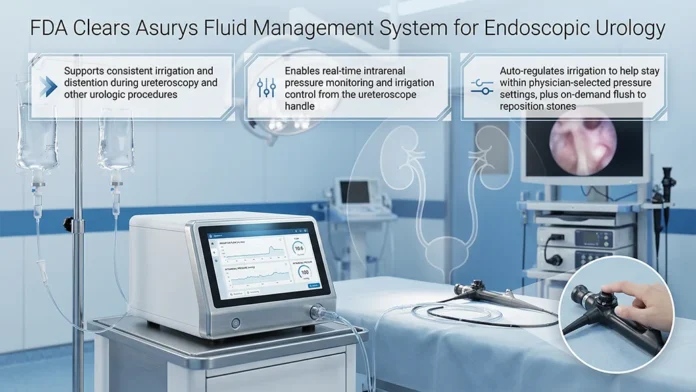
Boston Scientific has secured 510(k) clearance from the US Food and Drug Administration for its Asurys system, a fluid management platform designed to support irrigation and distention during endoscopic urologic procedures such as ureteroscopy. The clearance positions the Asurys system as a new addition within the companyโ€™s StoneSmart Solutions product ecosystem, which focuses on kidney stone management and treatment. The system is intended to help clinicians maintain consistent irrigation flow while managing intrarenal pressure (IRP), two factors considered critical during such procedures.

The Asurys system can be integrated with the LithoVue Elite single-use digital flexible ureteroscope, enabling real-time monitoring of intrarenal pressure. When paired, physicians can directly control irrigation from the scope handle, streamlining procedural workflows. The platform also includes an on-demand flush feature, activated via the ureteroscope, allowing repositioning of stones without requiring manual irrigation or assistance from support staff. Beyond ureteroscopy, the system is indicated for use in percutaneous nephrolithotomy (PCNL), cystoscopy, and benign prostatic hyperplasia (BPH) procedures.

Boston Scientific indicated that a limited market release of the Asurys system in the US will begin in the coming days. The company emphasised the systemโ€™s ability to respond dynamically to procedural requirements, particularly in maintaining irrigation efficiency while controlling pressure levels.

Boston Scientific Urology chief medical officer Dr Ronald Morton said: โ€œBased on feedback gathered through our work with urologists, we know measuring and managing intrarenal pressure (IRP) while maintaining irrigation flow for visualisation is increasingly important.

โ€œUntil now, there has not been a system that can automatically respond to IRP data in real-time. The Asurys fluid management system can automatically regulate irrigation inflow to help minimise the potential of exceeding physician-selected IRP settings.โ€

Earlier this year, Boston Scientific also reported data outlining the benefits of spinal cord stimulation (SCS) therapies within its neuromodulation portfolio.

Herbalife Bioniq Deal Strengthens Personalized Nutrition

Personalized Nutrition

Health and wellness company Herbalife has agreed to acquire assets from Bioniq, marking a further step in its transition toward a data-led, personalized nutrition platform. The UK-based business develops individualized supplements designed to make health insights more accessible and actionable. The move builds directly on Herbalifeโ€™s 2025 acquisitions of Pro2col and Link BioSciences, extending its capability to deliver personalized nutrition through integrated technologies and data systems.

The combination is expected to bring together Bioniqโ€™s biomarker-based formulation approach with Pro2colโ€™s digital health application and Link BioSciencesโ€™ processing of biometrics, biomarkers, lifestyle data, DNA, and application-derived inputs. Herbalife states that these additions will enable it to provide a broader portfolio of customized supplements across multiple delivery formats, reinforcing its positioning in personalized nutrition at scale.

โ€œThe future of health and wellness is becoming more personalized and informed by data,โ€ says Stephan Gratziani, Herbalife CEO. โ€œBy combining Bioniqโ€™s personalized supplement technology with Pro2col and the power of our global distributor network, we are expanding our ability to deliver personalized wellness at a global scale.โ€

The transaction is expected to close in Q2 of 2026, subject to customary closing conditions and regulatory approvals. The company plans to introduce Bioniqโ€™s solutions to customers in the US and select European markets later this year through its distributor network.

Bioniqโ€™s platform combines a patented personalization framework, individual health data, and a proprietary biomarker database to generate supplement formulations suited to a wide spectrum of users, from general consumers to high-performance athletes. โ€œI founded Bioniq in 2019 with a vision to help people optimize their well-being through a science-driven approach to nutrition that incorporates biomarker and lifestyle data,โ€ says Vadim Fedotov, founder and president of Bioniq. โ€œI am excited to join Herbalife with its global distributor network and commitment to advancing wellness at scale.โ€

Herbalife has also secured a call option to acquire Bioniz LAB, a platform focused on small molecules and peptides, enabling evaluation of longer-term opportunities. Cristiano Ronaldo, a nutrition partner of Herbalife and shareholder in Bioniq, supports the strategy. โ€œThroughout my career, biometrics and personalized nutrition have been central to helping me perform and compete at the highest level,โ€ says Ronaldo. โ€œIโ€™ve experienced firsthand how a tailored approach to nutrition can help optimize performance.โ€ He adds, โ€œIโ€™m delighted to see Bioniqโ€™s personalized supplements become part of Herbalifeโ€™s expanding access to nutritional supplements, helping people take a more informed approach to their health, wellness, and performance.โ€

The deal comes amid continued consolidation across the nutrition sector. Danone recently agreed to acquire Huel to expand its functional nutrition offering, while Lone Star Funds announced plans to acquire the Capsules & Health Ingredients division of Lonza Group. In parallel, Darling Ingredients and Tessenderlo Group combined collagen and gelatin operations into a new entity expected to generate US$1.5 billion in revenue.

Redefining Healthcare Teams with Human Robot Synergy

human robot synergy healthcare teams

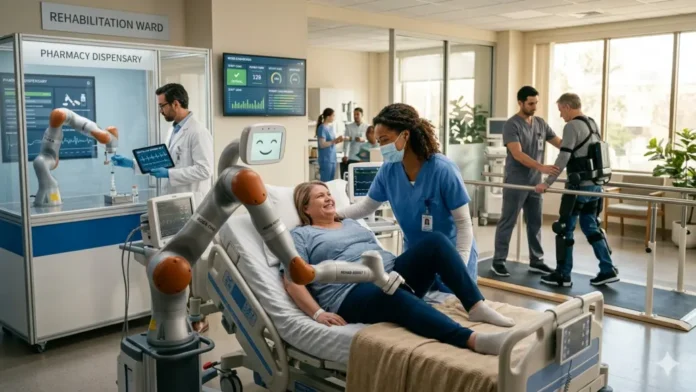
The concept of a medical team is currently being expanded beyond the traditional scope of physicians, nurses, and technicians to include a new class of collaborative mechanical partners. In modern medical facilities, the integration of human robot synergy healthcare teams is becoming a defining feature of high-efficiency clinical practice. This shift is not about replacing human professionals but about creating a new model of care where the unique strengths of both humans and machines are leveraged to achieve superior patient outcomes. While humans provide the empathy, intuition, and complex decision-making skills that are essential to medicine, robots bring a level of tireless precision, data processing, and physical endurance that human workers cannot match. By fostering a deep sense of collaboration between these two groups, hospitals are finding new ways to address the chronic challenges of staff burnout and the increasing complexity of patient care.

The Rise of Collaborative Robots in Healthcare: Cobots Hospitals

The most significant development in this field is the emergence of “cobots” short for collaborative robots which are designed to work in close proximity to humans without the need for safety cages or physical barriers. In the context of cobots hospitals, these machines are increasingly being used to assist with physically demanding or repetitive tasks that often lead to workplace injuries among nursing staff. For example, a cobot might assist a nurse in repositioning a bariatric patient or help a physical therapist support a stroke survivor during their first steps in rehabilitation. This form of human robot collaboration healthcare is essential for maintaining the physical health and longevity of the healthcare workforce. By taking on the “heavy lifting,” both literally and figuratively, cobots allow human clinicians to focus their energy on the more nuanced aspects of patient interaction and clinical judgment.

Beyond physical assistance, cobots are also being used in sterile environments such as pharmacies and laboratories. These robots can handle high-precision tasks like filling syringes or preparing cultures with a level of consistency that is difficult for human technicians to maintain over an eight-hour shift. In these settings, the cobot acts as a “third hand” for the human operator, performing the repetitive and micro-scale movements while the human focuses on the overarching quality and interpretation of the results. This hybrid approach to healthcare workforce automation ensures that the most critical steps in the clinical process are both accurate and efficient, while still benefiting from the oversight and expertise of a trained professional. The ability of cobots to “learn” from their human partners through demonstration is also a key feature, allowing for rapid deployment and customization in a wide range of hospital departments.

Enhancing Hospital Efficiency Through Robotic Assistance Healthcare

The impact of human robot synergy healthcare teams is also felt in the overall hospital efficiency. Robotic assistance healthcare systems are being deployed to manage the vast quantities of data and materials that flow through a medical facility every day. When a robot is tasked with the autonomous delivery of laboratory samples or the restocking of surgical supplies, it is performing a function that would otherwise take a human staff member away from their primary clinical duties. This redistribution of labor ensures that the highest level of expertise is always directed toward the most critical tasks. Furthermore, the integration of healthcare workforce automation allows for a more consistent and reliable delivery of services. A robot does not experience fatigue or distraction, ensuring that every task is performed with the same level of precision and attention to detail, whether it is the first or the last hour of a shift.

This increased efficiency also extends to the “administrative overhead” of clinical care. Intelligent robotic assistants can assist with real-time documentation, capturing patient data and updating electronic health records through voice recognition and computer vision. This reduces the amount of time that clinicians spend at a computer terminal, a major source of frustration and inefficiency in modern medicine. By providing a seamless and unobtrusive way to manage information, robotic systems allow the healthcare team to remain focused on the patient, improving the quality of the clinical encounter and the overall satisfaction of both the staff and the patient. The ability of these systems to provide “just-in-time” informationโ€”such as medication dosage alerts or clinical guidelines directly at the point of care is another significant advantage of human robot collaboration healthcare.

Addressing Staff Burnout with Human Robot Collaboration Healthcare

One of the most pressing issues in modern medicine is the high rate of burnout among healthcare professionals, driven by long hours, high stress, and an overwhelming administrative burden. The introduction of human robot synergy healthcare teams offers a promising solution to this crisis. By automating the more mundane and repetitive aspects of the job such as documentation, inventory management, and basic patient monitoring hospitals can significantly reduce the cognitive load on their staff. This allows nurses and physicians to spend more time engaged in direct patient care, which is the primary source of professional satisfaction for most healthcare workers. The goal of robotic assistance healthcare is to “humanize” the profession by removing the mechanical and clerical barriers that often stand between the clinician and the patient.

Moreover, the physical support provided by robotic systems can significantly reduce the rate of musculoskeletal injuries among nurses and other support staff. Moving and lifting patients is one of the most hazardous aspects of the job, often leading to chronic pain and long-term disability. By using robotic lifts and exoskeletons, hospitals can protect their most valuable assets their people and ensure that they can continue to provide care throughout their careers. This focus on the well-being of the workforce is not just a moral imperative but also an economic one, as the cost of staff turnover and injury-related absences is a major expense for healthcare providers. A healthy and supported workforce is a prerequisite for a high-quality and sustainable healthcare system.

Training for a New Era of Synergy in Medical Care

The transition to a workforce that includes both humans and robots requires a fundamental change in medical education and professional development. Healthcare workers must be trained not only to use these new tools but to understand the principles of human robot synergy healthcare teams. This involves learning how to delegate tasks to robotic partners, how to interpret the data they provide, and how to troubleshoot minor technical issues in real-time. This new curriculum must also address the psychological and ethical aspects of working with autonomous systems. For many patients and staff, the presence of robots in a clinical setting can be unsettling, requiring a focus on communication and empathy to ensure that the technology is accepted and integrated effectively.

Beyond technical skills, the training must also emphasize the importance of teamwork and interdisciplinary collaboration. In a hybrid healthcare environment, the “team” now includes robotic agents, and everyone must understand their respective roles and responsibilities. This requires a cultural shift in healthcare education, moving away from a siloed approach toward a more integrated and holistic model. By fostering a culture of openness and collaboration, hospitals can ensure that the transition to a hybrid workforce is smooth and successful for everyone involved. The ability to work effectively with robotic partners will likely become a core competency for all future healthcare professionals, just as the ability to use a computer or a stethoscope is today.

Overcoming Barriers to Integration in Healthcare Teams

Despite the clear benefits of human robot synergy healthcare teams, the path to full integration is not without its challenges. There are significant technical and logistical hurdles to overcome, including the need for seamless communication between robotic systems and existing hospital software. There is also the issue of cost; while collaborative robots are generally more affordable than large-scale surgical systems, the investment required to deploy them across an entire facility is still substantial. Furthermore, there are important regulatory and legal questions to address regarding the responsibility for robotic actions and the protection of patient privacy in an increasingly automated environment. To overcome these barriers, healthcare leaders must work closely with technology developers, policymakers, and ethical experts to create a framework that supports the safe and effective use of robotics in clinical teams.

The question of “trust” between humans and robots is also a major barrier. For a clinician to rely on a robotic partner, they must have confidence in its safety and reliability. This requires rigorous testing and validation of robotic systems in real-world clinical environments, as well as clear and transparent communication regarding their performance. Building this trust is a slow and deliberate process that involves continuous feedback and improvement. As robotic systems become more capable and their benefits become more evident, the initial skepticism will likely give way to a more collaborative and positive relationship. The goal is to create a partnership where the human and the robot are working toward the same goal: providing the best possible care for the patient.

The Role of Leadership in Fostering a Collaborative Culture

The success of human robot synergy healthcare teams ultimately depends on the vision and commitment of hospital leadership. Administrators must be willing to invest not just in the technology itself but in the cultural change required to make it work. This includes involving clinical staff in the selection and implementation process, ensuring that the technology is designed to meet their specific needs and solve their real-world problems. It also requires a focus on transparency and communication, ensuring that everyone in the organization understands the goals of automation and the benefits it will bring to both staff and patients. By creating an environment where human robot collaboration healthcare is seen as a strategic advantage rather than a threat, leaders can unlock the full potential of their workforce.

Leaders must also prioritize the ongoing education and support of their staff. As the technology evolves, the healthcare team must also evolve, requiring a commitment to lifelong learning and professional development. This may involve the creation of new roles within the organization, such as “Robotic Integration Specialists,” who are responsible for the daily management and optimization of the facility’s robotic agents. By providing the resources and the infrastructure for a technology-enhanced workforce, leadership can ensure that their organization remains at the forefront of clinical excellence and patient-centered care. The transition to a hybrid healthcare model is as much a leadership challenge as it is a technical one, and it requires a proactive and visionary approach.

The Future of the Hybrid Healthcare Workforce

Looking toward the horizon, the role of human robot synergy healthcare teams will only continue to grow. We are likely to see the development of even more sophisticated robots that can assist with complex diagnostic tasks, provide social support to lonely or anxious patients, and even perform minor medical procedures under human supervision. The hospital of the future will be a place where the boundaries between human and machine are increasingly blurred, and where the focus is on the seamless integration of technology and compassion. By embracing the power of synergy, we are not just improving the efficiency of our hospitals; we are creating a more resilient, compassionate, and effective healthcare system that is better equipped to meet the challenges of the twenty-first century.

In the long term, the hybrid healthcare workforce will likely become the global standard, with robotic agents providing a reliable and scalable foundation for care in both developed and developing nations. This will allow for a more equitable distribution of healthcare resources, ensuring that everyone, regardless of their location, has access to the highest quality of clinical care. The synergy between the human heart and the robotic mind is the most powerful tool we have for improving the health and well-being of the world’s population. By continuing to innovate and collaborate, we are building a future where the promise of technology is fully realized in the service of humanity. The journey toward this fully integrated and highly effective healthcare workforce is one of the most exciting and important developments in the history of medicine.

Translate ยป