









Close
Digital Health & Ai Innovation summit 2026
LiGHT26

Automation in Hospital Logistics and Pharmacy Systems

automation hospital logistics pharmacy systems

The internal mechanics of a large-scale medical facility are often as complex as the clinical care provided within its walls. From the movement of life-saving medications to the transport of surgical linens and laboratory samples, the flow of materials is a critical component of patient safety and operational success. Traditionally, these logistical tasks have relied on manual labor, which is not only physically demanding but also prone to errors and delays. As the healthcare industry faces increasing pressure to improve efficiency while reducing costs, the integration of automation hospital logistics pharmacy systems is becoming a strategic priority. By leveraging autonomous mobile robots and robotic dispensing units, hospitals are transforming their back-end operations into highly efficient, data-driven ecosystems. This shift is not just about moving goods; it is about ensuring that the right resources are in the right place at the right time, every single time.

The Transformation of Hospital Logistics Automation

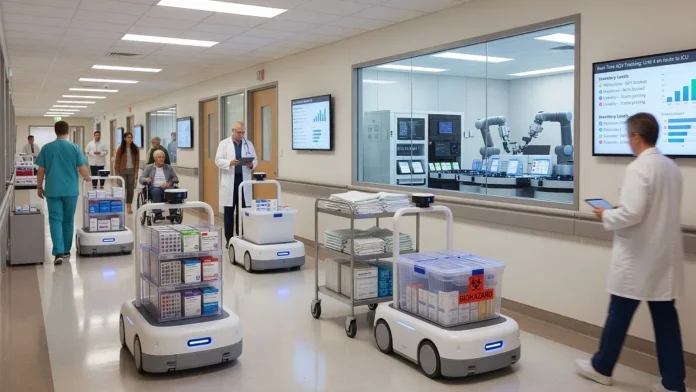
The cornerstone of this logistical revolution is hospital logistics automation, which utilizes a fleet of autonomous guided vehicles (AGVs) to navigate the labyrinthine corridors of modern medical centers. These AGV robots hospitals are designed to perform heavy-duty transport tasks that would otherwise require significant human effort. They can haul laundry carts, deliver meal trays, and transport heavy medical equipment between departments without requiring any dedicated tracks or external guidance. Using advanced lidar and mapping technologies, these robots can safely navigate around staff, patients, and visitors, even in high-traffic areas. This automation allows hospitals to redirect their support staff toward tasks that require human judgment and empathy, such as assisting patients or maintaining the facilityโ€™s environment. The result is a more streamlined workflow that operates twenty-four hours a day, seven days a week, without the risk of fatigue-related accidents.

In addition to heavy transport, these autonomous systems are increasingly being used for “last-mile” delivery within a hospital. Smaller, more agile robots can be dispatched to deliver urgent laboratory results or a single dose of medication to a specific nursing station. These units are often equipped with secure, biometric-controlled compartments to ensure that sensitive materials are handled only by authorized personnel. By providing a reliable and rapid transport link between departments, these robots reduce the need for clinical staff to act as couriers, a common source of distraction and inefficiency in traditional hospital models. The ability to track every delivery in real-time through a centralized dashboard provides administrators with an unprecedented level of visibility into the facility’s material flow, allowing for continuous optimization of routes and schedules.

Enhancing Accuracy in the Robotic Pharmacy

Perhaps the most critical application of automation hospital logistics pharmacy systems is found within the hospital pharmacy. Medication errors are a significant concern in healthcare, often resulting from manual picking and labeling mistakes. To mitigate these risks, many facilities are adopting robotic pharmacy systems that can store, dispense, and package medications with absolute precision. These systems use barcode-scanning technology to ensure that every pill and vial is correctly identified and tracked throughout the healthcare supply chain. When a physician enters a prescription into the electronic health record, the robotic system automatically retrieves the correct dose, labels it for the specific patient, and prepares it for delivery. This level of automated inventory systems ensures that medication stock levels are monitored in real-time, preventing the sudden shortages that can disrupt patient care.

Beyond simple dispensing, advanced robotic pharmacy units can also handle the complex tasks of intravenous (IV) compounding. Preparing sterile IV bags requires a high level of precision and adherence to strict contamination control protocols. Robotic systems can perform these tasks in a self-contained, sterile environment, eliminating the risk of human-introduced contaminants and ensuring that the final product is both accurate and safe. This level of automation is especially critical in oncology and pediatrics, where even small variations in dosage can have serious clinical consequences. By automating these high-risk activities, pharmacies can significantly improve their safety profile and allow their highly trained pharmacists to focus on clinical consultations and patient education, where their expertise is most needed.

Optimizing the Healthcare Supply Chain

The integration of automated inventory systems allows for a more holistic view of the entire healthcare supply chain. By tracking every item from the moment it enters the facility to the moment it is consumed, hospitals can identify patterns of waste and optimize their purchasing strategies. This data-driven approach to logistics ensures that high-value items, such as specialized implants or expensive biologics, are managed with the utmost care. Furthermore, automation can extend to the supply rooms on individual patient floors. Smart cabinets equipped with weight sensors and RFID technology can automatically track when an item is removed and trigger a restocking request from the central warehouse. This ensures that nurses always have the supplies they need at hand, reducing the “hunting and gathering” time that often takes them away from direct patient care.

The use of predictive analytics within the healthcare supply chain is another emerging trend. By analyzing historical consumption patterns and correlating them with seasonal health data or local outbreak reports, automated systems can anticipate future demand for specific medications or supplies. This allows hospitals to adjust their inventory levels proactively, ensuring they are prepared for surges in patient volume without over-ordering and risking the expiration of expensive products. This level of intelligence is transforming the hospital warehouse from a passive storage area into a dynamic and reactive logistical hub that actively supports the facility’s clinical mission. For hospital leadership, the financial benefits of reduced waste and improved inventory turnover are clear, providing a strong business case for continued investment in logistical automation.

The Role of AGV Robots Hospitals in Clinical Efficiency

The deployment of AGV robots hospitals has a direct impact on the clinical efficiency of a facility. In many traditional hospitals, the movement of laboratory specimens and diagnostic results is a manual process that can take hours. By utilizing dedicated robotic delivery systems, these items can be transported across the facility in a fraction of the time, allowing for faster diagnosis and treatment decisions. These robots can even be programmed to use elevators and open secure doors, allowing them to move between floors and restricted areas without human assistance. This seamless integration of logistics and clinical care is what defines a truly modern medical center. The ability to move materials quickly and accurately is especially critical in emergency and trauma settings, where every second saved in the delivery of blood products or medications can have a direct impact on patient outcomes.

Beyond material transport, these robots are also being utilized to manage hospital waste and recycling. Managing biohazardous materials and large volumes of general waste is a physically demanding and potentially hazardous task for human workers. By automating the transport of waste from collection points to a central processing area, hospitals can improve the safety and hygiene of their clinical environments. These robotic systems can be programmed to operate during off-peak hours, minimizing their impact on patient and staff movement. The data collected from these waste management cycles can also be used to identify opportunities for improved recycling and waste reduction, supporting the hospital’s sustainability goals. This comprehensive approach to logistical automation ensures that every aspect of the facility’s operation is as efficient and safe as possible.

Challenges in Implementing Logistics and Pharmacy Automation

While the benefits of automation hospital logistics pharmacy systems are clear, the implementation process can be complex. The initial capital investment for a fleet of AGVs and a fully robotic pharmacy is substantial, requiring a clear business case and a long-term vision from hospital leadership. Additionally, the physical layout of older hospital buildings can pose challenges for robotic navigation, requiring retrofitting or specialized programming to ensure the robots can operate safely. There is also the essential task of integrating these new technologies with existing IT systems, such as the electronic health record and the pharmacy management software. Ensuring that these systems can “talk” to each other is crucial for maintaining a seamless data flow and preventing the creation of information silos. Finally, staff training is paramount; employees must understand how to interact with the robots and how to troubleshoot minor issues to ensure the system remains operational.

Another significant challenge is the cultural change required within the organization. Logistical and pharmacy staff may initially view automation as a threat to their job security, leading to resistance or lack of engagement with the new systems. To address these concerns, hospital leadership must emphasize that automation is intended to augment rather than replace the human workforce. By removing the most physically taxing and repetitive tasks, automation creates opportunities for staff to transition into more skilled and clinically oriented roles. For example, a pharmacy technician whose picking duties have been automated might be retrained to assist with patient discharge counseling or to manage the robotic systems themselves. This shift in focus requires a commitment to ongoing education and a culture of continuous improvement that values the contributions of every staff member in a technology-enhanced environment.

Future Innovations in Hospital Automation

Looking ahead, the future of automation hospital logistics pharmacy systems will likely include even more sophisticated forms of integration. We are seeing the development of “swarming” robots that can collaborate on large-scale transport tasks, as well as drones for the rapid delivery of urgent medications or organs between separate hospital buildings. In the pharmacy, the next generation of robotic systems may incorporate machine learning to predict medication demand based on seasonal trends or local health data, allowing for even more precise inventory management. As these technologies continue to mature and become more affordable, we can expect to see them adopted by a wider range of healthcare facilities, including smaller clinics and long-term care centers. The ultimate goal is to create a fully autonomous logistical backbone for healthcare that operates invisibly in the background, allowing the human staff to focus entirely on the art and science of healing.

The potential for robotic systems to handle “last-mile” delivery directly to the patient’s bedside is also an area of active research. Imagine a robot that not only delivers a medication to a nursing station but can also verify the patient’s identity and assist the nurse in the administration process. This level of bedside automation would provide an additional layer of safety and would further streamline the clinical workflow. While there are significant technical and regulatory hurdles to overcome, the progress made in recent years suggests that these innovations are within reach. By continuing to push the boundaries of what is possible in logistical and pharmacy automation, the healthcare industry is ensuring that it can meet the challenges of the future with a resilient and efficient infrastructure that prioritizes patient safety and clinical excellence.

Redefining the Patient-Centered Hospital

As hospitals continue to embrace automation, the focus remains on the patient. By automating the mundane and physically taxing aspects of logistics and pharmacy management, healthcare providers are creating an environment where the human touch is more prominent, not less. When a nurse is no longer required to spend an hour of their shift fetching supplies or waiting for a medication delivery, they have more time to spend listening to a patientโ€™s concerns or explaining a treatment plan. The efficiency gained through automation hospital logistics pharmacy systems is, at its core, a way to reclaim the humanity of healthcare. It is a powerful reminder that while technology can move the boxes and dispense the pills, only people can provide the empathy and care that are essential for recovery.

The synergy of robotic precision and human compassion is the future of medicine, and it is a future that is already arriving in hospitals around the world. By investing in the logistical and pharmaceutical foundations of the facility, healthcare leaders are ensuring that their organizations are built on a solid platform of safety and efficiency. This allows the entire clinical team to operate at the top of their license, providing the best possible care for every patient who enters their doors. As we move forward, the most successful hospitals will be those that view automation not as a cost-cutting measure, but as a strategic enabler of clinical excellence and patient-centered care. The journey toward this fully automated and highly humanized future is an ongoing process of innovation, collaboration and a relentless focus on the needs of the patient.
Fighting Hospital Infections with Autonomous Robots

hospital infections autonomous robots

The global healthcare community has long faced a formidable opponent in the form of hospital-acquired infections (HAIs), which contribute to thousands of patient complications and significant financial strain on medical systems each year. Traditional cleaning methods, while essential, are often limited by human error, the invisible nature of microscopic pathogens, and the sheer volume of surfaces that require constant sterilization. As the medical industry searches for more robust solutions, the integration of fighting hospital infections with autonomous robots is emerging as a critical line of defense. These sophisticated machines bring a level of consistency and thoroughness to the sanitation process that manual labor alone cannot achieve. By utilizing cutting-edge technology such as ultraviolet-C (UV-C) light and electrostatic spraying, autonomous robots are transforming hospitals into safer environments for both patients and healthcare providers.

The Technological Vanguard of Infection Control Robots

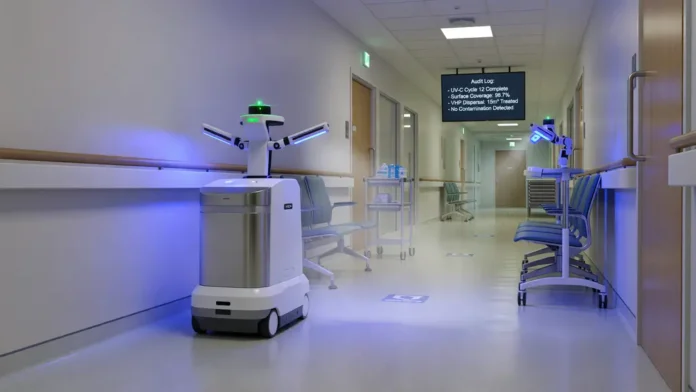
The primary strength of infection control robots lies in their ability to operate without human supervision in high-risk environments. Many of these units are equipped with high-intensity UV-C lamps that emit light at a specific wavelength (typically 254 nanometers), which is lethal to the DNA and RNA of microorganisms like MRSA, C. difficile, and even seasonal viruses. Unlike liquid disinfectants, which require precise contact times and can be missed in hard-to-reach areas, UV-C light fills a room, reflecting off surfaces and penetrating the shadows to ensure a comprehensive kill rate. This form of hospital sanitation automation allows for the disinfection of entire operating rooms or patient suites in a fraction of the time it would take a manual crew, and with a significantly higher degree of measurable efficacy. The robots navigate using advanced lidar and mapping software, ensuring that every square inch of a targeted area is exposed to the germicidal light.

In addition to UV-C technology, some robots use vaporized hydrogen peroxide (VHP) to provide a deeper level of sterilization. VHP is a powerful antimicrobial agent that can penetrate permeable materials such as upholstery and ventilation filters, where traditional liquid wipes might be ineffective. By automating the dispersal and neutralization of VHP, hospitals can achieve a “six-log reduction” in pathogens, which is the scientific gold standard for sterilization. This multi-modal approach to fighting hospital infections with autonomous robots ensures that the environment is sanitized at a microscopic level, significantly reducing the environmental reservoir of bacteria and viruses that contribute to cross-contamination between patients.

Implementing UV Robots Healthcare Protocols

Integrating UV robots healthcare protocols into the daily workflow of a busy hospital requires careful planning and coordination between environmental services and clinical staff. Because UV-C light is harmful to human skin and eyes, these robots are designed to operate in unoccupied spaces. They use motion sensors and sophisticated safety algorithms to immediately shut down if a door is opened or if a person enters the room unexpectedly. This level of healthcare safety technology is essential for maintaining a secure environment while the robot performs its duties. Once a room is cleared of patients and staff, the robot is deployed, and it systematically moves through the space, following a pre-programmed path that targets “high-touch” surfaces like bed rails, light switches, and medical equipment. The data from each cleaning cycle is then uploaded to a central server, providing hospital administrators with a verifiable audit trail of sanitation activities.

Beyond simple surface disinfection, these protocols are increasingly being used to sanitize high-traffic public areas, such as waiting rooms and corridors, during off-peak hours. This proactive approach to infection control ensures that the “background” environment of the hospital is consistently maintained at a high level of hygiene, reducing the overall microbial load of the facility. For hospitals with large, open spaces, the use of autonomous robots is far more cost-effective than manual labor, as a single unit can cover thousands of square feet in a single overnight shift. This allows for a more comprehensive and frequent cleaning schedule, which is a key factor in breaking the chain of infection in a complex healthcare setting.

Comparing Disinfection Robots to Traditional Methods

When comparing disinfection robots to traditional manual cleaning, the differences in consistency and speed are striking. While a dedicated cleaning person is vital for removing physical debris and biological material, they are limited by physical fatigue and the potential for oversight. In contrast, an autonomous robot performs with the same level of intensity and precision on its tenth room of the day as it did on its first. Furthermore, many modern robots are now using “dry” disinfection methods, such as hydrogen peroxide vapor or specialized chemical mists, which can reach deep into ventilation systems and upholstery where pathogens often hide. This multi-modal approach to fighting hospital infections with autonomous robots ensures that the environment is sanitized at a microscopic level, significantly reducing the environmental reservoir of bacteria and viruses that contribute to cross-contamination between patients.

The ability to measure and verify the cleaning results is another significant advantage of robotic systems. Most autonomous disinfection units are equipped with sensors that track the amount of light or chemical exposure at various points in a room. This data can be compared against established biological kill rates to confirm that the room is truly safe for the next patient. In a manual cleaning scenario, the quality of the work is often subjective and difficult to verify without expensive and time-consuming biological testing. By providing a digital record of every cleaning cycle, robots offer a level of transparency and accountability that is essential for modern healthcare quality management. This data can also be used to identify areas of the hospital that are particularly prone to contamination, allowing for targeted interventions and improvements in workflow.

Economic and Clinical Impact of Hospital Sanitation Automation

The financial implications of hospital-acquired infections are staggering, often costing facilities tens of thousands of dollars per infected patient in additional care and extended stays. By investing in infection control robots, hospitals can realize a substantial return on investment through the reduction of these preventable complications. Clinically, the impact is even more profound. Studies have shown that facilities utilizing automated disinfection systems see a measurable decrease in the transmission rates of antibiotic-resistant organisms. This improvement in the safety profile of the hospital not only saves lives but also enhances the facility’s reputation and compliance with stringent healthcare regulations. As regulatory bodies continue to place a greater emphasis on patient safety metrics, the adoption of autonomous sanitation technology is becoming a necessity rather than an elective luxury for modern medical centers.

Furthermore, the reduction in HAIs leads to a more efficient use of hospital resources. Fewer infections mean fewer patients requiring isolation, specialized antibiotics, and intensive care. This frees up hospital beds and staff to treat other patients, increasing the facility’s overall throughput and financial stability. In an era where healthcare systems are increasingly focused on “value-based care,” the ability to demonstrate a lower rate of preventable complications is a major competitive advantage. For many hospitals, the cost of a fleet of disinfection robots is easily justified by the prevention of just a few serious surgical site infections or pneumonia cases per year. The long-term benefits to patient health and institutional viability make robotic sanitation a cornerstone of a modern healthcare strategy.

Overcoming Obstacles to Widespread Robotic Disinfection

Despite the clear advantages, the transition to fully autonomous infection control is not without its challenges. The initial cost of high-quality disinfection robots can be a significant barrier for smaller community hospitals or clinics with limited budgets. Additionally, there is the ongoing need for technical support and software updates to ensure the machines remain effective against emerging pathogen strains. There is also a cultural component to consider; hospital staff must be trained to work alongside these machines, understanding their role as a supplement to, rather than a replacement for, existing cleaning protocols. To address these issues, some manufacturers are offering “robots as a service” models, allowing hospitals to lease the technology and receive regular maintenance and upgrades, thereby lowering the barrier to entry and ensuring that the latest sanitation technology is accessible to more facilities.

Another technical challenge is the complexity of hospital environments, which often contain delicate medical equipment that could be damaged by certain types of disinfection, such as high-intensity UV-C or caustic chemical vapors. Modern robots must be equipped with sophisticated vision systems to identify and protect these sensitive items while still providing thorough disinfection for the rest of the room. This requires a high degree of “situational awareness” and the ability to adapt to changing room layouts. As the technology continues to evolve, we can expect to see more specialized robots that are tailored for specific hospital environments, such as neonatal intensive care units or high-end diagnostic suites, where the requirements for safety and precision are even higher.

The Role of Data and AI in Future Infection Control

The next generation of fighting hospital infections with autonomous robots will likely incorporate even more advanced artificial intelligence to optimize cleaning schedules. By analyzing real-time data from patient flow and bed management systems, these robots could be automatically dispatched to a room as soon as a patient is discharged, ensuring that the space is sanitized and ready for the next occupant with minimal delay. Some systems are already being developed with sensors that can detect the presence of specific pathogens in the air or on surfaces, allowing the robot to adjust its disinfection intensity based on the actual biological load of the environment. This level of intelligent automation would represent a significant leap forward in our ability to maintain a sterile clinical environment, moving from scheduled cleaning to a reactive, data-driven defense system.

These AI models could also be used to predict the “path of an outbreak” within a hospital. By correlating data from infection control robots with electronic health record data, administrators could identify hotspots where cross-contamination is occurring and deploy a surge of robotic sanitation to those areas. This “precision disinfection” approach would be far more effective than traditional blanket cleaning methods, allowing hospitals to squash an outbreak before it can spread. As we collect more data on the interactions between hospital environments, patients, and pathogens, the role of AI in guiding robotic infection control will become increasingly vital, turning the hospital into a self-healing environment that actively works to protect its occupants.

Advancing Healthcare Safety Through Innovation

As we move forward, the role of robotics in hospital safety will only continue to grow. Beyond just cleaning, we are seeing the emergence of robots designed for sterile material transport, ensuring that surgical instruments and medications are moved through the facility without the risk of contamination. The integration of fighting hospital infections with autonomous robots is a testament to the power of technology to solve some of the most persistent and dangerous problems in medicine. By embracing these innovations, healthcare leaders are not just improving their operational efficiency; they are fulfilling their fundamental promise to patients: to provide a place of healing that is as safe as it is advanced.

The synergy of human oversight and robotic precision is creating a new standard of cleanliness that will protect the most vulnerable among us for years to come. We are moving toward a future where “clinical grade” sanitation is no longer a goal but a guaranteed baseline for every patient, in every room, every day. As the technology becomes more pervasive and the costs continue to fall, the autonomous disinfection robot will likely become as common in the hospital as the stethoscope or the heart rate monitor a silent, tireless guardian of patient health that works in the background to ensure that the hospital remains a sanctuary of recovery and care.

Precision Surgery Enters a New Era with Robotics Innovations

precision surgery robotics minimally invasive care

The operating room of the twenty-first century is no longer defined solely by the steady hand of the surgeon but by the seamless integration of advanced mechanical interfaces that extend human capability beyond its natural limits. As we witness how precision surgery robotics minimally invasive care is becoming the gold standard for complex procedures, it is evident that a paradigm shift has occurred. The traditional approach of large incisions and long recovery times is rapidly being replaced by high-precision, robotically-assisted interventions that prioritize patient safety and anatomical integrity. This transition is not merely about using a new tool; it is about fundamentally re-engineering the relationship between the surgeonโ€™s intent and the physical execution of a procedure.

The Technological Foundation of Modern Robotic Surgery

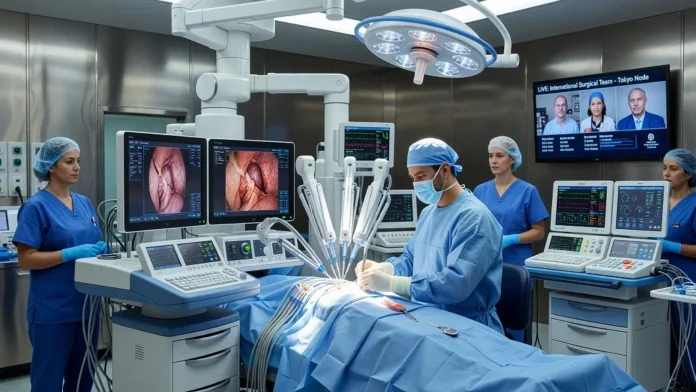
At the heart of this revolution is robotic surgery, a field that has evolved from experimental prototypes to sophisticated multi-arm systems capable of maneuvers that the human wrist simply cannot replicate. Modern surgical automation relies on a combination of high-definition 3D visualization and tremor-filtration software. When a surgeon operates from a console, their movements are translated into precise, micro-scaled actions by the robotic instruments inside the patientโ€™s body. This elimination of natural hand tremors is a cornerstone of precision surgery technology, allowing for sutures and dissections in delicate areas such as the prostate, heart, or brain with a level of accuracy that was previously unimaginable. The result is a significant reduction in collateral tissue damage, which is the primary driver of postoperative pain and inflammation.

Advancing the Scope of Minimally Invasive Robotics

The drive toward minimally invasive robotics has been fueled by the desire to reduce the physical trauma associated with surgery. By utilizing small ports often no larger than a dime surgeons can access internal organs without the need for extensive muscular retraction. This approach is particularly beneficial in oncology, where the precise removal of a tumor while sparing healthy surrounding tissue is the ultimate goal. Advanced surgical systems now incorporate haptic feedback, a technology that allows the surgeon to “feel” the resistance of tissues through the robotic controls. This tactile data, combined with 10x magnification of the surgical site, provides a comprehensive sensory experience that enhances the surgeon’s decision-making process in real-time. The ability to distinguish between a blood vessel and a nerve fiber with such clarity is what defines the new era of precision.

Impact on Patient Recovery and Hospital Resources

The benefits of precision surgery robotics minimally invasive care extend far beyond the operating table and into the recovery ward. Patients who undergo robotically-assisted procedures often experience significantly shorter hospital stays compared to those who have traditional open surgery. For a hospital, this means increased bed turnover and a more efficient allocation of clinical staff. From the patientโ€™s perspective, it translates to a faster return to daily activities, less reliance on opioid pain medication, and smaller, less visible scarring. This improvement in patient outcomes is a primary reason why healthcare providers are increasingly investing in these high-cap systems despite their substantial initial costs. The long-term savings associated with reduced complications and readmissions often outweigh the upfront expenditure, making it a sound strategic move for forward-thinking medical institutions.

In addition to shorter stays, the risk of postoperative infection is markedly lower in minimally invasive robotic procedures. Smaller incisions mean less exposure of internal tissues to the environment, and the precision of the robotic arms reduces the likelihood of accidental tissue trauma that can lead to inflammatory responses. This safety profile is especially critical for elderly patients or those with comorbid conditions who might not tolerate the physiological stress of traditional open surgery. By expanding the population of patients who can safely undergo complex surgical interventions, robotics is effectively democratizing high-quality surgical care and ensuring that age or frailty are no longer absolute barriers to treatment.

Surgical Automation and the Role of Artificial Intelligence

As we look deeper into the mechanics of advanced surgical systems, the integration of artificial intelligence (AI) is beginning to play a pivotal role. Current systems are moving beyond simple teleoperation toward semi-autonomous assistance. For example, AI algorithms can now analyze live video feeds to identify anatomical landmarks and warn the surgeon if they are approaching a critical structure. In some instances, surgical automation can assist with repetitive tasks like suturing or camera positioning, allowing the lead surgeon to focus entirely on the most complex aspects of the operation. This synergy between human expertise and machine intelligence is the hallmark of the next generation of robotic surgery, where the system acts as a co-pilot rather than just a passive instrument.

Furthermore, machine learning models are being trained on thousands of hours of surgical footage to identify the “best practices” for specific maneuvers. This “collective intelligence” can be made available to surgeons in real-time, providing them with guidance and suggestions based on the outcomes of thousands of previous procedures. This level of data-driven support is transforming surgery from an individual craft into a standardized, evidence-based science. As these AI models continue to evolve, we can expect to see even higher levels of automation, potentially allowing robots to perform entire segments of a procedure with minimal human oversight, thereby increasing throughput and reducing the variability of outcomes between different surgeons.

Enhancing Global Access to Specialized Surgical Care

One of the most profound implications of precision surgery robotics minimally invasive care is the potential for telesurgery. Because the surgeon operates from a digital console, that console does not necessarily need to be in the same room or even the same city as the patient. While latency issues in telecommunications have historically been a barrier, the rollout of high-speed 5G and satellite networks is making remote robotic surgery a tangible possibility. This technology could provide rural or underserved areas with access to world-class specialists without the need for patient transport. A specialist in London could potentially assist a surgery in a remote village, bringing elite surgical precision to populations that have traditionally been left behind by medical progress.

This global connectivity also facilitates collaborative surgery, where multiple experts from different parts of the world can log into the same surgical console to assist on a particularly complex case. This “virtual scrub-in” allows for a level of peer review and expert consultation that was previously impossible. For developing nations, this could mean the ability to provide advanced cardiac or neurological procedures that were previously unavailable due to a lack of local specialists. By decoupling the surgeon’s physical location from the patient’s bedside, robotics is paving the way for a more equitable global healthcare landscape where geography is no longer a determinant of surgical quality.

Training the Next Generation of Robotic Surgeons

The shift toward robotic systems has also necessitated a complete overhaul of surgical education. Trainees now spend hundreds of hours on high-fidelity simulators before they ever touch a patient. These virtual environments allow them to practice complex scenarios and manage potential complications in a risk-free setting. This method of training is far more efficient than the traditional “see one, do one, teach one” model of the past. Robotic surgery platforms also allow for the recording and analysis of every movement made during a procedure. This data can be used to provide objective feedback to surgeons, helping them refine their technique and ensure that every patient receives the highest possible standard of care.

Beyond individual skill development, these platforms allow for the standardization of surgical curriculum across different institutions. A resident in Tokyo can be evaluated using the same metrics as a fellow in New York, ensuring a universal baseline of competency. The ability to replay a surgery in 3D and analyze the precision of each movement provides an unprecedented level of insight into the surgical process. This “black box” approach to surgery similar to that used in aviation is driving a culture of continuous improvement and safety that will benefit the entire medical community. As simulators become even more realistic, incorporating patient-specific anatomical data, surgeons will be able to “rehearse” a specific patient’s operation multiple times before entering the actual operating room.

Navigating the Ethical and Financial Landscape

The widespread implementation of precision surgery robotics minimally invasive care is not without its complexities. The high cost of purchasing and maintaining these systems, along with the expensive disposable instruments required for each procedure, creates a divide between well-funded private hospitals and public health systems. There are also ongoing debates regarding the ethical implications of increasing automation. As systems become more autonomous, who is responsible if a mechanical failure or an algorithmic error occurs? These questions require robust legal and ethical frameworks to ensure that patient safety remains the paramount priority.

Furthermore, the industry must work toward creating more affordable, modular robotic platforms that can be adopted by a wider range of healthcare providers globally. Competition between different manufacturers is already starting to drive down prices and spur innovation in new types of robotic interfaces, such as flexible, single-port systems that can navigate natural orifices. As the market matures, the focus will likely shift from purely technical capabilities to the overall value proposition balancing cost, clinical outcomes, and patient experience. Ensuring that the benefits of robotic surgery are available to the many, rather than the few, is the next great challenge for the medical technology industry.

Conclusion: The Future of the Robotic Operating Suite

As precision surgery enters this new era with robotics, we are witnessing the maturation of a technology that was once the stuff of science fiction. The integration of precision, visualization, and intelligence is creating a safer and more effective surgical environment. While challenges remain regarding cost and access, the trajectory is clear: the future of surgery is robotic. By continuing to refine these systems and expanding their capabilities, the medical community is ensuring that patients everywhere can benefit from the highest levels of accuracy and care.

In the coming decades, the operating room will likely become an even more integrated digital ecosystem, where the robot, the imaging systems, and the patient’s electronic records are all part of a single, intelligent network. This will allow for real-time adjustments to the surgical plan based on intraoperative data, further reducing the risk of complications. The synergy of human intuition and mechanical perfection is not just changing surgery; it is redefining what it means to heal. We are moving toward a future where “perfect” surgery is the standard expectation, and where the limitations of the human hand are no longer the limitations of medical science.

Robots Reshaping Patient Care Workflows in Hospitals

robots patient care workflows hospitals

The modern healthcare landscape is currently undergoing a silent but profound transformation as mechanical precision begins to merge with the traditional bedside manner of clinical practice. Within the bustling corridors of contemporary medical centers, the integration of specialized machinery is no longer a futuristic concept but a present-day reality that is fundamentally altering how care is administered. When examining how robots patient care workflows hospitals are functioning today, it becomes clear that the primary objective is not the replacement of human touch but rather the augmentation of human capability. By delegating repetitive, strenuous, and high-frequency tasks to autonomous systems, hospitals are finding new ways to reclaim the time of their most valuable assets: the nurses and physicians who provide the emotional and clinical core of patient recovery. This shift is essential for creating a sustainable healthcare model that can meet the demands of an aging population and a growing global health burden.

The Evolution of Hospital Workflow Efficiency Through Automation

The introduction of hospital robots has historically been viewed through a lens of skepticism, yet the empirical evidence regarding hospital workflow efficiency suggests a drastic improvement in operational throughput. Traditional workflows often see highly trained nursing staff spending upwards of thirty percent of their shifts on non-clinical tasks such as fetching supplies, transporting laboratory samples, or documenting routine vitals. Through patient care automation, these logistical burdens are shifted to mobile robotic platforms. These units navigate hospital floors with sophisticated lidar and ultrasonic sensors, ensuring that the movement of materials remains constant without requiring human intervention. This shift allows clinical teams to remain at the bedside, focusing on the nuanced needs of those under their care rather than navigating service elevators and supply closets.

Implementing Robotic Healthcare Systems for Direct Monitoring

As we delve deeper into specific applications, robotic healthcare systems are increasingly being utilized for constant patient surveillance and basic diagnostic support. In critical care environments, where seconds can define outcomes, automated monitoring stations can track physiological changes with a level of granularity that exceeds intermittent human checks. These systems use advanced computer vision and sensor arrays to detect subtle shifts in patient posture or respiration patterns that might precede a fall or a respiratory distress event. By integrating these smart hospital solutions into the daily routine, facilities can create a safety net that operates in the background, alerting human staff only when specific thresholds are met. This selective alerting reduces alarm fatigue, a significant concern in modern medicine, ensuring that when a professional is called, the situation truly demands their expert attention.

Enhancing the Patient Experience with Supportive Robotics

The psychological impact of robotics in a clinical setting is a critical component of successful implementation. While one might assume that patients would find mechanical assistance cold or distancing, the reality is often the opposite. When robots patient care workflows hospitals integrate these tools effectively, patients often feel a sense of continuous support. For instance, telepresence robots allow specialists from across the globe to “walk” into a room and engage with a patient in real-time, providing expert consultations that would otherwise require days of travel. This immediate access to high-level expertise improves the perceived quality of care and fosters a sense of security among patients and their families. Furthermore, robotic assistance in physical therapy such as powered exoskeletons enables patients to begin mobilization earlier in their recovery process, which is a known factor in reducing hospital stays and preventing secondary complications like deep vein thrombosis.

In addition to physical rehabilitation, social robots are being trialed in pediatric and geriatric wards to provide emotional support and cognitive stimulation. For elderly patients suffering from dementia or isolation, these interactive machines can provide reminders for medication, facilitate video calls with family, and even engage in simple games that promote mental acuity. In pediatric settings, robots can act as playmates or procedural assistants, distracting children during stressful events like vaccinations or blood draws. By reducing the overall anxiety of the hospital environment, these systems contribute to a more holistic healing process that addresses the patient’s emotional well-being as much as their physical symptoms. This evolution toward patient-centered robotics demonstrates that technology, when applied with empathy, can significantly enhance the humanity of the clinical experience.

Case Studies in Workflow Optimization and Resource Allocation

Several leading medical institutions have already begun to publish data on the long-term impacts of their robotic investments. In one notable example, a large metropolitan hospital reported a twenty-percent reduction in average patient wait times for medication after implementing an autonomous delivery fleet. By analyzing the traffic patterns of these robots, administrators were able to identify “dead zones” in the facility where communication was slow or where physical barriers impeded movement. This led to a redesign of several nursing stations and supply hubs, creating a more circular and efficient flow of both people and materials. These real-world applications show that the value of robots patient care workflows hospitals is not just in the tasks they perform but in the operational data they provide, which can be used to continuously improve the facility’s performance.

Another case study focused on the use of robotic monitoring systems in post-operative recovery units. By providing continuous, non-invasive surveillance of vital signs, the system was able to alert the clinical team to potential complications such as post-surgical hemorrhage or respiratory depression up to thirty minutes earlier than traditional intermittent checks. This early warning window is critical for improving survival rates and reducing the intensity of interventions required to stabilize the patient. The economic benefit of such a system is clear: by preventing a single “code blue” event or a transfer back to the intensive care unit, a hospital can save thousands of dollars in emergency care costs. More importantly, the clinical benefit is immeasurable, as it directly contributes to a safer and more predictable recovery journey for the patient.

The Strategic Integration of Smart Hospital Solutions

The transition toward becoming a truly smart hospital requires more than just purchasing individual units; it demands a holistic redesign of the facility’s digital and physical architecture. Healthcare robotics must be able to communicate seamlessly with electronic health records and building management systems. When a robot is tasked with delivering medication, it should automatically update the inventory log and notify the receiving nurseโ€™s handheld device upon arrival. This level of interconnectivity ensures that the data generated by these machines is utilized to further refine workflows over time. Analytical engines can process thousands of delivery cycles to identify bottlenecks in hospital corridors or suggest adjustments to staffing levels based on real-time demand. This data-driven approach transforms the hospital from a reactive environment into a proactive ecosystem capable of anticipating needs before they become crises.

Overcoming Challenges in Healthcare Robotics Adoption

Despite the clear benefits, the path to widespread adoption of robots patient care workflows hospitals is not without its hurdles. The initial capital investment required for high-end robotic healthcare systems remains a significant barrier for many public and community-funded institutions. Beyond the financial considerations, there is the essential task of staff training and cultural integration. Medical professionals must learn to trust these autonomous partners and understand the limitations of the technology. This trust is not built overnight but through consistent performance and clear demonstrations of safety and efficacy. There is also the critical issue of cybersecurity; as hospitals become more reliant on networked machines, the protection of patient data and the integrity of robotic control systems become paramount. Ensuring that these systems are resilient against digital threats is just as important as ensuring they are physically safe to operate around vulnerable patients.

Implementation Strategies and Overcoming Cultural Resistance

The widespread adoption of robots patient care workflows hospitals requires more than just technical deployment; it necessitates a cultural shift within the healthcare workforce. Resistance to new technology often stems from a fear of obsolescence or a lack of understanding regarding the system’s benefits. To address this, hospitals must involve clinical staff in the selection and design process, ensuring that the technology addresses their specific pain points. Training programs should focus on the collaborative nature of the technology, highlighting how it serves to augment rather than replace the human caregiver. When nurses see that a robot can reliably handle thirty percent of their non-clinical tasks, the initial skepticism often gives way to a sense of relief and professional empowerment.

Furthermore, leadership plays a pivotal role in this transition. Administrators must articulate a clear vision for how robotics will enhance the hospital’s mission and improve the quality of life for both staff and patients. This involves transparent communication regarding the timeline of implementation, the expected impact on job descriptions, and the resources available for ongoing support. By fostering an environment of continuous learning and open dialogue, healthcare institutions can transform potential resistance into a shared commitment to innovation. The success of these systems is ultimately measured by how well they are integrated into the social and professional fabric of the hospital, ensuring that technology serves as a bridge rather than a barrier to effective care.

The Economic Case for Integrated Hospital Robotics

From a financial perspective, the integration of robotic healthcare systems is increasingly seen as a sound investment rather than a luxury expense. While the upfront costs can be substantial, the long-term savings associated with increased operational efficiency, reduced workplace injuries, and shorter patient stays are significant. By automating material transport and basic monitoring, hospitals can optimize their labor costs and focus their human resources on high-value clinical activities. Furthermore, the data generated by these smart hospital solutions allows for more precise resource allocation and predictive maintenance, further reducing operational overhead and ensuring that the facility operates at peak capacity.

In addition to direct cost savings, the presence of advanced robotics can serve as a powerful differentiator in a competitive healthcare market. Patients are increasingly looking for facilities that utilize the latest technology to ensure their safety and comfort. A hospital that can demonstrate a commitment to innovation through the use of robotic systems is often perceived as providing a higher standard of care, which can lead to increased patient volumes and improved institutional reputation. This halo effect can attract top-tier medical talent and secure philanthropic support, further strengthening the hospital’s financial and clinical foundation.

Future Perspectives on Autonomous Clinical Support

Looking toward the horizon, the role of hospital robots is set to expand from logistics and monitoring into more complex clinical interventions. We are beginning to see the emergence of robotic systems capable of performing blood draws with higher first-stick accuracy than human practitioners, particularly in difficult-to-vein patients. Others are being designed to assist with patient hygiene and repositioning, tasks that are physically demanding for staff and often contribute to workplace injuries. As the technology matures, the synergy between human intuition and robotic precision will likely define the next era of medicine. The ultimate goal remains constant: creating an environment where the technology works so seamlessly in the background that the patient feels more cared for by the humans at their side, not less.

As we look even further ahead, the integration of nanotechnology and miniature robotics could allow for internal diagnostic and therapeutic interventions that were previously thought impossible. Imagine a swarm of micro-robots capable of repairing damaged tissues or delivering targeted chemotherapy directly to a tumor, all while being monitored and guided by a central hospital AI. While these concepts are still in the early stages ofย  of innovation in robots patient care workflows hospitals suggests that the boundaries of what is possible are constantly shifting. By remaining at the forefront of this technological wave, medical facilities can ensure that they are prepared to meet the needs of a changing world with agility, compassion, and precision.

Conclusion: The Enduring Importance of the Human Element

In conclusion, the integration of robotics into patient care workflows is a transformative development that promises to reshape the landscape of modern medicine. By delegating routine and physically taxing tasks to autonomous systems, we are freeing healthcare professionals to engage in the deeply human work that brought them to the profession in the first place. The success of this transition depends on our ability to balance technical innovation with ethical considerations, ensuring that technology remains a tool for healing rather than an end in itself. As we move forward, the most successful hospitals will be those that embrace the synergy of human and machine, creating a future where the highest standards of clinical excellence are met with the greatest levels of empathy and care.

Haemonetics Wins FDA Approval for Vascade MVP XL System

Vascade MVP XL

Haemonetics has secured an expanded regulatory milestone in the U.S., with the company confirming that the FDA has approved broader labeling for its Vascade MVP XL system. The updated approval extends the deviceโ€™s applicability to procedures involving 10-14F inner diameter (ID) and up to 17F outer diameter (OD) procedural sheaths. This development enables the system to be used alongside larger sheath sizes associated with pulsed field ablation (PFA) and left atrial appendage closure (LAAC) procedures performed to treat AFib. With this step, the vascular closure system gains relevance in two rapidly advancing interventional segments.

The Vascade MVP XL system had earlier received FDA clearance in June 2024 as a mid-bore closure device. It incorporates a 25F diameter disc along with 19 milligrams of resorbable, thrombogenic collagen. Prior to this expanded indication, its U.S. usage covered procedural sheaths ranging from 10-12F ID and up to a maximum of 15F OD. The latest approval broadens that scope, aligning the vascular closure system with evolving procedural demands in electrophysiology.

According to Haemonetics, the system is currently the only extravascular venous closure system clinically proven for electrophysiology procedures utilizing up to 17F OD procedural sheaths. The design removes the need for physicians to downsize procedural sheaths during closure, a step that can otherwise extend procedural duration. By maintaining compatibility with larger sheath sizes, the system supports workflow efficiency during complex interventions.

Clinical validation supporting the approval comes from the AMBULATE EXPAND trial, which involved 77 patients in the U.S. The study assessed the systemโ€™s performance in PFA and LAAC procedures, reporting 0% major and 0% minor access site closure-related complications. Additionally, the median time to ambulation was recorded at 2.4 hours.

Ken Crowley, VP and GM, Interventional Technologies at Haemonetics, said:

โ€œVascade MVP XL has become the device of choice in advanced vascular closure, delivering differentiated clinical benefits and economic advantages for healthcare providers. With label expansion approval for fast-growing PFA and LAAC technologies, we are poised to accelerate our commercial strategy and momentum, with opportunities to support a greater number and broader range of procedures at hospitals and ambulatory surgical centers across the U.S.โ€

FDA Clears Medtronic Stealth Axis for Cranial, ENT Uses

Stealth Axis

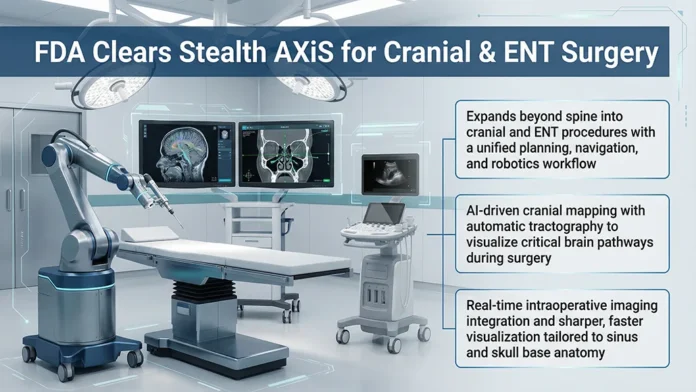
Medtronicโ€™s Stealth Axis FDA clearance marks an expansion of its surgical system into cranial and ear, nose, and throat (ENT) procedures, following regulatory approval from the US Food and Drug Administration. The clearance builds on the systemโ€™s earlier authorisation for spine procedures in February 2026, positioning Stealth Axis as a unified platform that combines surgical planning, navigation, and robotics. Designed to deliver precision and real-time intraoperative insight, the system integrates multiple surgical capabilities into a single workflow environment.

At the core of Medtronicโ€™s offering is an artificial intelligence-driven architecture embedded within the Stealth Axis platform. The system includes a floor-mounted robotic arm alongside dedicated viewing consoles, enabling surgeons to access planning and visualisation tools before, during, and after procedures. Within cranial applications, the platform introduces AI-based automatic tractography, allowing for the creation of patient-specific brain maps and enabling visualisation of critical neural pathways tied to essential brain functions. It also incorporates real-time imaging capabilities through integration with GE HealthCareโ€™s bkActiv ultrasound system.

For ENT procedures, the system has been developed around established clinical workflows, providing navigation and advanced visualisation tailored to the complexities of sinus and skull base anatomy. According to Medtronic, the system delivers sharper anatomical detail and faster responsiveness, supporting surgical decision-making in the operating room (OR). The company positions Stealth Axis as the โ€œcornerstoneโ€ of its AiBLE ecosystem, which connects imaging, data analytics, and software platforms to streamline surgical workflows across spine, cranial, and ENT procedures.

Michael Carter, senior vice president and president of Medtronic cranial and spinal technologies, commented: โ€œCranial procedures require an exceptional level of precision, planning, and real-time insight.

โ€œWith the Stealth AXiS surgical system, we are bringing together advanced navigation, robotics, and AI-enabled capabilities within the AiBLE smart ecosystem to support surgeons with deeper insights across the surgical workflow.โ€

Why Efficiency Matters for Continuity of Care in Hospice Settings

Efficiency in hospice care continuity

Efficiency is vital in hospice care, directly influencing the quality of life for patients in their final stages and the experience of those who love them. The systems, staff, and administrative processes all work together to ensure that no patient falls through the cracks. For organizations and caregivers alike, understanding the relationship between efficiency and continuity is essential. To learn more about hospice billing, itโ€™s valuable to see how financial and administrative accuracy supports this broader care framework.

The Essence of Continuity in Hospice Care

Continuity of care means that patients receive seamless support across multiple caregivers, shifts, and settings. This involves not only medical accuracy but also emotional stability and trust. Patients dealing with terminal illnesses often have complex medical needs alongside emotional and spiritual ones, making coordination between professionals, nurses, social workers, chaplains, and volunteers essential.

When continuity breaks down, even briefly, patients may experience discomfort, families may lose trust, and staff morale can decline. Small inefficiencies, like delayed communication, incomplete records, or gaps in hospice billing services, can lead to major disruptions. Thus, ensuring every process runs smoothly is more than an operational goal itโ€™s a moral and clinical necessity.

Efficiency as the Backbone of Collaboration

Efficiency streamlines communication and workflow among hospice teams. With an efficient system, information about patient conditions, medication changes, or family preferences is shared promptly and accurately. This reduces the likelihood of repeated procedures, overlooked symptoms, or medication errors.

For instance, digital care management tools allow interdisciplinary teams to update records in real time, keeping all stakeholders aligned. Staff can quickly access care plans, discuss changes during shift changes, and follow both standard and adaptable rules for each patient’s needs. In this kind of setting, consistency isn’t left to chance it’s built into the hospice’s culture.

This efficiency also applies to administrative and financial tasks, such as billing for hospice services. Following the rules and ensuring that billing documents are correct can help avoid mistakes that could slow payments or alter patient care plans. When administrative work is done well, clinical staff can focus on their main job: treating patients with respect and care.

How Efficiency Enhances Patient and Family Experience

Families recognize the proof of hospice’s effectiveness when they see its successful operations. They experience coordinated scheduling, consistent communication, and a smooth transition between care levels, home visits, inpatient respite, or routine home care. The small details create an atmosphere of reliability, fostering peace of mind among people in the space.

Staff efficiency improvements create more opportunities for personal relationships development, according to the study results. Caregivers should dedicate their time to essential work, including holding a patientโ€™s hand, listening to a familyโ€™s concerns, and offering words of comfort. Emotional continuity is equally important to clinical consistency, according to the study.

Trust is damaged by inefficient processes that create obstacles to effective relationship-building. Families will start to doubt hospices about their ability to deliver continuous care if they perceive that there has been poor communication and excessive waiting time. Implementing efficient systems requires investment because they help maintain trust, compassion, and connection throughout every phase of treatment.

The Role of Technology and Training

Hospices use digital platforms to manage their operations, from work management to performance monitoring and staff communication. Electronic Medical Records (EMRs), automated scheduling tools, and secure messaging systems all contribute to smoother coordination. Technology affects efficiency, but it also needs to be trained on and for organizations to create an environment where people are held accountable.

Hospices that invest heavily in staff training see real benefits, such as faster response times, fewer paperwork errors, and stronger teamwork. The organization sets up a system that helps employees complete their most important tasks, ensuring that care delivery doesn’t stop even when things get tough.

Conclusion

Efficiency isn’t just a way for managers to measure performance it’s a promise to patients and their families that care will be steady, kind, and dependable from the first visit to the last. Hospice organizations that value clear communication, accurate record-keeping, and well-trained staff make sure that patients are treated with respect at every stage of their care. To learn more about hospice billing, consider how accurate financial systems and efficient workflows together uphold the mission of continuous, compassionate end-of-life care.

Peripheral Arterial Disease: Konstantinos Marmagkiolis Explains The Warning Signs and Endovascular Solutions

Peripheral Arterial Disease warning signs and treatments

Peripheral Arterial Disease (PAD) is a condition that often goes undetected until symptoms affect daily life. Its impact on circulation can be serious, as restricted blood flow to the limbs can result in pain, numbness, and complications that interfere with mobility.

According to Konstantinos Marmagkiolis, advancements in diagnostic tools and minimally invasive treatments have improved prospects for those diagnosed with PAD, while changes in lifestyle like quitting smoking and adopting healthier habits play a crucial role in prevention and long-term care.

What is Peripheral Arterial Disease (PAD)?

Peripheral Arterial Disease, or PAD, is a common circulatory disorder that happens when arteries supplying blood to the limbs become narrowed, most often due to a buildup of fatty deposits known as atherosclerosis. This restriction in blood flow primarily affects the legs, making it harder for oxygen and nutrients to reach muscles during activity.

People with PAD might notice that walking becomes difficult or uncomfortable, reflecting the underlying issue of reduced circulation. Everyday activities like climbing stairs or walking short distances may become increasingly tiring as the condition progresses. If left untreated, PAD can lead to more serious complications, including infections or even tissue loss.

Recognizing Key Warning Signs

One of the earliest signs of PAD is discomfort in the legs during physical activity, often described as cramping or aching that goes away with rest. Some notice persistent numbness, weakness, or a sensation of coldness in one leg compared to the other. In more advanced cases, wounds or sores may appear on the feet or toes that heal very slowly, if at all.

Persisting symptoms like these, especially in someone with risk factors, should prompt a conversation with a healthcare provider to rule out underlying vascular issues. Swelling or changes in skin color can also indicate compromised circulation, and recognizing these changes early can significantly improve treatment outcomes.

Risk Factors

Certain habits and health conditions can raise the likelihood of developing PAD, including smoking, diabetes, and high blood pressure. Age plays a role as well; those over 50 are more likely to experience symptoms. A family background of heart or vascular disease can also make someone more susceptible. Even high cholesterol levels or a sedentary lifestyle increase the risk, making it important to discuss these factors during regular medical checkups. Managing these factors and being aware of personal risk is vital for early detection and prevention.

How PAD is Diagnosed

Healthcare professionals often start with a physical exam, looking for signs such as weak pulses in the legs or changes in skin color and temperature. A simple test called the ankle-brachial index compares blood pressure in the ankle to that in the arm, helping to reveal any reduction in blood flow.

When further clarity is needed, imaging techniques such as ultrasound or specialized scans can provide a detailed view of the arteries, enabling a more precise assessment of blockages or narrowing. Sometimes, doctors may recommend additional blood tests or treadmill exercise tests to see how the legs respond to activity, which can provide further insight into the severity of PAD.

Examining Endovascular Solutions

Treatments for PAD have advanced, with endovascular procedures offering less invasive ways to restore blood flow. Angioplasty and stent placement are two common methods where a small balloon or mesh tube is used to open narrowed arteries, providing relief from symptoms. In certain cases, atherectomy might be performed to remove plaque buildup directly from the artery wall.

These usually mean a shorter hospital stay and quicker return to daily activities, though careful follow-up is important to ensure long-term success. Sometimes, medications to prevent blood clots or manage cholesterol are prescribed alongside these interventions, further improving outcomes.

Preventive Strategies and Lifestyle Adjustments

Taking steps to reduce risk factors makes a significant difference in managing PAD. Quitting tobacco, staying physically active, and choosing heart-healthy foods support better circulation and overall health. Monitoring conditions like diabetes and high blood pressure can limit further artery damage, making regular medical checkups a wise investment in long-term well-being. Making these changes can help slow the progression of PAD and improve quality of life.

Legionella Outbreaks in Hospitals: What Administrators Need to Know

Legionella prevention in hospitals

Why Legionella Is a Greater Hospital Risk Than Many Realize

Legionella pneumophila is a waterborne bacterium responsible for Legionnaires’ disease, a severe and potentially fatal form of pneumonia. It thrives inside warm water systems, making hospitals among the highest-risk environments for an outbreak. Patients recovering from surgery, undergoing chemotherapy, or living with compromised immune systems face serious consequences if exposed.

Hospital administrators often underestimate this threat. Unlike foodborne illness or airborne pathogens, Legionella colonizes plumbing infrastructure quietly. It can multiply inside a facility’s water system for months before a single case is detected.

How Legionella Spreads Through Hospital Water Systems

Legionella multiplies in water held between 77ยฐF and 108ยฐF. Hospital water systems create numerous conditions that fall within this range. Cooling towers, hot water tanks, showers, faucets, ice machines, and decorative fountains are all common reservoirs.

The bacteria spread through inhalation of aerosolized water droplets, not through drinking water or person-to-person contact. Any fixture that produces a fine mist poses a potential risk. Patients simply using a shower or rinsing their mouth can trigger exposure under the right conditions.

Stagnant water accelerates bacterial growth. Temporarily closed hospital wings, underutilized patient rooms, or areas undergoing renovation are especially vulnerable. Low water flow creates still, warm conditions where Legionella colonies establish quickly.

The Regulatory Landscape: Water Management Plans Are Now Mandatory

In 2017, the Centers for Medicare and Medicaid Services issued a memorandum requiring all Medicare- and Medicaid-certified healthcare facilities to develop and implement a water management plan. The Joint Commission followed with its own requirements under EC.02.05.02.

These are not recommendations. Facilities that fail to comply risk losing accreditation, incurring financial penalties, and facing liability exposure in the event of a confirmed outbreak. The regulatory pressure to act is clear and ongoing.

A compliant water management plan must identify all water systems that could harbor Legionella, establish control measures, define monitoring procedures, and document corrective actions. Many hospitals have created plans on paper but lack consistent execution at the operational level.

Facilities that have implemented a structured and effective hospital water treatment program covering Legionella prevention, secondary disinfection, and ongoing water quality monitoring are significantly better positioned for both regulatory compliance and patient safety outcomes.

What an Effective Water Management Plan Actually Involves

Meeting the letter of the CMS requirement is not the same as controlling Legionella risk. A genuine water management program requires consistent, ongoing action across several key areas.

Water Temperature Control

Legionella is killed at temperatures above 140ยฐF and grows slowly below 68ยฐF. Maintaining hot water at the correct temperature throughout the distribution system, not just at the source, is a primary control measure. Cold water lines must also remain adequately cool, which presents a challenge in older hospital buildings with limited pipe insulation.

Disinfection Programs

Standard municipal disinfectant levels are often insufficient by the time water reaches remote points in a large hospital facility. Supplemental treatment options include chlorine dioxide generation, copper-silver ionization, and monochloramine dosing. Each method has specific applications and limitations that should be evaluated against the facility’s water system profile.

According to CDC Legionella guidance, healthcare facilities represent the highest-risk setting for Legionella exposure and should apply the most rigorous controls available. This reinforces why treatment programs in hospitals must exceed the baseline standards applied in commercial or residential settings.

Flushing and System Maintenance

Stagnant water must be regularly flushed from low-use outlets. This includes showers in unoccupied rooms and end-of-line faucets. Flushing must follow a documented, scheduled program consistently executed by facilities staff, not treated as an occasional maintenance task.

Point-of-use filters provide an additional layer of protection in high-risk areas such as intensive care units and transplant wards. These filters require regular replacement and cannot substitute for broader system-wide controls.

Monitoring, Testing, and Response Protocols

A water management plan without robust monitoring is a compliance document, not a control program. Hospitals must conduct environmental Legionella testing at defined intervals and at strategically selected sampling points throughout the building.

Positive results must trigger immediate corrective action, not administrative review cycles. Response protocols should be established in advance. This includes remediation procedures, patient notification criteria, and coordination with public health authorities.

Testing frequency should reflect actual risk levels. High-risk areas such as transplant units, oncology wards, and intensive care units warrant more frequent sampling than general population areas.

The Facilities Team Is on the Front Line

Infection control departments typically lead Legionella risk assessments. However, day-to-day prevention depends entirely on the facilities and engineering team. This gap between policy ownership and operational execution is where many hospital programs break down.

Facilities managers must understand Legionella biology, recognize system vulnerabilities, and maintain consistent documentation. They need clear escalation paths when anomalies appear, including temperature deviations, failed culture results, or concerns raised by clinical staff about water quality.

Water safety does not exist in isolation. It sits alongside broader hospital hygiene trends that collectively determine how well a facility protects its most vulnerable patients. Regular communication between facilities, infection control, and hospital administration is essential across all of these areas.

Lessons from High-Profile Outbreaks

Legionella outbreaks at healthcare facilities have resulted in patient deaths, civil lawsuits, and lasting reputational damage. Post-outbreak investigations consistently identify the same failure patterns: inadequate water management plans, inconsistent monitoring, failure to act on early warning signals, and deferred maintenance of aging infrastructure.

Hospitals that take a proactive approach to water safety consistently outperform reactive counterparts in both patient outcomes and regulatory compliance. The cost of prevention is a fraction of the cost of managing an outbreak and its consequences.

What Administrators Should Do Now

Legionella is a preventable threat, but prevention requires sustained organizational commitment. Administrators should confirm that their facilities have a compliant and actively executed water management plan. They should invest in appropriate chemical treatment and monitoring technology, and ensure that facilities staff understand that water safety is patient safety.

The regulatory requirements are clear. The infrastructure to prevent outbreaks is available. What determines outcomes is consistent execution at every level of the organization.

Philips AI DeviceGuide Gets FDA Approval for Cardiac Use

AI DeviceGuide

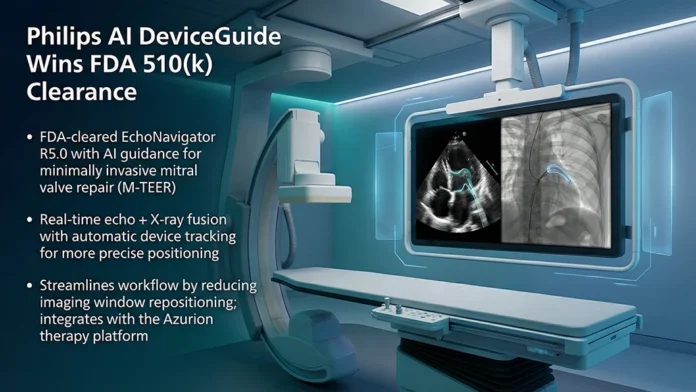
Regulatory clearance has been secured by Philips from the U.S. Food and Drug Administration for EchoNavigator R5.0 with DeviceGuide, an artificial intelligence-based software developed to assist physicians during minimally invasive mitral valve repair procedures. Designed to address the technical complexity of these interventions, the platform delivers real-time visualization and procedural guidance. The advancement reinforces the growing role of AI DeviceGuide in supporting precision-led interventional cardiology.

The development of DeviceGuide took place in collaboration with Edwards Lifesciences, combining Philipsโ€™ imaging and AI capabilities with Edwardsโ€™ expertise in structural heart therapies. The software is tailored to enhance workflow efficiency during mitral transcatheter edge-to-edge repair (M-TEER), which serves as a minimally invasive alternative to open-heart surgery for patients with mitral regurgitation. Through workflow optimization and guided navigation, AI DeviceGuide supports clinicians in executing these demanding procedures with improved consistency.

At its core, the system leverages Philipsโ€™ echo-fluoro fusion technology to merge live ultrasound and X-ray imaging into a unified display. Its AI-driven algorithm automatically tracks and visualizes the repair device in real time, enabling more precise positioning during procedures. โ€œThe AI software serves as an assistive tool; the physician always remains in control. This isnโ€™t about replacing expertise โ€“ itโ€™s about amplifying it,โ€ said Atul Gupta.

Development efforts included collaboration with investigational sites across Europe and the U.S., notably at the Structural Heart and Valve Center at NewYork-Presbyterian/Columbia University Irving Medical Center. The work involved Susheel Kumar Kodali, MD, and Rebecca T. Hahn, MD. โ€œSince AI auto-aligns imaging to the device in real time and continuously informs the interventionalist about the location of the device in space on the imaging screen, it minimizes unnecessary repositioning of the imaging window, streamlines procedural guidance, and may improve the precision of device implantation,โ€ said Dr. Rebecca T. Hahn. The solution integrates with Philipsโ€™ Azurion image-guided therapy platform and aligns with its broader connected cardiology strategy.

Translate ยป