










Close
Digital Health & Ai Innovation summit 2026
Medical Taiwan 2026

How To Choose The Right Teeth Whitening Treatment For You

Your smile is among the first things people recognize about you. That’s why it’s crucial to maintain the look of your teeth. In modern society, the appearance of your teeth says more about who you are. It denotes aspects of your identity, such as your economic status, health, and hygiene. For instance, a whiter, brighter smile signifies good health, beauty, and wealth. A yellowed or discolored smile is often associated with low self-esteem and poor economic status.ย 

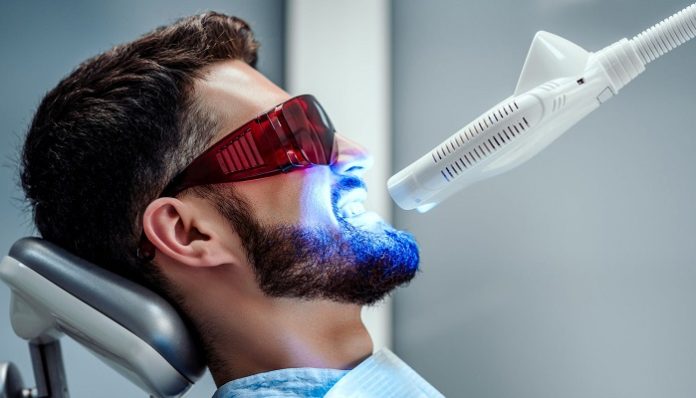
Fortunately, many teeth whitening treatment options are available to treat yellow teeth. These options include over-the-counter treatments like whitening toothpaste, strips, gels, trays, and in-clinic treatments such as bleaching and UV light therapy. However, so many options make choosing the proper treatment for you challenging. This article discusses the factors to consider when selecting a tooth whitening treatment.ย 

Sensitivity

Sensitivity is a crucial factor to consider when choosing a teeth whitening treatment. Some individuals with existing dental issues experience discomfort or sensitivity after teeth whitening treatments. Therefore, opt for gentle treatment if you have sensitive teeth or gums. Some over-the-counter treatments like whitening strips and gels can cause irritation and sensitivity, so choose products designed for sensitive teeth.ย 

Alternatively, you can visit a dental clinic such as Smiles on Queen for teeth whitening treatment tailored to your needs. For instance, dentists can design your products with fewer whitening agents that cause sensitivity. Also, the dentist may apply a protective gel to your teeth and gums to reduce sensitivity.ย 

Treatment Costย ย 

Treatment cost is another significant consideration when selecting a tooth whitening option. Start by creating a budget to decide how much you’ll spend on the treatment. However, remember that the cheapest option isn’t always the best.ย 

Generally, over-the-counter treatments are cheaper than professional treatments but may produce different outcomes. Over-the-counter treatments require weeks of consistent use to achieve the desired results. On the other hand, in-clinic treatments have better and longer-lasting results. They are completed faster, making them more convenient for people with busy schedules.ย 

The Type Of Teeth Stainsย ย 

Different stain types require different teeth whitening treatments. Therefore, identifying the type of stain is crucial in determining the proper treatment for you. Teeth stains are classified into intrinsic, extrinsic, and age-related. Intrinsic stains occur inside your teeth. They are caused by injury, trauma, tooth decay, and certain medications. Extrinsic stains appear on the teethโ€™s outer layer and are caused by smoking, drinking tea, coffee, and red wine. On the other hand, age-related stains are a combination of intrinsic and extrinsic causes.ย 

Teeth whitening treatments work differently based on the type of stain. Over-the-counter treatments with hydrogen peroxide or high concentrations of whitening agents can be effective for extrinsic stains. However, these treatments may not work for intrinsic and age-related stains, and in-office options such as veneers and bleaching may be necessary.

Severity Of Teeth Stains

The extent of teeth stains is among the essential factors for choosing a teeth whitening treatment. The degree of discoloration impacts the effectiveness of whitening treatments. Moreover, different whitening treatments are suited to cater to various staining levels.

For instance, if the stains are minor, over-the-counter treatments such as whitening toothpaste or strips can get the job done. However, if the stains are moderate to severe, in-office treatments such as bleaching may be required. These treatments use high concentrations of whitening agents such as hydrogen peroxide for effectiveness. For safety reasons, the treatments should be applied under the supervision of a dentist.

Generally, before choosing a tooth whitening treatment option, consult your doctor to determine the severity of the stains. It helps the dentist assess your condition and recommend the best treatment to achieve the desired results.

Your Oral Health

Your oral health is crucial when choosing a tooth whitening treatment. Teeth whitening products can cause discomfort and irritation, especially in individuals with underlying dental issues. Therefore, if you have dental problems like tooth decay and gum disease, treat the issues first before teeth whitening treatments. In such cases, you must consult your dentist on the best action.

Moreover, practicing good oral hygiene before, during, and after teeth whitening treatments is essential to maintaining oral health. Proper oral hygiene practices include brushing and flossing daily and regular dental cleanings and checkups.

Your Personal Preference

Different teeth whitening treatments have various ingredients, methods, and results; what may work for another person may not work for you. Therefore, go for what aligns with your personal preference.

For instance, some individuals prefer in-office teeth whitening treatment because it’s more effective and faster. Others prefer at-home teeth whitening kits because they’re convenient and can be done anywhere. Finally, some people prefer over-the-counter teeth whitening because it’s a cheaper and gentler treatment. Whatever your preference, ensure you discuss it with your dentist to determine if it meets your needs.

The Bottom Line

The correct teeth whitening treatment can make a significant impact on your smile. Therefore, incorporate the above factors to choose a treatment option that suits your needs. However, if you still find it challenging, talk to an expert for more insights.


Maximizing Your Medicare Benefits: Tips and Tricks for Choosing the Right Plan

Medicare is a federal health insurance program that provides coverage to individuals who are aged 65 or older, those with certain disabilities, and those with end-stage renal disease. While Medicare can be a great resource for seniors, navigating the system can be confusing, and choosing the right plan can be overwhelming.ย 

In this article, we’ll provide some expert tips and tricks for maximizing your Medicare benefits and choosing the right plan for your needs.

Understanding the Different Parts of Medicare

Before we dive into tips for choosing the right plan, it’s important to understand the different parts of Medicare. There are four parts of Medicare, each with different coverage options and costs:

  1. Part A (hospital insurance): Part A covers hospital stays, skilled nursing facilities, hospice care, and some home health care. Most people do not have to pay a premium for Part A.
  2. Part B (medical insurance): Part B covers doctor visits, outpatient care, preventive services, and medical equipment. Part B has a monthly premium, and the cost is based on your income.
  3. Part C (Medicare Advantage): Part C is an alternative to Original Medicare (Parts A and B) and is offered by private insurance companies. Part C plans often include prescription drug coverage and additional benefits like dental and vision. The cost of Part C plans varies based on the specific plan and your location.
  4. Part D (prescription drug coverage): Part D covers prescription drugs and is also offered by private insurance companies. The cost of Part D plans varies based on the specific plan and your location.

Tips for Choosing the Right Medicare Plan

Now that you understand the different parts of Medicare let’s explore some tips for choosing the right plan.

  1. Understand your healthcare needs: Evaluating your healthcare needs is important before selecting a Medicare plan. Do you have any chronic health conditions that require ongoing care? Do you take prescription medications regularly? Do you prefer to see certain doctors or specialists? Understanding your healthcare needs will help you choose a plan that provides the coverage and Medicare Supplement Plans you need.
  2. Compare costs: Medicare plans have different costs, including premiums, deductibles, copayments, and coinsurance. When comparing plans, make sure to consider all of these costs. A plan with a low premium may have high deductibles and copayments, which could end up costing you more in the long run.
  3. Research provider networks: If you have certain doctors or hospitals that you prefer to use, make sure they are in the provider network for the plan you are considering. Using out-of-network providers can result in higher costs or even no coverage at all.
  4. Consider prescription drug coverage: If you take prescription medications regularly, make sure the plan you choose includes prescription drug coverage. Part D plans can vary in coverage and costs, so comparing them carefully is important.
  5. Look for additional benefits: Some Medicare Advantage plans offer additional benefits like dental, vision, and hearing coverage. If you have specific healthcare needs, make sure to look for a plan that includes these benefits.
  6. Review plan ratings: Medicare rates plans based on quality and performance. You can review plan ratings on the Medicare website to get an idea of how a plan compares to others in your area.
  7. Seek assistance if needed: If you’re feeling overwhelmed by the process of choosing a Medicare plan, don’t hesitate to seek assistance. Medicare offers resources like the State Health Insurance Assistance Program (SHIP), which provides free counseling and assistance with Medicare-related issues.

Maximizing Your Medicare Benefits

Once you’ve chosen a Medicare plan, there are a few things you can do to maximize your benefits:

  1. Take advantage of preventive services: Medicare covers many preventive services like flu shots, mammograms, and cancer screenings at no cost to you. Make sure to schedule these appointments regularly to stay healthy and catch any potential health issues early.
  2. Understand your coverage: Ensure you understand what your plan does and does not cover. This will help you avoid unexpected costs and ensure that you receive the care you need.
  3. Use in-network providers: Using in-network providers can help you save money on healthcare costs. Make sure to confirm that your provider is in-network before scheduling any appointments.
  4. Review your plan annually: Your healthcare needs can change from year to year, so it’s important to review your Medicare plan annually to ensure that it still meets your needs. If your plan is no longer the best fit, you can switch plans during the annual open enrollment period.

In Conclusion

Navigating Medicare can be overwhelming, but with a little research and some expert tips, you can choose the right plan and maximize your benefits. Understanding your healthcare needs, comparing costs, researching provider networks, and seeking assistance if needed are all key steps in choosing the right plan. Once you’ve chosen a plan, taking advantage of preventive services, understanding your coverage, using in-network providers, and reviewing your plan annually can help you get the most out of your Medicare benefits.

How To Find The Right MSP For Your Healthcare Organization

Modern healthcare is faced with several challenges. The healthcare industry hasnโ€™t been left behind regarding technology. Itโ€™s adopting technology every other day for efficient service delivery. Technology brings with it several issues like data breaches.

Data breaches in healthcare can cause much harm, considering the thousands of patient data these facilities collect and store. Such possibilities necessitate expert IT services. The ideal expert to hire is a managed service provider (MSP). As a healthcare organization, you want to ensure you find the right one.

Hereโ€™s how to find the right MSP:

Ensure Theyโ€™re Qualified

Qualification goes down to training and experience. Adequate training shows the provider will meet your healthcare IT needs from the point of know-how. Youโ€™ll experience minimal to no errors. On the other hand, experience depicts the mastery of a skill. The MSP will offer its services to perfection and within the shortest period. Thereโ€™ll be no hesitation in execution.

Ensure your chosen MSP has adequate training and experience. Verify the training by asking to see their education certificates and accreditations. With experience, inquire about the years theyโ€™ve offered their services. As you seek IT outsourcing from Tenecom, ensure theyโ€™ve served for several years. Theyโ€™ll better anticipate and meet your needs.

Inquire About Their Resources

Resources are what will assist your chosen MSP in meeting your needs. These mainly touch on workers and technology. The managed service provider has several other clients besides you. Youโ€™d want to make sure they have a team big enough to meet your needs and those of other clients. None of you should compete for their attention. If thatโ€™s the case, youโ€™ll likely experience substandard services.

Regarding technology, the latest and most advanced in the industry will ensure the MSP meets your needs efficiently. Therefore, ensure your chosen MSP has enough workers and the latest tools. It’s from XL.net’s CEO Adam and other gurus in IT outsourcing.

Get Recommendations

Finding the right MSP from scratch can take time and effort. Youโ€™ll be operating from an unknown and through trial and error. Hence, itโ€™d help to get recommendations. Recommendations are referrals from friends, family, or other third parties who previously sought the services of an MSP.

Itโ€™s best if theyโ€™re in healthcare; the referrals will meet your specific needs. Overall, the list you get narrows down the search process. Itโ€™s important to note that your needs might differ from those of your friends and family. Further vet the providers to ensure theyโ€™re right for you. The list is only a starting point.

Look At Reviews

As you vet several MSPs, most of them will assure you of their excellent services by word of mouth. How sure are you they arenโ€™t lying and itโ€™s not about public relations (PR)? Reviews refer to feedback left by a companyโ€™s previous and current clients. Theyโ€™ll help you verify their words’ legitimacy and gauge the service quality.

Find reviews on the managed service providerโ€™s website. Most websites have this section. Alternatively, do a general Google search on the provider. Focus on feedback regarding their services. The right healthcare MSP should have more positive than negative reviews.

Consider Affordability

You donโ€™t need to spend a fortune with the right provider to seek their services. Therefore, seek an affordable provider. What depicts affordability? Your budget.

A budget denotes what to spend on and to what extent. How much does your budget allow for managed IT services? Your chosen provider shouldnโ€™t exceed your set budget. Ensure this by requesting quotes from several MSPs. Compare the figures and settle for the one whose cost falls within your budget.

Itโ€™s important to note that affordability also extends to your ability to make the payments as agreed, monthly or quarterly. Overall, you shouldnโ€™t strain financially to get these services.

Inquire About Their Availability

IT healthcare issues can arise at any time. You could experience a data breach at 3 AM. The MSP should be available during this time, hence the need to consider the MSPโ€™s availability. There are two aspects to availability: location and working hours.

Regarding location, hiring an MSP with offices near your healthcare organization is best. It doesnโ€™t have to be the main officeโ€”a branch will suffice. You want to ensure they can easily pop in and out of your facility to assist you with your challenges.

Concerning working hours, itโ€™d be advantageous if the provider offered 24/7 services. Theyโ€™ll always be available, whether at night or during the day. Also, itโ€™s best if they also work during holidays. Most healthcare facilities are always running and know no holiday.

Conclusion

A managed service provider is a great addition to your healthcare organization. They bring in expertise to handle your IT and ensure everything runs efficiently. The discussion above guides on finding the right MSP. Adopting them as you search for a provider is in your best interest. The process is much faster and there are higher chances of success.

Enhancing Patient Care with Laboratory Information Systems: How They Improve Clinical Operations

Over thirteen billion laboratory tests are conducted every year in the U.S. Thatโ€™s about 412 tests every second. The importance of ensuring the reliability of every one of these tests can not be overstated.ย 

An article from the American Society for Microbiology states that laboratory medicine contributes to 80% of medical decisions and diagnoses.ย 

The quality of laboratories and the tests they conduct play a critical role in helping physicians across the country make better diagnoses and develop treatment plans. It is no wonder, then, that the field of laboratory medicine has been growing rapidly, and its current global market value of $217.53 billion is expected to reach $280.67 billion by 2030.ย 

One tool that holds considerable value in this field is Laboratory Information Systems (LIS). In this article, we will explore how LIS systems play a massive role when it comes to improving the lives of patients.

Improved Analysis of Patient Data

Given the number of tests that laboratories run every day, ensuring accurate analysis of patient data is of the utmost importance. The factors that affect good analysis range from human error and equipment malfunction to poor communication, inadequate training, and workflow inefficiencies.ย ย 

LIS improves the analysis of data due to the quality control measures it brings. LIS systems are often capable of running automatic quality control checks and can identify errors before results are even reported.ย 

Most LIS systems also use electronic data entry, which reduces the scope of entry errors. As a result, physicians can understand the patientโ€™s condition better and provide diagnoses that are reliable.

Automated Workflows and Increased Efficiency

One of the best ways that LIS systems help improve the lives of patients is that they can speed up the turnaround time between a physician sending a sample to the laboratory and the time they receive it back. This means less time spent in the hospital system and less money spent as a result.

LIS eliminates a lot of paperwork and also helps keep track of patient data along with their samples and orders. They also help out considerably when it comes to improving general efficiency as these systems allow for highly efficient means of communicating.ย 

For example, with LIS systems, laboratory staff can communicate with each other through pre-defined templates that ensure consistency and transparency.ย 

While there are a number of LIS systems available on the market, the best way to go about choosing one would be to do a thorough assessment of the issues or risks that have been occurring or might occur in your laboratory. Based on that analysis, you should be in a better position to find a suitable LIS system that addresses your needs.ย 

The LIS system โ€œNovoPath 360โ€ is used by several large hospitals and laboratories. It is an option that offers many features, such as molecular and anatomic testing, along with other workflow tools that help improve laboratory efficiency.

Superior Accuracy and Lower Rate of Errors

It goes without saying that the field of medicine has an incredibly low tolerance for errors. Unlike other high-risk fields, the risk here is not the waste of expensive parts or components but human life itself. Physicians go through years of rigorous training to ensure that they can reliably diagnose patients and devise appropriate treatment plans.

Despite this rigor, it is still easy for errors to occur. Let us look at an example. Doctors from the National University Hospital, Singapore, published an article in the Journal of Clinical Pathologyย that described an incident where despite routine quality control testing prior to patient sample analysis, an error made it through and went unnoticed for ten days.ย 

The error was caused by a malfunction in the Immulite 2000 Siemens analyzer, which was used to conduct endocrine tests. If the error hadnโ€™t been detected by an endocrinologist who noticed particularly high insulin-like growth-factor 1 concentration, it could have affected the diagnosis and treatment plans of nine patients.ย 

A properly configured LIS system could have detected this error. It is designed to capture and check data throughout the testing process, all the way from data entry to testing and reporting.ย 

LIS systems typically include built-in validation rules that would have checked if the test results were consistent with the patientโ€™s clinical history and related lab results.ย 

Conclusion

There is never going to be a 100% foolproof method to stop errors, as both humans and computers make mistakes. Thus, the potential to improve laboratory workflow is limitless, and the improvement of tools and methods to prioritize patient welfare should always be a primary objective.ย 

With that said, LIS systems are one of the best options we currently have at our disposal that help automate a lot of the areas that are prone to errors and mistakes.

LIS systems are also one of the best ways to detect laboratory testing errors, which is critical in ensuring that physicians provide the most accurate and effective diagnoses and treatment plans.

The Surprizing Benefits Of Cargo Bikes For Healthcare And Beyond

During the course of the last few years, the world has witnessed some astounding as well as unlikely breakthroughs in the world of healthcare.

One of the latter, which may seem unassuming at first, is the way in which cargo bikes have been proven to be innately useful โ€“ particularly during the pandemic.

For example, in the EU, the Cargo Bikes in Urban Mobility organization demonstrated how convenient โ€“ and potentially even life-saving โ€“ these bikes could be. They used cargo bikes during the pandemic to provide care for vulnerable people who had to shield for long periods of time due to the threat of contracting Covid-19. They were also used to help local restaurants make food deliveries, thereby preventing those restaurants from going out of business.

In the UK, similar success stories were heard, as cargo bikes were employed to make food deliveries to hospital staff working on the frontline, as well as making deliveries to both foodbanks and pharmacies. Cargo bikes allowed delivery drivers to remain as safe as possible while out and about, limiting their contact with other people.

However, these remarkable uses of cargo bikes in the medical world arenโ€™t the only form of benefit that this kind of transport can bring. Read on to discover more about the various significant โ€“ and perhaps surprizing โ€“ advantages of using cargo bikes, not only for healthcare professionals but, indeed, for anyone in any kind of work.

What Are Cargo Bikes?

First things first, letโ€™s take a look at the definition of a cargo bike, as you may be unfamiliar with these seemingly humble and unwieldy cycles.

Essentially, a cargo bike is a large cycle that contains a storage unit or flatbed to allow the rider to carry cargo of various kinds โ€“ including living cargo, in the form of beloved pets or even children. To accommodate this extra weight, cargo bikes have a longer wheelbase than regular bicycles, and are much more robust in build.

Once upon a time, cargo bikes may have been a relatively unfamiliar sight on American roads and cycle tracks, despite the fact that they have been in existence for well over a century. However, as the 21st century rolls on, they have become increasingly common as more people have realized the versatility and convenience of this form of transport. In addition, innovations such as newer electric cargo bikes have meant that riders can carry substantially more weight, without having to struggle, as the electric motor will help to power the bike, even on an incline.

As a result, people have been adopting cargo bikes as their new form of transport to work, and have also been using the bikes to make deliveries of goods or food โ€“ or vital healthcare supplie, such as vaccines and even chemo.

The Environmental Advantages

The environmental impact of our most popular forms of transport has become painfully clear in recent years, with climate change making itself known in all kinds of devastating ways across America and beyond.

As a result, many businesses and organizations are becoming increasingly concerned with their carbon footprint, and are keen to find ways to lower emissions and reduce air pollution โ€“ particularly if they live in built-up areas.

This is where cargo bikes can come into their own, as they donโ€™t require any fuel, which means they produce significantly fewer emissions, while still being able to make deliveries faster than more โ€˜conventionalโ€™ forms of transport, such as delivery vans.

This form of clean, green โ€“ and efficient โ€“ transport begs the question: to what extent could towns and cities (not to mention hospitals and healthcare facilities) around the world reduce their carbon emissions if they used cargo bikes much more widely?

Another related benefit of the eco-friendly transportation provided by cargo bikes is financial. The spikes in fuel prices that have occurred in recent months โ€“ which show no sign of diminishing any time soonโ€“made worrying dents in bank balances across the US. Cargo bikes offer a more financially viable alternative, and riders also donโ€™t need to worry about additional costs that come with cars or trucks, such as potentially pricey repairs. Cargo bikes donโ€™t even require a license in order for anyone to operate them, making them a more convenient option.

Cargo Bike Considerations

Of course, despite the various benefits, there are also some important things to think about before investing in a cargo bike or rolling out a cargo bike transport policy across your healthcare company for deliveries of medicine or supplies.

Perhaps the obvious downside is that cargo bikes do not afford the same levels of protection as a car or truck, as they are not enclosed, and there is always the chance that other unscrupulous road users could collide with a cargo bike.

Cargo bike owners will also need to invest in insurance for their bikes, to cover them against various risks, such as theft, accidental damage, liability, and more. After all, despite their various benefits, cargo bikes can still be involved in serious accidents which can cause injuries or damage to people and property.

Fortunately, if you or other staff members at your hospital or healthcare facility are planning to invest in cargo bikes, you can easily find specific cargo bike insurance with the help of Velosurance. There are different policies available; for example, when it comes to liability coverage, you can choose between coverage limits of $25,000; $50,000; $100,000; or even $300,000 per occurrence of an accident.

The Health Benefits Of Riding A Cargo Bike

While there is always the risk of you or a member of your healthcare team having an accident on a cargo bike, these versatile forms of transportation also bring numerous health benefits โ€“ not least an improvement of air quality, due to the fact that they donโ€™t produce noxious emissions.

For one thing, if cargo bikes are used as form of medical delivery vehicle, they can provide easily accessible treatment to people who may find it difficult โ€“ or even dangerous โ€“ to visit a hospital or healthcare setting. So many forms of treatment or medical expertise can be provided with the aid of a cargo bike โ€“ from Covid-19 vaccinations to โ€˜mobileโ€™ physiotherapy for patients who are not capable of leaving their homes with ease.

Cargo bikes can also bring mental and physical benefits for the healthcare professionals who use them. For one thing, cycling is a highly effective form of exercise in its own right. In fact it has been found to aid the body in a number of significant ways โ€“ from improving weight loss and lowering blood sugar, to reducing the risk of a number of potentially life-threatening diseases. These range from diabetes to some cancers and even cardiovascular disease.

But thatโ€™s not all; cycling (on a cargo bike, or any other form of cycle) also has some vital mental health advantages too, reducing stress levels and also lowering the risk of developing depression by 17%.

Overview

Although they have been around for decades, the humble cargo bike seems to be coming into its own, with plenty of benefits to offer the medical world โ€“ not to mention the environment. With so much going for them, it seems highly likely that more hospitals and healthcare settings around the world will begin employing these sturdy, versatile bikes for a wide range of uses โ€“ benefitting employees, patients, and the planet, all at once.

How to Become a Travel Nurse in Illinois

The nursing profession is versatile, offering various career opportunities, and travel nursing is one of the most exciting options available. If you’re looking for a way to combine your love for nursing with the thrill of exploring new locations, becoming a travel nurse in Illinois might be the perfect choice for you. In this blog post, we will guide you through the process of becoming a travel nurse in the Land of Lincoln, from obtaining the necessary licenses to finding the best travel nursing jobs Illinois has to offer.

Finding Travel Nursing Jobs in Illinois

The first step in becoming a travel nurse in Illinois is to find the right job opportunities. There are numerous healthcare staffing agencies that specialize in connecting travel nurses with job openings across the United States. By working with a reputable agency, you can be sure that you’re getting access to some of the best travel nursing jobs Illinois has available, covering various specialties and settings.

Obtaining Your Illinois Nursing License

To work as a travel nurse in Illinois, you will need to obtain a nursing license from the Illinois Department of Financial and Professional Regulation (IDFPR). There are two ways to do this:

โ€ข Licensure by Endorsement: If you’re already licensed as a nurse in another state, you can apply for an Illinois nursing license through endorsement. This process requires you to submit a completed application, proof of your current license, and verification of your nursing education.

โ€ข Licensure by Examination: If you’re a recent nursing graduate or have never been licensed as a nurse, you will need to pass the National Council Licensure Examination (NCLEX) to obtain your Illinois nursing license. You must also submit a completed application and provide proof of your nursing education.

Joining a Nurse Compact State

Illinois is a member of the Nurse Licensure Compact (NLC), which is an agreement between participating states that allows nurses to practice in any NLC state using a single multi-state license. If you hold a multi-state license from another NLC member state, you can practice in Illinois without obtaining a separate Illinois nursing license. However, if Illinois becomes your primary state of residence, you will need to apply for an Illinois nursing license.

Maintaining Your Certifications and Continuing Education

To maintain your nursing license and stay competitive in the travel nursing job market, you should keep your certifications and continuing education up-to-date. This may include Basic Life Support (BLS), Advanced Cardiac Life Support (ACLS), Pediatric Advanced Life Support (PALS), or any specialty certifications relevant to your chosen nursing field. Many travel nursing agencies offer resources and assistance to help you stay current with your certifications and education.

Building a Strong Resume and Professional Network

Having a strong resume and professional network is crucial to securing the best travel nursing jobs in Illinois. Your resume should highlight your nursing experience, skills, and certifications, as well as any travel nursing assignments you have completed. Additionally, connecting with other travel nurses and healthcare professionals can help you learn about new job opportunities and receive valuable advice on how to succeed in the field.

US Private Equity Deals Within Healthcare Hit $90B In 2022

UBERDOC Launches UBERDOC for Hospitals to Significantly Reduce Hospital Administrative Costs

According to a report from one of the consulting firms, private equity in healthcare had its second-best year on record in 2022, closing at around $90 billion in deals.

Despite a decline caused by macroeconomic and geopolitical forces in the second phase of the year, 2022 still happened to be the second-best year on record at the time for healthcare dealmaking, mainly due to the white-hot pace of invested capital at the start of the year, says the report.

The total disclosed deal value reached almost $90 billion, a decrease from $151 billion in 2021 but more than $10 billion higher than the previous year. A fresh study says that enough dry powder and a proven track record of returns will help attract healthcare-specific funds in 2023.

According to Kara Murphy, co-lead of healthcare private equity with a consulting firm, healthcare private equity has developed a recession-proof reputation, generally exceeding overall private investment activity throughout economic downturns.

Looking forward to 2023, funds are seeking fresh sources, carving out public-to-private transactions, and exploring sub-sectors that may outperform the current market situation.

According to the research, there are some industries to keep an eye on this year, including biopharma and life sciences. Six of the top ten acquisitions last year were in biopharma, life science instruments, and related services, and more than 600 healthcare buyout agreements have been completed globally over the last five years within these subsectors.

Another element to keep an eye on is the long-term macro factors that continue to boost real value-based care adoption across a range of care models. While investment activity in primary healthcare and Medicare Advantage remains concentrated, opportunities in other payers as well as specialised categories are expanding.

Enabler models are an appealing investment path, with adoption spurred by the need for typically fee-for-service organizations to participate in risk-based arrangements. Providers and value-based care facilitators who can bend the cost curve with innovative care models and advanced analytics are well-positioned to thrive.

This trend is anticipated to accelerate as legislation tightens, data from early adopters becomes available, and more capability-enhancing technology enters the market. Fee-for-value arrangements will gain 15%โ€“20% of the share from traditional FFS providers in general practise by 2030, paving the way for additional investment in the field.

It is also worth noting that 2022 was a watershed moment for generative artificial intelligence, with new services in imaging and text production developing. AI is already expediting drug discovery, streamlining supply chains, and automating payer and provider back offices. Application cases for generative AI are still developing, and stakeholders are watching attentively, ready to react when the time is right.

Finally, despite consistently underspending on technology, healthcare IT buyout volume in 2022 was the second largest on record. While provider IT remains the primary driver, biopharma IT and payer IT happen to be catching up.

According to an AHIP brief on private equity funds in healthcare released in September 2022, the need for these firms to earn large profits, especially through provider consolidation, directly contradicts the goal of cutting costs.

As per the brief, there has been an increase in private equity investments in fee-for-service healthcare initiatives over the last decade.

According to AHIP, some private equity groups seek a rapid profit by acquiring fee-for-service medical providers such as physician specialties and ambulance services. They sell their shares within three to seven years, then, with the goal of achieving a 20% to 30% profit return in that timeframe, according to the insurers’ organisation.

According to AHIP, at least 70% of physicians in the United States are either directly employed by a corporate company or employed by a hospital owned by a corporate entity, most typically a private equity firm.

According to AHIP, hospitals controlled by private equity firms earn roughly 30% more than hospitals owned by other companies by employing a variety of revenue-boosting strategies.

Green Light To Ultrasound Efficacy To Detect Breast Lumps

Ultrasound happens to be an effective as well as a standalone diagnostic technique in patients that have focal breast complaints as per a new study. These breast complaints can be related to lumps, pains, discharge from nipples, or any other conditions that are confined to a particular breast area.

The study happened to be published in Radiology, which is a Radiological Society of North America journal.

It is well to note that in women, the complaints related to focal breasts happen to be a frequent issue. For instance, in the Netherlands, around 70,000 women visit the radiology department per year with complaints pertaining to focal breasts. Most of the common ones happen to be those of lumps or pain.

Apparently, many women who come with focal breast complaints fall between ages 30 and 50. The standard diagnostic tool for women who are 30 years of age and older is the digital breast tomosynthesis (DBT), which is followed by a targeted ultrasound.

Although the DBT offers a complete image of both breasts, ultrasound on the other hand can help achieve more targeted imaging when it comes to a specific breast area. Notably, the quality of ultrasound images has improved considerably in recent years.

When it comes to this new study, the researchers have set out to look into the ultrasound’s performance alone as a diagnostic tool thatโ€™s effective in women above the age of 30 who have come up with localised breast complaints at 3 hospitals through September 2017 to June 2019.

According to study co-author, Linda Appleman, MD, who is a breast radiologist at the Department of Medical Imaging in Nijmegen at the Netherlandsโ€™ Radboud University Medical Centre, ultrasound as the very first imaging method can very well share clarity when it comes to focal breast complaints.

Notably, breast lumps as well as localised breast pain are two of the most common symptoms that have been reported by the 1961 women who have been included in the study. Overall, a total of seven subgroups with focal complaints had been recognised. Across all the patients, targeted ultrasound happened to be the first, which was followed by DBT. If needed, a biopsy was performed after an ultrasound. Because ultrasounds happened to be conducted initially, the radiologists werenโ€™t too convinced by the DBT images when it came to interpreting ultrasounds.

The evaluation itself showed that the ultrasound alone led to an accurate diagnosis in 1759 patients out of the entire lot of 1961 patients, which was almost 90%. Above 80% of the complaints involved normal or benign findings, such as a cyst. Dr. Appleman added that they found that the diagnostic accuracy of ultrasound in women with focal breast issues was high.

On the basis of ultrasounds alone, 374 patients took biopsies, which in turn resulted in around 192 symptomatic diagnoses of breast cancer.

It is well to be noted that ultrasound of focal breast issues may be especially useful in low and middle-income nations where ultrasound can be found more than DBT. As per Dr. Appleman, their study reflected that ultrasound alone can be effective when it comes to diagnosing focal breast complaints in the majority of women. In settings where there are limited resources, initial ultrasound can always prove to be beneficial compared to mammography.

Notably, the cost effectiveness of the ultrasound as well as the enhanced patient comfort throughout the procedure are other elements to be considered as far as expanding the implementation of symptomatic breast cancer diagnosis are concerned.

What the Future of AI-empowered Hospitals Will Look Like

Over the past decade, demands on hospital staff have dramatically increased. Factors such as an aging population, a rise in inpatient acuity, a global pandemic, and unprecedented levels of burnout are presenting extraordinary challenges to those in the field. Consequently, an alarming shortage of healthcare workers has emerged, and it is only expected to worsen. In fact, a study by McKinsey & Company projects a gap of over 200,000 nursing positions by 2025. The problem is evident, and there has never been a more critical time to find innovative ways to support these essential workers.

As a result, hospital executives are increasingly focusing on the role of technology in healthcare settings. Although technological innovation, including AI, is not new to healthcare, previous solutions were not designed with end-users in mind. Furthermore, these solutions had narrow scopes and failed to gain trust and buy-in from clinical staff. However, it is time to reconsider AI and adopt a new approach.

The next generation of AI solutions for hospitals needs to shift from attempting to “power” hospitals to understanding how to “empower” them by supporting clinical staff. To achieve this, two primary additions are necessary:

  1. Move beyond analyzing existing data to providing previously unavailable information on patient conditions, particularly when staff cannot be present.
  2. Integrate AI with virtual care workflows that seamlessly combine “Human + AI” to deliver the right answers for the appropriate care team members.

AI as the Ever-Improving Sensor

AI capabilities have advanced significantly, with solutions now able to monitor patients in a manner akin to how a person would see them. This area of artificial intelligence utilizes computer vision, enabling computers to see what is happening and make observations similar to those of humans.

Computer vision can be used in hospital settings to identify who is in a patient’s room; how the patient is moving; whether they are restless in the middle of the night or lethargic in the afternoon; assess light and sound levels in the room; and much more. Once the AI has collected this data, it can see patterns in simple and complex ways and communicate this with trained staff. Unlike earlier AI solutions, computer vision is not reliant on making judgment calls to be useful; rather it is observing and presenting information to those who can.

AI as the assistant to virtual sitters, nurses and doctors

AI can prompt nurses, doctors and other healthcare personnel on where their judgment is needed – like blind spot detection in a car. This form of AI can be instrumental in alleviating healthcare staff challenges by providing support and assistance in familiar ways. Yet today, these are the scarcest resources in the hospital.  There is tremendous competition for their time with every patient. Furthermore, today AI is missing both information and knowledge available to humans involved in care.

The true power of AI integration in hospitals will be realized when virtual staff members collaborate with the technology. Guided by AI, these virtual staff members can quickly assess all patients, prompting investigations or decisions based on previously known patterns. For instance, they may notice through computer vision data that a patient is moving much less in the middle of the day and hypothesize that they had a rare reaction to a medication change. These virtual staff members could then share their concerns with bedside colleagues or proactively order additional labs or follow established hospital care plan protocols. This human + AI integration minimizes the impact of change on the bedside team while providing the much-needed assistance they desperately require through the familiar ‘interface’ of another clinical team member.

Final Thoughts

Hospitals cannot continue to operate as they currently do, nor can they assume that the fully ambient hospital of the futureโ€”complete with evidence and a justifiable ROIโ€”will be readily available from any vendor or solution soon. As staffing shortages intensify daily, hospital decision-makers must adopt a new, pragmatic approach to incorporating technology before it’s too late. The combination of computer vision and AI, supported by virtual inpatient teams, offers a cost-effective way to alleviate some of the immense pressures facing frontline care teams in hospitals today. Ultimately, embracing this innovative approach to AI implementation will not only revolutionize the way clinical staff navigate their daily challenges, but also pave the way for a new era of healthcare that prioritizes both staff well-being and exceptional patient care.

Greiner Bio-One celebrates its 60th anniversary

In 1963, the Greiner Bio-One division (then Greiner Laboratory Technology) was established within the Greiner Group to manufacture of the first Petri dish made of plastic. On its 60th anniversary, the globally active company with Germanโ€“Austrian roots can look back on its milestones and pioneering history.

Kremsmรผnster, April 2023 โ€“ Medical device manufacturer Greiner Bio-One, headquartered in Kremsmรผnster (Austria), is celebrating its 60th anniversary. Today, the company employs around 2,800 people at 29 locations in 22 countries worldwide. With products such as the first evacuated blood collection system made of plastic or the first 1536 well microplate in the world, the company has sustainably shaped progress in medicine.

The first Petri dish: The start of a long success story

The idea for a plastic Petri dish originated in 1963. Greiner had already been supplying customers with pharmaceutical packaging containers. Good contacts to institutes with laboratory requirements were therefore in place. Greiner began manufacturing the first single-use polystyrene Petri dish in Nรผrtingen (Germany) in 1963. It was then that Greiner Labortechnik was founded.

Proud of a rich pioneering history

In the decades that followed, the company brought numerous innovations to market and often demonstrated a pioneering role โ€“ for example, in the development of the first evacuated plastic blood collection system or the worldโ€™s first 1536 well microplate. With these innovations, the company has revolutionised blood collection and set new standards in medical research.

โ€Our employees have made Greiner Bio-One one of the leading international companies in the industry. I am proud of our achievements so far. At the same time, we are looking ahead with expertise, consistency, and reliability and will continue to make a difference to human health”.

Rainer Perneker, CEO of Greiner Bio-One International GmbH

The future builds upon the past

Since 1963, the company has been instrumental in the development of consumables in the medical, diagnostics, and life sciences industries. With this innovative spirit, Greiner Bio-One is greatly supporting the successful work and reliable results of its customers. The company continues to aim to make a difference to human health.

Translate ยป