Close
Digital Health & Ai Innovation summit 2026
Medical Taiwan 2026

Insightec Receives FDA Approval to Treat Essential Tremor Patients Second Side, Expanding Total Available Market in United States

neurosurgery

Insightec, a global healthcare company dedicated to using acoustic energy to transform patient care,ย  announced it has received an additional FDA approval for treatment of essential tremor using its Exablate Neuro platform.

Essential tremor commonly affects both sides of the body, and this new FDA approval will allow appropriate patients to have their second side treated at least nine months after treatment of the first side.

The Insightec-sponsored study included 51 patients treated at seven leading academic medical centers in the US and evaluated safety and efficacy endpoints out to six months.

Data from the study showed a highly significant reduction in tremor following treatment of the second side. These results were immediate and sustained through at least six months of follow-up, consistent with results from treatment of the first side. Importantly, there was a significant improvement in functional disability, which suggests a clinically meaningful effect in activities of daily living, like eating, drinking, and writing. The majority of adverse events were mild, with a similar safety profile to treatment of the first side.

“This FDA approval is a very important milestone for us and demonstrates our unwavering commitment to expanding the treatment options for people living with essential tremor,” said Maurice R. Ferrรฉ, MD, CEO and Chairman of the Board of Directors at Insightec. “It’s very common for patients who’ve benefited from tremor reduction from the first side treatment to ask about having the second side treated. This approval paves the way for them to do that.”

“We are happy to have an option for patients with essential tremor to ultimately receive focused ultrasound treatment on both sides of the brain,” said Michael G. Kaplitt, MD PhD, Professor and Executive Vice-Chair of Neurological Surgery, New York Presbyterian Hospital-Weill Cornell Medicine, and Principal Investigator of this study. “The investigators are working with Insightec to share the full results of the study with the professional community in an academic publication to further help practitioners guide their patients going forward.”

Healthy.io Partners with Blue Cross of Idaho to Improve Access to Kidney Testing Across Idaho

Kidney disease detection to be revolutionised with new AI smartphone app

Healthy.io, the global leader in transforming the smartphone camera into a medical device, and Blue Cross of Idaho announced a new multi-year partnership that will provide innovative tools to help Idahoans lead healthier lives by promoting early detection of kidney damage and chronic kidney disease (CKD).

This multi-year collaboration will provide people across the state with access to Healthy.io’s Minuteful Kidneyโ„ข test, the only FDA-cleared at-home kidney test. Through this partnership, Blue Cross of Idaho employees and Medicare Advantage members will have an easy way to test for signs of kidney damage, with instant clinical-grade results that are shared directly with their primary care physician.

Beginning this month, test kits will be provided to select Blue Cross of Idaho employees ahead of a broad rollout with Medicare Advantage members in 2023.

Blue Cross of Idaho is at the forefront of closing key care gaps for members. The partnership with Healthy.io will help improve health equityโ€”especially in rural and underserved communitiesโ€”by increasing access to a critical test for at-risk Medicare Advantage members across Idaho. A recent study found that 38% of rural Idahoans reported their primary care physician was between 25-100 miles from their home.

“Minuteful Kidney plays an important role in improving health equity by increasing access to a critical test that can facilitate the early detection of CKD,” said Paula LeClair, US General Manager of Healthy.io. “We are delighted to be working with Blue Cross of Idaho to put this reliable, easy-to-use test in the palm of so many hands across the state.”

Providing easy-to-use at-home diagnostic tools, such as Healthy.io’s Minuteful Kidney test kits, helps vulnerable communities access much-needed healthcare services that are often out of reach. Healthy.io’s Minuteful Kidney service facilitates early detection of CKD by allowing patients to take the test anywhere they want, at any time.

CKD is referred to as a “silent killer” because it often doesn’t have symptoms until very late stages. One in three Americans is at risk, including those with diabetes and hypertension. Yet most don’t know they have the condition until it progresses to end-stage renal disease, eventually requiring dialysis and/or a kidney transplant.

People at risk for CKD should complete an annual albumin-to-creatinine ratio (ACR) test, yet 80% don’t take the test. Healthy.io’s recent 510(k) clearance from the U.S. Food and Drug Administration (FDA) for home use of the Minuteful Kidney test marks the first time the FDA has granted clearance for a smartphone-powered home test to determine ACR. Now, patients can take a clinical-grade ACR test at their preferred time and location, with a simple smartphone scan. This is the first and only home test that allows patients to get immediate results without sending a sample to the lab.


ATA Lauds Congress On Extending Telemed Fluidity By 2 Years

The American Telemedicine Association has applauded the inclusion of a two-year renewal for Medicare telehealth extensions that have been in place since the COVID-19 public health emergency was declared in 2020 in the bipartisan omnibus budget package from both chambers of Congress.

The ATA Action affiliate of the telehealth group also complimented lawmakers from both parties on Capitol Hill for including measures postponing the Medicare telemental health in-person mandate for two years in the bill.

According to Kyle Zebley, senior vice president for public policy at the American Telemedicine Association and executive director of ATA A, Congressional telehealth winners on both sides of the political spectrum arrived through for the American people and for ATA and ATA Action members, by reaching the plea for more surety around telehealth connectivity for the coming 2 years, while they continue to work with decision makers to make telehealth access a regular fixture of the healthcare delivery for the future.

The Acute Hospital Care at Home Program and the safe harbour to offer telemedicine in high-deductible health plans with health savings accounts are both extended by two years in the omnibus.

While the Ryan Haight in-person waiver for remote prescription of controlled substances is not similarly extended by the bill, it does direct the Drug Enforcement Administration to issue final regulations outlining the conditions under which a Special Authorization for Telemedicine may be issued and the process for applying for the registration.

Within the coming week, the omnibus package is anticipated to be approved by Congress and sent to President Biden for his signature.

For several months, as numerous bills with varied elements made their way through Congress, the American Telemedicine Association and ATA Action advocated for the extension of Medicare telehealth flexibilities past the PHE and through 2024.

Congress heard what they had to say. They are sincerely appreciative of their steadfast backing for telehealth, Zebley remarked. It’s time to quickly send the bill to the president for approval before the year is up. The hard work remains, as they persevere in pushing telehealth permanency and erecting a durable wall to the telehealth cliff, he added.

Top Tips to Provide Great Post-Care Services to Mental Health Patients

Post-care services are just as crucial for mental health patients as for medical patients. Post-care is the period after a patient is discharged from a hospital or treatment center.ย 

It includes ensuring they have access to resources and social support and monitoring their physical and mental health during this time. It’s also essential to ensure that your patients understand what they can expect while recovering at home to feel more prepared when the time comes.

Offer Access to Social Workers and Counselors

Social workers and counselors can help patients with various issues, such as housing and job placement, emotional support, general life advice, and more. Many of you may be wondering about the difference between these two professions. While they have different titles in some places, they’re essentially the same thing.ย 

While over 198,811 therapists and over 81,000 psychologists are practicing in the US, according to Cross River Therapy, there are few counselors. Connect your patients to an appropriate counselor to help them settle down post-therapy or treatment.

Connect the Patient to a Support Group

When a patient comes to you with a mental health issue, it is essential to remember that they are not alone. It may seem that way as they sit in your office, but millions of people have been through what they’re going through.

Support groups can be an excellent resource for patients to find others who understand what they’re going through or have similar experiences. In support groups, patients can find friends who will listen and help them feel less isolated.

Give Access to Mental Health Resources

You can help your patients by providing them with access to mental health resources. You should ensure they have a list of local, national, and global mental health resources. The more options you give them, the easier it will be for them to get help when they need it most.

If your facility uses software for mental health practices, make sure that there is a link on these platforms that points people toward relevant mental health resources.ย 

Check Up on Your Patients

A critical step to providing excellent post-care services is to check up on your patients. This exercise aims to ensure that the patient is getting the support they need and are doing well. Therefore, it is essential to follow up with them regularly.

You can use software for mental health practices to stay in touch with patients easily. These tools allow you to send email reminders, track appointments, and more.ย 

Software like this can help your patients immensely. From scheduling appointments to using the patient portal for all necessary information, and from managing billing and insurance to charting the patient progress, this software offers everything and then some.

Make Sure Your Patients Have Access to Medication Management Software

According to ReportLinker, the medication management systems market is projected to touch $4.86 billion in 2026. Medication management software is a crucial tool for mental health providers because it can help you track and manage your patients’ medication. It will allow you to ensure they take their medications as prescribed.

While it may seem basic, medication management software is quite advanced. Most programs allow you to input all of your patient’s information into one convenient database and keep track of their medications and dosages over time. It will enable quick access if you need to reference any of this data later, such as when writing up treatment plans or making discharge plans with another provider.

While it may seem like a no-brainer for mental health providers to use this program in their practice, many don’t because they need to realize how beneficial it can be.ย 

Post-Care Services Are Incredibly Important for Mental Health Patients

According to CDC, adults who had received any mental health treatment in the last year increased from 19.2% in 2019 to 21.6% in 2021. Post-care services are essential for mental health patients, especially since they are more likely to relapse than other patients.ย 

Transitioning from treatment to the outside world can be difficult and stressful, so post-care services are crucial in helping patients adjust to life after treatment.

Post-care services include transportation, housing assistance, case management, and emergency support services. These services help with everything from finding a job or getting your driver’s license back to housing issues.ย 

In addition to helping people adjust from rehab/drug rehab programs/mental health facilities, post-care programs may also provide ongoing support, such as transitional housing or long-term recovery coaching. These longer-term aspects help people continue their recovery even once they leave the facility where they received initial treatment for addiction or mental illness.

Conclusion

We hope this article has given you a better understanding of the importance of post-care services for mental health patients. By integrating these strategies into your existing practice, you can develop a stronger relationship with your clients and reduce the chance they become rehospitalized.

Brain Scientific Signs Agreement with MVAP Medical Supplies to Go After Rapidly Growing Pediatric Neurodiagnostic Space

Brain Scientific Signs Agreement with MVAP Medical Supplies to Go After Rapidly Growing Pediatric Neurodiagnostic Space

Brain Scientific, a Florida-based applied science technology company, announces a new distribution agreement with MVAP Medical Supplies to drive sales into the rapidly growing and underserved pediatric EEG marketplace.

โ€œFor pediatric EEGs, Brain Scientificโ€™s innovative NeuroCapTM โ€“ which shortens EEG setup times and provides staff and patients with more ease of use and comfort โ€“ is a perfect fit,โ€ said Eric Jensen, CEO of MVAP Medical Supplies. โ€œAs anyone who has tried to get a child to sit still through an hourlong procedure knows, patient comfort and speed of application are paramount in the pediatric space. Theyโ€™ve hit the sweet spot our customers have been looking for.โ€

MVAP Medical Supplies, an industry leader in the sleep, EEG, EMG, IOM, respiratory and patient care supplies space, will help Brain Scientific further expand its sales and distribution network to key growth markets as Brain Scientific continues to position itself as the leader in the quickly emerging medical wearables space.

โ€œWe designed the NeuroCap to be game-changing in the neurodiagnostic wearable space. It has critical applications in pediatrics, emergency and ICUs, at-home care and research,โ€ said Hassan Kotob, CEO of Brain Scientific. โ€œWe are excited to have MVAP Medical Supplies with us on our journey to becoming the leading medical wearables provider on the planet.โ€

The signing of MVAP Medical Supplies comes on the heels of the addition of Fulcrum and D&D Medical, both aimed at expanding the reach of Brain Scientificโ€™s wearable products into key strategic markets.

Accenture Invests in BehaVR to Help Expand Access to Mental and Behavioral Healthcare Using Virtual Reality

Defence Medics In Australia Trained Using Virtual Reality

Accenture has made a strategic investment, through Accenture Ventures, in BehaVR, a leading innovator in virtual reality (VR) digital wellness and digital therapeutics experiences.

On the same day, BehaVR announced a merger with OxfordVR, a spin-out of Oxford University and a leader in science-based virtual reality treatments for serious mental illnesses. The newly combined entity will offer comprehensive, cross-acuity, VR-based therapeutic interventions for mental health, part of a digital therapeutics market expected to exceed $13B by 2027.

Through its proprietary delivery platform for creating, validating, and operating digital therapeutics solutions, the BehaVR platform enables personalized, dynamic experiences that are governed and adapted in real-time based on biometrics, protocols, and machine learning models.

Healthcare leaders expect virtual reality and the metaverse to positively impact the future of care, according to the Accenture Digital Health Technology Vision 2022 report, which explains how more meaningful, tailored experiences can further humanize healthcare by aligning the right technology, operating model, data, and culture to deliver more efficient and empathetic care.

“Providing people with the flexibility to decide when, where, and how they want to receive mental health care will help to improve access, experience, and outcomes,” said Rich Birhanzel, senior managing director and Health practice global lead at Accenture. “BehaVR offers people choice and clinicians options to expand how they care for patients.”

BehaVR is now part of Accenture Venturesโ€™ Project Spotlight, an engagement and investment program that connects emerging technology startups with the Global 2000 to fill strategic innovation gaps. Project Spotlight offers extensive access to Accentureโ€™s domain expertise and its enterprise clients, helping startups harness human creativity and deliver on the promise of their technology.

โ€œMental health issues in the U.S. and around the world have never been more prevalent, and there is an urgent need for increased resources and treatment,โ€ said Tom Lounibos, managing director, Accenture Ventures. โ€œBehaVR is using the immersive power of virtual reality to activate and rewire neural pathways to treat people suffering from anxiety, stress, fear and other conditions.โ€

โ€œAround the world, providers and employers are grappling with how to enhance the depth, breadth and efficacy of their mental health service offerings, and we believe virtual reality-based digital therapeutics can play a vital role in helping them do all of those things,โ€ said Aaron Gani, founder and CEO of BehaVR. โ€œJoining Accenture Venturesโ€™ Project Spotlight is a powerful way to drive increased awareness of BehaVRโ€™s VR-powered mental health services as we continue our work to lower barriers and deliver advanced care to the people that so desperately need it.โ€

Anumana and Pfizer Partner to Enable Early Detection of Underdiagnosed Cardiovascular Disease

Anumana, Inc., an AI-driven health technology company and portfolio company of nference, has entered into a multi-year agreement with Pfizer, Inc. for Anumana to develop an artificial intelligence electrocardiogram algorithm (AI-ECG) designed to enable the early suspicion of cardiac amyloidosis. Anumana will conduct a clinical validation trial and pursue De Novo classification for the algorithm as a Software-as-a-Medical-Device (SaMD) and aims to gain regulatory approval for the algorithm as an SaMD for the detection of cardiac amyloidosis in the U.S., Europe and Japan.

Cardiac amyloidosis is a serious, progressive, and underdiagnosed rare disease that leads to heart failure.1 In patients with cardiac amyloidosis, the heart walls become stiff, making it difficult for the left ventricle to properly relax and fill with blood, while at the same time hampering its ability to squeeze and pump blood out of the heart. Symptoms and comorbidities associated with cardiac amyloidosis, such as shortness of breath, knee pain, bilateral carpal tunnel syndrome, kidney disease, and gastrointestinal issues, can vary and seem unrelated, making diagnosis difficult.2,3

โ€œThe challenge in diagnosing cardiac amyloidosis can prevent patients from getting treatment while the disease continues to progress,โ€ said David McMullin, chief business officer of Anumana. โ€œWe believe this collaboration will demonstrate the power of Anumanaโ€™s AI-ECG algorithms to help clinicians intervene earlier, giving them greater ability to improve patient outcomes and prolong lives.โ€

The research agreement with Pfizer will help deepen Anumanaโ€™s efforts to implement AI-enabled early detection software that can reveal signals from ECGs that humans cannot interpret. The ubiquitous nature of the painless, non-invasive 100-year-old ECG test gives AI-ECG algorithms the potential to reach a larger number of patients earlier.

โ€œAI-ECG solutions alert clinicians to humanly imperceptible patterns in ECG signals, providing an early warning for serious occult or impending disease,โ€ said Paul Friedman, M.D., Chair of the Department of Cardiovascular Medicine at Mayo Clinic and Chair of Anumanaโ€™s Mayo Clinic Board of Advisors. โ€œThis stands to improve the lives of people with cardiac amyloidosis by improving the speed of triage and care of this group.โ€

Anumana was founded in 2021 in collaboration with the Mayo Clinic Platform. Anumana has licensed Mayo Clinic AI-ECG algorithms for low ejection fraction, pulmonary hypertension, and hyperkalemia, all of which have received Breakthrough Device Designation from the U.S. FDA. These algorithms have been validated by over 75 peer-reviewed publications, including a first of its kind prospective clinical impact study on low ventricular ejection fraction that was published in Nature Medicine in 2021, and another first of its kind batch enrolled prospective clinical impact study that demonstrated the effectiveness of AI-ECG to screen for undetected atrial fibrillation in normal sinus rhythm that was published in The Lancet in 2022.


Medtronic announces first patient enrolled in U.S. clinical trial for Hugo robotic-assisted surgery system

Medtronic plc, a global healthcare technology leader, announced the first patient enrolled in the Expand URO U.S. clinical trial for the Hugoโ„ข robotic-assisted surgery (RAS) system. The robotic-assisted prostatectomy procedure was performed by Dr. Michael R. Abern at Duke University Hospital in Durham, N.C.

“This is an exciting moment,” said Dr. Abern. Robotic-assisted surgery provides many benefits within my specialty of urology, and I’m proud to have performed the first U.S. clinical trial case with the Medtronic Hugo RAS system.

Minimally invasive surgery, including robotic-assisted surgery, offers fewer complications, shorter hospital stays, faster return to normal activities, and smaller scars.1โ€“3,โ€  Urologic procedures are one of the most commonly performed with the assistance of a surgical robot. The Hugoโ„ข RAS system is intended to be used in this study for urologic surgical procedures including radical prostatectomy, radical cystectomy, and nephrectomy (partial or radical) procedures at sites in the U.S.

Scientific evidence is the bedrock of healthcare technology innovation and adoption. It creates and builds trust among clinicians and patients,” said Carla Peron, M.D., chief medical officer of the Surgical Robotics business, which is part of the Medical Surgical Portfolio at Medtronic. “We’re proud to further that important pursuit with the Hugo RAS system in partnership with hospitals and surgical teams in the United States who share our commitment to patients.”

The Expand URO clinical trial is being conducted pursuant to an Investigational Device Exemption from the U.S. Food and Drug Administration (FDA). Up to 122 patients will be enrolled in the study at six sites in the U.S.

Dr. James Porter, a urologic surgeon at Swedish Medical Center in Seattle, WA, is the principal investigator of the U.S. Expand URO study.

“This is an exciting time for healthcare in the United States and around the world, as we have the opportunity to expand robotic-assisted surgery treatment options to more patients,” said Dr. Porter, who plans to perform his first cases under the trial this month. “Backed by a growing body of clinical evidence, robotic-assisted surgery is the preferred approach within urology given the anatomical access, precision, and ergonomic advantages it enables.”4

The Hugoโ„ข RAS system, combined with Touch Surgeryโ„ข Enterprise,โ€ก offers a smart, digitally enabled surgical experience. Outside the U.S., it is in use at hospitals across three continents in a range of procedures within urology, gynecology, and general surgery.

The Hugoโ„ข RAS system is commercially available in certain geographies. Regulatory requirements and status in individual countries and regions will determine market availability of the Hugoโ„ข RAS system and approved indications. In the U.S., the Hugoโ„ข RAS system is an investigational device not for sale.


Iterative Health Partners with Gastro Health to Accelerate Clinical Research in Gastroenterology Through Artificial Intelligence

Iterative Health Partners with Gastro Health to Accelerate Clinical Research in Gastroenterology Through Artificial Intelligence

Iterative Health, a pioneer in precision-medicine technologies for gastroenterology, announced that it has partnered with Gastro Health, a national leading medical group specializing in digestive and liver health, to bring its AI Recruitment (AIR) technology to Gastro Healthโ€™s practices. This strategic partnership will lay the groundwork for future collaborations by using AIR to aid in the recruitment of patients for clinical trials in inflammatory bowel disease (IBD) and expanding Gastro Healthโ€™s clinical research capabilities.

Gastro Health is one of the largest national medical groups specializing in digestive and liver health and has a presence in seven states โ€“ Florida, Alabama, Washington, Virginia, Ohio, Maryland, and Massachusetts โ€“ with over 380 physicians and 150 locations consisting of medical offices, infusion centers, imaging services, and a specialty pharmacy. Gastro Health owns and operates endoscopy centers as well as pathology and anesthesia services. Iterative Health is a pioneer in the application of advanced artificial intelligence (AI) tools in gastroenterology. To date, the company has raised $195M in funding and is rapidly growing in pursuit of its mission to use computer vision-based technology to reduce disparities in healthcare. Iterative Health has partnered with multiple clinical research sites and continues to expand its impact and reach through this relationship with Gastro Health.

โ€œOur shared mission with Iterative Health to democratize access to the highest quality GI care has opened the door for us to utilize AIR in our practices,โ€ said Joseph Garcia, CEO of Gastro Health. โ€œClinical trials are extremely important to the development of new treatment methods for patients with IBD, and we look forward to contributing to this advancement by expanding and optimizing our clinical research capabilities.โ€

โ€œWith our commitment to improving GI care, Iterative Health is the right partner for us as we streamline our clinical trials,โ€ said Pradeep K. Bekal, MD, FACG, FASGE, VP of Clinical Affairs for Gastro Health – Ohio. โ€œAs we continue to expand our clinical research program, weโ€™re looking forward to improving our trial recruitment efforts with more accurate patient screening and identification, and ultimately, increasing patient access to trials and care.โ€

The partnership will allow Gastro Health physicians to leverage Iterative Healthโ€™s AI-based technology to better standardize the endoscopic scoring process during IBD trial recruitment, streamlining the identification of likely eligible trial patients. In addition, the partnership will bring together each organizationโ€™s strengths and lay the foundation for future innovation in gastrointestinal care as Iterative Health integrates additional AI solutions into Gastro Healthโ€™s practices.

โ€œWe are thrilled to announce this collaboration with Gastro Health and to maximize the clinical impact both organizations can have together. Given Gastro Healthโ€™s size and commitment to innovation, this is a tremendous step in expanding patient access to the highest quality care,โ€ said Sahir Raoof, VP of Business Development at Iterative Health. โ€œOver time, we are excited to expand to the entirety of Gastro Healthโ€™s network of practices so that we can deliver on our mission of providing world-class diagnosis, care and treatment to patients regardless of their location.โ€

A Peek Into What Virtual Healthcare Looks Like In the Future

The healthcare industry is rapidly evolving, [that’s why many hospitals are now using healthcare IT solutions to stay on top amidst challenges,] and with the recent advancements in technology, virtual healthcare is becoming a more common option for people seeking medical care. This can be said to have been accelerated by the Covid-19 pandemic, where many people preferred getting their healthcare needs addressed while minimizing their risks of getting exposed to the deadly virus as much as possible.

Today, itโ€™s increasingly becoming easier and more convenient to access healthcare services remotely, from doctorโ€™s consultations to drug prescriptions. And from the look of things, it seems that the future is bright for virtual healthcare.ย 

Hereโ€™s a brief sneak peek into what the future holds for virtual healthcare.

What Is Virtual Healthcare?ย 

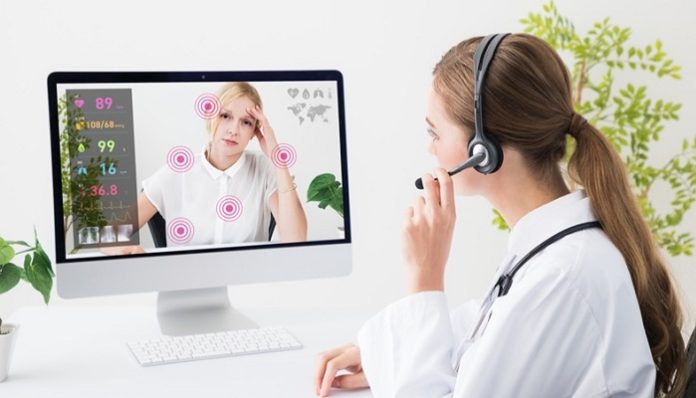
Virtual healthcare, also known as telehealth, is a type of remote medical care that allows patients to access healthcare services without having to physically visit a doctorโ€™s office.ย 

As one of the trends shaping the future in healthcare, it also allows patients to receive care without being limited by geographic distance or time as long as they have a computer or smartphone and access to the internet.

What the Future of Virtual Healthcare Holds

Increased Popularity and Accessibility with AIย 

With virtual healthcare, you may not have to travel miles away, way for days for your appointment or get worried sick about a minor but weird symptom. The solution could be as simple as Zooming your doctor, ringing them, or chatting with them via a mobile app for consultation.

The best part is that, in the future, virtual healthcare will become more prevalent and more accessible. The use of technology and artificial intelligence (AI) in healthcare will continue to expand, allowing healthcare providers to diagnose and treat patients more effectively.

For example, AI-powered chatbots can be used to assist patients with routine medical questions and to provide personalized medical advice. AI-powered medical devices will also become more common, allowing healthcare providers to monitor patientsโ€™ vital signs from a distance to ensure they are healthy.

More Personalized Careย 

In addition, virtual healthcare will become more collaborative and personalized, as its future depends heavily on quality. By leveraging technology, healthcare providers will be able to connect with patients in a more meaningful way and provide more personalized care.

For example, providers will be able to access and analyze a patientโ€™s medical history to provide more targeted and tailored treatments. AI-powered virtual assistants can also be used to provide personalized advice and recommendations based on a patientโ€™s data.

More Comprehensive Careย 

By leveraging technology, healthcare providers will be able to provide a range of services, including diagnostic testing, treatment plans, and follow-up care. This will allow virtual health care providers to securely offer more comprehensive care and provide more timely interventions when necessary.

By implementing technologies like interoperability in EHR, providers will also have quicker and easier access to their virtual patientโ€™s medical data. This will help improve convenience and reliability in healthcare service delivery.

Increased Healthcare Affordabilityย 

From the look of things, and given the rapid pace at which the globe is technologically advancing, one prediction is certain. Virtual healthcare is likely to become not only more accessible but also more affordable. With the use of technology and AI, healthcare providers will be able to offer virtual care to more people, regardless of their location or financial means.

This is not to forget that telehealth visits eliminate the need to spend money on fuel or commuting to the doctorโ€™s office. Also, top insurance bodies like Medicare and Medicaid are already on board and can cover certain healthcare expenses for patients who seek telehealth services through virtual-first health plans.

Hybrid Healthcare Is Almost Inevitable

While the demand for virtual healthcare has greatly skyrocketed over the recent past, in-person visits will still be critically important. This means that for most healthcare facilities, a hybrid model where patients can access a mix of virtual and in-person care is almost inevitable. For this model to work best, however, healthcare organizations will have several challenges to navigate to ensure a smooth and successful transition.ย 

These include:

  • Ensuring that virtual and in-person healthcare services are fully integrated. Here, technologies like virtual, augmented, and artificial reality will take center stage.
  • Finding solutions to digital challenges that some patients may face, such as poor internet access, not knowing the right tools, or not being able to afford the right devices.
  • Adopting strategies to avoid losing talent to other industries.
  • Putting measures in place to regulate telehealth providers for the patientโ€™s safety and well-being.

Overall, virtual healthcare is becoming increasingly popular and is likely to become even more prevalent in the coming years. With the use of technology and AI, healthcare providers will be able to provide more personalized and comprehensive care to patients, making healthcare more accessible and affordable to the larger majority.ย 

In the future, virtual healthcare will be an integral part of the healthcare system, providing patients with convenience, more options, and better care.


Translate ยป