








Close
Digital Health & Ai Innovation summit 2026
Medical Taiwan 2026

A New Group Demands Teamwork To Advance Health Equity In US

The Rise to Health Coalition aims to inspire people and groups dedicated to health justice and equity.

At the most recent IHI Forum 2022 in Orlando, Florida, president and CEO of the Institute for Healthcare Improvement, Dr. Kedar Mate,ย made the announcement about the new collaboration.ย  The American Medical Association’s top health equity officer, Dr. Aletha Maybank, and Glenn Harris, president of Race Forward and publisher of Colorlines, joined the three healthcare executives to explore the significance of Rise to Health, according to a release from IHI.

The coalition’s new website states that Rise to Health aims to develop, transform, and improve healthcare. To progress equity and racial fairness in the healthcare ecosystem, the coalition will increase capacity, broaden knowledge, and mobilise; influence and fundamentally alter policy, payment, schooling, norms, and practises; and sustainably alter healthcare narratives and mindsets regarding equity and racial fairness.

Inequity in American healthcare is not their destiny; equity is, Mate told the audience of the discussion.

He considered how the occurrence of health disparities, the financial difficulties health systems face, and the incidence of exhaustion at all levels of healthcare are all related issues. Mate also provided instances of how inequalities might be addressed by quality improvement techniques.

The American Hospital Association, the Groundwater Institute, the National Association of Community Health Centers, Health Begins, the Council of Medical Specialty Societies, and PolicyLink are additional founding members of the coalition. By working together, Mate asserted, they will transform the narrative on equity from one of ambiguity and rivalry to one of hope, potential, cooperation, and coherence.

The Rise to Health partnership is supported by money from the AMA, IHI, Genentech, and the Commonwealth Fund. The AHA introduced its Health Equity Roadmap earlier this year. This framework allows health systems attempting to remove barriers to care to create personalised tools and action plans.

The organisation cited more than $10 billion in lost productivity due to illness and $200 billion in early deaths to demonstrate the link between health disparities and economic losses.

As per the vice president of social care integration at Unite Us, Melissa Sherry, the work on addressing the root causes of inequity is insufficient to bring about change in the face of significant barriers to healthcare.

The Centers for Medicare and Medicaid Services’ health equity framework, which includes mandated reporting requirements for health plans, hospitals, and health systems, is just one of the many examples she gave of how health equity will be put into practise in 2022. She claimed that these measures would make it easier to understand how programmes and policies affect health inequities and disparities. In a look ahead at health equity in 2023, Sherry said, while she is incredibly excited about the progress, they are witnessing throughout healthcare to address health inequities and their underlying causes, there is much work remaining to be done.

Since health disparities have many facets, she added, all sectors must collaborate to identify what is effective and what is not. The measures, according to Sherry, are finding and resolving deep social needs, supporting new, dependable workforces and community-based services; and guaranteeing healthcare entities take an active role in measuring and addressing inequities. But even when combined, they are insufficient to address the intricate causes of health inequalities.

According to the announcement, Mate said at the forum that the moment has arrived for a system-wide strategy where healthcare organisations, individual practitioners, funders, professional societies, pharmaceutical, research, and biotech organisations come together and line up activities to make the entire healthcare ecosystem more equitable.

As per a separate statement about the coalition on the website of the hospital association, according to Leon D. Caldwell, senior director of health equity strategies and innovation for the AHA’s Institute for Diversity and Health Equity, hospital and health system quality improvement and equity are indistinguishable in order to enhance outcomes for all.
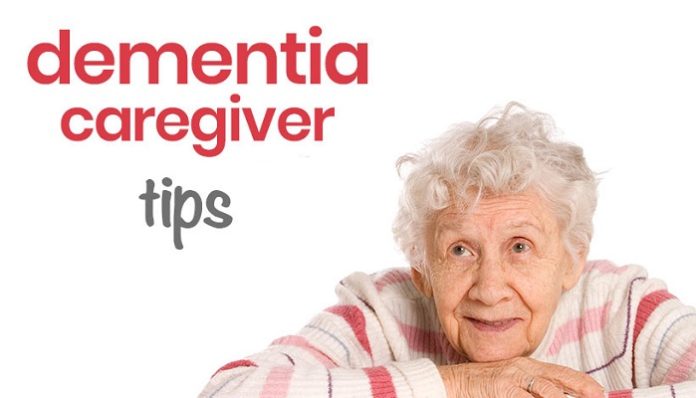

How to Care for Someone With Dementia: 7 Tips for Caregivers

Over 16 million Americans provide unpaid care for a loved one with dementia, per the CDC. To help a loved one with dementia function at their highest level, caregivers must implement specialized behavior management methods.

Although dementia isn’t a disease, it might harm a person in several ways. It affects their intelligence, physical and motor skill, perception, social skills, emotional stability, and personality. Thus, both the individual living with dementia and the person providing care may feel the tremendous strain.

As a caregiver, it helps to be prepared to deal with the inevitable day-to-day difficulties that inevitably emerge. Learning about the progression of dementia can help you provide better care for your parents or relatives.

How to Care for Someone With Dementia: 7 Tips for Caregivers

Here are some helpful tips to make the process easier:

1.ย ย  Ask easy questions

If you have more than one question, space them out, so they don’t feel bombarded. Don’t leave people guessing or give them too many options. Questions with only yes/no answers are the most effective.

Consider a question like, “Would you rather drink juice or have a snack?” Providing visual cues and suggestions can aid in clarifying your question and guiding the recipient’s response.

2.ย ย  Be patient; it pays off

Agitation is a common symptom of dementia, which can be caused by the person’s inability to remember or express themselves. Therefore, it is imperative that you work to reduce the mental and emotional strain they are under.

It doesn’t matter how busy you are; rushing the person, you’re caring for won’t improve the situation. It’s bound to make you both angry. Be patient and ready to repeat yourself if required. Your loved one may need some time to process your question.

3.ย ย  Divide the work into smaller, more manageable chunks

Consequently, this makes a wide variety of tasks far less difficult to complete. You can encourage your loved one to do as much as they can. Remind them of items they might have forgotten, and help them with tasks they can no longer manage independently.

Providing them with visual aids could be very helpful. So, rather than letting them peruse the entire closet, you may just show them two options from which to pick an outfit. The same is true for many other routine choices, like what to cook or where to travel.

By reducing the number of options to just two, you can help a loved one make a decision without overwhelming them.

4.ย ย  Reassure them gently

Those with dementia may feel bewildered, anxious, and self-conscious. They may also have difficulty distinguishing between reality and fantasy. Don’t bother attempting to convince them otherwise. Pay close attention to the feelings they are attempting to convey as they are genuine.

Provide verbal and physical displays of comfort, support, and reassurance. When all else fails, holding hands, embracing, or praising them usually evokes a response.

5.ย ย  Don’t get into an argument with them

Disrupted brain function is the hallmark of dementia, which primarily affects seniors. Because their brain tells them so, people believe it even though it’s obviously false or doesn’t make any sense.

It’s only human to want to set the record straight when someone is spreading false information. However, doing so will just provoke a fight or an emotional outburst from both of you. The person has lost the ability to consistently apply logic and reason, making any argument with them hopeless.

6.ย ย  Use the gift of laughter

The majority of people believe that humor may help them heal. However, it has been shown to be helpful for people with memory loss. One study found that telling jokes to a loved one has the same stress-relieving effect as taking medicine.

Caregiving can be stressful, but laughter may help you relax and release some of that tension.

Use humor when you can, but never at someone else’s expense. Most people with dementia are still sociable and eager to share a joke with you.

7.ย ย  If they become angry, distract them

Change the subject or the environment if your loved one starts to sulk or lose their cool. Consider taking a walk or asking him for help. Before attempting to redirect, try to connect with the person emotionally. You may remark, “I understand how you’re feeling, and I’m sorry you’re in such pain. Let’s walk outside for some fresh air.

Closing Thoughts

Dementia caregiving, in particular, may be an isolating and draining profession. The best way to deal with problems is to talk about them and get help rather than attempting to handle them all by yourself.

While it may be difficult to ask for or accept help, caregivers who have done so report feeling relieved and wishing they had done so sooner. An understanding that you are not alone in this or even just a few hours of sleep could make a world of difference.

Family and friends, in-home care providers, assisted living facilities, temporary placement, short-term care facilities, and caregiver support groups are all options.

US Healthcare Leaders Foresee A Challenging Year In 2023

According to a Deloitte survey, executives at hospitals and health systems throughout the nation anticipate a potentially tumultuous operating environment in the upcoming year. Staffing issues would significantly affect their 2023 plan, according to 85% of health system officials, and 76% indicated inflation is a big impediment. There are also likely to be problems with patients’ ability to pay, falling profit margins, and frequent disruptions in the supply chain.

Deloitte also conducted a survey of health plan executives, finding that while they are typically in a better financial situation than hospitals and health systems, they still face issues relating to inflation and a competitive labour market.

The COVID-19 pandemic is still having an impact on hospitals, and staffing shortages and exhaustion are also posing significant systemic problems. Hospital margins have been negatively impacted by inflation and rising costs, and this trend is anticipated to continue in 2023.

Deloitte’s poll, which included reactions from 71 executives at both health systems and health insurance businesses with sales exceeding $500 million, found that this is worrying some healthcare executives.

Executives from health systems reported feeling 37% cautiously optimistic and 32% pessimistic about the upcoming year. Only 5% of those polled claimed to feel optimistic. Executives of health plans reported feeling cautiously positive; 23% said they felt positive, and 3% said they felt unfavourable.

Payers have not yet seen the full effects of inflation since they are frequently bound by multi-year contracts with providers that set rates. As more contracts become renegotiable, that will alter in the years to come.

Hospital systems have seen an increase in labour costs, and institutions are concentrating on staffing issues in the upcoming year as systems deal with widespread burnout and increased turnover. Almost 90% of those surveyed indicated it was critical or very essential to invest in their personnel in the upcoming year.

A separate assessment from Fitch Ratings stated that staffing shortages at nonprofit hospitals appear to be gradually improving, citing sustained employment growth for hospitals and ambulatory network operators this year in statistics from the Bureau of Labor Statistics.

However, the assessment noted that the prolonged pandemic and an increase in influenza and RSV cases are leading to capacity problems that constitute a significant short-term risk to labour expenses.

New CMS HIPAA Rule Eases Transaction Attachments, e-Signs

The Centers for Medicare and Medicaid Services unveiled a new proposed rule on December 19th that will amend HIPAA to better enable prior authorization and claims-related transactions by establishing guidelines for the use of electronic signatures in healthcare attachment transactions. The proposed regulation is titled Modification to Referral Certification and Authorization Transaction Standard and Adoption of Standards for Health Care Attachments Transactions and Electronic Signatures.

If adopted, it would encourage the creation of standards for transactions with preauthorization attachments, such as medical records, X-rays, and provider notes describing physician referrals. A guideline for the referral certification and authorization transaction would be included in the HIPAA amendments.

According to CMS, the proposed rule may cut administrative expenses by $454 million annually and is another example of the agency’s attempts to lessen paperwork requirements and improve provider and patient outcomes.

One may find a lot more information about the suggested modifications here. According to CMS, the rule would assist make the process of submitting and adjudicating healthcare claims more effective by providing organised, standardised electronic data to payers and aims to help health care claims and streamline prior authorization transactions. The proposed rule may help minimise possible barriers to adopting value-based payments and significantly ease unnecessary administrative expenses and burdens on providers and health plans by adopting a revision to the standards for the referral verification and approval transaction.

Terrence Cunningham, director of administrative simplification policy at the American Hospital Association, said, the AHA supports setting a standard for attachments to lessen the burdensome regulations facing clinicians, and they look forward to providing a robust critique after analysing the rule’s specifics.

CMS Administrator Chiquita Brooks-LaSure said in a statement that the suggestions in this rule would provide a significant tool to assist the electronic submission of health care information.

When responding to requests from health plans, healthcare professionals are frequently compelled to use manual systems like mail, fax, or internet web portals, which causes delays and takes time away from patient care. These crucial acts will encourage more dependable and regular communication among the parties involved in healthcare transactions, enhancing the quality of care for all.

Merit completes the UK’s first CAR-T cell manufacturing facility for Autolus Therapeutics in record time

Northumberland-headquartered Merit, the UKโ€™s leading offsite engineering and construction specialist for technically complex buildings, has completed the first construction phase of the UKโ€™s first purpose-built CAR-T cell manufacturing facility in record time.

In line with the urgent need to bring life-saving advanced therapies to the UK, Merit delivered the milestone in 17 months, which is three years faster than the biotech industry standard of approximately 5 years. This included planning and design and only 12 months spent on site.

Merit was appointed as the main contractor to deliver the new four-storey 7,500mยฒ facility for Autolus Therapeutics, a clinical-stage biopharmaceutical company developing next-generation programmed T cell therapies for cancer treatments. The new facility is part of a larger plan to create a life sciences district in Stevenage by developers, Reef Group and UBS Asset Management, and will assist in the growth of the cell and gene cluster in the town centre, which is currently the third largest in the world.

The phase one completion of the facility saw the handover of Grade C clean rooms to Autolus, enabling them to transition seamlessly into their next phase of growth. Once completed, the facility is expected to process 2,000 treatments annually and create 400 new jobs in Stevenage.

The ยฃ66m project showcases Meritโ€™s industry leading position as a disruptor of construction approaches with the objective to bring real improvement in terms of productivity. The design of the new facility utilises Meritโ€™s FLEXI PODยฎ, a hybrid solution which is particularly suitable for complex high technology facilities, comprising aspects of modern methods of construction for the shell and core, and an offsite manufactured fit out which is facilitated through a Pre-Assembled Module (PAM) and POD strategy.

Meritโ€™s innovative product-based approach to deliver this pioneering facility enabled three-quarters of the construction work to take place offsite, with 300 PAMs and 15 UltraPODs totalling 900 tons manufactured in Meritโ€™s 270,000ftยฒ factory in Northumberland and shipped to Stevenage for installation by its specialist team.

The result is a radical step change in construction productivity, sustainability and time to use, reducing carbon emissions while accelerating the delivery programme of the whole project to 22 months – a significant time saving achievement over the five-year average traditional build time for similar facilities in the sector. In addition, it offers Autolus reduced capital and revenue costs, as well as a substantial reduction of external professional consultant fees.

Meritโ€™s commitment to driving measurable improvement for sustainability means the facility has been designed to BREEAM Excellent rating, with scope 1 net zero carbon enabled using heat source pumps and heat recovery systems and 5D BIM technology to reduce waste.

Merit is a trusted and well-respected expert in the construction of biopharma facilities, with experience in delivering an impressive portfolio of high-containment facilities, including the new RNA Centre of Excellence for the Centre for Process Innovation (CPI), Abingdon Healthโ€™s lateral flow manufacturing site, and Piramalโ€™s ADC manufacturing facility expansion.

Tony Wells, CEO of Merit: โ€œThis project is of critical importance to the UK biotech industry and therefore we are very proud to have been able to deploy our unique offsite construction methods to deliver this vital facility in record time. Productivity is an issue in traditional construction methods, but our approach means projects are delivered more quickly and also crucially more sustainably.โ€

Piers Slater, Chief Executive of Reef Group: โ€œCombining the expertise and capability of UrbanR, our in-house design division, with Meritโ€™s innovative and technology-based approach from concept design to commissioning and validation, produced a unique and successful recipe for accelerating the construction programme of what is very a complicated project. We look forward to collaborating on future projects in the knowledge economy across our platform.โ€

Olivia Drew, Portfolio Manager of UBS UK Life Sciences: โ€œAs momentum behind the life sciences sector continues to grow, weโ€™re delighted to have partnered with Merit on this next generation facility in Stevenage. Meritโ€™s approach to quality, speed, sustainability and resilience has enabled them to deliver on all the key requirements for this project, and we look forward to continued collaboration across our platform.โ€

eHealth Exchange Surpasses 1.35 Billion Monthly Transactions, Representing a Major Milestone in Health Information Sharing

The eHealth Exchange, one of the largest health information networks connecting U.S. federal agencies and healthcare providers, recently reached a major milestone as the eHealth Exchange Hub platform began processing 1.35 billion inbound information requests per month. Teaming with InterSystems since 2019, Cognosante provides operational insight into the functioning of the eHealth Exchange Hub, as well as developing and maintaining the eHealth Exchangeโ€™s Insight Dashboard.

Originally intended to support no more than one million transactions per day, but now processing about 33 million information requests daily, the eHealth Exchange Hub was built using a cloud-based infrastructure that could support the programโ€™s rapid, exponential growth.

โ€œThis milestone reflects a major advancement in interoperability. Not only does it underscore the value provided by scalable, cloud-based infrastructure, it also represents real healthcare information that is more quickly getting into the hands of the patients and providers who need it,โ€ says Erick Peters, Cognosanteโ€™s Chief Technology Officer.

The eHealth Exchange network operates nationwide in 75 percent of all U.S. hospitals, connects to 61 regional or state health information exchanges (HIEs), and includes the largest public healthcare programs in the nation, including the VA health system. As such, the eHealth Exchange is helping providers across the country form a more complete picture of patient health based on longitudinal data.

โ€œAmericans are rightfully demanding a more efficient, streamlined healthcare experience, and health data sharing underpins the patient experience from faster check-in to more informed decision-making to the future of population health,โ€ said Jay Nakashima, Executive Director of eHealth Exchange. โ€œWeโ€™re thrilled to support this health data sharing at scale with 12 billion transactions annually and continue to expand until health data sharing is ubiquitous.โ€

โ€œThe eHealth Exchange Hub increases efficiency in the transmittal of medical records and provides valuable insight into how the exchange of health information is functioning nationwide. When we empower adoption and transparent use for timely and secure data sharing, we ensure access to those who need data,โ€ says Yolanda Curtis, General Manager of Cognosanteโ€™s Health and Interoperability business unit.

Cognosanteโ€™s portfolio of interoperability programs includes Alabama OneHealthยฎ Record, HealtHIE Nevada, the Pennsylvania Patient and Provider Network (P3N) and Reliance eHealth Collaborative. Cognosante was a founding member of the Da Vinci Project, as well as a founding partner of Collabrity Health, a membership-based consortium that brings economies of scale to small HIEs through the use of a flexible, shared infrastructure of roughly 330 participants.

What Are The Signs Of Birth Injury?

Parenting can be difficult, and being pregnant can be daunting as well. The physical boundaries of both the mother and the child are frequently pushed during childbirth, which is physically demanding and traumatic. Therefore we must ensure that we have a thorough understanding of what causes birth defects to prevent these health issues and ‘the’ questions of ‘why did this happen?’ You will have additional questions and confusion about what happened during your pregnancy.ย 

If you’re plagued by suspicions and questions about your delivery, seeking a birth injury lawsuit can be your greatest option. Determining a birth injury is a difficult task. In many cases, the harm to your baby may not become apparent for months or even years after delivery.ย 

However, parents and medical professionals should watch out for several early indications of labor. You can also educate yourself to keep a check on the developments, be they physically, mentally, or emotionally, your child may undergo in the future. If you’re on the right page, continue scrolling!

Bruising On A Newborn Child

Bruising is also called forceps marks. You might not even notice your newborn infant has bruises when you bring them home from the hospital for a few days.ย 

As a result of the trauma of traveling through the birth canal and coming into contact with the mother’s pelvic bones and tissues, some babies may show indications of bruising on the face or skull. The baby’s face and head may sustain transient bruising or markings from the forceps used during delivery. Vacuum-extracted babies may have some scalp bruises or a scalp cut or laceration.

Facial Paralysis

Pressure on a baby’s face during labor or delivery may harm the facial nerve. When forceps are used during delivery, this could also happen. When the baby cries, the injury is frequently visible. The injured side of the face is immobile, and the wounded eye cannot be closed. The paralysis typically improves in a few weeks if the nerve is damaged. Surgery can be required if the nerve has been torn.

Area of Bleeding Between The Skull Bone And Its Fibrous Covering or Cephalohematomas

There is a bleeding spot between the skull bone and its fibrous covering. It frequently manifests as a raised bump on the infant’s skull many hours after birth.ย 

The body eventually reabsorbs the blood. Depending on their size, most cephalohematomas take two to three months to disappear completely. Some infants may experience jaundice if the bleeding is extensive because the red blood cells degrade over time.

Fractures

The most frequent fracture during labor and delivery is a gap in the clavicle or collarbone. The clavicle may break when the baby’s shoulder is difficult to deliver or if the baby is born breech. Rarely does a newborn with a fractured collarbone move the arm opposite the break.ย 

But recovery happens soon. In the first ten days, a hard bump on the clavicle frequently appears due to the formation of new bone. If the fracture hurts, using a soft bandage or splint to restrict movement in the arm and shoulder may be beneficial.

Working In Healthcare: The Four Tech Skills You Should Hone

If you are thinking about working in healthcare, then you are embarking on one of the most rewarding and important careers that there are. You are also launching into a career that is going to be incredibly challenging. From the first time you step foot into a hospital or a doctorโ€™s office, you are going to see that there is only so much that you can learn from textbooks and lectures. This is something that you need to experience, and you are going to need all the skills you can get.

You may also be surprised by just how varied a lot of these skills are. It does not matter which are of healthcare you are planning on working in, you are going to need to juggle a lot of different responsibilities under a lot of pressure while dealing with colleagues and patients who need information and reassurance. One of the areas that you may not have considered is tech skills. Digital technology is making the healthcare industry more efficient and effective, and you should make sure to hone your tech skills if you are going to work in healthcare. Here are some of the most important.

Scheduling Apps

One of the most important things that anyone starting out in healthcare is going to need to be able to do is to manage and keep track of appointments. You do not need to work in healthcare to know that appointments can change and/or be cancelled at the last minute, and you cannot afford to have doctors or patients waiting around for an appointment that no longer exists. Healthcare apps make things easier for both you and the patient, as you can let them know quickly and easily without the hassle of a phone call that they may not pick up. It is also much easier to change appointments should you need to.

Record Keeping

It cannot be overstated how crucial accurate healthcare records are. The chances that someone is going to see the same medical professional every time they visit the hospital or doctorโ€™s office who will remember every single detail about them, and their last visit are minuscule. Records need to be kept up to date with everything from the patient’s prescriptions, any underlying or previous medical conditions, the treatment plans that they have been placed on, and any important notes that a doctor has included. One of the best ways that you can gain hands on experience with this skill is by working as a medical assistant. An assistant medical role covers a huge number of different duties, and record keeping will certainly be one of them. If you are interested in looking at medical assistant jobs, you can find a wide range of different options on various job platforms online. You can search various keywords to find relevant roles.

E-Prescriptions

There are so many ways in which technology is changing the healthcare profession in razorโ€™s edge kind of ways, but one of the most important is the way in which it saves time and removes confusion when it comes to the most simple and essential things. Any healthcare professional will tell you that doctors have terrible handwriting. This means that it often falls to the pharmacist to try and figure out what that scribble means, and to chase it up themselves if they canโ€™t get to the bottom of it. Electronic prescriptions remove all this stress, and if you are learning the ropes in pharmacy, you are going to be able to save a huge amount of time by getting a notification about the prescription early and getting it ready for the patient in plenty of time.

Office Software Skills

What a lot of people forget when they think about a career in healthcare is how much time you are going to spend working on a computer, so letโ€™s start with the basics. You need to be comfortable and confident with whatever office suite your workplace is using. This is because you will not only be expected to answer emails, but you may also need to schedule meetings with doctors and nurses, and you may need to use instant messenger apps to alert staff members with updates. You will need to be able to create and use spreadsheets and remember how important it is going to be for you to be able to manage and update databases. There are so many different reasons why having a good working knowledge of Excel is going to be important, and you do not want to be the reason why a patient is upset about a mistake on their billing or why they donโ€™t understand Medicare charges. If you are not sure how to work pivot tables and if you are not familiar with basic Excel formulas, then you should think about taking a tutorial.

How to Know if You’ve Been a Victim of Medical Negligence

Medical negligence is something that nobody expects to be a victim of when they seek medical care, but it does happen and the consequences can be severe and life-changing in many cases. It is not always clear-cut when it comes to medical negligence, so this post will look at how you can tell if you have been a victim and if you have a case.

What is Medical Negligence?

So, what exactly is medical negligence? Medical professionals have a duty of care to their patients, but when this duty of care is neglected and you suffer as a result, then medical negligence will have occurred. There are many common examples of medical negligence, such as incorrect diagnosis, prescribing the wrong medication, not taking an allergy into account and surgery mistakes as a few of the most common mistakes.

What Will You Need to Prove Negligence?

The key to a successful medical negligence claim is proving that the medical professional failed their duty of care and that you suffered as a direct result of this. In some cases, it is easy to prove medical negligence but this is not always the case. Causation can be established by proving that the individual would not have suffered an injury if not for negligence or proving that negligence made a contribution to the injury. As it is often complex, medical negligence claims should be made with the help of an expert in this specific type of claim.

Steps to Take After Medical Negligence

If you believe that you or a loved one has suffered from medical negligence then you need to know what steps to take. First, you should make a complaint as soon as possible to get the ball rolling as these claims can take some time to resolve. The NHS have Patient Advice and Liaison Services (PALS) who deal with complaints and try to resolve them swiftly. If this does not resolve the issue then you can speak with a medical negligence lawyer who will be able to advise on whether or not you have a case. If you decide to press forward with a medical negligence claim, you can seek to recover damages that can include medical treatment and equipment, current and future loss of wages and any other losses you have incurred as a result of negligence. The amount of pain and suffering endured is also factored into the amount.

You do not expect negligence to occur when you seek medical care, but these things can happen and the consequences can be severe. If you suffer from medical negligence, you will want to seek compensation to ensure that you do not suffer financial damages and hopefully this post will help you to take the first steps if this ever happens to you or a loved one.

Jump Technologies’ webinar reveals how hospitals can achieve rapid savings and uncover new revenue in procedural areas with supply chain analytics

Jump Technologies, a leading hospital supply chain solutions and analytics company, has published a new webinar that demonstrates two solutions hospitals can implement in less than two weeks that will drive significant savings and revenue starting within the first 30 days of implementation. The webinar, โ€œAchieve Significant Savings in 30 Days,โ€ is available for download at www.JumpTech.com.

Jump Technologies delivers a full suite of dock-to-patient solutions, including solutions for procedural areas that streamline processes for overworked clinical and supply chain staff, while enabling hospitals to reduce waste, save money, and stop stock outs that put patients and staff at risk.ย  The companyโ€™s new webinar shows hospitals how they can:

  • Implement a system in two weeks that will eliminate the waste of time and money associated with managing physician preference cards. Savings from this system are realized the day it goes live.
  • Implement a system in less than two weeks that will identify data issues in cases that can prevent the hospital from billing for materials being used. This simple change can generate millions of dollars for the hospital in just a few weeks time.

Webinar participants will also receive links to tools that their hospital can use to evaluate the impact of these strategies on their hospital finances.

Visit www.JumpTech.com to learn about hospital supply chain solutions from Jump Technologies, including Case Companion for improving charge capture in the operation room, Virtual Pick List for automating pick list and preference card cleaning, and Jump Stock for dock-to-patient visibility that stops stock outs.

Translate ยป