











Close
Digital Health & Ai Innovation summit 2026
Medical Taiwan 2026

CMS, US Seeks Rule To Boost Compatibility And Prior Approval

The Centers for Medicare and Medicaid Services are modifying prior authorization requirements in a recently proposed rule to shorten the time it takes payers to accept requests, and they are introducing HL7 FHIR standards to facilitate an electronic procedure.

CMS is recommending that certain payers, including Medicare Advantage companies, use electronic prior authorization and deliver judgments for expedited requests within 72 hours and non-urgent requests within seven days.

In order to facilitate electronic prior authorization, the Advancing Interoperability and Improving Prior Authorization Proposed Rule, published on December 6, would mandate the adoption of a Health Level 7 (HL7) FHIR standard API. According to CMS, some payers would have to send decisions within 72 hours to seven days, which is twice as quickly as the current Medicare Advantage response time limit, and provide a specific reason when rejecting requests. They would also have to publicly report some pre-approval metrics and make decisions based on the level of urgency.

Under the Medicare Promoting Interoperability Program and for clinicians eligible for the merit-based Incentive Payment System (MIPS) under the Promoting Interoperability performance category, the proposed regulation would include a new Electronic Prior Authorization metric.

When a patient switches payers or has concurrent coverage, the rule also proposes to require some payers to enforce benchmarks that would enable data exchange from one payer to another. This is expected to make sure that complete patient records are accessible throughout patient transitions between payers.

In order to promote alignment between different coverage types, these proposed requirements would typically apply to Medicare Advantage organisations, state Medicaid and Children’s Health Insurance Program (CHIP) organisations, Medicaid managed treatment plans, CHIP managed care entities, as well as Qualified Health Plan (QHP) issuers on the Federally Facilitated Exchanges (FFEs). According to the CMS, over a ten-year period, these policies’ implemented efficiencies are expected to save hospitals and medical practises more than $15 billion.

The rule includes policies that would require payers to build and maintain a Provider Access FHIR API, which would facilitate information exchange from payers to in-network suppliers with whom the patient has a treatment relationship, as well as policies that would expand the existing Patient Access API to include data about prior authorization decisions, enable providers access to their patients’ data, and create spatial patient records.

The proposed rule also includes five requests for information on standards for social risk factor data, electronic behavioural health information sharing among behavioural health providers, bettering the sharing of medical records among some providers in the Medicare fee-for-service programme, developing the Trusted Exchange Framework as well as the Common Agreement (TEFCA), and the potential benefits of interoperability for enhancing maternal health outcomes.

According to CMS, the proposed rule is in line with the agency’s ongoing efforts to improve patient access to treatment, lessen the administrative load on doctors so they can concentrate on providing direct care, and enhance interoperability throughout the healthcare system. The earlier interoperability and prior authorisation draught rule, announced in December 2020, is withdrawn and replaced.

Numerous hospital and physician associations, as well as the insurance industry association AHIP, have endorsed the proposed regulation. They were especially pleased that it would cover Medicare Advantage plans. President and CEO of AHIP, Matt Eyles, said they commend CMS for prioritising patients with a proposed rule that makes it simple for them to exchange their data with organisations of their choice. In order to ensure that patients receive prompt, evidence-based care that enhances value and lessens administrative hassles for everyone, AHIP’s Fast PATH demonstration demonstrated the importance of electronic systems for prior authorization.

Eyles asserted that there is a hole in the country’s privacy framework for the sharing of private health information with organisations not subject to HIPAA regulations.

They earnestly urge CMS to collaborate with Congress to close this gap, Eyles stated.

The deployment of cutting-edge technologies, according to Premier, is required to close any loopholes in the proposed rule regarding payer openness to pre-approval denials and clearances. The healthcare provider said that it would keep working with Congress to advance the Improving Seniors’ Timely Access to Care Act’s broad measures that would fix these gaps.

The Improving Seniors’ Timely Access to Care Act would formalise protections by adding them to the law, according to the American Hospital Association. According to Ashley Thompson, senior vice president of the AHA’s public policy analysis and development division, the AHA applauds CMS for taking significant action to remove unjustified obstacles to patient treatment by simplifying the prior authorization procedure for some health insurance plans. Hospitals and health systems are especially grateful that CMS complied with the AHA’s request to include Medicare Advantage plans in these standards. Prior authorization is frequently employed in a way that burdens healthcare professionals, puts patients at risk for unsafe delays in care, and raises unnecessary expenditures for the healthcare system.

Anders Gilberg, senior vice president of government affairs for the Medical Group Management Association (MGMA), stated that the fact that CMS complied with their request to include Medicare Advantage plans in the scope of this proposed rule gives the MGMA Medical Group Management Association hope. A startlingly high proportion of medical groups report submitting pre-authorization requests on paper forms, via phone, or via various exclusive online payer portals. The burdensome processes for fulfilling these demands, along with the rising volume, are unsustainable. If properly implemented, an electronic prior authorization procedure might reduce the administrative load on practises and free up funds for patient care.

According to Dr. Tochi Iroku-Malize, president of the American Academy of Family Physicians, the average doctor spends too much time collecting prior authorizations, taking time away from patients and potentially resulting in dangerous care delays.

The Improving Seniors’ Timely Access to Medical Act, which the AAFP also urged the Senate to rapidly enact, will shield Medicare Advantage beneficiaries from what the group called needless care delays and lessen the load on physicians.

Mary Beth Donahue, president and chief executive officer of the Better Medicare Alliance, stated, while they continue to evaluate the proposed rule in greater detail, they believe it enhances their goals of protecting prior authorization’s essential role in coordinating secure, efficacious, and high-value care while also building on the work of the Medicare Advantage community and simplifying this clinical platform to better serve its 30 million diverse enrollees. Notably, the proposed regulation addresses recent concerns raised by a few congressmen regarding the budgetary effects of the Improving Seniors’ Timely Access to Care Act, which has the support of the BMA and has already been passed by the U.S. House of Representatives with a vote of all members present.

The Interoperability and Patient Access final rule, which CMS announced in March 2020, has been expanded upon. To facilitate the electronic sharing of data and expedite previous authorizations, CMS published a proposed interoperability regulation in December 2020. Through an HHS rider on the CMS proposed rule, the Office of the National Coordinator for Health IT sought to set specific requirements.

To the dismay of provider organisations like the AHA, the proposed rule at the time did not cover Medicare Advantage plans.

CMS Administrator Chiquita Brooks-LaSure stated that CMS is committed to enhancing access to high-quality care and making it simpler for doctors to offer such care. The prior permission and integration proposals they are announcing would optimise the prior approval process and encourage health care data sharing to improve the care experience for patients, caregivers, and providers – helping them to address preventable disruptions in patient care and accomplish better health outcomes for all.

Philips Signs Research Agreement to Explore New Magnet Technologies

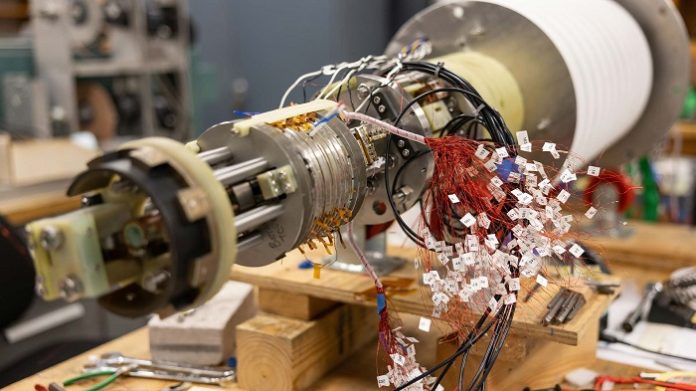
Royal Philips , a global leader in health technology, has entered into a research partnership with U.S. magnet solutions provider MagCorp to explore superconducting magnets for MR scanners that do not require cooling to ultra-low temperatures (-452 ยฐF or -269 ยฐC) using liquid helium. Developing more sustainable alternatives to helium-cooled MRI magnets at a lower cost has the potential to offer significant benefits by making advanced MR imaging available to more patients in more diverse settings as well as potentially reducing radiology department capital and operating costs.

Patient benefit and sustainability

Operating at higher temperatures closer to ambient room temperature and eliminating liquid helium from both the production and operation of MRI scanners provides two major advantages. First, it decreases energy consumption required to sustain operation and reduces dependence on a finite and increasingly scarce natural resource, produced largely as a by-product of fossil-fuel (natural gas) extraction. Conventional MRI scanners often vent helium, which once released into the atmosphere escapes into outer space never to be seen again. Second, and just as important, it has the potential to reduce the size, weight and costs of MRI scanners. As a result, MRIโ€™s superior diagnostic and functional imaging capabilities โ€“ notably its excellent soft-tissue imaging and absence of ionizing X-ray radiation โ€“ could be enjoyed by a larger number of patients, expanding access into underserved communities. The partnership between Philips and MagCorp is being launched to help realize these two major advantages.

โ€œFlorida State Universityโ€™s MagLab, part of the U.S. National High Magnetic Field Laboratory, is home to many of the worldโ€™s leading researchers on novel superconducting materials that donโ€™t require liquid helium temperatures to operate. Philips has decades of MR scanner design and development experience, including most recently the launch of the BlueSeal magnet technology,โ€ said Josh Hilderbrand, Director, Head of MRI Magnet Research and Development at Philips. โ€œCombining these resources with MagCorpโ€™s research facilitation services will help leverage the latest technology to accelerate access and availability of MRI to more patients and healthcare providers.โ€

โ€œMagCorp is proud of this partnership, which brings together Philips’ game-changing BlueSeal magnet technology and the FSU MagLabโ€™s unrivaled knowledge base about superconductors that can operate in a helium-free environment,” said Jeff Whalen, Director of MagCorp. “Combining Philips’ forward-thinking approach with FSU MagLab’s scientists, who have a wealth of relevant expertise in the application of new superconductors, means Philips will be in the best position to develop innovations around this technology,” Whalen said.

From helium-free in operation to helium-free end to end

With the introduction of its BlueSeal magnet technology in 2018, Philips already has a commercially available non-venting MRI scanner in widespread use that once charged with a small amount of helium (7 liters instead of a conventional scannerโ€™s 1,500 liters) are sealed and operate without requiring additional helium for their entire operational life. Clinical MRI scanners that completely eliminate the need for helium are a clear direction for innovation in the long term. Using high-temperature superconductors supports a complete shift towards helium independence.

The research partnership will focus on characterizing and demonstrating the feasibility of appropriate superconducting materials capable of operating at higher temperatures than todayโ€™s niobium-based superconductors. In common with helium, niobium is also a scarce element, whereas some of the new materials being investigated by the research team are based on more abundant elements. In addition to basic materials research, the team will also investigate the steps needed to commercialize the materials, and the technologies needed to enable their use in future MRI scanners.

HeartVista to Expand Beyond Heart MRIs, Changes Name to Vista.ai to Reflect Wider Focus

Apollo Hospitals utilised decade-long patient data to develop an AI heart disease risk prediction tool

HeartVista, a pioneer and leader in automated MRI solutions, announced that it has changed its name to Vista.ai as the company broadens its sights to simplify and enhance MRI exams for anatomies beyond the heart. A major academic medical center has already begun a clinical study to evaluate the software for use with the prostate, and Vista.ai plans to launch a similar study for musculoskeletal scans in the near future.

Vista.ai’s One Click MRI AI-driven software-only solution makes it easier to acquire high quality MRI images by automating the exam workflow. The company initially targeted cardiac MRI (CMR) as it is increasingly considered the gold-standard cardiac diagnostici, yetย the heart is a notoriously difficult and time-consuming anatomy to scan. Today, specially-trained CMR technologists need to perform an exam, and in the U.S., there is only one such technologist for every 20 MRI machinesii. One Click MRI’s benefits include simple, streamlined workflows and improved image consistency, so any MRI technologist can complete a cardiac scan in a regular mixed-use MRI time slot.

Vista.ai is demonstrating One Click MRI this week at Booth 5143 in the AI Showcase during RSNA exhibit hours. In addition,ย Raymond Y. Kwong, MD, MPH, FACC, FSCMR Director of cardiac magnetic resonance imaging at Brigham and Women’s Hospital and Professor of medicine atย Harvard Medical School, will share case studies and research findings using the software in his clinical cardiac MRI practice.

Vista.ai developed One Click MRI using sophisticated and versatile AI-based algorithms that would be scalable to other types of MRI scans. The company chose the prostate and spine as its next candidates because of known challenges with those exams and the number of people who could benefit. In the U.S., more than 10 million people receive prostate and spine MRI scans annually, 25% of the total MRI volume.iii

“Given the complexity of manual CMR, and the millions of patients who could benefit from the exam, it was clear that applying our automation technology to the heart would create enormous value in the market. Despite the evidence-backed advantages of MRI for diagnosing a myriad of heart conditions, only 2% of scans today are CMRsivย yet 700,000 people are dying of heart disease each year in the U.S.v,” saidย Itamar Kandel, Vista.ai’s CEO. “But we always knew it was just the beginning. Once we had the most complex anatomy tested, validated, adopted and endorsed by several elite medical institutions, we planned to roll out to other anatomies that would share in the benefits we have shown for numerous heart diseases.”

Each year clinicians in the U.S. conduct almost 40 million examsviย on the approximately 12,000 MRI machines installed in the country.viiย But MRI scanners are only beneficial if trained healthcare professionals are available to run the exam, which is an escalating concern. In 2019, the U.S. had 20,000 fewer healthcare professionals than necessary to meet the needs of Americansviii, a situation that only worsened during the COVID-19 pandemic.

“Radiologist and technologist burnout is at a breaking point, which has only worsened since the pandemic given the exodus of medical professionals, backlog of imaging cases and increasing incidence of COVID-related illnesses, such as myocarditis and pericarditis,” said Dr.ย Scott Flamm, Section Head of Cardiovascular Imaging at The Cleveland Clinic Foundation. “To address the staffing shortages โ€“ particularly for challenging, time-consuming procedures like CMR โ€“ we are in earnest need of automation technologies like Vista.ai’s One Click MRI to ensure patients anywhere can receive the quickest possible diagnosis and treatment.”

HeartSciences and Rutgers University Announce Multi-Year Collaboration to Develop AI-based ECG Algorithms

Spacelabs Healthcare Introduces CardioPulse ECG Solutions for a Faster Path to Patient Care

Heart Test Laboratories, Inc. a medical technology company focused on saving lives by making an ECG (also known as an EKG) a far more valuable screening tool through the use of Artificial Intelligence (AI)ย  announced that it has entered into a multi-year collaboration agreement with Rutgers University (Rutgers), one of Americaโ€™s leading public research universities.

HeartSciences and Rutgers will collaborate to develop AI-based ECG algorithms, which are expected to accelerate HeartSciencesโ€™ product development pipeline and further expand the clinical value of an ECG for low-cost detection of heart disease. Partho P. Sengupta, MD, MBBS, FACC, Professor and the Chief of Division of Cardiology at Rutgers Robert Wood Johnson Medical School and the Robert Wood Johnson University Hospital, will serve as Rutgersโ€™ Principal Investigator. These collaboration efforts will be focused on leveraging the extensive clinical data compiled at Rutgers. The collaboration agreement follows HeartSciencesโ€™ recent participation and demonstration of the MyoVistaยฎ at the Inauguration Ceremony of the Center for Innovation at the Rutgers and Robert Wood Johnson University Hospital in September 2022. The new collaborative relationship will operate out of the new Rutgers Robert Wood Johnson, Center for Innovation.

Dr. Sengupta stated, โ€œWe look forward to strengthening our existing relationship with HeartSciences for innovating in the important area of leveraging AI to expand the clinical capabilities of an ECG. AI is playing an important role in developing and advancing innovations in cardiology and has demonstrated significant potential for enhancing electrocardiography to improve heart disease detection, while reducing overall healthcare costs.โ€

Andrew Simpson, CEO of HeartSciences, stated, โ€œWe are excited and honored to enter a collaboration with Dr. Sengupta and Rutgers University. Dr. Sengupta is a globally respected figure in the field of cardiology, including the application of technology to accelerate innovation in the field of cardiology.ย  We have worked with Dr. Sengupta and his team in the past, with multiple published studies using MyoVista technology. This collaboration formalizes a multi-year arrangement with Rutgers, which we believe will significantly accelerate our product development pipeline of new ECG algorithms for front-line physicians and other healthcare providers.ย  There are millions of ECGs conducted every week and this collaboration reaffirms HeartSciencesโ€™ position at the leading edge of bringing new clinical capabilities to the ECG.โ€

Konica Minolta Healthcare Transforms the Future of X-ray in Latin America

Konica Minolta Healthcare Transforms the Future of X-ray in Latin America

Konica Minolta Healthcare Americas, Inc. announced the introduction of the companyโ€™s acclaimed KDRยฎ Primary U-arm Digital Radiography (DR) and mKDR Xpressโ„ข Mobile X-ray systems in select Latin America countries.* Chosen by numerous healthcare facilities throughout North America, the KDR Primary and mKDR Xpress will complement Konica Minoltaโ€™s existing portfolio of CR systems, DR retrofit solutions and PACS throughout the region. Additionally, both systems are designed for future integration of Dynamic Digital Radiography (DDR), Konica Minoltaโ€™s evolution in radiography that enables clinicians to observe anatomical motion over time, enhancing diagnostic capabilities and providing clinicians with a way to visualize anatomy like never before.

โ€œAs a leading provider of DR systems in North America, Konica Minolta is pleased to bring our advanced DR systems to Latin America,โ€ says Bruce Ashby, Vice President of Sales for DR Solutions at Konica Minolta Healthcare. โ€œOur solutions are backed by exceptional sales, service and applications teams who are dedicated to assuring our customersโ€™ success. Introducing the KDR Primary U-arm and the mKDR Xpress are just the first steps toward bringing some of the most innovative imaging solutions available today to the Latin American region.โ€

The KDR Primary system is a cost-effective solution to facilitate the transition from film or CR to DR and improve the quality of care by streamlining workflows and improving clinical productivity. It is an advanced digital X-ray system with a small footprint, making it ideal for nearly any clinical site โ€“ hospitals, clinics, urgent care centers, orthopedics and general practices โ€“ to provide high-quality, general radiography services in exams rooms with less space. A full range of motion enables all imaging views with the KDR Primary system, making it a versatile imaging solution for patients who are standing, sitting, laying down or in a wheelchair. It includes an integral 17โ€ x 17โ€ detector that captures high-resolution digital images in seconds.

The mKDR Xpress delivers exceptional imaging performance in a small footprint at the bedside or in the ER, OR, CCU or ICU. With a slim design and collapsible column to facilitate its use in tight spaces, the mKDR Xpress can be more easily moved wherever itโ€™s needed. On-board charging for two detectors and front and back storage for detectors and accessories help technologists meet the most demanding mobile X-ray imaging needs. An industry-unique, tube-mounted graphical user interface and image preview function help ensure clear images are visible quickly, improving efficiency when time matters.

โ€œDigitizing radiography delivers numerous benefits to the provider and the patient, including faster workflow for shorter exam times and the ability to capture higher quality images with a lower dose,โ€ says Ernesto Marquez, VP & General Manager, Latin America Region for Konica Minolta. โ€œAfter our initial launch in Mexico, we will introduce the KDR Primary and mKDR Xpress to other markets and countries pending regulatory approvals. We look forward to helping our customers in Latin America realize the benefit of digital technologies and will continue to deliver the service and support that healthcare organizations need throughout their transformation to a digital imaging environment.โ€

*The KDR Primary and mKDR Xpress are cleared for commercial use in several Latin America countries and pending clearance in others.

Circuit Clinical and Middletown Medical Partner to Expand Access to Clinical Research for 100K+ Patients in the Hudson Valley

Circuit Clinical and Middletown Medical Partner to Expand Access to Clinical Research for 100K+ Patients in the Hudson Valley

Circuit Clinicalโ€”one of the nation’s fastest growing integrated research organizationsโ€”has expanded their presence in the Hudson Valley regionย through a partnership withย Middletown Medical, a top tier, multi-specialty physician group, increasing access to clinical research as a care option to an additional 100,000 patients that Middletown Medical serves. This partnership will bring trials to a more diverse patient populationโ€”comprised of approximately 50% non-white individuals.

The breadth of Middletown Medical’s primary and specialty care, combined with Circuit’s commitment to improving patient access and inclusion in clinical trials, will bring new care opportunities to Middletown’s patients through the provider relationships they already trust โ€“ further positioning the region as a destination for medical research and advancements. This partnership will initially include 11 Principal Investigators, participating in specialties such as, but not limited to, cardiology, rheumatology, neurology, gastroenterology, and family medicine.


“Patient care is a top priority for Middletown Medical and we are committed to providing any and all opportunities to our physicians and the communities they serve,” said Drย Rajan Gulati, President of Middletown Medical.

Middletown Medical and Circuit Clinical are committed to reducing the burden on patients who opt in for research participation. Along with localizing patient care within the Middletown Medical physicians’ offices, Circuit’s approach to transforming the patient journey includes hybrid care options through telemedicine, fully decentralized trial solutions, as well as trialjourney.comโ€”an award-winning patient experience platform for finding trials and leaving site ratings and reviews to improve the experience of participating in clinical trials. This variety of care options can help eliminate traditional care obstacles that have created a burden for patients to participate in clinical research. Furthermore, patient participation in research will serve to benefit both individuals and communities, including offering extra care visits without co-pays, strengthening the patient-provider relationship, and often leading to improved health outcomes through a better and more personal care experience.

This collaboration was made possible through strategic partnerships withย Labcorpโ€”a leading global life sciences company that provides vital information to help doctors, hospitals, pharmaceutical companies, researchers, and patients make clear and confident decisionsโ€”as well asย Medidataโ€”a Dassault Systems company that is powering smarter treatments and healthier people with the world’s most trusted platform for clinical development, commercial, and real-world data.

“We are beyond excited to expand our national research network through amazing partnerships like this one with Middletown Medical,” saidย Irfan Khan, MD, CEO of Circuit Clinical. “Together we can empower patients to engage with clinical trials as a care option. The combined efforts of Circuit Clinical and our strategic partners, Labcorp and Medidata, allow us to make partnerships like this with Middletown Medical not only a reality, but as optimal and innovative as possible.

Roche Pharma India launches new mobile app for patient support

Roche Pharma Indiaย  launched a new mobile app, The Blue Tree 2.0, for patients who are part of Rocheโ€™s Blue Tree patient support programme in India.

โ€œThe app aims to improve both the patient and healthcare professionalโ€™s experience by speeding up programme enrollment, providing easy access and advance notifications to avail multiple support services,โ€ the company said in a statement.

Roche said the mobile app will increase the scale and reach of the programme to patients, particularly to those who are in remote locations, and will allow the support programme journey to be managed directly from their phones.

Through the Blue Tree programme patients can enroll for the programme, place request for free drug assistance, ensure doorstep delivery services of drugs and also allow advance notifications to patients on their upcoming infusion schedules.

Commenting on the launch, V Simpson Emmanuel, managing director and CEO, Roche Pharma India, said, โ€œThe launch of the app signals Rocheโ€™s goal to leverage digital platforms and mobile applications that put effective and scalable solutions, including patient support programmes at patientsโ€™ fingertips.โ€

To make the treatment journey a truly integrated experience for patients, Roche has partnered with Tata 1MG that overall manages The Blue Tree program and the last mile deliveries are managed by Vardhaman and IMS.

Singapore Introduces Low-Cost, Precise Cancer Blood Test

New Drug By The NHS To Facilitate Blood Cancer Treatment

Researchers at the National University of Singapore (NUS) have developed a revolutionary, inexpensive technique for cancer screening. This novel test, known as the Heatrich-BS assay, uses heated biomarkers to analyze blood samples in order to find cancer-specific signals.

The novel technique offers tissue biopsies as a promising non-invasive replacement. When compared to alternative sequencing methods, which can cost up to S$1,000 to complete, it costs about S$50 from beginning to end.

The team, which includes academics from the NUS Institute for Health Innovation & Ideas and the NUS Department of Biomedical Engineering, is currently looking into business collaborations to help commercialise their technology. The team is headed by Assistant Professor Cheow Lih Feng.

The National Cancer Centre in Singapore has tested the Heatrich-BS assay to monitor patients with colorectal cancer. The scientists discovered a strong association between the amount of cancer-specific DNA found in a patient’s blood sample and the development of their tumours over time by comparing the findings of their blood testing with CT scans that assessed the size of the patients’ tumours.

The assay might hasten upcoming academic research by enabling researchers to explore many cancer subtypes on a budget, leading to better cancer detection and treatment in the future.

Now, Asst. Prof. Cheow and his group are looking into methods to work with pharmaceutical and biotechnology firms that can assist in bringing the Heatrich-BS assay to market in order to commercialise their assessment.

Useful Tips for Recovering From an Injury

Useful Tips for Recovering From an Injury

Recovering from an injury can be a challenging experience, but with the right approach, you can make the process manageable and successful. Injury recovery requires dedication and a good understanding of the process and techniques.No matter what kind of injury you have suffered; you can find helpful strategies and resources to aid in the healing process. This post will discuss the importance of rest, proper nutrition, exercise, and other methods of managing pain and caring for your body during recovery. As a result of reading this post, you will better understand how to handle injury recovery and be on the road to recovery success.

Participate In Physical Therapy

Participating in physical therapy is one of the first steps in recovering from an injury. As well as reducing pain and inflammation, physical therapy can also improve strength, balance, and coordination, as well as teach you how to move safely and protect against future injury. Depending on your injury and fitness level, your physical therapist will guide you through exercises and activities. Physiotherapists help their patients improve their physical and emotional well-being. They accomplish this by using a variety of treatments, including therapeutic exercises and hands-on manipulation of the body. You can fully recover from your injury through physical therapy so that you can get back to the things you love.

Follow Your Doctor’s Instructions

It is not uncommon for people to neglect their doctor’s advice after they have been injured. This can be especially true when the injury is minor and the person feels OK. Moreover, when people become sick or injured, they tend to default to Dr. Google, much to the chagrin of medical professionals. While this might seem humourous at first glance, even minor deviations can cause further damage. This makes it absolutely crucial to follow your doctor’s instructions if you want the best chance of regaining your mobility and quality of life. Injuries can lead to severe consequences if the patient doesn’t follow their doctor’s advice. They can end up with chronic pain, chronic fatigue, and even permanent disability if the injury isn’t treated correctly.

Keep Yourself Well Rested

In the wake of an injury, your best bet is to get plenty of rest. The body needs time to heal and recover from the trauma of the event. Resting helps reduce swelling and inflammation, sometimes speeding up recovery time. Moreover, sleeping enough is also beneficial to your overall health. Try to get at least 7-9 hours of sleep and take naps during the day if necessary. If you have trouble sleeping because of pain, take an over-the-counter pain reliever before bedtime. However, you should balance rest with mobility exercises prescribed by your doctor or therapist, leading to the next point.

Useful Tips for Recovering From an Injury

Engage In Low-Impact Exercises To Stay Active

Participating in low-impact exercises is the best way to keep your muscles strong after an injury. Low-impact exercises can improve your range of motion, reduce pain, and keep your muscles strong. Some of the best activities include:


  • Walking: Walking is a straightforward and low-impact exercise that can be performed anywhere and anytime. Additionally, walking helps your body to promote blood circulation and improve the flexibility of your joints.
  • Swimming: People recovering from injuries should consider swimming as an exercise for rehabilitation. It can help you improve your mobility and flexibility, which will help you get back to your previous fitness level.
  • Yoga and Pilates: Both yoga and Pilates are great exercises to use after an injury because they can help you regain mobility and flexibility in your body, making it easier for you to heal without pain. However, you should do this in the presence of a professional to avoid overexerting yourself and causing more damage.


However, despite the gentle nature of these activities, you should consult your doctor before beginning any exercise program.

Maintain A Healthy Diet (Or Ask For Assistance In This Area)

Getting all the nutrients you need to support your recovery is essential to a successful recovery and getting back on your feet as soon as possible. Make sure you eat a variety of the usual suspects to support your recovery process. Ensure to stay hydrated to help flush out toxins and avoid processed and sugary foods. A balanced diet can help speed up your recovery by providing you with the proper nutrients.

Recovering from an injury can be a long and challenging process, requiring a lot of patience and perseverance. However, you can recover quickly and safely with the right mindset, good medical care, and the proper tools and techniques. By taking the necessary precautions, listening to your body, and using the tips outlined in this article, you can ensure your recovery is as successful and comfortable as possible.

An Ounce of Prevention: How to Ensure Patient Identification in M&As and Beyond

By 2025, the compound annual growth rate of healthcare data is expected to reach 36 percent, surpassing other major industries, including manufacturing, financial services and media/entertainment. This forecast, coupled with continued mergers and acquisitions, means there is more data to protect and manage. To better serve patients, health systems must ensure data integrity and security, while retaining the ability to access, update and share it for continuity of care, compliance, insurance, and legal and patient purposes.

How do we unleash the true power of healthcare data? Stakeholders in the private, public and non-profit sectors continue to debate how to use it for the benefit of patients, healthcare providers and society at large. In the meantime, it is growing in quantity, and the continued M&A trend necessitates that it often be reconfigured for optimum usability. For hospitals and health systems, taking control of their patientsโ€™ data destiny is key.

Based on three decades dedicated to healthcare data management strategy, archiving, analytics, and business intelligence, this trend rises to the top of challenges in the gaps of tangible solutions on the ground.

The solution typically involves migrating two to four yearsโ€™ worth of the acquired organizationโ€™s data to the acquirerโ€™s Electronic Health Record (HER) and retaining older or legacy data in a mix of active, cold storage and governance archives. Ideally, the new EHRโ€™s Master Patient Index (MPI) will allow retrieval of the right data for the right patient, but how far back? There is also the possibility that names and records will be mismatched, duplicated or hidden from view altogether, especially when there are acquisitions of a large number of hospitals in the same or surrounding regions.

There are steps that health systems can take to ensure that they are maximizing their dataโ€™s value, while ensuring its integrity and security, especially in light of the M&A trend. An emerging strategy with health systems that warrants further consideration is closing the data gap prior to MPI patient ID assignment. By thoroughly scoping out the patient population data across the system (including patient demographics, identifiers, originating system, last visit, etc.) health systems can make more informed decisions about what their MPI needs to look like now and in the future, avoid identification issues, and better serve their practitioners and patients with both short- and long-term medical needs.

This strategy also means that health systems will be aligned with the requirements of the 21st Century CURES Act, which mandates patient access to their medical records, and paves the road for Unique Patient Identifiers, interoperability and population health. Itโ€™s an important step in the right direction for data management professionals.

We are in the midst of a sea change in how clinical data is going to be collected, protected, connected and shared. If and when Unique Patient Identifiers become commonplace, patients and healthcare providers will have secure access to the right information at the right place and time.

Translate ยป