






Close
Digital Health & Ai Innovation summit 2026
Medical Taiwan 2026

FDA Approves Pfizer And Moderna Omicron Boosters For Kids

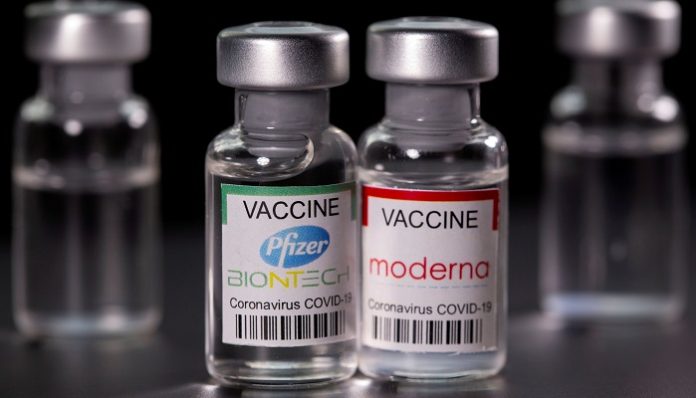
Following a decision by the Food and Drug Administration to broaden its authorization of reformulated shots from Moderna and partners Pfizer and BioNTech, kids as young as 5 years old can now receive an updated COVID-19 booster. The vaccine from Moderna, which was previously approved for use in people 18 years of age or older, is now permitted for use in kids who are at least 6 years old. After formerly being available to adults 12 years of age or older, the vaccine produced by Pfizer and BioNTech is now suitable for use in youngsters aged 5 and up.

The businesses’ petitions to increase the use of their revised injections, which are tailored to better guard against the omicron forms that are presently most prevalent in the U.S., were approved by the FDA slightly less than three weeks after they were submitted.

According to Peter Marks, director of the FDA’s Center for Biologics Evaluation and Research, there is the possibility of a higher level of exposure to the virus that causes COVID-19 as children have returned to school in person and people are continuing pre-pandemic habits and activities.

He continued, while it has generally been the situation that COVID-19 appears to be less severe in children than in adults, as the successive COVID-19 waves have occurred, more children have fallen sick with the illness and have been hospitalised. Based on immune response and safety findings from clinical trials testing different formulations of the businesses’ revised boosters, which the agency regarded as relevant and helpful to its judgement, the FDA made its final determination. The company’s original booster dosages, which have been broadly employed, were also subject to data assessment by the government.

Genetic material encoding for the spike proteins present in both the original coronavirus variant and the BA.4/BA.5 omicron strains is present in the new boosters. At the end of August, the government first approved omicron boosters for use in adults and, in the cases of Pfizer and BioNTech, older children. They should be administered at least two months following the initial booster shot or the two main series of any immunisation.

As per data from the Centers for Disease Control and Prevention, uptake has been significantly slower thus far, with only 11.5 million people getting an updated vaccine dose. 110 million Americans, or nearly half of those who finished their original vaccine series, have received a booster. According to monitoring by The New York Times, the number of COVID-19 cases in the U.S. has decreased to an average of approximately 40,000 each day. Each day, the illness claims the lives of almost 400 people.

Health experts have been worried that those figures could rise once more as a result of kids returning to school and people staying inside more as the weather becomes cooler. People who received their vaccinations several months ago presumably have less immunity now, making them more susceptible to infectious variations like omicron and its associated sub-strains.

Ashish Jha, the White House’s COVID-19 response coordinator, stated in a press conference on 11th October that they have seen a spike in COVID outbreaks, admissions, and fatalities each of the last two winters. They are closely observing the emergence of a number of subvariants, including those that are resistant to some of the current treatments, that are changing quickly and appearing all over the world. However, communicating caution has proven difficult for the White House, especially after President Joe Biden stated in an interview last month that the pandemic was gone.

According to Jha, the greatest thing individuals can do to keep safe and healthy this fall and winter is to get vaccinated. They are out there doing all they can to make sure that message is going out there and helping people realise that, he added. Pfizer’s previous booster shot, which solely included the original coronavirus strain, is no longer allowed for kids between the ages of 5 and 11 as a result of the FDA’s ruling.

The initial vaccines from Pfizer and Moderna are still accessible for a primary two-dose sequence in young infants and kids older than 6 months.


How To Choose The Right Treatment For A Complex Mental Health Issue

Mental health is a complex issue, and there is no one-size-fits-all solution when it comes to treatment. It can be challenging to know where to start when you are trying to find the proper treatment for yourself or a loved one. In this blog post, we will provide some tips on how to choose the right treatment for a complex mental health issue.

1. Consult with a mental health professional

The first step is to consult with a mental health professional. This can be your primary care physician, a psychiatrist, or a psychologist. They will be able to assess your individual situation and make recommendations for treatment. If you are not sure where to start, there are also many online resources that can help you find a mental health professional in your area.

Once you have consulted with a mental health professional, they will likely recommend one or more treatment options. For instance, if you are struggling mentally after fighting in a war your doctor will probably suggest that you get therapy for veterans with PTSD to help you. It is important to remember that there is no wrong choice when it comes to treatment; the goal is to find what works best for you.

2. Consider your goals

Before you begin any treatment, it is important to consider your goals. What are you hoping to achieve through treatment? Are you looking for relief from symptoms, or are you hoping to make a complete recovery? Once you have considered your goals, you can narrow down your treatment options. For example, if you are only looking for symptom relief, medication may be the best option. If you are hoping to make a full recovery, however, medication may not be enough; you may need to also participate in therapy.

3. Consider your lifestyle

Another important factor to consider when choosing a treatment is your lifestyle. Do you have a busy work schedule? Are you a stay-at-home parent? Do you live in a rural area? Your lifestyle will play a role in what type of treatment is best for you. For example, if you are a busy working professional, you may not have time to participate in weekly therapy sessions. In this case, medication or online therapy may be more realistic options. At the end of the day, the most important thing is that you find a treatment that works for you. Mental health is complex, and there is no one-size-fits-all solution.

4. Don’t be afraid to ask for help

If you are struggling to choose the right treatment, don’t be afraid to ask for help. Talk to your mental health professional, or reach out to a support group. There are many people who have been through what you are going through, and they can provide valuable insight and guidance. This will not only help you choose the right treatment, but it will also help you feel less alone.

5. Consider the severity of your situation

Last but not least, you should consider how severe your mental health issue is. If you are struggling with mild anxiety or depression, medication may not be necessary. However, if you are dealing with more severe issues, such as bipolar disorder or schizophrenia, medication may be essential. It is important to work with a mental health professional to determine the severity of your condition and what type of treatment is best for you. For example, if you are struggling with a severe mental illness, you may need to participate in both medication and therapy.

6. Follow your gut

Ultimately, you should follow your gut when choosing a treatment. If you are not comfortable with a certain medication or therapy, there is no shame in finding an alternative. The most important thing is that you find something that works for you and that makes you feel better. Trust yourself, and don’t be afraid to advocate for your own mental health. Remember, you are the expert on yourself, and nobody knows what’s best for you better than you do.

Mental health is complex, and there is no one-size-fits-all solution when it comes to treatment. It can be challenging to know where to start when you are trying to find the proper treatment for yourself or a loved one. However, by following these tips, you can make the process of choosing a treatment much easier. If you are still struggling, don’t hesitate to reach out for help if you or someone you know is struggling with a mental health issue. There are many resources available, and there is no shame in seeking treatment. Mental health is complex, but there are many effective treatments available.

Why Are Eco-Friendly Hygiene Products Good For Your Skin?

If you’re looking for a way to take care of your skin that is both gentle and eco-friendly, then you should consider using eco-friendly hygiene products. Many people don’t realize this, but standard hygiene products can contain harsh chemicals that can be bad for your skin. Eco-friendly hygiene products use natural ingredients instead, which makes them much better for your skin.

This article will discuss the benefits of using eco-friendly hygiene products and why they are good for your skin! It will also provide some tips on how to choose the right eco-friendly hygiene products for your needs.

Het Eco-Friendly Shampoo Bars

One of the most popular eco-friendly hygiene products on the market is eco-friendly shampoo bars. Shampoo bars are made with natural ingredients and they are gentle on your scalp and hair. They are also very easy to use; you simply wet your hair, massage the shampoo bar into your scalp, and then rinse it out. Shampoo bars are a great alternative to traditional shampoos because they don’t contain any harsh chemicals. Also, on the Pacific Spirit website, you can find many different types of eco-friendly shampoo bars to suit your specific hair type. Furthermore, eco-friendly shampoo bars are very economical because they last a long time; one bar can last up to 80 washes!

Eco-Friendly Deodorants

Another popular eco-friendly hygiene product is eco-friendly deodorants. Deodorants are an important part of our daily hygiene routine, but many commercial deodorants contain harmful chemicals that can be absorbed into our skin. Eco-friendly deodorants use natural ingredients instead, which makes them much safer for our skin. For example, on online websites, you can find an eco-friendly deodorant that contains baking soda, arrowroot powder, and coconut oil. These ingredients are all gentle and safe for our skin. In addition, eco-friendly deodorants are very effective at keeping us smelling fresh all day long!

Eco-Friendly Toothpaste

Toothpaste is another hygiene product that we use every day. However, many commercial toothpastes contain fluoride, which can be harmful if ingested in large quantities. Eco-friendly toothpastes use natural ingredients instead, such as baking soda, sea salt, and essential oils. Baking soda serves as a gentle abrasive to clean your teeth, while sea salt and essential oils help to kill bacteria and freshen your breath. In addition, eco-friendly toothpastes are very gentle on your teeth and gums. In addition, eco-friendly toothpastes are very effective at keeping your teeth clean and healthy!

Eco-Friendly Soap

Soap is another important part of our daily hygiene routine. However, many commercial soaps contain harsh chemicals that can be bad for our skin. Eco-friendly soaps use natural ingredients instead, which makes them much gentler on our skin. For example,  glycerin soap is made with natural oils and doesnโ€™t contain any of the harsh chemicals that other soaps do. This makes it an ideal choice for people with sensitive skin.

What About Domestic Cleaning Products?

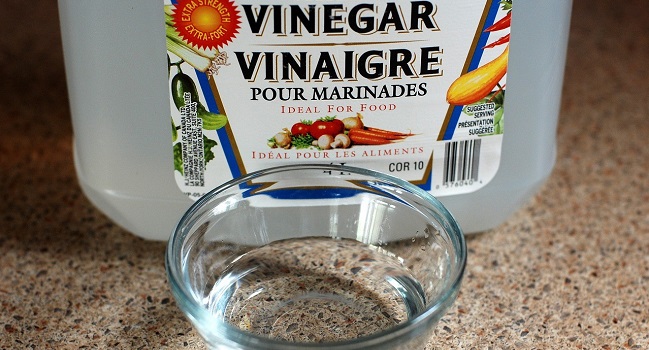
While weโ€™re on the topic of cleaning, itโ€™s important to mention domestic cleaning products as well. Just like hygiene products, many commercial cleaning products contain harsh chemicals. These chemicals can be harmful to our skin, and they can also pollute the air in our homes. Eco-friendly alternatives are available, however, and theyโ€™re just as effective as chemical-laden alternatives. For instance, vinegar is a natural disinfectant that can be used to clean surfaces in your home. Itโ€™s also non-toxic, so you donโ€™t have to worry about it harming your skin or polluting the air.

Why Should We Use Eco-Friendly Products?

Eco-friendly products are good for our skin because they donโ€™t contain any of the harsh chemicals that other products do. This means that they wonโ€™t dry out our skin or cause any irritation. Instead, they will leave our skin feeling soft and healthy. In addition to this, eco-friendly products are also good for the environment. They are made with natural ingredients that are biodegradable, so they wonโ€™t pollute the earth.

Additionally, many eco-friendly products are packaged in recycled materials, which helps to reduce our impact on the environment even further. these packages can be recycled or reused, which helps to reduce our impact on the environment. They are created without harming any animals in the process, which is another huge bonus.

There are many reasons why eco-friendly hygiene products are good for your skin. They are gentle, healthy, and good for the environment. So next time youโ€™re shopping for soap or any other hygiene product, be sure to look for the eco-friendly option! Your skin will thank you for it.

Thank you for reading!

How Aesthetic Treatments Can Work Wonders for Your Self-Esteem

Self-esteem is key to happiness. When we feel good about ourselves, we are more likely to take on new challenges and be happier overall. Unfortunately, many people struggle with self-esteem issues. Aesthetic treatments can work wonders for your self-esteem by making you look and feel your best. In this article, we will discuss the benefits of aesthetic treatments and how they can help improve your self-esteem!

Build Confidence

You deserve to feel confident and beautiful. Aesthetic treatments can help you achieve that goal. Whether you are looking to get rid of wrinkles, improve your skin tone, or lose weight, there is an aesthetic treatment that can help you look and feel your best. Aesthetic treatments can be performed by a licensed medical professional such as a dermatologist, plastic surgeon, or cosmetic surgeon. Most people note that they feel more confident after cosmetic surgery because they look better. Aesthetic treatments can do more than just improve your appearance; they can also boost your self-esteem. When you look good, you feel good. That boost in confidence can lead to all sorts of positive changes in your life. You may be more likely to take on new challenges, socialize more often, and generally be happier overall.

Look Younger

Feeling good about yourself isnโ€™t just about looking great for other people. Itโ€™s also about looking great for yourself. Aesthetic treatments can help you achieve a more youthful appearance. If you are unhappy with the way you look, aesthetic treatments can help improve your self-esteem by making you look and feel younger. Additionally, aesthetic treatments can help you look more refreshed and rested, which can also boost your self-esteem.

Looking Like Ideal Self

We all have an idea of how we want to look. For some people, that ideal is to look like they did when they were younger. For others, itโ€™s to achieve a certain body type or facial features. Whatever your ideal is, aesthetic treatments can help you achieve it. If youโ€™ve always wanted to have fuller lips or smoother skin, there are aesthetic treatments that can help you achieve those goals. Achieving your ideal appearance can do wonders for your self-esteem.

Correct Imperfections

We all have imperfections. Whether itโ€™s a crooked nose, uneven skin tone, or fine lines and wrinkles, we all have something that weโ€™d like to change about our appearance. Aesthetic treatments can help you correct these imperfections and give you the confidence boost that you need. Whether itโ€™s getting rid of unwanted body hair or getting fuller lips, there are a variety of treatments that can help you achieve your desired look.

Improve Your Interactions

Aesthetic treatments can help you feel better about yourself, which in turn can lead to more positive interactions with those around you. When you feel good about yourself, you’re more likely to project confidence and act friendly. Friendly gestures and compliments will come more naturally to you when your self-esteem is high. Aesthetic treatments can also help improve your physical appearance, which can be another reason why your interactions with others are more positive. If you’ve ever felt self-conscious about the way you look, you know that it can be difficult to interact with others confidently. By improving your appearance with aesthetic treatments, you’ll be able to approach social situations with a newfound sense of confidence.

Offer Trans People a Sense of Relief

Aesthetic treatments can be a source of relief for transgender people. For many trans people, the process of aligning their physical appearance with their gender identity can be a long and difficult journey. Aesthetic treatments can help ease this transition by making the individual feel more comfortable in their own skin. In addition, aesthetic treatments can also help boost an individual’s self-esteem and confidence levels, which is essential for living a happy and fulfilling life.

In short, aesthetic treatments can work wonders for your self-esteem. If you’re unhappy with your appearance, consider exploring the various aesthetic treatments that are available. You may be surprised at how much of a difference they can make in your life. It’s important to note that aesthetic treatments are not a cure-all for low self-esteem. However, they can be a helpful tool in boosting your confidence and improving your overall outlook on life. If you’re considering aesthetic treatments, be sure to consult with a qualified professional to ensure that they’re right for you. They will be able to answer any questions you have and help you make an informed decision. Aesthetic treatments can be a great way to improve your self-esteem, so don’t hesitate to explore the option that’s right for you.

How to Safely Detox from Alcohol: Alcohol Detox Tips

If you’re like most people, you enjoy a drink from time to time. However, if you find yourself drinking more than is healthy, or if you want to quit drinking but don’t know how, then this blog post is for you! In it, we will discuss the safe and effective ways to detox from alcohol. We’ll also provide some tips on how to stay sober once you’ve completed your detox. So whether you’re looking to quit drinking altogether or just take a break, read on for helpful advice!

What Happens When You Start Detoxing From Alcohol?

When you first stop drinking, it’s normal to feel some withdrawal symptoms. These can include irritability, anxiety, insomnia, nausea, and tremors. However, these symptoms are usually mild and only last for a few days. If you’re worried about them, talk to your doctor or a professional detox program. They can help you through the process and make sure you’re as comfortable as possible.

How to Safely Detox From Alcohol

There are a few different ways you can detox from alcohol, but the most important thing is to do it safely. If you’re not sure how to go about it, here are a few tips:

  1. Talk to your doctor. If you’re worried about withdrawal symptoms or other health concerns, your doctor can help you plan a safe alcohol detox. They may also be able to prescribe medication to help with symptoms like anxiety or insomnia.
  2. Join a support group. There are many groups available to help people who are trying to quit drinking. These groups can provide support and advice from people who have been through the same thing.
  3. Seek professional help. If you’re having trouble quitting on your own, or if you’re worried about relapsing, professional help may be the best option. There are many programs available that can help you through detox and recovery.
  4. Take it one day at a time. Quitting drinking is a process, and it’s important to take it one day at a time. Don’t get too ahead of yourself or try to do too much at once. Just focus on getting through today, and the rest will follow.
  5. Be prepared for setbacks. There may be times when you slip up or have a craving for alcohol. It’s important to be prepared for these setbacks and have a plan for how to deal with them. Talk to your doctor or a professional about what to do if you feel like you’re about to relapse.

Get Professional Help For Alcohol Detox At An Alcohol Rehab

These are just a few tips for how to safely detox from alcohol. If you need help, there are many resources available. You can talk to your doctor, join a support group, or seek professional help from an alcohol rehab. No matter what you decide, the most important thing is to take care of yourself and stay safe.

If you or a loved one are struggling with alcoholism, don’t hesitate to get help. There are many resources available, and you don’t have to go through this alone. Alcoholism is a serious disease, but it is treatable. With the right help, you can overcome addiction and live a sober, healthy life.

American Experts Advocate Stress Tests For Kids 8 And Older

For the first time on October 11th, a distinguished group of American experts advised primary care physicians to check for anxiety in all kids aged 8 to 18โ€”even if there are no signs.

The U.S. Preventive Services Task Force, a committee of medical and disease prevention specialists created by the U.S. Department of Health and Human Services (HHS), issued their recommendations at a time when more American youth are being diagnosed with mental health disorders. According to task force participant and professor at the nursing school at George Mason University, Dr. Martha Kubik, anxiety is the most prevalent mental health issue among children and young adults.

The task committee identified a number of linked illnesses, collectively referred to as anxiety, which are characterised by excessive concern or fear and show physical and emotional symptoms. Studies have shown that children with these disorders benefit from treatment, which may involve cognitive behavioural therapy or psychotherapy, and the report advised employing screening surveys to detect children at risk.

For a young individual, anxiety may be crippling, and it raises the likelihood of stress in adulthood as well as other illnesses like depression, according to Kubik. Kubik stated that screening can help identify kids who need to be referred for a full assessment.

The task force determined that screening for anxiety is beneficial and outweighs the risks with moderate certainty, earning it a B recommendation. According to the task committee, there is insufficient data to support screening children under the age of 8.

According to the task force, the recommendations were developed after a review of the research on diagnosing and treating anxiety in kids and teenagers. They were then published in the Journal of the American Medical Association. In April, a version of the suggestions was made public.

An HHS study published in March revealed that, from 2016 to 2020, there was a 29% increase in the number of American children aged 3 to 17 who had been diagnosed with anxiety and a 27% increase in those with depression. Experts claim that the COVID-19 pandemic-related problems have made the tendency worse.

Last month, the task committee recommended monitoring those aged 64 and younger for anxiety in similar draught regulations. Those are still up for adjustment before being decided upon. The task force also reiterated its earlier advice to check kids for depression starting at age 12 even if they don’t exhibit any symptoms, but they came to the conclusion that there wasn’t enough data to support such testing in younger kids.

The task committee also concluded that there was inadequate evidence to suggest routinely screening asymptomatic kids or teens for suicidal risk.

Behind only accidents, suicide is the second most common cause of death for Americans aged 15 to 24. In March, the American Academy of Pediatrics, the American Foundation for Suicide Prevention, and specialists from the National Institute of Mental Health of the United States government suggested that children begin suicide screening at age 12.

The primary difficulty in tackling juvenile suicide in the United States is not recognising those at risk, according to professor of psychiatry, Dr. Oscar Bukstein, who teaches physicians in mental health screening at Boston Children’s Hospital, which is connected with Harvard.

Bukstein, who authored an editorial in the journal along with the depression and suicide suggestions, stated that the crisis was not having the proper therapeutic settings to treat all of these suicidal children.

80% of SA ER Patients Declined Hospitalisation In A Pilot

The virtual care programme at South Australia Health has begun to be implemented at more than 120 residential care institutions in the state. This comes after a trial in 11 senior living facilities run by Eldercare since the beginning of the year.

The South Australia Virtual Care Service (SAVCS) collaborates with the SA Ambulance Service, regional hospitals, and aged care homes to offer an individualised assessment service through video link for urgent patients who are on the scene with responders. To evaluate, analyze, and choose the best and safest solutions for emergency patients, first responders can consult senior and specialised medical experts through video on an electronic tablet.

The SAVCS pathway transfers to the patient’s home the clinical teams’ expertise that is often only accessible in the ED.

About 70% of SAVCS participants during its study received urgent care in place, as opposed to ED admissions and pointless triple-zero calls. The court site operations manager at Eldercare Acacia, Samantha Miller, stated that the SAVCS provides an easily accessible healthcare service to prevent hospital transports for elderly residents.

Additionally, the virtual service decreases hospital emergency presentations, saving valuable hospital resources for those who truly need them.

Around 10,000 residents of state-run elderly care facilities are expected to benefit from the programme, according to SA Health. Northern Health in July also opened access to its virtual emergency department service to residents of aged care facilities and COVID-19 patients receiving home treatment through the COVID-19 Positive Pathway Program in an effort to further increase its capacity to handle emergency patients during a COVID-19 outbreak.

India Introduces A Nationwide Tele-Mental Health Service

This week, starting on October 10th, India’s nationwide tele-mental health initiative was formally started by the Union Ministry of Health & Family Welfare.

This programme, known as Tele Mental Health Assistance and Networking Across States-Tele-MANAS, would offer 24/7 free teleconsultation for mental health issues. With the National Institute of Mental Health and Neurosciences (NIMHANS) at its centre and the International Institute of Information Technology-Bangalore offering technical assistance, it operates a network of 23 tele-mental health centres of excellence.

Technical assistance for the programme is also being provided by the National Health Systems Resource Center and the Indian Institute of Technology-Bengaluru. It will be divided into two levels: Tier 1 will consist of state-level cells with trained counsellors and mental health specialists, and Tier 2 will include the national telemedicine service of India, e-Sanjeevani, which offers audio-visual consultations, as well as experts from the District Mental Health Programme as well as partner medical colleges who are providing in-person consultations.

The union administration stated in a press release that it plans to establish at least one Tele-MANAS cell in each state or union territory throughout the nation. There are currently 51 Tele-MANAS cells at the state or union territory level and five regional coordination centres.

Additionally, NIMHANS has trained roughly 900 counsellors for the programme. According to the government, the initial implementation would use a centralised Interactive Voice Response system that is being tailored for use across states and union territories to offer fundamental support and counselling.

Tele-MANAS is expected to connect with other services like e-Sanjeevani and the Ayushman Bharat Digital Mission, as well as with emergency psychiatric facilities and mental health specialists. The government continued, saying this would eventually include the full spectrum of mental wellness and sickness and connect all systems that would provide mental health care.

The Indian government recognised the country’s ongoing crisis of mental health in the wake of the COVID-19 outbreak by launching Tele-MANAS. In accordance with a survey report by the Indian Psychiatric Society, over 40% of Indians have been dealing with mental health issues since the onset of the pandemic. The establishment of a digital mental health network is urgently needed, according to the administration, in order to address public health issues brought on by the pandemic.

When the Union Budget 22-23 was released, it was originally announced that a nationwide tele-mental health programme would be established.

Mansukh Mandaviya, the health minister stated earlier that the programme aims to transform access to mental healthcare by offering counselling and care using common, proven, and culturally appropriate tools; boosting access to high-quality, standardised, and free mental health services; and assisting in connecting with various mental health care services.

What Are Liquid Vitamins And How To Use Them

Liquid vitamins are a convenient and efficient way to take in your daily dose of essential nutrients. Bypassing the digestive system, they are immediately absorbed into the bloodstream, providing an immediate boost to your health. They come in a variety of flavors, making them easy to take on the go, and they can be mixed with water or juice for a quick and healthy drink. Not only are they a convenient way to get your vitamins, but they are also more effective than pills or capsules since your body can absorb up to 98% of the nutrients.

There are many different types of liquid vitamins available on the market, so it is important to choose one that is right for you.

1) Vitamin C

Vitamin C is an important nutrient that plays a role in many aspects of health. It is essential for the growth and development of bones, teeth, and cartilage, and it helps wounds heal properly. Vitamin C also helps the body fight off infection and supports the immune system.

Liquid vitamin C supplements are a convenient way to make sure you’re getting enough of this important nutrient. They are easy to take on the go and come in a variety of flavors. As the people from Pure Life Vitamins note, vitamin C supports collagen production and skin elasticity. Plus, it can help to reduce the appearance of wrinkles.

2) Vitamin D

Liquid vitamins can offer a number of benefits over other forms of the vitamin. One of the biggest advantages is that they are easier for the body to absorb, so you can get the most out of them. They are also convenient to take, making them a good choice for people who have difficulty swallowing pills. Liquid vitamins often come in a variety of flavors, so they can be enjoyable to take as well.

Vitamin D is essential for good health, and many people don’t get enough of it. It plays a role in strengthening bones, preventing chronic diseases, and improving moods. Liquid vitamin D is an easy way to make sure you’re getting enough of this important nutrient. It’s available in both supplement and multi-nutrient forms, making it easy to find a product that fits your needs.

3) Omega-3 fatty acids

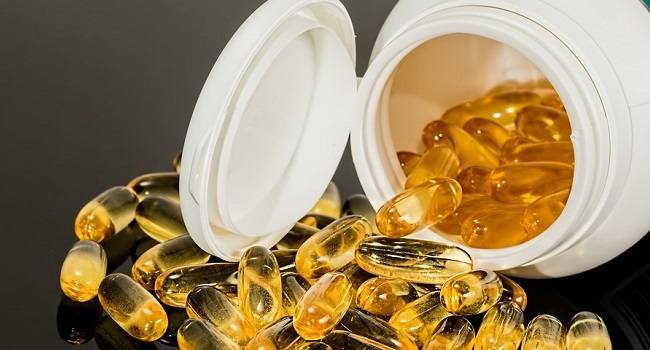
Omega-3 fatty acids are important for a number of reasons. They support heart health, cognitive function, and joint health. They can also help to reduce inflammation throughout the body. Liquid omega-3 supplements are a convenient way to make sure you’re getting enough of these important nutrients.

Omega-3 not only supports heart health but also cognitive function and joint health.

4) B-vitamins

B vitamins are important for a number of processes in the body. They help to convert food into energy, support the nervous system, and produce red blood cells. Liquid B vitamins are a convenient way to make sure you’re getting enough of these important nutrients.

B vitamins are important for energy production, nervous system support, and red blood cell production.

Liquid vitamins are a convenient and efficient way to take in your daily dose of essential nutrients. Bypassing the digestive system, they are immediately absorbed into the bloodstream, providing an immediate boost to your health. They come in a variety of flavors, making them easy to take on the go, and they can be mixed with water or juice for a quick and healthy drink. Not only are they a convenient way to get your vitamins, but they are also more effective than pills or capsules since your body can absorb up to 98% of the nutrients.

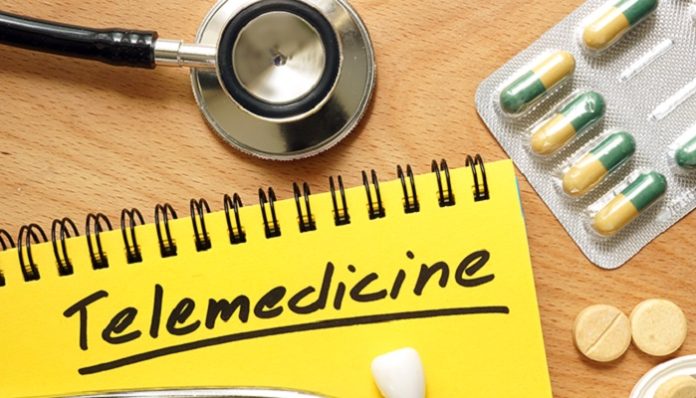
In Montana, Telemedicine Means Access And Cuts Inequities

With a population of slightly over a million, Montana faces special difficulties in delivering healthcare to its dispersed residents.

Of Montana’s 56 counties, 55 have been deemed Health Professional Shortage Areas (HPSAs), which restrict access to both emergency and regular medical care. Patients frequently cite high travel expenses and extended travel times as justifications for delaying or forgoing medical care.

By granting primary care coverage and specialist treatments, the use of telehealth technology can increase access to affordable healthcare for Montanans living in rural and tribal regions. The Native American population in Montana, which accounts for around 7% of all residents, is also sizable. Tribal members suffer from serious health inequities, which are partly caused by uneven healthcare access.

The COVID-19 pandemic has left many rural and tribal populations particularly vulnerable, according to director of the L.S. Skaggs Institute for Health Innovation and professor at the University of Montana’s Skaggs School of Pharmacy,Erica Woodahl.

Commorbidities known to raise the risk of morbidity and mortality linked with COVID-19 have a higher burden in rural and tribal people, she added. No group has seen a greater decline in life expectancy in the two years following the pandemic than tribal people, whose average lifespan has fallen by about seven years.

She continued by stating that the pandemic further decreased access to regular care, which increased the number of chronic condition-related problems that could have been avoided, including ER visits, hospital stays, and overall healthcare expenses. Rural and tribal patients are more susceptible to the development of COVID-19 because they lack proper access to clinics or hospitals nearby for coronavirus testing or treatment, she added. Due to a lack of providers, a paucity of hospital beds, and other resource limitations, this exacerbates already-existing strains on rural healthcare systems.

Through a centralised hub at the university, synchronous and asynchronous telehealth services would be provided to rural and tribal communities in collaboration with clinics, hospitals, and pharmacies throughout the state as part of the telehealth work of the University of Montana College of Health in Missoula.

The extension of services within UM’s College of Health would be made possible by the equipment that was purchased with aid from a grant from the FCC’s telehealth award programme.

Shayna Killam, PharmD, a postdoctoral fellow at the Skaggs School of Pharmacy at the University of Montana, stated that while the initial utility of telehealth technologies to improve care for underserved populations focused on the immediate provision of clinical services disrupted by the COVID-19 pandemic, advantages to patients will persist beyond the pandemic to address the difficulties of providing healthcare to Montanans.

She stated, telehealth technologies give clinicians the resources they need to close the healthcare access gap and deliver high-quality healthcare to Montana patients. Services will primarily target people with chronic medical illnesses and comorbidities living in rural and indigenous communities.

The group plans to have a significant impact across Montana by leveraging collaborations with clinical affiliates and training sites to offer centralised telehealth services to a variety of patients. Programs at the College of Health at UM received a $684,593 grant from the FCC, according to Killam. Finances were used to acquire linked medical devices and telehealth technology, providing patients in Montana with essential and remote treatments.

Faculty, residents, and students connected to the University of Montana College of Health will use telehealth equipment. In the current health IT market, there are numerous suppliers offering telemedicine technology and services.

Through point-of-care testing, medication therapy management visits, and consultations with telehealth pharmacists, pharmacist-driven programmes offer services for community-based chronic disease screening, education, and control, including managing diabetes, asthma, cardiovascular risk, and mental health.

With medical residents and providers associated with the FMRWM, connected medical devices and video conferencing hardware will be used to deliver routine and urgent care visits, which include diagnostics and monitoring, chronic illness management, prenatal care, and mental health services, according to Woodahl.

In addition to remote assessments augmented with telehealth like vestibular function testing and gait monitoring equipment, telemedicine robots, and video consults with patients and other healthcare professionals, she continued, the UMPT programme gives home-based trips and assistance at end-user sites in rural and tribal communities.

Through the use of top-notch video and audio equipment, clinicians and students in SLHOS will offer telehealth consultations that enable efficient diagnosis and treatment of articulation and voice issues. The University of Montana College of Health received a grant from the FCC telehealth grant fund for $684,593 to buy telemedicine kits to enable essential remote telehealth assistance and to purchase internet-connected devices for remotely monitoring patients’ services for underserved, rural, and tribal populations in the state.

The overall objective of expanding telehealth programmes offered by the interprofessional professions and addressing healthcare inequities, according to Killam, is to increase healthcare access.

Telehealth technologies will be utilised to train future health professionals in addition to providing affordable, fair, and equal treatment, she said. Preemptive training of health professions graduates has the ability to change Montana’s healthcare system and overcome the difficulties posed by traditional forms of care, says the university.

According to PT, clinical associate professor at the department of physical therapy and rehabilitation science, Jennifer Bell, the equipment purchased has given physical therapists the ability to monitor patients remotely as they conduct interventions in their homes.

She stated that patients frequently struggle with balance and functional mobility at home. By using technology, they are able to see a patient’s living surroundings and assist their capacity to walk around, decrease the risk of falling, and finish a home exercise programme, says the doctor.

Translate ยป